
19 min 35 sec
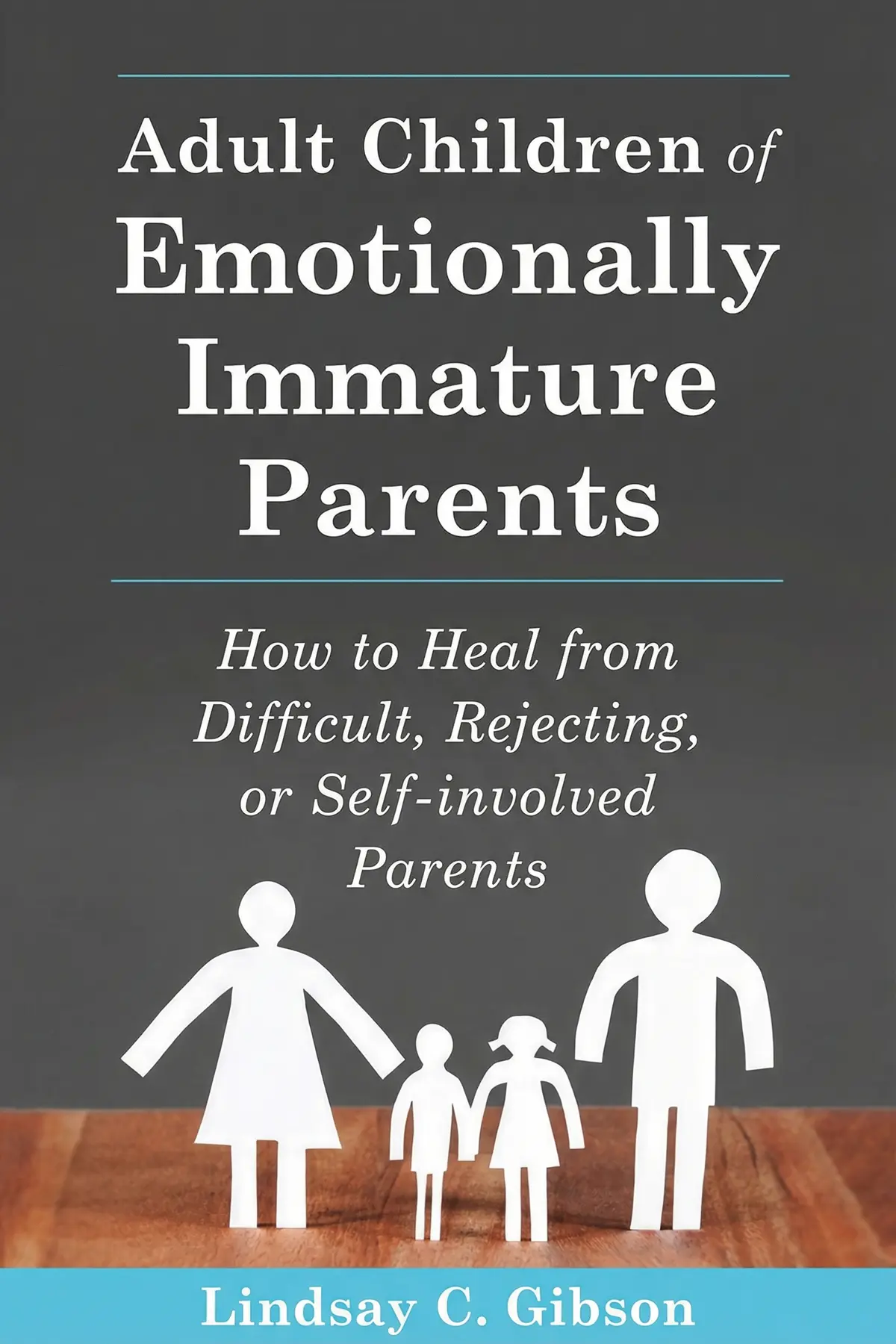
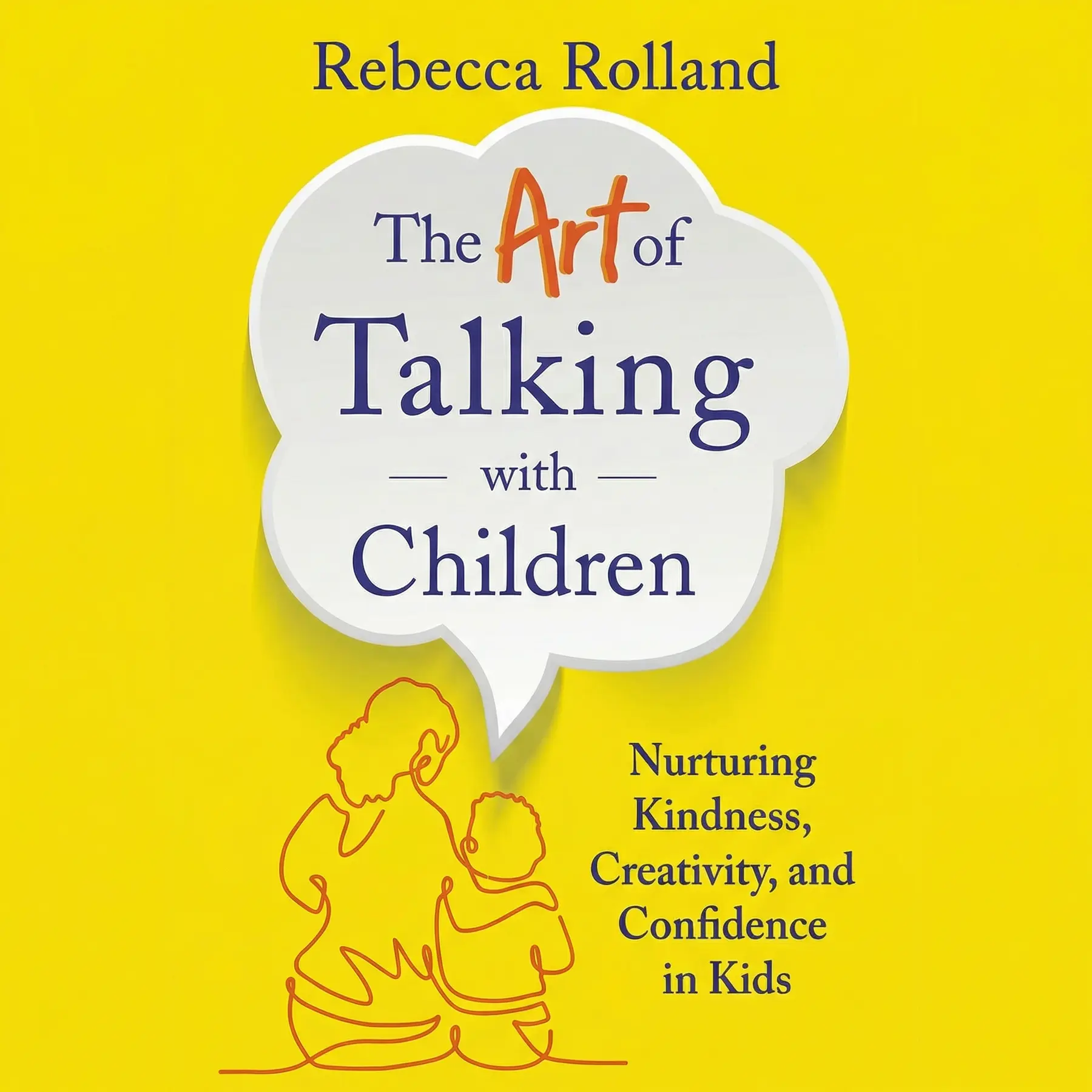
The Art of Talking with Children: Nurturing Kindness, Creativity, and Confidence in Kids
Explore how intentional, meaningful dialogue can transform your relationship with your child. This guide offers practical strategies to nurture emotional intelligence, boost confidence, and encourage lifelong curiosity through the power of connection.
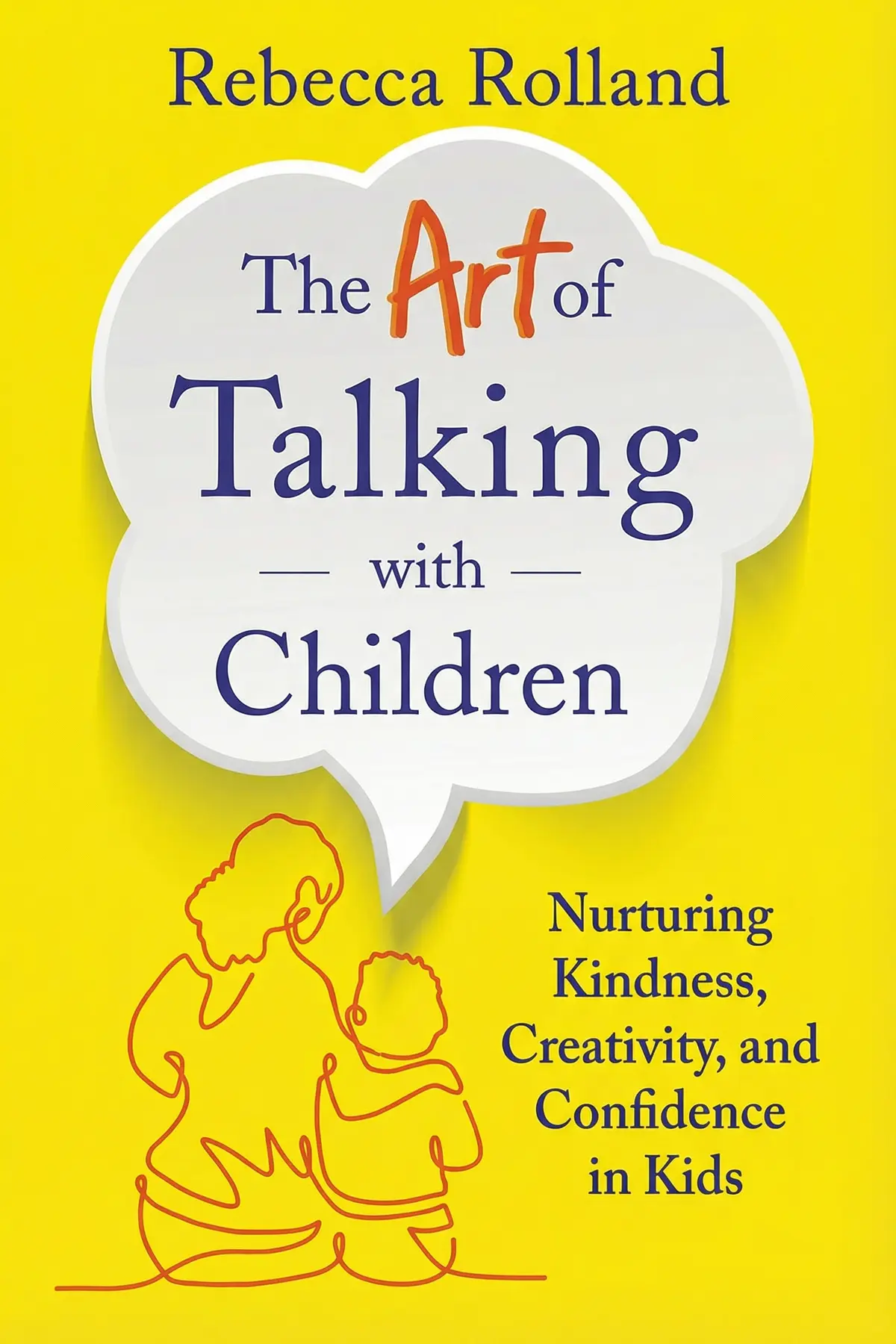
Table of Content
1. Introduction
1 min 36 sec
Think back to the last few interactions you had with your child. Were they focused on the logistics of the day—reminders about homework, questions about lunch, or instructions for bedtime? For many families, the pace of modern life turns daily communication into a series of functional exchanges. We manage our children’s lives with the efficiency of a project manager, yet we often feel a lingering sense of disconnection. We want our children to be kind, creative, and confident, but we struggle to find the space to nurture those traits in the middle of our frantic schedules.
This is where the concept of “rich talk” becomes essential. It is the bridge between the routine tasks of parenting and the deep, emotional bond we crave. Meaningful dialogue is not something that requires a special setting or a therapist’s intervention. Instead, it is a way of being present during the ordinary moments of life. By shifting our focus from giving orders to asking open-ended questions and showing genuine curiosity, we can unlock a child’s inner world.
In the pages ahead, we will explore how these conversations act as a catalyst for emotional and intellectual growth. We will look at how to build empathy in a digital age, how to foster independence without micromanaging, and how to adapt our communication to the unique temperament of each child. This journey isn’t about being a perfect parent; it’s about becoming a better partner in your child’s discovery of the world. Through simple, intentional shifts in how we speak and listen, we can create a foundation for a lifelong relationship built on trust, understanding, and mutual respect.
2. The Foundations of Rich Talk
2 min 41 sec
Discover how moving beyond functional commands to deep, exploratory dialogue can accelerate a child’s cognitive development and emotional security.
3. Developing the Architecture of Empathy
2 min 42 sec
Empathy is more than just a feeling; it is a three-part skill that can be taught through intentional storytelling and emotional validation.
4. Nurturing Confidence and Autonomy
2 min 35 sec
Learn why the right kind of praise and a willingness to let children take responsibility are the keys to building true self-reliance.
5. Fostering Social Harmony and Global Awareness
2 min 40 sec
Explore how honest conversations about bias and diversity can help children become compassionate citizens of an interconnected world.
6. The Vital Role of Play and Creativity
2 min 46 sec
Play is not just a break from learning—it is the primary way children develop the cognitive flexibility and resilience needed for innovation.
7. Adapting to the Unique Heart of the Child
3 min 00 sec
Parenting is not a one-size-fits-all endeavor. Learn how to match your communication style to your child’s temperament to create a more harmonious home.
8. Conclusion
1 min 35 sec
In our time together, we have explored how the simple act of talking can become a profound tool for shaping a child’s life. We’ve seen that “rich talk” isn’t about having all the answers or being a perfect communicator. It’s about being present, being curious, and being willing to see the world through a child’s eyes. From the way we handle a museum visit to the way we praise a child’s effort on a difficult task, every conversation is an opportunity to build the emotional and intellectual scaffolding they need to grow.
We have looked at how empathy can be broken down into learnable skills, how confidence is built through effort rather than labels, and how play serves as the vital engine of creativity. We’ve also discussed the importance of respecting a child’s unique temperament, moving from a rigid “carpenter” mindset to a nurturing “gardener” approach. These are not just parenting techniques; they are ways of building a relationship that will last a lifetime.
As you move forward, remember that the most important conversations often happen in the quietest moments. You don’t need a special occasion to engage in rich talk. All you need is the intention to listen a little more deeply and ask questions that invite exploration. By making these small, consistent shifts in how you communicate, you are doing more than just raising a child; you are nurturing a kind, creative, and confident human being who will carry the lessons of your connection out into the world. Start today, in the car or at the dinner table, and watch as your relationship—and your child—begins to flourish in ways you never imagined.
About this book
What is this book about?
Modern parenting often feels like a constant stream of logistics—managing schedules, schoolwork, and digital distractions. In the midst of this busyness, the deep, transformative power of everyday conversation often gets lost. This summary explains how to move beyond basic instructions and tap into "rich talk," a method of communicating that fosters a child’s intellectual and emotional development. By following the insights within, you will learn how to help children build empathy through perspective-taking, gain confidence by embracing challenges, and develop social awareness by valuing diversity. The text highlights how simple shifts in how we listen and respond can turn a car ride or a meal into a profound learning experience. Ultimately, it provides a roadmap for moving from a "management" style of parenting to one of partnership and discovery, ensuring that children grow into compassionate, resilient, and creative individuals.
Book Information
About the Author
Rebecca Rolland
Rebecca Rolland is an esteemed faculty member at Harvard Medical School and a lecturer at the Harvard Graduate School of Education. As an expert in oral and written language, she serves as a specialist in the Neurology Department at Boston Children’s Hospital. Beyond her academic and clinical work, she is a celebrated writer and poet, having received the Dana Award for Short Fiction and published two poetry collections, The Vine of Somewhere and On the Refusal to Speak.
Ratings & Reviews
Ratings at a glance
What people think
Listeners find the book to be a helpful tool for parents, with one individual pointing out that it is deeply rooted in research. They also praise its entertainment level, characterizing the writing as a highly engaging read.
Top reviews
Anthony
This guide is exactly what I needed to shift my perspective on daily interactions with my kids. Rebecca Rolland manages to blend deep academic research with a tone that feels like you're getting advice from a trusted friend over coffee. The concept of 'rich talk' is truly transformative, focusing on quality over quantity in our busy schedules. I particularly appreciated how she frames conversation as a way to build empathy and resilience in an increasingly judgmental world. It’s not just about getting through the day or checking off a list of chores. The book shows that even small moments can be turned into opportunities for growth and connection. Some sections were a bit dense, but the concrete tools provided are invaluable for any parent wanting to foster a deeper bond.
Show morePick
Ever wonder if your daily chats are actually building a bond or just managing a schedule? This book answers that with such warmth and clarity. I was particularly struck by the final section on temperament, which reminded me that every child needs a unique conversational key. It’s not a one-size-fits-all approach, which I find refreshing compared to other parenting books that can feel a bit preachy. The author uses her expertise to show how language shapes a child’s world, yet she writes with the humility of someone who is also raising kids herself. I finished this feeling motivated rather than overwhelmed. It’s a rare find that is both an entertaining read and a serious, research-grounded manual for modern families.
Show moreSoontorn
Finally got around to reading Rolland's work, and the compassion she shows toward both parents and children is truly refreshing. Having spent the last two years homeschooling through the pandemic, I realized how much of my communication had become purely functional. This book reminded me that we love through conversation, not just through the things we do for our kids. The research on oral language is fascinating, and the author makes it accessible without dumbing it down. I found the section on 'rich talk' to be particularly helpful for re-establishing a connection with my teenager. It’s well-written, informative, and has a charming quality that kept me turning the pages. A must-read for the modern era.
Show moreOksana
Look, we all want to be better listeners, but this book actually gives you the scripts to do it. It’s brilliant. The author’s background as both a parent and an oral language expert shines through every page, offering a perfect balance of theory and practice. Gotta say, the stories she shares are both entertaining and deeply grounded in scientific research. I loved the focus on building resilience through conversation, especially in a world that feels so judgmental right now. Even if you only have five minutes a day, this book teaches you how to make them count. It’s an engaging read that left me feeling hopeful and equipped. Highly recommended for busy parents who want to foster deep, meaningful connections.
Show moreKevin
As a parent of a very inquisitive seven-year-old, I often feel pressured to have all the answers, but this book changed that for me. Truth is, I used to feel a bit ashamed when I had to reach for Google to explain how things work. Rolland’s research on the importance of 'not knowing' together was a huge relief and actually made our talks more fun. It’s fascinating to see how an oral language specialist views these everyday moments as building blocks for a child's development. Personally, I found the examples of 'rich talk' very easy to apply during our car rides or dinner time. While some of the anecdotes went on a little long, the core message is incredibly empowering. It’s a helpful resource for anyone feeling the strain of the current fast-paced world.
Show moreGai
Picked this up after seeing it recommended by a speech therapist, and it’s a solid addition to any parenting library. The way Rolland breaks down communication into 'rich talk' makes the goal of being a better parent feel much more achievable. In my experience, it’s easy to get lost in the 'to-do' list of life, but this book pulls you back to what matters. I loved the focus on compassion and how our words can build resilience in kids who are constantly under social media scrutiny. The writing style is engaging, though I did find some of the pedagogical explanations a bit repetitive after a while. Still, the tools for developing empathy are well worth the price of admission.
Show moreTim
The chapter on temperament alone makes this worth the read for anyone struggling to connect with a 'difficult' child. It provides a variety of lenses to identify why certain conversations fail and others succeed, which was a huge 'aha' moment for me. Rolland is an expert who talks like a friend, sharing strategies that feel realistic for a busy household. I appreciated the mix of family anecdotes and scientific research, though I think the book could have been trimmed down by fifty pages without losing its impact. It’s grounded in research but never feels dry or overly academic. Overall, a very helpful book that encourages us to be more attentive and nurturing in our daily discourse.
Show moreFon
While the author clearly knows her stuff, the chapters felt a bit daunting in their length and complexity at times. Frankly, I was looking for a more direct 'how-to' guide, but instead found myself wading through a lot of dense stories before getting to the actionable advice. To be fair, her perspective on letting children discover things for themselves is interesting, but I’m not sure I fully buy into it. My experience is that kids often need more direct instruction than this philosophy suggests. It gave me some food for thought regarding our communication styles, yet I found the pacing a bit slow for my taste. If you have plenty of time to digest long chapters, you'll find gems here, but it wasn't the quick reference I expected.
Show moreSatit
To be fair, I found the academic tone a little heavy at times, making it a slower read than I anticipated. I really wanted to love this, and while there are some brilliant insights, the long-winded nature of the chapters made it hard to stay focused. I did appreciate the author's dual perspective as both a specialist and a mother, which added a layer of authenticity to the advice. The concept of using conversation to build capacity for joy is beautiful, but the delivery felt a bit cumbersome. It’s an invaluable resource if you can get through the dense parts, but it might be a struggle for parents who are already short on time and energy.
Show moreHarper
Not what I expected based on the title, and I found myself disagreeing with the core philosophy more often than not. Look, the writing is decent and the author is clearly an expert, but her approach feels a bit too hands-off for my parenting style. She places a lot of trust in a child's innate ability to know what is right, whereas I believe they need much firmer guidance and boundaries. I stopped after five chapters because it felt more confusing than clarifying for my specific situation. The stories are charming, but they didn't provide the practical structure I was searching for. It might work for families who prefer a very nurturing, child-led environment, but it wasn't a good fit for us.
Show moreReaders also enjoyed




AUDIO SUMMARY AVAILABLE
Listen to The Art of Talking with Children in 15 minutes
Get the key ideas from The Art of Talking with Children by Rebecca Rolland, plus 5,000+ more titles in English and Thai.
- 5,000+ titles
- Listen as much as you want
- 7-day free trial
- Cancel anytime







