
20 min 12 sec
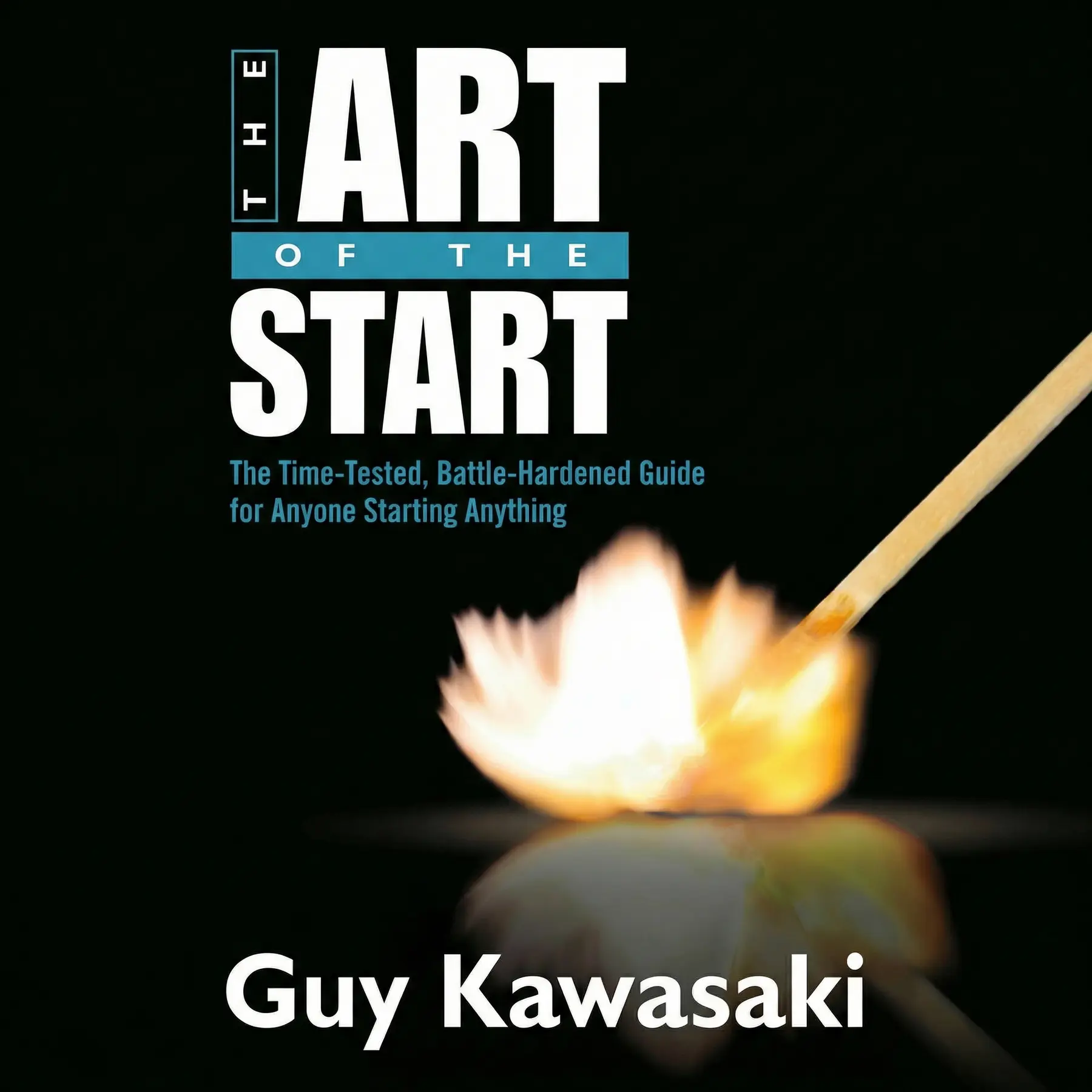
The Art of the Start: The Time-Tested, Battle-Hardened Guide for Anyone Starting Anything
By Guy Kawasaki
A battle-hardened guide for launching new ventures. Guy Kawasaki provides practical steps for entrepreneurs to create meaning, secure funding, build teams, and design products that stand out in a competitive marketplace.
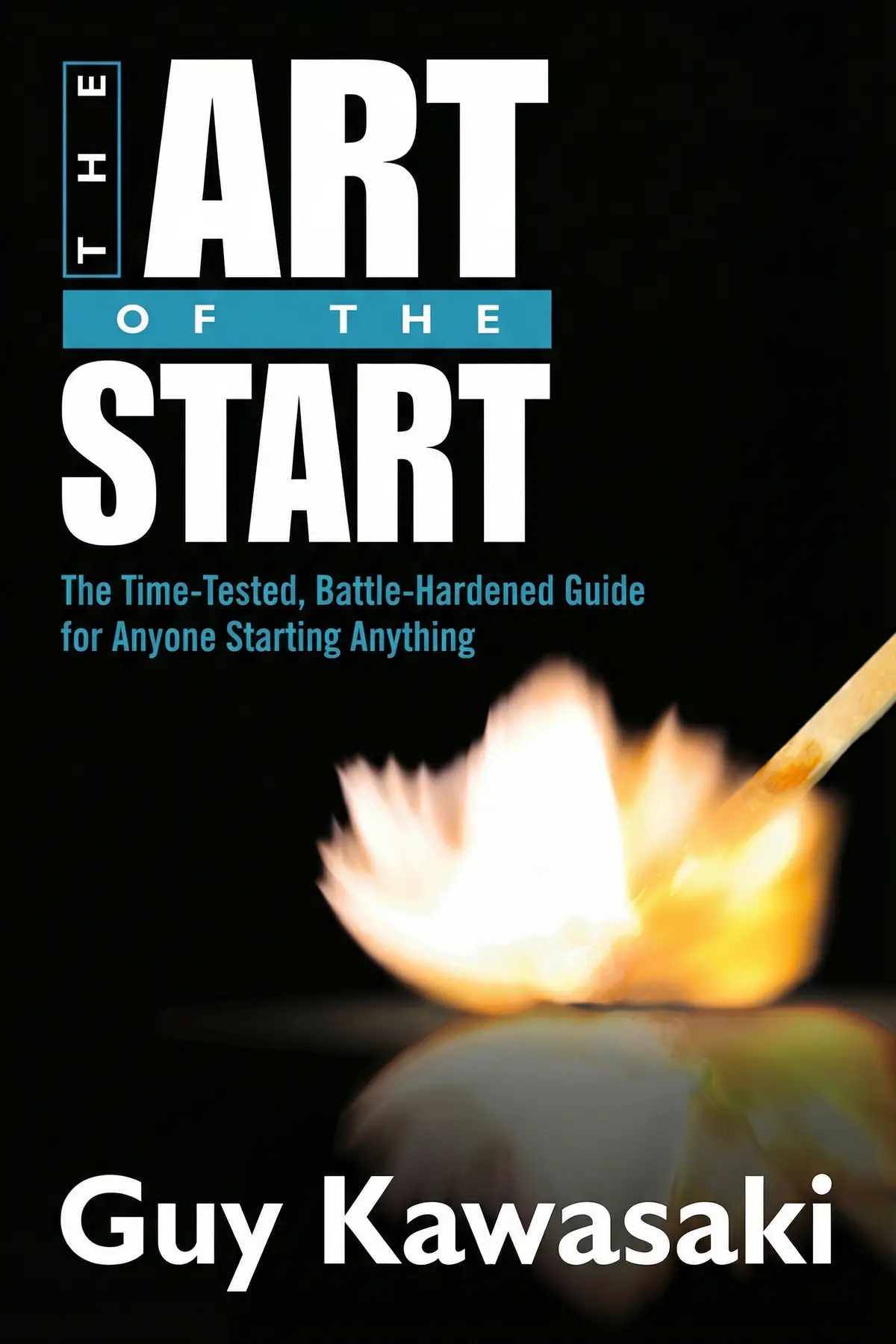
Table of Content
1. Introduction
1 min 36 sec
We have all heard the ancient wisdom from Lao Zi suggesting that even the most daunting thousand-mile trek begins with a single, humble step. Yet, when it comes to the world of business and entrepreneurship, we often find ourselves doing the exact opposite. We spend months, perhaps years, obsessing over the fiftieth or hundredth step—crafting elaborate fifty-page projections and complex organizational charts—while completely neglecting to take that initial stride. We become so paralyzed by the scale of the destination that we never actually leave the driveway.
This exploration isn’t about the dense, academic management tools taught in traditional business schools. Instead, it is designed to strip away the fluff and provide the bare essentials required to get a project off the ground and keep it running. Whether you are launching a tech startup, a local boutique, or a non-profit organization, the challenges remain remarkably similar. You need to know how to present your idea to those who can fund it, how to survive when those funds don’t materialize, and how to build a team that actually functions when the pressure is on.
Over the course of this summary, we will look at how companies carve out a unique space in the market and how they create brands that people don’t just use, but actually love. We will explore why hiring someone more talented than yourself is a sign of strength, not weakness, and how a legacy giant like IBM managed to pivot when its competitors stayed stuck in the past. By the end, you will understand what makes a product contagious and why the most successful entrepreneurs are those who focus on adding value to the world rather than just adding digits to their bank accounts.
2. Making Meaning Over Money
1 min 41 sec
Discover why the most successful startups focus on changing the world rather than just chasing profits, and how a simple mantra can align an entire team.
3. The MAT Framework for Organization
2 min 04 sec
Learn how to replace early-stage chaos with a structured approach to milestones, assumptions, and daily tasks to keep your venture on track.
4. Clear and Personal Positioning
1 min 41 sec
Uncover the secret to explaining your business in a way that resonates emotionally and practically with your target customers.
5. The Art of the Pitch
1 min 47 sec
Master the simple ‘So what?’ technique to turn technical jargon into compelling stories that get investors excited about your vision.
6. The Strategic Value of a Business Plan
1 min 33 sec
Find out why the process of writing a formal plan is often more important than the document itself, and learn the secret of a perfect executive summary.
7. Bootstrapping and Cash Flow
1 min 40 sec
Explore the gritty reality of starting without external funding and why perfectionism can be the enemy of a healthy bank account.
8. Building a High-Performance Team
1 min 41 sec
Learn the importance of hiring people who are smarter than you and how to implement a 90-day review to keep your team lean and effective.
9. The Strategy of Tangible Partnerships
1 min 43 sec
Discover why partnerships must offer more than just PR and why every collaboration needs an internal champion to succeed.
10. Creating a Contagious Brand
1 min 35 sec
Find out the three essential traits of products people love to talk about and how to foster a community that does your marketing for you.
11. Staying Flexible for Unexpected Opportunities
1 min 37 sec
Learn from the mistakes of Univac and IBM to see why the best market for your product might be the one you never even considered.
12. Conclusion
1 min 34 sec
As we reach the end of this journey into the art of starting, it is helpful to return to the core idea that should drive everything you do: the pursuit of meaning. Whether you are bootstrapping a small service or scaling a global tech platform, your success will ultimately depend on your ability to solve problems and add value. Money is an essential fuel for the journey, but it is a poor reason to start the engine. By focusing on creating something that genuinely matters, you gain a level of resilience and purpose that can carry you through the inevitable storms of the startup world.
Remember to keep your operations grounded in the MAT framework, ensuring that you are always moving toward measurable milestones while staying honest about your assumptions. Don’t be afraid to put your product into the world before it’s perfect, and never let your ego get in the way of hiring people who are better than you. Entrepreneurship is as much about people and partnerships as it is about products.
One final piece of actionable advice as you move forward: pay close attention to how you introduce your ideas. Whether you are writing an executive summary for a business plan or stepping onto a stage to pitch to a room of strangers, you must come out swinging. Use your most compelling stories and your most shocking facts at the very beginning. In a world where everyone is fighting for attention, you cannot afford to wait until the middle of your presentation to get to the good stuff. If you don’t capture their interest in the first minute, you may never get it back. Now, take that first step, stay flexible, and go create something that makes the world a little more refreshed, a little more fun, or a little more secure. The journey has begun.
About this book
What is this book about?
Launching a startup is often portrayed as a series of complex maneuvers and high-stakes gambles. However, success frequently boils down to the basics of action over over-analysis. This summary explores the foundational principles of entrepreneurship, emphasizing the shift from making money to making meaning. It offers a clear roadmap for anyone starting anything, from a small non-profit to a tech giant. The promise of this guide is a battle-hardened approach. Rather than drowning the reader in academic management theories, it focuses on the essential first steps: how to define your purpose with a mantra, how to organize with the MAT framework, and how to pitch ideas so they resonate. You will learn the art of bootstrapping—surviving without external capital—and the importance of hiring people who are smarter than you. By the end, you will understand how to position your brand for maximum impact and why the most successful companies are those that remain flexible enough to follow the market’s lead.
Book Information
About the Author
Guy Kawasaki
Guy Kawasaki is a legendary figure in the world of technology and entrepreneurship. He previously served as the chief evangelist for Apple and currently holds the same title at the online design platform Canva. In addition to his evangelism roles, he is a venture capitalist and the founder of Garage Technology Ventures.
Ratings & Reviews
Ratings at a glance
What people think
Listeners find this business title remarkably easy to read and pragmatic, delivering actionable strategies and guidance for launching a startup. The chapters are filled with ingenious concepts and address a broad spectrum of themes, serving as a comprehensive handbook for entrepreneurs. Listeners also praise the clear writing and smooth flow, with one listener highlighting how the content inspires them to take their ambition to new heights.
Top reviews
Nikolai
Picked this up during my first week of launching a small service business, and it was exactly the fuel I needed. Kawasaki emphasizes the importance of 'making meaning' rather than just chasing a paycheck, which is a refreshing pivot from the usual greed-driven business manuals. The utilitarian advice on bootstrapping and avoiding the bloat of traditional business plans kept me focused on actual product delivery. While some mentions of specific technology feel slightly dated, the core philosophy of 'getting going' remains timeless and immensely digestible. It is a rare business book that values your time by keeping chapters concise and packed with action items. This is essentially a field guide for those who prefer doing over dreaming.
Show moreJom
Wow. This is the kick in the pants that most aspiring founders need when they are stuck in the conceptual phase. Kawasaki's 'The Art of the Start' isn’t just about making money; it’s about creating a contagion of passion for your product. The chapter on positioning was particularly enlightening because it forces you to use plain English instead of hiding behind annoying industry jargon. I loved the emphasis on being a 'mensch' and building a business that actually contributes something positive to the world. It’s not some theoretical slog that makes you want to nap in the middle of a chapter. Every page is designed to move you toward a concrete milestone or a finished task.
Show moreJai
Finally got around to reading this staple of the startup world and I can see why it’s a classic. The pace of the writing is excellent, and it drives ambition to new heights with every successive chapter. I especially liked the 'weave a MAT' concept, which focuses on milestones, assumptions, and tasks to keep progress measurable. Kawasaki manages to take complex corporate concepts and distill them into something that feels attainable for a regular person. Even if you don't agree with every single point, the book forces you to think critically about your business model. It is an essential 'pump you up' guide for anyone standing on the edge of a new venture.
Show morePensri
Kawasaki really gets the adrenaline pumping with his no-nonsense approach to the tech startup ecosystem. I found the 10/20/30 rule for pitching to be an absolute game-changer for my own presentations to potential investors. Personally, I think the section on 'The Art of Raising Capital' is where the author’s venture capital background shines the brightest. However, to be fair, the book does lean quite heavily toward the Silicon Valley model of explosive growth and external funding. If you are starting a local bakery or a small consultancy, some chapters might feel less applicable to your specific journey. Still, the writing is fresh, witty, and avoids the dry, academic tone that plagues most entrepreneurship literature.
Show moreIff
As someone who has struggled with the paralysis of over-planning, I found Guy’s mantra-driven approach to be incredibly liberating. The book argues that you should spend your energy building a prototype rather than drafting a thirty-page business plan that no one will read. I particularly enjoyed the segments on recruiting, especially the idea of only hiring people you’d actually enjoy meeting at a grocery store. To be fair, some of the advice on evangelizing feels a bit repetitive if you’ve already read Seth Godin’s work on marketing. But Kawasaki brings a unique, cynical-yet-optimistic energy that makes the pages fly by quite quickly. It is a solid resource for anyone who needs a push to finally launch their idea.
Show moreAnawin
To be fair, the subtitle claiming this is for 'anyone starting anything' is a bit of a marketing stretch. The book is undeniably skewed toward tech-heavy startups looking for venture capital rather than nonprofit founders or solo craftsmen. That being said, the sections on pitching and building a brand are universal enough to offer significant value to any leader. Kawasaki’s writing style is punchy and entertaining, which makes even the dry topics like business models feel approachable. I found myself highlighting several pages in the bootstrapping section, despite having read similar advice in other popular entrepreneurship books. It serves as a fantastic, high-energy refresher for veteran founders and a solid roadmap for the uninitiated.
Show moreGun
The chapter on 'The Art of Being a Mensch' alone is worth the price of admission for this book. In a world of 'hustle culture' and 'fake it till you make it,' Guy’s focus on ethics and social contribution is vital. He provides a practical framework for networking that is based on generosity rather than just seeing what you can get from others. My only gripe is that the book occasionally glosses over the 'how-to' in favor of high-level 'what-to-do' bullet points. You might find yourself needing a more technical manual once you actually start the legal and financial setup of your company. Regardless, it’s a great tool for shifts in mindset and perspective.
Show moreGung
Ever wonder why some business books feel like a collection of blog posts rather than a cohesive guide? This volume unfortunately suffers from that disjointed feeling, hopping between deep philosophy and surface-level tips on writing emails. It is certainly a decent introduction for a complete novice, but it lacks the intellectual depth found in works by Eric Ries or Peter Thiel. Truth is, many of the 'battle-hardened' tips, like the 48-hour email response rule, feel like common sense that didn't need a dedicated chapter. I did appreciate the focus on adoption over scaling, which is a nugget of wisdom I will definitely carry forward. It’s an okay read for a flight, but don't expect it to redefine your entire world.
Show moreSuvannee
Frankly, this felt like a mix of genius and filler that could have been summarized in a long essay. While the advice on creating a 'mantra' instead of a boring mission statement is brilliant, other parts felt outdated. Who spends time worrying about the specific layout of business cards in the digital age we live in now? The book contradicts itself at times, advocating for bootstrapping while simultaneously giving detailed instructions on how to court venture capitalists. It’s a fast read with some funny anecdotes, but it doesn't quite reach the 'must-read' status of Ben Horowitz’s work. Use it as a secondary resource rather than your primary startup bible.
Show moreSook
In my experience, books that try to cover everything from email etiquette to venture capital funding often end up being too shallow. This book is nothing but a summary of facts that most people in the industry already know by heart. The worst thing is that a significant portion of the advice feels trapped in the early 2000s tech bubble. If you want a book with real meat and modern strategies, you are better off reading 'The Lean Startup' instead. Guy is a charismatic writer, but this felt like he was just stating the obvious for two hundred pages. It's a fine conversation topic for a dinner table, but not a serious manual for 2024.
Show moreReaders also enjoyed
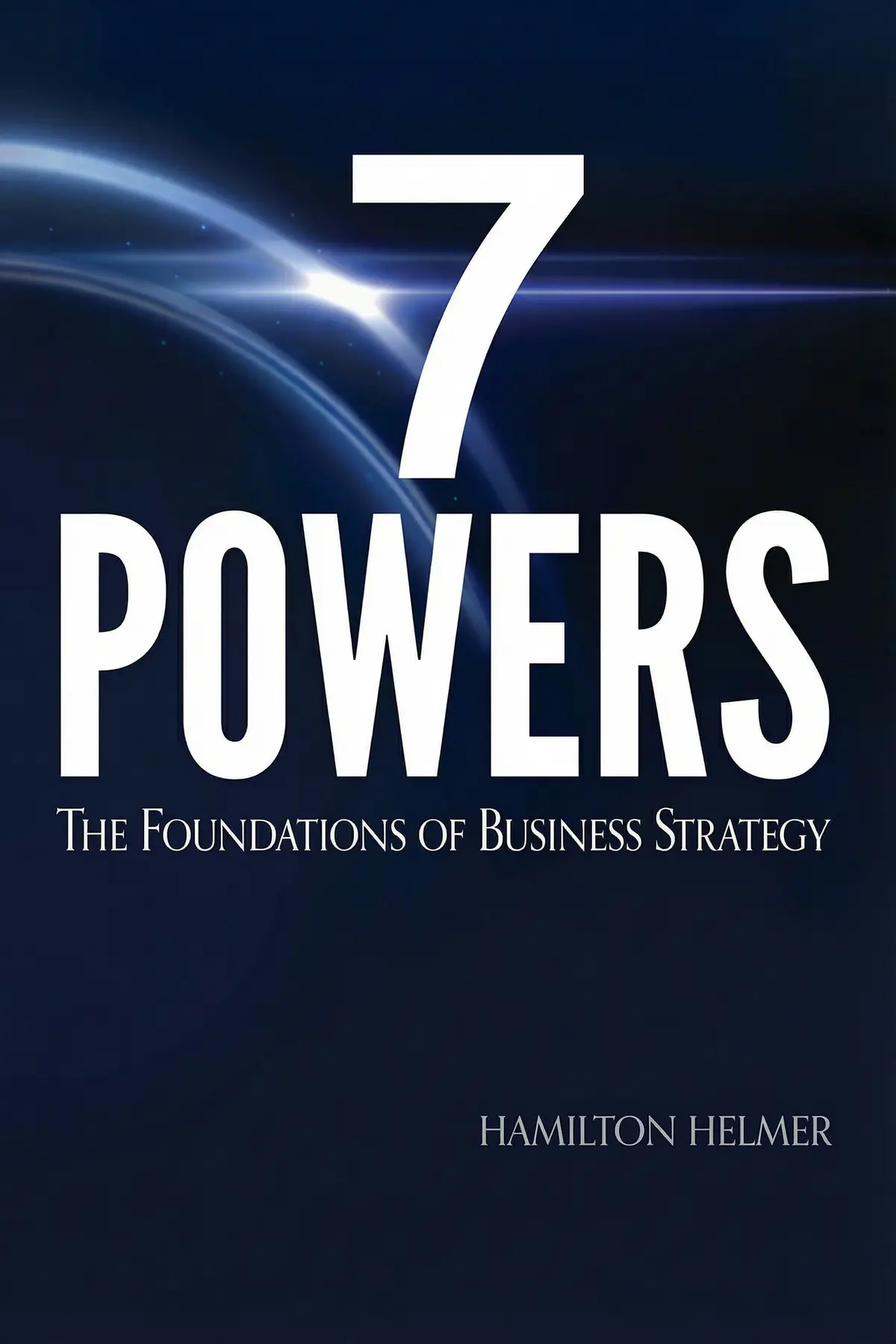
7 Powers: The Foundations of Business Strategy
Hamilton Helmer

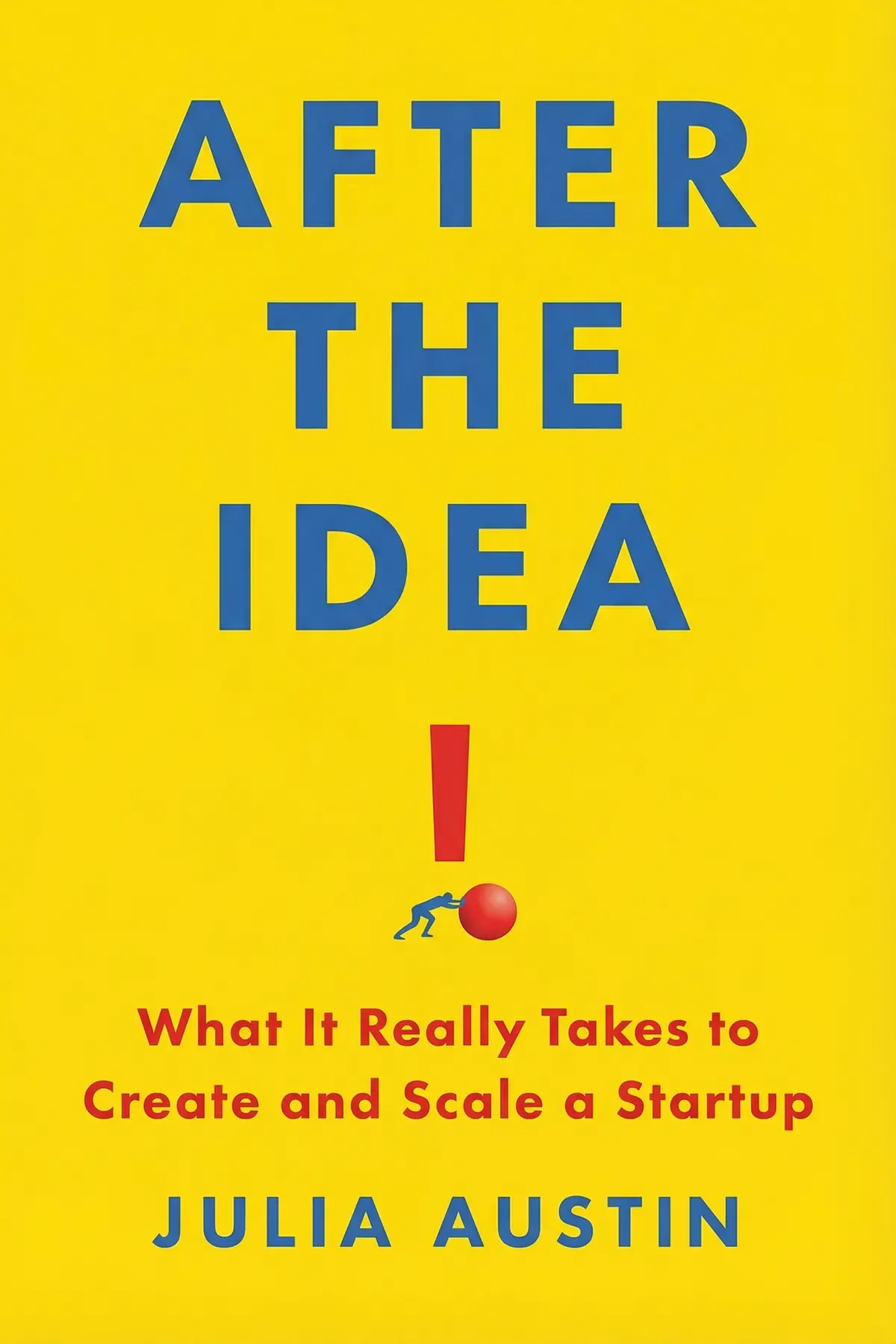
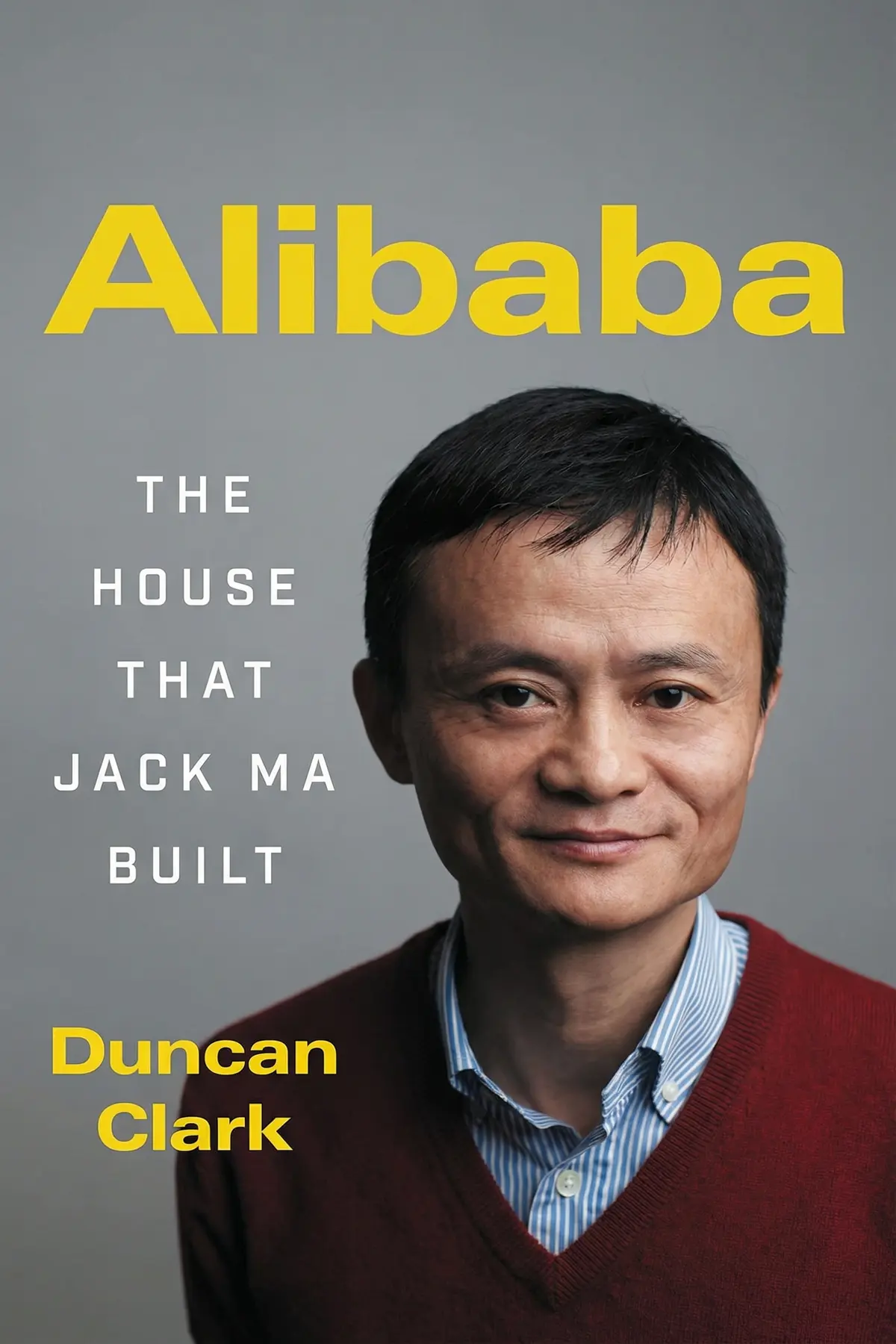
Alibaba: The House That Jack Ma Built
Duncan Clark
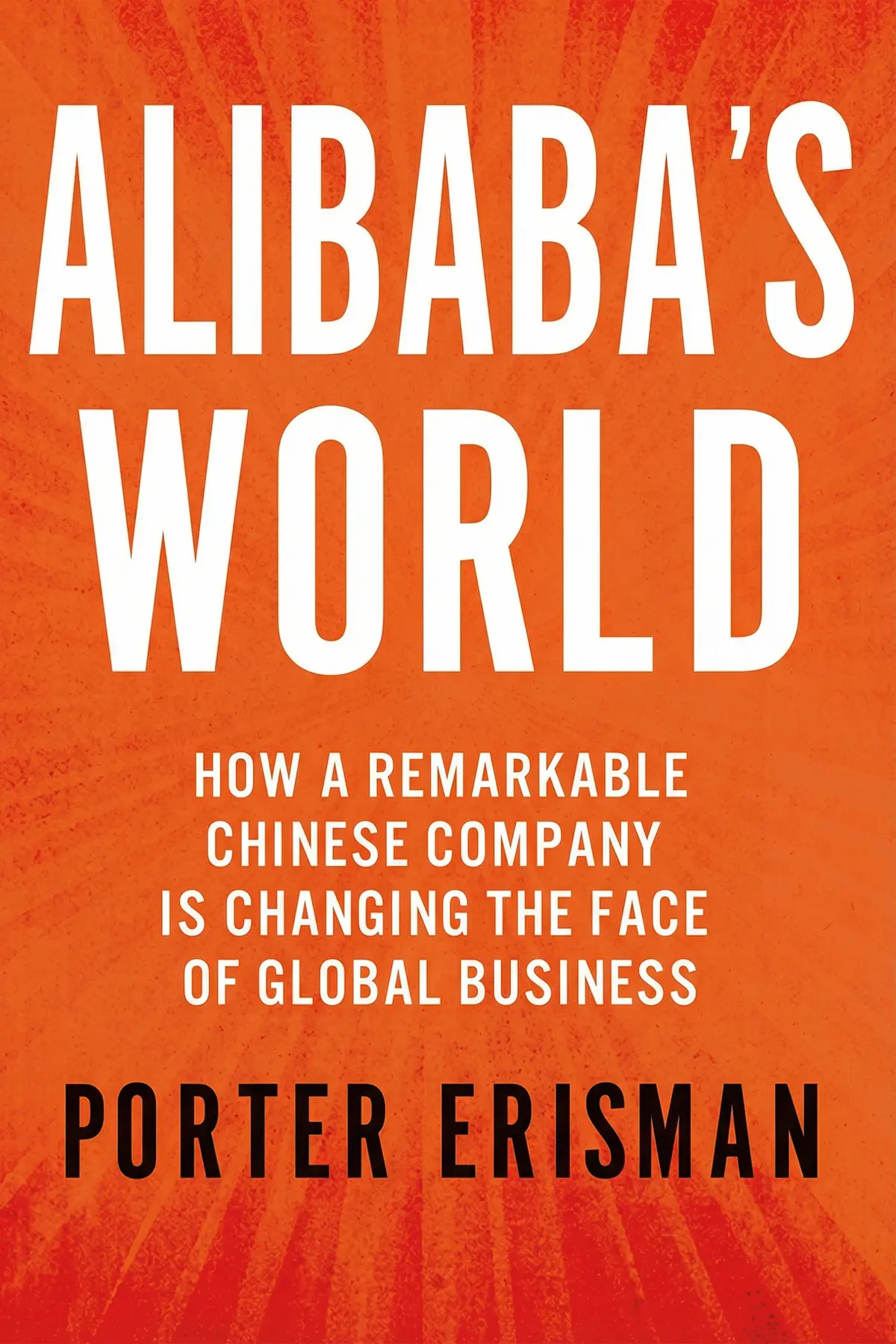
Bad Blood: Secrets and Lies in a Silicon Valley Startup
John Carreyrou
AUDIO SUMMARY AVAILABLE
Listen to The Art of the Start in 15 minutes
Get the key ideas from The Art of the Start by Guy Kawasaki, plus 5,000+ more titles in English and Thai.
- 5,000+ titles
- Listen as much as you want
- 7-day free trial
- Cancel anytime







