

Agent Sonya: The Spy Next Door
Ben Macintyre
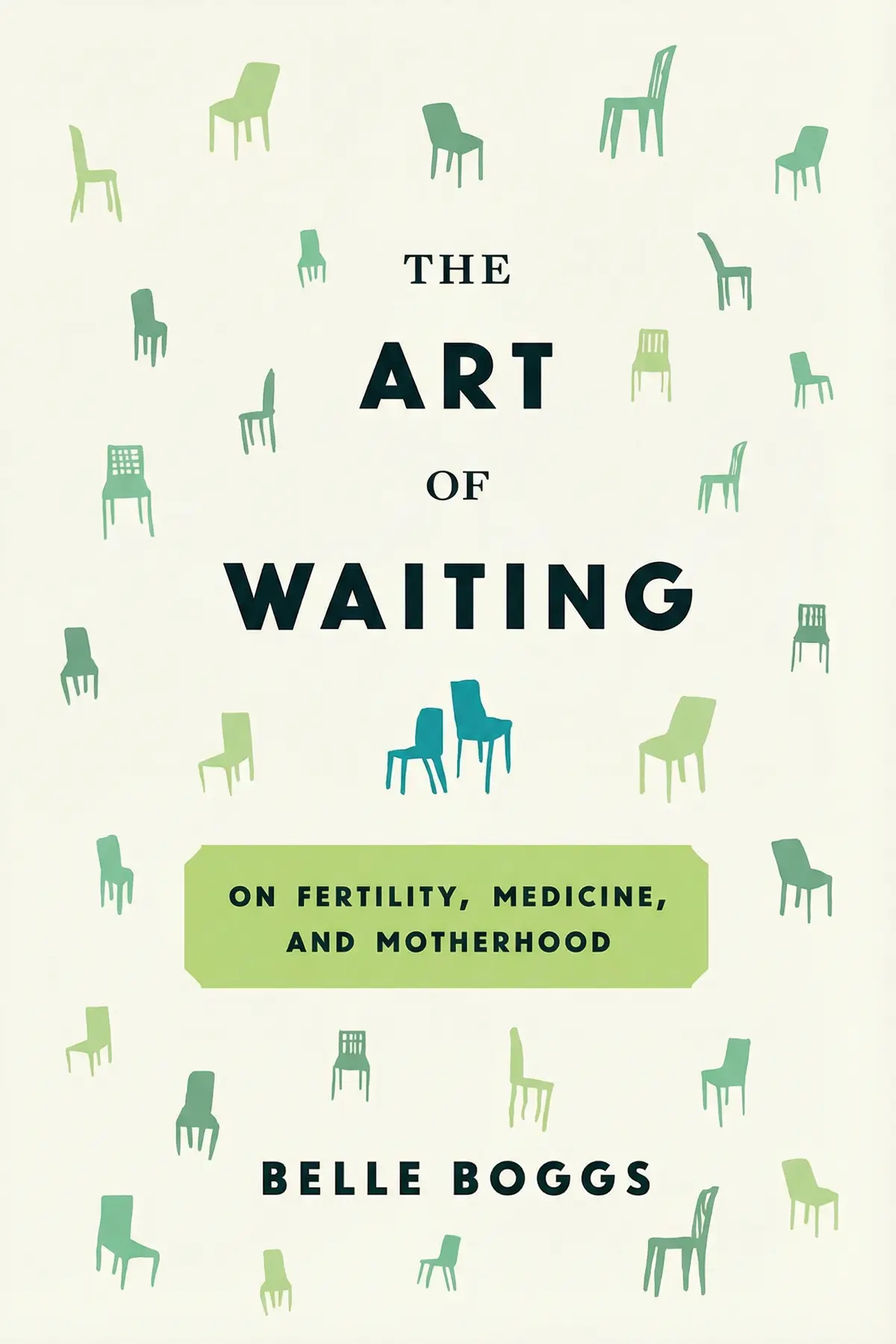
A profound examination of the journey toward parenthood, blending personal memoir with cultural analysis to explore infertility, the medical industry, and the deep-seated human desire to raise children.
1 min 33 sec
In the grand theater of human existence, there is perhaps no role more celebrated or more expected than that of the parent. From the moment we are old enough to understand the world around us, we are often presented with a script that implies our lives will eventually culminate in the creation of a new generation. It is a throughline that connects us to our ancestors and promises a bridge to the future. Yet, for many, that script remains unwritten, or at the very least, stalled in a state of perpetual editing. What happens when the biological drive to reproduce meets the cold, hard wall of physical limitation?
This exploration isn’t just about the science of reproduction; it is about the profound emotional landscape of the ‘waiting room.’ We live in a world that simultaneously treats pregnancy as an inevitability and a condition to be strictly managed. This creates a confusing psychological space for those who find themselves unable to conceive easily. We will delve into the societal pressures that define motherhood, the biological mysteries of baby fever, and the arduous paths of adoption and assisted reproduction. By looking at these experiences through a more nuanced lens, we can begin to understand how the desire for a child shapes our identity and what it means to find meaning when the path to parenthood takes an unexpected turn. Whether you have children, want them, or have chosen a different path, this is a journey into the heart of human longing and the extraordinary lengths we go to for the sake of family.
2 min 22 sec
Society sends a confusing message about reproduction, celebrating birth as a sacred duty while simultaneously teaching us that preventing pregnancy is a primary goal of adulthood.
2 min 15 sec
Scientists and sociologists continue to debate whether the intense desire for children is a hardwired biological drive or a product of our environment.
2 min 20 sec
Beyond the physical challenges, infertility carries a heavy burden of shame and ‘disenfranchised grief’ that is often misunderstood by the public.
2 min 15 sec
Often suggested as a simple solution for the childless, adoption is actually a grueling process filled with financial, legal, and emotional hurdles.
2 min 15 sec
Modern medicine offers remarkable hope through technology like IVF, but it requires a level of sacrifice that mirrors the extreme behaviors seen in the animal kingdom.
1 min 23 sec
The journey through the landscapes of fertility and infertility reveals a profound truth about the human condition: our desire to create and nurture life is one of our most powerful and complicated drivers. We have seen how society places a heavy burden on individuals to conform to traditional narratives of motherhood, and how the silence surrounding reproductive struggles can create a deep, isolating sense of shame. From the biological mysteries of ‘baby fever’ to the arduous and often expensive paths of adoption and IVF, the ‘art of waiting’ is characterized by a unique kind of resilience.
What this journey ultimately teaches us is that there is no single ‘right’ way to form a family or to find fulfillment. Whether parenthood comes through biological ease, medical intervention, adoption, or not at all, the experience of longing and the effort of trying are deeply valid. As we move forward, the most important takeaway is the need for greater compassion and openness. By breaking the silence of the waiting room and acknowledging the diverse ways people experience fertility, we can create a society that supports all paths to fulfillment. Parenthood is a profound role, but the strength shown by those who wait, who struggle, and who redefine their futures in the face of infertility is equally worthy of our respect and understanding.
For many, the path to parenthood is viewed as a natural, inevitable progression of life. However, for a significant portion of the population, this journey is defined by long periods of uncertainty, medical intervention, and emotional resilience. This summary explores the intricate world of reproductive medicine and the societal expectations that weigh heavily on those trying to conceive. By weaving together personal experiences with broader cultural and biological research, the narrative sheds light on the often-silent struggle of infertility. It challenges common misconceptions about who is affected by these issues and provides a compassionate look at the alternatives many seek, from adoption to high-tech medical procedures. The promise of this exploration is a deeper understanding of what it truly means to wait for a child and how our definitions of family and fulfillment are shaped by both nature and society.
Belle Boggs is an accomplished writer whose stories and essays have appeared in prestigious publications such as Harper’s, the Paris Review, Orion, and Slate. She serves as a professor in the MFA program at North Carolina State University. In addition to her acclaimed non-fiction work, she is the author of the book Mattaponi Queen.
Listeners find this title to be an excellent choice for individuals newly facing fertility challenges, offering a reflective narrative that blends personal anecdotes throughout. Furthermore, the work is commended for its meticulous research, exceptional composition, and elegant prose. Listeners also value the book's informative depth, with one listener observing how it examines assisted reproductive technology via family-centered stories, while another emphasizes that it flawlessly depicts the diverse dimensions of infertility.
Few books capture the silent, agonizing weight of infertility as beautifully as this one. Boggs doesn't just tell her own story; she weaves a tapestry of literature, science, and sociology that makes the reader feel part of a larger, older human experience. The way she compares our primate ancestors' behavior to our own modern medical interventions was particularly striking and gave me a fresh perspective on my own body. While the prose is undeniably sublime and dense with research, it remains accessible enough for anyone currently navigating the labyrinth of ART. I especially appreciated how she broadened the scope to include families that don't fit the traditional heteronormative mold. It’s an educational and deeply moving piece of work that I’ll be recommending to everyone in my support group.
Show moreAs someone who has navigated the exhausting world of fertility treatments, I found Boggs’ voice to be a soothing balm. This isn't your typical 'misery memoir'; it is a well-rounded evaluation of the reproductive experience in North America today. She captures the many aspects of infertility—from the psychological toll to the scientific breakthroughs—with such grace and precision. I loved the way she integrated stories of nontraditional families alongside her own narrative. The research is impeccable, and the writing is so beautiful that I found myself highlighting passages just to remember the phrasing. It’s a work of art that sheds light on a topic that is still, unfortunately, far too under-discussed in our society.
Show moreBelle Boggs has crafted a masterpiece that transcends the typical fertility struggle genre by looking at the much bigger picture. As usual, Graywolf Press has published something that is both intellectually rigorous and deeply moving. This book is a must-read for anyone interested in the sociology of motherhood and the barriers facing those who deviate from the norm. Boggs covers everything from the financial derivatives of IVF payment plans to the specific challenges faced by single parents of color. The prose is absolutely sublime, making even the most technical biological explanations feel like poetry. It’s an educational journey that perfectly captures the complex mixture of hope and despair that defines the art of waiting for a child.
Show morePicked this up because I wanted more than just a personal memoir, and Boggs certainly delivers a deep, researched dive. Personally, I found the inclusion of LGBT struggles and the discussion of racial bias in reproductive healthcare to be the strongest parts of the book. It’s refreshing to see an author acknowledge that IVF isn’t a level playing field for everyone. The writing is incredibly polished, and she manages to balance the technicalities of assisted reproduction with a very human sense of longing. My only real complaint is that the second half gets a bit bogged down in the minutiae of medical procedures. Despite that, it’s a wise exploration of what it means to want a child in the 21st century.
Show moreEver wonder how biology and culture collide when it comes to the 'nuclear family' ideal? The Art of Waiting offers a lucid and wise investigation into that exact intersection. Boggs uses her own IVF journey as a launching pad to discuss the financial barriers and ethical concerns that most people never have to think about. I was particularly fascinated by the chapter on insurance mandates and how they shape reproductive choices across different states. The book is gorgeous and thoughtful, though I do agree with other reviewers that it leans heavily into a pro-natalist perspective by the end. Still, for anyone newly diagnosed with fertility issues, this provides an excellent educational foundation wrapped in truly sublime prose.
Show moreThe chapter on the reproductive habits of other species, specifically gorillas, was an unexpected highlight that really reframed the human experience for me. In my experience, books on this topic can be overly sentimental, but Boggs maintains a calm and analytical voice throughout. She effectively deconstructs the medical misogyny that often accompanies the treatment of female bodies in fertility clinics. While the second half of the book gets a bit dense with technicalities, the overall message remains powerful and inclusive. She doesn't shy away from the privilege inherent in accessing IVF, even if she doesn't fully solve the ethical dilemmas she raises. It’s a thoughtful, insightful read that manages to be both personal and professional.
Show moreWhile the prose is undeniably elegant, I struggled with the structure of this collection because it felt quite scattered. I went in expecting a focused memoir, but instead, I found myself wading through three-page tangents about obscure literature that didn't always seem relevant to the main point. To be fair, Boggs is a gifted writer, yet her tone occasionally slides into an academic register that feels a bit cold or even condescending to the average reader. There were moments where the narrative felt like a chore rather than an emotional journey. If you enjoy deep research and intellectual detours, you’ll likely love this, but if you’re looking for a raw, heart-on-sleeve account of infertility, this might feel a bit too detached and plodding for your taste.
Show moreFrankly, this felt more like a series of interconnected research essays than a cohesive narrative about the experience of waiting. I appreciated the intellectual depth, but the author jumps around so much that it’s hard to stay grounded in her personal story. One moment you're reading about her follicle counts, and the next you're on a ten-page tangent about 19th-century literature. It’s clearly well-researched and the writing is high-quality, but the tone can feel a bit clinical for such an emotional subject. I wish there had been more focus on the internal psychology of the wait rather than the external mechanics of the industry. It’s an okay read, just not the emotional companion I was looking for.
Show moreLook, if you’re searching for a step-by-step emotional survival guide, you might want to look elsewhere. The truth is that this book is much more of a 'research essay' than a self-help manual or a traditional memoir. While I found the information about assisted reproductive technology to be very educational, the narrative structure was all over the place. I struggled with how the author justified her own privilege while only briefly gesturing toward the realities of disadvantaged mothers. The writing is definitely gorgeous, but the plodding dialogue in the later chapters made it feel like a bit of a chore to finish. It’s an insightful book, but you have to be in the right headspace for its academic tone.
Show moreNot what I expected given the title, which suggests a philosophical guide to coping with the crisis of waiting. However, instead of tools for emotional survival, we get a highly technical exploration of the author’s specific path to success. It felt a bit like a guide to self-pity at times, jumping between the author's life and biological facts without a clear destination. I really wanted a deeper dive into the psychology of loss, but the narrative seemed more interested in literary references than actual emotional support. Because she achieves her 'final happy ending' so quickly, the book might feel alienating to those who have been struggling for many years without success.
Show moreBen Macintyre
Jacinda Ardern
Ron Chernow
James Comey
Philip Freeman
Jonathan Eig
J. Craig Venter
AUDIO SUMMARY AVAILABLE
Get the key ideas from The Art of Waiting by Belle Boggs, plus 5,000+ more titles in English and Thai.







