
A Liberated Mind: How to Pivot Toward What Matters
Steven C. Hayes
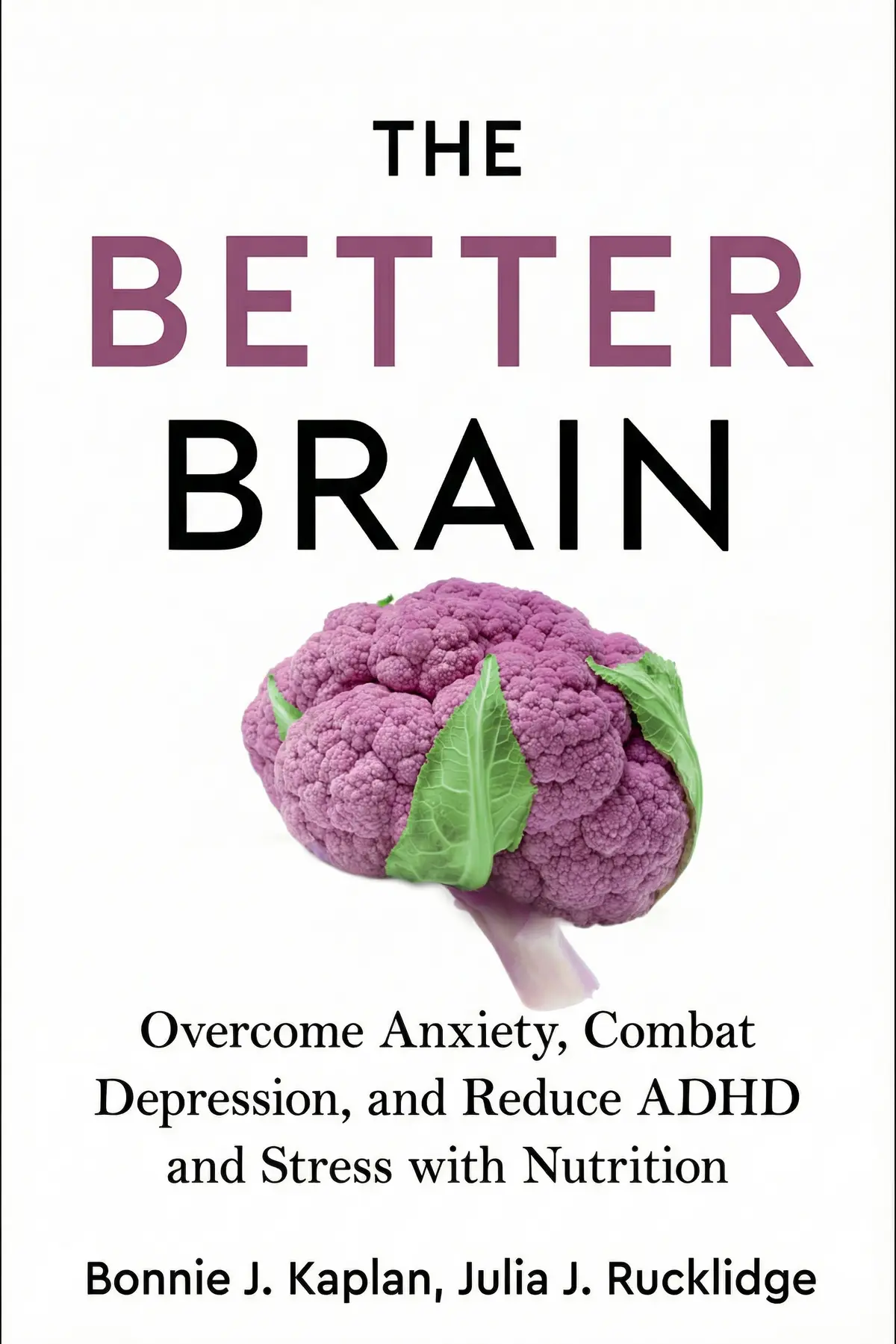
Explore the revolutionary link between nutrition and mental health. This summary reveals how micronutrients can optimize brain function, alleviate mood disorders, and build lasting cognitive resilience through evidence-based dietary shifts.
1 min 53 sec
Have you ever considered that the key to managing anxiety, depression, or ADHD might not just be in a prescription bottle, but in your grocery cart? For decades, the conversation around mental health has been dominated by talk of neurotransmitters and chemical imbalances. While those factors certainly matter, we often overlook the most basic requirement for any biological system: fuel. Our brains are incredibly complex and high-performing engines, but like any engine, they require high-quality fuel to function correctly. When that fuel is missing or of poor quality, the system starts to sputter. This is the central premise we are exploring today: the profound and often ignored connection between what we eat and how we feel.
In this journey, we’re going to challenge the conventional wisdom that suggests mental health is entirely separate from physical health. Instead, we’ll look at the brain as a metabolic powerhouse that has a voracious appetite for specific nutrients. We will dive into the science of micronutrients—the vitamins and minerals that act as the spark plugs for our cognitive processes. You’ll learn why the modern Western diet is creating a sort of ‘hidden hunger’ where we are overfed but undernourished, and how this deficiency is contributing to the global mental health crisis.
The goal here isn’t to offer a miracle cure or to dismiss the importance of traditional therapy and medicine. Rather, it’s about providing a missing piece of the puzzle. By the end of this summary, you’ll understand how to nourish your brain for peak performance and emotional stability. We’ll look at real-world evidence, from clinical trials to the aftermath of natural disasters, to see how nutritional interventions can build resilience. This is about more than just ‘eating your greens’; it’s about understanding the biological bedrock of your mind. Let’s explore how to build a better brain from the inside out.
1 min 50 sec
Discover why your brain is the most demanding organ in your body and how its constant need for energy makes it vulnerable to nutritional gaps.
1 min 51 sec
Explore how the modern diet leaves us overfed but starving for the essential nutrients required for mental well-being.
1 min 50 sec
Learn the fascinating science of how vitamins and minerals act as the ‘keys’ that unlock your brain’s most important chemical reactions.
1 min 43 sec
Discover the compelling evidence from natural disasters that proves how micronutrients can help the brain handle extreme stress and trauma.
1 min 43 sec
Unpack the practical dietary patterns that have been shown to support long-term brain health and emotional stability.
1 min 43 sec
Understand why even a ‘healthy’ diet today might not provide the same level of nutrients as it did for our ancestors.
1 min 48 sec
Discover why the future of nutritional psychiatry lies in complex nutrient formulas rather than the ‘one vitamin for one problem’ approach.
1 min 54 sec
As we wrap up our exploration of the connection between nutrition and the mind, the most important takeaway is a sense of empowerment. For too long, mental health has been viewed as something that is entirely outside of our control—a matter of luck or genes. But the science behind the ‘better brain’ tells a different story. While we cannot control our genetics or the stressors that life throws our way, we have a significant amount of control over the fuel we provide to our most vital organ. By shifting our perspective from a ‘pill for every ill’ to a ‘nutrient for every cell,’ we open up new possibilities for healing and resilience.
We’ve seen how the brain’s massive metabolic demand makes it uniquely vulnerable to the deficiencies of the modern Western diet. We’ve explored how micronutrients act as the essential catalysts for the chemical reactions that govern our thoughts and feelings. We’ve also looked at the power of a Mediterranean-style, whole-food diet to provide a foundation for mental stability, and the potential for broad-spectrum supplements to offer a lifeline when diet alone isn’t enough. These aren’t just abstract theories; they are evidence-based strategies that can change the trajectory of someone’s life.
So, where do you go from here? The most actionable step you can take is to start looking at your meals through the lens of brain health. Ask yourself: Is this food providing the minerals and vitamins my neurons need to thrive, or is it just providing empty energy? Small, consistent changes—adding more leafy greens, cutting back on ultra-processed snacks, and prioritizing nutrient density—can have a cumulative effect that transforms your mental clarity and emotional resilience. You have the power to build a more robust, more capable, and ultimately, a better brain. It all starts with the very next bite you take.
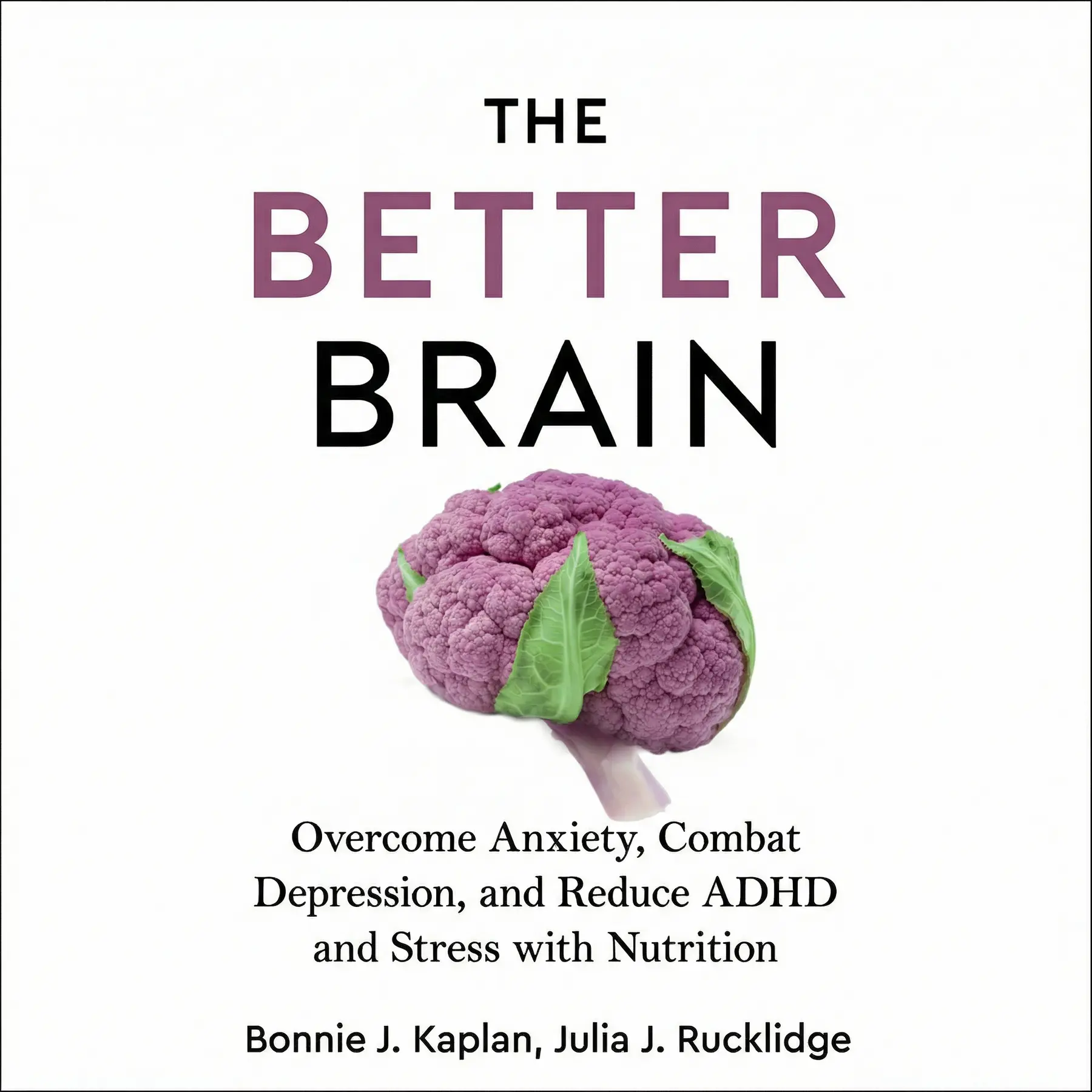
The Better Brain addresses one of the most pressing issues of our time: the skyrocketing rates of mental health challenges and the limitations of traditional pharmaceutical approaches. The book shifts the focus from purely chemical imbalances to a more foundational perspective—nutritional deficiency. By highlighting the brain as the most metabolically demanding organ in the body, the authors explain why our modern, processed diet is failing our mental well-being. This summary provides a comprehensive look at the research behind micronutrient treatments, showing how vitamins and minerals act as essential fuel for our brain’s complex machinery. You will learn about the critical role of the Mediterranean-style diet, the history of nutritional psychiatry, and why broad-spectrum supplements can sometimes succeed where single-nutrient interventions fail. Ultimately, the book promises a path toward a more resilient mind, offering practical strategies to reclaim mental clarity and emotional stability through the power of what we eat.
Dr. Bonnie Kaplan is a psychologist, researcher, and professor at the University of Calgary’s Cumming School of Medicine. She writes and teaches about nutrition and mental health. Dr. Julia Rucklidge is a clinical psychologist at the University of Canterbury in New Zealand. She has conducted extensive research on micronutrients.
Listeners value the evidence-based research regarding nutritional impacts on mental wellness, as one individual points out the thorough analysis of micronutrients. This accessible and clear guide is described as compelling by listeners, with one person remarking that it touches on all essential foundations. There is appreciation for its effectiveness in mood stabilization, and one listener notes the inclusion of useful advice for healthy eating on a limited budget.
The level of validated research presented here is staggering and provides a much-needed wake-up call for the mental health industry. Kaplan and Rucklidge offer a comprehensive look at how micronutrients act as the building blocks for our neurotransmitters. This isn't just another fad diet book; it's a scientific deep-dive that remains accessible for the average reader. Personally, I found the sections on mood stabilization particularly enlightening. It's refreshing to see authors who aren't afraid to challenge the 'chemical imbalance' narrative with actual data on nutritional deficiencies. To be fair, some might find the supplement talk repetitive, but given the depleted state of our modern soil, it makes sense. This book gave me practical tools to improve my brain health without breaking the bank.
Show moreThis book should be mandatory reading for anyone ready to redefine their relationship with mental health. As a professional athlete, I know that what you put in your body dictates how you perform, but I never fully connected it to my emotional stability. The authors explain the importance of micronutrients in a way that is both comprehensive and easy to understand. I love that they included a whole chapter of recipes and food lists. Not everyone can afford fancy supplements, so the focus on accessible nutrition is vital. Frankly, it’s about time we stopped treating the brain as if it’s separate from the rest of the body. My energy levels have skyrocketed since I started following the Mediterranean-style suggestions found in these pages.
Show moreAs someone who's always struggled with anxiety, I found this book to be a total game-changer. Kaplan and Rucklidge provide validated research that proves we can’t ignore nutrition when it comes to brain health. It’s written in such an engaging, easy-to-read style that I finished it in two sittings. The focus on micronutrients helped me understand why my previous diets weren't working. I've already started the Mediterranean approach they suggest, and the difference in my mental clarity is night and day. Got to say, the recipe section is a huge bonus. It makes the transition to healthy eating feel practical rather than overwhelming. This book offers a message of hope and empowerment for anyone who feels stuck in the traditional psychiatric system.
Show moreAfter hearing about the link between nutrition and mental health for years, I finally picked this up. The authors make a compelling case for the Mediterranean diet and micronutrients. I appreciated the validated research, even if the writing felt a bit academic at times. Some of the practical tips for eating well on a budget were a nice surprise, especially since healthy food is often seen as a luxury. I did find the supplement chapters a bit heavy-handed. They insist they have no financial ties to the companies mentioned, but the focus on specific brands felt a little like a sales pitch. Despite that, the recipes are great. My mood has definitely felt more stable since I started incorporating more of their advice into my daily routine.
Show moreFinally got around to reading this and I’m impressed by the depth of the research. The authors do a great job of showing how nutrition is an uphill battle in a world dominated by pharmaceuticals. I particularly liked the section on budget-friendly eating; it debunked the myth that you have to be wealthy to eat for your brain. One minor gripe: the supplement talk was a bit excessive. I understand the soil is depleted, but I would have preferred more focus on whole foods. Still, the Mediterranean diet basics are well-explained and the mood stabilization benefits are real. In my experience, even small changes like swapping chips for popcorn made a difference. This is a solid resource for anyone looking for alternative mental health support.
Show moreIt’s fascinating to see how long it takes for medical breakthroughs to reach the general public, like the scurvy example mentioned in the epilogue. Kaplan and Rucklidge make a compelling case for why we should stop relying solely on pharmaceuticals for our mental well-being. To be fair, I did find the forty pages of recipes a bit excessive for a book that is supposed to be about neurobiology. However, the list of food swaps—like trading fried food for air-fried alternatives—was genuinely helpful for my daily routine. I appreciate the push for more micronutrient research because our current system is clearly lagging. While I’m not totally sold on the specific supplement brands they mention, the overall philosophy is hard to argue with.
Show moreThe core message here is solid, but the execution left me wanting more. I definitely agree that our diets are making us sick. However, the science I was looking for felt barely delved into in favor of pushing specific 'broad-spectrum' multivitamins. The dietary advice is very straightforward, almost to the point of being boring for anyone who already follows basic nutrition news. To be fair, the results they share from their studies are genuinely interesting. I did enjoy the overall philosophy of the authors, yet I can't shake the feeling that this was a vehicle for selling products. Hopefully, more independent research will eventually bridge the gap they’ve identified in the current medical field. It’s an okay starting point for beginners.
Show moreEver wonder why our doctors rarely ask what we eat during a mental health crisis? This book explores that untapped conversation and highlights the massive time lag in medical adoption, using the discovery of scurvy as a powerful example. While the research into micronutrients is fascinating, the tone of the book felt a bit off. At times, it seemed like they were encouraging people with severe conditions like bipolar disorder to ditch their meds entirely. That feels like dangerous territory. The truth is, nutrition is a piece of the puzzle, not the whole thing. I liked the recipes, but I skipped most of the forty-page cooking section because I’m just not looking for a new repertoire. It’s an interesting read, but take it with a grain of salt.
Show moreI really wanted to like this book given how much I struggle with focus, but it felt like a long-winded sales pitch. The dietary advice was incredibly basic—don't eat sugar and stick to a Mediterranean diet—which is stuff you can find for free in any health blog. Where they completely lost me was the heavy emphasis on specific broad-spectrum supplement brands. They claim to have no financial connection to these companies, yet they insist these are the only formulations that actually work. It feels disingenuous. Not gonna lie, I was looking for deep neurobiological insights, but instead, I got a recipe book and a supplement catalog. If I can't get these nutrients from actual food or nature, I’m simply not interested in pursuing it further.
Show moreLook, I’m all for holistic health, but some of the claims in here are frankly ridiculous. Suggesting that people with severe conditions like schizophrenia should potentially swap their meds for vitamins is a bridge too far. The authors even imply that modern life is less stressful than in the past, citing the internet as a positive tool for mental health. Truth is, that part felt like pure satire. Has anyone involved in this book actually seen the state of social media lately? While the Mediterranean diet tips are fine, they are buried under a mountain of supplement promotions for brands they 'just happen' to work with. I appreciate the recipes, but the core message is skewed by a bizarre dismissal of the complexities of mental illness.
Show moreSteven C. Hayes

Leanne Maskell

AUDIO SUMMARY AVAILABLE
Get the key ideas from The Better Brain by Bonnie J. Kaplan, plus 5,000+ more titles in English and Thai.







