
1929: Inside the Greatest Crash in Wall Street History--and How It
Andrew Ross Sorkin
Explore the history of money and the evolution of value. This summary examines how sound money drives prosperity and why Bitcoin may serve as the next decentralized global financial standard.
1 min 53 sec
Every single day, we engage in a ritual so common we rarely stop to think about its mechanics: we exchange symbols for survival and comfort. Whether you are tapping a smartphone at a coffee shop or watching numbers fluctuate in a digital bank account, you are participating in a system of trust that spans the entire globe. But have you ever paused to ask what actually makes that money valuable? Is it just because a government says so, or is there a deeper, more fundamental quality that a currency must possess to truly serve a society?
In this journey through economic history, we are going to peel back the layers of our financial systems to understand the throughline that connects ancient civilizations to the cutting-edge technology of the twenty-first century. We will see that the most prosperous eras of human history were not fueled by complex central planning, but by something called ‘sound money’—a medium of exchange that maintains its value over time and is resistant to manipulation.
We will explore how our ancestors used everything from massive stones to precious metals to store the fruits of their labor. We will then examine the pivotal moment in the twentieth century when the world moved away from these tangible anchors and entered the age of fiat currency—money backed only by decree. This shift, as we will discover, fundamentally changed how humans think about the future, shifting our focus from long-term building to short-term consumption.
Finally, we will look at the emergence of Bitcoin. While often dismissed as a mere speculative tool, we will analyze it as a revolutionary technological breakthrough. By mimicking the best qualities of gold while adding the benefits of the digital age, Bitcoin offers a decentralized alternative to traditional banking. It represents a potential ‘new standard’ that could correct the flaws of our current financial trajectory. So, let’s begin by looking back at the very first problems money was designed to solve, and why some of our earliest solutions were surprisingly sophisticated.
2 min 47 sec
Discover why direct trading failed as societies grew and how the concept of salability turned everyday objects into the first forms of portable, divisible wealth.
2 min 33 sec
Explore why gold emerged as the ultimate global currency and how its unique physical properties paved the way for a century of unprecedented economic stability.
2 min 46 sec
See how the pursuit of conflict forced governments to abandon the gold standard, leading to a century of currency devaluation and the rise of fiat money.
2 min 25 sec
Understand how the quality of our money dictates our behavior, shifting human focus from building long-term wealth to chasing short-term survival.
2 min 15 sec
Explore why government intervention in the money supply leads to the ‘boom and bust’ cycles that define modern economic life.
2 min 26 sec
See how a few lines of code have achieved something that no other asset in history has: absolute, unchangeable scarcity.
2 min 09 sec
Learn why the blockchain is the world’s most secure financial record and how it eliminates the need for middleman banks and central authorities.
2 min 24 sec
Analyze the remaining challenges for Bitcoin, including its price volatility and the complex trade-offs between decentralization and global scale.
1 min 41 sec
As we look back at the sweep of history, a clear pattern emerges: the quality of a society’s money is a reflection of its health, its freedom, and its future. From the tragedy of the Rai stones on Yap Island to the collapse of the Roman denarius, we see that when a medium of exchange loses its scarcity, the society built upon it eventually falters. The twentieth century was a grand experiment in moving away from the ‘sound money’ of the gold standard and toward a world of government-managed fiat. While this led to bursts of debt-fueled growth, it also created a cycle of instability and a shift toward short-term thinking that persists to this day.
Bitcoin represents the first real opportunity to return to a sound money foundation in the digital age. It is a tool that allows individuals to store the value of their labor in an asset that cannot be inflated, censored, or controlled by a central authority. By embracing the principles of absolute scarcity and decentralized security, Bitcoin offers a path out of the debt trap and back toward a society based on savings, investment, and low time preference.
The takeaway is not just about a new technology; it is about reclaiming the fundamental human right to hold value across time. Whether Bitcoin becomes the dominant global standard or serves as a powerful ‘check’ on the excesses of central banks, its existence is a reminder that the market will always seek out the soundest form of money. As you consider your own financial future, remember the lesson of history: value is not something that can be decreed into existence. It must be rooted in reality, protected by physics, and held in a medium that no one can manipulate. In the digital era, that standard may very well be written in code.
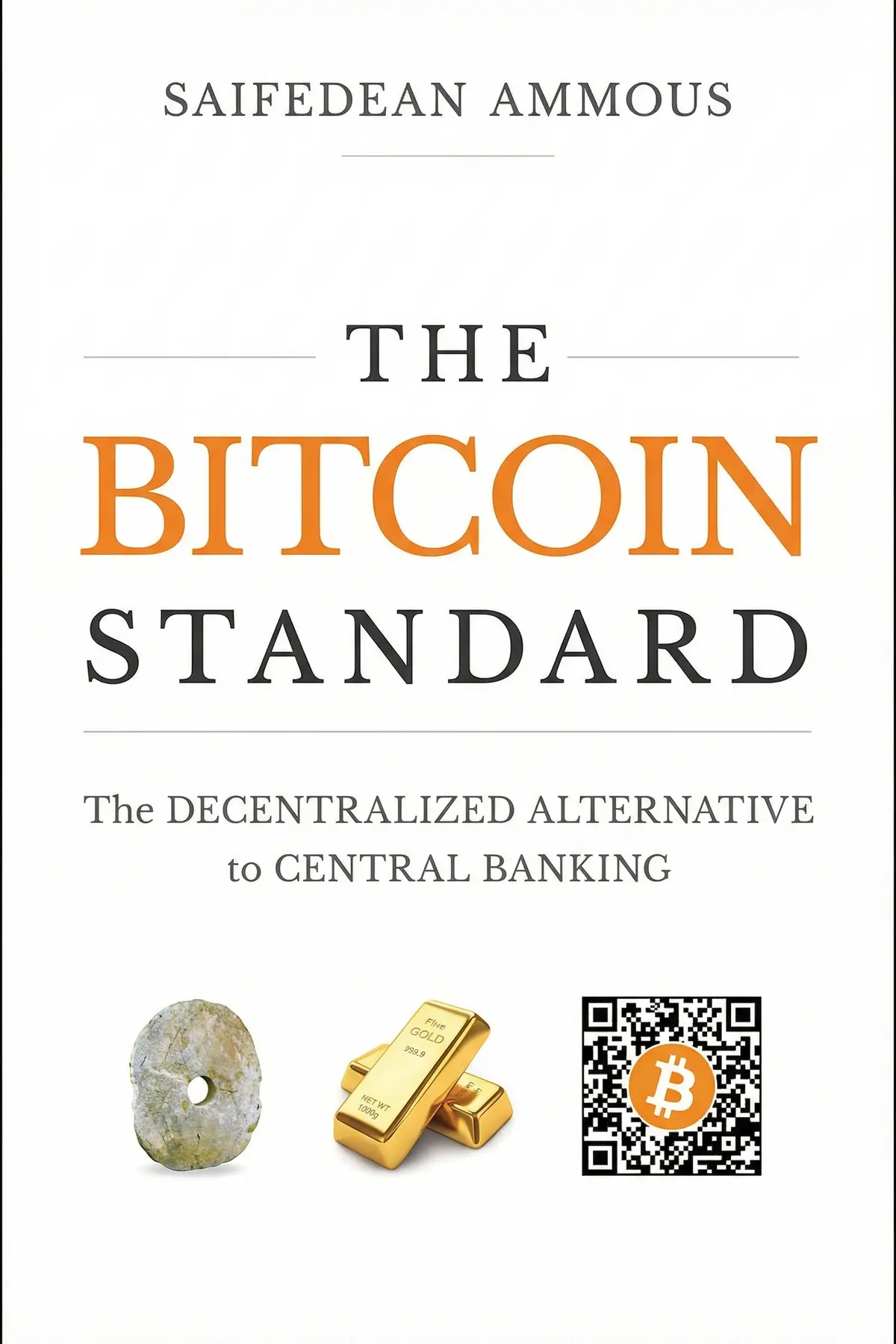
Money is the blood of civilization, yet its history is often misunderstood. This exploration dives into the core of what makes a currency 'sound'—from the ancient Rai stones of Yap Island to the rigid gold standard that powered the industrial age. It examines how the shift toward government-controlled fiat currencies led to a century of economic cycles, increasing debt, and the erosion of long-term planning. The promise of this work is to provide a comprehensive understanding of why Bitcoin is more than just a digital asset. By analyzing its absolute scarcity, security, and decentralized nature, the text argues that Bitcoin represents a modern return to the principles of sound money. It offers a blueprint for a future where value is protected from manipulation, potentially ushering in a new era of global economic stability and individual financial sovereignty.
Saifedean Ammous is an economist and academic. He formerly served as a member of the Center on Capitalism and Society at New York’s Columbia University. Currently, he is based at the Adnan Kassar School of Business in Lebanon, where he continues his work in economic theory and research.
Listeners view this title as an essential read that brilliantly breaks down the mechanics of Bitcoin and the evolution of currency, highlighting the significance of gold standards. Additionally, the work functions as a primary resource on Bitcoin and delivers a straightforward, reachable guide to monetary theory. Listeners value the book’s deep, challenging insights and often describe it as a life-changing experience.
Picked this up thinking it was just another crypto hype manual, but I was dead wrong. The author spends a massive amount of time on the history of gold and why humans naturally gravitate toward hard money. His explanation of the stock-to-flow ratio makes the concept of scarcity very easy to grasp for a beginner. While the tone gets a bit preachy near the end, the core message about sound money is undeniable. You will never look at your bank account the same way after finishing the first few chapters. It is a foundational text that perfectly connects ancient history to the digital age we are entering. Even if you do not buy any Bitcoin, the education on inflation is worth the price.
Show moreThis book should be mandatory reading for every high school student before they enter the real world and start earning. It provides a life-changing perspective on how governments have historically manipulated currency to fund wars and expand their own power. Ammous explains the technical aspects of the blockchain without getting bogged down in confusing jargon that usually scares people away. I found the comparison between the Byzantine Generals Problem and the security of the network to be particularly enlightening. The writing is sharp and punchy, making a potentially dry subject feel like a gripping historical narrative. Some might find his libertarian views a bit extreme, but the economic logic he presents is very difficult to ignore once you see it. It is easily the best introduction to the space.
Show moreWow, I never realized how much our current financial system relies on constant inflation just to keep the wheels from falling off. This book opened my eyes to the importance of having a monetary system that is not controlled by a central authority. The historical context regarding the Roman Empire and the debasement of their currency was a perfect parallel to what we see today. Ammous writes with a level of passion that makes you want to immediately move your savings into a hardware wallet. While the technical details on running a node were a bit simplified, the economic theory behind the 21 million cap is presented brilliantly. It is a powerful argument for why we need a separation of money and state in the modern era. Truly a life-changing piece of literature for me.
Show moreFinally got around to reading this and it completely reframed how I view the concept of time preference and long-term saving. The writing is incredibly clear and manages to make the history of money feel like a vital part of our personal lives. I loved the way the author contrasted the stability of the 19th century with the volatility of the modern financial era. It is a bold, uncompromising look at why Bitcoin is a necessary invention for the survival of a free society. Even though some of the criticisms of modern art felt like a stretch, the core economic arguments are incredibly robust. I have recommended this to several friends who were skeptical about crypto and it has changed many of their minds. This is easily one of the most important books of the decade.
Show moreEver wonder why your savings seem to lose value every year while prices at the grocery store keep climbing? This book answers that question by diving deep into the history of monetary policy and the gold standard. Saifedean’s breakdown of hard money versus easy money is probably the most clear-headed explanation I have ever encountered. I particularly enjoyed the sections on how sound money encourages people to have a lower time preference and think long-term. To be fair, he goes on some weird tangents about modern art being a result of fiat currency which felt quite unconvincing. However, the central thesis regarding Bitcoin as a successor to gold is incredibly compelling and well-argued throughout. It is a must-read for anyone seeking financial sovereignty.
Show moreAfter hearing about this title for years in the crypto space, I finally sat down to see if it lived up to the massive reputation. The research into the rai stones of Yap and the history of silver was fascinating and well-structured. It does a fantastic job of explaining why Bitcoin is often referred to as digital gold by its most ardent supporters. My only real gripe is that the author is a bit of a maximalist who completely ignores the utility of any other blockchain. He presents Bitcoin as the only possible solution to our current financial mess without much room for nuance or alternative views. Despite that, the chapter on Bitcoin FAQs is incredibly helpful for answering common criticisms about energy consumption and security. It is a solid, thought-provoking read for any curious investor.
Show moreThe chapter on the stock-to-flow ratio is worth the price of the book alone for anyone trying to understand digital scarcity. I appreciated how the author broke down the differences between various forms of money based on their durability and portability. It is a very accessible guide for people who know absolutely nothing about the inner workings of the global banking system. I do think he oversimplifies the causes of major wars by pinning them solely on the lack of a gold standard. That kind of reductionist thinking takes away from the otherwise very strong economic points he makes throughout the text. Still, the final chapters on why Bitcoin is the ultimate form of money are very persuasive and well worth your time. It is a great foundational text for any newcomer.
Show moreLook, you do not have to be a hardcore libertarian to appreciate the sheer depth of research Ammous put into the evolution of currency. He takes a very complex topic and makes it understandable for the average person who just wants to protect their wealth. The way he describes the transition from the gold standard to the current fiat system is both educational and terrifying. I would have liked to see a bit more technical depth regarding the Lightning Network and how Bitcoin scales in practice. He tends to gloss over the difficulties of adoption in favor of theoretical arguments about the superiority of the system. However, the book succeeds in its primary goal of making a rock-solid case for the long-term value of Bitcoin. It is a very informative and necessary read for today's economy.
Show moreTo be fair, the first half of the book is an absolute masterclass in monetary history and the properties of hard money. The way he describes the coincidence of wants and the evolution of salt and beads into gold is excellent. However, the author eventually loses a lot of credibility when he starts launching personal attacks against Keynes. He blames every societal ill from the decline of family values to bad music on the abandonment of the gold standard. This dogmatic approach makes it hard to recommend the book to anyone who prefers a balanced or academic discussion. The sections on Bitcoin scaling are also quite biased and ignore many of the legitimate technical challenges the network faces today. It is a decent starting point but requires a very skeptical mind to navigate.
Show moreAs someone who appreciates Austrian economics, I found myself nodding along for two hundred pages before the tone became a bit insufferable. The initial chapters on the history of money are five-star material and offer a very clear introduction to monetary theory. Unfortunately, the book then devolves into a series of circular arguments and juvenile insults toward anyone who disagrees with the author's worldview. He makes several easily falsifiable claims about historical investors and seems to have a very limited understanding of how nodes actually process transactions. The irony of suggesting people use third-party custodians while preaching about financial independence was also quite a glaring contradiction. It is worth reading for the history, but you should probably skip the middle section where he rants about modern society. It is a bit of a mixed bag.
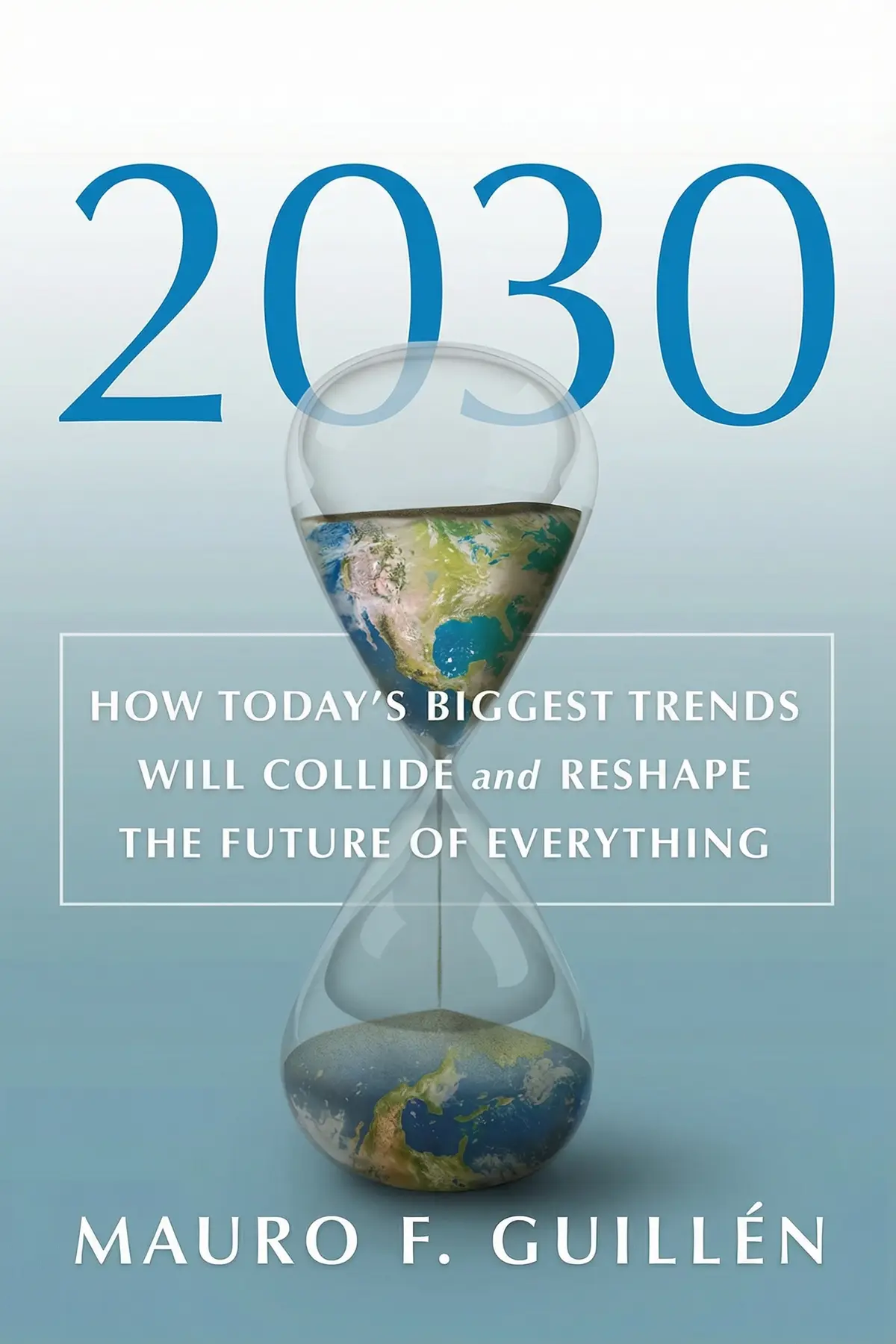
Show moreAndrew Ross Sorkin
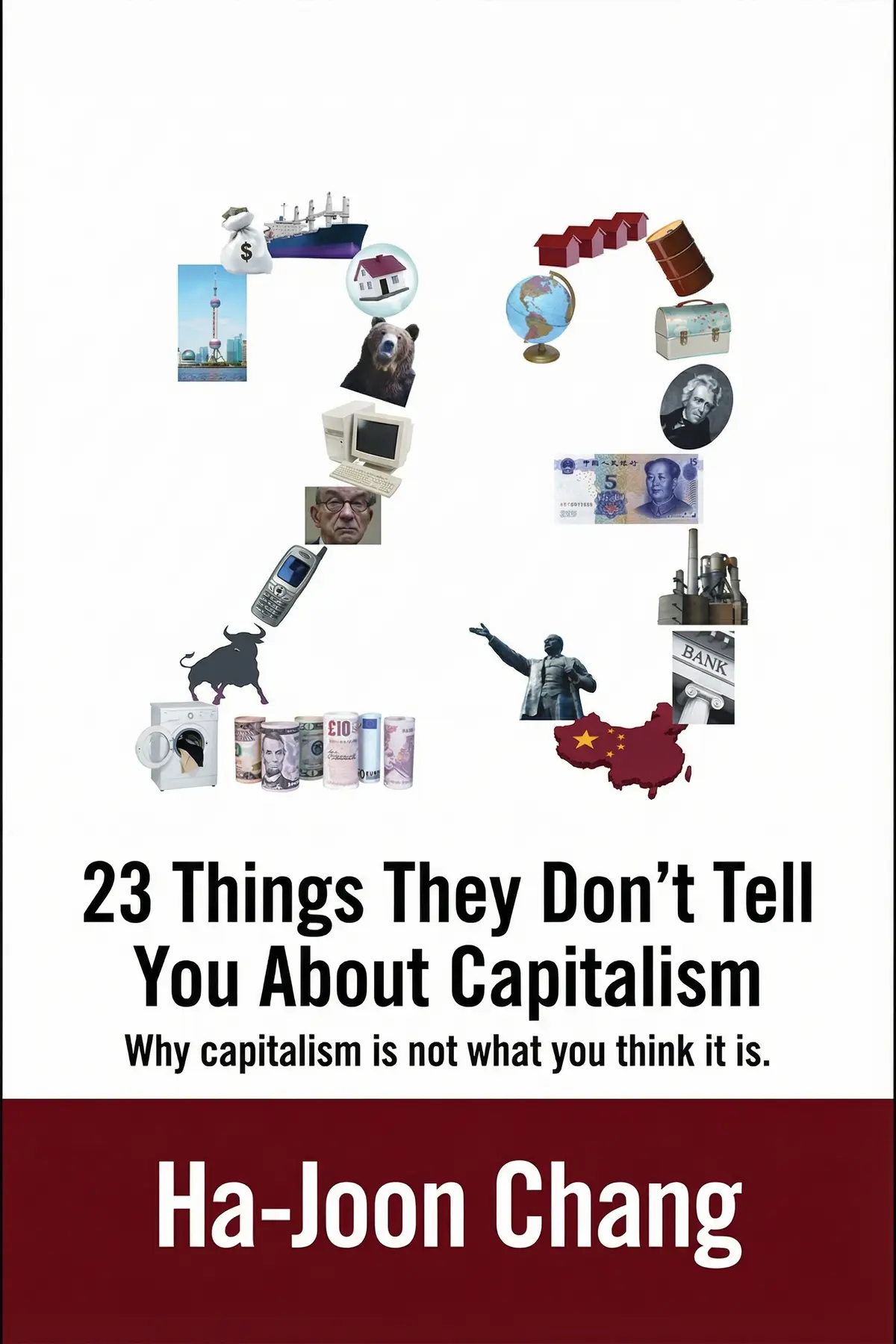
Ha-Joon Chang
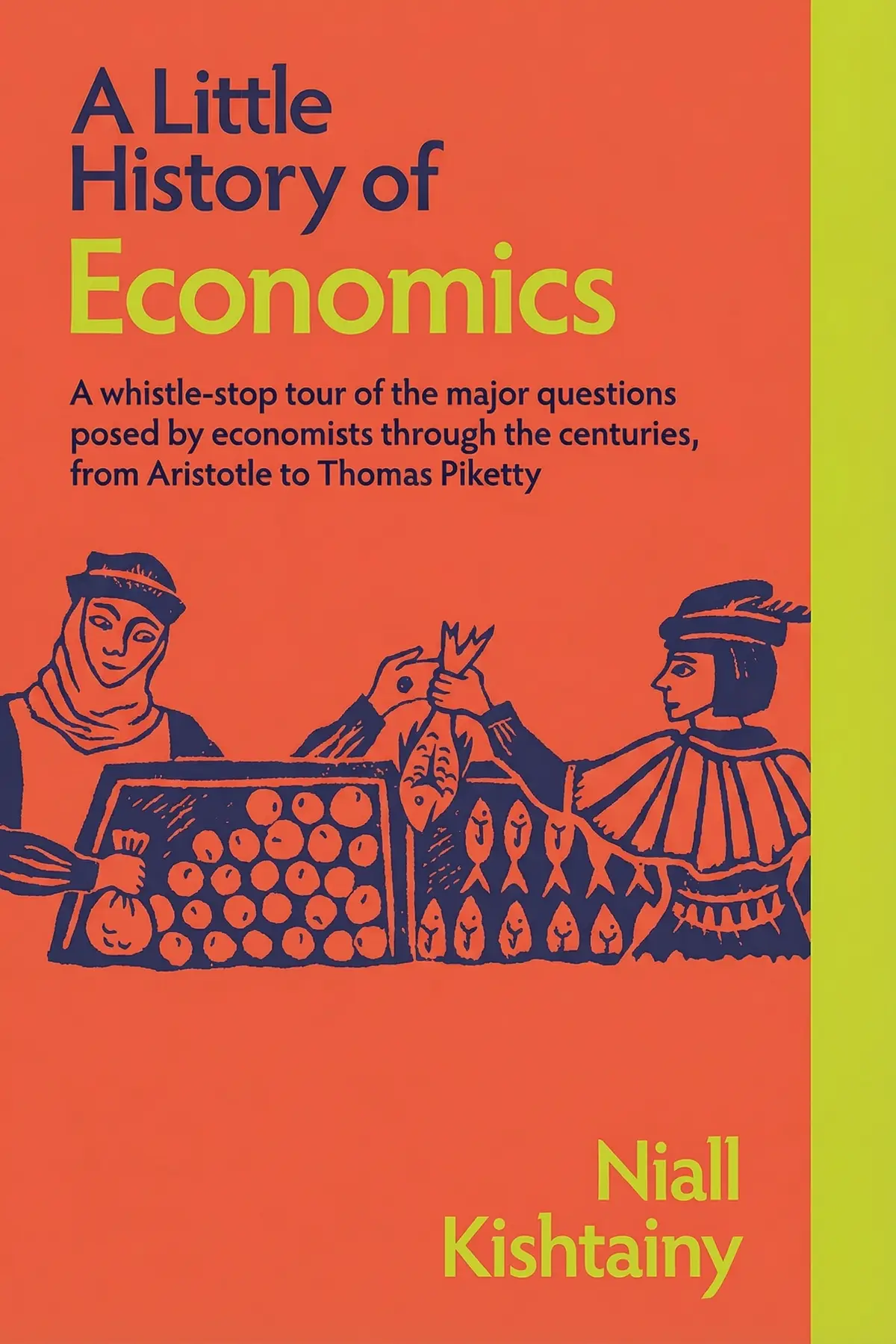
Niall Kishtainy
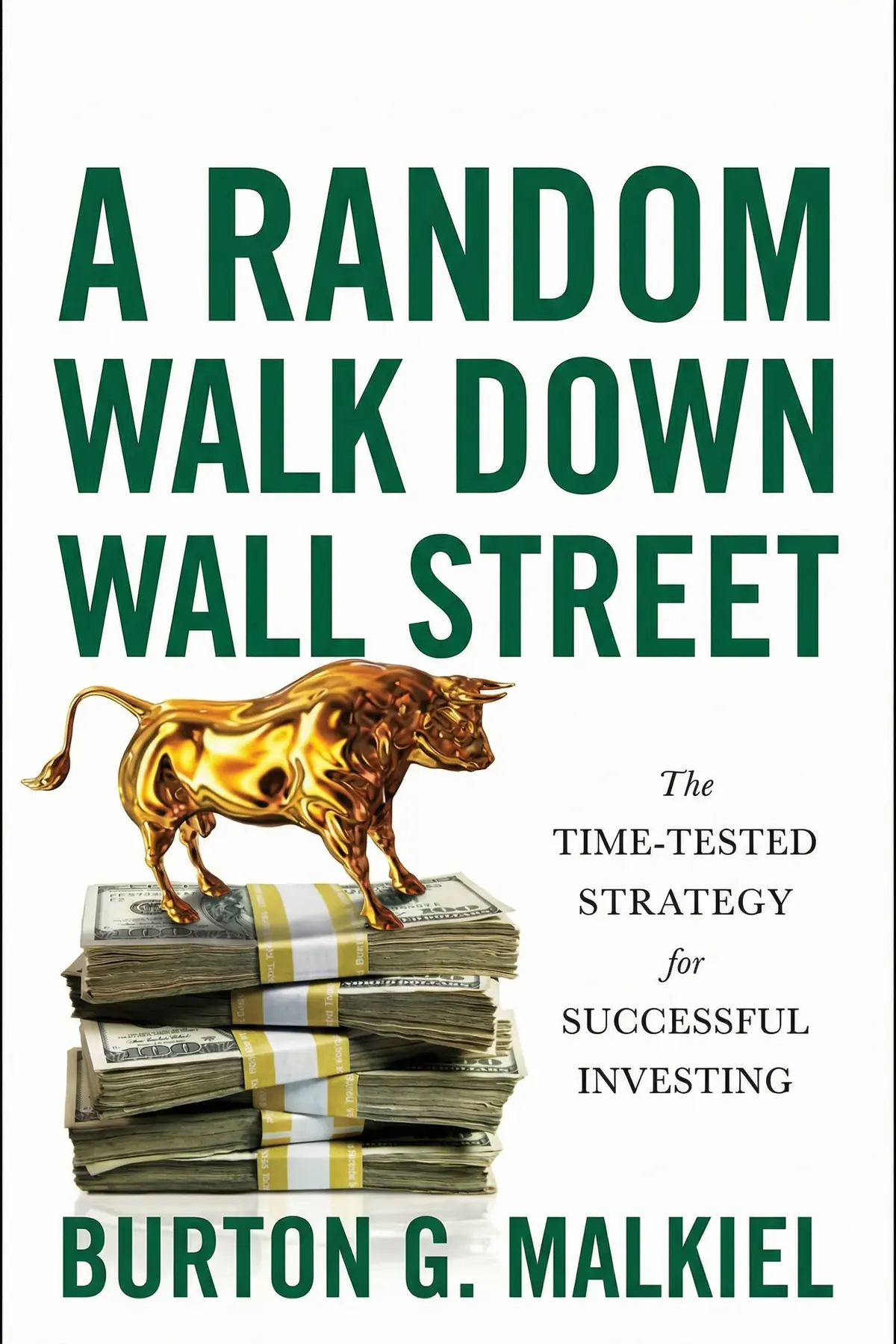
William J. Bernstein


Yanis Varoufakis
AUDIO SUMMARY AVAILABLE
Get the key ideas from The Bitcoin Standard by Saifedean Ammous, plus 5,000+ more titles in English and Thai.







