
18 min 16 sec
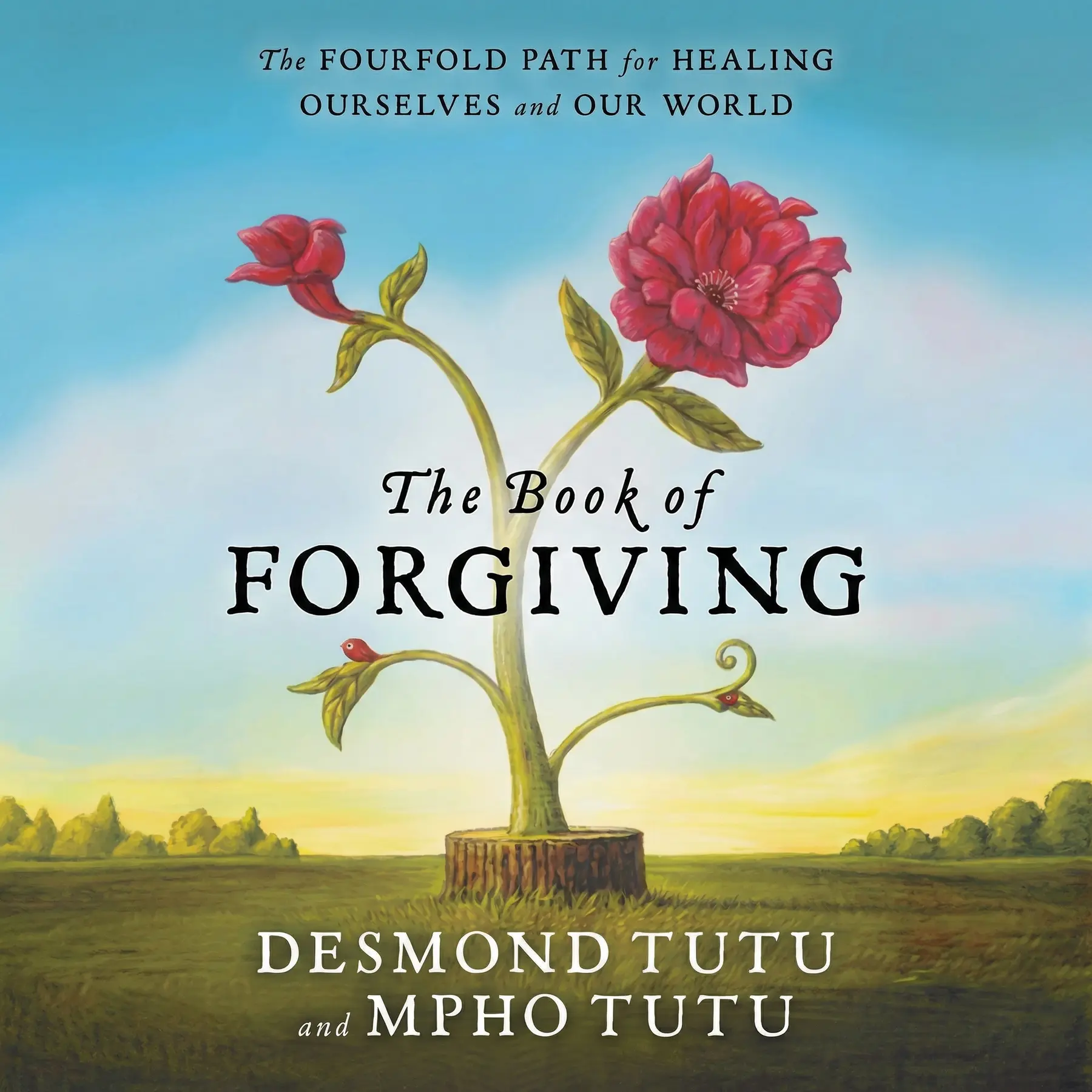
The Book of Forgiving: The Fourfold Path for Healing Ourselves and Our World
A profound guide to emotional liberation, this summary details the Fourfold Path to forgiveness, offering practical steps to transform personal and collective suffering into a future of peace and reconciliation.
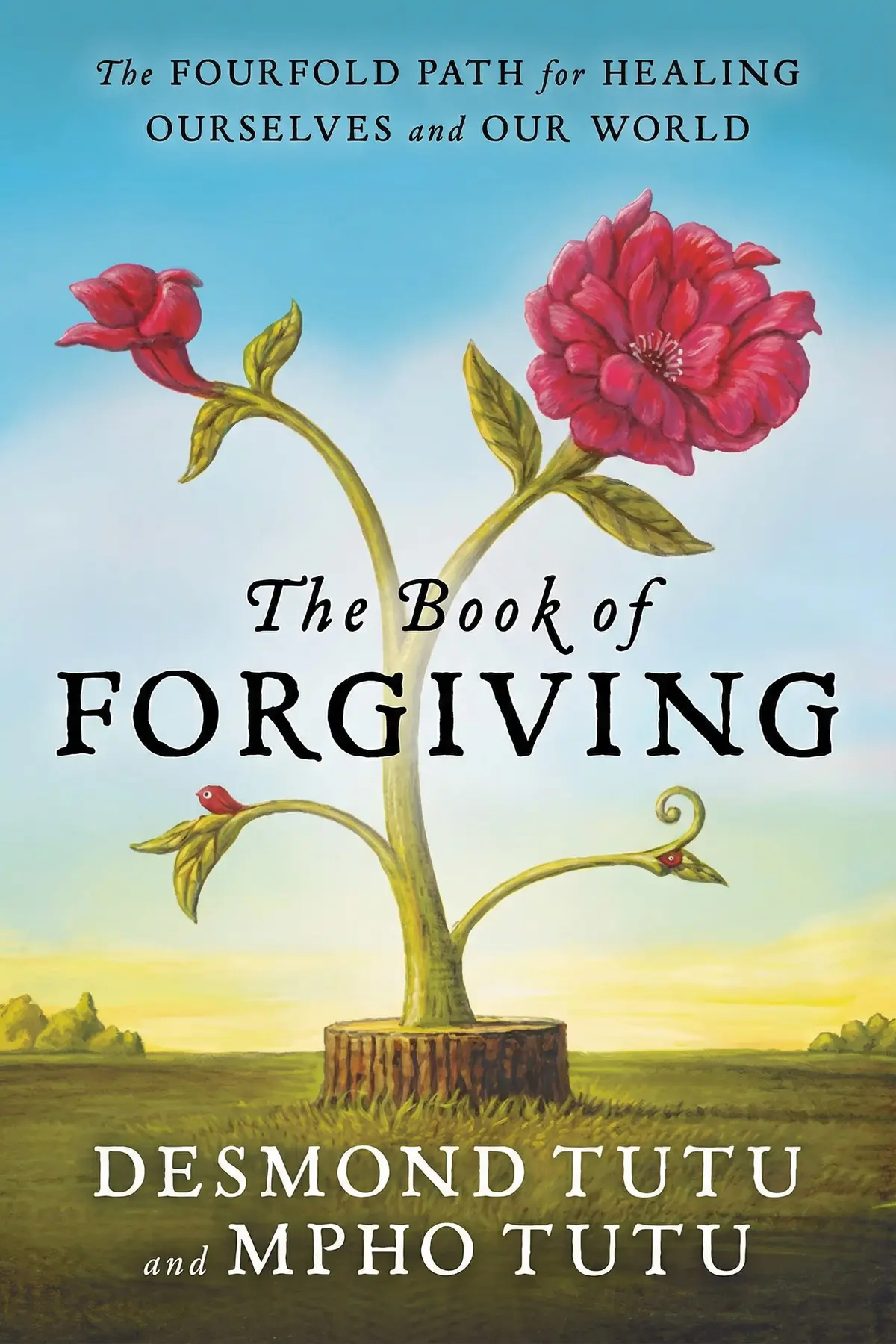
Table of Content
1. Introduction
2 min 29 sec
Every human being, regardless of their background or circumstances, will eventually encounter the sting of emotional pain. It is an unavoidable reality of the human condition. Whether it comes in the form of a childhood bully, a partner’s deep betrayal, or a systemic injustice that spans generations, we all carry wounds. While we often cannot prevent these injuries from happening, we possess an incredible, often untapped power: the ability to choose our response. This is the heart of the message shared by Archbishop Desmond Tutu and his daughter, Mpho Tutu. They suggest that when we are hurt, we face a crossroads. One path leads toward a never-ending cycle of retribution—the classic ‘eye for an eye’ mentality that often leaves the whole world blind. The other path, however, leads toward forgiveness.
Now, it’s important to clarify what forgiveness actually is, because the word is often misunderstood. Many people view it as a sign of weakness, or a way of letting a wrongdoer off the hook without any accountability. Some think it means forgetting the harm or pretending it never happened. But the authors argue that forgiveness is actually a deeply practical and, in some ways, a self-interested act. It is the only way to truly set yourself free from the person who harmed you. As long as you harbor resentment, you remain tethered to your past and to the person who caused you pain.
Archbishop Desmond Tutu was no stranger to this struggle. Having lived through the horrors of the apartheid regime in South Africa, he didn’t just study forgiveness in a vacuum; he practiced it on a national stage. As the chair of the Truth and Reconciliation Commission, he oversaw a process that allowed victims to speak their truth and perpetrators to confess their crimes. This restorative justice model was instrumental in helping South Africa transition to democracy without spiraling into a bloodbath of revenge. In the coming segments, we will explore the ‘Fourfold Path’—a practical, four-step guide to applying these profound lessons to your own life. We’ll look at how to tell your story, name your pain, grant forgiveness, and ultimately decide how to move forward with your relationships. Through this journey, you’ll see how forgiveness isn’t a one-time saintly miracle, but a muscle that anyone can build to reclaim their dignity and peace.
2. Sharing the Narrative
3 min 36 sec
Uncover why breaking the silence is the essential first step toward healing and how creating a personal narrative allows you to reclaim your lost dignity.
3. Giving Voice to the Hurt
3 min 11 sec
Learn to move beyond the facts of what happened and confront the raw emotions beneath, understanding that naming your pain is the only way to release it.
4. The Decision to Forgive
3 min 46 sec
Explore forgiveness as a conscious choice for personal agency, and discover how recognizing the humanity in others can break the cycle of victimhood.
5. Choosing Renewal or Release
3 min 13 sec
Master the final stage of the path where you decide the future of your connections, whether through building a new relationship or finding the freedom to walk away.
6. Conclusion
2 min 01 sec
The Fourfold Path to forgiveness is not just a personal healing tool; it is a blueprint for a more compassionate world. As we have seen, the quality of our collective human experience is built on millions of small, daily interactions. When we choose to forgive instead of seeking revenge, we are literally repairing the fabric of our society. Forgiveness, far from being a passive act, is a rigorous process of truth-telling, emotional honesty, and accountability. It is a way of holding others to a higher standard while simultaneously refusing to let their failures destroy our own capacity for joy.
It’s also important to remember that this path applies to the relationship we have with ourselves. Often, we are our own harshest critics, carrying the weight of past mistakes and perceived failures. The same steps—telling our story, naming our hurt, choosing to forgive, and deciding how to move forward—can and should be applied to our own self-reflection. There is no act that is beyond the reach of forgiveness, and no person, including yourself, who is unworthy of it. By mastering this path, you become an agent of peace in a world that sorely needs it.
As you conclude this journey, consider one final piece of actionable advice: start a grief journal. The path to forgiveness can be messy and non-linear. By keeping a dedicated space to record your thoughts, your ‘Do You Know?’ family facts, and the raw emotions you identify during your meditations, you create a tangible record of your growth. On days when the old anger returns, you can look back at your journal and see how far you’ve come. It serves as both a guide for your current struggle and a testament to your resilience. Forgiveness is a lifelong journey, but it is one that offers the ultimate reward: the freedom to live your life fully, here and now.
About this book
What is this book about?
The Book of Forgiving serves as a compassionate roadmap for anyone grappling with the weight of resentment, betrayal, or trauma. Drawing on the profound experiences of Archbishop Desmond Tutu and his daughter Mpho Tutu, the book introduces a structured, four-step journey designed to help individuals move beyond their pain. It moves from the initial act of sharing one's story to the difficult work of naming specific hurts, eventually leading to the conscious choice to forgive and the final decision to either renew or release a relationship. The promise of this work is not just the restoration of individual sanity, but the healing of the world at large. By illustrating that forgiveness is a skill that can be practiced and perfected, the authors provide a framework for restorative justice. Through moving anecdotes and meditative exercises, readers are shown that forgiving is not a sign of weakness or an endorsement of wrong-doing, but a powerful act of self-liberation that breaks the cycle of victimhood and opens the door to a more harmonious existence.
Book Information
About the Author
Desmond Tutu
Archbishop Desmond M. Tutu won the Nobel Prize in 1984. In 1995, Tutu was appointed as chair of South Africa’s Truth and Reconciliation Commission, which is credited as allowing South Africa to experience a nonviolent transition to democracy. The process has been adopted by countries all around the world looking for ways to move forward after civil conflict and oppression. Mpho A. Tutu is a priest, author and activist. Previously, she performed the role of executive director at The Desmond and Leah Tutu Legacy Foundation.
Ratings & Reviews
Ratings at a glance
What people think
Listeners find this work both gripping and superbly authored, functioning as a thorough handbook for forgiveness that explores every stage of the path. They especially value its effectiveness in addressing profound hurt and trauma, as one listener points out that it provides a specific framework for looking at personal history. The guide is also remarkably accessible, with one review praising the step-by-step journaling process, and listeners generally view it as life-altering, with one labeling it the best book ever written on the subject.
Top reviews
Kaen
Finally got around to reading this after seeing it recommended everywhere. It isn't just a collection of nice thoughts; it's a rigorous manual for healing. The authors layout the Fourfold Path—telling the story, naming the hurt, granting forgiveness, and renewing or releasing the relationship—with such clarity. I found the journaling prompts particularly helpful for digging into things I thought I’d moved past. It’s a slow burn, but the work is worth it if you’re serious about change. This book offers a real process to examine personal trauma that actually feels achievable.
Show moreSiraporn
Is it possible to heal the world by healing ourselves? That is the question at the heart of this incredibly moving text. The authors argue that our interconnectedness means our private pains affect the whole community. I loved the balance between gripping stories from the Truth and Reconciliation Commission and the quiet, personal reflection exercises. It’s rare to find a book that feels both globally significant and deeply intimate. It definitely made me rethink how I handle daily conflicts. Every page feels like a warm embrace during a cold, depressing situation.
Show moreBenjamin
Wow, this was a lot heavier than I anticipated but in the best way possible. Desmond and Mpho Tutu have crafted something that feels less like a self-help book and more like a spiritual surgery. It forces you to name your hurts specifically, which is terrifying but ultimately leads to a sense of lightness I haven't felt in years. The prose is poetic yet grounded in the harsh reality of human cruelty. Truly, it's a transformative read for anyone carrying old baggage. I am sold on not letting past trauma run my life anymore.
Show moreMax
The truth is, forgiveness is not for sissies, and this book makes that abundantly clear from the first page. It’s about accountability and looking the person who hurt you in the eye, even if only in your mind. I was impressed by how the authors distinguish between forgiving and reconciling—you don't always have to keep toxic people in your life to forgive them. This distinction alone was worth the price of the book. It’s easily the most comprehensive guide on the subject. It’s the best book ever written on the actual mechanics of forgiving.
Show moreBook
This manual for healing is perhaps the most important book I’ve read in a decade. It doesn't offer easy answers or platitudes; it offers a grueling, honest path toward wholeness. Seeing how the Tutus apply these principles to national tragedies makes my personal grievances feel much more solvable. The writing is clear, the tone is compassionate, and the exercises provide a structured way to confront trauma. It is a masterpiece of empathy that I will likely return to every single year. If you feel broken by what has happened to you, start here.
Show moreChaiwat
Archbishop Tutu speaks with a kind of authority that can only come from witnessing some of the worst atrocities of the twentieth century. He reminds us that forgiveness isn't about being weak or letting people off the hook for their crimes. Instead, it’s about regaining your own agency. Some parts felt a little repetitive, hitting the same notes chapter after chapter, but perhaps that’s necessary when unlearning a lifetime of resentment. A solid guide for anyone feeling stuck in their anger. It makes you rethink those everyday grievances we all carry.
Show moreDiego
As someone who has struggled with deep-seated resentment, I found the step-by-step journaling process in this book to be a literal lifesaver. It’s one thing to be told to 'let it go,' but quite another to be given a roadmap for how to actually do it. The Tutus don't shy away from the pain of apartheid, which makes your own 'first-world problems' feel manageable by comparison. My only gripe is that some exercises felt a bit flowery, but the results speak for themselves. The focus on naming the hurt is where the healing truly begins.
Show moreChee
Picked this up during a particularly dark time and found it surprisingly accessible regardless of its religious roots. Desmond Tutu’s Christian faith is the foundation, sure, but the insights into the human psyche are universal. The way they describe the 'web of interdependence' really resonated with me. My only small complaint is that the 'rituals' at the end of chapters felt a bit forced for a secular reader like myself. Nevertheless, the wisdom contained here is undeniable and deeply needed today. It is a peace-cultivating text that really helps you become a lighter person.
Show moreMind
To be fair, the core message here is powerful, but the delivery felt overly saturated with religious rituals for my taste. I appreciated the psychological insights into trauma, yet the constant mention of 'God' and the prayer-like exercises became a bit much after a while. If you aren't spiritually inclined, you might find yourself skimming large sections to find the practical advice. Still, the Tutus offer a perspective on global healing that few others can match. It just felt more like a religious ceremony than a standard self-help guide at times.
Show moreSakura
While the message is undeniably beautiful and important, I found the structure of the book to be quite circular. It feels like the same three points are being made over and over again, just with different anecdotes. I suppose the repetition helps reinforce the 'Fourfold Path' for those who are really struggling, but as a casual reader, I wanted a bit more variety in the content. The practical exercises are the strongest part, though they require a significant time commitment to do properly. It's okay, but be prepared for a very slow pace.
Show moreFeatured in

Readers also enjoyed
Abundance: The Inner Path to Wealth
Deepak Chopra
A Force for Good: The Dalai Lama's Vision for Our World
Daniel Goleman
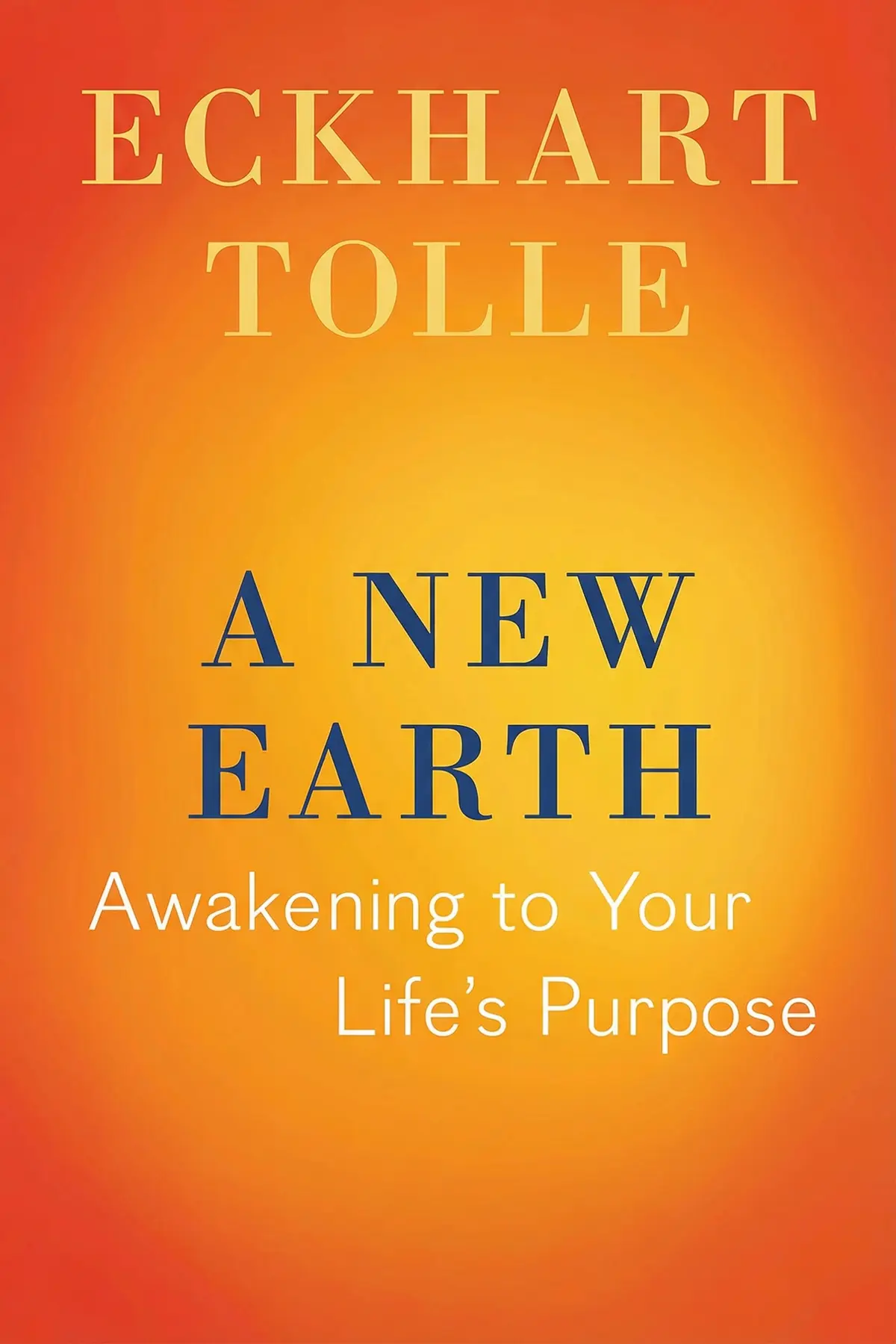
A New Earth: Awakening to Your Life’s Purpose
Eckhart Tolle
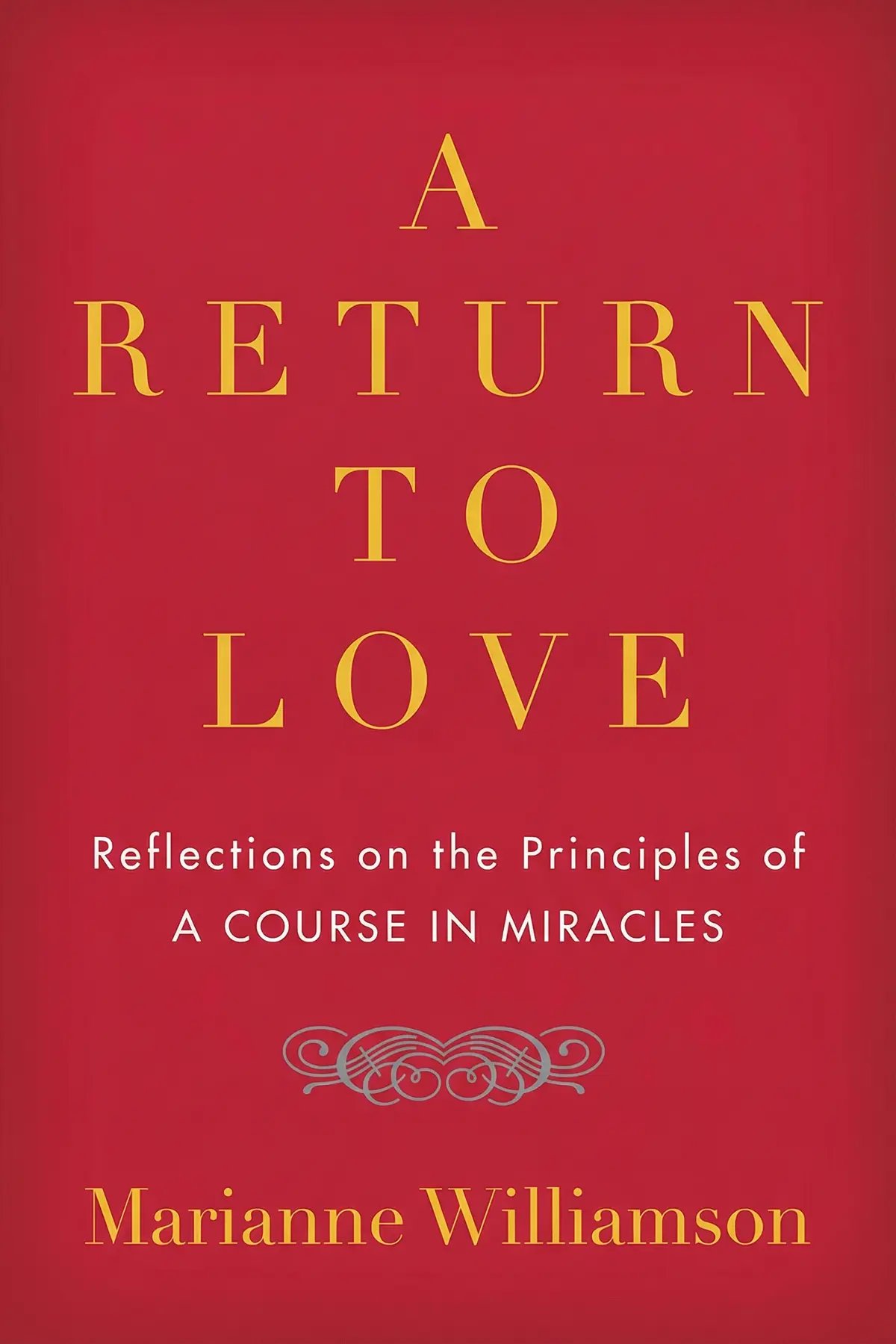
A Return to Love: Reflections on the Principles of a Course in Miracles
Marianne Williamson
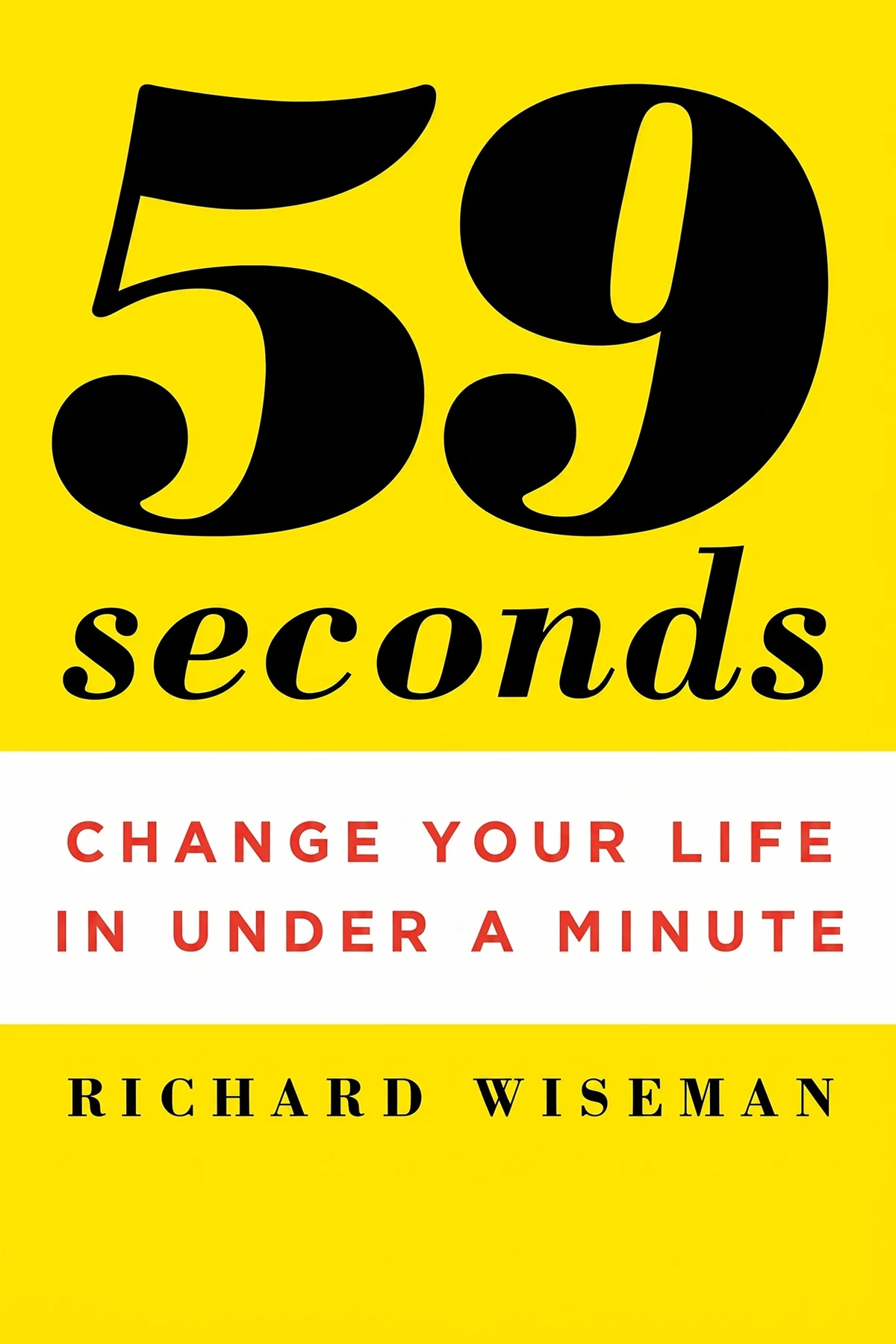
59 Seconds: Change Your Life in Under a Minute
Richard Wiseman
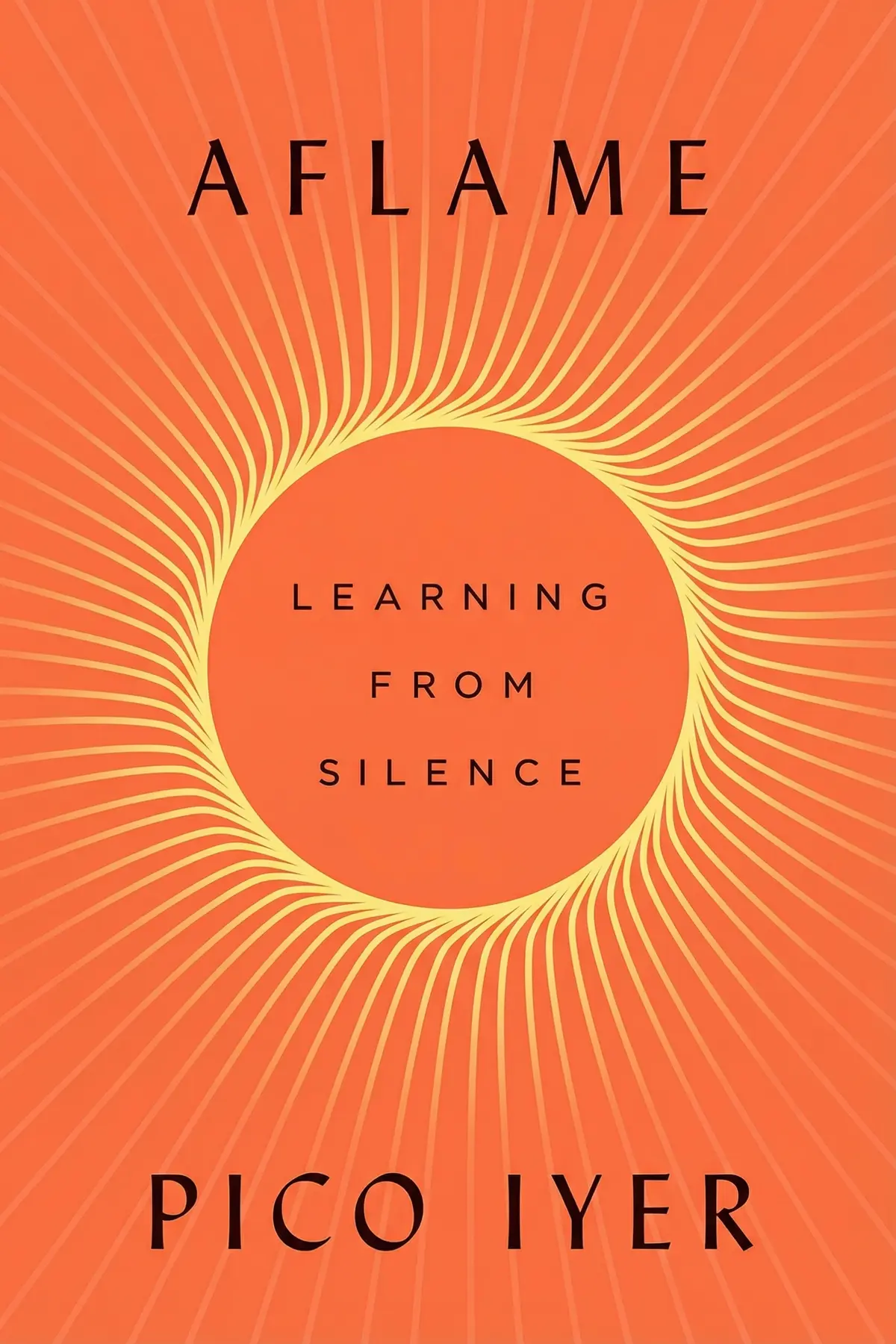
Aflame: Learning from Silence
Pico Iyer
AUDIO SUMMARY AVAILABLE
Listen to The Book of Forgiving in 15 minutes
Get the key ideas from The Book of Forgiving by Desmond Tutu, plus 5,000+ more titles in English and Thai.
- 5,000+ titles
- Listen as much as you want
- 7-day free trial
- Cancel anytime







