
18 min 33 sec
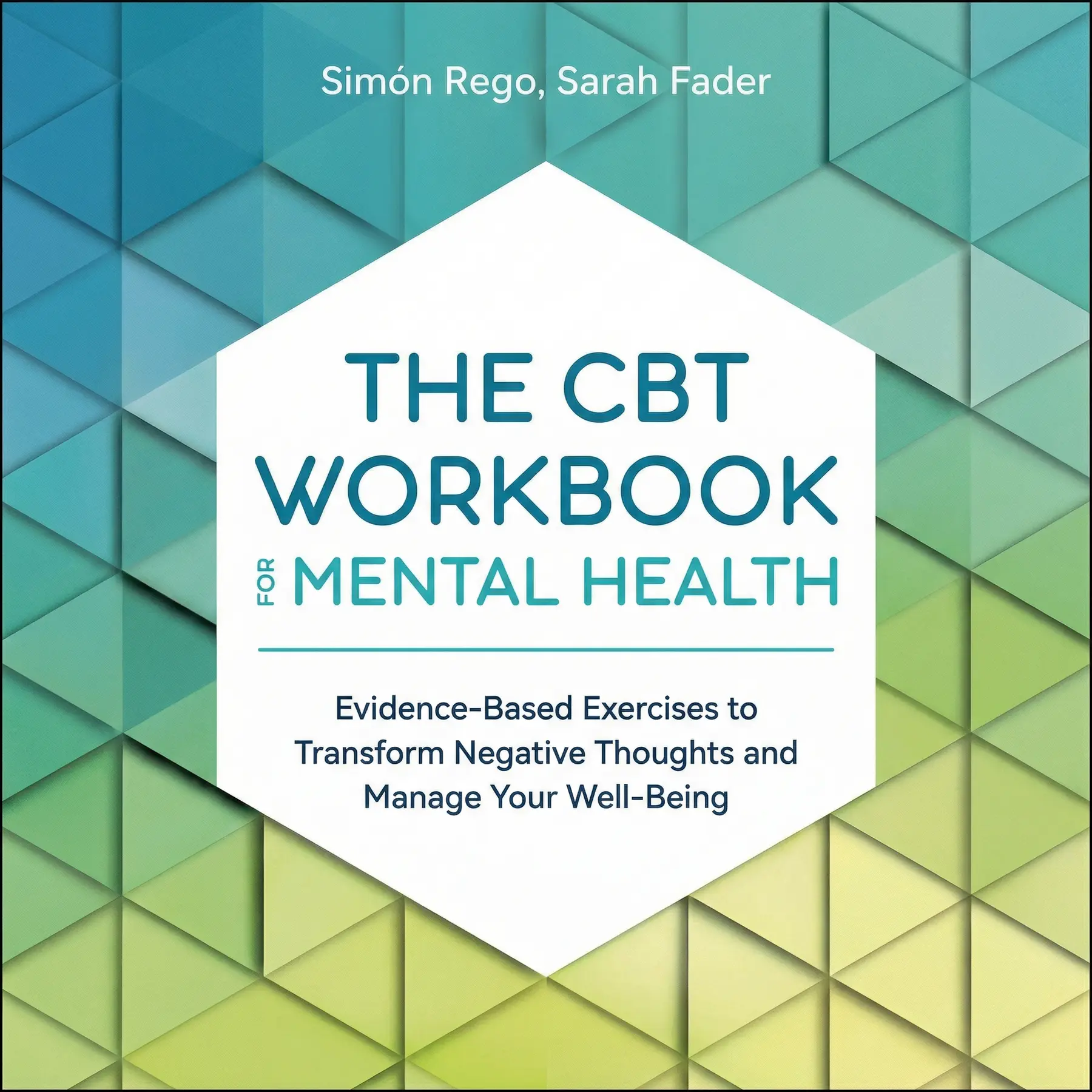
The CBT Workbook for Mental Health: Evidence-Based Exercises to Transform Negative Thoughts and Manage Your Well-Being
Discover a practical toolkit for mental wellness through the lens of Cognitive Behavioral Therapy. This guide provides actionable exercises to reframe negative thinking, build self-compassion, and manage daily emotional challenges.
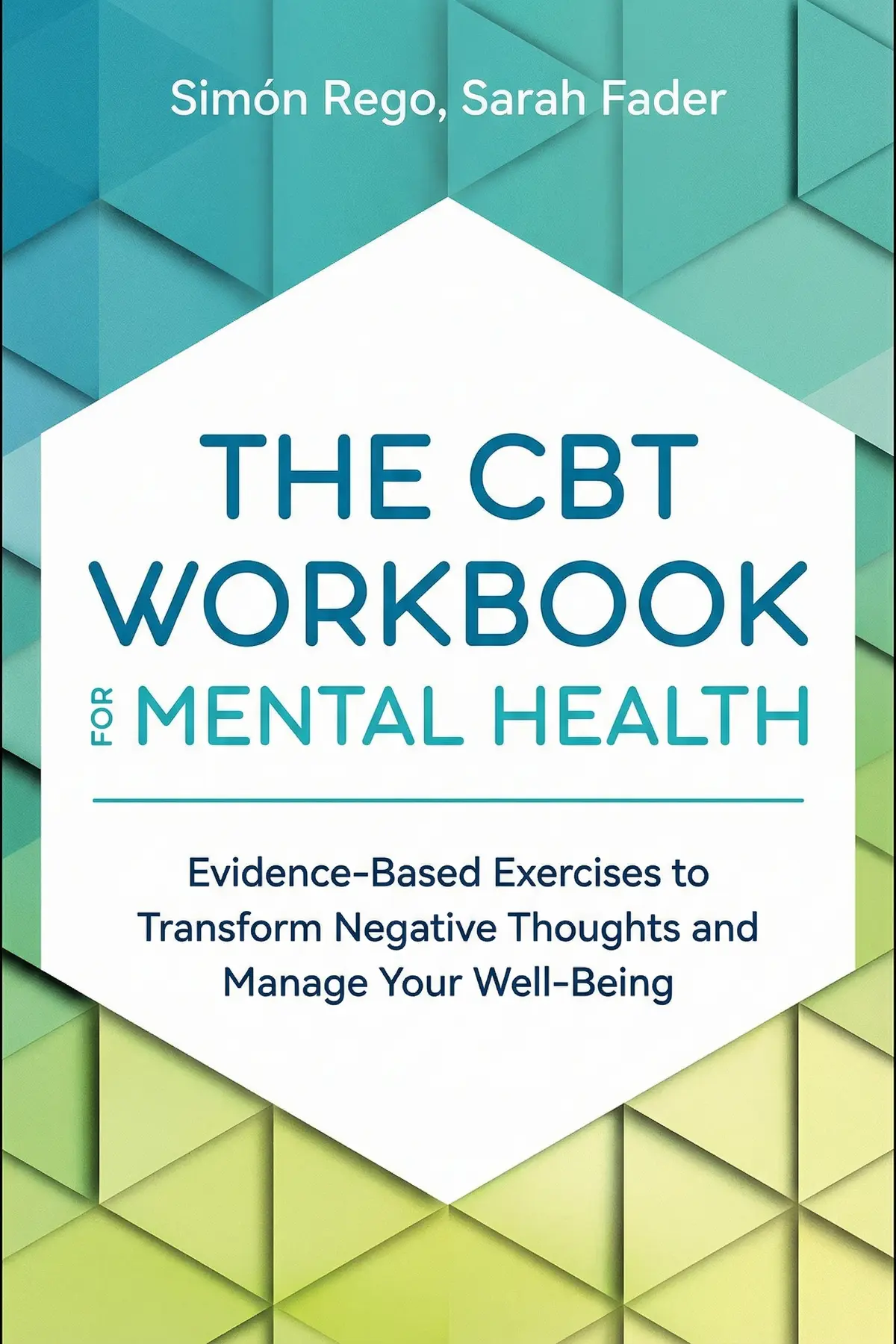
Table of Content
1. Introduction
2 min 19 sec
Imagine your mind is a complex landscape, filled with well-worn paths. Some of those paths lead to confidence and peace, but others lead straight into thickets of self-doubt, worry, and frustration. For many of us, it feels like we are stuck on those difficult trails, repeating the same emotional patterns over and over without knowing how we got there or how to find a new way out. This is where the power of Cognitive Behavioral Therapy, or CBT, comes into play. It acts as a map and a set of tools for rerouting those mental pathways.
At its heart, CBT is built on a simple yet profound realization: our thoughts, our feelings, and our actions are all interconnected in a continuous loop. What we think affects how we feel, which then dictates how we behave. When we get stuck in a negative cycle, it can feel like being trapped in a prison of our own making. However, if we can change just one part of that cycle—starting with our thoughts—we can shift the entire direction of our lives. This isn’t just theory; it’s a highly practical, evidence-based approach that has been used for decades to help people manage everything from clinical depression and anxiety to everyday stress and self-criticism.
In this summary, we are going to explore the core principles of the CBT approach and dive into several practical exercises you can start using right now. We will look at how to handle that relentless inner critic that lowers your self-esteem, and how to replace self-judgment with a more resilient form of self-compassion. We will also tackle the heavy weight of anxiety, specifically looking at how the fear of failure can paralyze us, and we’ll finish by discussing how to manage the intense urges and cravings that often lead us toward unhealthy habits.
Whether you are dealing with significant mental health struggles or simply want to sharpen your emotional intelligence and resilience, these tools are designed to be integrated into your daily life. You’ll learn how to step back from your reactive thoughts, observe them with objectivity, and choose a path that aligns with the person you want to be. The promise of this approach is not a life free of pain, but a life where you have the autonomy and the skills to face life’s challenges with balance and clarity. Let’s begin this journey into your mental-health toolkit.
2. The Mechanics of Cognitive Behavioral Therapy
2 min 59 sec
Explore the fundamental loop of thoughts, emotions, and behaviors that shapes your daily reality and learn why focusing on the present is the key to lasting change.
3. Mastering the Dialogue with Your Inner Critic
2 min 46 sec
Learn how to transform your harshest internal judgements into constructive feedback by identifying ‘hot thoughts’ and reframing your self-perception.
4. The Resilience of Self-Compassion
2 min 49 sec
Discover a four-step process to ease your own suffering and build internal strength by treating yourself with the same kindness you’d offer a friend.
5. Dismantling Anxiety and the Fear of Failure
2 min 45 sec
Break the cycle of paralysis by directly confronting your worst-case scenarios and reconnecting with your history of overcoming adversity.
6. Gaining Mastery Over Cravings and Impulses
2 min 59 sec
Harness the power of sensory grounding and conscious awareness to navigate the neurochemical surges of physical and emotional urges.
7. Conclusion
1 min 56 sec
As we come to the end of this journey through the principles of Cognitive Behavioral Therapy, it’s worth reflecting on the core message: you have more power over your internal world than you might think. We have explored how the loop of thoughts, feelings, and behaviors shapes our reality, and how we can interrupt that loop at any point to create a different outcome. From the way we handle our inner critic to the way we navigate the physical surges of anxiety and cravings, the common thread is awareness. By stepping back and observing our mental processes, we gain the ability to choose a new direction.
CBT is not a ‘quick fix’ or a one-time event; it is a practice. Just as you wouldn’t expect to be in peak physical shape after one trip to the gym, you can’t expect a complete mental transformation overnight. However, the exercises we’ve discussed—reframing hot thoughts, practicing the four steps of self-compassion, auditing your fears, and rating your hunger—are tools that get stronger every time you use them. They offer a roadmap for moving from a state of emotional reactivity to one of intentional action.
The true promise of this work is resilience. Life will always involve difficulty, but you now have a toolkit to handle those difficulties without being overwhelmed by them. You can be the friend to yourself that you’ve always needed. You can face the possibility of failure with a plan for recovery. And you can experience intense urges without being a slave to them. As you move forward, remember to be patient and kind with yourself. Every time you catch a distorted thought and choose a more balanced one, you are performing an act of self-care that builds a more stable, fulfilling life. Start small, be consistent, and watch as those new mental pathways begin to lead you toward the well-being you deserve.
About this book
What is this book about?
The CBT Workbook for Mental Health provides a comprehensive roadmap for anyone looking to take charge of their psychological well-being. Using the principles of Cognitive Behavioral Therapy, the authors offer a series of evidence-based strategies designed to interrupt the cycle of negative thoughts, difficult emotions, and counterproductive behaviors. It isn’t just about understanding your past; it’s about mastering your present. The book promises a shift in perspective. By learning to identify cognitive distortions and ‘hot thoughts,’ listeners are shown how to transform their inner dialogue. Whether the challenge is low self-esteem, chronic anxiety, or difficult-to-control cravings, this summary outlines specific, step-by-step practices. From rating physical hunger to deconstructing the fear of failure, the focus remains on building resilience and emotional equanimity. Ultimately, it serves as a practical manual for cultivating a more balanced, compassionate, and empowered life.
Book Information
About the Author
Simón Rego
Dr. Simón Rego is a board-certified professional in cognitive behavioral psychology. With a career spanning nearly a quarter of a century, he serves as the lead psychologist and oversees training for CBT initiatives at Montefiore Medical Center in New York. Sarah Fader is an influential advocate for mental health awareness. As the co-founder and CEO of the nonprofit Stigma Fighters, she works to amplify personal stories of mental illness. Her insights have been featured in prominent publications including The New York Times, Psychology Today, and The Washington Post.
Ratings & Reviews
Ratings at a glance
What people think
Listeners find this CBT workbook beneficial and engaging, highlighting its lucid writing and science-backed activities that are simple to follow. It effectively sharpens cognitive skills, with one listener observing that it delivers practical methods for conquering distorted thinking. They also prize the book's affordability and its impact on mental health, as one listener noted it helps regulate their thought process and manage anxiety.
Top reviews
Saengdao
Finally got around to reading this workbook after seeing it recommended for beginners, and it didn't disappoint. Rego and Fader have a knack for stripping away the clinical jargon to make CBT feel accessible for those of us who aren't experts. I particularly appreciated the section on identifying distorted thinking patterns, which helped me realize how much my inner critic was running the show. The exercises are evidence-based but don't feel like homework, which is a rare balance to strike in a self-help guide. My only gripe is that some of the sections felt a bit rushed, but for the price, the value is definitely there. It’s a solid introduction that actually gives you the tools to start managing your well-being immediately without having to feel overwhelmed by the process.
Show moreNannapat
As someone who has always been a bit intimidated by the idea of formal therapy, this workbook served as a gentle and effective introduction. It felt less like being analyzed by a stranger and more like having a conversation with a supportive mentor who happens to be an expert. I loved how the authors encouraged joyful activities as a way to build self-esteem, rather than just focusing on the negative stuff. The writing style is engaging and the evidence-based approach gave me confidence that these exercises actually work if you put in the effort. It takes some real work to see results, but the resilience I’m building feels worth the time. Highly recommend it for those who are stubborn about mental health or just need a place to start!
Show moreFelix
After hearing so much about Cognitive Behavioral Therapy from friends, I decided to finally pick up this workbook to see what the hype was about. The authors, Rego and Fader, do an incredible job of making complex psychological concepts feel totally manageable for the average person. I particularly enjoyed the visualization exercises for relaxation, as they provided a much-needed break from the constant noise of everyday life. It’s clear that this is an evidence-based resource, yet it feels very human and empathetic in its tone. The book flows logically from one topic to the next, making it easy to track your progress as you work through the chapters. This is definitely going to be a book I keep on my shelf for a long time for quick reference.
Show moreRung
Look, if you're looking for a therapist-endorsed resource that doesn't feel like a dry textbook, this is the one for you. I was impressed by how the authors managed to combine cutting-edge psychological knowledge with such accessible, everyday language. The workbook format is perfect for someone like me who needs to actually do something rather than just read about it to make progress. I've noticed a significant improvement in my ability to manage my 'inner critic' since I started working through the prompts. It’s an excellent read that gets right to the point without wasting your time on filler or unnecessary anecdotes. If you want to transform your negative thoughts and improve your overall well-being, just buy this book and do the work.
Show moreGun
This book provides a really straightforward roadmap for anyone looking to understand the 'why' behind their emotions. I’ve struggled with anxiety for years, so finding a resource that focuses on present-oriented solutions rather than digging through the past was a breath of fresh air. The layout is clean and the flow of information makes sense, starting with basic concepts before moving into more specific challenges like cravings and self-esteem. Truth is, while a lot of the info is common sense, seeing it laid out systematically makes it much easier to implement in daily life. I found the four-step self-compassion exercise especially grounding during a particularly stressful week. It’s not a magic cure, but it is a robust toolkit that I think most people would find useful.
Show moreFinn
The chapter on anxiety triggers was the standout for me because it forced me to confront my fears of failure head-on. Writing down those catastrophic thoughts and then reframing them into constructive statements was a very eye-opening experience for my daily routine. I've found that my thought process is already starting to shift away from the usual negative self-talk that used to ruin my mornings. The book is very practical, avoiding the fluff that usually fills self-help books, which makes it a very efficient resource for busy people. Personally, I would have liked more space to write in the workbook itself, as some of the prompts require a bit of reflection. Overall, it’s an excellent read for anyone needing concrete tools to manage their mental health.
Show moreNum
Gotta say, the way this workbook handles the concept of self-compassion is one of the best descriptions of CBT I’ve come across. It’s not just about 'being nice' to yourself; it’s a structured way to observe your emotions without letting them take over the wheel. I’ve been using the hunger rating scale they suggested to manage my cravings, and it’s surprisingly effective at building awareness of my body's actual needs. The book is a quick read, which is great for a therapist resource or for someone who just wants to get to the point. It’s a very enjoyable read that doesn’t try to stretch things out unnecessarily just to fill pages. Very well written and definitely worth the investment for your long-term mental well-being.
Show moreBoy
Picked this up on a whim because the price was right and I wanted something to help with my stress levels at work. It turned out to be much more comprehensive than I anticipated, covering everything from relationships to impulse control with practical exercises. The focus on reframing self-critical thoughts into constructive statements has been a game-changer for how I handle feedback from my boss. Look, it’s not going to solve every problem overnight, but it gives you a robust set of tools to navigate the ups and downs of life with a bit more grace. Some of the exercises felt a bit repetitive after a while, but I guess that’s the point of practice in CBT. Good value for money and a very helpful guide.
Show moreSatit
To be fair, I felt like this workbook covered a lot of ground I had already seen in other mental health resources. If you’ve spent any significant time in therapy or reading about CBT, you might find the content a bit repetitive or basic. It’s well-written and the exercises are clear, but I was hoping for something a little more advanced or deep-diving into the psychology. That said, it’s a great 'one-stop-shop' if you want everything in one place without having to hunt through multiple books. The focus on impulse control was a nice addition that you don't always see in these types of workbooks. It’s an okay read for a refresher, but just didn’t blow me away like I expected from the reviews.
Show morePairot
Not what I expected based on the glowing reviews I had seen on social media lately. The book is very thin on new information and feels more like a summary of every other CBT guide available on the market. While the writing is clear, I found the exercises to be a bit simplistic and almost too brief to be truly transformative for deep-seated issues. It might work for someone with very mild stress, but for anything more significant, it feels a bit like a band-aid solution. Frankly, I DNF'd about halfway through because I didn't feel like I was learning anything I couldn't find in a quick Google search or a basic pamphlet. Disappointing given the credentials of the authors and the potential of the subject.
Show moreReaders also enjoyed
Alcoholics Anonymous
Alcoholics Anonymous World Services
A Liberated Mind: How to Pivot Toward What Matters
Steven C. Hayes
ADHD an A-Z: Figuring It Out Step by Step
Leanne Maskell
AUDIO SUMMARY AVAILABLE
Listen to The CBT Workbook for Mental Health in 15 minutes
Get the key ideas from The CBT Workbook for Mental Health by Simón Rego, plus 5,000+ more titles in English and Thai.
- 5,000+ titles
- Listen as much as you want
- 7-day free trial
- Cancel anytime







