
Abortion: Our Bodies, Their Lies, and the Truths We Use to
Jessica Valenti
Explore the 45-year ideological and geopolitical struggle between the United States and the Soviet Union, tracing the origins of the Cold War from post-war Europe to its devastating impact on the developing world.
1 min 28 sec
For forty-five years, the world lived under the shadow of a conflict that was never fully ‘hot’ in the traditional sense, yet managed to reshape every corner of the globe. This era, known as the Cold War, was more than just a military standoff; it was a titanic struggle between two fundamentally different ways of organizing human society. On one side stood the United States, championing capitalism and liberal democracy. On the other was the Soviet Union, the standard-bearer for communism and a centralized command economy.
To understand the twentieth century, one must understand the Cold War. It influenced where borders were drawn, how economies were built, and even how humans reached for the stars. But beneath the famous headlines of the Space Race and the Cuban Missile Crisis lies a deeper story of strategic calculation and profound insecurity. Robert J. McMahon’s analysis takes us back to the start, into the rubble of 1945, to show us how two former allies became the most bitter of rivals. We will explore how their competing visions for the post-war world created a divide that would last for generations, turning local disputes into global flashpoints and bringing humanity to the brink of nuclear annihilation. As we walk through this history, we’ll see how a conflict that began in the heart of Europe eventually found its most violent expression in the developing world, before finally unraveling in a way that almost no one predicted.
1 min 51 sec
Discover how the total destruction of World War II cleared the stage for the rise of two rival nations, ending centuries of European dominance.
1 min 31 sec
Go back to 1917 to understand why the US and USSR were destined for conflict long before the first atomic bomb was dropped.
1 min 57 sec
Explore the three core lessons American strategists learned from the war that redefined the nation’s role in the world forever.
1 min 34 sec
Learn why the United States believed free trade and open markets were the ultimate weapons against the spread of communism.
1 min 39 sec
Understand the profound trauma of the Soviet Union and how it drove them to create a wall of satellite states in Eastern Europe.
1 min 21 sec
Discover why a single divided country became the most dangerous point of friction between the two superpowers.
1 min 30 sec
Witness how the Cold War broke out of its European boundaries and ignited new tensions across the Asian continent.
1 min 31 sec
See how the struggle for global influence turned newly independent nations into the primary battlegrounds of the superpowers.
1 min 34 sec
Examine the tragic irony of the Cold War: while the superpowers avoided direct combat, millions died in their name elsewhere.
1 min 28 sec
Uncover how the threat of total annihilation actually created a strange kind of stability in the heart of Europe.
1 min 31 sec
See how a change in Soviet leadership and a pragmatic view of security finally broke the decades-long stalemate.
1 min 31 sec
Witness the surprisingly peaceful collapse of the Soviet empire and the reunification of a divided Germany.
1 min 36 sec
The Cold War was a period of history defined by a paradox: it was an era of unprecedented global stability in terms of avoiding a third world war, yet it was also a time of immense local violence and constant existential dread. As we’ve seen, the conflict was rooted in the wreckage of World War II, where the need for security and the drive for ideological dominance turned two allies into enemies.
What began as a dispute over the future of Germany and the borders of Eastern Europe eventually transformed into a global competition that touched every continent. The United States sought safety through an open world of free trade and military alliances, while the Soviet Union sought it through a wall of satellite states and centralized control. These competing visions created a world where no dispute was too small to be ignored, and where the human cost was borne most heavily by those in the developing world who were caught in the middle of the superpower’s shadow-boxing.
The end of the Cold War teaches us that even the most entrenched conflicts are not permanent. It was brought to a close not by military victory, but by a combination of economic exhaustion and a courageous shift in thinking that prioritized human needs over ideological purity. Today, understanding this history is more than just an academic exercise; it is a reminder of how easily national security fears can spiral into global crises, and how much the world pays when dialogue is replaced by division. As we move forward, the lessons of the Cold War—about the dangers of over-extension, the importance of economic health, and the devastating cost of proxy wars—remain as relevant as ever.
The Cold War by Robert J. McMahon provides a comprehensive and accessible examination of the complex rivalry that dominated the second half of the twentieth century. The book moves beyond a simple chronicle of events to explore the deep-seated motivations, fears, and strategic visions that drove the United States and the Soviet Union into a state of permanent tension. From the literal ruins of World War II to the ideological battles in the Third World, McMahon illustrates how two superpowers sought to reshape the international order in their own image. Listeners will discover the central role of Germany in the conflict's origins, the logic behind the nuclear arms race, and the tragic consequences of proxy wars in Asia, Africa, and Latin America. By analyzing the interplay between national security and political ideology, the book offers a profound understanding of why the Cold War persisted for nearly five decades and how it eventually reached a peaceful, if unexpected, conclusion. It is a promise of clarity in an era defined by shadows and uncertainty.
Robert J. McMahon is a distinguished American historian specializing in US foreign relations and the Cold War era. A professor at Ohio State University, his scholarly work includes titles such as The Cold War in the Third World, Colonialism and Cold War, and The Cold War on the Periphery. He is recognized for his deep analysis of 20th-century international dynamics and his ability to synthesize complex geopolitical history into engaging narratives.
Listeners find this work to be a detailed and educational survey of the Cold War's beginnings and its worldwide consequences. Although some listeners find the prose too clinical and missing a storyteller's touch, many value the text's precise emphasis on the strategic frictions and geopolitical goals of the dominant powers. They further highlight its utility as a superior tool for scholarly research, including one listener who points out how well it documents American participation in global disputes. Additionally, listeners appreciate the way the author places the battle of ideologies squarely in the years directly following the Second World War.
Robert J. McMahon delivers a masterclass in brevity with this exploration of global tensions. This book doesn't just list dates; it fundamentally dissects how the catastrophic end of World War II created a vacuum that only two continent-spanning powers could fill. I was particularly struck by the analysis of the 'Eurasian heartland' and why that specific territory became the ultimate prize for both the US and the Soviets. The writing is incredibly dense with information, yet it remains accessible for someone who wants to understand the strategic logic behind the iron curtain. It clarifies how the US shifted from isolationism to a global network of naval bases almost overnight. To be fair, it is a very serious read, but for anyone wanting to grasp the structural origins of our modern political world, this is essential. The focus on the 1945 conferences really highlights how the 'marriage of convenience' between the Allies was doomed from the start.
Show moreThe way McMahon explains the ideological 'virus' of communism through the lens of Western capitalism is brilliant. This isn't just a history of the Cold War; it's a history of how two different worlds tried to occupy the same space. I was impressed by the statistics regarding the destruction of European and Asian cities, which really set the stage for the power vacuum that followed. The book successfully argues that the conflict was rooted in national security concerns as much as it was in ideology. Personally, I found the sections on the Soviet frustration with the delayed Normandy invasion to be the most revealing part of the narrative. It shows that the cracks in the alliance were there long before the war ended. If you can handle an analytical style, you will find a wealth of knowledge here. It is easily one of the most informative overviews I have encountered.
Show moreMcMahon’s thesis that the Cold War rose directly from the rubble of major cities like Tokyo and Hamburg is hauntingly well-argued. He paints a vivid picture of a world where 60 million people were uprooted, leaving a void that the US and USSR were eager to fill. The conflict was about more than just different ideas; it was about the physical security of two giants. I found the section on the 'marriage of convenience' between the UK, US, and Soviets during the fight against Nazi Germany to be particularly insightful. It explains why they couldn't agree on a path forward once the common enemy was gone. The writing is professional and high-level, perfect for someone who wants a serious academic summary. It’s a short book, but it packs a significant punch in terms of geopolitical theory. Highly recommended for anyone starting their study of this era.
Show moreAs a history student looking for a primer on 20th-century geopolitics, I found this incredibly helpful for my introductory courses. The author avoids the fluff often found in popular history books, opting instead for a style that is analytical and report-like. Some might find it a bit dry, but I appreciated the clarity regarding the ideological 'virus' of communism that the West so desperately wanted to contain. It’s fascinating to see how the mistrust dates all the way back to 1917, rather than just starting in the 1940s. Frankly, the level of detail regarding the destruction of cities like Hamburg and Manila provides a grim but necessary context for why international order was in such disarray. My only minor complaint is that it occasionally prioritizes high-level strategy over the human experience on the ground. However, as a functional overview of superpower ambitions, it succeeds brilliantly.
Show morePicked this up to better understand why the world fractured so quickly after the Allied victory in 1944. McMahon does a great job of explaining that the Cold War wasn't just an accident; it was an inevitable clash of two competing visions for a new international order. The US was focused on a global sphere of influence and maritime protection, while the Soviets were still reeling from bearing 80 percent of the Nazi military burden. This tension is palpable in his description of the North Africa and Italy campaigns. Truth is, the book makes you realize that the two sides never really agreed on how to fight the war in the first place. The sentences are a bit long and academic, which can be a slog, but the insights into the 'Eurasian Prize' are worth the effort. It’s a comprehensive look at how 60 million deaths left a broken world behind.
Show moreEver wonder how the United States justifies its massive network of global military bases? This book provides a clear, albeit very analytical, answer to that question. McMahon traces this back to the vulnerability felt after Pearl Harbor and the desire to snuff out enemies before they could reach American soil. The transition from 500 years of European dominance to a US-Soviet duopoly is handled with great precision. I liked how the author emphasized that the Cold War arose directly from the ashes of 1945. It wasn't just about spies; it was about who would rebuild the rubble of Tokyo and Vienna. While the tone is quite formal, the logic is sound and the historical context is deep. It’s a great resource for anyone who wants to see the 'big picture' of the 20th century without getting bogged down in too much trivia.
Show moreWow, I never realized how much of the Cold War was just a scramble for the industrial infrastructure of Eurasia. McMahon’s breakdown of the 'Fulcrum' of global power is eye-opening. The book does a fantastic job of illustrating how technological advancements in military hardware forced the US to expand its sphere of influence. No longer could the oceans protect them. This shift in strategy is explained through very clear, albeit long, sentences that demand your full attention. The contrast between the US vision and the Soviet history of diplomatic isolation since 1917 adds a layer of depth I hadn't considered. While the book is quite analytical, it manages to capture the sheer scale of the postwar disarray. It makes you realize how fragile the international order really was in 1945. Definitely worth a read for history buffs.
Show moreWhile the information presented is undeniably thorough, the prose itself is drier than a desert. Look, I understand that this is meant to be an academic overview, but it lacks the narrative charm of a book like 'One Minute to Midnight.' I felt like I was reading a very long government report rather than a compelling historical account. The breakdown of the US quest for military superiority and the lessons learned from Pearl Harbor was informative, but I struggled to stay engaged during the longer chapters on economic pressure. It covers the essential bases—the rise of the Soviet Union, the collapse of Western European dominance, and the shift to a bipolar world—but it does so with zero flair. If you need facts for a test, buy it. If you want a story that brings history to life, you might want to look elsewhere. It's a solid reference tool but not exactly a page-turner.
Show moreFinally got around to finishing this, and I'm left with mixed feelings. In my experience, the 'Very Short Introduction' series can be hit or miss, and this one leans a bit too heavily into the 'textbook' category. It provided a great overview of the cold war for my general knowledge, but for my specific interest in the History of Vietnam Wars, it didn't offer a lot of new information. It focused a lot more on the US-centric view of countering communist insurgencies globally. The content is accurate and the scholarship is obviously top-tier, but it’s just not very engaging to read. I appreciated the chapter on the Eurasian heartland, but the rest felt a bit repetitive. It’s a fine book for a classroom setting, but probably not something you’d read for fun on a weekend. Three stars for the solid information despite the dry delivery.
Show moreNot what I expected given the dramatic subject matter. To be fair, the research is clearly there, but the delivery is so clinical that it becomes tedious after the first twenty pages. I was hoping for more on the ground-level conflicts, like a deeper dive into the Vietnam War or the insurgencies in Southeast Asia, but this focuses almost entirely on high-level diplomacy and US strategy. It feels like it was written for a committee rather than a general reader. The author spends so much time on the 'favorable balance of power' that he forgets to mention the people living through it. Not gonna lie, I ended up skimming several sections because the writing style was just too dense for my taste. It serves its purpose as a summary of geopolitical ambitions, but it lacks the emotional weight that a history of this scale deserves. A bit of a disappointment.
Show moreJessica Valenti
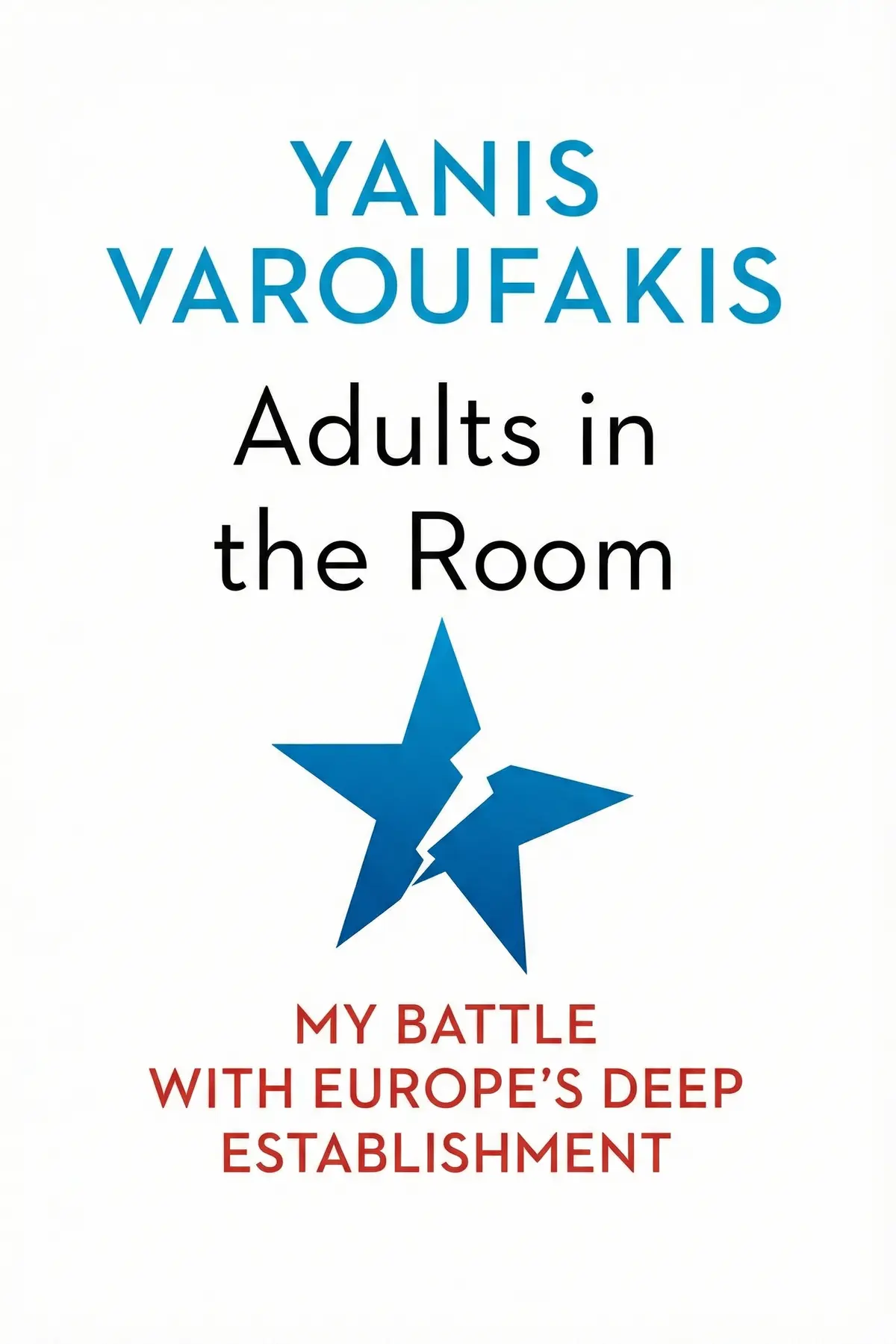
Yanis Varoufakis
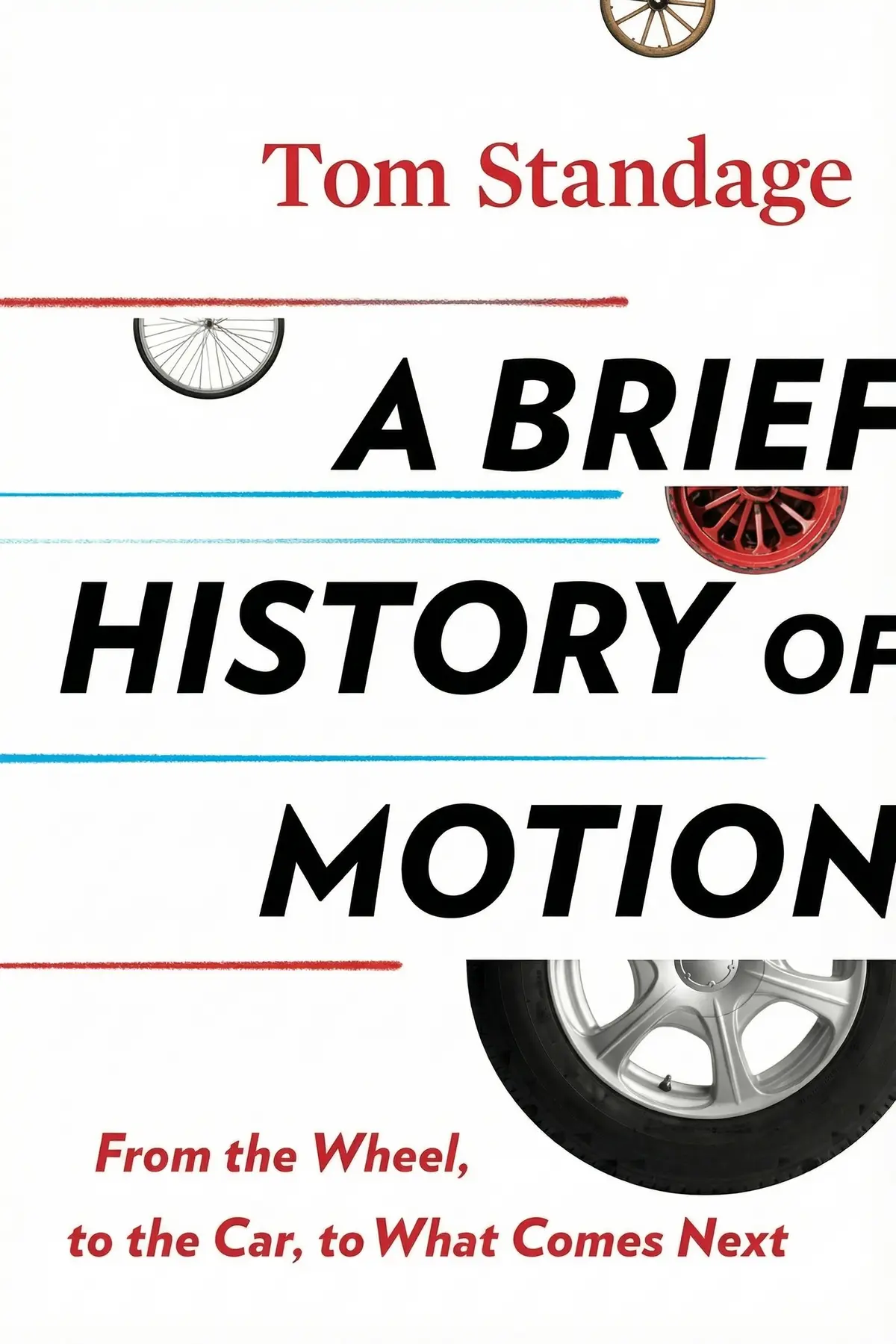
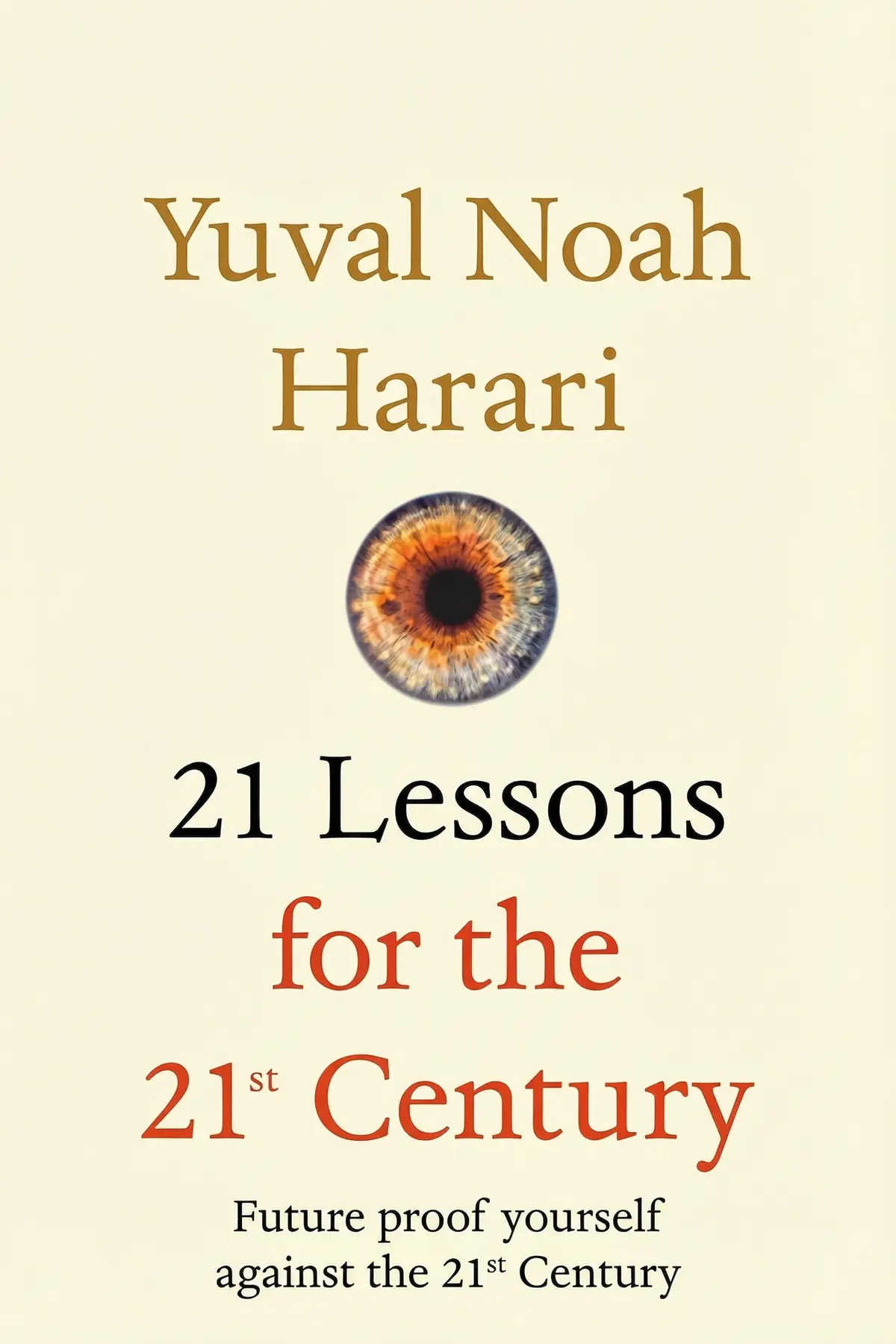
Yuval Noah Harari
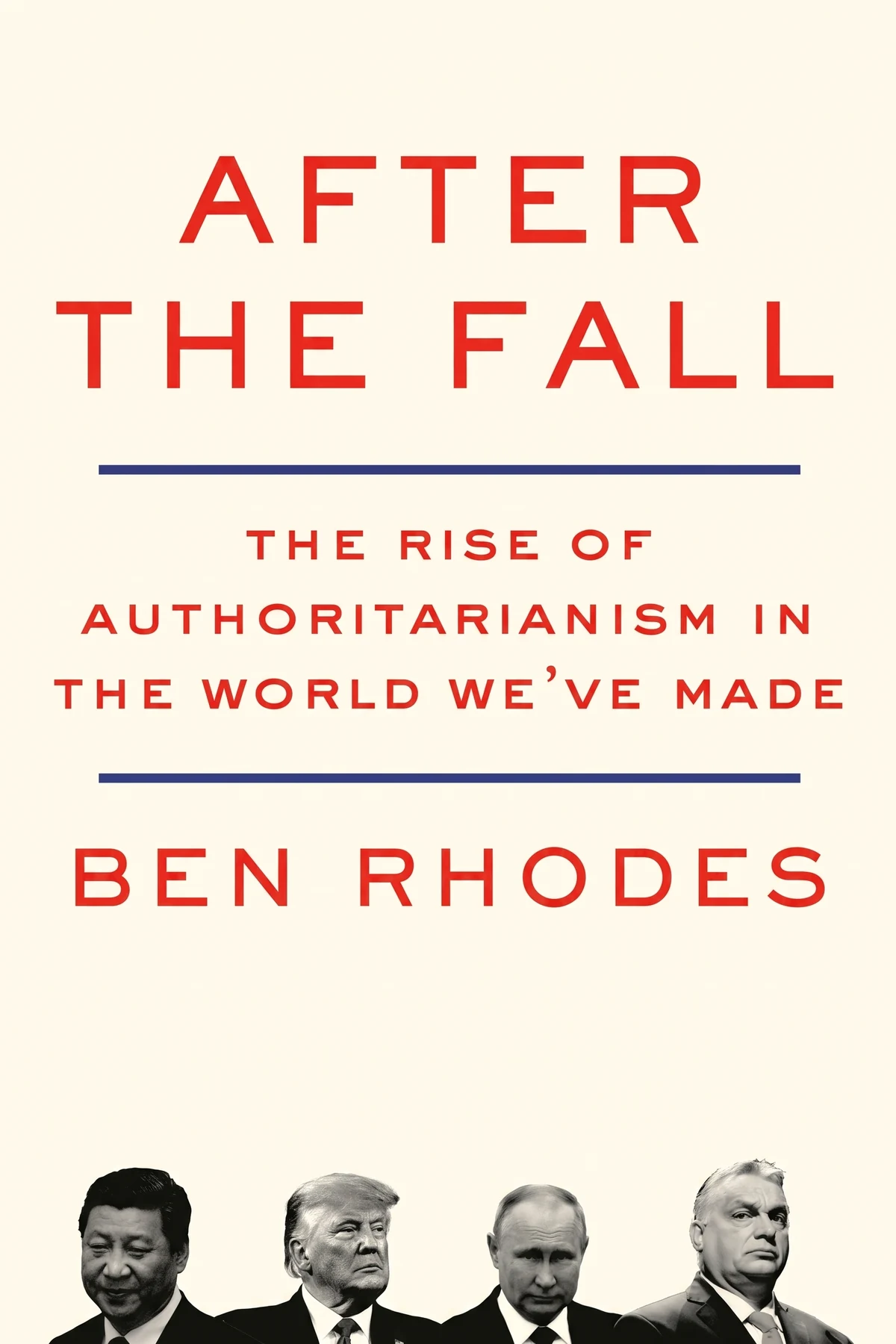
Jacinda Ardern
Pankaj Mishra
Michael Axworthy
AUDIO SUMMARY AVAILABLE
Get the key ideas from The Cold War by Robert J. McMahon, plus 5,000+ more titles in English and Thai.







