
17 min 32 sec
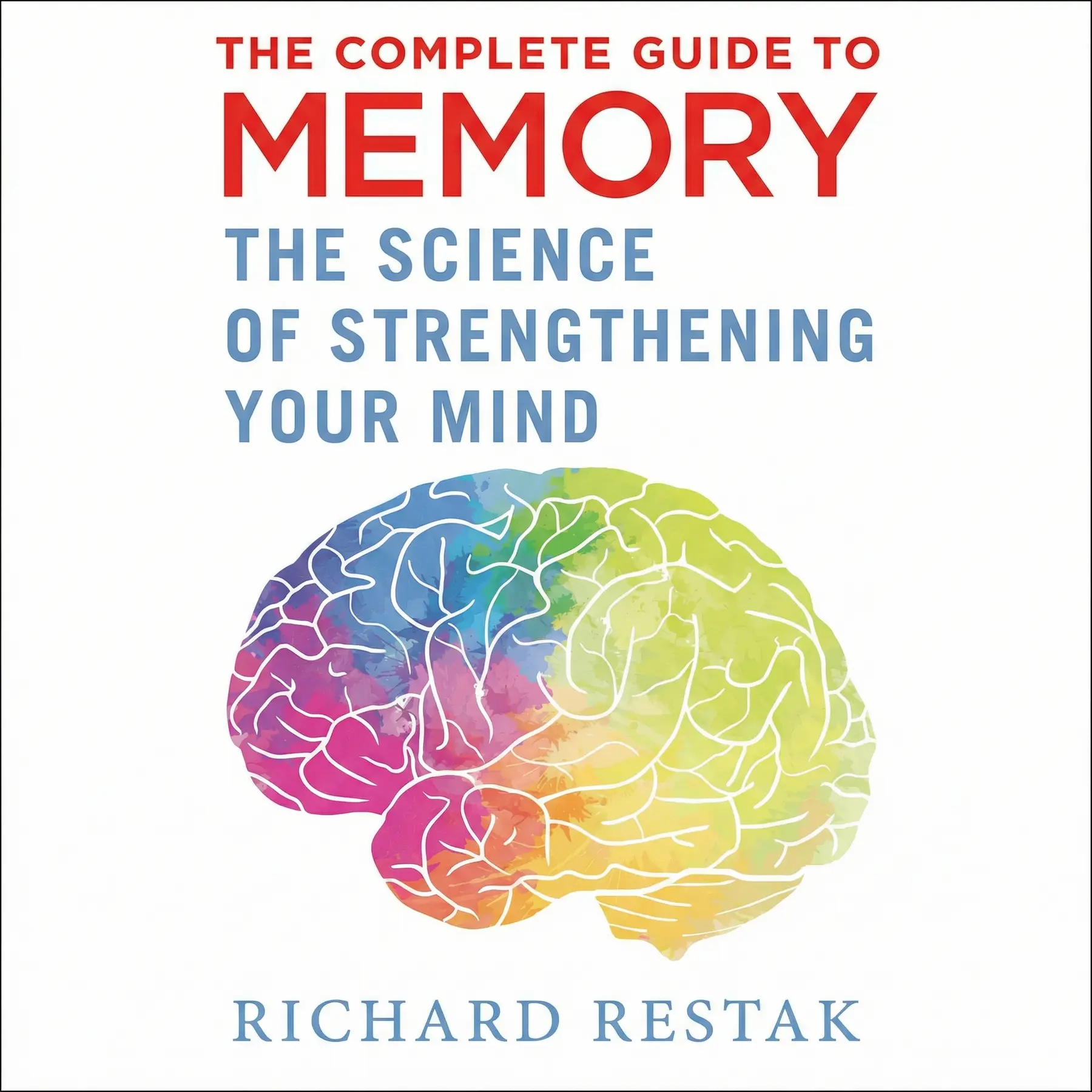
The Complete Guide to Memory: The Science of Strengthening Your Mind
Discover the neuroscience of recall and learn practical strategies to sharpen your mind. This guide explains how memory shapes identity and offers science-backed habits to protect cognitive function and improve learning.
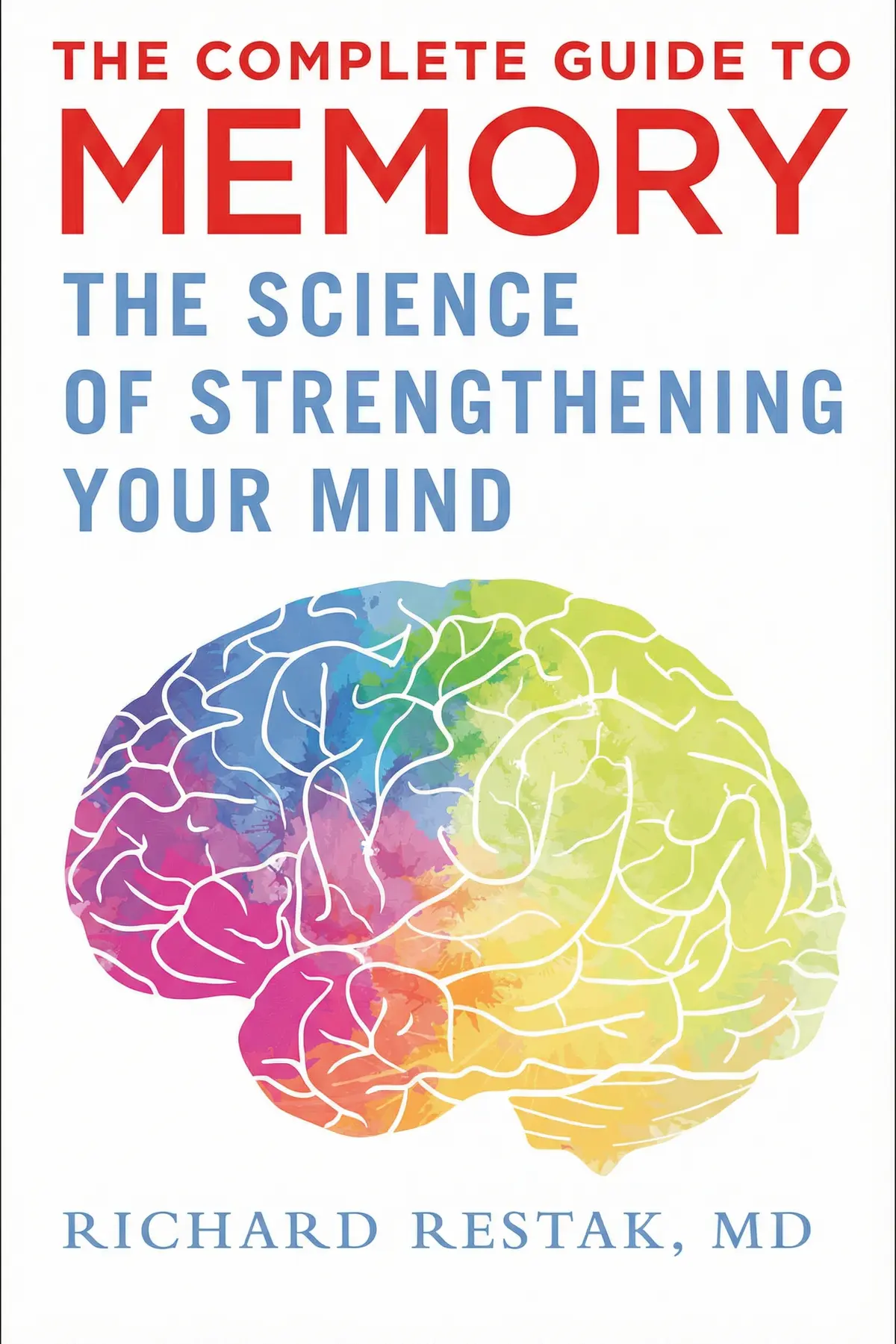
Table of Content
1. Introduction
1 min 58 sec
Have you ever found yourself in the middle of a lively conversation, only to have the name of a famous movie or a mutual friend suddenly vanish from your mind? It is a common experience, often met with a nervous laugh, but for many of us—especially as we get older—these small lapses can spark a deeper, more quiet anxiety. We wonder if these moments are just the result of a busy day or if they represent the first cracks in our cognitive foundation. However, the reality of how our brains handle information is far more nuanced and encouraging than we might think. Most of what we call ‘forgetting’ isn’t actually a failure of the brain’s storage capacity; rather, it is often a failure of our attention.
We tend to think of memory as a digital recording, a perfect file tucked away in a drawer that we can pull out and play back whenever we choose. But as we explore the science of the mind, we find that memory is much more like a reconstruction—a creative act that your brain performs every time you try to recall something. It is a dynamic process shaped by what you were feeling at the time, how much focus you applied, and the context of your current environment. The throughline of our journey today is simple but powerful: your memory is not a fixed, declining asset. It is an active, living system that you can influence, strengthen, and protect through deliberate practice and lifestyle choices.
By understanding the mechanics of how we encode and retrieve information, we can move away from the fear of ‘senior moments’ and toward a proactive mastery of our own minds. Whether you are looking to excel in your professional life or simply want to ensure that your most cherished personal stories remain vivid, the strategies for cognitive improvement are within your reach. In the following sections, we will trace the history of memory techniques from ancient poets to modern neuroscientists, examine the different systems that allow us to navigate the world, and identify the specific habits that keep our mental faculties sharp for the long haul.
2. The Evolution of Mnemonic Tradition
2 min 38 sec
Discover how an ancient tragedy led to the creation of powerful mental tools and how our understanding of memory has shifted over centuries.
3. Memory as the Foundation of Identity
2 min 04 sec
Explore the profound connection between what you remember and who you are, from your first childhood realization to the preservation of self.
4. Navigating the Four Systems of the Mind
2 min 24 sec
Break down the different ways your brain handles information, from the skills you never forget to the facts you keep on a mental scratchpad.
5. Creative Techniques for Sharp Recall
2 min 11 sec
Learn how to turn dry information into unforgettable mental images using the same strategies as world-class memory experts.
6. The Ten Pitfalls of Human Memory
2 min 21 sec
Identify the common ways our minds slip up and learn why some forgetfulness is actually a normal part of how we process the world.
7. A Lifestyle Strategy for Cognitive Longevity
2 min 24 sec
Discover the physical habits that act as a shield for your brain, from the benefits of napping to the impact of your daily diet.
8. Conclusion
1 min 32 sec
In our journey through the science and practice of memory, we have moved from the ancient ruins of Greece to the cutting-edge laboratories of modern neurology. We have seen that memory is not a static, dusty archive but a vibrant, creative process that is central to everything we do and everything we are. It is the thread that weaves our individual experiences into a coherent identity and the engine that powers our ability to learn, solve problems, and imagine a better future.
The most important lesson to take away is that you are not a passive victim of cognitive decline. While it is true that our minds face challenges—from the distractions of the digital age to the natural changes that come with time—we possess the tools to push back. By cultivating focused attention, using vivid visualization techniques, and maintaining the physical health of our brains through sleep and nutrition, we can significantly improve our mental clarity and recall.
As you move forward, try to look at your memory with new eyes. Instead of fearing the occasional forgotten name, view it as an invitation to pay more deliberate attention to the world around you. Practice the method of loci, embrace the power of a short nap, and stay physically active. Memory is a skill that rewards the effort you put into it. By taking these small, consistent steps, you aren’t just memorizing facts—you are enriching the quality of your life and ensuring that your most valuable stories remain yours to tell for years to come.
About this book
What is this book about?
The Complete Guide to Memory offers an in-depth exploration of the brain's most vital function: how we take in, store, and retrieve information. It moves past the common fear that every lapse in recall is a sign of disease, instead explaining the natural mechanics of the mind. By distinguishing between different types of memory—such as episodic, semantic, and procedural—the book provides a clear framework for understanding how we navigate our daily lives and maintain our sense of self. It also delves into the history of mnemonics, showing how ancient techniques remain highly relevant in our modern, distraction-filled world. The promise of this work is that memory is a skill that can be cultivated at any age. It provides a comprehensive roadmap for cognitive preservation, covering everything from mental exercises like the method of loci to essential lifestyle factors like sleep, diet, and physical activity. Readers will learn how to combat the 'ten sins' of memory and how to use technology mindfully rather than letting it weaken their mental faculties. Ultimately, the book serves as both a scientific primer and a practical manual for anyone looking to stay sharp, creative, and cognitively resilient.
Book Information
About the Author
Richard Restak
Dr. Richard Restak is a distinguished Clinical Professor of Neurology at the George Washington University School of Medicine and Health Sciences. As a former president of the American Neuropsychiatric Association, he has established himself as a leading authority on the human brain. Dr. Restak is a prolific writer with more than 20 books to his credit, including New York Times bestsellers like The Mind and The Brain. His expertise has been featured in prominent publications such as the New York Times, the Washington Post, and Newsweek, making him a trusted voice in the field of neuroscience.
Ratings & Reviews
Ratings at a glance
What people think
Listeners find the combination of easy-to-understand neurological science and actionable tips for brain health to be highly effective. While there are differing views on whether the content prioritizes anecdotes over original data, many listeners consider the perspectives on lifestyle choices and memory links to be extremely beneficial. Furthermore, the included mental training is frequently praised, with one listener calling the "n-back challenge" a great way to develop cognitive routines. The book is ultimately described as a "fascinating" and user-friendly manual for anyone wanting to improve their mental strength with basic daily habits.
Top reviews
Woramet
As a therapist who frequently works with aging clients, I’ve been hunting for a resource that translates complex neuroscience into something actionable. Dr. Restak delivers exactly that in this fascinating guide. The breakdown of how our brains prioritize associations over single words was a revelation that I’ve already started incorporating into my own life. I particularly appreciated the n-back challenge; it’s a rigorous tool that really forces the mind to engage in ways we often avoid in our digital, distraction-filled world. The book is grounded in solid research but remains incredibly approachable for the layperson. It’s rare to find a neurologist who can weave literary references and case studies together so seamlessly. This is now at the top of my recommendation list for anyone worried about their cognitive longevity.
Show moreMai
After watching my mother struggle with the slow decline of Alzheimer's, I’ve become hyper-aware of my own lapses in memory. This book was exactly the resource I needed to feel empowered rather than just afraid. Restak’s writing is incredibly clear, and he explains the 'why' behind memory failure in a way that feels logical rather than terrifying. I’ve started implementing his tips on association and visualization, and I can already see a difference in how I retain information from the news and books. The chapter on the importance of naps was a welcome surprise—who knew a midday snooze could be so beneficial for encoding information? This is a compassionate, science-backed guide that provides real hope. I’ve already bought copies for several of my friends.
Show moreWipada
Ever wonder why you can remember a random jingle from 1985 but can't find your car keys to save your life? Restak explains the science behind these quirks without getting bogged down in impenetrable jargon. I really appreciated the focus on lifestyle habits like napping and the surprising benefits of dark chocolate for episodic memory. The 'Is My Memory Normal' quiz was a great touch, as it helped ease some of my anxieties about getting older. While some of the memory systems he suggests are a bit idiosyncratic, the overall message about keeping the brain challenged is vital. It’s a solid, practical manual for anyone wanting to stay sharp. The section on how technology is eroding our natural recall was particularly thought-provoking and, honestly, a bit convicting.
Show moreViolet
Finally got around to reading this after hearing Dr. Restak on a podcast, and I’m glad I did. The book is grounded in current research—referencing experts like Alia Crum—yet it never feels like a slog to get through. I loved the connection he drew between physical movement and cognitive resilience, reminding us that the brain is part of the body, not some separate entity. Some of the brain games are quite challenging, especially the ones involving visualization, but they are exactly what I needed to break out of my mental autopilot. My only gripe is that he occasionally gets a bit too heavy on the anecdotes, which can distract from the core data. Still, for a comprehensive look at brain health, it’s a very worthy addition to my bookshelf.
Show moreAudrey
Richard Restak manages to weave together literary quotes and clinical observations into a narrative that actually flows. I was especially struck by the idea that our brains are naturally better at recalling failures than successes, which explains a lot about my 3 AM intrusive thoughts! The book is a healthy mix of medical theory and practical brain games that keep things interesting. While I agree with other reviewers that some of the advice is basic, the way he contextualizes it within the framework of synaptic resilience is very helpful. He makes a compelling case for why we should put down the smartphone and trust our own minds more often. It’s an approachable read that doesn't sacrifice scientific integrity for the sake of simplicity.
Show moreMontri
After years of struggling to remember names at networking events, I decided it was time to actually train my brain. This guide offers simple, daily exercises that don’t feel like a chore, and the explanation of why images are easier to remember than words was a total lightbulb moment for me. I’ve started using his association techniques for people's names, and it’s surprisingly effective. The book also serves as a stern but necessary reminder about the damage our digital addictions are doing to our focus. It’s not a magic pill, but it provides a roadmap for anyone willing to put in the work. The tone is encouraging, and the science is presented in a way that feels relevant to everyday life. Definitely worth a read for the practical tips alone.
Show moreWyatt
Does anyone employ editors anymore, or is that a relic of the past? I was genuinely distracted by the grammatical errors and dropped sentences in the paperback introduction, which made me question the authority of the medical advice inside. To be fair, once you get past the sloppy editing, there are some gems here about how fiction reading supports working memory. I never realized that losing the ability to follow a complex plot is often an early warning sign of dementia. However, the book feels a bit disjointed, oscillating between a technical medical reference and a basic self-help manual. It’s a quick read, but I wish it had been more polished. It provides a good refresher on lifestyle habits, but don't expect a revolutionary breakthrough in memory science.
Show moreDivya
Look, if you’ve read any book on brain health in the last decade, you won’t find many shocks in these pages. The advice is the usual 'eat well, sleep more, and stay active' mantra we’ve heard a thousand times before. That said, Restak’s perspective as a neurologist adds a layer of credibility that your average lifestyle blogger lacks. I found the segments on how the brain forms mental images much more effective than his suggestions for word-based memorization. The truth is, the book is a bit lopsided; it spends a lot of time on theory and not quite enough on the 'how-to' for specific age-related concerns. It’s a decent starting point for beginners, but seasoned readers of popular science might find it a bit elementary. The n-back exercises are probably the most useful takeaway.
Show moreGift
In my experience, books by famous doctors tend to be either too dense or too fluffy, and this one sits awkwardly right in the middle. The science presented is certainly current, and I appreciated the focus on 'working memory' as a muscle that needs constant exercise. However, the author’s reliance on visualization-based systems was a bit frustrating for someone like me who struggles with aphantasia. Not everyone can just 'see' a mental map in their head, and the book doesn't offer many alternatives for different learning styles. It's a blessedly brief book, which I liked, but it felt a bit like a collection of essays rather than a cohesive guide. Good for a quick overview, but perhaps not the 'complete' guide the title promises.
Show moreChaiwat
Disappointment is an understatement for how I felt after finishing the first half of this guide. I went into this expecting a rigorous, medical deep-dive into combating Alzheimer’s, but instead, I found a collection of summaries regarding old memory studies. Restak spends way too much time on anecdotes and his own personal memory systems rather than the established Major system used by most professionals. Frankly, the advice on getting enough sleep and avoiding alcohol feels like common sense you could find in a five-minute Google search. While the 'n-back' task was a decent reminder to stay sharp, the book felt like it was written more for a college student cramming for finals than for someone facing real cognitive decline. I ended up skimming the last hundred pages because the writing was just too dry and repetitive for my taste.
Show moreReaders also enjoyed
59 Seconds: Change Your Life in Under a Minute
Richard Wiseman
A Liberated Mind: How to Pivot Toward What Matters
Steven C. Hayes
Acting with Power: Why We Are More Powerful Than We Believe
Deborah Gruenfeld
AUDIO SUMMARY AVAILABLE
Listen to The Complete Guide to Memory in 15 minutes
Get the key ideas from The Complete Guide to Memory by Richard Restak, plus 5,000+ more titles in English and Thai.
- 5,000+ titles
- Listen as much as you want
- 7-day free trial
- Cancel anytime







