
25 min 01 sec
The Connected Child: Bring Hope and Healing to Your Adoptive Family
Parenting children from trauma requires moving beyond traditional methods. This guide focuses on trust-based strategies, brain chemistry, and emotional connection to help foster and adoptive families find healing and create lasting bonds.
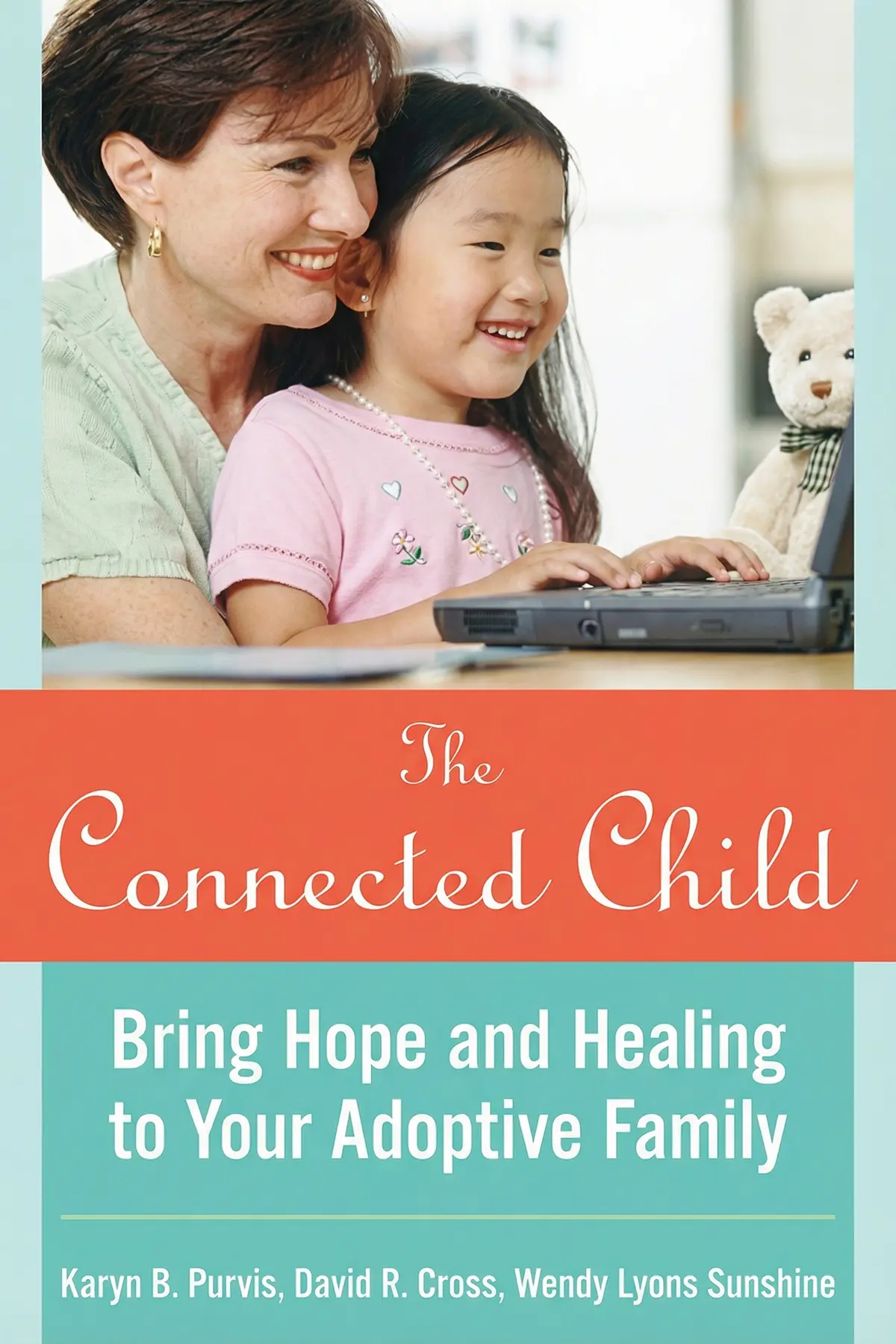
Table of Content
1. Introduction
1 min 47 sec
Welcoming a child into your home through adoption or foster care is an act of profound hope, but it often brings with it a set of challenges that no traditional parenting handbook can fully prepare you for. You might find yourself wondering why your child reacts with explosive anger over a small request, or why they seem unable to accept your love and affection. The reality is that children who have experienced early trauma, neglect, or institutionalization have brains that are literally wired for survival. Their past has taught them that the world is an unpredictable and often dangerous place where their needs might go unmet.
To navigate this journey, parents need more than just patience; they need a new paradigm for understanding and responding to their child’s behavior. This is not just about managing tantrums or enforcing rules; it is about rewriting a child’s internal narrative of fear and replacing it with one of safety and trust. We will explore how to build a connection that goes deeper than the surface level, addressing the biological, emotional, and psychological needs of children who have been through difficult beginnings.
The throughline of our discussion today is simple yet revolutionary: connection must precede correction. When we focus on the relationship first, we create a foundation upon which all other growth becomes possible. We’ll look at how to decode the hidden messages behind challenging behaviors and how to use every day interactions—from mealtime to playtime—as therapeutic tools. This approach doesn’t just aim to improve a child’s behavior; it seeks to heal their heart and empower them to reach their full potential. Let’s begin by looking at the invisible history every child carries with them and how those early months and years shape the person they are today.
2. Decoding the Impact of Early Neglect
2 min 19 sec
Explore how early environments shape a child’s neurological foundation and why recognizing these hidden developmental gaps is the first step toward effective parenting in adoptive families.
3. Establishing the Foundation of Felt Safety
2 min 27 sec
Discover why children from traumatic backgrounds often react with intense fear to ordinary situations and how parents can create an atmosphere of felt safety to calm their survival instincts.
4. The Art of Attuned Communication
2 min 17 sec
Communication is more than just words; learn how to use eye contact, body language, and simple verbal cues to bridge the gap with a child who never learned to express their needs.
5. Replacing Punishment with Connection-Based Correction
2 min 15 sec
Traditional discipline often backfires with children from difficult backgrounds; discover why ‘time-ins’ and ‘do-overs’ are more effective tools for teaching positive behavior and building trust.
6. The Power of Structure and Predictability
2 min 28 sec
Chaos is the enemy of healing; learn how to use daily routines and clear transitions to reduce anxiety and help your child feel more in control of their world.
7. Nurturing Trust Through Play
2 min 12 sec
Play is a vital language for healing trauma; find out how simple games and joyful interactions can lower stress hormones and strengthen the parent-child bond.
8. Supporting the Brain Through Targeted Nutrition
2 min 28 sec
Discover the surprising link between diet and behavior, and learn how specific nutritional strategies can stabilize your child’s mood and support their neurological health.
9. Building Confidence and Respecting Physical Boundaries
2 min 24 sec
Learn how to use intentional praise and safe, respectful touch to rebuild a child’s sense of self-worth and help them feel comfortable in their own skin.
10. The Long Game of Healing and Parental Self-Care
2 min 31 sec
Healing is not a linear process; understand why setbacks occur and why your own emotional health is the most important factor in your child’s success.
11. Conclusion
1 min 53 sec
As we conclude our look at the journey toward healing for adoptive and foster families, it’s worth reflecting on the incredible resilience of the human spirit. The road we’ve discussed isn’t always easy. It requires a fundamental shift in how we view behavior, discipline, and even our own roles as parents. We’ve learned that the ‘difficult’ behaviors that can make daily life so challenging are often just survival strategies—pleas for help from a child whose brain is stuck in a state of fear. By replacing our own fear and frustration with empathy and structure, we can start to offer a different way forward.
The core of the message is that connection is the ultimate medicine. Whether it’s through the intentional use of eye contact, the stabilizing power of a protein-rich snack, or the joyful release of a game of tag, every interaction is an opportunity to tell your child: ‘You are safe, you are seen, and you are loved.’ This trust isn’t built overnight. It is constructed brick by brick, through thousands of small, consistent moments of responsiveness and care. Even when setbacks happen—and they will—the throughline remains the same: your relationship is the foundation of their recovery.
As you move forward, take this as your actionable closing advice: Choose one small area to focus on this week. Perhaps it’s being more intentional about eye contact, or maybe it’s introducing a more predictable bedtime ritual. Don’t try to change everything at once. Focus on deepening the connection in one specific way and observe the subtle shifts in your child’s response. Remember that you are your child’s greatest ally and their most important advocate. Your commitment to staying regulated, staying present, and staying connected is the greatest gift you can ever give them. With time, patience, and a high-nurture approach, hope and healing are not just possibilities—they are the destination you are heading toward together.
About this book
What is this book about?
At its heart, this exploration into the world of adoption and foster care addresses the deep-seated challenges of raising children who have experienced early life adversity. Whether it is neglect, abuse, or the instability of the foster care system, these early experiences leave lasting marks on a child’s developing brain and nervous system. The book offers a comprehensive roadmap for parents who find that traditional discipline simply doesn’t work with their children’s unique needs. By moving away from shame-based or punitive measures, the authors present a philosophy centered on connection, empowerment, and corrective strategies. You will learn how to identify the physiological roots of behavioral issues—from blood sugar crashes to fear-based survival instincts. The promise is one of transformation: by shifting the focus from controlling behavior to building a secure relationship, parents can help their children overcome the scars of the past. It provides practical toolkits for everything from establishing eye contact to navigating complex nutritional needs, ensuring that every interaction becomes an opportunity for healing and growth.
Book Information
About the Author
Karyn B. Purvis
The late Dr. Karyn Purvis was the Rees-Jones Director and a cofounder of the Karyn Purvis Institute of Child Development at Texas Christian University in Fort Worth. Dr. David R. Cross is a psychology professor at Texas Christian University and currently directs the Karyn Purvis Institute. Wendy Lyons Sunshine is an award-winning health journalist whose work has been featured in major publications like the New York Times, Scientific American, and AARP Magazine.
Ratings & Reviews
Ratings at a glance
What people think
Listeners consider this parenting guide an outstanding resource for adoptive families, offering actionable tips and deep understanding of the requirements of foster and adopted kids. It is straightforward to digest and apply, featuring lucid descriptions of methodologies alongside uncomplicated illustrations. Listeners value how it illuminates the difficulties children face, suggests methods for recovery, and instills an enduring sense of empathy.
Top reviews
Thanit
Finally got around to reading this after it sat on my nightstand for months, and I am kicking myself for waiting. This book is the gold standard for understanding how trauma rewires a child’s brain and behavior. Dr. Purvis doesn’t just explain the science; she provides the 'how' to fix cycles of defiance with incredible compassion. The concept of 'felt safety' was a total game-changer for our household dynamic during a very rocky transition. We’ve started using the specific scripts for 're-dos' and are already seeing results in how our son handles his frustration. It is not an easy path because it requires a lot of emotional heavy lifting from the parents. However, shifting from a strict 'boss' mentality to a nurturing connection is worth every bit of the effort. If you are parenting a child from a 'hard place,' this is essential equipment.
Show moreLaor
The chapter on teaching life values was worth the price of the book alone. Most parenting guides offer vague advice, but this one gives you actual words to say when a child is spiraling. I loved the emphasis on 'giving choices' and 'compromises' to empower kids who have lost so much control in their lives. Honestly, it changed how I view my daughter’s meltdowns. Instead of seeing them as manipulation, I now see them as a physiological survival response. The authors use a very accessible, simple writing style that makes the complex research easy to digest even when you're exhausted. We’ve implemented the nutritional suggestions, including increasing hydration and protein, and the stabilization in her moods is actually noticeable. It is rare to find a manual that offers both high-level psychological insight and practical, boots-on-the-ground tactics for everyday parenting struggles.
Show morePranee
Wow, I wish I had discovered this years ago when we first brought our daughter home. The authors explain the 'biological clock' of a traumatized child in a way that finally made sense of her sleep and eating habits. We had been using traditional 'spare the rod' discipline, and it was only making her more defiant and fearful. Switching to the 'nurturing parent' model described here has been like night and day for our relationship. The book is packed with specific scripts that take the guesswork out of what to say during a tantrum. It teaches you how to be the 'boss' while still being a safe harbor for your child. It's heart-wrenching to read about what these kids have been through, but this book offers so much hope. It is a must-read for anyone in the adoption or foster community who feels like they are drowning.
Show moreSienna
It’s rare to find a manual that balances PhD-level research with such tender, actionable advice for the average parent. Dr. Purvis and Dr. Cross have created a masterpiece that should be required reading for all caregivers. The descriptions of different parenting styles—authoritative versus authoritarian—helped me realize I was being way too rigid. The book teaches you how to look past the surface behavior to the wounded child underneath. I loved the practical examples of 'playful interaction' and how it can disarm a child who is stuck in a defensive posture. It’s a very hopeful book that emphasizes that healing is possible through consistent, loving attachment. We have started implementing the 'ten-minute rule' for focused attention, and the change in our son’s attitude has been remarkable. This is a life-changing resource for any family struggling to connect with a child from a traumatic background.
Show moreGai
Picking this up felt like receiving a lifeline during a very dark season of our parenting journey. We were struggling to connect with our three-year-old, and every day felt like a battle of wills. This book gave us a new lens to view her actions through, focusing on 'felt safety' rather than just compliance. The chapters on sensory integration were eye-opening; we realized so many of her 'defiant' behaviors were actually her being overwhelmed by her environment. The authors write with such warmth and lack of judgment that it makes you feel empowered rather than guilty about past mistakes. It is a long road to healing, but this book provides the practical steps to get there. From nutritional tips to behavioral re-dos, it covers everything a foster or adoptive parent needs to know. I’ll be buying copies for all the parents in our support group this year.
Show moreJoe
As someone who is just starting the foster care journey, this was recommended to me by our licensing agency as 'the bible' of attachment. It is definitely a different approach than how I was raised, focusing more on connection than traditional discipline. I appreciate the deep dive into how sensory processing issues affect behavior, especially for kids with a history of neglect. The focus on 'open-handed touches' and maintaining eye contact is beautiful, though I do wonder if it might be overwhelming for some kids at first. My only real gripe is the tone feels a bit repetitive at times, almost like it’s being dumbed down for the reader. Still, the core message of healing through relationship is powerful. It gave me a lot of tools to keep in my back pocket for when things get difficult. I feel much more prepared to handle the 'tough places' now.
Show morePenelope
To be fair, this isn’t just a book for adoptive families; it’s a masterclass in compassionate parenting for anyone. I picked this up to help with my ADHD son’s emotional regulation and found so many parallels to the trauma-informed techniques. The idea that behavior is a symptom of a deeper need is a perspective shift every parent should experience. I especially liked the sections on 'nurture groups' and how to use play to bridge the gap between a parent and child. It is a very time-intensive way to parent, though. You have to be fully 'on' and present, which is draining. There were moments where the advice felt a little too idealistic for a household where both parents work full-time. That said, the strategies for using 'match-ups' and 're-dos' are highly effective and easy to implement immediately. It’s a solid resource for building a stronger bond.
Show moreMint
After hearing so many recommendations from our local adoption support group, I finally dove into this. The focus on 'relational connection' over 'correction' is a powerful framework that has helped me stay calm when things get chaotic. I particularly appreciated the focus on potential nutritional shortfalls in children from hard places. Learning how magnesium and blood sugar levels impact behavior was a lightbulb moment for us. The book is written very clearly, making it easy to skim for specific advice when you're in a pinch. My only criticism is that the discipline approach can feel a bit 'soft' if you aren't careful with the execution. You really have to follow the instructions precisely to ensure you’re still setting firm boundaries. It’s a delicate balance to strike, but the book provides a decent roadmap for navigating that middle ground between authoritarian and permissive styles.
Show moreWyatt
Truth is, I was skeptical about the 'no-punishment' angle at first because I didn't want my house to become a free-for-all. But once you start reading, you realize this isn't about letting kids do whatever they want. It’s about teaching them how to regulate their own emotions so they don't feel the need to act out. The specific language scripts were incredibly helpful for me because I often get tongue-tied when I’m frustrated. Using phrases like 'with respect' and 'try that again' has lowered the temperature in our house significantly. The book can be a bit repetitive, and the formatting is a little dated, but the content is gold. Frankly, even if you didn't adopt, you'll learn a lot about how to communicate with children in a way that actually makes them want to listen. It’s all about building that foundation of trust first.
Show moreKavya
Look, the science here is undeniable, and I truly appreciate the heart behind the TBRI approach. However, I found the suggested daily schedule to be completely out of touch with the reality of a two-income household. The authors seem to suggest that you can spend nearly every waking hour in high-intensity, focused interaction, which just isn’t feasible when you have a job and other children. I also found the emphasis on constant eye contact a bit much; for some children with severe abuse histories, that can feel domineering rather than connecting. There are definitely gems here, like the advice on magnesium for calming and the importance of hydration. But overall, I had to take a lot of this with a grain of salt and adapt it heavily to fit a normal, busy life. It’s a good starting point but feels slightly unrealistic for most modern families.
Show moreReaders also enjoyed




AUDIO SUMMARY AVAILABLE
Listen to The Connected Child in 15 minutes
Get the key ideas from The Connected Child by Karyn B. Purvis, plus 5,000+ more titles in English and Thai.
- 5,000+ titles
- Listen as much as you want
- 7-day free trial
- Cancel anytime







