
17 min 26 sec
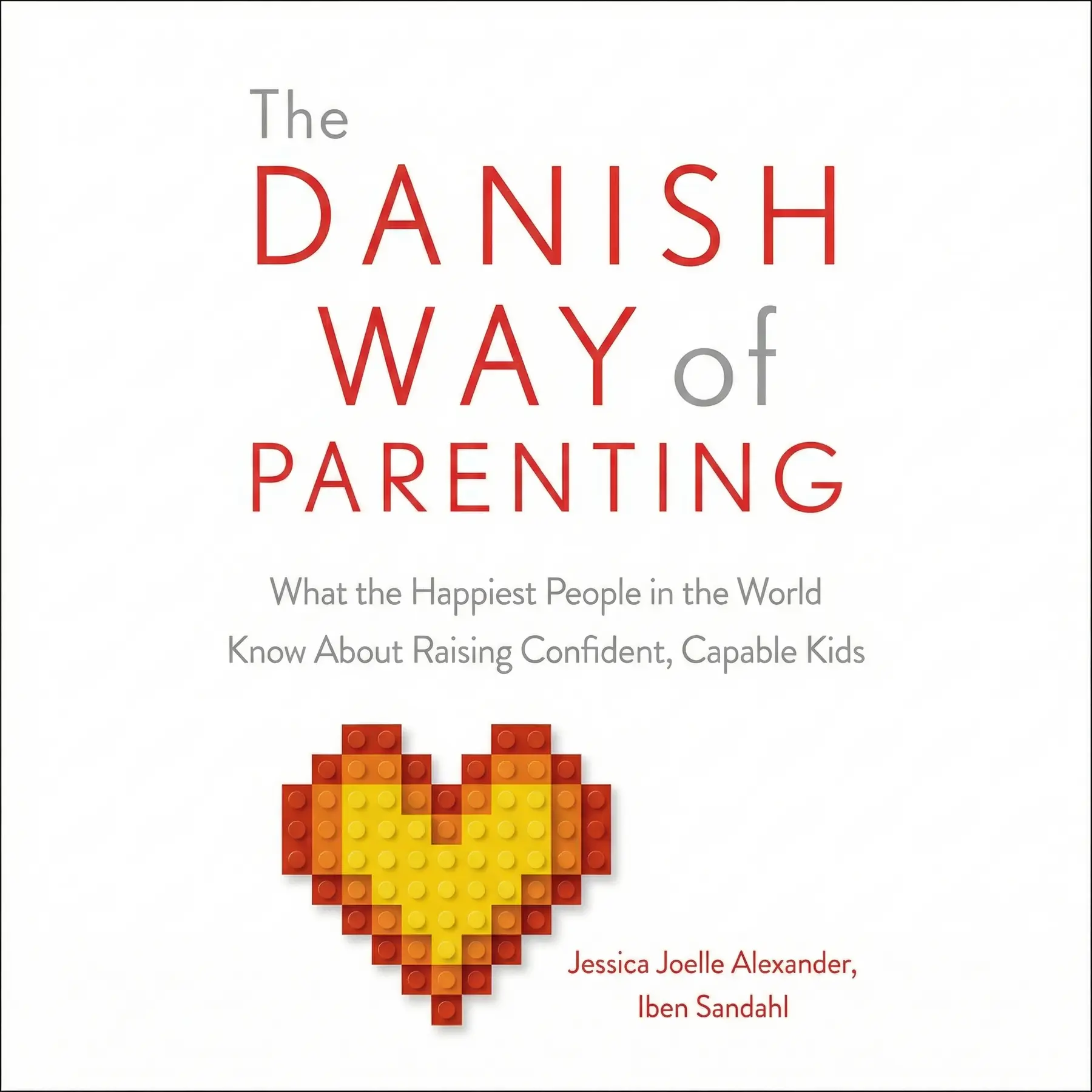
The Danish Way of Parenting: What the Happiest People in the World Know About Raising Confident, Capable Kids
Explore the unique Danish philosophy of raising happy, resilient, and confident children. This summary breaks down the PARENT framework, offering a transformative approach to emotional authenticity, free play, and collaborative discipline.
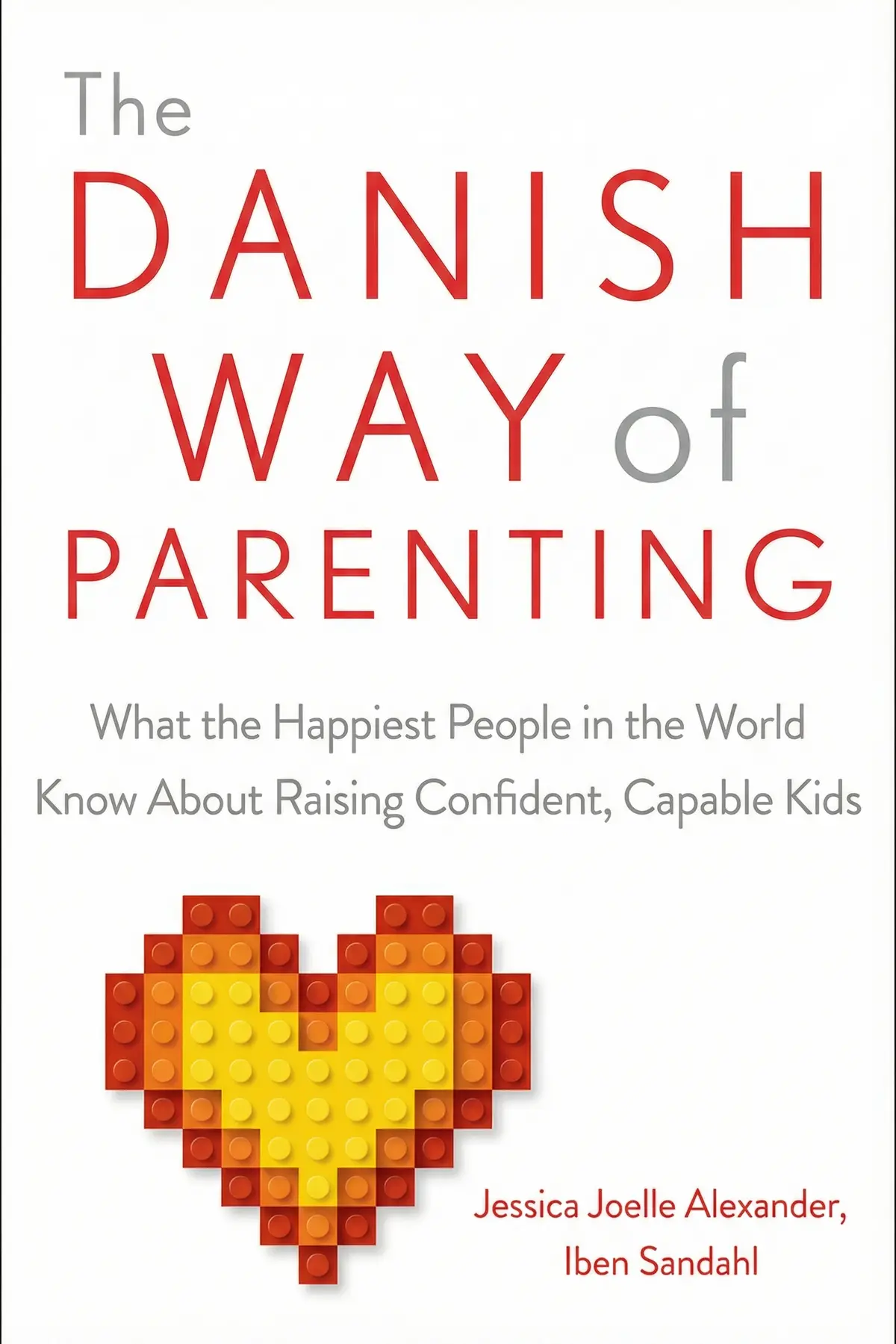
Table of Content
1. Introduction
1 min 38 sec
Every year, global surveys attempt to measure the elusive quality of human happiness. While various nations take their turns in the spotlight, Denmark consistently finds itself at the very top of the list. We often attribute this to social safety nets or high living standards, but there is a deeper, more personal foundation at work: the way Danes raise their children. The Danish philosophy suggests that happy adults don’t just happen by accident; they are the result of a specific, intentional approach to childhood that prioritizes emotional health over external achievement.
In this exploration of the Danish method, we are going to look at a framework designed to produce individuals who are not just successful in the traditional sense, but resilient, empathetic, and truly content. This approach is organized around the acronym PARENT: Play, Authenticity, Reframing, Empathy, No Ultimatums, and Togetherness. Each of these pillars represents a shift away from modern, high-stress parenting trends and toward a style that honors the child’s natural development.
Through these concepts, we see a throughline of respect and connection. It’s about understanding that the way we interact with our children today creates the emotional blueprint for their entire lives. As we walk through these six foundational elements, you’ll discover practical ways to integrate these values into your own family life, helping you move past the exhaustion of power struggles and into a more harmonious way of being together.
2. The Power of Unstructured Play
2 min 18 sec
Discover why leaving children to their own devices is more than just fun—it is a critical evolutionary tool for building lifelong resilience and stress management skills.
3. The Necessity of Emotional Authenticity
2 min 20 sec
Learn why shielding children from the full spectrum of human emotion can actually hinder their growth, and how honest storytelling builds a stronger emotional foundation.
4. Mastering the Art of Reframing
2 min 23 sec
Explore how the way we talk about our experiences can physically change our brain chemistry, helping children turn obstacles into opportunities through the power of language.
5. Cultivating Empathy from the Ground Up
2 min 25 sec
Understand how the Danish education system and family life work together to nurture emotional intelligence, creating a society that values cooperation over competition.
6. The Strength of No Ultimatums
2 min 15 sec
Break free from the cycle of power struggles and fear-based discipline by adopting a democratic approach that respects the child’s individuality and autonomy.
7. Hygge and the Power of Togetherness
2 min 17 sec
Go beyond the candles and blankets to discover how the cultural concept of hygge creates a psychological sanctuary for families to bond and recharge.
8. Conclusion
1 min 50 sec
As we conclude our journey through the Danish way of raising children, the throughline becomes clear: happiness is a skill that is cultivated through connection, honesty, and respect. By looking at the PARENT framework—Play, Authenticity, Reframing, Empathy, No Ultimatums, and Togetherness—we see that the goal isn’t to produce a perfect child who wins every trophy. Instead, the goal is to raise a ‘whole’ person. A person who knows how to play and innovate, who isn’t afraid of their own emotions, who can find the opportunity in any challenge, and who understands the value of being part of a community.
Implementing these ideas doesn’t require moving to Scandinavia. It begins with small, intentional shifts in how we view our role as parents. It starts with stepping back at the park to let your child find their own way. It starts with choosing a different word to describe a challenging behavior, or lighting a candle at dinner to signify that the family is now in a ‘hygge’ space. It’s about moving from a position of control to a position of connection.
If there is one major takeaway from the Danish example, it’s that we should worry less about what our children ‘achieve’ and more about who they ‘are.’ When we prioritize their emotional resilience and their ability to connect with others, we are giving them the tools they need to navigate a complex world with a steady heart. By embracing these principles, we don’t just help our children become the happiest people in the world—we often find that we become a little happier and more grounded ourselves. Parenting, in the Danish view, isn’t a series of battles to be won; it’s a shared journey toward a life well-lived.
About this book
What is this book about?
Have you ever wondered why Denmark is consistently ranked as one of the happiest nations on Earth? The answer might lie not in their economy or geography, but in how they raise their children. This guide delves into a parenting philosophy that prioritizes emotional maturity, empathy, and collective well-being over the high-pressure competitive models seen elsewhere. By following the PARENT acronym—Play, Authenticity, Reframing, Empathy, No Ultimatums, and Togetherness—you will learn how to move away from fear-based discipline and toward a more democratic, supportive home environment. This journey covers everything from the biological importance of unstructured play to the neurological benefits of changing how we label our children's behavior. The promise is simple yet profound: by raising children with these core values, we create adults who are better equipped to handle life's challenges with grace and contentment.
Book Information
About the Author
Jessica Joelle Alexander
Jessica Joelle Alexander is an American author, journalist, and cultural researcher. Her unique perspective was formed after she married into a Danish family, leading her to investigate why Danish parenting produces such happy results. Iben Dissing Sandahl is a Danish psychotherapist and family counselor with more than twenty years of experience. Together, they bridge the gap between clinical expertise and cross-cultural observations to share Denmark's parenting secrets with the world.
Ratings & Reviews
Ratings at a glance
What people think
Listeners describe this parenting guide as accessible and articulately written, offering actionable tips that encourage them to reflect on their personal parenting methods. Furthermore, the content receives praise for its kind methodology, and one listener observes that it feels like a refined collection of various parenting resources. Beyond that, listeners value the emphasis on empathetic living, with one individual sharing that it guided their family toward a more positive outlook.
Top reviews
Penelope
After hearing so much about Nordic happiness, I finally dove into this guide and it truly shifted my perspective on family dynamics. The authors use the acronym PARENT to break down complex psychological concepts like mirror neurons and the importance of free play into digestible, actionable advice. Honestly, it is a breath of fresh air to read a parenting book that prioritizes the 'we' over the 'me' in a world that feels increasingly individualistic and competitive. I particularly loved the section on reframing negative situations into realistic optimism, which has already helped reduce stress in our household. While some might find the Danish context hard to replicate elsewhere, the core principles of empathy and authenticity are universal. It is well-written, gentle, and serves as a beautiful reminder that raising kind children starts with our own behavior as adults. This is a must-read for anyone wanting to foster a more connected and cozy family environment.
Show moreSarawut
This book is essentially a warm hug for parents who feel overwhelmed by the constant pressure to raise high-achieving superstars. I found the focus on free play and the rejection of corporal punishment to be incredibly validating for our own gentle parenting journey. In my experience, shifting our focus to 'we' instead of 'me' has drastically improved how our children interact with one another during playtime. The writing is easy to understand and the chapters are short enough for busy parents to squeeze in before bed. Look, parenting is tough everywhere, but these tools for reframing and realistic optimism make the daily grind feel much more manageable. I appreciate how the authors don't claim this way is 'better,' but rather offer it as a successful alternative for raising less anxious kids. It has genuinely helped us look deeper into our own parenting style and make intentional, empathetic changes.
Show moreNarong
Wow, the fable about hell and heaven where people feed each other with long sticks really drove home the 'we' over 'me' philosophy for me. This book beautifully illustrates how a simple change in perspective can turn a stressful household into a harmonious one. I loved the section on the Danish school system and their anti-bullying programs, which prioritize emotional education over standardized testing. It is so rare to find a parenting book that feels this gentle and non-judgmental about our own cultural shortcomings. Gotta say, the emphasis on letting kids figure things out during free play was exactly what I needed to hear to stop hovering so much. The writing style is engaging and the advice is practical enough to start using immediately. It’s not just about raising happy kids; it’s about becoming a happier, more empathetic adult yourself. This is easily one of the most well-written and insightful parenting books on my shelf.
Show moreDarius
Picking this up was the best decision I've made for our home environment this year. The book is incredibly easy to understand and provides a gentle roadmap for anyone wanting to move away from authoritarian parenting styles. I was particularly moved by the chapter on authenticity and how being honest with our children helps them build a stronger sense of self. It’s not a memoir, but it still feels deeply personal because it challenges you to look at your own upbringing and how that influences your current habits. By focusing on empathy and the 'we' mentality, we've seen a significant drop in sibling rivalry and an increase in overall household happiness. The authors have done a wonderful job of making Danish cultural norms feel accessible and applicable to parents everywhere. If you want to raise kinder, more self-sufficient children, this book is an essential resource. It is simple, profound, and truly life-changing if you put in the work.
Show morePrasarn
As someone who struggles with keeping my cool during toddler meltdowns, the chapters on empathy and avoiding ultimatums were incredibly helpful for my personal growth. The authors do a fantastic job of explaining why 'the Danish way' produces such resilient and happy adults by focusing on emotional education rather than just academic milestones. Frankly, some of the specific application examples, like using baby talk to address a child throwing toys, felt a bit inauthentic and contradictory to their own rules about respect. I would have preferred a more adult-to-child approach for language development in those specific scenarios. However, the broader message about the importance of non-adult-led play and validating a child's experiences is solid. It’s a distillation of many great parenting theories, but presented through a unique cultural lens that makes it feel much more accessible than a dry textbook. My family is already feeling more positive after implementing just a few of these changes.
Show moreSakura
Ever wonder why Danish kids seem so well-adjusted compared to our high-stress culture? This book explores that question with an analytical yet gentle approach, highlighting six primary elements that define their success. The discussion on 'hygge' was particularly enlightening, as it moves beyond the Pinterest aesthetic to focus on the psychological benefit of prioritizing the group's well-being over individual ego. While I enjoyed the research-backed sections on empathy and brain development, I did feel the book lacked a personal narrative that could have made the advice feel more grounded. Not gonna lie, it reads a bit more like an informational guide than a memoir, which might not be for everyone. Still, the emphasis on teaching children to conceptualize emotions through programs like 'Step by Step' is brilliant. It’s a compelling argument for why we should stop worrying about standardized tests and start focusing on raising socially-conscious human beings.
Show morePacharapol
Finally got around to reading this and I was surprised by how much the concept of 'reframing' actually works in real-time with my kids. Instead of using labels like 'stubborn,' we started looking at situations through a more positive lens, and the change in my children’s behavior was almost immediate. The authors write with a very accessible tone, making complex ideas about the limbic system and mirror neurons feel relevant to everyday chores and discipline. I do agree with some other reviewers that the book is a bit light on how to implement these changes when your surrounding community doesn't share these values. That said, the focus on honesty and validating a child's experiences is something every parent can benefit from regardless of where they live. It’s a practical guide that encourages you to be more self-aware and intentional with your words. I would recommend this to anyone looking for a more peaceful and respectful approach to discipline.
Show moreTalia
Gotta say, the focus on free play was refreshing in an age where every minute of a child's life is usually scheduled to the second. This book makes a compelling case for why non-adult-led activities are crucial for developing social skills and resilience. While some might find the 'Danish Way' a bit idealized, the psychological benefits of their approach to empathy and honesty are backed by solid science. I did find the PARENT acronym a little gimmicky, and a few of the examples felt a bit too 'perfect' to be realistic for my messy life. However, the core idea of modeling the behavior you want to see rather than using ultimatums is a game-changer. It’s a great distillation of various parenting theories into one easy-to-read volume. Even if you don't adopt every single habit, the shift toward a more collective, cozy family life is well worth the read. It’s definitely helped us become more positive as a family.
Show moreAudrey
To be fair, the core principles of play and empathy are solid, but I've read many of these ideas in other modern parenting books already. The authors try to link things like the neuroscience of empathy and realistic optimism specifically to Danish culture, but the connection often feels a bit tenuous. It’s a short, easy read that regurgitates 'en vogue' research without adding much new data to the conversation. I did appreciate the chapter on hygge and how it encourages a team-oriented mindset within the family, which is a nice contrast to the typical American focus on superstars. However, the lack of a personal narrative made it feel a bit dry compared to books like 'French Kids Eat Everything.' Personally, I think it serves as a good reinforcement if you’re already familiar with these concepts, but don't expect it to change your life if you've already spent time in counseling. It’s a decent summary, just not particularly original.
Show moreSirirat
Look, I wanted to love this, but it felt more like a collection of anecdotal evidence tied loosely together by some non-comprehensive research. While the message is good, I found parts of the book patronizing and quite oversimplified for parents living in different societal structures. It is easy to parent the 'Danish Way' when you live in a society that provides universal support, but the book doesn't address dealing with conflicting opinions in more individualistic cultures. Truth is, many of these 'Danish traits' are just basic psychological principles like reframing and empathy that you can find in any standard therapy session. I also felt the authors were a bit contradictory; they preach authenticity but then suggest using 'ow ow' baby talk for older children. It wasn't ground-breaking for me, and I think books following the RIE method provide much better explanations for these exact same principles. It’s a fine introduction to Nordic culture, but lacks the depth I was looking for.
Show moreReaders also enjoyed
AUDIO SUMMARY AVAILABLE
Listen to The Danish Way of Parenting in 15 minutes
Get the key ideas from The Danish Way of Parenting by Jessica Joelle Alexander, plus 5,000+ more titles in English and Thai.
- 5,000+ titles
- Listen as much as you want
- 7-day free trial
- Cancel anytime







