
23 min 04 sec
The Dao of Capital: Austrian Investing in a Distorted World
Explore the surprising connection between ancient Chinese philosophy and modern finance. This summary reveals how adopting a roundabout approach to investing can turn market volatility into a strategic advantage for long-term wealth.
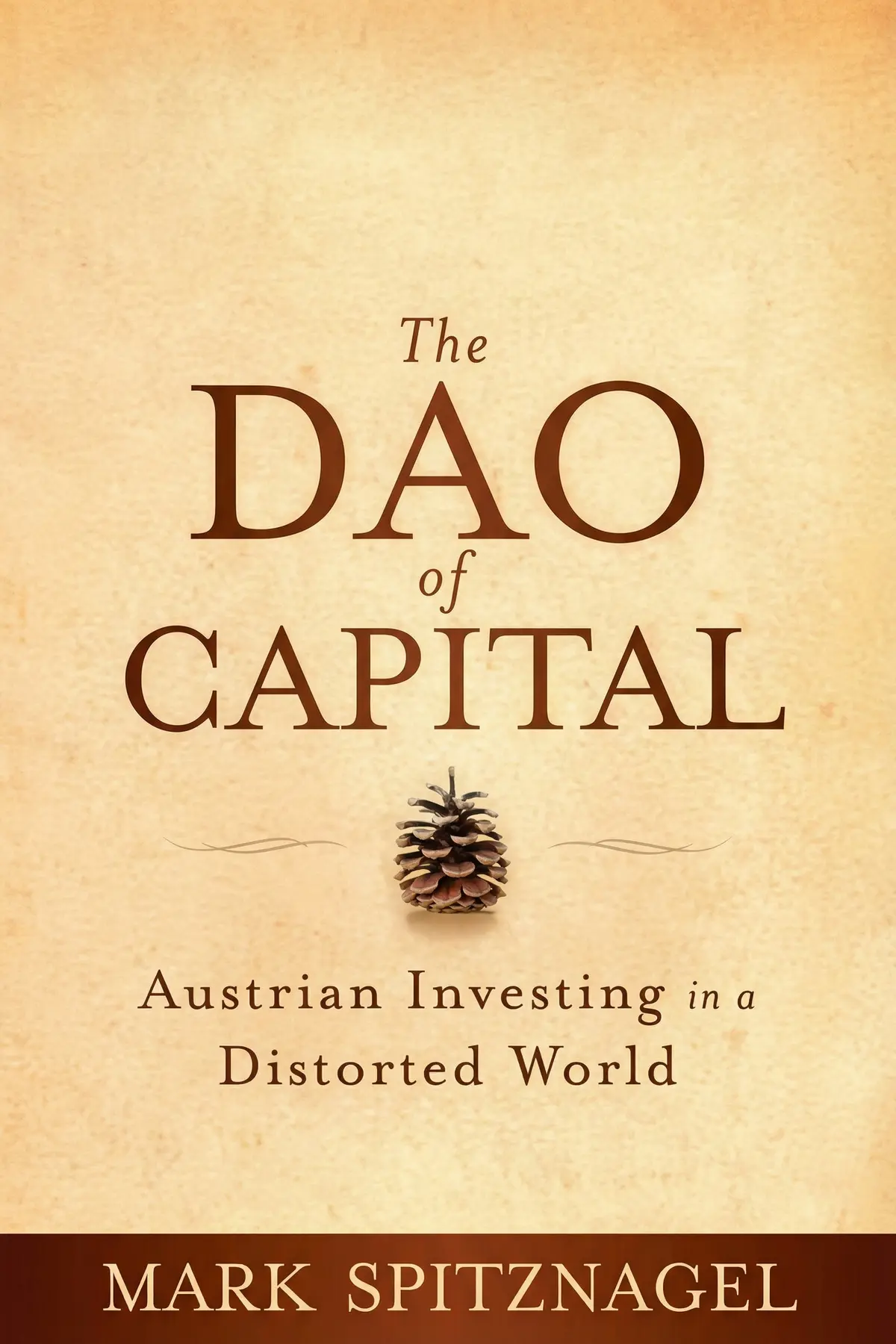
Table of Content
1. Introduction
1 min 58 sec
In the fast-paced world of modern finance, the instinct for most people is to rush toward the nearest profit. We are conditioned to believe that the shortest distance between two points is a straight line, especially when it involves growing our bank accounts. But what if the most direct path to wealth is actually a trap? This is the central provocation of the Austrian School of Economics, a movement that gained momentum in late 19th-century Vienna. These thinkers proposed that capital isn’t something to be seized immediately; rather, it is a roundabout means to a more productive end.
While this might sound like a purely Western economic theory, its philosophical heart beats with the rhythm of ancient China. Long before European economists were debating interest rates and capital goods, the Daoist sages were observing the natural world and concluding that everything emerges from its opposite. They saw that true strength comes from an initial appearance of weakness, and that the greatest advancement often follows a strategic retreat.
In this exploration of investment strategy, we are going to look at how these two seemingly disparate worlds—ancient Daoism and Austrian economics—converge to create a powerful framework for navigating today’s distorted markets. We will journey through the logic of roundabout production, examine how nature manages its own resources through forest fires, and see why our own biological wiring often makes us our own worst enemies when it comes to money. By the end, the goal is to shift your perspective away from the frantic search for immediate gains and toward a more patient, strategic, and ultimately more successful way of engaging with the world of capital. We are moving toward a throughline that suggests that by embracing the indirect path, we can find stability and growth even when the rest of the world is caught in the chaos of a market crash.
2. The Paradoxical Path of Non-Action
2 min 22 sec
Discover how the ancient martial art of ‘push hands’ reveals a secret strategy for winning in the markets by first learning how to lose.
3. The Power of Indirect Production
2 min 40 sec
Follow the journey of a stranded castaway and a legendary industrialist to see why taking the long way around is the fastest route to success.
4. Nature’s Blueprint for Long-Term Dominance
2 min 34 sec
Learn why the slow-growing conifer tree outlasts its faster rivals and what its survival strategy can teach you about market resilience.
5. Strategic Positioning and the Art of the Indirect
2 min 32 sec
Uncover the military secret of ‘shi’ and how gaining a positional advantage is more important than the size of your army.
6. Understanding the Market as a Human Process
2 min 26 sec
Why treating the economy like a physics experiment is a recipe for disaster, and how to see the ‘Dao’ in market movements.
7. The Perils of Suppressing Natural Volatility
2 min 21 sec
Find out why trying to prevent small market dips is like stopping small forest fires—it only paves the way for a much larger catastrophe.
8. Overcoming the Instinct for Immediate Rewards
2 min 23 sec
The classic ‘Marshmallow Test’ explains why our prehistoric brains are wired to make bad investment choices and how to fight back.
9. Navigating the Distorted Financial Landscape
2 min 22 sec
Get practical advice on how to spot market distortions and where to find the ‘highly productive capital’ that pays off in the long run.
10. Conclusion
1 min 26 sec
The Dao of Capital invites us to step back from the frantic noise of the modern financial world and reconsider our fundamental approach to growth. It teaches us that the principles of Austrian economics and the wisdom of ancient Daoism are not just historical curiosities, but practical tools for survival in a distorted economy. By understanding the ’roundabout’ path, we learn that the sacrifice of today is the fuel for a more productive tomorrow. We see that market crashes, while painful for the impatient, are a natural and necessary part of a self-regulating system—clearing the way for new and better growth.
The throughline of this journey is the power of patience and positional advantage. Whether it is Robinson Crusoe building his net, the conifer waiting for the forest fire, or the commander securing the high ground, the message is clear: true success comes to those who can resist the urge for immediate gratification. As you move forward, keep a watchful eye on the ‘marshmallows’ that the market dangles in front of you. When you see central banks suppressing the natural volatility of the world, remember the overgrown forest. Stay patient, focus on building your own productive capital, and wait for the moment when your yielding becomes your greatest strength. In a world obsessed with the direct and the immediate, the roundabout path is the ultimate competitive advantage.
About this book
What is this book about?
The Dao of Capital introduces a counterintuitive investment philosophy that merges the ancient wisdom of Daoism with the rigorous economic principles of the Austrian School. While most investors chase immediate profits, Mark Spitznagel argues for a roundabout approach—one that prioritizes indirect paths and the strategic acceptance of small, short-term losses to secure massive long-term gains. The book challenges the conventional wisdom of modern finance and the interventionist policies of central banks. By drawing parallels to the growth of forests, the survival tactics of Robinson Crusoe, and historical military strategies, it explains how the market functions as a natural, self-regulating process. The promise is a radical shift in perspective: learning to see market crashes not as disasters, but as necessary corrections that create opportunities for the patient and prepared investor who understands the true nature of capital.
Book Information
About the Author
Mark Spitznagel
Mark Spitznagel is the founder and President of Universa Investments, an investment advisor that specializes in profiting from extreme stock market losses as a means of enhancing investment returns. In addition to hedge fund investing, Spitznagel’s roles in his twenty-year investment career have ranged from independent pit trader at the Chicago Board of Trade to the proprietary trading head of Morgan Stanley.
Ratings & Reviews
Ratings at a glance
What people think
Listeners find that this work offers useful perspectives on Austrian economics and value investing, featuring thorough research and compelling historical background. The narrative approach earns praise, and one listener specifically enjoyed the account of the Finns. However, listeners are divided on the book’s flow and prose; while some describe it as an engaging read, others find it tedious, and while some praise the writing, others find it atrocious. Additionally, listeners disagree on the level of difficulty, with some feeling the content is too basic while others consider it overly complicated.
Top reviews
Audrey
The Dao of Capital is a masterclass in 'roundabout' thinking that challenges every modern investment instinct. Spitznagel weaves together Daoism, coniferous forest ecology, and Austrian economics to build a case for strategic delay. Truth is, most people will find the focus on 'Shi' over 'Li' frustrating because it demands immediate sacrifice for future positioning. I found the historical deep-dives into Mises and Böhm-Bawerk absolutely essential for understanding true capital formation. It isn’t just about tail hedging; it is about a total shift in how we perceive time and growth. While the prose is occasionally dense, the reward for finishing is a framework that feels much more robust than the typical 'buy low, sell high' drivel. This is the intellectual sequel to Taleb that the market desperately needed.
Show moreTalia
As someone who has always been skeptical of Keynesian intervention, this book felt like home. Spitznagel provides the most coherent defense of the Austrian approach to markets I have ever encountered. The comparison between government fire suppression and interest rate manipulation is an 'aha' moment that sticks with you long after closing the cover. I particularly loved the historical context regarding the Finnish 'sisu' and the Winter War; it perfectly illustrates the gritty perseverance required for this style of investing. To be fair, the language is a bit flowery and the structure is unconventional, but that is the point of a roundabout path. It’s not for everyone, but for the 'intellectual investor' willing to sit with complex ideas, it is a foundational text.
Show moreNongnuch
Finally, a finance book that treats the reader like an adult with a brain. Spitznagel doesn't give you a 'get rich quick' scheme; he gives you a philosophy of life and capital. In my experience, the hardest part of investing is the emotional toll of waiting, and the concept of 'Wuwei' or non-action provided a much-needed psychological anchor. The way he ties the biology of angiosperms versus conifers into the 'Shi' of the market is nothing short of poetic. Yes, the writing is thick. Yes, he uses words like 'intertemporal' more than necessary. But the depth here is staggering compared to the fluff usually found in the business section. It requires multiple readings to truly sink in, but the perspective shift is permanent.
Show moreDarius
To understand the logic of the conifer is to understand the logic of the market, and Spitznagel captures this beautifully. This isn't just a book about stocks; it’s a treatise on how to position oneself to benefit from the inevitable collapse of artificial booms. I found the discussion on 'Weiqi' and positional advantage to be a game-changer for my own portfolio management. The author’s record speaks for itself, and his willingness to share the philosophical underpinnings of his success is generous. It’s a dense, slow read that requires you to highlight and reflect, but that is the nature of deep knowledge. It stands alongside the great works of the Austrian school as a practical application of timeless truths.
Show morePor
Why does a book about tail hedging spend fifty pages discussing the growth patterns of pine trees? It’s a valid question that many readers will struggle with as they navigate Spitznagel’s labyrinthine prose. Personally, I think the botanical analogies are brilliant once you grasp the central premise of avoiding head-on competition. The author is clearly a practitioner of the highest order, but his writing style leans toward the academic and occasionally the pretentious. He loves his German and Greek terminology, which can slow things down to a crawl. However, the insights into the 'roundabout' method—investing in the means rather than the ends—are worth the effort. It’s a 400-page book that could have been 150, but the 150 pages that remain are pure gold.
Show moreJoshua
The sections regarding the Finnish 'sisu' and the 'roundabout' formation of capital are easily the highlights of this work. Spitznagel is clearly more of a philosopher-king than a standard fund manager, and that shows in his preference for metaphors over spreadsheets. Look, the book isn't perfect—the middle section on the history of economic thought can drag if you aren't already a fan of Von Mises. I think he could have been more succinct without losing the essence of his message. Still, the practical application of tail-hedging in Chapter 10 is worth the price of admission alone. It’s a challenging read that demands patience, much like the investment strategy it describes. Highly recommended for those who liked Taleb's Antifragile.
Show moreSakura
Frankly, if you cut the first eight chapters of this book, you would have the best 30-page investment guide ever written. Spitznagel is a brilliant thinker, but he spends an exhausting amount of time setting the stage. By the time I got to the actual 'Austrian Investing' chapters, I was already worn out from the history of Daoism and the intricacies of forest management. However, once he starts talking about the MS index and Tobin’s Q, the value is undeniable. It’s a contrarian’s dream and a great introduction to why central bank intervention creates such dangerous distortions. I appreciate the 'roundabout' approach, but the book itself takes the scenic route a bit too literally. Still, the core message is vital for long-term survival.
Show moreSirirat
Let’s be clear: this isn’t your standard finance manual, and your enjoyment will depend entirely on your tolerance for metaphors. On one hand, the insights into the 'roundabout' strategy are transformative and give you a real edge in understanding market cycles. On the other hand, the writing is so repetitive and stuffy that it feels like an endurance test. The truth is that Spitznagel is a much better investor than he is a storyteller. He drones on about the same concepts for chapters on end before finally giving you some actual data in the final sections. It’s a mix of growth and value that makes sense, but the delivery is so bloated it almost obscures the brilliance of the ideas. Good, but frustrating.
Show morePacharapol
Wow, talk about a 'roundabout' way of getting to the point! I picked this up because Spitznagel’s returns at Universa are legendary, but this book was a massive exercise in frustration. The amount of repetition is staggering; he says the same thing about three different ways in every single chapter. I appreciate the nod to the Austrian School, yet the constant detour into military strategy and forest fires felt like filler to justify a hardcover price point. Not gonna lie, I almost quit during the chapter on conifers. If you want the actual 'meat' of his strategy—like Tobin’s Q or the specifics of tail hedging—you have to wait until the very end. This really should have been a whitepaper or a long-form blog post instead of this repetitive slog.
Show moreNarong
Mark Spitznagel might be a legendary hedge fund manager, but he desperately needed a more aggressive editor. This book is a pretentious mess that tries so hard to look intellectual it forgets to be useful. He constantly drops foreign terms—Chinese, German, Greek—when perfectly good English words would suffice, seemingly just to prove he’s read the classics. The 'roundabout' metaphor is beaten into the ground over and over until it loses all meaning. I was expecting a deep dive into his actual trading methods, but instead, I got a hundred pages on pine cones and Carl von Clausewitz. Frankly, the signal-to-noise ratio is so low that I can't recommend this to anyone. Just give your money to a fund and read Taleb instead; at least Taleb is entertaining.
Show moreReaders also enjoyed
1929: Inside the Greatest Crash in Wall Street History--and How It
Andrew Ross Sorkin
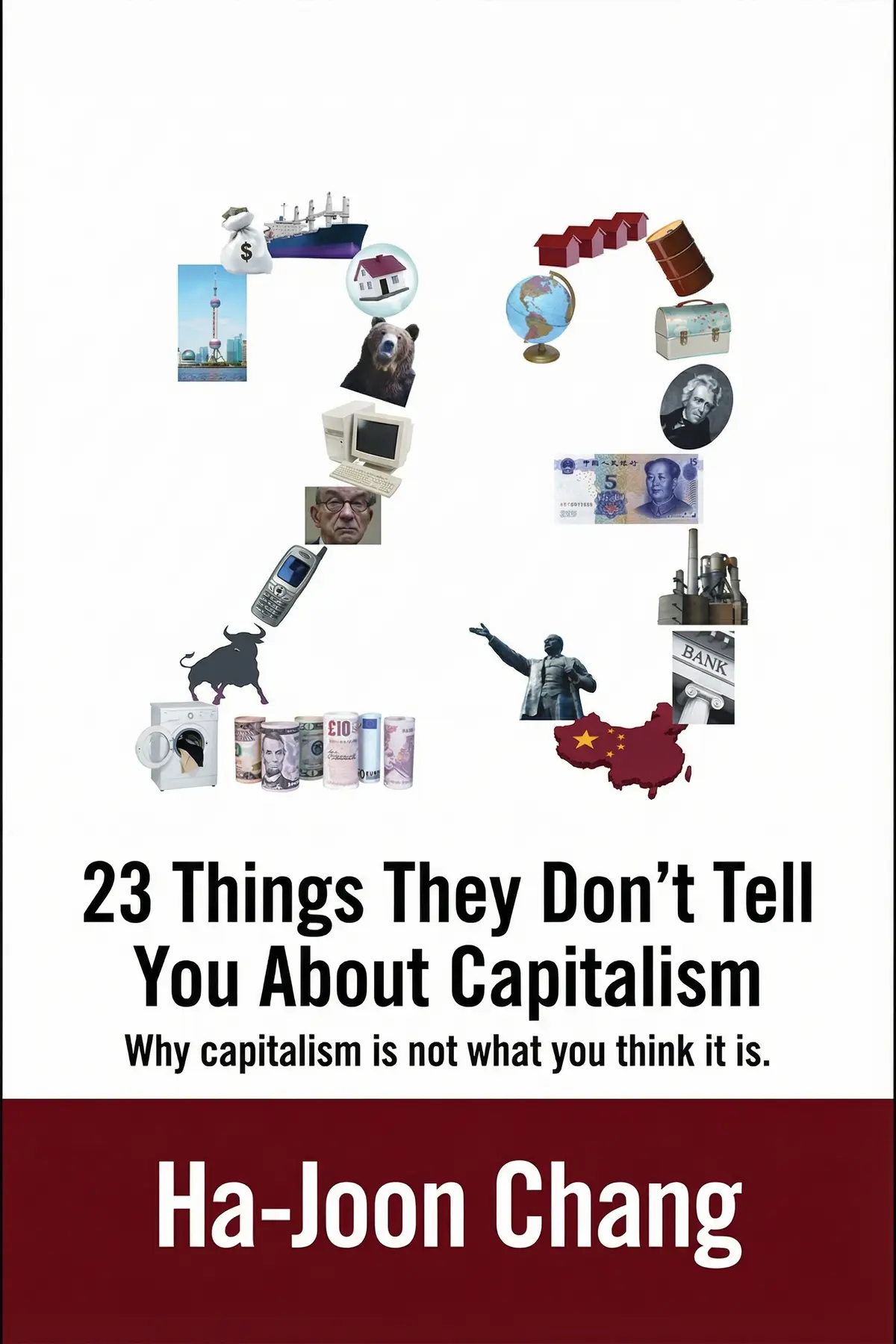
23 Things They Don’t Tell You About Capitalism
Ha-Joon Chang
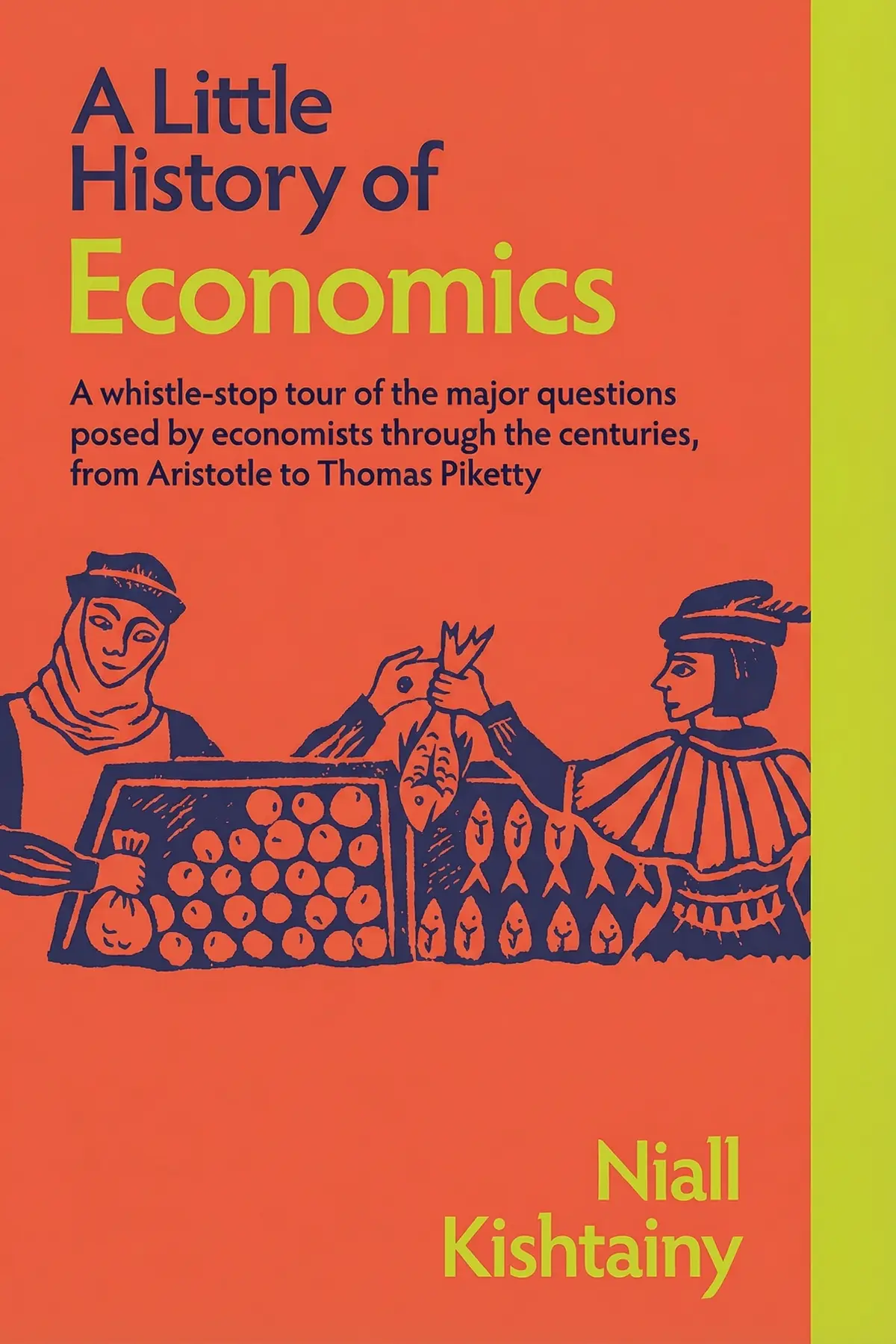
A Little History of Economics
Niall Kishtainy
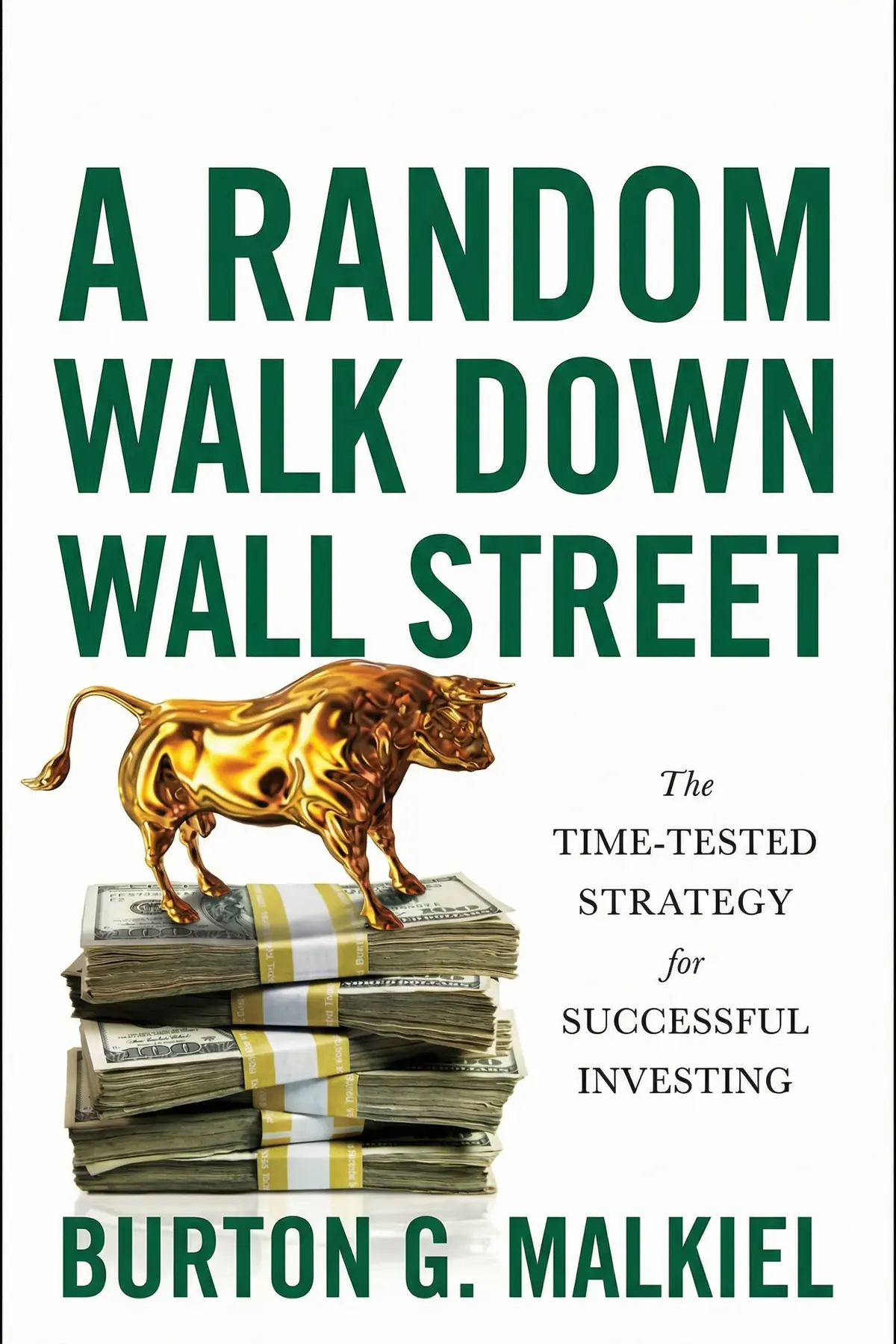
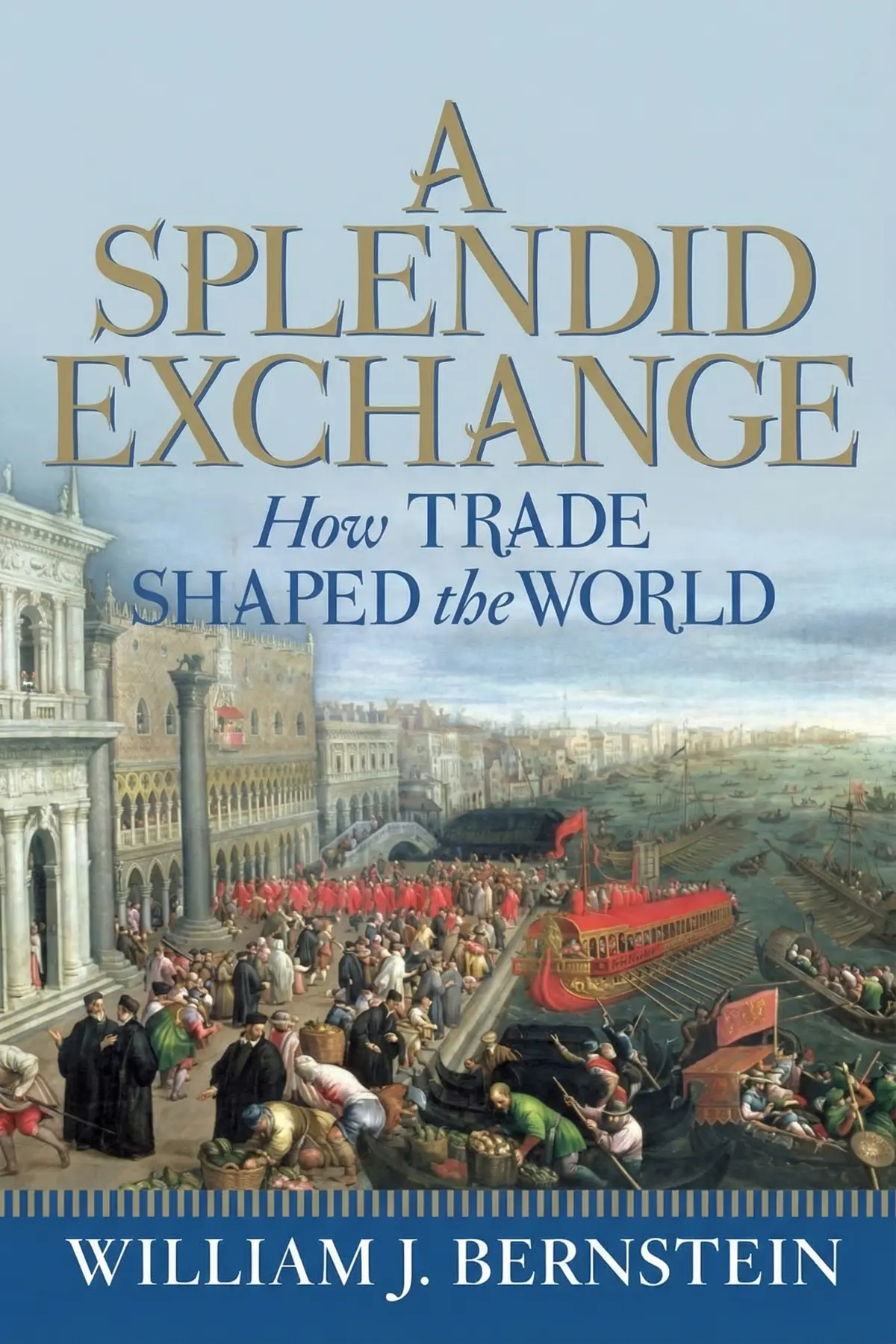
A Splendid Exchange: How Trade Shaped the World
William J. Bernstein
AUDIO SUMMARY AVAILABLE
Listen to The Dao of Capital in 15 minutes
Get the key ideas from The Dao of Capital by Mark Spitznagel, plus 5,000+ more titles in English and Thai.
- 5,000+ titles
- Listen as much as you want
- 7-day free trial
- Cancel anytime







