
14 min 17 sec
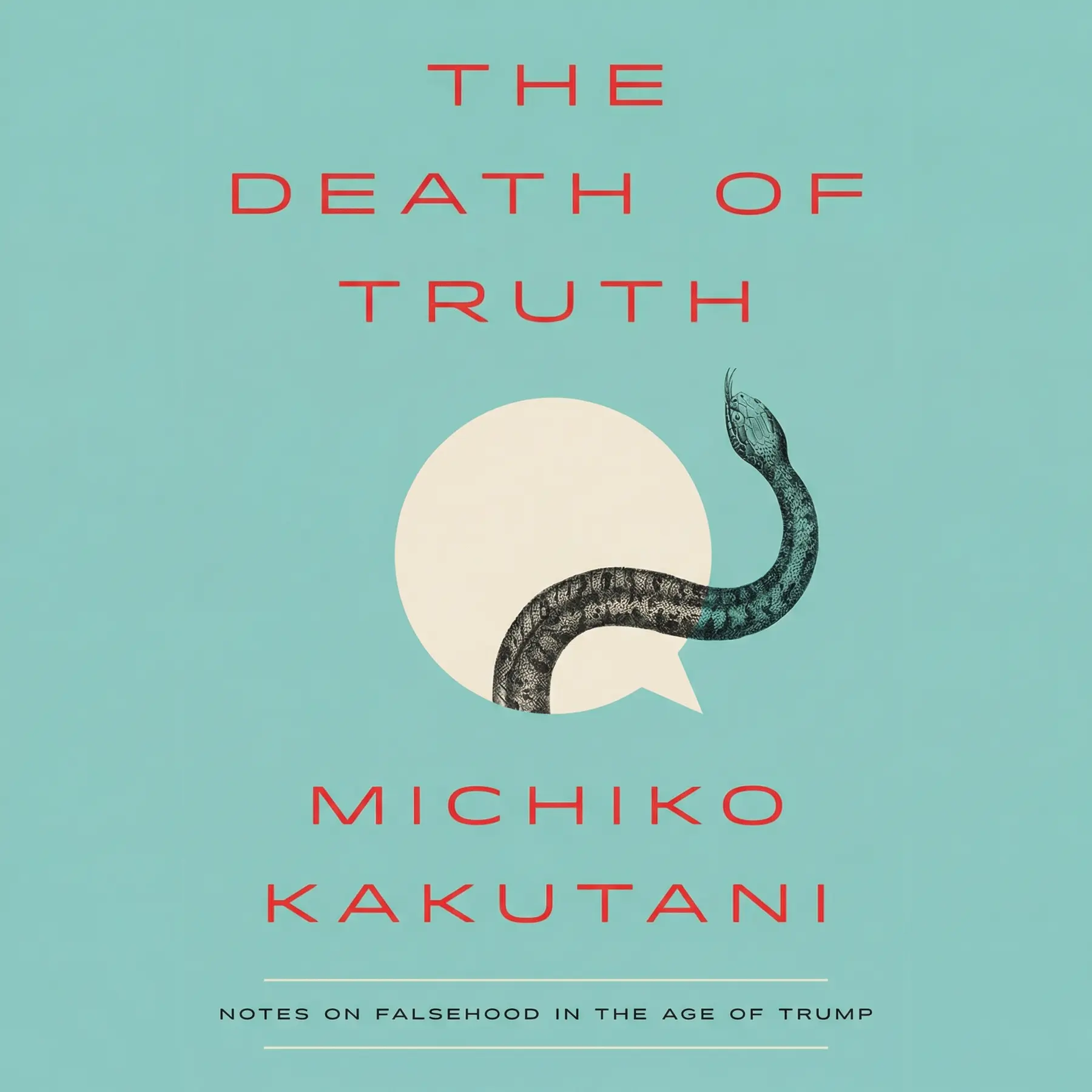
The Death of Truth: Notes on Falsehood in the Age of Trump
The Death of Truth explores how the collapse of shared facts and the rise of ideological silos threaten democracy, analyzing the literary and historical roots of our modern post-truth reality.
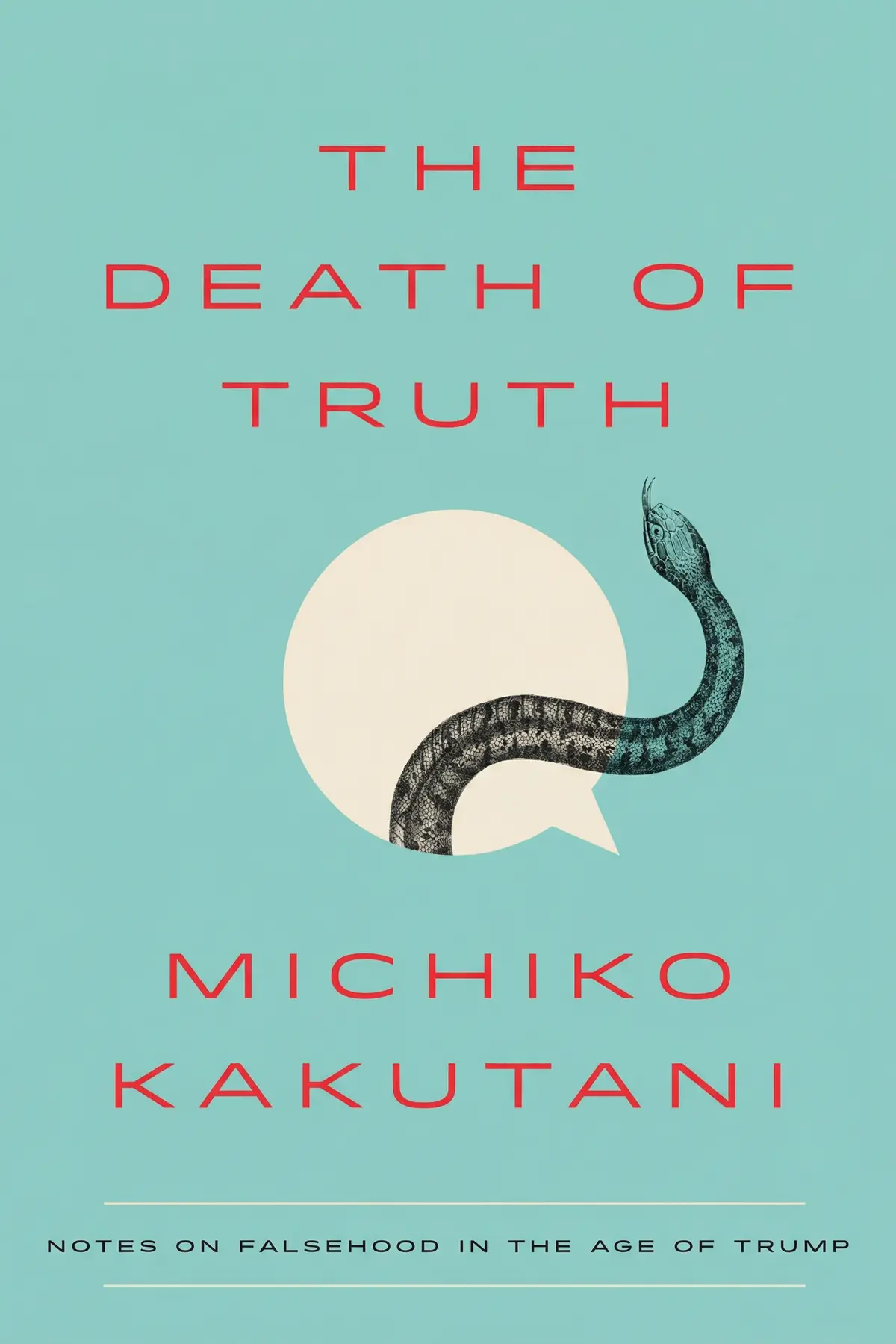
Table of Content
1. Introduction
1 min 33 sec
In the modern era, many people find themselves looking at the news and feeling as though they have stepped into a surreal landscape where facts are optional and reality is up for debate. If you feel this sense of disorientation, you are certainly not alone. However, as we explore the insights of veteran critic Michiko Kakutani, we discover that this cultural chaos isn’t exactly a new phenomenon. Decades ago, writers like Philip Roth were already noting that the reality of American life was becoming so strange that it threatened to outpace the wildest imaginations of fiction writers.
Today, we find ourselves in an era where the concept of truth itself feels like it’s under siege. This summary explores the various threads that have led us to this point, from the historical pushback against the Enlightenment to the modern digital echo chambers that reinforce our worst impulses. By looking at the warnings left by literary giants like George Orwell and Aldous Huxley, we can begin to see the architecture of our current crisis.
We will examine how a lack of shared reality isn’t just a social annoyance, but a fundamental threat to the way we govern ourselves. We’ll look at the historical precedents for modern populism, the way technology has fragmented our attention, and the deliberate efforts by foreign and domestic actors to muddy the waters of public discourse. Through this lens, we can better understand how to navigate a world where the distinction between what is true and what is convenient has become dangerously blurred. The goal here is to establish a clear throughline from the past to the present, helping us see that protecting the truth is the most vital step in preserving the future of democracy.
2. The Long Struggle Between Reason and Anti-Intellectualism
2 min 03 sec
While it may feel like the current disregard for facts is a modern invention, there is a deep-seated historical tension in the United States between rational progress and those who fear it.
3. The Fragmentation of Information and the Rise of Tribal Silos
1 min 58 sec
The way we consume news has undergone a radical transformation, moving from a shared set of facts to a fractured landscape of ideological echo chambers.
4. How Postmodernism Blurred the Lines of Reality
1 min 50 sec
A shift in academic and literary thought has unintentionally paved the way for political actors to claim that there is no such thing as objective truth.
5. The Digital Arsenal of Modern Propaganda
1 min 50 sec
The same tools designed to connect the world have been weaponized by foreign and domestic actors to spread confusion and division through fake news.
6. Nihilism and the Global Spread of Trolling
1 min 46 sec
The behavior of modern political leaders often mirrors the destructive negativity of internet trolls, leading to a world where power is the only remaining value.
7. The High Price of Cultural Disengagement and Irony
2 min 02 sec
A population distracted by entertainment and desensitized by irony risks losing the ability to defend its own liberties.
8. Conclusion
1 min 15 sec
The erosion of truth in our modern world is a complex problem with deep historical, technological, and cultural roots. As we have seen, the current sense of chaos is not a random occurrence but the result of a long-term assault on the principles of the Enlightenment. From the fragmentation of our media into ideological silos to the weaponization of social media for propaganda, the infrastructure of our shared reality has been compromised. The move toward a nihilistic, troll-like political style further complicates matters, making it harder for citizens to distinguish between fact and fiction.
However, understanding these forces is the first step toward reclaiming our common ground. The warnings of history and the insights of great writers provide us with a map of the dangers we face. To preserve democracy, we must recommit ourselves to the pursuit of objective truth and the value of reason. This means being more critical of the information we consume, resisting the urge to retreat into echo chambers, and holding our leaders accountable for their words. Democracy is a fragile system that relies on a shared set of facts; without them, the entire structure is at risk. It is up to us to remain vigilant and uphold the principles that ensure liberty and progress for everyone.
About this book
What is this book about?
The Death of Truth offers a timely and urgent analysis of how objective reality has come under assault in the twenty-first century. Drawing on her deep background as a literary critic, Michiko Kakutani examines the cultural, political, and technological forces that have eroded our collective understanding of the world. The book explores how the erosion of truth isn't just a political trend, but the result of a long-term shift in how we consume information and perceive authority. From the influence of postmodern theory to the rise of social media echo chambers and the deliberate use of digital propaganda, Kakutani connects the dots between diverse phenomena. She promises to show readers that the current era of misinformation and chaos is not an isolated event but the culmination of historical tensions and technological shifts. By looking through the lens of literature and history, she provides a framework for understanding the risks that a disregard for facts poses to the very foundations of democratic society.
Book Information
About the Author
Michiko Kakutani
Michiko Kakutani is a highly respected writer and critic who earned her bachelor's degree in English from Yale University in 1976. Her career in journalism included roles as a reporter for Time magazine and the Washington Post before she joined the New York Times as a book critic in 1983. She held that position until her retirement in 2017. Recognized for her immense influence, Vanity Fair once described her as the most powerful book critic in the English-speaking world.
Ratings & Reviews
Ratings at a glance
What people think
Listeners consider this work a vital, well-documented read that utilizes pertinent historical analogies. The caliber of the prose is highly regarded, and listeners value the clear explanations of postmodern theories. It also earns praise for its political perspectives, including one listener's note regarding its defense of the modern liberal worldview. However, reactions to the pacing vary, with some finding it succinct and others feeling it is over-inflated.
Top reviews
Fatima
Wow, what a powerful and succinct distillation of our current cultural malaise. I was struck by the author’s ability to weave together quotes from Hannah Arendt and George Orwell with modern-day examples of political gaslighting. Not gonna lie, I had to highlight several passages because the prose is just that sharp. The chapter on the vanishing of reality through digital filters really hit home for me. It explains the shift from universal truths to personal narratives in a way that is accessible without being condescending. This is a must-read for anyone who values rationalism and evidence-based debate. Kakutani defends the liberal worldview with such intellectual rigor that it’s hard not to feel a bit more grounded after finishing it. It’s easily one of the most important books of the decade.
Show moreChon
As someone who has always admired Kakutani’s work at the Times, I was blown away by her transition to political analysis. I'll be honest, I didn't expect a book about fake news to be so rooted in literary history. She uses the concept of "Rashomon-like reality" to explain how we’ve lost a shared set of facts, and it’s a perfect metaphor. The research is impeccable, and the way she connects various threads—from Russian disinformation to the rise of subjectivity—is nothing short of genius. It’s a beautifully written call to action for citizens to protect the institutions that uphold our democracy. Even the more academic sections are written with a clarity that makes them easy to digest. This is easily one of the best books I’ve read this year.
Show moreKavya
Michiko Kakutani has crafted a chilling autopsy of our current political discourse. As a long-time reader of her criticism, I expected sharp prose, but the way she connects 1960s deconstructionism to the "alternative facts" of the Trump era is genuinely eye-opening. To be fair, some readers might find the constant references to literary theory a bit dense or academic. However, the parallels she draws between modern disinformation and the tactics of historical autocrats like Stalin are impossible to ignore. It’s a well-researched defense of the Enlightenment values we often take for granted. The book feels urgent, even if it occasionally feels like she’s preaching to the choir. It’s a concise read that managed to give me a vocabulary for the unease I’ve been feeling about the blurring lines between opinion and fact.
Show morePrim
Ever wonder how we reached a point where basic facts are up for debate? Kakutani’s exploration of the “firehose of falsehood” is probably the most terrifying thing I’ve read this year. Truth is, the way she explains how social media algorithms create these impenetrable information silos is masterfully done. I appreciated the specific examples of how language is being co-opted to mean the exact opposite of its original intent. It’s a slim volume, but it packs a punch by using historical comparisons to show that our current situation isn't entirely unique. The writing is top-tier, which isn't surprising given her background as a Pulitzer winner. My only real gripe is that it can feel a bit demoralizing without offering much in the way of a solution. Still, it’s a necessary read for anyone trying to navigate the post-truth landscape.
Show moreAdam
The chapter on the co-opting of language alone makes this book worth the price of admission. Kakutani explains how trolls and political bad actors use irony and cynicism to erode the very foundation of public discourse. Gotta say, her analysis of how the internet has turned us into tribes living in different realities is incredibly accurate. The writing is elegant and carries a sense of urgency that is hard to ignore. She doesn't pull any punches when describing the current administration’s relationship with the truth. While some might find it a bit one-sided, it serves as a robust defense of objective facts in an era of relentless spin. It’s well-researched, utilizing an impressive range of sources from literature to cognitive science. A very timely piece of work.
Show moreRosa
Finally got around to reading this, and it’s a brilliant, if depressing, look at the state of the world. Look, the decline of reason isn't a new topic, but Kakutani brings a unique literary perspective to the table. She masterfully illustrates how the blurring of fiction and reality has moved from our books to our politics. The way she links the Schadenfreude of the trolls to the systematic destruction of institutional trust is particularly insightful. It's a quick read, but the density of ideas means you'll probably want to go back and re-read certain sections. Despite its focus on the current political climate, the historical context she provides gives it a much broader appeal. It's a sharp, scholarly defense of truth that feels more necessary than ever.
Show moreClaire
Not what I expected from a book critic, but this is a searing and necessary critique of our post-truth era. Basically, Kakutani argues that the death of truth isn't just about politics—it's a cultural shift that has been decades in the making. The writing is punchy and direct, avoiding the fluff that ruins so many political books. I especially liked the sections on how our attention spans are being exploited by social media algorithms. While it’s definitely a bit of a polemic against the current administration, the historical comparisons to the 1930s make it feel like a broader warning for the future. It's concise enough to read in a single afternoon but carries enough weight to keep you thinking for weeks. Well worth your time.
Show moreBird
Picked this up hoping for a deep dive into the philosophy of truth, but it’s mostly a political critique. In my experience, Kakutani is at her best when she’s discussing how literature reflects our societal shifts, but she spends a lot of time on "Trumpism" which we've all heard a million times by now. To be sure, the historical comparisons to 20th-century propaganda are interesting and well-documented. However, the book often feels like it's stuck in an echo chamber. The pacing is a bit fast, and some of the more complex postmodern concepts could have used more room to breathe. It’s a solid 3-star read—decently written and informative, but it doesn't offer many new perspectives beyond what you’d find in a standard weekend editorial.
Show moreWittaya
After hearing so much buzz about this, I found the actual experience of reading it a bit underwhelming. Personally, I found the tone a little too condescending at times. Kakutani is obviously very well-read, and she loves to show it by dropping names and references on every page. It’s interesting to see the connection between postmodernism and the modern right wing, but the argument feels a bit thin in places. The book is very short, which is a plus for some, but I felt like it lacked the depth needed to really tackle such a massive subject. It’s a good summary of the fake news era, but it’s definitely written for a specific audience that already agrees with every word. If you're in that camp, you'll love it, but don't expect it to change anyone's mind.
Show moreParichat
This felt more like an over-inflated New York Times op-ed than a fully fleshed-out book. Frankly, while Kakutani is clearly brilliant, the pacing here is all over the place. She repeats her central thesis about the death of objective truth so many times that it starts to lose its impact by the third chapter. I was hoping for a more bipartisan look at how we lost our way, but this is essentially a manifesto for a specific worldview. It offers plenty of blame for the "alt-right" but very little self-reflection on how mainstream media contributed to the fragmentation of reality. If you already dislike the current administration, you'll love it. If you're looking for deep new insights into epistemology, you might find this a bit repetitive and predictable.
Show moreReaders also enjoyed
A Warning
Miles Taylor
Abolish Rent: How Tenants Can End the Housing Crisis
Tracy Rosenthal
Abortion: Our Bodies, Their Lies, and the Truths We Use to
Jessica Valenti
Adults in The Room: My Battle With Europe’s Deep Establishment
Yanis Varoufakis
21 Lessons for the 21st Century
Yuval Noah Harari
AUDIO SUMMARY AVAILABLE
Listen to The Death of Truth in 15 minutes
Get the key ideas from The Death of Truth by Michiko Kakutani, plus 5,000+ more titles in English and Thai.
- 5,000+ titles
- Listen as much as you want
- 7-day free trial
- Cancel anytime







