
20 min 55 sec
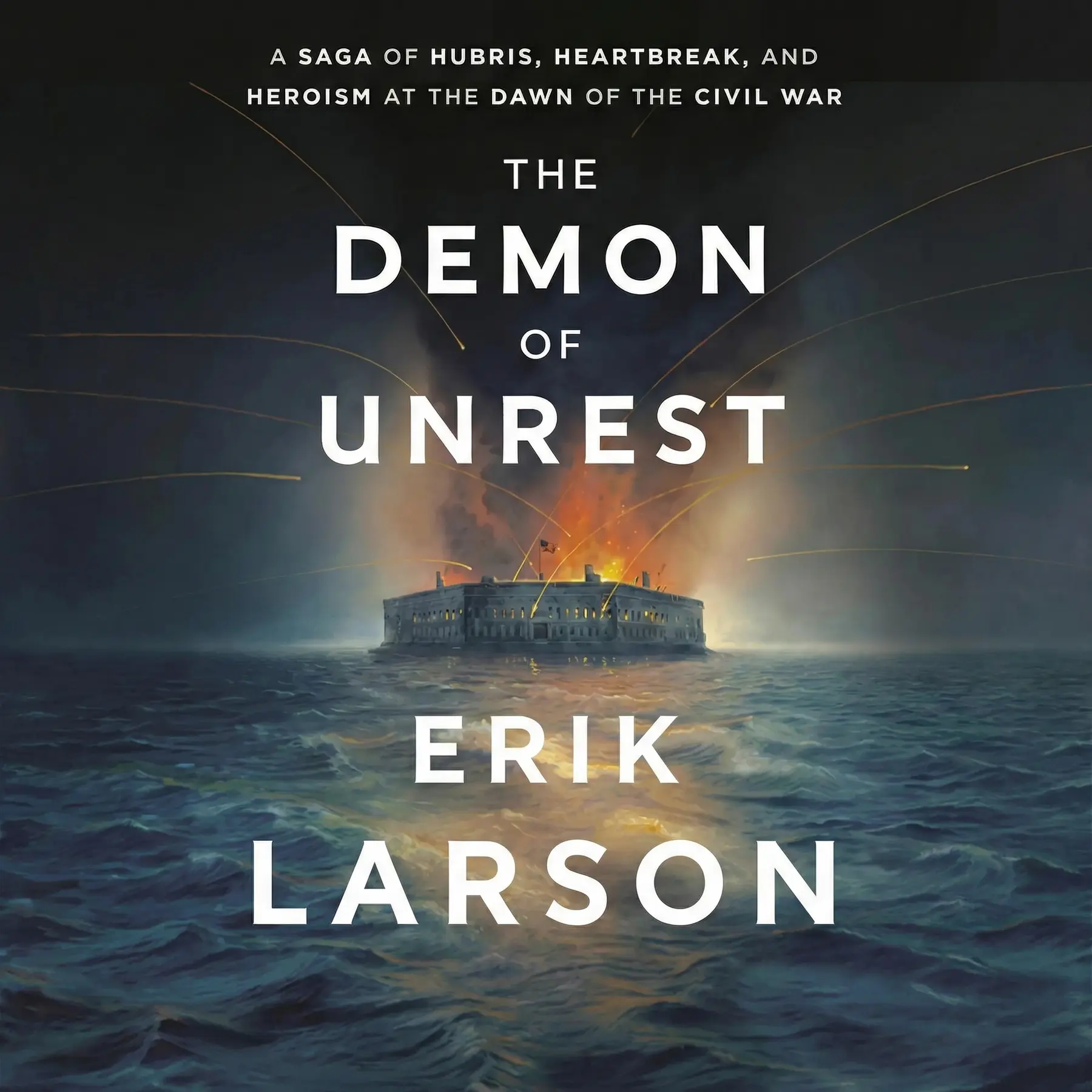
The Demon of Unrest: A Saga of Hubris, Heartbreak, and Heroism at the Dawn of the Civil War
By Erik Larson
A narrative exploration of the chaotic five months leading up to the American Civil War, centering on the military standoff at Fort Sumter and the profound cultural divisions of the era.
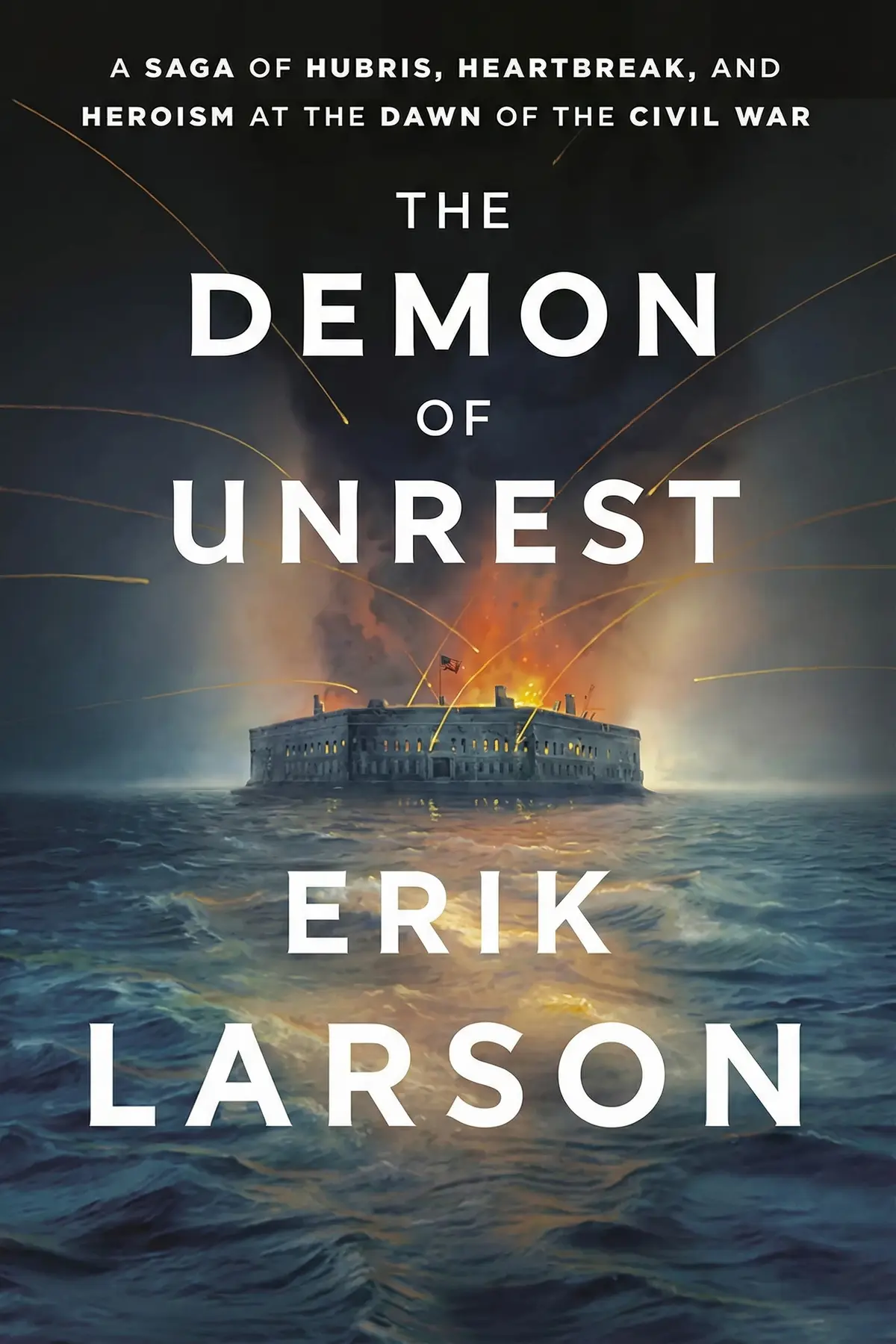
Table of Content
1. Introduction
1 min 10 sec
The American Civil War remains a defining scar on the national psyche, yet the specific sequence of events that triggered the first shots is often overshadowed by the four years of carnage that followed. To understand how a nation essentially tore itself apart, we have to look at the ‘demon of unrest’—a phrase used by a West Point professor to describe the unsettling anxiety of a world in transition. In the mid-nineteenth century, that unrest was fueled by an industrial revolution that threatened the very foundations of the Southern economy and its reliance on the institution of slavery.
As the North embraced change and the abolitionist movement gained moral and political momentum, the South dug in its heels, viewing any threat to their ‘peculiar institution’ as an existential crisis. This summary explores the high-stakes drama of the five months preceding the fall of Fort Sumter. It is a story of a newly elected president trying to find his footing, a career soldier caught between duty and his Southern roots, and a group of radical agitators who were eager to see the Union fail. By examining these tense months, we can see how a combination of pride, misunderstanding, and the refusal to compromise led the United States to the brink of a disaster that still resonates today.
2. The Fractured Election of 1860
2 min 07 sec
Discover how a four-way political race and a rising anti-slavery movement created a perfect storm for secessionist fervor in the South.
3. The Ideology of the Southern Elite
2 min 06 sec
Step inside the world of the Southern ‘chivalry’ and understand the rigid social hierarchy they were desperate to preserve at all costs.
4. Radical Voices and the Fear of Change
2 min 01 sec
Meet the ‘fire-eaters’ who used fear and propaganda to convince the Southern public that secession was the only path to safety.
5. The Strategic Shift to Fort Sumter
1 min 56 sec
Follow the high-stakes decision of a lone commander who moved his troops under the cover of night, changing the course of history.
6. A Presidency in Limbo
1 min 59 sec
Observe the agonizing four-month gap between Lincoln’s election and his inauguration, as the Union began to crumble.
7. The Challenge of Resupplying the Garrison
1 min 59 sec
Understand the logistical and political nightmare Lincoln faced as he tried to save his soldiers from starvation without starting a war.
8. The Inevitable Burst of Violence
1 min 57 sec
Experience the tension of the final hours before the bombardment and the catastrophic miscommunications that sealed Sumter’s fate.
9. The Surrender and Its Solemn Aftermath
2 min 09 sec
Observe the surprisingly civil surrender of the fort and the tragic irony of the battle’s only casualty.
10. A Nation Torn Asunder
2 min 07 sec
Trace the rapid escalation of the war as border states chose sides and the reality of a long conflict began to set in.
11. Conclusion
1 min 24 sec
The story of Fort Sumter and the months leading up to it is a powerful reminder of how easily a society can slide into catastrophe when communication fails and hubris takes the lead. What started as a political disagreement over the expansion of slavery was transformed into an existential struggle by leaders who were more interested in preserving their pride and social standing than in finding a path to peace. The South’s ‘chivalry’ blinded them to the changing moral tide of the world, while many in the North underestimated the sheer depth of Southern resentment.
Erik Larson’s account highlights that history is not just a series of inevitable dates, but a collection of individual choices made by fallible people. Major Anderson’s sense of duty, Lincoln’s careful maneuvering, and the fire-eaters’ relentless propaganda all converged in Charleston Harbor to create a spark that couldn’t be extinguished. The lesson for us today is that the ‘demon of unrest’ is never truly gone. It lingers in the divisions and echoes of the past, reminding us that the stability of a nation depends on the constant, difficult work of empathy and the courage to face uncomfortable truths before they erupt into violence. As we look back at the dawn of the Civil War, we see a mirror of the human tendencies that continue to shape our world—and a warning of the heartbreak that follows when we lose the ability to see each other as part of the same Union.
About this book
What is this book about?
The Demon of Unrest takes listeners back to the pivotal months between Abraham Lincoln’s election in 1860 and the first shots fired at Fort Sumter. It examines how a mix of political hubris, deep-seated cultural resentment, and tactical miscalculations pushed a fractured United States into its bloodiest conflict. Through the eyes of key figures like Major Robert Anderson, the fire-eating secessionist Edmund Ruffin, and Lincoln himself, the narrative reveals the human drama behind the historical data. It provides a detailed look at the final moments of peace and the specific events that made a catastrophic war unavoidable.
Book Information
About the Author
Erik Larson
Erik Larson is an acclaimed American author known for his narrative non-fiction that combines meticulous historical research with gripping storytelling. His best-known works include The Devil in the White City and Dead Wake, which explore historical events with a vivid, novelistic approach. Larson's writing has earned him widespread praise for its ability to bring history to life with both detail and drama.
Ratings & Reviews
Ratings at a glance
What people think
Listeners find this historical work captivating and consistently interesting, noting that the superior prose breathes life into the past. Furthermore, the text is thoroughly researched, offering dense details on Civil War occurrences and perspectives on the drivers behind both the North and South. They also value the organized storytelling; one listener observed how it blends technical data with human feelings. The book earns praise for being easy to digest, with one listener specifically mentioning the large print as a helpful feature.
Top reviews
Yuwadee
Wow. Larson does it again, transforming dusty archives into a narrative that pulses with the urgency of a modern political thriller. This isn't just a dry retelling of the attack on Fort Sumter; it’s an immersive deep dive into the five months of agonizing tension that tore the Union apart. I was particularly struck by the focus on Major Robert Anderson, a man caught in an impossible position, balancing his Southern roots with his military oath. The way Larson weaves the "Code Duello" into the chapters adds a chilling layer to the Southern concept of "honor" that fueled so much of the aggression. Every character, from the feckless President Buchanan to the radical Edmund Ruffin, feels vividly three-dimensional. While some might find the granular detail overwhelming, I thought the technical bits about the fort's defenses were essential to understanding the sheer hopelessness of the situation. It’s a masterclass in narrative non-fiction.
Show morePat
Erik Larson has this incredible knack for finding the human pulse inside a massive historical event. This book focuses squarely on the period between Lincoln’s election and the fall of Sumter, and the result is an intense, claustrophobic study of a nation's collapse. Frankly, I didn't know much about Major Anderson before this, but his struggle with his own "demon of unrest" became the heart of the story for me. The book feels alive, largely because Larson doesn't just summarize; he places you in the room for the whispered conversations and the desperate letters. I appreciated the large print and the clear structure, which made slogging through some of the denser political maneuvering much easier. It’s a dense read, no doubt about it, but the payoff is a much deeper understanding of the motivations behind the secession.
Show morePear
Truth is, I wasn't expecting to be so gripped by a book about a single fort. Most of us learn the "CliffNotes" version of the Civil War’s start, but Larson exposes the ego, delusion, and simple human error that accelerated the tragedy. The contrast between the aristocratic pretensions of the Charleston elite and the gritty reality of the soldiers at Sumter is striking. I loved the inclusion of Mary Boykin Chesnut’s perspectives; it provided a necessary social context to the political madness. The research is clearly exhaustive, yet the prose remains accessible for a casual reader who isn't a professional historian. It’s a slam dunk for anyone who likes their history with a side of psychological drama.
Show moreMilk
As someone who usually finds military history dry, I was shocked by how much I enjoyed this. Larson makes the past feel like it's happening in real-time. The tension in Washington as the electoral votes were counted was palpable. I also appreciated the physical quality of the book; the large print and well-spaced chapters made a 500+ page tome feel manageable. The way he juxtaposes the "honor" of the South with the actual brutality of the slave markets provides a necessary, sobering reality check to the "chivalry" the characters often claim. It’s an engaging, human-centric look at how pride can lead to catastrophe.
Show moreOtt
Finally got around to finishing this saga. Larson is a master of the "ticking clock" narrative. Even though we all know Sumter falls, the day-to-day breakdown of supplies, morale, and communication kept me turning pages. The story of the "Ghost Amendment" was particularly haunting—a reminder of how close the Union was to making a deal with the devil. It’s a perfect gift for history buffs or anyone who wants to understand the Southern mindset beyond the usual stereotypes. The book is exhaustively researched but remains never boring. A truly impressive achievement that captures both the technical details of the siege and the raw human emotions of those trapped inside.
Show moreRohan
After hearing so much buzz about Larson's latest, I was curious if he could make a five-month window of history feel substantial. He absolutely succeeded. The atmosphere in Charleston is rendered with such clarity that you can practically smell the salt air and the... well, the vultures on the rooftops. To be fair, the pacing slows down significantly once we get inside the fort, and the constant back-and-forth between Washington and South Carolina can be dizzying. However, the insight into the "Ghost Amendment" was a revelation I hadn't encountered in other histories. It’s fascinating and terrifying to see how close the country came to a completely different path. Larson’s research is, as always, impeccable, even if the narrative flow occasionally stumbles under the weight of so many primary source quotes. Still, it's a compelling look at the fragility of democracy.
Show moreIsabella
Look, if you want a broad overview of the Civil War, this isn't it. This is a microscopic examination of the fuse being lit. Larson treats the countdown to the war like a slow-motion car crash—you know what's coming, but the "Code Duello" rules of engagement make the inevitability even more tragic. The level of detail is staggering. I found the segments on the secret shipments of arms and the duplicity within Buchanan’s cabinet to be more exciting than any spy novel. Some might find the focus on Robert Anderson a bit repetitive, but his honor-bound indecision perfectly mirrored the country’s paralysis. It’s a brilliant, if highly specific, slice of history that highlights the human emotions behind the politics.
Show moreRotjanee
Does a historical account really need this much detail about vultures and spittoons? Actually, yes. Larson uses these weird, gritty details to build a world that feels lived-in and gross and real. My only real complaint is that the narrative flow gets interrupted by the sheer volume of diary entries. At times, it feels like Larson is showing off his bibliography rather than telling a story. Still, the portrayal of Lincoln as a man trying to navigate a "revolution" he didn't quite believe was happening yet was masterfully done. It’s an excellent, if somewhat ponderous, read that clarifies the confusing months before the first shot was fired.
Show moreDome
The opening pages caught me off guard. While Larson is an expert researcher, his decision to frame this entire historical saga through the lens of January 6th felt unnecessary and a bit distracting. I picked this up to escape into the 1860s, not to be reminded of modern cable news cycles. Once the book actually gets into the meat of the secession crisis, it’s quite good, but that initial comparison lingered in the back of my mind and made me question the neutrality of the narrative. The focus on Fort Sumter is almost too narrow at times, leaving out the broader perspectives of enslaved people and abolitionists who were arguably the most impacted by these events. It's a solid 3-star read—well-written and detailed, but the author’s personal commentary felt out of place for a historical work of this magnitude.
Show moreYui
Picked this up because I've loved everything else Larson has written, but this was a total slog. It felt less like a narrative and more like an endless lecture on the technical specifications of masonry and naval supplies. To be fair, the research is top-notch, but where was the story? I kept waiting for that "locomotive" pace Larson is known for, but instead, I got stuck in the mud of Charleston harbor. There are just too many minor characters and tangential events that don't really go anywhere. I eventually just skipped to the epilogue to see if the ending had any punch. It didn't. For a book about the start of a war, it was surprisingly boring.
Show moreReaders also enjoyed
A Long Way Gone: Memoirs of a Boy Soldier
Ishmael Beah

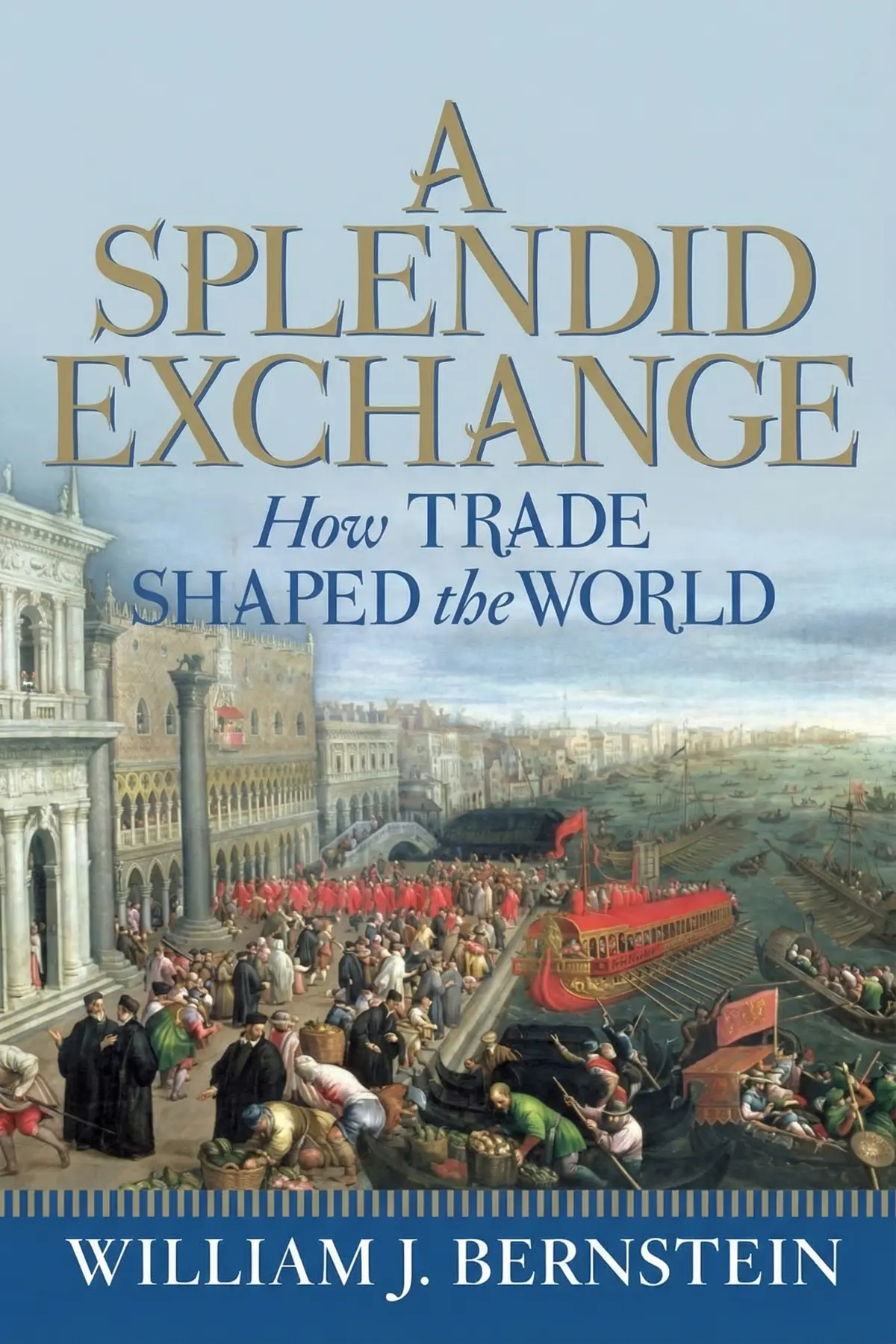
A Splendid Exchange: How Trade Shaped the World
William J. Bernstein
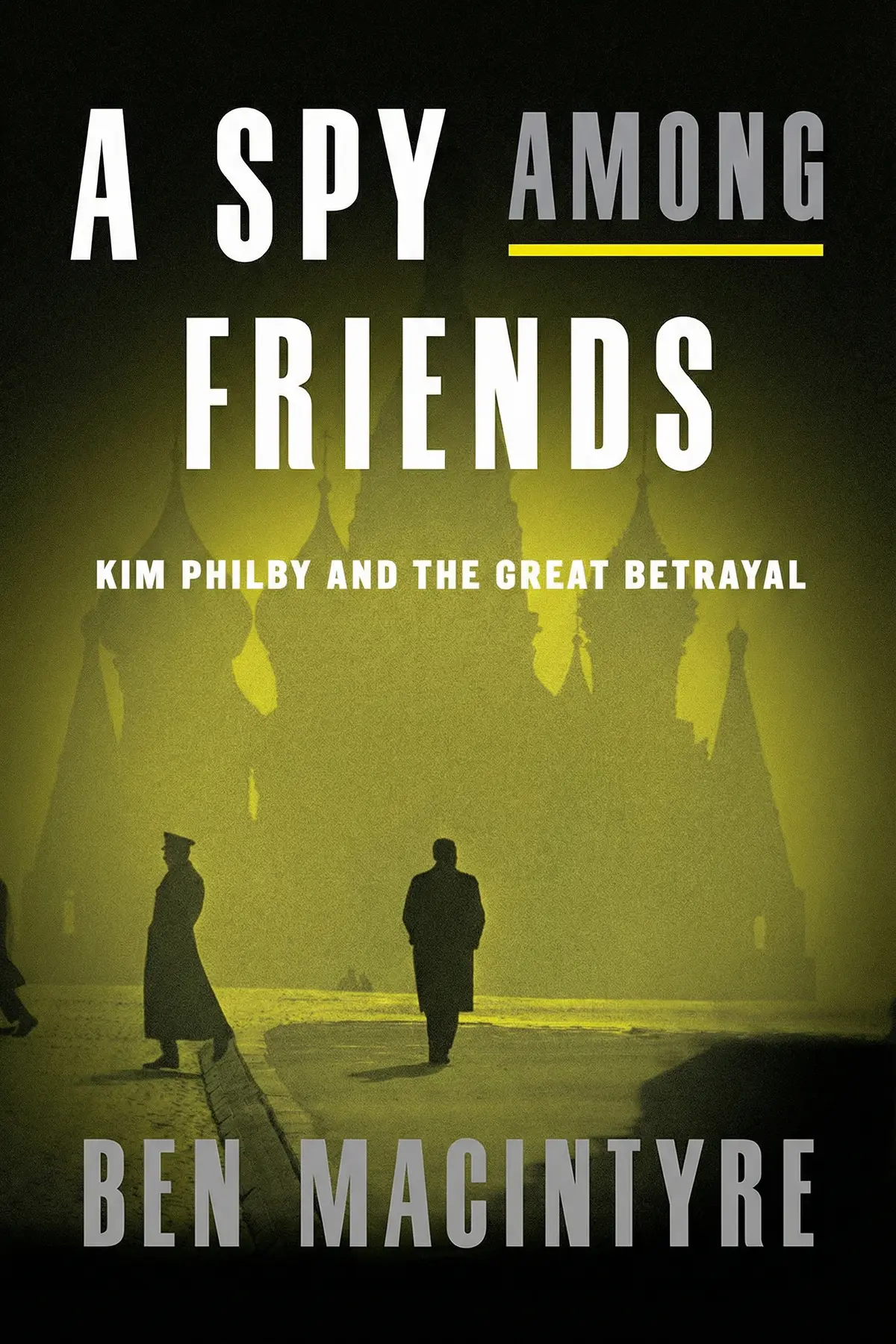
A Spy Among Friends: Philby and the Great Betrayal
Ben Macintyre
1491: New Revelations of the Americas Before Columbus
Charles C. Mann

A Year in the Life of William Shakespeare: 1599
James Shapiro
AUDIO SUMMARY AVAILABLE
Listen to The Demon of Unrest in 15 minutes
Get the key ideas from The Demon of Unrest by Erik Larson, plus 5,000+ more titles in English and Thai.
- 5,000+ titles
- Listen as much as you want
- 7-day free trial
- Cancel anytime







