
12 min 56 sec
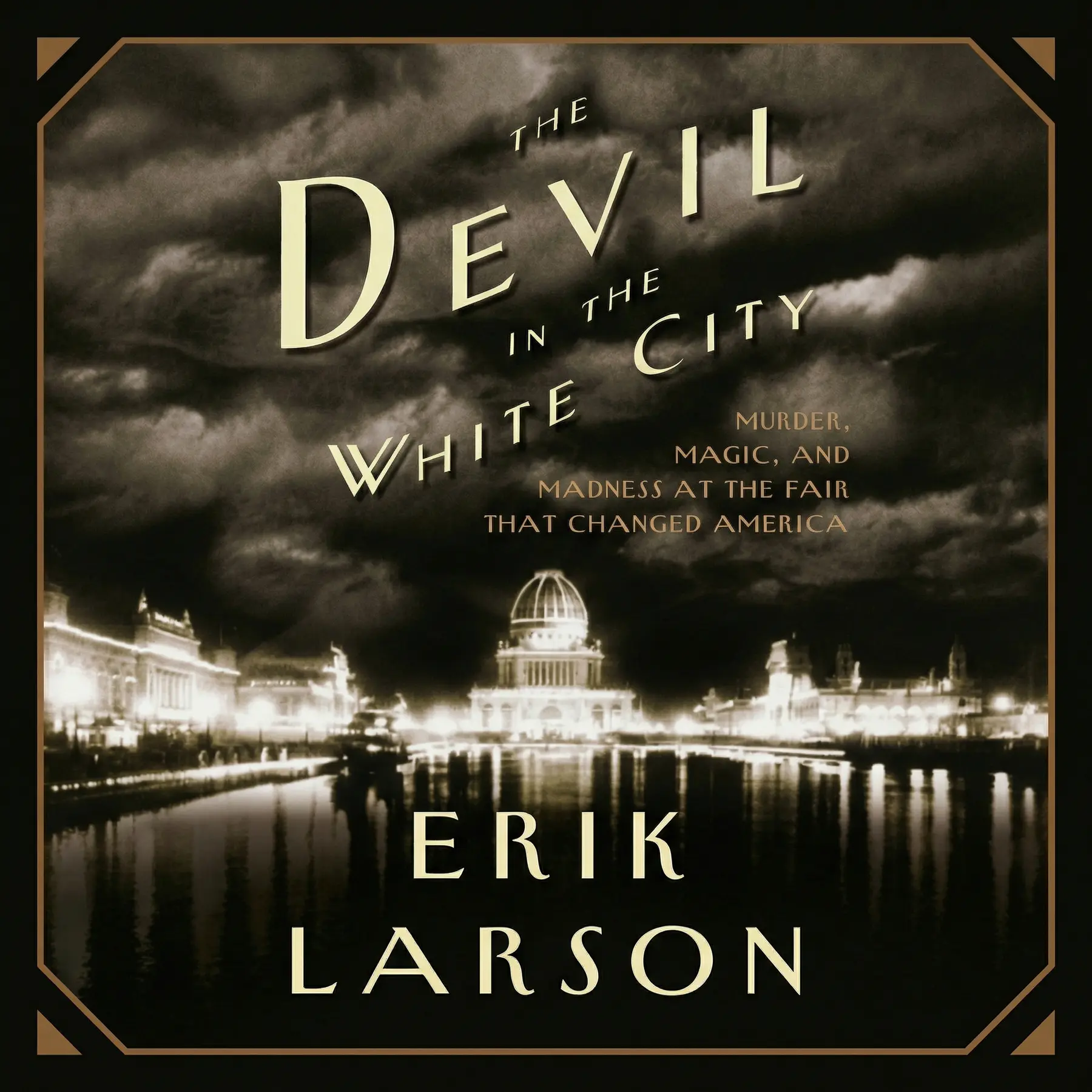
The Devil in the White City: Murder, Magic and Madness at the Fair that Changed America
By Erik Larson
The Devil in the White City explores the 1893 Chicago World's Fair, contrasting the architectural brilliance of Daniel Burnham with the dark, calculated crimes of H.H. Holmes, the city's first known serial killer.
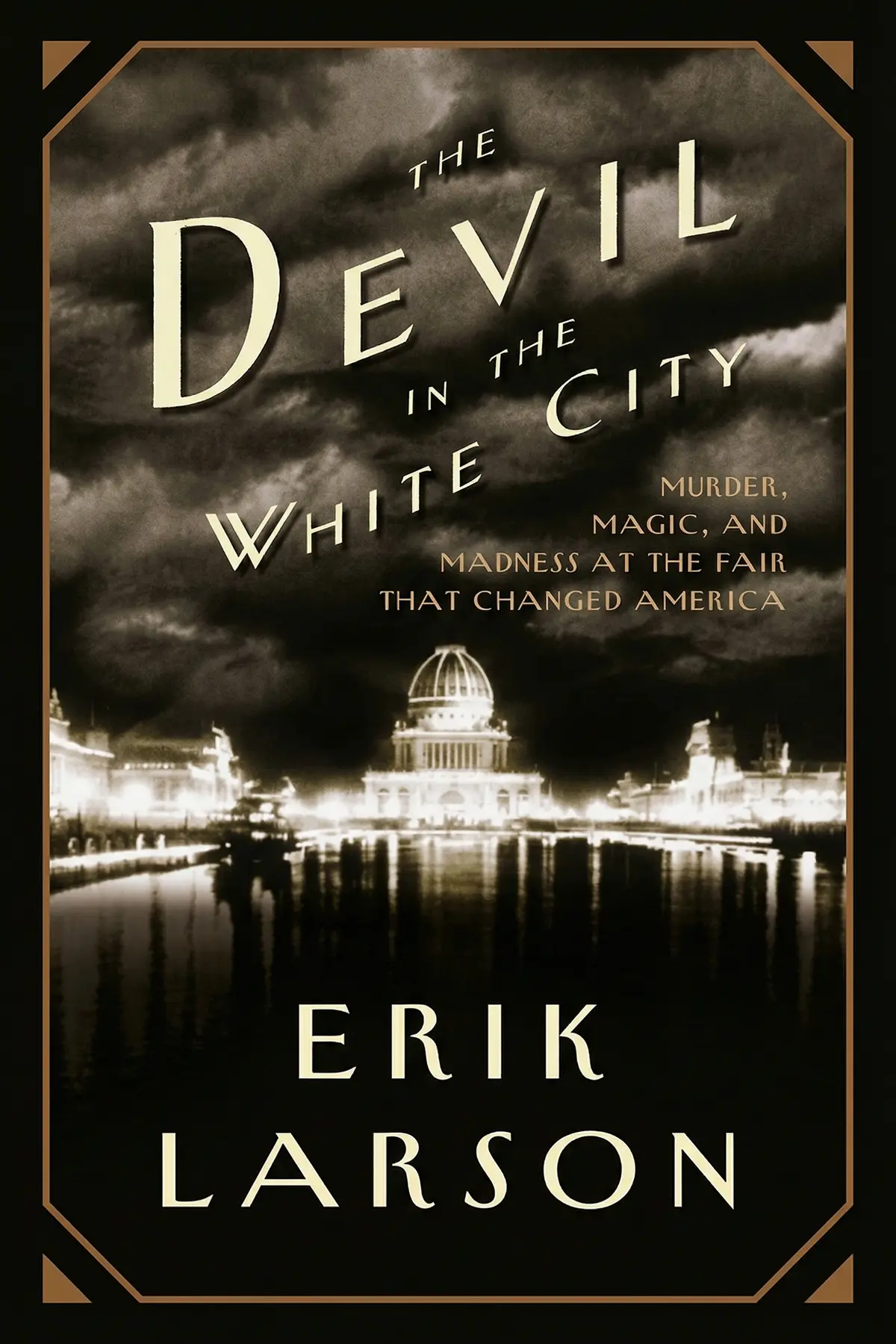
Table of Content
1. Introduction
1 min 27 sec
Step back into the final decade of the nineteenth century, a time when the city of Chicago was a place of dizzying contradictions. It was a metropolis defined by its rapid ascent, a booming industrial hub that had grown from a quiet outpost into the third-largest city in the United States. To the outside world, it was the symbol of the future, a place of steel, smoke, and endless potential. But beneath that exterior of progress lay a landscape of extreme danger and moral ambiguity.
The story of Chicago during this era is famously captured in the contrast between two very different visions. One was the “White City,” a temporary paradise of grand architecture and technological wonder built for the 1893 World’s Columbian Exposition. This dream was the brainchild of visionary architects who wanted to prove that America could outshine the cultural capitals of Europe. The other was the “Black City,” the gritty, soot-stained reality of urban life where violence was frequent, and a predator could hide in plain sight.
In this exploration of Erik Larson’s work, we will trace these two paths as they converge at the great fair. We will look at the immense pressure faced by the men trying to build a world-class spectacle from scratch, and we will follow the shadow of a man named H.H. Holmes, who saw the influx of millions of visitors as the perfect opportunity for his own dark designs. Through this journey, we’ll see how the fair shaped the American identity, launched famous brands we still use today, and inadvertently provided the stage for one of the most chilling crime stories in history.
2. A Landscape of Peril and Progress
2 min 20 sec
Nineteenth-century Chicago was a city of extremes, where the thrill of industrial growth was constantly tempered by the daily reality of violent death and urban decay.
3. The Quest for Global Recognition
2 min 04 sec
Driven by national pride and a desire to outdo their European rivals, American leaders launched a desperate bid to host a world-class exhibition.
4. The Architect’s Impossible Dream
1 min 48 sec
Daniel Burnham faced a mountain of obstacles, from economic collapse to deadly construction accidents, in his race to build the majestic White City.
5. A Legacy of Innovation and Wonder
1 min 58 sec
The 1893 World’s Fair was a whirlwind of firsts, introducing the world to groundbreaking inventions and cultural icons that remain part of our lives today.
6. The Predator in the Shadows
1 min 56 sec
While the world celebrated progress at the fair, a cunning and charismatic doctor was using the chaos to hide a horrific spree of murders.
7. Conclusion
1 min 23 sec
The story of the 1893 World’s Fair is a powerful reminder of the dual nature of humanity. On one hand, the “White City” showed what we can achieve when we are driven by vision, cooperation, and a desire to improve the world. It left a lasting legacy on American culture, architecture, and commerce that we can still see today. On the other hand, the presence of H.H. Holmes reminds us that progress does not automatically eliminate the darker instincts of the human heart.
As the fair came to a close and the grand white buildings were eventually destroyed by fire or demolished, the temporary paradise vanished. What remained were the stories of the people who were there—the architects who dreamed big, the workers who sacrificed, and the victims who were lost in the shadows. This period in Chicago’s history serves as a profound example of how a city can be a place of both magic and madness.
The lesson we can take from this journey is to appreciate the brilliance of human innovation while remaining vigilant about the complexities of the human psyche. The fair changed America forever, proving that the country could stand on the world stage, but it also taught us that even in our most enlightened moments, we must never lose sight of the responsibility we have to protect one another. As you think back on the White City, remember that every great achievement has its costs and its shadows, and it is the balance between the two that truly defines history.
About this book
What is this book about?
The Devil in the White City brings to life the stark duality of Gilded Age Chicago through two parallel true stories. On one side is the monumental effort led by architect Daniel Burnham to construct the World’s Columbian Exposition of 1893, an event meant to showcase American progress and rival the grandeur of Paris. On the other side is the chilling account of H.H. Holmes, a charismatic doctor who built a custom death trap near the fairgrounds to prey on unsuspecting visitors. This summary provides a deep dive into the engineering marvels, political hurdles, and social shifts that defined the era, while also tracing the sinister movements of a master manipulator. It promises a journey through a time of unprecedented ambition and unimaginable horror, illustrating how the birth of the modern city brought with it both the highest heights of human achievement and the deepest depths of depravity.
Book Information
About the Author
Erik Larson
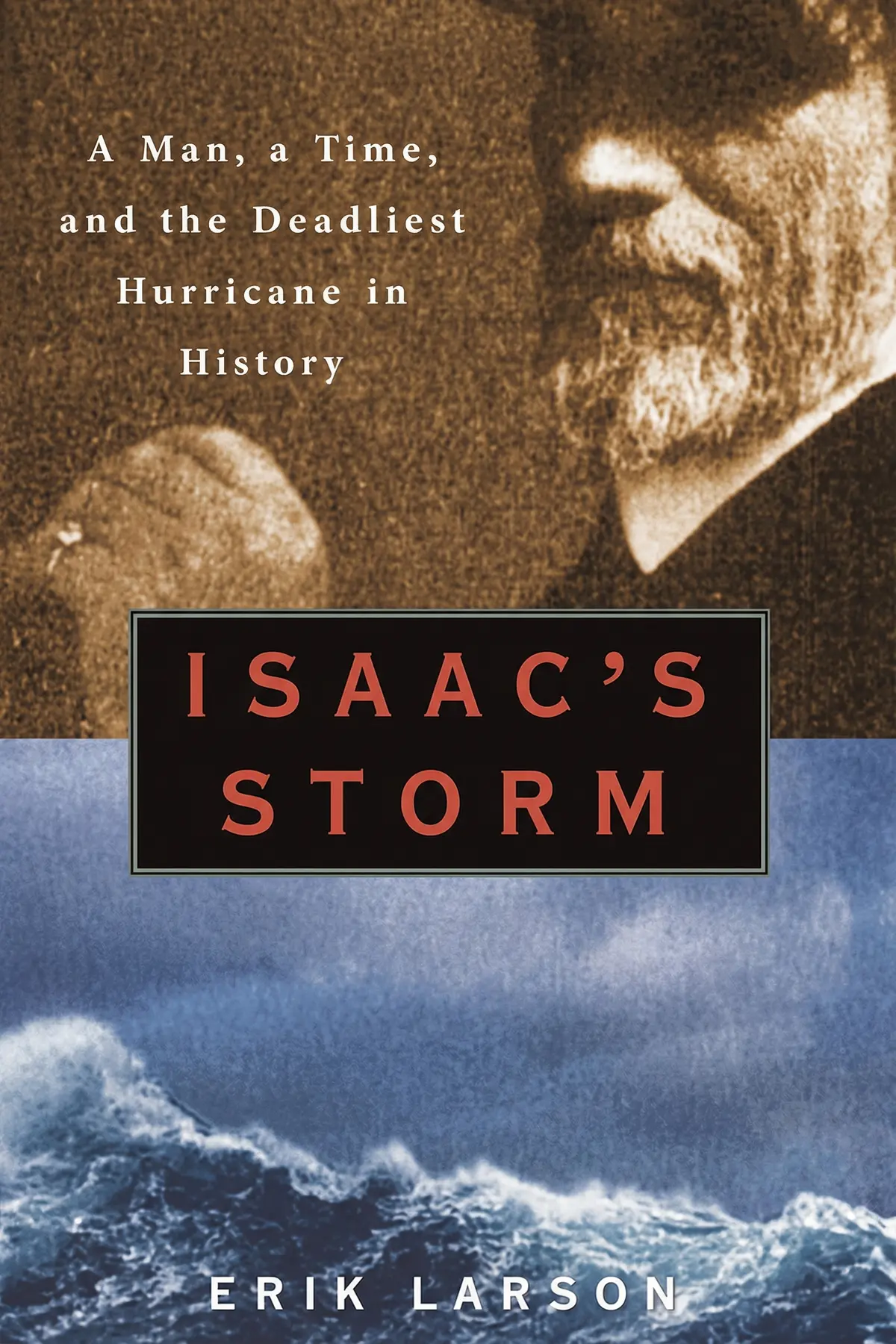
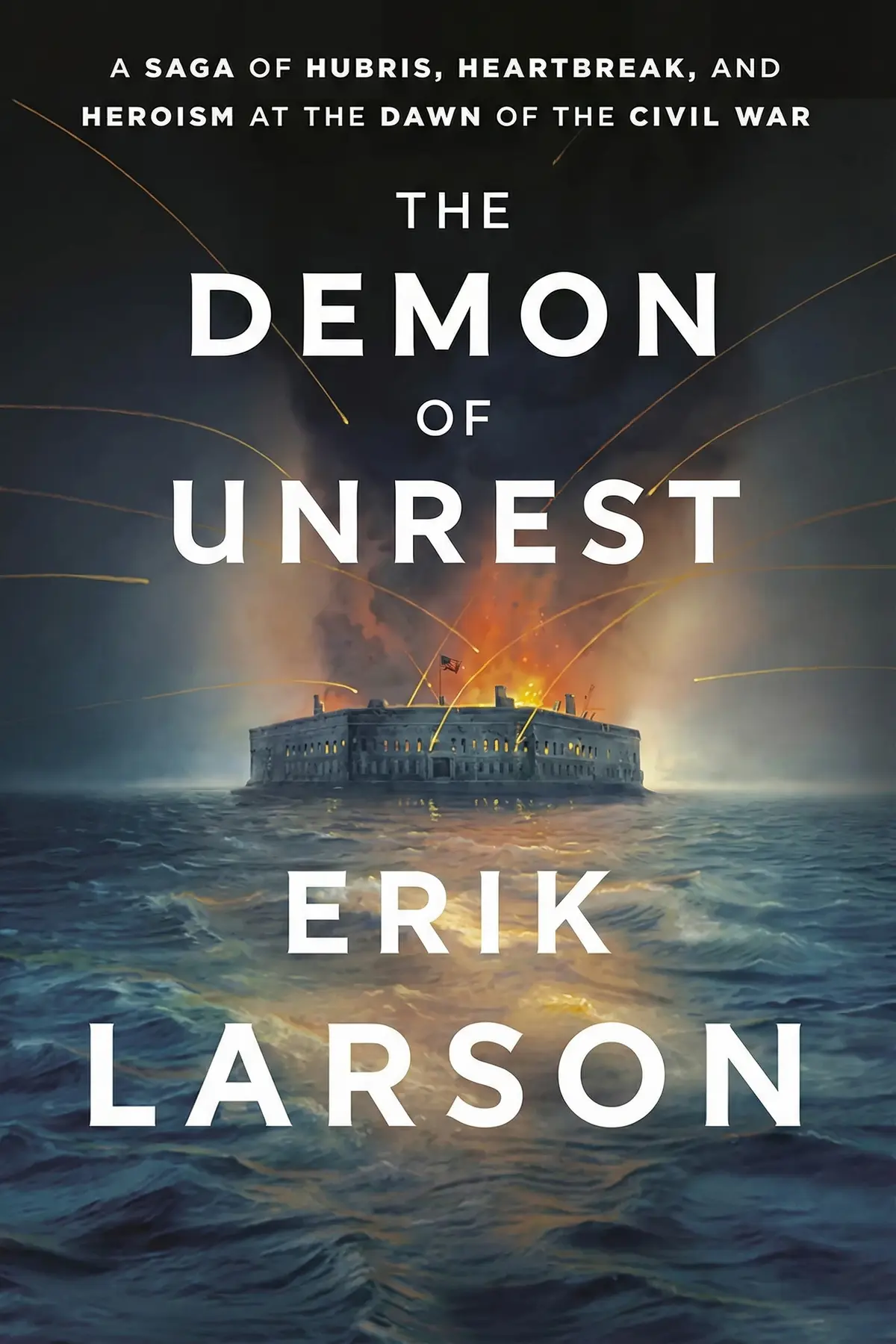
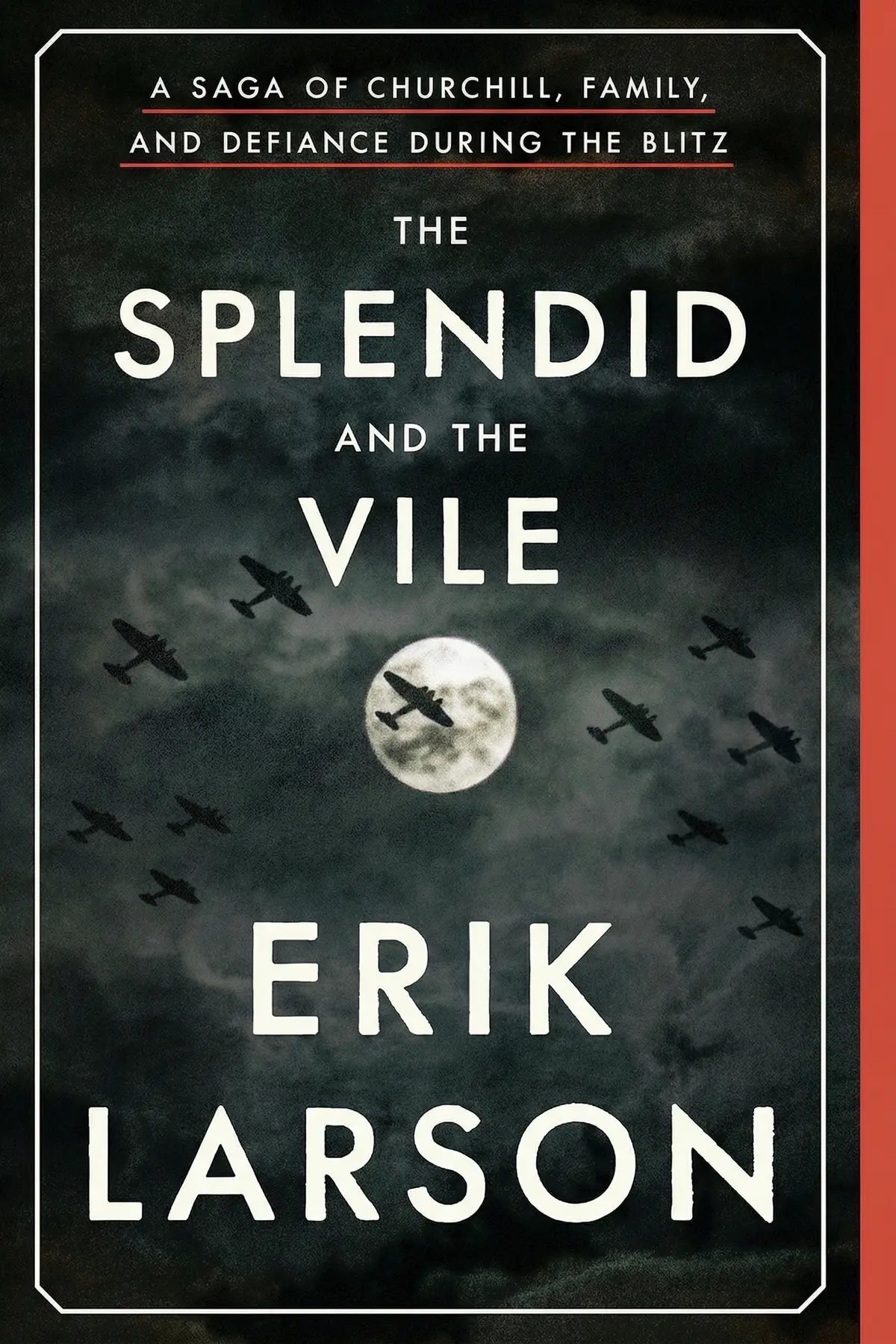
Erik Larson has written for the Wall Street Journal, Time and other publications. He’s also the author of multiple books, including In the Garden of Beasts, Dead Wake, Thunderstruck and Isaac’s Storm.
Ratings & Reviews
Ratings at a glance
What people think
Listeners find the storytelling mimics a novel, featuring a compelling plot filled with unexpected developments. Additionally, the prose is straightforward, and listeners value the profound historical context, with one listener noting it isn't your typical history lesson. However, the tempo gets varied reviews, as some like the speed while others feel it drags. In a similar vein, the abundance of detail splits views between those who are captivated and those who think it is too much.
Top reviews
Yuwadee
Larson has a gift for making history breathe like a suspense thriller. This isn't your standard dry account of the past; it reads with the urgency of a modern novel. I was completely swept up in Daniel Burnham’s struggle to build the World’s Fair against impossible odds. The sheer scale of the vision—the 'White City'—contrasts so sharply with the gruesome activities of H.H. Holmes just blocks away. Truth is, the transition between the two storylines was seamless for me, heightening the tension as the fair’s opening date loomed. While some might find the architectural details dense, I thought they added a necessary weight to the setting. It makes the eventual triumph of the Ferris Wheel feel earned. If you want a history lesson that doesn’t feel like school, this is the gold standard. Larson's writing style is evocative, capturing the grit and the glamour of 19th-century Chicago perfectly.
Show moreWaree
The juxtaposition between the glittering 'White City' and the dark 'Castle' of Holmes is masterfully handled. Larson captures the Gilded Age in all its contradictory glory. On one hand, you have the pinnacle of human achievement and the birth of American pride. On the other, you have the cold, calculated depravity of a monster. The chapters on the construction of the Ferris Wheel were actually my favorite part. It’s easy to forget how miraculous these things were at the time. Personally, I think the 'slow' pacing that others complain about is just atmospheric building. You need to feel the mud and the sweat of the construction site to appreciate the final result. The way the paths of the architect and the killer never truly cross, yet define the same moment in time, is haunting. It’s a thick book, but it never felt like a chore.
Show moreArm
As someone who usually finds history textbooks dry, this was a revelation. It has the pacing of a thriller and the detail of an encyclopedia. I was hooked from the prologue on the Titanic. The way Larson describes the 1893 World's Fair makes me wish I could travel back in time just to see it for one day. The 'Devil' part of the title is equally compelling. H.H. Holmes is depicted with a chilling detachment that makes his crimes feel all the more real. This is the kind of narrative non-fiction that stays with you.
Show morePot
After hearing everyone rave about this for years, I finally finished it, and I am genuinely impressed by the scope. On the positive side, the atmosphere is incredible. You can practically smell the coal smoke and the lake breeze. Larson is a master of setting a scene. The connection between the World’s Fair and H.H. Holmes might be thin, but it works to show the light and dark of the era. I actually found the fair stuff just as compelling as the murders. The struggle to get the fair built on time was genuine drama, and seeing inventors like Tesla and Edison pop up was a treat. Holmes, by comparison, is a terrifying shadow moving in the background. It’s an incredibly informative book that reads like high-stakes fiction. This is essential reading for anyone who loves Chicago history.
Show morePaisley
Chicago in 1893 comes alive in a way that feels immersive and terrifying all at once. Larson has managed to write a history book that feels like a cinematic experience. I was genuinely stressed out by the deadlines Burnham faced! And the sections on Holmes were truly unsettling without being exploitative. It’s a fascinating study of human nature—the best and worst of us existing side by side. Some might find the descriptions of the architecture excessive, but I loved the detail. It made the 'White City' feel like a real place I could visit. The writing is smooth and easy to follow, even when the subject matter gets technical. It’s easily one of the best non-fiction books I’ve ever picked up. If you like history, true crime, or just a well-told story, you need to read this. It’s a masterpiece of research and storytelling. This book proves that truth is often far more strange and compelling than fiction could ever hope to be.
Show moreSudarat
Picked this up because I’m a true crime junkie, but I stayed for the architecture. I went in wanting to know everything about H.H. Holmes and his 'Murder Castle,' but I ended up fascinated by Olmsted’s landscaping woes. Larson’s ability to weave these two disparate threads together is impressive, though the Holmes sections are definitely more sparse than the fair chapters. Frankly, the level of research is staggering. You can tell Larson spent years digging through old letters and blueprints. Some of the descriptions of the buildings are a bit wordy, and the pacing occasionally drags when they discuss committee meetings. However, the payoff is worth it. It’s a vivid portrait of an era defined by both limitless potential and profound darkness. It really changed how I view the Windy City. Definitely a must-read for fans of narrative non-fiction.
Show moreSirirat
Ever wonder how the first Ferris wheel actually got built? This book dives deep into that story, and it is way more interesting than you’d think. George Washington Gale Ferris was a madman in the best way possible. I loved the 'White City' sections because they felt like a time machine. Larson’s prose is elegant, almost poetic at times, which makes the transition to Holmes’s horrific crimes even more shocking. The author doesn't rely on cheap gore, which I really appreciated. It’s not just a history lesson; it’s an experience.
Show moreMilk
To be fair, the research here is impeccable, even if the pacing feels like a slow crawl through a construction site. I struggled with the chapters focusing on the fair's bureaucratic hurdles. There are only so many times I can read about Daniel Burnham worrying about his partner or arguing with New York designers. It’s informative, sure, but the excitement level fluctuates wildly. When Larson focuses on H.H. Holmes, the book transforms into a page-turner. The man was a terrifying manipulator, and his hotel was the stuff of nightmares. But then, we’re back to talking about the logistics of the Midway Plaisance. It felt like reading two different books that were glued together at random intervals. I appreciate the historical depth, but the narrative flow left something to be desired. It’s a solid 3 stars—great for a history buff, maybe too dry for others.
Show morePia
Look, I wanted to love this, but the level of detail regarding landscape architecture was enough to put me to sleep. I understand that Frederick Law Olmsted was a genius, but I don't need fifty pages on which shrubs were planted or the 'optics' of the lagoons. The book feels bloated. It tries to do too much by balancing the biography of an entire city with the biography of a killer. The Holmes sections were the only thing keeping me going, but they felt like a footnote compared to the endless discussions of building permits and structural steel. I found myself flipping ahead just to see when the 'Castle' would reappear. Larson’s writing style is a bit too flowery for me, as well. He spends a lot of time imagining what people were feeling, which feels like guessing. It’s not a bad book, but it’s definitely not the 'gripping' read I was promised.
Show moreDarawan
Not what I expected given the hype surrounding the H.H. Holmes connection. To be frank, the marketing is incredibly misleading because this is mostly about architects arguing over paint colors and only partially about a serial killer. The disconnect between the two stories was jarring. Just as I would get interested in Holmes’s latest scheme, the book would pivot back to the drainage issues of Jackson Park for fifty pages. It’s frustrating to have the momentum killed like that. Larson’s writing is definitely polished, but his tendency to speculate on what people were thinking felt way too 'novelistic' for my taste in non-fiction. I wanted more grit and less talk about the 'White City' committees. If you love urban planning, you might enjoy this. But if you’re looking for a focused true crime investigation, you will likely find yourself skimming large chunks of this boring book.
Show moreReaders also enjoyed
A Splendid Exchange: How Trade Shaped the World
William J. Bernstein
A Spy Among Friends: Philby and the Great Betrayal
Ben Macintyre
1491: New Revelations of the Americas Before Columbus
Charles C. Mann
A Year in the Life of William Shakespeare: 1599
James Shapiro
1929: Inside the Greatest Crash in Wall Street History--and How It
Andrew Ross Sorkin
AUDIO SUMMARY AVAILABLE
Listen to The Devil in the White City in 15 minutes
Get the key ideas from The Devil in the White City by Erik Larson, plus 5,000+ more titles in English and Thai.
- 5,000+ titles
- Listen as much as you want
- 7-day free trial
- Cancel anytime







