
20 min 10 sec
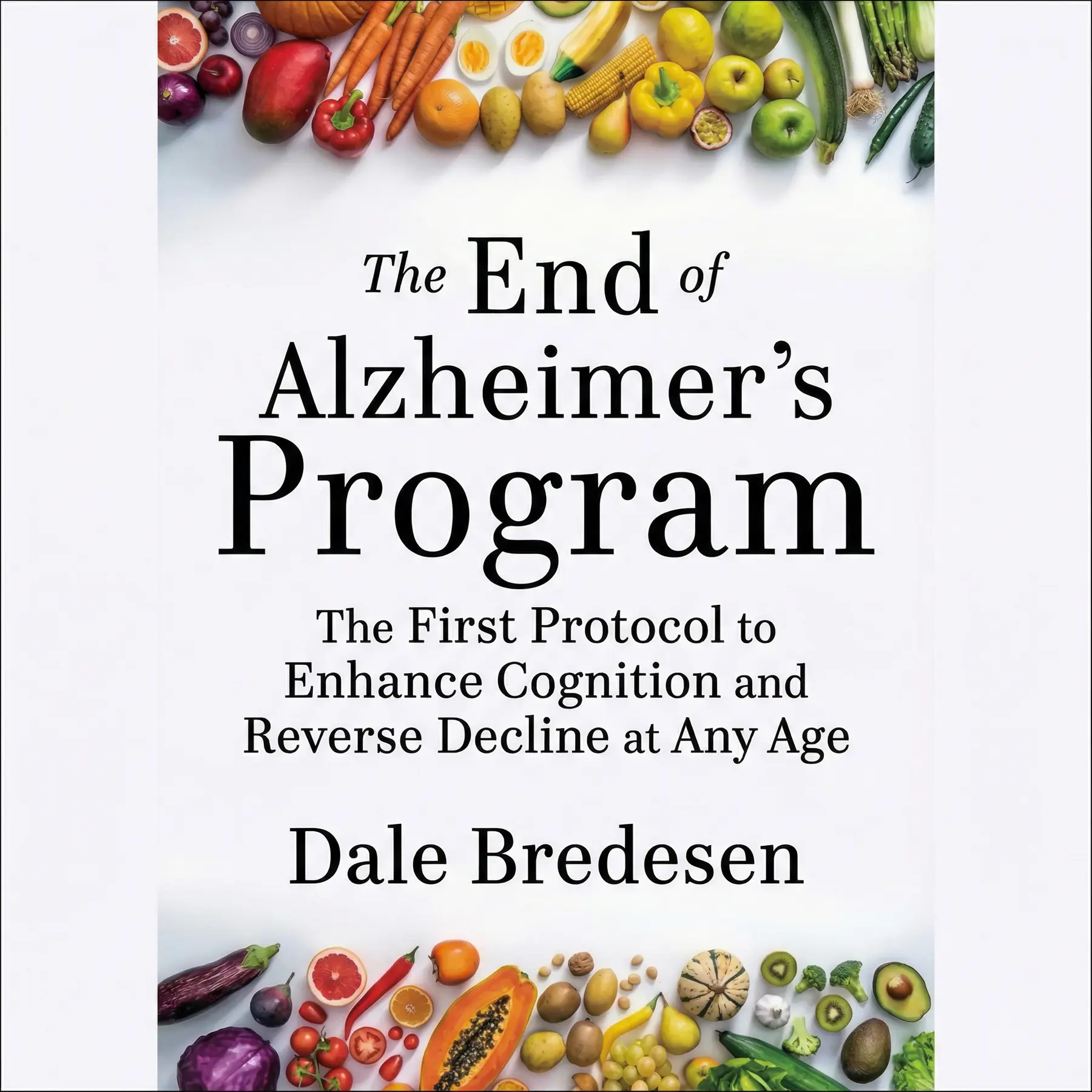
The End of Alzheimer’s Program: The First Protocol to Enhance Cognition and Reverse Decline at Any Age
Discover a comprehensive, personalized approach to brain health. This summary explores the Bredesen Protocol, a lifestyle-based strategy designed to target the multiple biological causes of cognitive decline and restore mental clarity.
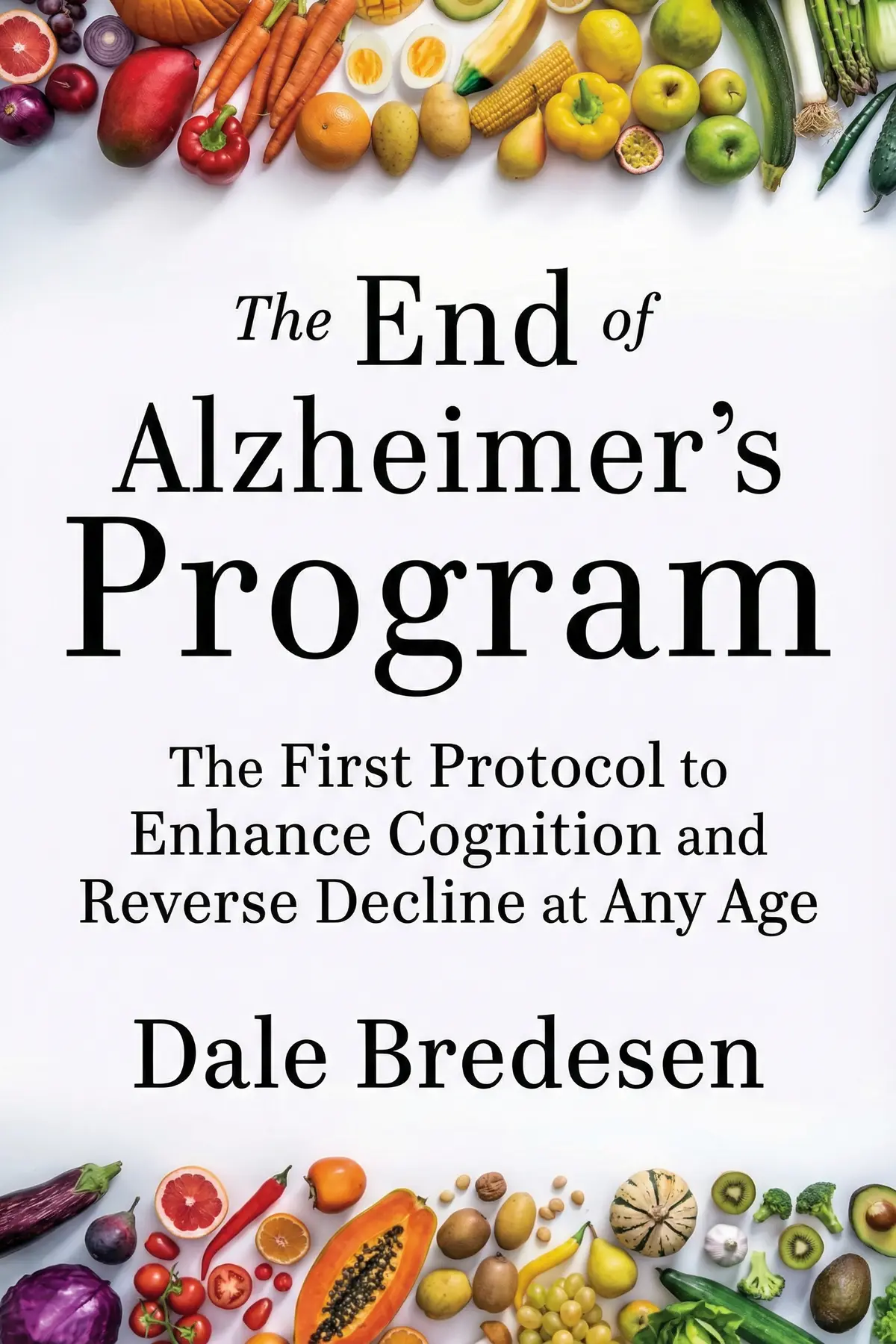
Table of Content
1. Introduction
1 min 53 sec
Imagine a woman named Claudia. At 78 years old, she had reached a point where most doctors would say there was no turning back. She was living with severe cognitive impairment caused by Alzheimer’s disease. She couldn’t dress herself, she could barely speak, and she had lost the independence that defines a person’s golden years. Conventional medicine offered no real solutions, only a steady decline. But Claudia didn’t follow the conventional path. By identifying the specific toxins and metabolic issues sabotaging her brain, she underwent a dramatic transformation. Within a few months, her speech returned, she regained her ability to handle daily tasks, and she even started cycling again.
While every story is different, Claudia’s journey serves as a powerful reminder that cognitive decline is not always a one-way street. In the pages that follow, we are going to explore a radical shift in how we understand and treat memory loss. We’ll look at why the standard “one-size-fits-all” approach to Alzheimer’s has failed so many people and how a more personalized, systemic strategy can offer real hope.
We will dive into the science behind why the brain sometimes decides to shut down its own neural connections as a defense mechanism. You’ll learn how specific factors like chronic inflammation, insulin resistance, and environmental toxins act as triggers for this decline. Most importantly, we’ll outline a roadmap for intervention—ranging from a specific nutritional framework to lifestyle changes that support the brain’s ability to heal and rewire itself. This isn’t just about managing symptoms; it’s about understanding the underlying biological drivers of the disease and learning how to address them head-on. Whether you are looking to preserve your own mental sharpness or support a loved one, these insights provide a new perspective on what is possible for the human brain.
2. The Brain’s Defensive Retreat
2 min 33 sec
Could memory loss actually be the brain’s way of protecting itself? Explore the hidden biological shifts that turn a healthy mind into one focused purely on survival.
3. The Failure of the Single-Drug Solution
2 min 32 sec
Discover why hundreds of clinical trials have failed to find a cure and why a multifaceted protocol is necessary for true cognitive recovery.
4. Metabolic Flexibility and the KetoFLEX 12/3 Diet
2 min 41 sec
How you time your meals and choose your fuel can transform your brain’s energy levels. Learn the secrets of nutritional ketosis.
5. The Lifestyle Pillars: Movement, Sleep, and Stress
2 min 48 sec
Brain health isn’t just about what’s in your blood; it’s about how you live your life every day. Explore the connection between your habits and your memory.
6. Biomarkers: A Personalized Roadmap
2 min 47 sec
Stop guessing about your health and start using data. Learn how simple lab tests can reveal the hidden risks to your cognitive future.
7. The Hidden Threats: Toxins and Infections
3 min 00 sec
Your environment might be full of ‘dementogens’ that are silently stealing your memories. Learn how to detoxify and defend your brain.
8. Conclusion
1 min 56 sec
As we come to the end of our exploration into the Bredesen Protocol, the most important thing to remember is that you are not a passive observer of your brain’s health. The traditional view that Alzheimer’s is an unstoppable force is being replaced by a new understanding—one that sees the brain as a resilient, dynamic system that can heal when given the right conditions.
We’ve seen that cognitive decline is often a defensive reaction to a variety of stressors, from metabolic imbalances and nutrient deficiencies to environmental toxins and chronic infections. By taking a personalized, data-driven approach, you can identify which of these “leaks” are affecting your own brain and take specific, actionable steps to patch them. This means embracing a diet that promotes metabolic flexibility, prioritizing restorative sleep and regular movement, and being mindful of the toxins in your environment.
It’s also important to acknowledge that this isn’t a quick fix. There is no single pill that can replace the complex benefits of a healthy lifestyle. It requires commitment and a willingness to look at your health as a whole system. But as the stories of people like Claudia, Nina, and Georgia show, the effort is worth it. Whether you are aiming to prevent future decline or are currently navigating the challenges of memory loss, the insights we’ve discussed provide a powerful framework for regaining control.
Your brain has an incredible capacity for adaptation. By providing it with the right fuel, the right protection, and the right stimulation, you are giving yourself the best possible chance for a lifetime of mental clarity and cognitive resilience. The end of Alzheimer’s doesn’t start with a medical breakthrough in a lab; it starts with the choices you make every single day. Take this knowledge, start with small changes, and build a foundation for a sharp and vibrant mind that lasts as long as you do.
About this book
What is this book about?
For decades, the medical community viewed Alzheimer’s as an inevitable, irreversible decline with no hope for recovery. This book challenges that narrative by presenting a multifaceted program aimed at identifying and addressing the specific triggers of memory loss. Instead of searching for a single magic pill, it focuses on the complex interplay of metabolic health, inflammation, toxin exposure, and nutritional deficiencies. Readers will learn about the ReCODE protocol, a personalized strategy that uses diet, exercise, and targeted interventions to shift the brain from a defensive, retreating state back into a mode of growth and repair. By understanding how the brain responds to various stressors, individuals can take proactive steps to protect their cognitive function or even reverse symptoms of impairment. The book provides a detailed roadmap for anyone looking to optimize their brain health, regardless of their current age or genetic risk factors.
Book Information
About the Author
Dale Bredesen
Dale Bredesen, MD, is a distinguished neurologist who has spent his career studying neurodegenerative diseases. He completed his medical training at Duke University Medical Center and served as Chief Resident in Neurology at the University of California, San Francisco. Throughout his career, Dr. Bredesen has held prestigious faculty roles at UCSF, UCLA, and the University of California, San Diego. He also served as the founding President and CEO of the Buck Institute for Research on Aging. He is the author of several influential books on cognitive health, including the bestsellers The End of Alzheimer's and The First Survivors of Alzheimer's.
Ratings & Reviews
Ratings at a glance
What people think
Listeners find the work thorough and full of details regarding dementia and Alzheimer's, delivering actionable tips and significant health improvements. This protocol serves to avoid Alzheimer's and assist with brain health issues, with one listener mentioning it restored memory in people facing early decline. While many consider it simple to understand, some note it is challenging to carry out.
Top reviews
Anucha
Finally got around to reading this sequel, and it’s a powerhouse of information for anyone worried about their brain health. Bredesen moves beyond the theory of his first book and provides a much more detailed roadmap for the ReCODE protocol. Personally, I found the breakdown of different Alzheimer’s types—like inflammatory vs. toxic—extremely enlightening because it moves away from the 'one size fits all' medical model. While some parts are technical, the success stories, like the one about Nina regaining her memory, provide real hope. It’s a lot to take in, and the KetoFLEX 12/3 diet requires serious discipline, but the logic is sound. We have to stop seeing cognitive decline as an inevitable part of aging.
Show moreWoravit
Wow. This book completely changed how I view my morning routine and my diet. As a caregiver for my father, I was looking for anything that wasn't just another failed drug trial, and Bredesen delivers a comprehensive system. It's not just about one pill; it’s about sleep hygiene, stress management, and very specific biomarkers like homocysteine and Vitamin D levels. Frankly, it’s a lot of work to track all these labs, but seeing the science behind how the brain 'downsizes' to protect itself makes the effort feel necessary. It gives you a sense of agency in a situation that usually feels hopeless. Truly a must-read for every adult over 50.
Show moreAraya
The chapter on KetoFLEX 12/3 was the turning point for me. I’ve read a dozen health books this year, but none explained the relationship between insulin resistance and brain 'starvation' as clearly as Dr. Bredesen does here. He treats the brain like a complex ecosystem that needs the right fuel and the right cleanup crew (sleep). I’ve been following the protocol for three months now—focusing on gut health and anti-inflammatory foods—and my brain fog has vanished. It’s a dense read, and you’ll probably need a highlighter, but the potential to avoid the scourge of dementia is worth every minute of study. Don't wait for symptoms to start.
Show moreA
Direct and empowering. That is how I would describe this sequel. While the first book introduced the 'why,' this one really focuses on the 'how.' I bought ten copies to give to my friends because the realization that cognitive decline is often reversible is something everyone needs to hear. We’ve been told for decades that there’s nothing to be done, but Bredesen proves otherwise with the ReCODE protocol. The sections on how the brain uses ketones when glucose fails were particularly sharp. It’s not an easy fix—it requires a total commitment to your health—but the alternative is far worse. This is the future of neurology.
Show moreThawee
As someone who has watched a parent disappear into dementia, I found this book to be a lighthouse in a very dark storm. Dr. Bredesen doesn't just offer platitudes; he provides a rigorous framework for protecting your neurons. I loved the focus on the 'crossover' between physical and mental health, especially regarding exercise and its role in forming new neural pathways. The advice on managing cortisol and deep breathing is often overlooked in medical texts, so seeing it prioritized here was refreshing. It’s a lot of information, and implementation is a slow process, but I finally feel like I have a plan to protect my future.
Show moreAom
After hearing several interviews with the author, I decided to dive into the full program. This book is essentially a manual for longevity, focusing heavily on how our environment—from mold toxins to insulin resistance—impacts the brain. To be fair, it's quite overwhelming to try and implement everything at once. I started with the basics like the 12-hour fasting window and monitoring my glucose, which has already improved my mental clarity. My only gripe is that it feels a bit like a sales pitch for his website at times, especially when looking for specific source citations in the back. Still, the core message that we can intervene early is life-changing.
Show moreTar
Pick this up if you want a deep dive into functional medicine, but be prepared for a lifestyle overhaul. This isn't your typical 'eat more blueberries' kind of health book. Bredesen goes into the weeds on everything from paraffin candles to the ApoE4 gene. I appreciated the specific focus on how toxins like heavy metals can trigger cognitive retreat. However, I agree with other reviewers that the formatting could be better; it’s a bit of a data dump. I had to read certain sections twice just to understand which supplements were actually essential for my specific 'type' of risk. High-quality info, just requires a lot of patience to digest.
Show morePia
The information here is undeniably vital, but I worry that the complexity might scare people away. Bredesen argues that Alzheimer’s is a protective response to stressors, which is a fascinating shift in perspective. Removing those stressors—whether they are hidden infections or poor sleep—makes total sense. Yet, when you get to the parts about N95 masks for air pollution and specific tea brewing temperatures, it starts to feel a bit obsessive. Look, if you have a family history of decline, you should absolutely read this. Just take what you can implement and don't let the 'perfect' program become the enemy of a 'good' lifestyle change.
Show moreMo
Ever wonder why there’s no cure for Alzheimer’s yet? This book argues it's because we’re looking for a single silver bullet for a multifactorial problem. I appreciate the systems-based approach and the focus on early intervention. But, to be honest, the 'program' feels like it was written for people with unlimited time and money. The sheer number of tests and supplements recommended is staggering. I also found the anecdotal evidence a bit thin—while Claudia’s story is inspiring, I would have preferred more peer-reviewed citations directly in the text. It’s a decent guide for prevention, but don't expect a simple roadmap. It's more like an encyclopedia.
Show moreAisha
Is it comprehensive? Yes. Is it practical for the average person? Probably not. I found myself getting frustrated with the lack of a clear, simple checklist. Instead, you're hit with a barrage of statistics and odd offhand comments, like the idea that sunscreen is somehow a major problem for brain health. Also, the fact that he points readers to his website for sources instead of including a proper bibliography in the back feels lazy and a bit suspicious. It makes me wonder if this is more about driving traffic to his paid programs than just sharing the science. There’s some good advice about exercise and sugar, but it’s buried under a lot of questionable claims.
Show moreFeatured in
Readers also enjoyed

AUDIO SUMMARY AVAILABLE
Listen to The End of Alzheimer’s Program in 15 minutes
Get the key ideas from The End of Alzheimer’s Program by Dale Bredesen, plus 5,000+ more titles in English and Thai.
- 5,000+ titles
- Listen as much as you want
- 7-day free trial
- Cancel anytime







