
12 min 33 sec
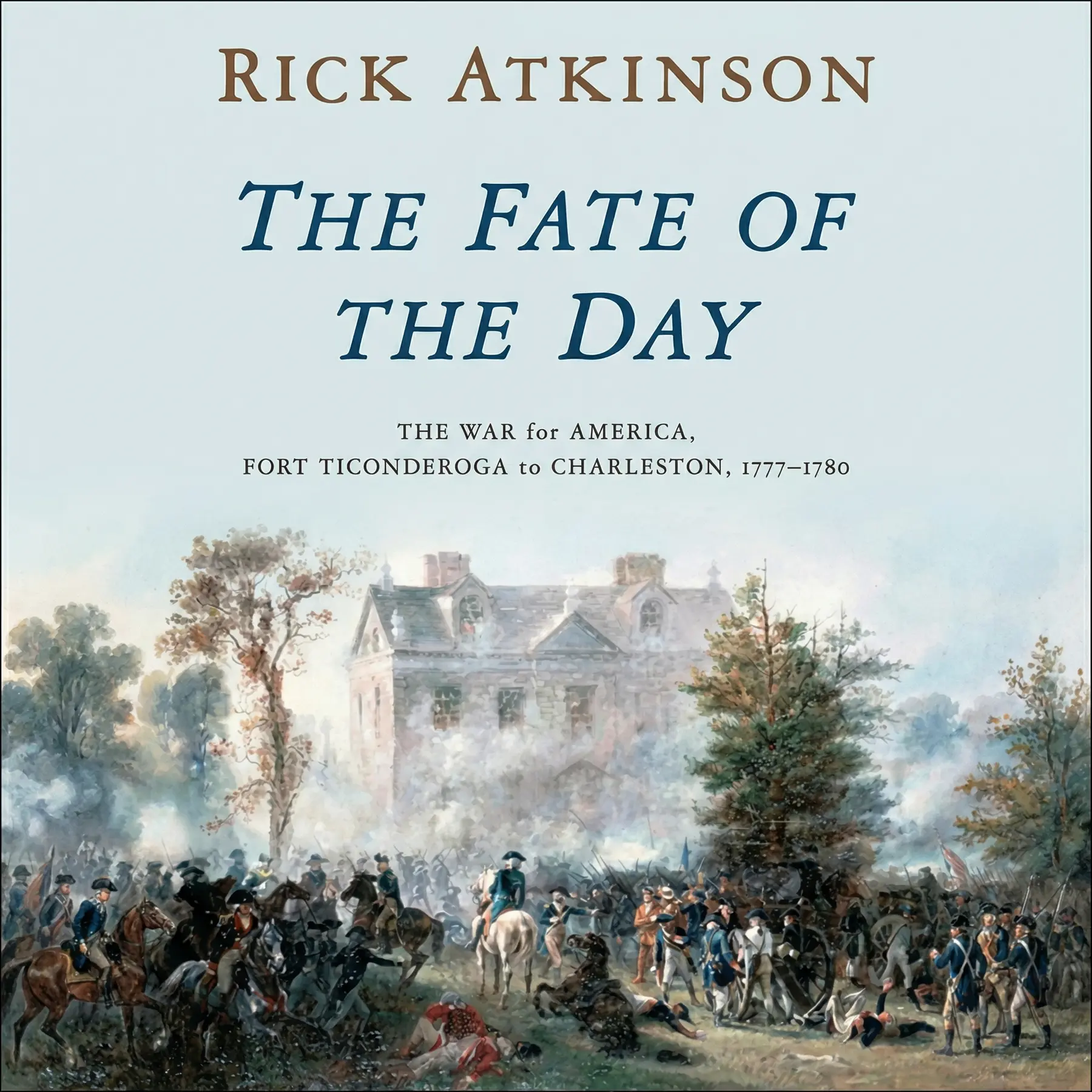
The Fate of the Day: The War for America, Fort Ticonderoga to Charleston, 1777-1780
By Rick Atkinson
Rick Atkinson’s The Fate of the Day offers a profound reconstruction of a critical moment in World War II, using deep research and character-driven narrative to reveal how one day changed the world.
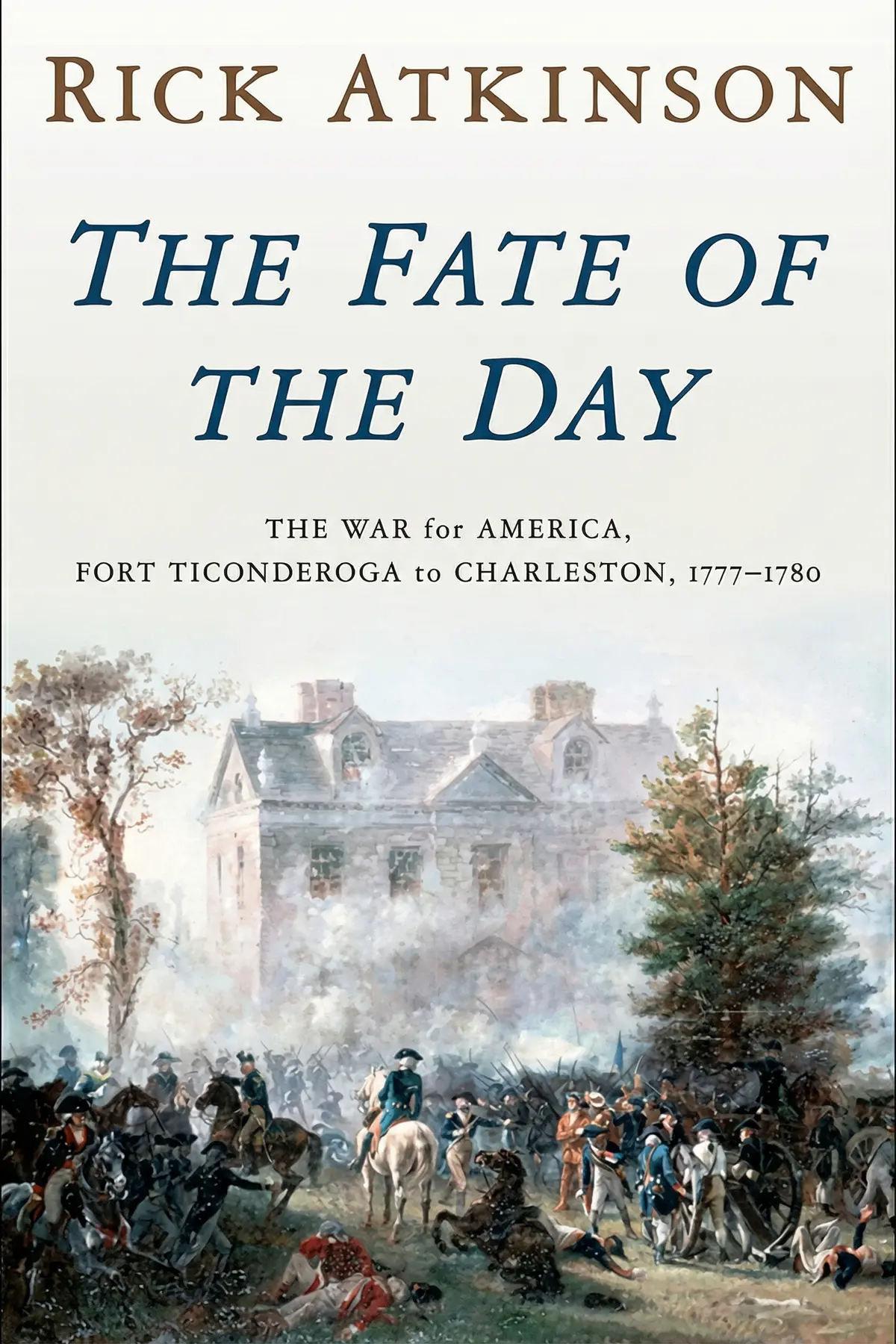
Table of Content
1. Introduction
1 min 56 sec
History is often viewed as a vast, sweeping river, an unstoppable flow of events that moves according to the grand designs of nations and the slow grind of centuries. Yet, as Rick Atkinson demonstrates in this compelling examination, history is actually composed of specific, high-stakes moments that can turn the tide of human existence in a matter of hours. We often think of major conflicts in terms of years or decades, but the true weight of the past frequently rests on the shoulders of a single, monumental day. To understand the world we live in today, we must look closer at these narrow windows of time where the future was decided, not by fate, but by the actions of individuals caught in the machinery of war.
In this exploration of a singular day during World War II, Atkinson serves as both a guide and a forensic investigator. He moves away from the dry, detached perspective of traditional textbooks to bring us directly into the tension and uncertainty of the moment. The goal here isn’t just to recount what happened, but to reveal how it felt, why the decisions were made, and what it cost to secure a favorable outcome. We are looking at a day that served as a fulcrum for the twentieth century, a point where the trajectory of the entire war shifted toward its ultimate resolution.
Through Atkinson’s throughline, we begin to see that historical success is never a foregone conclusion. It is the result of a fragile alignment of meticulous planning, sheer luck, and individual courage. This summary will take you through the intricate layers of this day, from the quiet, anxious hours of preparation to the chaotic and bloody reality of the battlefield. We will see how research transforms into a living narrative, allowing us to witness the character of those who stood at the center of the storm. By the time we reach the end of this journey, the phrase “the fate of the day” will take on a deeper, more personal meaning, reflecting the immense burden carried by those who were there to witness it.
2. The Architecture of a Momentous Event
2 min 08 sec
Discover the incredible level of detail and planning required to orchestrate a day that changed the world, showing how meticulous preparation meets the unpredictable nature of combat.
3. The Human Portrait Amidst the Chaos
2 min 10 sec
Peek behind the grand strategies to find the personal stories of those on the front lines, where individual bravery and fear defined the ultimate outcome.
4. The Hour-by-Hour Sequence of History
2 min 12 sec
Experience the day as it unfolded, tracking the shifting momentum from the quiet of dawn to the heavy realization of what had been achieved by nightfall.
5. The Long Shadow and the Final Outcome
2 min 08 sec
Examine the profound ways in which the events of a single day rippled through time, shaping the world we recognize today and defining the legacy of a generation.
6. Conclusion
1 min 59 sec
As we look back on the narrative Rick Atkinson has constructed, the throughline becomes unmistakable: history is a tapestry woven from the threads of individual actions and meticulous preparation, gathered into the concentrated space of a single day. The Fate of the Day is more than just a military history; it is a profound meditation on the power of the moment. We have seen how the staggering complexity of planning provided the foundation, how the vivid character of individuals provided the spirit, and how the relentless sequence of events forged a new reality. This journey through a significant day in World War II reminds us that the outcomes we take for granted were once fragile possibilities, dependent on the courage of people who were as uncertain of the future as we are today.
The takeaway from Atkinson’s work is both sobering and inspiring. It is sobering because it forces us to confront the immense human cost of historical change, showing us the faces and hearing the voices of those who carried the weight of the world on their shoulders. It is inspiring because it demonstrates that even in the face of the most daunting challenges, collective effort and individual bravery can prevail. The fate of the day was decided by the refusal to give up, by the ability to adapt in the face of chaos, and by the rigorous pursuit of a common goal.
In our own lives, we may never face a day as historically monumental as the one described here, but the lessons remain applicable. We learn that preparation matters, that character is revealed under pressure, and that our actions have consequences that extend far beyond our immediate surroundings. Atkinson’s masterful storytelling ensures that the legacy of this day remains a living part of our culture, urging us to respect the past and to handle our own ‘pivotal moments’ with the same gravity and purpose. As the sun sets on this summary, we are left with a deeper appreciation for the thin line between failure and success, and the enduring power of those who stood their ground when it mattered most.
About this book
What is this book about?
The Fate of the Day is an immersive exploration into one of history's most consequential dates, moving far beyond simple facts to provide a visceral, hour-by-hour account of battle and decision-making. Through Rick Atkinson’s expert lens, readers are invited to see the intricate planning and the chaotic reality of conflict during World War II. The book promises to transform our understanding of historical turning points, illustrating how individual bravery and systemic preparation collide to forge the future. Atkinson delves into the sequence of events with a focus on both the grand strategy of commanders and the lived experience of those on the front lines. By blending meticulous archival research with vivid storytelling, he reveals the high stakes of a single day where the destiny of nations hung in the balance. It is a study of leadership, survival, and the immense weight of historical responsibility, showing how the outcomes of these moments continue to influence our world today.
Book Information
About the Author
Rick Atkinson
Rick Atkinson is a Pulitzer Prize-winning historian and former Washington Post correspondent renowned for his masterful narrative military histories, including the acclaimed Liberation Trilogy about World War II. His meticulous research and compelling storytelling have established him as one of America's premier writers of battlefield history, bringing epic conflicts to life through vivid character portraits and dramatic reconstructions of pivotal moments.
Ratings & Reviews
Ratings at a glance
What people think
Listeners find this book to be a stellar experience, highlighting the thoroughly researched content full of captivating details. Additionally, the prose is lauded as masterful historical writing that flows like a novel, and listeners value the author's talent for crafting a gripping narrative. The work also receives positive feedback for its tempo, with one listener noting its swift account of battles, and listeners deem it a mandatory addition for Revolutionary War historians.
Top reviews
Sienna
After the brilliance of The British Are Coming, I was terrified Atkinson couldn't sustain that momentum. I was wrong. This second volume is a masterclass in narrative non-fiction, transforming dry military archives into a pulse-pounding saga that feels more like a thriller than a textbook. He manages to humanize historical giants like Washington while shedding light on the near-civil war brewing in London. The sheer amount of research is mind-boggling—I’m talking about knowing exactly what soldiers ate before they died at Germantown. To be fair, the level of detail might overwhelm some, but for me, it provided an immersive atmosphere that most historians fail to capture. It’s rare to find a book that respects the complexity of the 18th century without losing the reader in the fog of war. Simply put, Atkinson is the gold standard for this era.
Show moreChanikarn
Wow, I didn't think a book about 1777 could be this gripping. Rick Atkinson captures the 'seesaw' nature of the war perfectly, showing how the American cause was often hanging by a literal thread. The chapter on John Paul Jones and the Bonhomme Richard was so vivid I could practically smell the salt air and the gunpowder. It isn't just about the 'great men' either; he highlights the suffering of the common soldier, the barefoot marches, and the horrific medical realities of the time. Truly, the maps included are some of the best I've seen in a history book, which helped me track the complex movements from Ticonderoga to the South. While it's a massive undertaking to finish, the payoff is immense for anyone who appreciates deep-dive history. I'm already counting down the days until the final volume of the trilogy is released.
Show moreNannapat
Ever wonder why the French actually decided to stick their necks out for a group of ragtag rebels? Atkinson dives deep into the courts of Louis XVI, and it is absolutely fascinating. He portrays Lafayette not as a cardboard cutout hero, but as a young man driven by a mix of glory-seeking and genuine idealism. The prose flows with such elegance that you forget you're reading a 600-page historical tome. Not gonna lie, I was surprised by how much I enjoyed the political maneuvering in London and Paris alongside the battlefield action. It provides a global context that most Revolutionary War books ignore. The tragedy of figures like General Sullivan, who was more mediocre than the monuments suggest, adds a layer of much-needed nuance. This isn’t just military history; it’s a portrait of a world in total upheaval.
Show moreKenji
Picked this up on a whim after loving his Liberation Trilogy on WWII, and man, the guy does it again. Atkinson’s gift for biographical sketches is his secret weapon; he makes these 250-year-old figures feel like people you might actually meet. The way he describes the internal turmoil in England—basically a near-Civil War over the American colonies—was a total eye-opener for me. You see the lessons we still haven't learned about fighting distant wars without local support. The tactical descriptions of the Battle of Monmouth were particularly intense and easy to follow thanks to the excellent pacing. It’s a thick book, but the chapters are structured in a way that keeps you moving. If you’re a fan of narrative history that doesn’t pull punches regarding the violence of the era, this is essential reading.
Show moreChamnong
As someone who usually finds military history a bit dry, I was stunned by how cinematic this felt. The scene where General Nash is hit by a cannonball while covering his wound with his hands—it’s haunting stuff that stays with you. Atkinson doesn't just tell you what happened; he makes you feel the cold, the hunger, and the sheer desperation of the Continental Army. Personally, I was most intrigued by the sections on the naval battles, which were described with such clarity that I felt like I was on the deck of the ship. The book is definitely long, and some of the detours into British politics can get a bit dense, but the overall experience is incredibly rewarding. It’s rare to find a historian who can balance academic rigor with such beautiful, accessible prose. A triumph of storytelling.
Show moreTariq
Finally got around to finishing this beast, and it's easily one of the best books I've read this year. Atkinson has this uncanny ability to weave 'trivia' into the narrative so that it feels like vital world-building rather than fluff. I loved learning about the Earl of Sandwich and the bizarre fact that the Prime Minister wanted to quit his job but wasn't allowed to. It’s those human touches that make the history breathe. To be fair, you have to be in the right headspace for a book this detailed, but the reward is a total immersion into the 1770s. The transition from the disaster at Ticonderoga to the eventual hope in the South is handled with perfect narrative tension. If Volume 3 is half as good as this, the Revolution Trilogy will be legendary.
Show moreNan
Rick Atkinson is clearly a master of the trilogy format. Following up on The British Are Coming, this volume handles the 'middle years' of the war—which are often the most confusing—with surprising grace and clarity. He manages to show the nuances of characters like Charles Lee or the conflicted William Howe without falling into the trap of making them simple villains. The writing is sharp, witty, and deeply evocative of the time. I found the segments on the currency devaluations and the logistical nightmare of feeding horses to be weirdly fascinating. It really hammers home that wars aren't just won by bullets, but by bread and bureaucracy. It's a massive, sweeping work that somehow stays intimate through its focus on individual letters and journals. A must-read.
Show moreChee
The chapter on the massacre at Paoli left me absolutely speechless. Atkinson’s commitment to showing the 'horrid fog' of war is what sets him apart from other historians who tend to romanticize the Revolution. He writes about the bayonet thrusts and the blood-freckled uniforms with a stark honesty that demands your attention. My experience reading this was a mix of awe at the research and genuine emotional engagement with the soldiers. Even though we all know how the war ends, he manages to keep the stakes feeling high as the colonies lurch from the victory at Saratoga to the crushing defeat at Charleston. It’s a big, beautiful, bloody mess of a book that captures the soul of a nation being born in fire. Highly recommended for anyone who wants the unvarnished truth.
Show moreMason
The detail here is both a blessing and a curse. Atkinson’s writing is undeniably beautiful—he has a way with words that makes even a description of a supply wagon sound poetic—but the sheer volume of trivia slowed me down. Do we really need to know every single letter written by a minor British officer? Perhaps not. Look, I loved the sections on the Earl of Sandwich and the messy diplomacy in France, yet there were times I felt like I was marching through the Hudson Valley mud right alongside the Continentals. It’s a dense read that requires patience, especially during the slower maneuvers between major battles like Saratoga and Charleston. Still, his ability to paint a cinematic picture of the carnage at Brandywine is unmatched. If you want a quick summary, look elsewhere; if you want to live the Revolution, this is your book.
Show moreEarn
This book is just too much of a slog for me. While I recognize that Atkinson is a phenomenal writer with an incredible eye for detail, the 'Fate of the Day' often gets buried under an avalanche of minutiae. I found myself skimming through pages of soldier diaries and troop movements that didn't seem to move the narrative forward. Frankly, I felt the same way the British did during the war: exhausted and wondering when it would finally end. I appreciate the research, but there’s a fine line between being thorough and being tedious, and for me, this crossed it. I wanted more about the grand strategy and less about the specific footwear of every private. It's clearly a high-quality piece of scholarship, but it's probably better suited for hardcore history buffs than a casual reader looking for a brisk narrative.
Show moreReaders also enjoyed
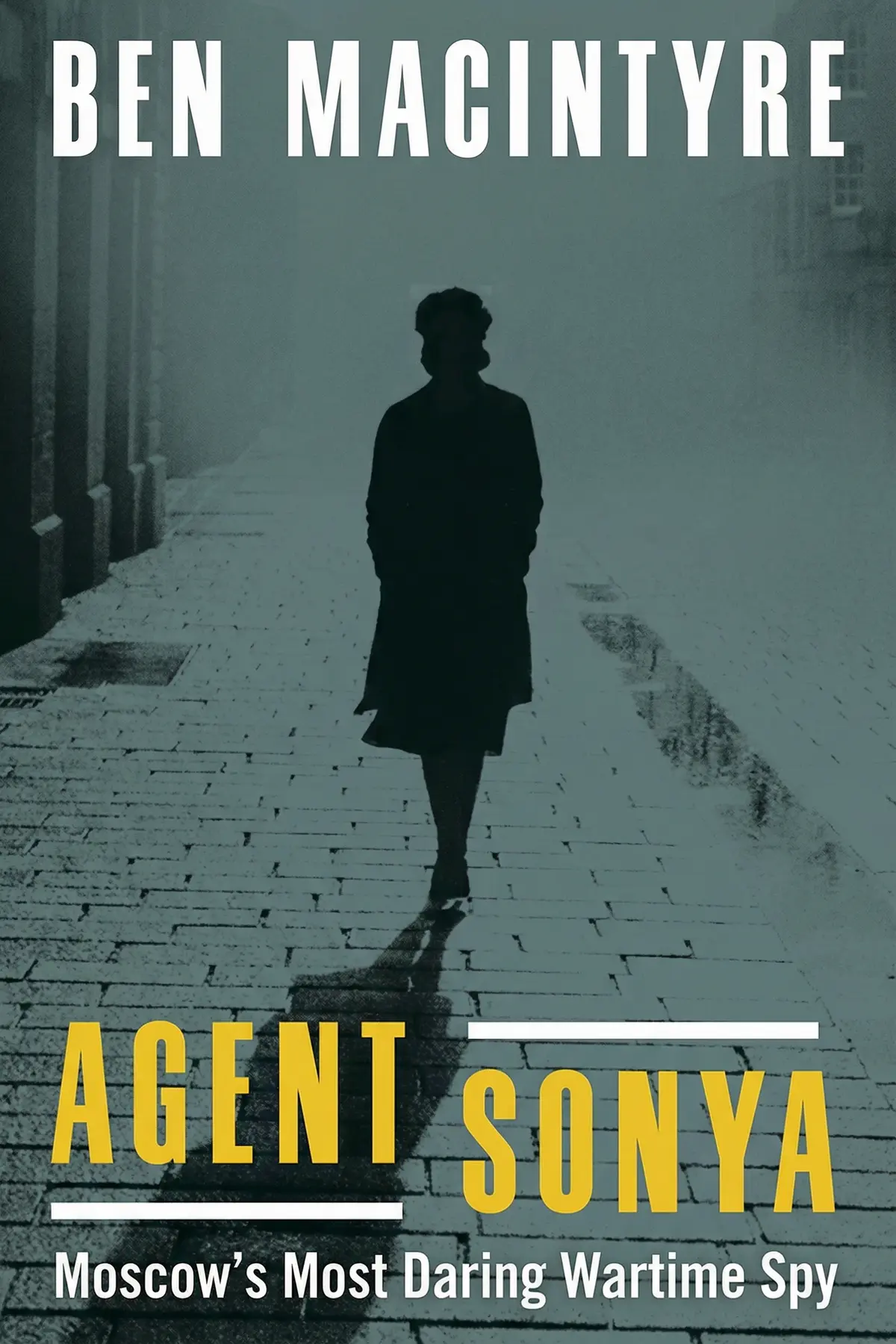
Agent Sonya: Moscow’s Most Daring Wartime Spy
Ben Macintyre
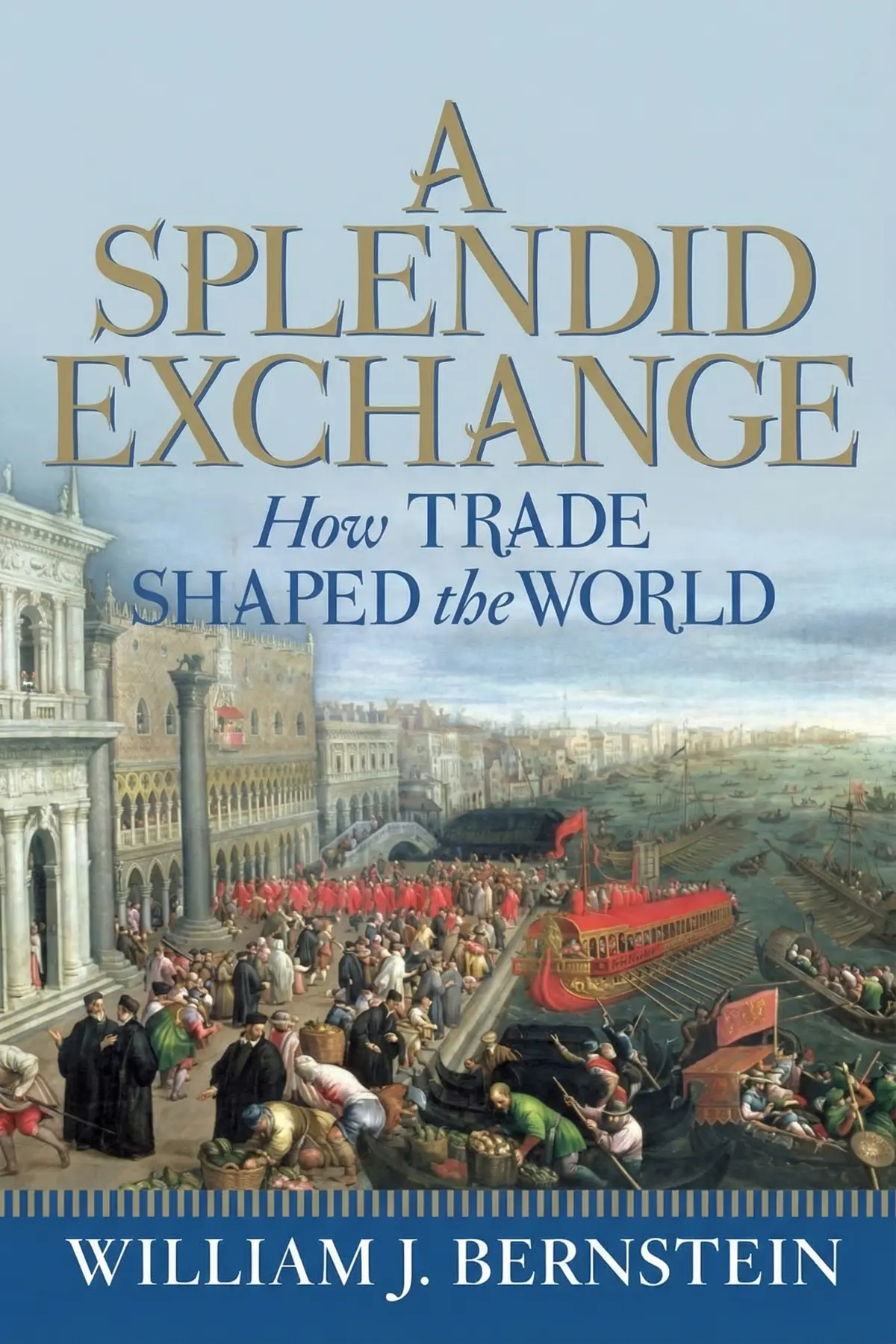
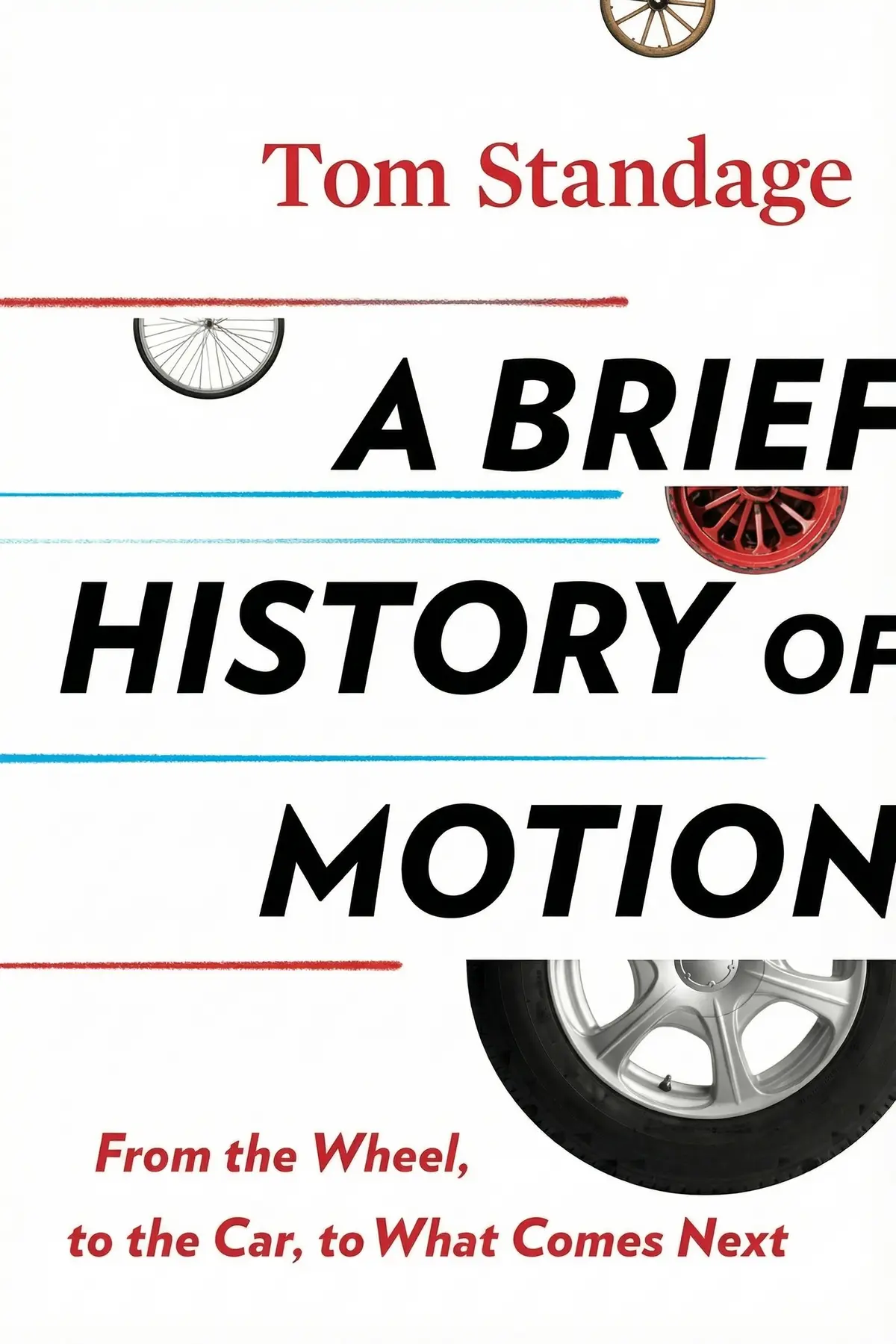
A Splendid Exchange: How Trade Shaped the World
William J. Bernstein
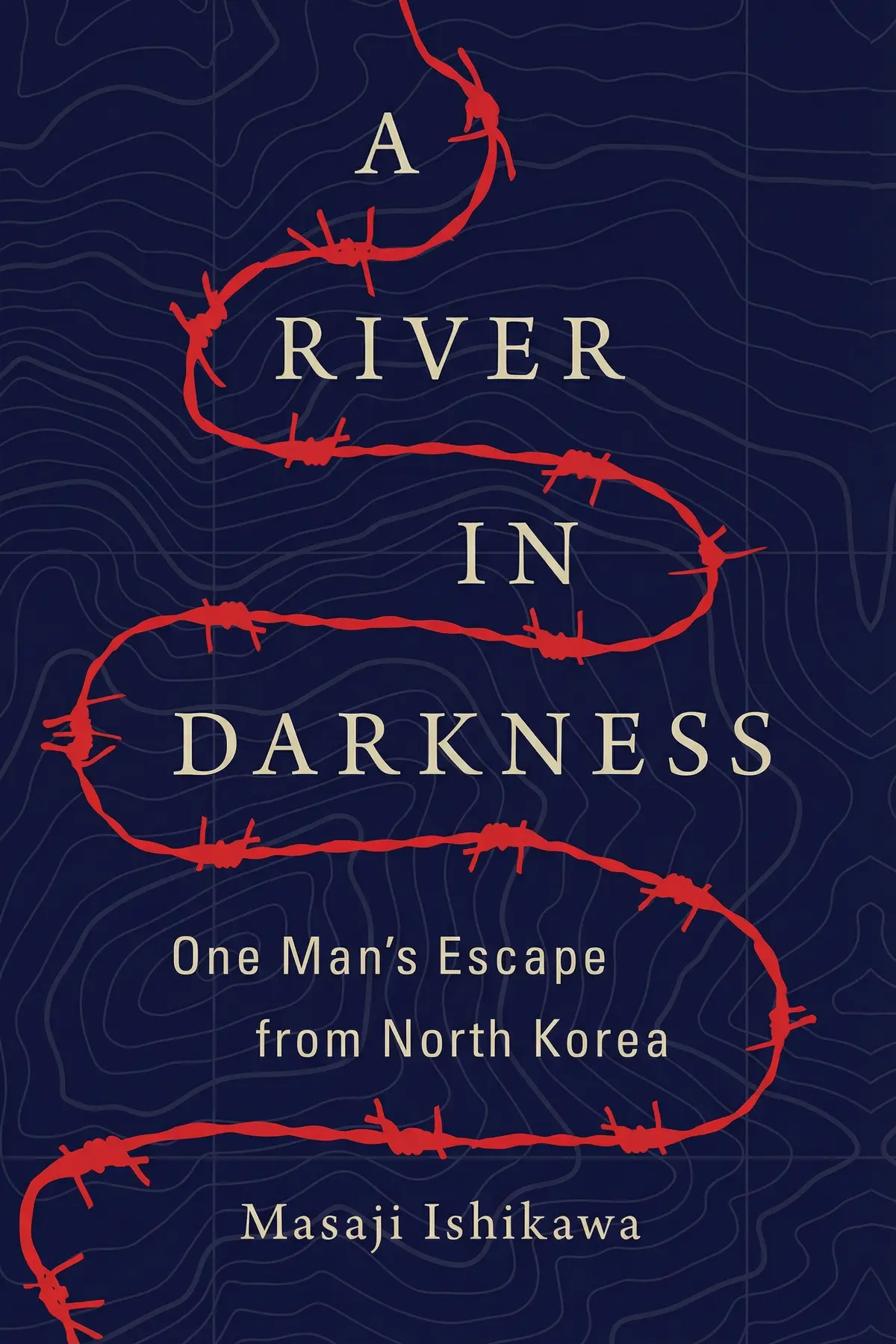
A River in Darkness: One Man’s Escape from North Korea
Masaji Ishikawa
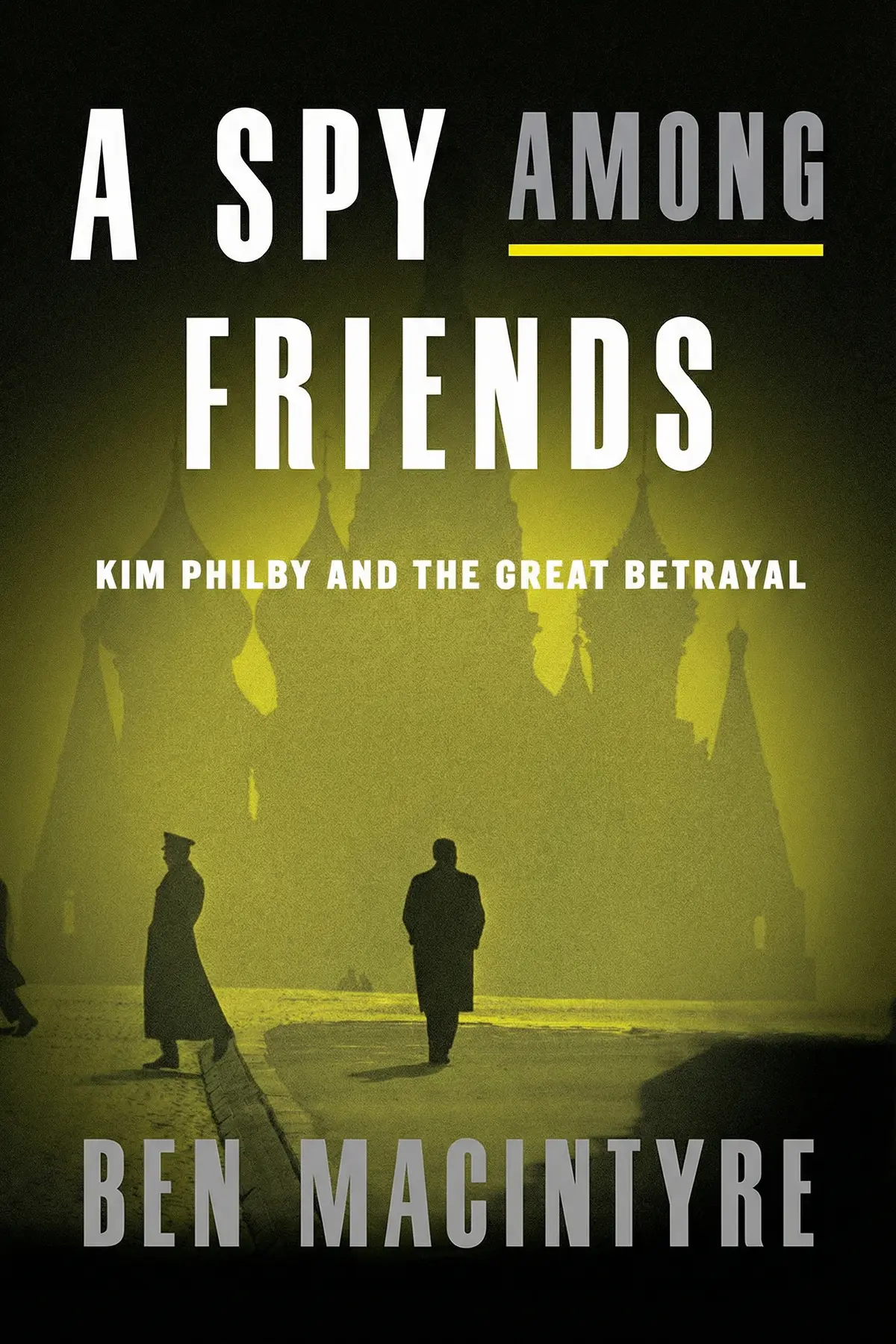
A Spy Among Friends: Philby and the Great Betrayal
Ben Macintyre
AUDIO SUMMARY AVAILABLE
Listen to The Fate of the Day in 15 minutes
Get the key ideas from The Fate of the Day by Rick Atkinson — plus 5,000+ more titles. In English and Thai.
✓ 5,000+ titles
✓ Listen as much as you want
✓ English & Thai
✓ Cancel anytime







