
17 min 25 sec
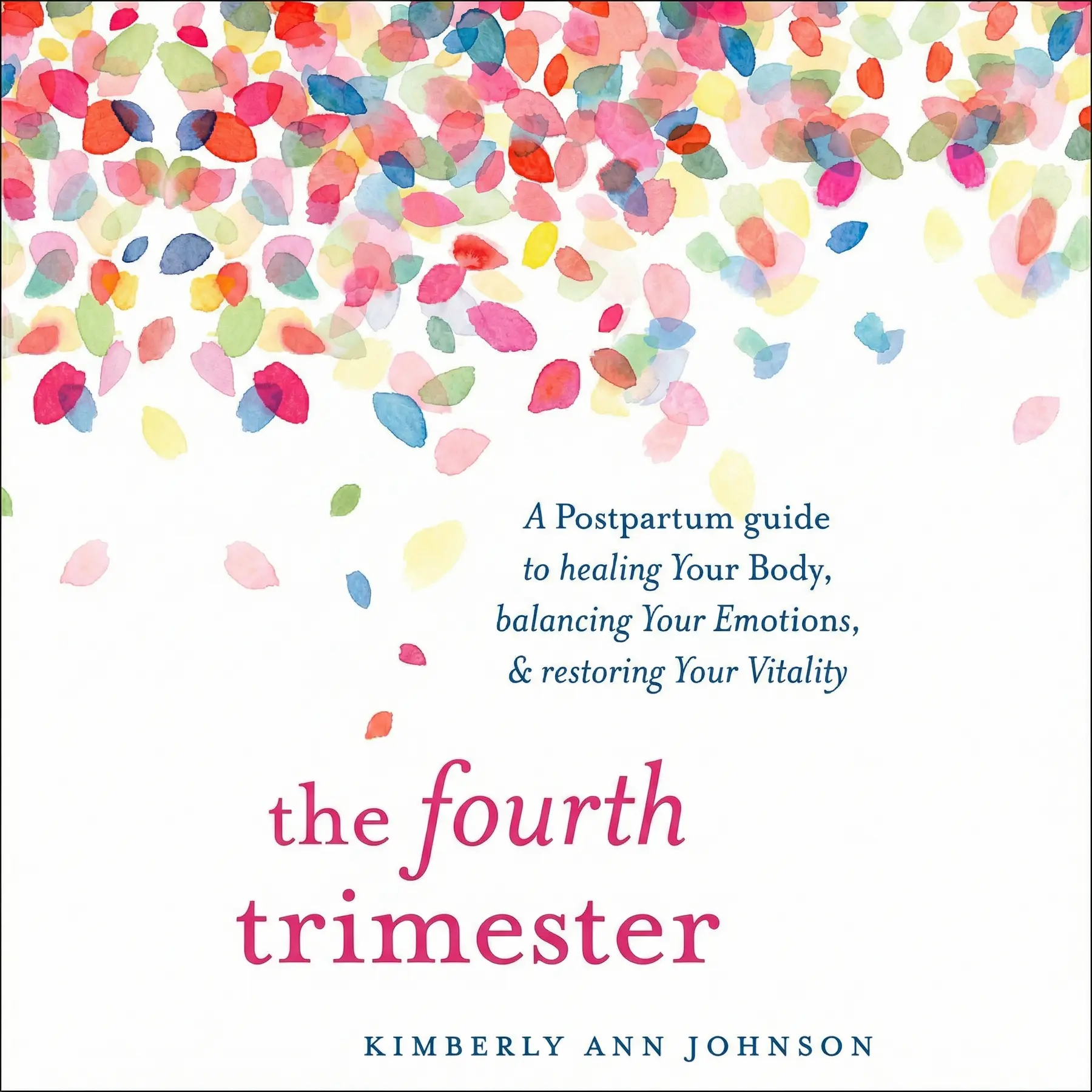
The Fourth Trimester: A Postpartum Guide to Healing Your Body, Balancing Your Emotions, and Restoring Your Vitality
Discover a holistic approach to postpartum recovery that honors the first three months after birth. Learn to heal your body, balance your emotions, and restore your vitality through ancient wisdom and practical planning.
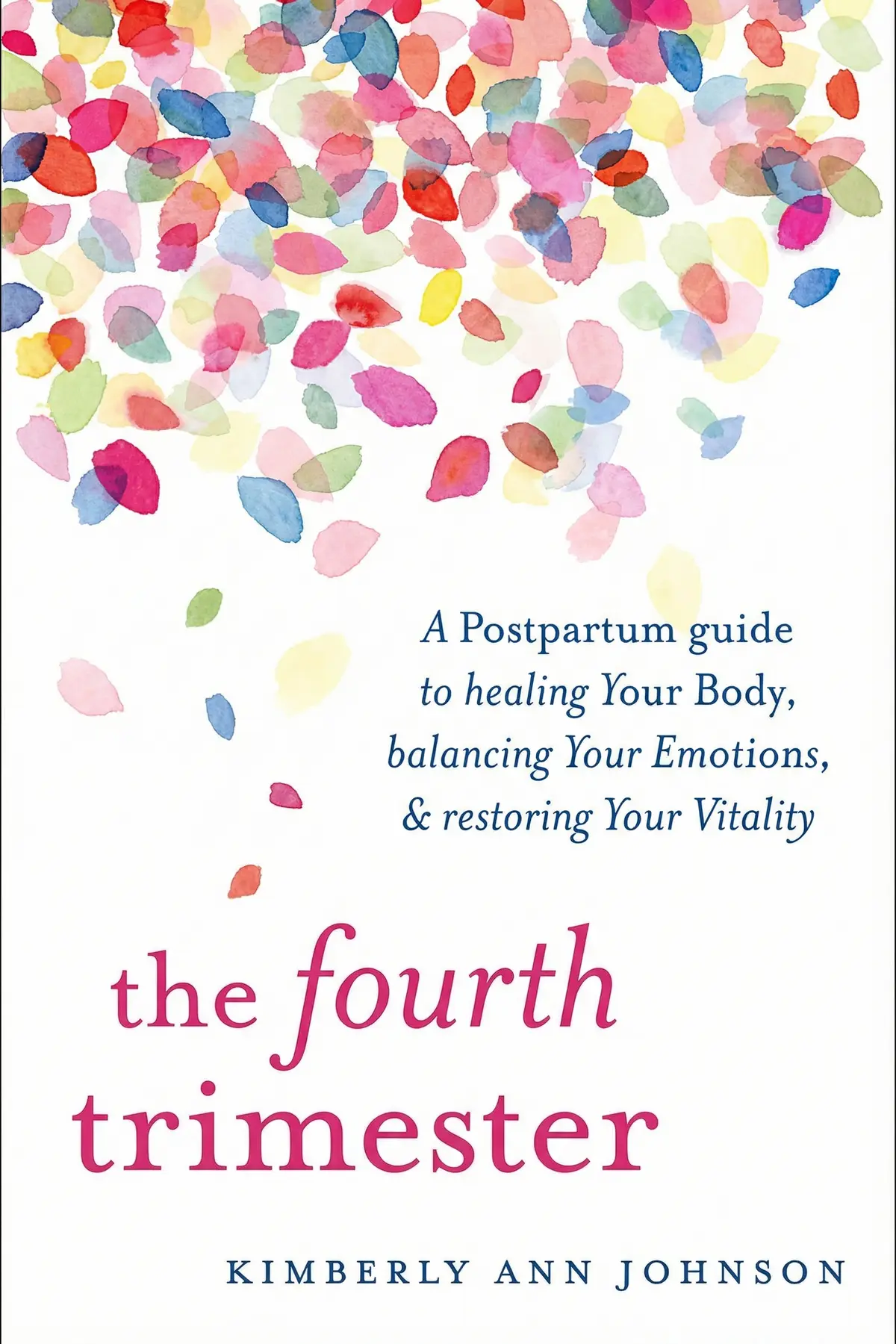
Table of Content
1. Introduction
1 min 44 sec
For many women, the weeks following the arrival of a new baby are a blur of joy, exhaustion, and overwhelming change. Society often points toward a specific milestone: the six-week checkup. At this point, a medical professional typically clears the mother to resume her normal life, including exercise and intimacy. However, there is a significant gap between being medically cleared and feeling truly whole. This discrepancy highlights a fundamental misunderstanding of the postpartum period. The transition into motherhood isn’t a quick bounce-back; it is a profound transformation that requires its own dedicated season of healing.
This is where the concept of the fourth trimester comes in. Rather than viewing recovery as a brief six-week hurdle, it is more accurate and beneficial to see the first three months after birth as a distinct phase of development—not just for the infant, but for the mother as well. Unfortunately, while prenatal care is exhaustive, the support systems available once the baby is born are often sparse. This creates a vacuum where mothers are left to navigate complex physical and emotional shifts on their own.
In the following sections, we will explore how to reclaim this time. We will look at why a structured recovery plan is essential and how ancient wisdom can inform modern healing. We will move through the physical preparations for birth and the emotional recalibrations that follow, eventually arriving at a place where a woman can restore her vitality and sense of self. The goal is to move from a state of mere survival into a state of thriving, ensuring that the foundation of motherhood is built on health, support, and deep self-care.
2. The Postpartum Sanctuary Plan
3 min 18 sec
Traditional cultures prioritize the first forty days after birth, focusing on a mother’s long-term health. Discover how creating a dedicated sanctuary plan can ensure you receive the rest and nourishment needed to recover fully.
3. Physical Preparation for the Birthing Journey
2 min 38 sec
Preparing for the fourth trimester actually begins during pregnancy. Learn how specific physical practices can minimize birth trauma and set the stage for a smoother, faster recovery period.
4. The Emotional Landscape of New Motherhood
2 min 50 sec
The bond between mother and baby remains deeply fused long after the cord is cut. Explore how to navigate complex emotions and achieve a sense of closure after the birthing experience.
5. Restoring Vitality with Ancient Wisdom
2 min 37 sec
Modern recovery often stops at the physical, but true vitality requires energetic balance. Discover how concepts like Yin and Yang and ‘mother warming’ can help rebuild your strength.
6. Reclaiming the Self Beyond the Fourth Trimester
2 min 56 sec
As the initial three months conclude, a new phase of restructuring begins. Learn the proper timelines for exercise and how to rediscover your sexual self with patience and grace.
7. Conclusion
1 min 22 sec
The journey through the fourth trimester is a bridge between the life you knew and the life you are building as a mother. It is a season that demands as much respect, preparation, and care as the nine months that preceded it. By rejecting the myth of the ‘six-week bounce-back’ and embracing a longer, more holistic view of recovery, you give yourself the gift of true healing. We have explored the necessity of a sanctuary plan, the importance of nourishing the body with warmth and rest, and the value of processing the emotional depths of the birthing experience.
As you move forward, remember that your well-being is the foundation upon which your child’s health is built. To care for your baby effectively, you must first be cared for yourself. Whether that means asking for help with a meal train, seeking out bodywork, or simply giving yourself permission to stay in bed for those first few weeks, these acts are not luxuries—they are essentials. By honoring the needs of your body, mind, and spirit during this delicate transition, you ensure that you emerge from the fourth trimester not just as a mother, but as a woman who is vital, connected, and strong. Take this time to flourish, knowing that a well-supported mother is the greatest start a child can have.
About this book
What is this book about?
The period following childbirth is often overlooked in modern society, with mothers expected to return to their normal lives just weeks after delivery. This summary explores the concept of the Fourth Trimester, a critical three-month window for a woman’s physical and emotional recovery. It provides a comprehensive roadmap for navigating this transition, focusing on the essential needs of rest, nutrition, and support. By drawing on both physiological insights and traditional practices, the book offers tools for creating a postpartum sanctuary. It covers everything from preparing the body for birth to reclaiming one's sexuality and energy long after the baby arrives. The promise of this guide is to move beyond the narrow focus on postnatal depression, offering a broader vision of wellness that allows new mothers to flourish alongside their newborns.
Book Information
About the Author
Kimberly Ann Johnson
Kimberly Ann Johnson is a sexological bodyworker, birth doula, and educator who offers practical guidance to women during their postpartum journeys. She has authored four books that provide an inside look into the physical, emotional, mental, and spiritual impacts of birth and motherhood.
Ratings & Reviews
Ratings at a glance
What people think
Listeners find this postpartum guide to be a comprehensive and indispensable resource, packed with useful advice and an all-encompassing perspective on care. The text provides a roadmap for managing the shift into motherhood and assists in grasping the period following birth, while honoring emotional well-being and spiritual foundations. Listeners value the empowering tone, with one noting how it encourages community support, and find it stimulating, with one highlighting its focus on psychological elements of the fourth trimester.
Top reviews
Anna
Finally, someone is talking about the mental aspects of the fourth trimester with real depth and compassion! I received this as a gift and it has become my absolute go-to recommendation for any expecting friend because it centers the woman’s experience so beautifully. While everyone else is obsessed with swaddles and sleep training, Johnson reminds us that the mother’s healing is the foundation of the whole family. It matters. The chapters on navigating relationship shifts and rediscovering intimacy were particularly enlightening and frankly overdue in the parenting book world. Not gonna lie, some of the more 'earth mother' language took me a minute to get used to, but the core wisdom is undeniable. It provides a thorough roadmap for a period that most of us just try to 'survive.' This helped me value my own emotional realm. Truly an essential piece of the puzzle.
Show moreValentina
As someone who felt completely lost after my first birth, this book was a revelation. Kimberly Ann Johnson offers a perspective that is missing from almost every other parenting book on the shelf. She focuses on the mother’s vitality and health with a level of empathy that brought me to tears. It’s a very thorough guide that values the emotional and spiritual realms of motherhood without being totally disconnected from reality. I loved the sections on pelvic health and reclaiming your body after such a massive transition. Not gonna lie, if you’re strictly into clinical, data-driven books, the 'woo-woo' language might grate on your nerves. But if you’re looking for something that feels like a warm embrace and a call to honor yourself, this is it. It truly helped me set up a transition plan that prioritized my own healing alongside my baby’s needs.
Show moreSue
This guide focuses heavily on the mother’s recovery, which is a breath of fresh air compared to most baby-centric manuals. I loved the holistic approach to healing and the emphasis on building a village during that vulnerable transition to motherhood. The author provides a thorough framework for physical and emotional care, touching on everything from pelvic floor health to setting boundaries with family. It's a lot. Actually, some parts felt a bit too 'woo-woo' for my pragmatic brain, especially the sections involving spiritual energy. However, the practical advice on nourishing foods and resting rituals made it worth the read. It’s definitely a book to pick up while you're still pregnant so you can have your support system in place before the exhaustion hits. I wish the structure was more organized with checklists, but the message remains deeply empowering.
Show moreSamuel
Picked this up on a whim after a friend mentioned the 'five pillars' concept. I really didn’t think I’d like it because I’m not usually into the 'mother earth' vibe, but I was surprised by how much I learned. It’s one of the few books that treats the postpartum period as a major life transition rather than just a recovery from a medical event. I liked that. The emphasis on community support and physical touch, like massage and belly binding, was really eye-opening for me. Gotta say, the author does get a little repetitive about her own birth story, and the formatting could be much tighter. I would have loved more checklists or time tables to make the planning easier. Still, the focus on the mother's mental health and the importance of rest is something every pregnant woman needs to hear. It’s a solid resource for a more holistic approach.
Show moreManee
The chapter on Sexological Bodywork was a bit of a curveball, but the rest of the book offers some solid gold for new mamas. I appreciated how exhaustive the author was in covering topics that are usually brushed over, like pelvic floor integrity and the mental load of early parenting. It’s a very spiritually based guide, which I found thought-provoking even if I didn't agree with every single 'mother earth' sentiment. The truth is, we don't talk enough about the physical toll of birth, and Johnson refuses to sugarcoat that reality. My only real gripe is that the exercises occasionally felt poorly explained. I actually tweaked my back trying one of the movement suggestions! Still, the overarching message about the importance of community and deep rest is something I’ll carry with me. It’s a great resource for anyone who wants a more holistic, empowered approach.
Show moreNit
You have to be willing to eat the meat and spit out the bones with this one. About half the content was incredibly valuable—specifically the sections on warming foods and the physiological need for rest—while the other half felt like an odd collection of New Age theories. I appreciated the inclusivity of different birth experiences, but the lack of a clear, organized to-do list made it hard to extract the 'meat' sometimes. Look, the author’s personal story is moving, though it does ramble on a bit too long in the beginning. I also found the stance on certain topics, like the vegetarianism comments, to be confusingly wishy-washy rather than helpful. It’s a thought-provoking read if you can filter through the 'Sexological Bodywork' tangents. Not a perfect guide. Still, it sparked some important conversations with my partner about our postpartum plan.
Show moreEarn
Ever wonder why nobody tells you what happens to your body after the baby arrives? This book tries to answer that, but I made the mistake of reading it when I was already six weeks postpartum. It is definitely designed to be read during the third trimester so you can actually implement the suggestions. Some of the tips, like the specific warming foods and the reflection questions, were quite helpful for my emotional processing. However, the organization is a bit of a mess. I found myself flipping back and forth trying to find the 'how-to' parts amidst all the community stories and new-age terminology. In my experience, the author’s tone can be a little discouraging at times, making birth sound like an inevitable disaster. In conclusion, it's a mixed bag. Some really enlightened nuggets of wisdom are buried under a lot of fluff.
Show moreTod
Wow, I really wanted to love this, but it was a bit of a frustrating experience. The author spends so much time on her own story that the actual advice feels secondary and buried under piles of anecdotes. I was looking for a clear, organized guide with to-do lists and timelines, but instead, I got a lot of vague theories. In reality, the sections on the importance of rest are great, but the stance on things like breastfeeding and diet felt wishy-washy. One minute she’s talking about birth injuries, and the next she’s telling you that 'any way you do it is great.' It lacks the kind of direct, expert opinion I was hoping for. Plus, some of the exercises she suggests were just ineffective for me and felt like more filler. There are some good nuggets here, but be prepared to dig through the 'Goop-lite' vibes to find them.
Show morePaiboon
After hearing great things about this resource, I was disappointed by the surprisingly negative tone that permeated the chapters. Instead of feeling empowered about my upcoming birth, I found myself spiraling into anxiety about potential injuries and 'brokenness.' It was exhausting. Kimberly Ann Johnson is clearly knowledgeable, but her background in sexological bodywork results in some very specific, often uncomfortable, advice that didn't resonate with me. To be fair, the section on the 'five pillars' of postpartum health has some merit, yet the delivery feels like a bizarre mix of pseudoscience and anecdotal fear. It felt like I was being warned about every possible complication rather than being encouraged in my body's natural resilience. If you are prone to health anxiety, you might want to skip certain chapters. I ended up abandoning it halfway through.
Show moreRosa
I'm just going to say it: this felt like the Goop version of a pregnancy book. It’s a strange concoction of Western entitlement and Eastern pseudoscience that often borders on fearmongering about birth trauma. The author’s training in sexological bodywork leads to some deeply awkward sections that felt entirely irrelevant to my needs as a new parent. Yikes. To be fair, the section on the five pillars of postpartum health has some merit, but the lack of scientific backing for the more 'spiritual' claims made it hard to take seriously. There’s no real structure here—just long-winded anecdotes and exercises that actually made my back hurt. Instead of feeling empowered, I felt like I was being lectured on why my lifestyle choices might lead to physical failure. If you want a book that tells you it's okay to fail without giving actual medical facts, this is for you.
Show moreReaders also enjoyed


AUDIO SUMMARY AVAILABLE
Listen to The Fourth Trimester in 15 minutes
Get the key ideas from The Fourth Trimester by Kimberly Ann Johnson, plus 5,000+ more titles in English and Thai.
- 5,000+ titles
- Listen as much as you want
- 7-day free trial
- Cancel anytime







