
26 min 14 sec
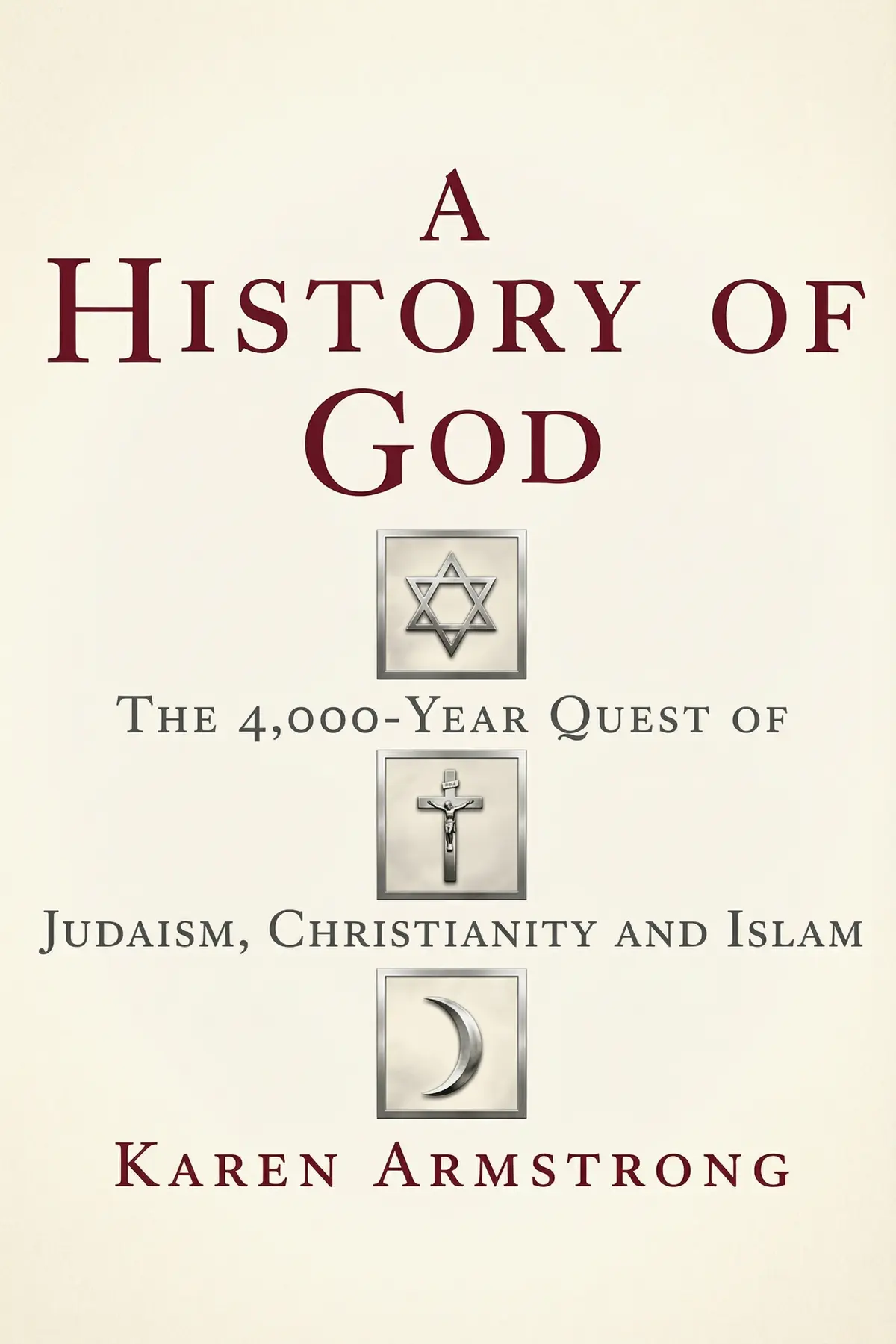
The Grid: The Fraying Wires Between Americans and Our Energy Future
The Grid explores the massive, aging infrastructure powering North America. It details the history of electricity, the rise of monopolies, and the urgent need for a more resilient, decentralized energy future.
Table of Content
1. Introduction
1 min 46 sec
Think for a moment about the invisible force that makes your current life possible. Whether you are listening to this on a smartphone, a laptop, or through speakers in your car, you are tapping into the largest machine ever constructed by human hands. This machine is the grid. It is a sprawling, continental-scale web of wires, transformers, and power plants that spans the United States and stretches into parts of Canada and Mexico. It is so vast and so integrated into our daily routines that we usually only notice it when it stops working. But beneath the surface of our modern convenience lies a system that is increasingly fragile, an antique infrastructure designed for a world that no longer exists.
To understand the grid is to understand the history of how we conquered the dark and how we became dependent on a constant flow of electrons. Today, that flow comes primarily from traditional sources like natural gas, coal, oil, and nuclear power. We have tried to integrate greener alternatives, but the transition is anything but simple. The weather is unpredictable, and our grid was built for the steady, reliable burn of fossil fuels, not the intermittent gusts of wind or the passing shadows of clouds over solar panels.
In this exploration, we are going to pull back the curtain on this massive artifact. We will look at its origins, from a single light in a priest’s window to the corporate empires that carved up the map. We will examine why the system is starting to fray at the edges and what the future might look like as we move toward a more resilient, decentralized way of powering our world. By understanding where the grid came from, we can better see the path forward toward a sustainable and secure energy future.
2. The Birth of the Electric Light
2 min 48 sec
Discover how the very first electric grids emerged from simple experiments and how a crucial engineering breakthrough prevented localized failures from plunging entire cities into darkness.
3. The War of Currents and the Rise of AC
2 min 38 sec
Explore the chaotic early days of urban electrification and how the discovery of alternating current allowed power to travel across vast distances for the first time.
4. The Impossible Product and the Vision of Samuel Insull
2 min 51 sec
Learn about the unique challenges of selling electricity—a product that cannot be stored—and how one businessman revolutionized the industry to create a monopoly.
5. The Era of Centralized Empires
2 min 21 sec
See how individual power companies stopped competing and started collaborating to divide the nation into massive, regulated energy territories.
6. Hitting the Wall of Efficiency
2 min 19 sec
Uncover the physical limits of coal power and how the 1973 oil embargo shattered the dream of ever-cheaper electricity.
7. The Rise of Conservation and the End of Monopoly
2 min 26 sec
Witness the cultural and legislative shift of the 1970s that turned energy saving into a national duty and began to dismantle the power of big utilities.
8. A System Under Strain
2 min 24 sec
Examine the unintended consequences of deregulating the energy market and how an aging infrastructure led to a multi-billion dollar disaster in 2003.
9. The Intelligence of the Smart Grid
2 min 23 sec
Explore the promise and the privacy pitfalls of digital energy monitoring, and how ‘smart’ technology helps utilities manage the hazards of peak demand.
10. Resilience through Decentralization
2 min 41 sec
Learn why the future of energy might lie in ‘islanding’ and how small, local microgrids are becoming the ultimate defense against extreme weather.
11. Conclusion
1 min 37 sec
The electrical grid is perhaps the most significant and complex artifact of the American experience. It began as a series of disconnected, localized experiments to conquer the darkness and grew into a massive, continental monopoly that powered the rise of the modern middle class. But the history of the grid is also a history of limits. We have hit the physical walls of coal efficiency, the geopolitical walls of oil dependence, and the structural walls of an aging infrastructure that was never designed for the digital age or the realities of climate change.
As we have seen, the path forward is not found in simply building more of the same. The future of energy lies in a fundamental reimagining of what the grid actually is. We are transitioning from a centralized, one-way system of production and consumption to a decentralized, intelligent, and resilient network. The rise of smart technology and the proliferation of microgrids represent a shift toward local control and diversification.
What this means for you is a change in your relationship with energy. We are moving from being passive consumers to active participants in a dynamic system. By embracing conservation, supporting the development of resilient local infrastructure, and understanding the complex trade-offs of digital monitoring, we can help build a system that is prepared for the challenges of the twenty-first century. The wires between us may be fraying, but by rethinking how we deliver and use energy, we can ensure that the light stays on for generations to come.
About this book
What is this book about?
The Grid examines the sprawling and often invisible machinery that defines modern life: the electrical network. It traces the journey from the first localized light systems to the continental-scale monopoly-driven behemoth we rely on today. The book reveals how a system designed for a different era is now struggling under the weight of outdated technology, regulatory shifts, and the unpredictable nature of renewable energy. Gretchen Bakke explains the critical challenges facing this aging infrastructure, from the physics of coal efficiency to the economic hurdles of energy storage. You will learn about the pivotal moments that shaped the industry, including the 1970s energy crisis and the 2003 blackouts. Ultimately, the book offers a vision for a more stable future through smart technology and microgrids, promising a deeper understanding of how we can fix the fraying wires that connect us all.
Book Information
About the Author
Gretchen Bakke
Gretchen Bakke is a cultural anthropologist with a PhD from the University of Chicago. She is currently an assistant professor of anthropology at McGill University in Montreal, Canada and is the author of the book Anthropology of the Arts.
Ratings & Reviews
Ratings at a glance
What people think
Listeners describe this book as a well-researched and informative read, specifically valuing its historical outlook and lucidity regarding grid concepts. The narrative is also noted for being driven and captivating, making it a highly interesting history book. That said, the prose style draws varied opinions; while some find the writing excellent, others believe it is a bit wordy. The educational content about the grid also sees mixed reviews, with some valuing the insights into grid problems while others find the information repetitive.
Top reviews
Sumalee
Picked this up expecting a dry technical manual, but Bakke actually tells a gripping story about how we ended up with such a fragile energy system. I never realized that the grid is essentially a giant, just-in-time delivery machine where production must perfectly match consumption every single second. The historical transition from Edison’s direct current to the massive monopolies of the 1920s was particularly eye-opening for a history buff like me. While it’s true the author is an anthropologist rather than an engineer, that perspective helps ground the "why" behind our current regulatory mess. It makes you realize that the wires over our heads are more about law and business logic than just physics. Highly recommended for anyone who wants to understand why our lights stay on—or why they sometimes don't.
Show moreSebastian
Ever wonder why America has so many more outages than Germany or Japan? This book provides a staggering answer. Bakke explains that our grid is a patchwork of legacy systems held together by outdated laws and corporate inertia. I was fascinated by the "Cardigan Path" and how cultural shifts toward conservation actually broke the traditional business model for utilities. The writing is punchy and purposeful, turning a seemingly boring topic into a page-turner about national security and the future of the planet. It’s rare to find a non-fiction book that makes you look at every telephone pole and substation with a newfound sense of awe and dread. Absolutely essential reading for anyone interested in the green energy transition.
Show moreOrawan
It’s rare to find a book that completely changes how you view a mundane part of your everyday life. Bakke’s exploration of the American Zeitgeist through the lens of electricity is brilliant. She shows how the desire for independence is driving people toward nano-grids and home storage, potentially leaving the poorest Americans to foot the bill for an aging, centralized system. The story about the woman who threatened to shoot a utility worker over a wireless meter was a perfect illustration of the tension between private property and public infrastructure. The book is well-written and deeply researched, making a compelling case that our energy future is as much about sociology as it is about technology. Five stars for the sheer scope of the narrative.
Show moreWitthaya
As someone who isn't an engineer, I appreciated how Bakke translated the complexities of power transmission into something relatable. She treats the grid not just as a collection of wires, but as a living human ecosystem that reflects our changing values. The sections on the 2003 blackout were genuinely terrifying, highlighting how a single line of computer code or an unpruned tree can cascade into a multi-billion dollar disaster. I did notice that some of the data regarding solar growth seems a bit dated now, which is the risk of writing about technology in 2016. Still, the core message about the "holy grail" of storage remains incredibly relevant today. It’s a thoughtful look at the invisible architecture of modern life.
Show moreTern
Bakke offers a fascinating, if occasionally dense, look at the literal wires that connect us all. I particularly enjoyed the chapters on how the military is leading the way with microgrids in places like Afghanistan to avoid the dangers of fuel convoys. It’s a strange irony that the most conservative institution in the country is the one driving some of the most radical shifts toward renewable independence. My only real gripe is that the book is quite wordy and could have used a much tighter edit to remove the repetitive explanations of how AC current works. However, the insights into the 1970s regulatory shifts that still haunt us today are worth the effort. It’s a high-level overview that manages to be both informative and entertaining.
Show moreMilk
Finally got around to reading this and I’m glad I did, even if it’s a bit of a slow burn in the middle. The central thesis—that our grid is too rigid for the chaotic nature of renewable energy—is presented with great clarity. I loved the deep dive into why we can’t just "plug in" more wind farms without risking a total system collapse. It’s a sobering reminder that the transition to a greener future isn’t just about making better solar panels; it’s about rebuilding the entire backbone of our country. Some of her predictions about EVs feel a bit pessimistic in hindsight, but the overarching structural issues she describes are still very much front-page news. It’s a smart, well-researched book that rewards patient readers.
Show moreLadawan
After hearing a podcast interview with Gretchen Bakke, I had to see if the book lived up to the hype. For the most part, it does. She has a way of making the history of 1925 utility laws feel like a high-stakes drama. I was particularly struck by the discussion of the "holy grail"—storage—and how the lack of it essentially keeps us tethered to fossil fuels regardless of how many wind turbines we build. The book is a bit repetitive, and I agree with other reviewers that it's probably a hundred pages too long, but the information is so vital that I didn't mind too much. It’s a great pick for a book club because there are so many political and economic layers to peel back. Definitely worth a read.
Show moreTanawan
This book felt like a brilliant 30-page magazine article that someone accidentally stretched into a 300-page book. Bakke has some incredible insights regarding the "fraying" of American infrastructure and the unique challenges of integrating wind and solar into a system designed for coal. However, the repetition becomes exhausting after a while, and the lack of maps or diagrams makes some of the more complex geographical distribution points hard to visualize. To be fair, her writing is engaging and she has a knack for metaphors, but I found myself skimming the middle chapters just to get to the conclusions. It’s a solid introduction for a layperson, but if you’re looking for a deep dive into the actual engineering, you might find the cultural focus a bit too fluffy.
Show moreMalee
Look, I really wanted to love this, but the presentation is just so dry in places. While the history of the early 20th-century monopolies was genuinely interesting, the book lacks the visual aids—maps, charts, or even basic diagrams—that would have made the smart grid concepts easier to grasp. It feels like an academic thesis that was polished for a general audience but didn't quite lose its verbose, scholarly weight. I also found the author’s tone a bit strange; she oscillates between being incredibly informative and oddly dismissive of the engineers actually working on these problems. It’s a decent primer for the uninitiated, but if you have any existing background in energy, you’ll probably find yourself wishing for more technical substance.
Show moreRotjanee
The core problem here is that the author’s background in anthropology leads to some very sweeping, unsubstantiated conclusions about the industry. I was looking for a rigorous analysis of grid stability, but instead, I got a lot of snarky commentary about "stodgy" executives and "lefty Northwesterners" who want toast but hate power lines. Her dismissal of the technical challenges faced by utility companies feels unfair, especially when she glosses over the actual physics involved in voltage regulation. Frankly, the tone felt a bit condescending toward the people who actually keep the lights on. It’s a well-researched book in terms of history, but the lack of scientific rigor and the absence of a formal bibliography make it hard to take the more apocalyptic predictions seriously.
Show moreReaders also enjoyed

A History of Iran: Empire of the Mind
Michael Axworthy
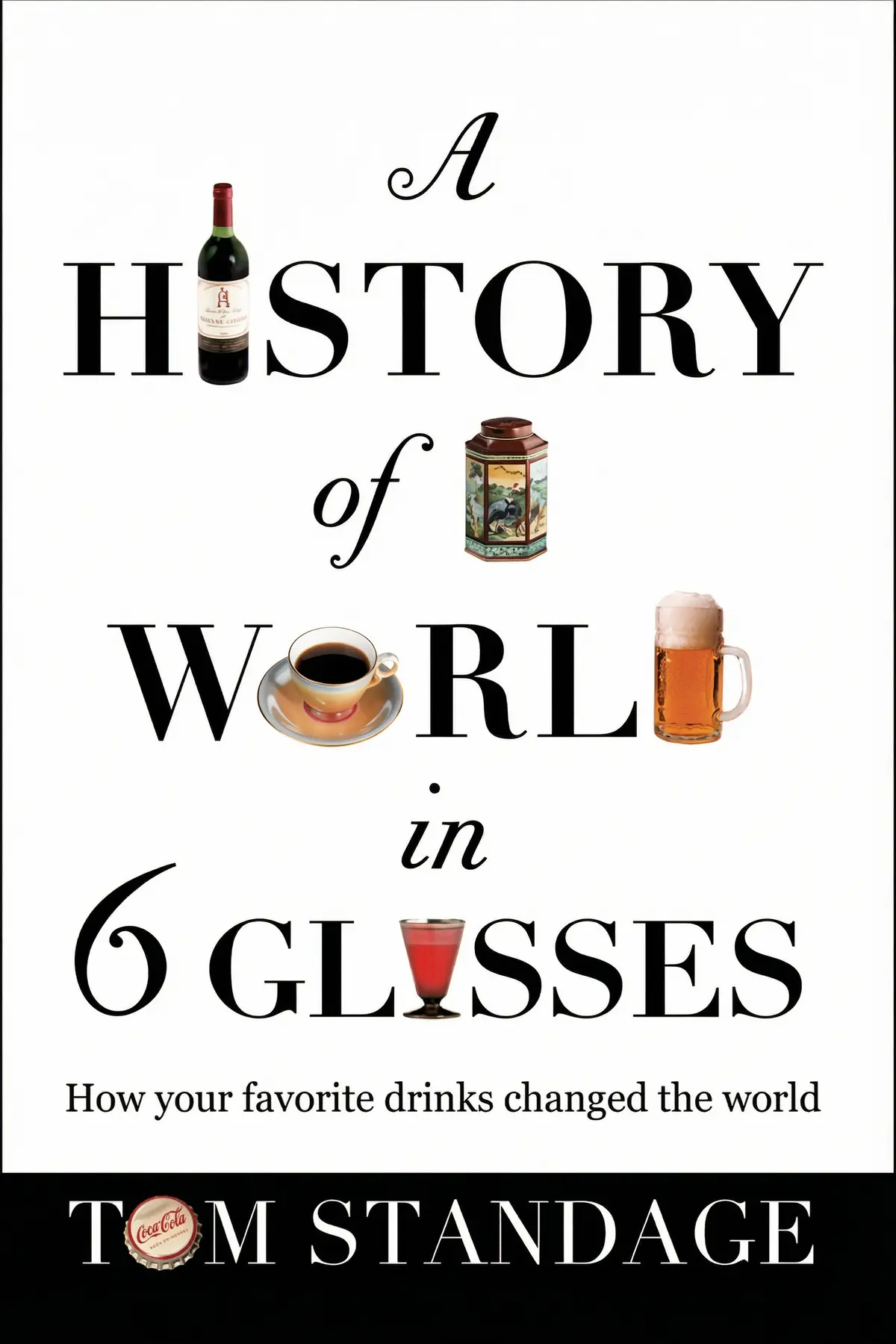
A History of the World in 6 Glasses
Tom Standage

21 Lessons for the 21st Century
Yuval Noah Harari

A Long Way Gone: Memoirs of a Boy Soldier
Ishmael Beah

AUDIO SUMMARY AVAILABLE
Listen to The Grid in 15 minutes
Get the key ideas from The Grid by Gretchen Bakke, plus 5,000+ more titles in English and Thai.
- 5,000+ titles
- Listen as much as you want
- 7-day free trial
- Cancel anytime







