
24 min 42 sec
The Happiness Project: Or, Why I Spent a Year Trying to Sing in the Morning, Clean My Closets, Fight Right, Read Aristotle, and Generally Have More Fun
Follow a transformative year-long experiment designed to boost personal joy. Through practical resolutions and small daily shifts, learn how to elevate your mood, strengthen relationships, and find deeper satisfaction in your existing life.
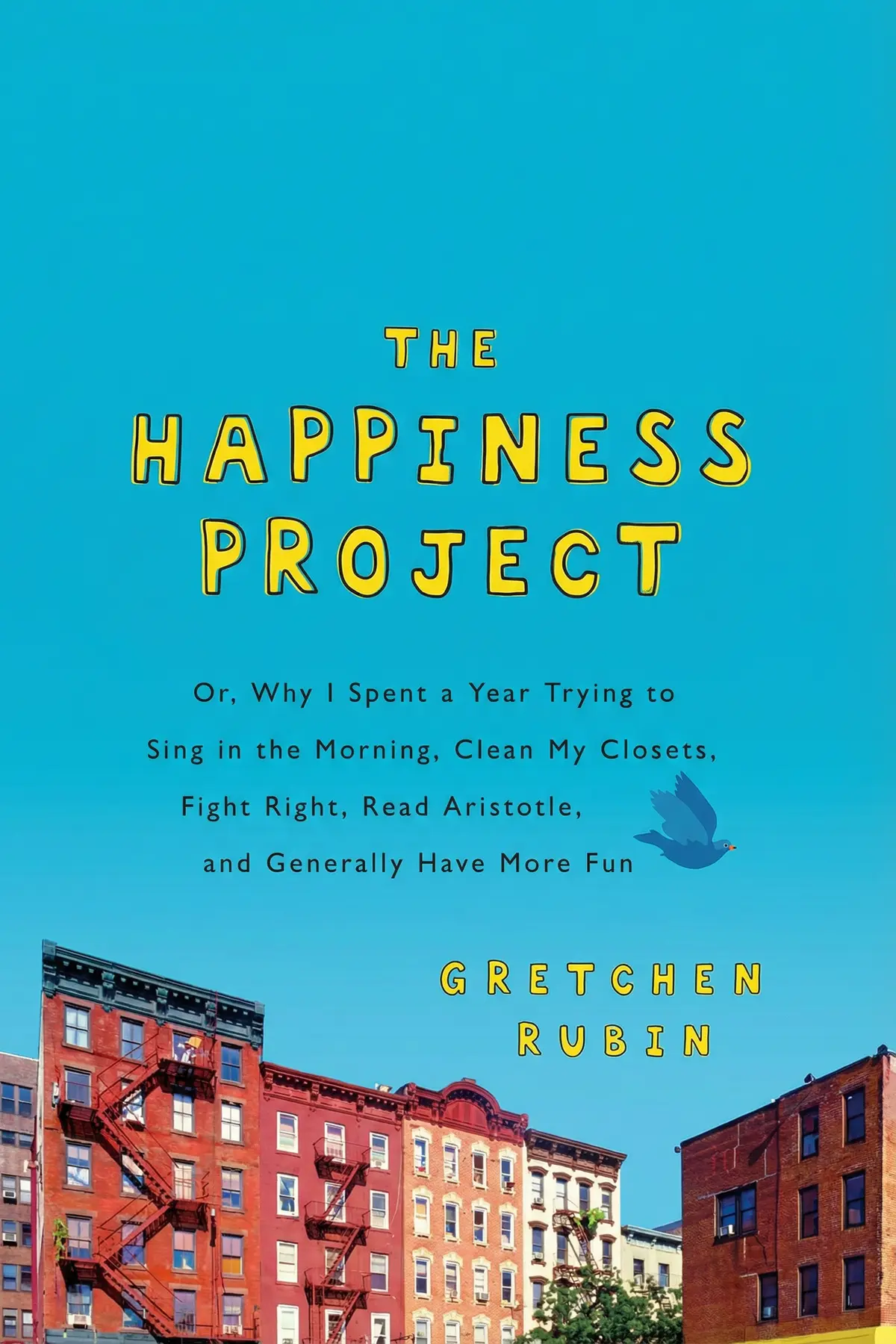
Table of Content
1. Introduction
2 min 07 sec
For as long as humans have been capable of reflection, we have wrestled with a singular, profound question: what does it mean to be truly happy? Throughout history, thinkers of all stripes have attempted to define this state of being. The philosopher Aristotle famously referred to happiness as the ‘summum bonum’—the ultimate good toward which all other human actions strive. He argued that it wasn’t just a fleeting emotion, but the very purpose of our existence. Yet, despite centuries of contemplation, many of us still find ourselves wondering how to actually grasp it in our modern, busy lives.
This is the starting point for a unique experiment. Rather than searching for happiness in abstract theories, author Gretchen Rubin decided to test the waters of her own life. She immersed herself in the works of great intellectuals, psychologists, and researchers, looking for the common threads that lead to a satisfied existence. Her conclusion was both simple and profound: happiness has many different faces, and while we might not be able to achieve a state of perfect bliss every single day, we can absolutely take steps to increase our overall baseline of joy.
To put these theories into practice, she launched a dedicated project that lasted an entire year. Each month, she turned her focus to a specific area of life—ranging from physical vitality and marriage to work and leisure. The goal wasn’t to change her entire identity or abandon her responsibilities, but to see if small, constructive shifts could make her current life better. She realized that by establishing clear principles and focusing on areas like social bonds, time management, and perspective, she could create ‘islands of happiness’ that would sustain her through the inevitable ups and downs of life.
As we walk through the lessons learned from this year-long journey, notice how the focus remains on the practical. You’ll see that much of our unhappiness often stems from our own habits—like nagging, clutter, or neglecting our health. By replacing these negative patterns with positive resolutions, it becomes possible to lift the fog of daily stress and find a deeper sense of contentment. This summary will guide you through the various facets of this happiness journey, offering a blueprint for how you might start your own version of such a project.
2. Establishing Clear Principles for Change
2 min 11 sec
Discover how concrete resolutions and a personal manifesto can turn abstract desires for happiness into actionable, everyday habits that actually stick.
3. Boosting Vitality and Managing Energy
2 min 13 sec
Learn why physical health is the bedrock of happiness and how simple shifts in sleep and decluttering can provide a massive energy boost.
4. Fostering Harmony in Romantic Relationships
2 min 09 sec
Explore the secret to a happier marriage by focusing on your own behavior and the power of ‘proofs of love’ over empty words.
5. Finding Joy Through Parenting and Play
2 min 10 sec
Discover how adopting a more playful attitude and validating children’s emotions can turn daily parenting struggles into moments of connection.
6. The Essential Role of Friendship and Social Ties
2 min 06 sec
Uncover why intentionality in your social life is a major happiness factor and how small gestures of generosity can strengthen your community.
7. Cultivating Growth and Passion in Your Work
2 min 07 sec
See how embracing new challenges and celebrating small professional wins can transform your relationship with your career and self-esteem.
8. The Importance of Real Fun and Leisure
1 min 49 sec
Learn how to identify what actually brings you joy by looking at your childhood interests and giving yourself permission to have ‘purposeless’ fun.
9. Using Money Strategically to Enhance Joy
1 min 56 sec
Challenge the idea that money can’t buy happiness by discovering how to spend intentionally on experiences, health, and personal growth.
10. Developing a Spiritual and Grateful Perspective
2 min 01 sec
Explore the profound impact of acknowledging life’s fleeting nature and how simple gratitude practices can change your entire outlook.
11. Practicing Mindfulness and Conscious Awareness
1 min 56 sec
Discover how techniques like food diaries and mindfulness can break the ‘autopilot’ of negative habits and help you stay present in your joy.
12. Conclusion
1 min 57 sec
As we reach the end of this journey through the various facets of happiness, it’s clear that the path to a more joyful life isn’t found in a single, massive change. Instead, it is built through a series of small, intentional, and consistent actions. Whether it’s clearing out the clutter in your hallway, choosing to be kind to your partner when you’re tired, or reclaiming a hobby you loved as a child, these tiny shifts add up to a significant transformation.
The most important takeaway is that your happiness project should be uniquely yours. There is no one-size-fits-all solution because what brings joy to one person might feel like a chore to another. The secret is to pay close attention to your own life—to what drains your energy and what boosts it—and then to set concrete, manageable goals to move toward the positive. By using a framework of resolutions and focusing on key pillars like vitality, relationships, work, and mindfulness, you create a structure that supports your well-being year-round.
Remember, the goal isn’t to achieve a state of perfect, uninterrupted bliss. Life will always have its challenges and its sorrows. But by taking proactive steps to increase your baseline of happiness, you build the emotional reserves you need to handle the hard times with more grace. You start to see that happiness is not something that happens to you; it is something you actively participate in creating.
So, what is one small thing you can do today to start your own happiness project? Perhaps it’s finally cleaning out that junk drawer, sending a text to a friend you haven’t spoken to in a while, or simply deciding to ‘do it now’ the next time a small task pops up. Your life is happening right now, in the mundane and the ordinary. By bringing a sense of purpose and intentionality to these moments, you can truly change your life without ever having to leave it.
About this book
What is this book about?
Have you ever wondered if it is possible to become significantly happier without completely upending your life? This summary explores a fascinating twelve-month journey where the goal was not to move to a remote island or quit a stable career, but to find more joy right where you are. By drawing on ancient philosophy, modern psychological research, and personal experimentation, the narrative provides a roadmap for anyone looking to optimize their daily experience. The promise of this exploration is that happiness is not a distant, elusive destination, but something that can be cultivated through manageable, concrete actions. From organizing your physical space to rethinking how you interact with your family and colleagues, each month of the project focuses on a different pillar of well-being. You will discover how vitality, friendship, work, and even your approach to spending money can be fine-tuned to create a more harmonious and fulfilling life. It is a story about the power of small changes and the profound impact of intentionality.
Book Information
About the Author
Gretchen Rubin
Gretchen Rubin originally trained in the field of law before making a significant pivot to follow her passion for writing. This transition proved successful, as she gained widespread recognition through her popular blog and various bestselling books. Her diverse portfolio includes biographies of major historical figures like Winston Churchill and John F. Kennedy. She has also authored several well-known self-help titles, including Power Money Fame Sex, cementing her reputation as a keen observer of human nature and habit formation.
Ratings & Reviews
Ratings at a glance
What people think
Listeners find this book to be an effortless and delightful listen that inspires optimistic reflections and a sense of motivation. The narrative tone is attractive, and listeners value the functional suggestions and research-driven material. They prize the book’s methods for managing daily routines and its framework for growing happiness, with one listener mentioning how it helps reduce nagging tasks.
Top reviews
Liam
After hearing so much buzz about this on social media, I finally dove into Gretchen’s year-long experiment. What I appreciated most wasn't necessarily the grand revelations, but the small, actionable research-based tips she provides for the average person. She doesn't claim to have a magic wand to fix a broken life; instead, she focuses on the 'nagging' little things that drain our energy. Some critics call it common sense, but let’s be real, common sense is rarely common practice in our busy lives. I found her writing style incredibly engaging and the way she weaves in historical figures and philosophy made it feel more substantial than your typical self-help fluff. It’s a study in mindfulness that actually feels attainable. Since finishing, I’ve started my own 'resolutions' list, and surprisingly, my mornings feel a lot less chaotic. If you’re a Type A personality who loves a good list, this book will be your new best friend.
Show moreAnthony
Wow, what a refreshing perspective on the daily grind that many of us just sleepwalk through. I picked this up expecting a fluffy memoir, but what I got was a deeply researched and thoughtful exploration of what makes a life worth living. Rubin’s 'Splendid Truths' really resonated with me, especially the idea that what you do every day matters more than what you do once in a while. Not gonna lie, I was skeptical about the 'money can buy happiness' section, but her nuanced take on spending to support your values made total sense. The way she describes her relationship with her children and the effort she puts into being a 'lighthearted' parent was particularly moving. It’s a book that encourages you to pay attention to your own life instead of wishing for someone else’s. I’ve already recommended this to three friends who are feeling stuck in a rut. It’s simply a delight to read.
Show morePetch
Finally got around to finishing this, and I'm glad I did because it really changed how I view my daily routine. I used to think that happiness was something that just happened to you, but Gretchen argues that it's something you have to actively cultivate. The way she breaks it down into monthly themes makes the daunting task of 'changing your life' feel much more manageable. I particularly loved her 'Commandments,' which gave me the courage to create my own set of guiding principles. Her honesty about being a perfectionist was so relatable, and I found myself laughing at her descriptions of her own neuroses. It’s not just a self-help book; it’s a memoir that invites you to be a more intentional version of yourself. Even if you don't agree with all her methods, the contagious desire for self-realization that she radiates is truly inspiring. I’ll be keeping this on my shelf for a long time.
Show moreDivya
The chapter on organization really hit home for me because I’ve been drowning in clutter for years. Rubin’s realization that a tidy environment leads to a calmer mind isn’t groundbreaking, but the way she documents her struggle to maintain it is very relatable. Truth is, I often felt like she was a bit too hard on her husband, but her honesty about her own flaws—like the constant nagging—made her feel more human. The research she cites is fascinating and adds a layer of intellectual depth that keeps the book from feeling like a shallow mommy blog. While I don't live on the Upper East Side or have her specific resources, her core message about finding joy in the current moment is universal. I didn't love every single month's theme, but the sections on friendship and leisure were gold. It’s a solid read for anyone looking to boost their daily mood.
Show moreChon
Gretchen Rubin takes a 'Type A' approach to a very 'Type B' subject, and for me, it actually worked. Many people might find her charts and resolution lists annoying, but as someone who thrives on structure, I found them incredibly helpful for framing my own goals. Frankly, some of her 'insights' are things we’ve all heard before, but she presents them with such contagious enthusiasm that you can't help but want to try them. I especially liked the section on her work life and the 'one-minute rule' for clearing out small tasks. My only real gripe is that she occasionally comes off as a bit entitled, making her 'struggles' seem somewhat trivial compared to real-world problems. Still, the book is filled with beautiful light and a genuine desire for self-improvement that is hard to dislike. It’s an easy, enjoyable read that makes you think more positively about your own circumstances.
Show moreSeksan
Picked this up during a particularly gloomy month, and it was exactly the pick-me-up I needed. I think the key is to not take it as a definitive guide for everyone, but rather as one woman’s personal journey that might spark some ideas for your own. Not everything she did worked for me—I have zero interest in starting a collection—but her chapter on 'Mindfulness' was excellent. I loved the way she integrated her family life into the narrative, even if it meant admitting she could be quite a nagger at times. It felt honest. The writing style is brisk and the short chapters make it a perfect bedside book. While she does come from a place of wealth, the emotional hurdles she discusses, like feeling irritable or ungrateful, are things most people experience regardless of their bank account. It’s a motivating read that encouraged me to start my own gratitude journal.
Show moreChai
Ever wonder why happiness feels like a chore in the modern world? This book tries to answer that by turning contentment into a project with deadlines and checklists. It’s a bit of a mixed bag for me because while I love the data-driven approach, the tone can be somewhat smug. Gretchen’s background as a Yale Law Review editor shines through in her meticulousness, which is both a strength and a weakness. On one hand, the book is incredibly well-organized and easy to navigate. On the other hand, it feels like she’s trying to 'solve' life like a legal brief. I did appreciate the 'gold star' mentality because I also find satisfaction in checking things off a list. But sometimes, her resolutions felt a bit trite, like the advice to 'be polite.' Do we really need a book to tell us that? It’s an okay read if you want some light motivation, but don't expect it to change your soul.
Show moreCherry
To be fair, there's some decent advice buried here, even if you have to dig through a lot of self-indulgence to find it. I found the section on 'Energy' to be the most practical, especially the bits about sleep and exercise. However, I struggled with the author’s tendency to over-analyze every single interaction she has with her friends and family. It almost felt like she was performing happiness rather than actually feeling it. Personally, I think the book would have been more effective if it were half as long and focused more on the psychology than her daily schedule. She’s a talented writer, but the 'stunt' format of the book feels a bit dated now. It’s a fine choice for a book club discussion because there’s plenty to debate, especially regarding her views on money and marriage. It didn't blow my mind, but I don't regret the time spent reading it.
Show moreAnong
Look, I wanted to like this because the premise of systematic happiness is intriguing, but the author’s privilege is impossible to ignore. It is difficult to take advice on 'buying happiness' or 'finding leisure' from someone who clearly has no financial worries and an immense support system. Rubin spends a lot of time patting herself on the back for basic tasks like not being a jerk to her family for a week. To be fair, her writing is polished and she’s clearly very well-read, referencing everything from Nietzsche to contemporary psychology. However, the 'stunt' nature of the book feels calculated for a bestseller list rather than coming from a place of genuine struggle. If you aren't a wealthy New Yorker, much of this will feel like a peek into a life that doesn't resemble your own. I finished it, but mostly just to see if she ever reached a truly profound conclusion. She didn't.
Show moreSarawut
This book feels like the ultimate vanity project for a woman who already has everything. I honestly don't know who this is for, unless you're also a millionaire living in Manhattan wondering why your perfect life isn't perfect enough. She spends pages talking about her prestigious career and her 'soul mate' husband, then complains about things that are incredibly minor. Her 'research' often feels like she just opened a book of famous quotes and picked the first one she saw. The most useful part of the entire experience was realizing that I’d rather spend my time doing service for others than reading about someone’s self-absorbed quest for more 'joy.' It's a calculated stunt that lacks any real heart or depth. If you want actual wisdom on happiness, read Viktor Frankl or someone who has faced actual adversity. This is just a collection of common sense wrapped in an expensive Upper East Side bow.
Show moreReaders also enjoyed

A Guide to the Good Life: The Ancient Art of Stoic Joy
William B. Irvine
A High-Performing Mind: Strengthen Your Mind and Live Your Best Life
Andrew D. Thompson
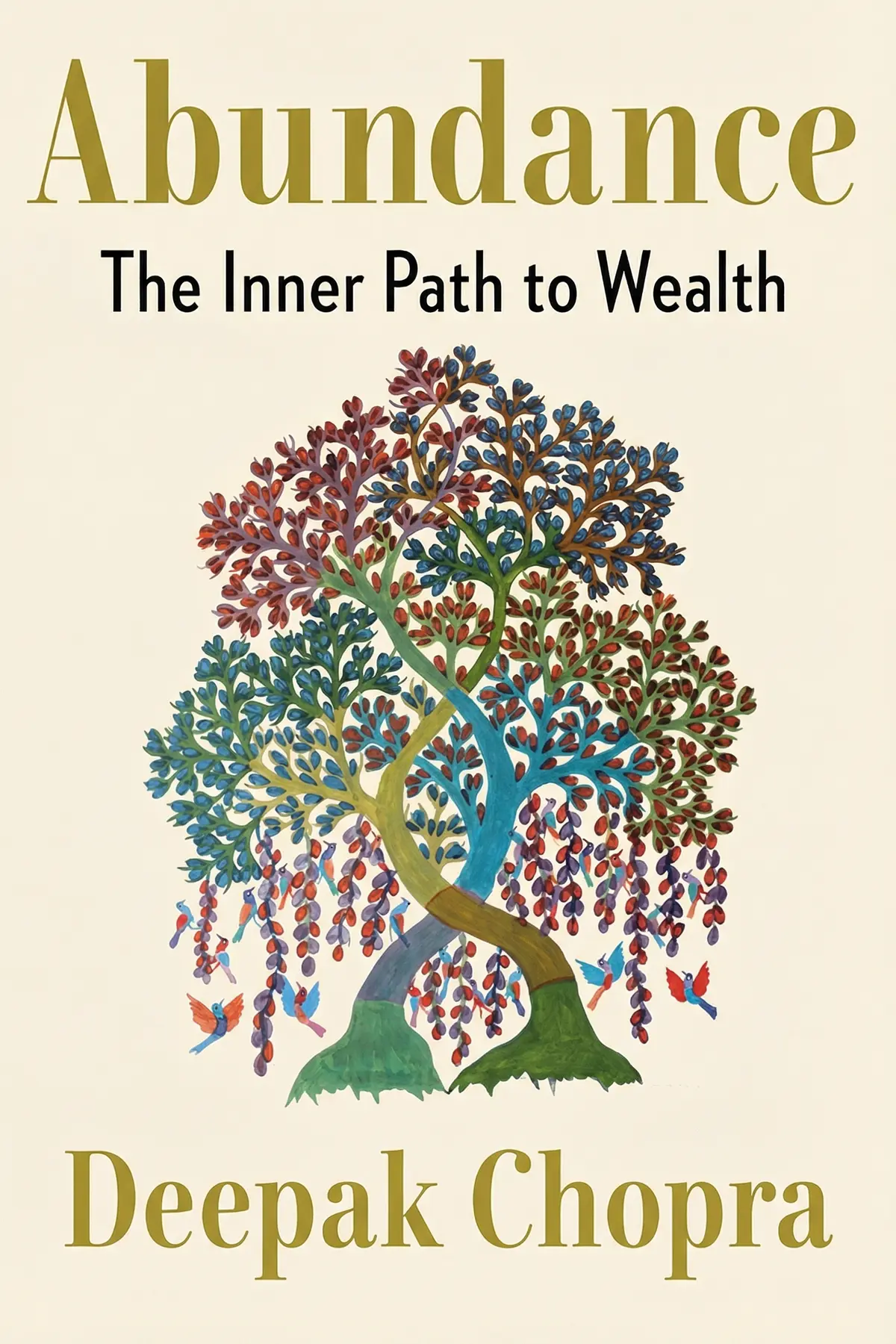
Abundance: The Inner Path to Wealth
Deepak Chopra
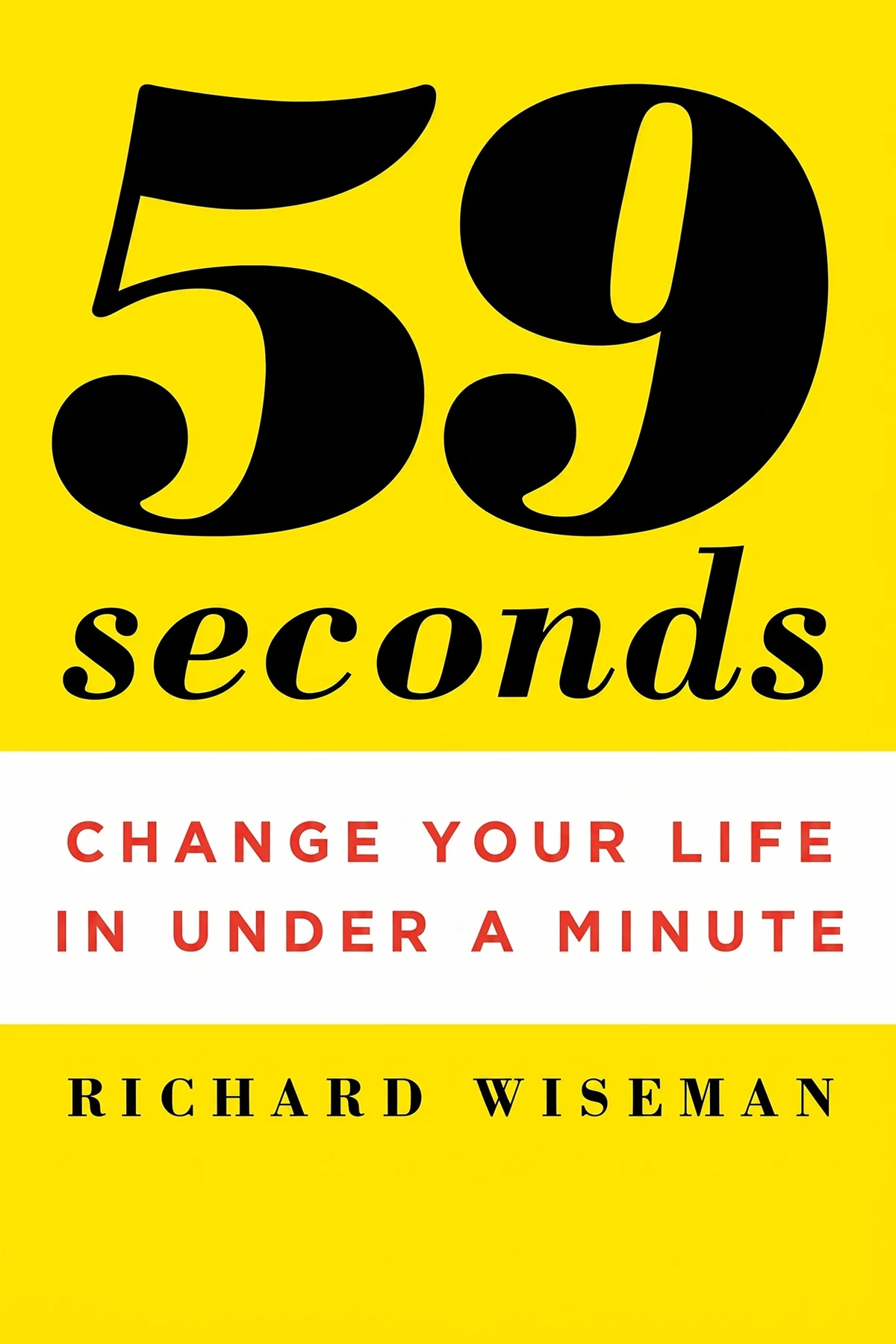
59 Seconds: Change Your Life in Under a Minute
Richard Wiseman
AUDIO SUMMARY AVAILABLE
Listen to The Happiness Project in 15 minutes
Get the key ideas from The Happiness Project by Gretchen Rubin, plus 5,000+ more titles in English and Thai.
- 5,000+ titles
- Listen as much as you want
- 7-day free trial
- Cancel anytime







