
16 min 25 sec
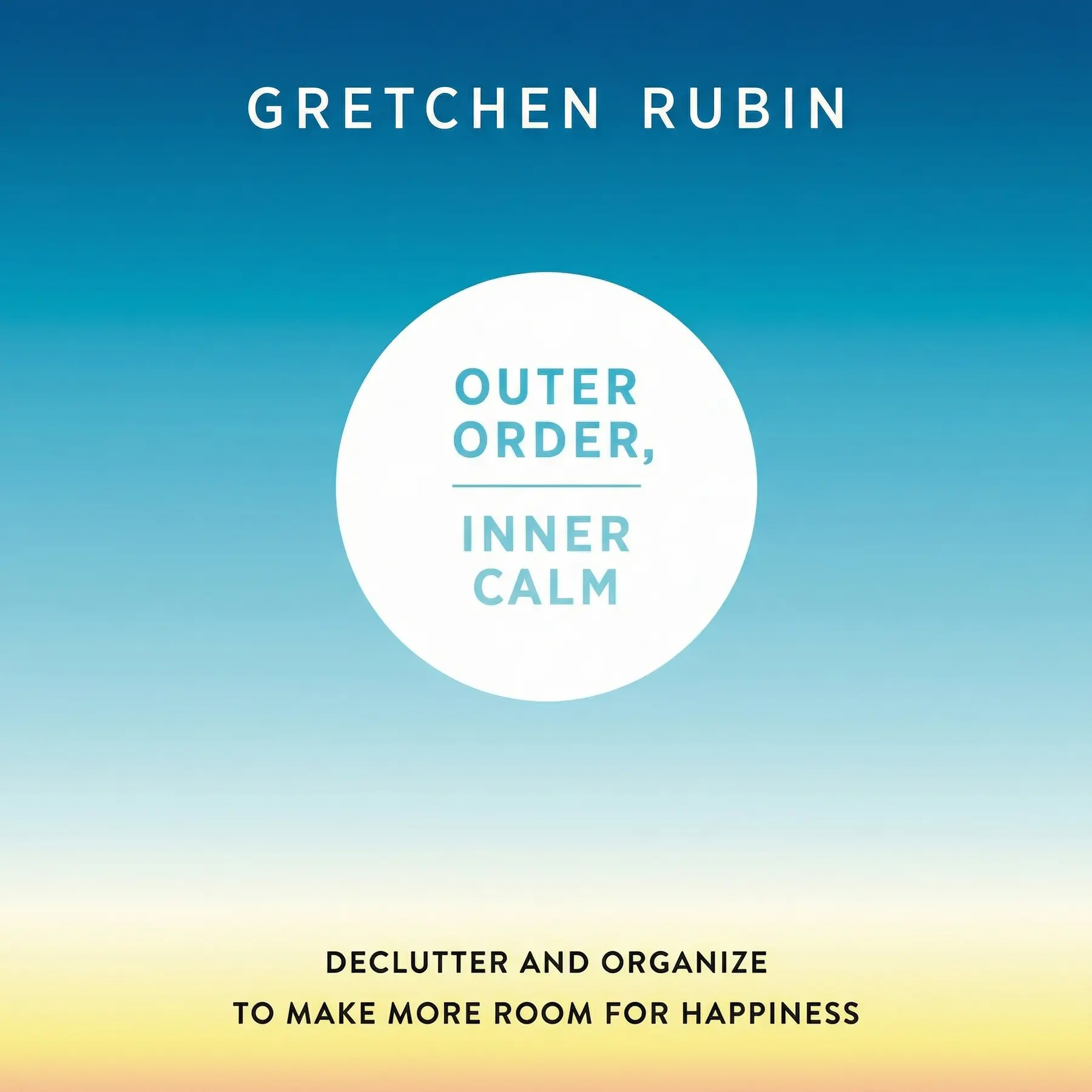
Outer Order, Inner Calm: Declutter and Organize to Make More Room for Happiness
Discover how managing your physical environment can lead to profound mental clarity. This summary explores Gretchen Rubin’s practical strategies for decluttering your home to foster a sense of control and lasting happiness.
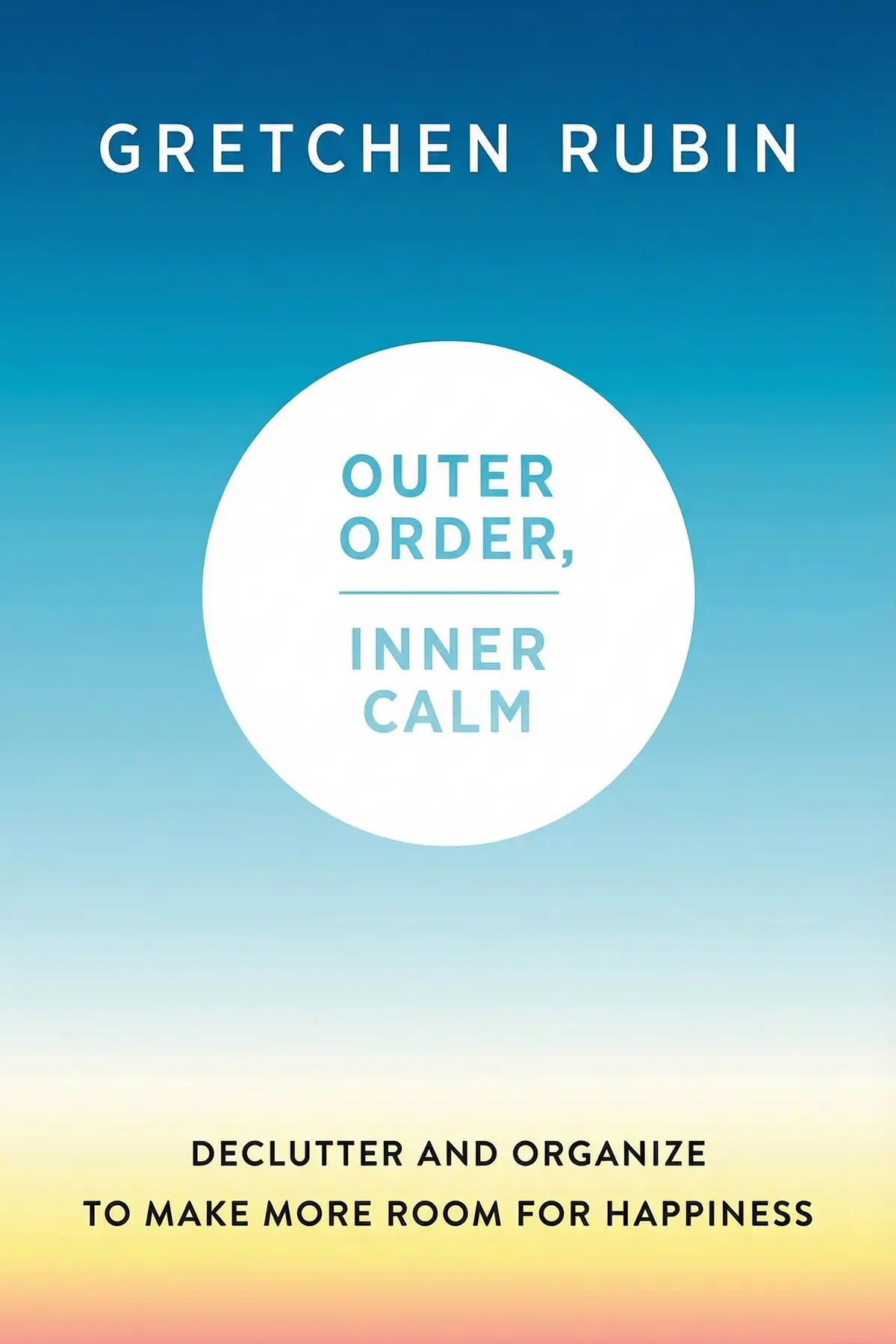
Table of Content
1. Introduction
1 min 33 sec
In our modern era, we are constantly bombarded by messages encouraging us to acquire more. We live in a culture of mass consumption, where persuasive advertising and the ease of online shopping make it simpler than ever to fill our living spaces with objects. However, there is a hidden cost to this abundance. Before we even realize what is happening, our closets are bulging, our garages are packed to the ceiling, and every flat surface in our homes is covered in a layer of stuff. This isn’t just a matter of aesthetics; it has a profound psychological impact. When our physical world is in chaos, our internal world often follows suit. We end up feeling stressed, anxious, and strangely out of control in our own homes.
The central throughline of this exploration is the idea that the way we manage our possessions is a direct reflection of how we manage our lives. By creating order on the outside, we make room for a deeper, more sustainable calm on the inside. Gretchen Rubin, an expert on happiness and the formation of habits, suggests that decluttering isn’t a one-time chore but a transformative practice. It is about more than just throwing things away—it is about deciding what kind of life you want to lead. Throughout this summary, we will look at how to break the cycle of accumulation, how to overcome the emotional excuses that keep us stuck, and how to build a sanctuary that supports our goals and our peace of mind. Prepare to discover how the simple act of clearing a kitchen counter can actually pave the way for major life changes, and why the best time to start this journey is right now.
2. The Link Between Environment and Agency
2 min 04 sec
Explore how the state of your physical surroundings serves as a mirror to your internal world and your capacity for life-altering change.
3. Dismantling the Excuses for Clutter
2 min 28 sec
Learn to confront the psychological traps and common justifications that prevent us from letting go of items we no longer need.
4. The Strategy of Accessibility and the Urgency of Age
2 min 05 sec
Discover why the placement of your belongings is just as important as the items themselves, and why decluttering is a gift to your future self.
5. Using Self-Knowledge to Combat Chaos
2 min 10 sec
Understand how a deeper awareness of your personal motivations and habits can prevent the cycle of mess from repeating.
6. Cultivating the Habits of Permanent Order
2 min 19 sec
Explore the small, daily routines and shopping behaviors that act as a defense system against the return of clutter.
7. Designing for Beauty and Personal Harmony
2 min 14 sec
Transition from merely removing the bad to actively inviting the good by curating a home that reflects your aesthetic and functional needs.
8. Conclusion
1 min 32 sec
As we conclude this journey toward outer order and inner calm, it is important to remember that this is not about achieving some impossible standard of perfection. It is about creating a living environment that supports your happiness and allows you to move through the world with more ease. The most powerful tool at your disposal is the ‘one-minute rule.’ It is a deceptively simple habit: if you encounter a task that can be completed in sixty seconds or less—like hanging up a coat, filing a document, or rinsing a coffee mug—do it immediately. Because these actions are so brief, they don’t feel like a burden, yet their cumulative effect on the tidiness of your home is staggering.
By implementing the strategies we’ve discussed—from confronting your excuses to establishing signature styles—you are doing more than just tidying up. You are reclaiming your mental space. You are moving away from the paralysis of clutter and toward a future filled with new possibilities. Remember the central throughline: your physical surroundings are a powerful lever you can use to adjust your internal state. When you take the time to clear the decks, you aren’t just making your house look better; you are making your life feel better. Start small, stay consistent, and enjoy the profound sense of peace that comes when your outer world finally reflects the inner calm you deserve. Use this newfound energy to focus on what truly brings you joy, and let the order of your home be the foundation for a happier, more intentional life.
About this book
What is this book about?
Have you ever felt that a messy desk or a cluttered closet was weighing on your mind more than it should? In this summary of Gretchen Rubin’s work, we explore the powerful connection between our external surroundings and our internal state of being. The book posits that by taking charge of our possessions, we are actually taking charge of our lives. It offers a roadmap for moving from a state of overwhelmed paralysis to one of focused productivity. You will learn how to identify the emotional blocks that keep us tethered to useless items, how to establish sustainable habits that prevent clutter from returning, and why starting this process sooner rather than later is vital for your long-term well-being. By the end, the promise is clear: by creating outer order, you clear the way for inner calm. This is not just about tidying up; it is about reclaiming your mental energy to focus on the things, people, and projects that truly bring you joy.
Book Information
About the Author
Gretchen Rubin
Gretchen Rubin is a prominent American author and blogger whose work centers on the intersection of habits and human happiness. She is the creator of several New York Times best-sellers, including The Happiness Project, Happier at Home, and Better Than Before. With over two million copies of her books sold globally and translations in more than thirty languages, Rubin has established herself as a leading voice in personal development.

Ratings & Reviews
Ratings at a glance
What people think
Listeners find this book serves as a useful roadmap, brimming with practical pointers and simple instructions. They value the down-to-earth methods for organizing space and the way it encourages a sense of tranquility and wellbeing. Listeners call it a brisk read containing numerous quality concepts, with one listener observing that every page offers a new recommendation. Listeners view the material as both wise and direct, with one review spotlighting its 150 ideas written in straightforward accessible ways.
Top reviews
Mia
Ever wonder why a messy desk feels like a messy brain? Rubin explores that connection beautifully in this roadmap to a clearer life. While I've followed her work for years, having all these real-world suggestions in one place is incredibly convenient and motivating. The 'Power Hour' concept has completely changed how I tackle my weekend chores because it feels manageable rather than overwhelming. It’s a very quick read, which is perfect for someone already feeling weighed down by their possessions. My only minor gripe is that some sections feel a bit light on the science compared to her earlier works like 'The Happiness Project.' Still, the straightforward advice is refreshing and easy to implement immediately. I feel much lighter now.
Show moreLuke
After hearing about this on a whim, I grabbed a copy right before starting a major cross-country move this spring. It was the perfect energizer I needed to let go of items that were just taking up physical and emotional weight in my life. The suggestions are insightful and straightforward, making it easy to make quick decisions about what to keep or toss. I really appreciated the 'one-minute rule' because it’s a habit that is actually sustainable for a busy professional. While it’s true that some ideas are a bit basic, the way they are presented makes them feel fresh and achievable. My new home feels significantly more peaceful than my last one.
Show moreUraiwan
Finally got around to reading this during a stressful work week, and it truly lived up to the title for me. I’ve always noticed that when my kitchen counters are covered in junk, I feel more anxious, and Rubin explains that link perfectly. The book is packed with 150 ideas that serve as a roadmap to a more peaceful environment. I loved the idea that the easiest way to finish a project is simply to abandon it if it no longer serves your current goals. It’s a very compassionate book that understands we all have different clutter-tolerance levels. I’ll be keeping this on my nightstand for a quick boost of inspiration whenever things get messy.
Show moreIff
As someone who struggled with the 'spark joy' philosophy, Rubin’s more pragmatic approach was exactly the relief I was looking for. Asking myself 'Do I need it? Do I love it? Do I use it?' is much more helpful for my practical brain than trying to feel a spiritual connection to my toaster. The book is filled with accessible ways to reclaim your space without feeling like you have to move into a tiny house or discard everything you own. I particularly liked the advice about not nagging family members and instead leading by example. It’s not a revolutionary text, but it’s a great companion for a weekend purge. The illustrations are quite charming as well.
Show moreAstrid
Gretchen Rubin has a knack for taking complex habits and boiling them down into small, digestible chunks of wisdom for the average person. This isn't a book you read for a deep narrative; it’s a toolkit you dip into when you need a boost of productivity. I found the section on 'sentimental items' especially helpful because it offers a middle ground between keeping everything and throwing it all away. The tone is encouraging and never judgmental, which is a nice change from some of the more 'ruthless' decluttering books on the market. I did find a few of the aphorisms to be a bit repetitive by the final chapter, but the overall message is great.
Show morePairot
The chapter on managing digital clutter was the highlight for me, even if some of the other tips felt a bit redundant. Truth is, I probably could have found most of this information on her website, but there’s something nice about having a physical book to reference. It’s written in an incredibly accessible way that doesn't feel like a chore to get through. I’ve already started implementing the 'power hour' on Sunday mornings, and the results have been fantastic for my overall mental clarity. It’s a thin volume, and maybe a bit overpriced for the content, but the calm it provides is worth something. A solid choice for any fans of her habits research.
Show moreRodrigo
To be fair, the advice here is solid common sense, though it might not be groundbreaking for seasoned minimalists who have already read Kondo. It’s a breezy, cheerful guide that focuses on the 'why' of cleaning just as much as the 'how.' The layout is very attractive, though I can see why some readers might find the lack of a traditional narrative frustrating. I found myself flipping to random pages and finding little gems of wisdom that brightened my morning routine. It’s more of a motivational tool than a step-by-step manual, which works if you just need a gentle nudge to get started. It is a bit overpriced for the length, but helpful nonetheless.
Show moreRatchanee
Look, I love the Happier podcast, but this felt like a printed transcript of stories and tips I’ve already heard over and over again. The book is physically quite small and features massive margins and large graphics that seem designed just to take up space. I was expecting a deep dive into the psychology of clutter, but instead, I got a collection of quippy sidebars and basic bullet points. If you are a die-hard fan, you likely already know every 'secret' mentioned in these pages. It’s disappointing because Rubin is usually so thorough with her research. This feels more like a gift book for a stranger than a real addition to her bibliography.
Show moreMingkwan
Frankly, the amount of white space on these pages makes the 'book' feel more like a glossy marketing pamphlet than a $20 hardcover. I’ve been trying to simplify my life for several years, so I was hoping for something more advanced or a deeper psychological exploration. Instead, it’s mostly just common-sense tidbits like 'don't leave things on the stairs' or 'hang up your coat.' The graphics are cute, but they don't add much value to the actual content provided. I suppose if you’ve never thought about your belongings before, this might be eye-opening, but for me, it was a bit of a snooze-fest. It’s definitely not worth the shelf space it occupies.
Show moreAkira
This book is essentially a collection of expensive postcards bound together with very little original substance or new insight. I feel a bit cheated because I paid full price for what is effectively a summary of her blog posts from five years ago. There is so much white space on every page that I finished the entire thing in under thirty minutes while standing in the kitchen aisle. It lacks the intellectual rigour of her previous books, which is the main reason I usually enjoy her writing. For a book about order, the organization of the tips feels remarkably scattered and random. Honestly, save your money and just listen to her podcast for free instead.
Show moreReaders also enjoyed
A Guide to the Good Life: The Ancient Art of Stoic Joy
William B. Irvine
A High-Performing Mind: Strengthen Your Mind and Live Your Best Life
Andrew D. Thompson
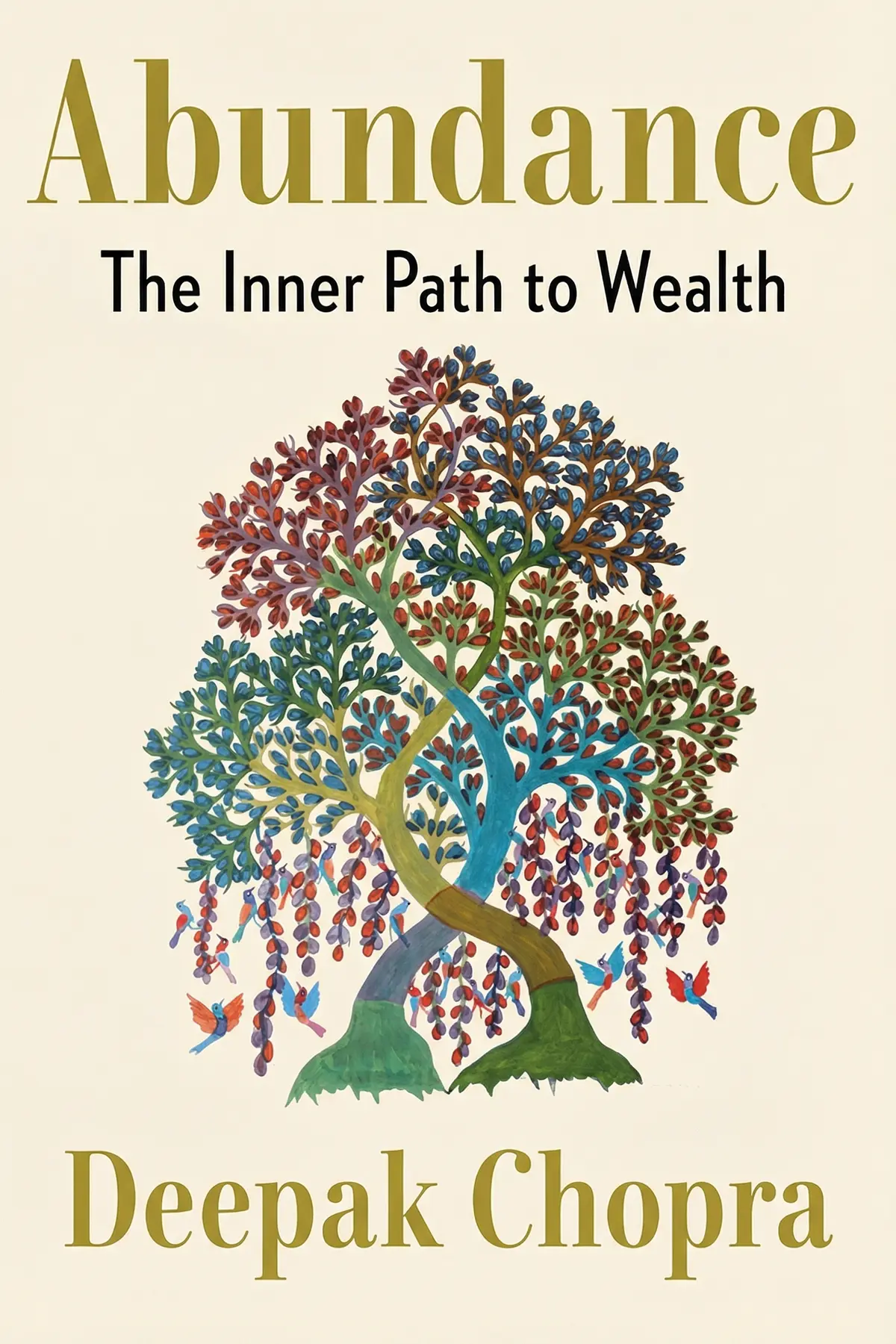
Abundance: The Inner Path to Wealth
Deepak Chopra
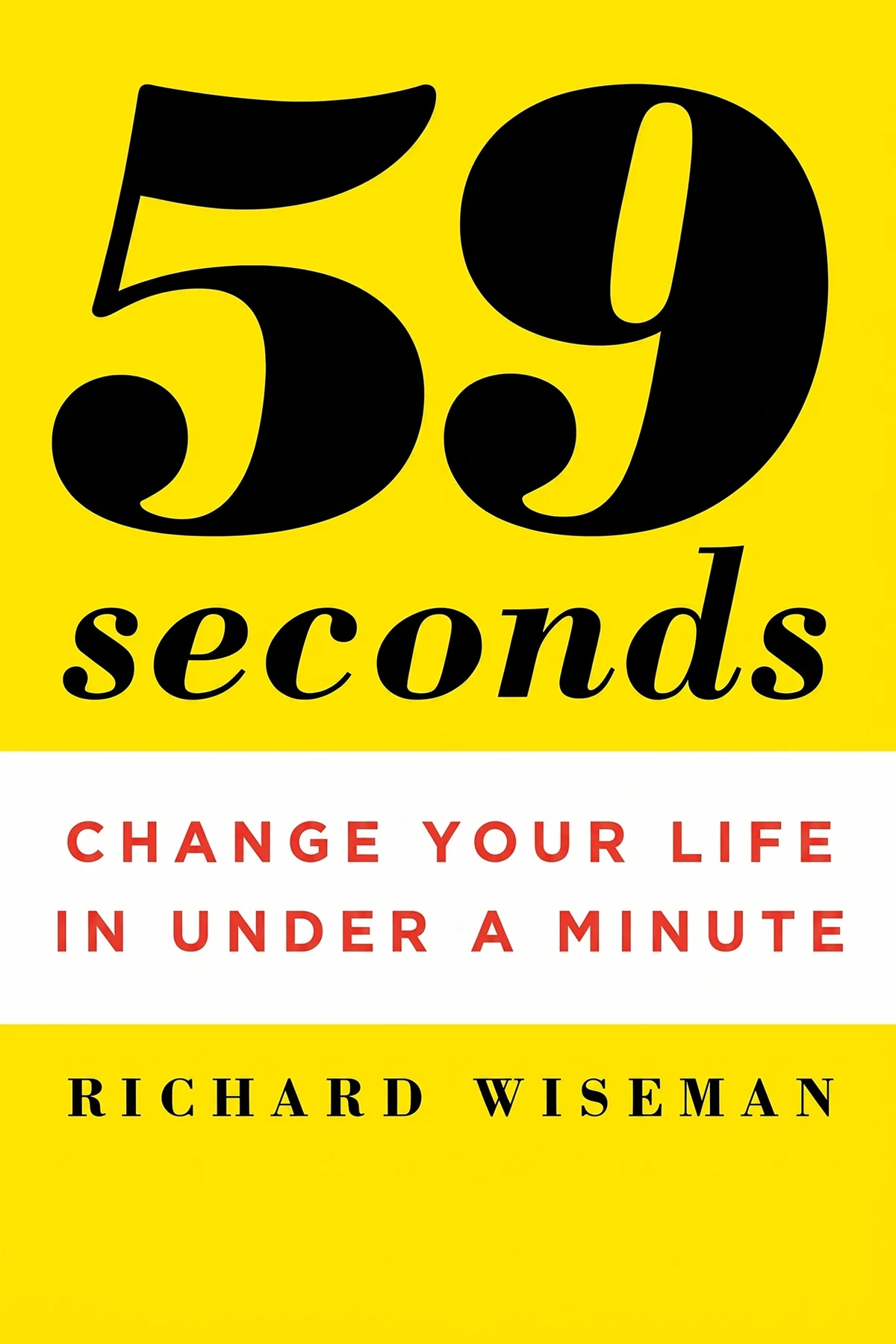
59 Seconds: Change Your Life in Under a Minute
Richard Wiseman
AUDIO SUMMARY AVAILABLE
Listen to Outer Order, Inner Calm in 15 minutes
Get the key ideas from Outer Order, Inner Calm by Gretchen Rubin, plus 5,000+ more titles in English and Thai.
- 5,000+ titles
- Listen as much as you want
- 7-day free trial
- Cancel anytime







