
18 min 18 sec
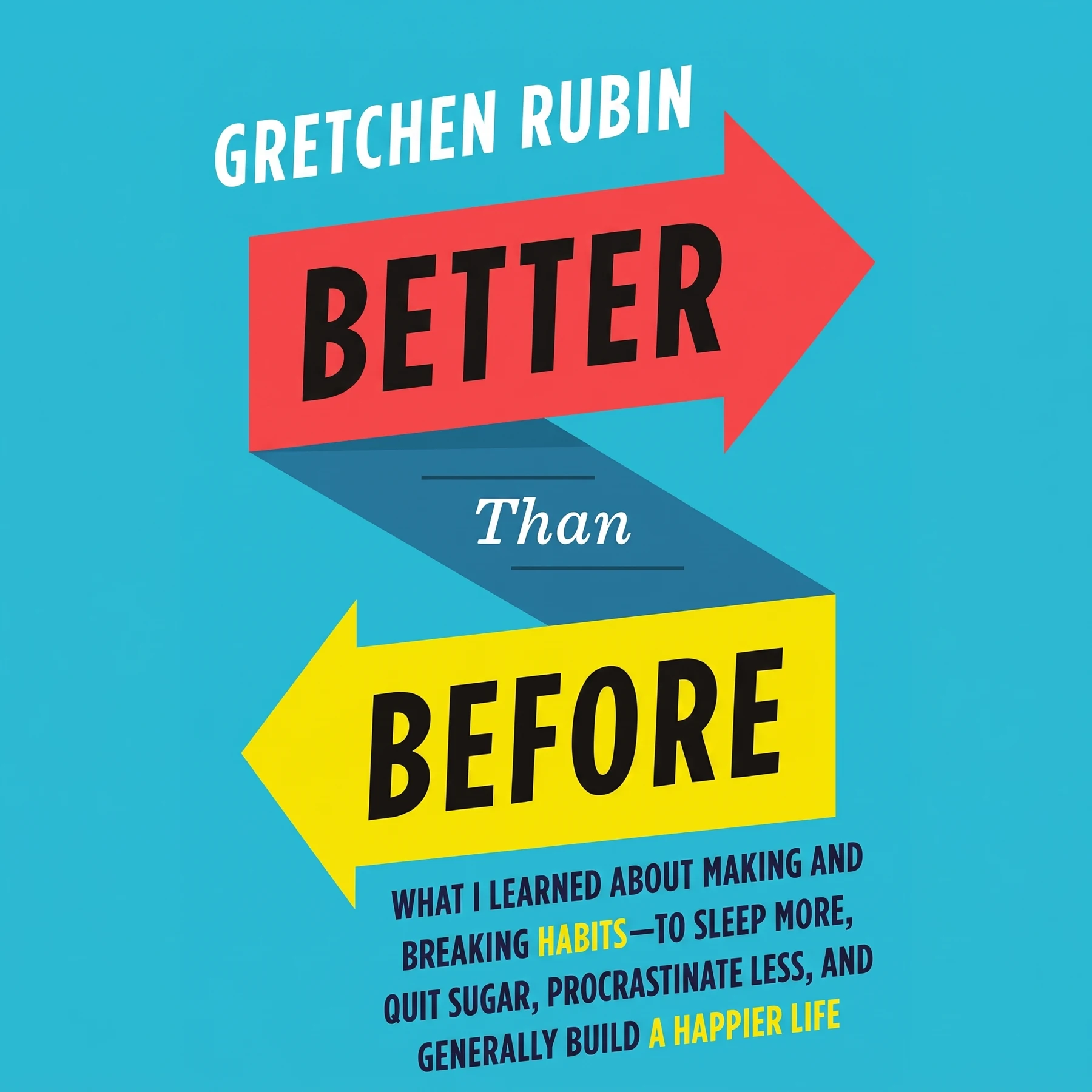
Better Than Before: What I Learned About Making and Breaking Habits--to Sleep More, Quit Sugar, Procrastinate Less, and Generally Build a Happier Life
Discover a transformative framework for habit formation based on your unique personality. This guide explores practical strategies like monitoring, scheduling, and convenience to help you build lasting routines and break negative patterns.
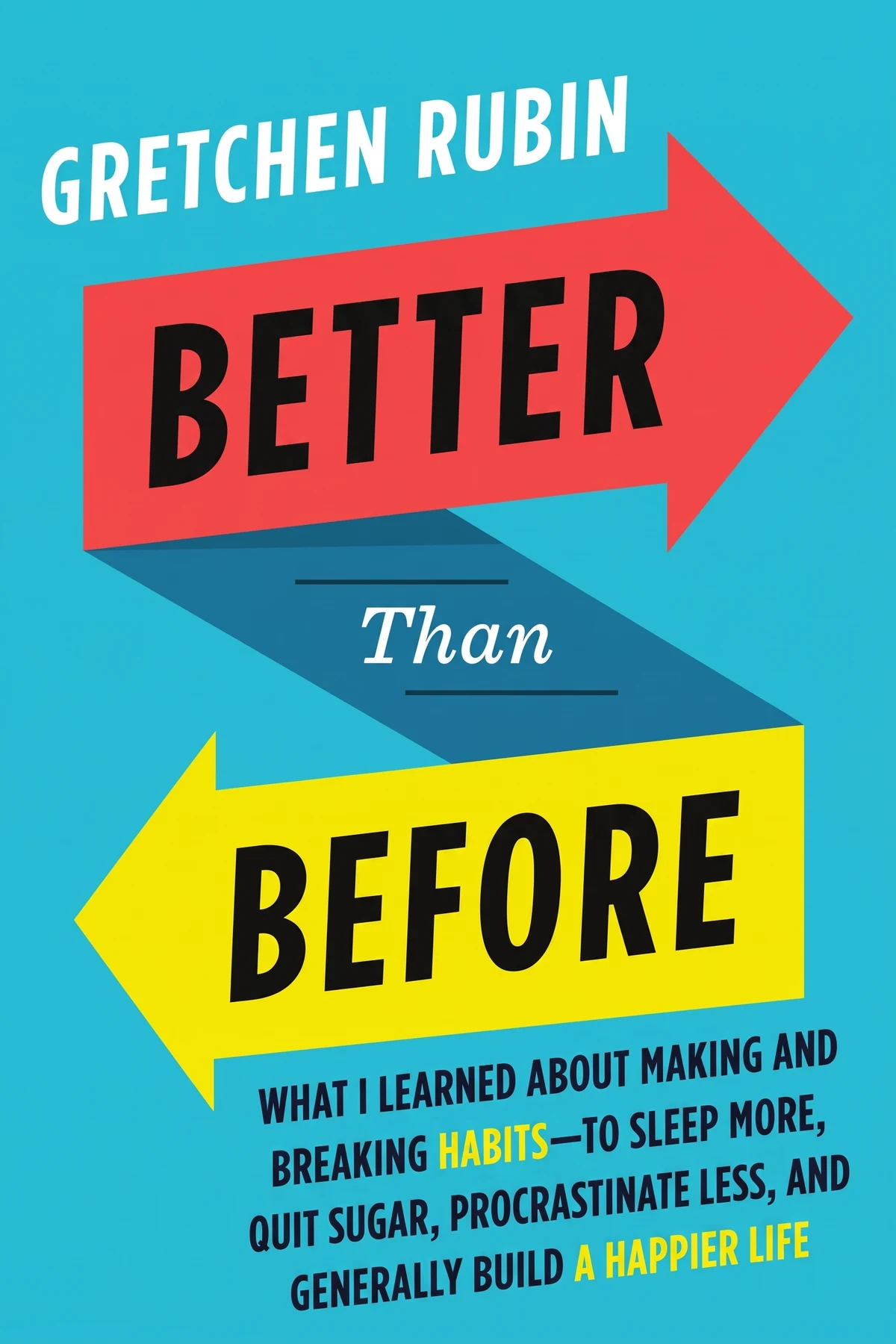
Table of Content
1. Introduction
1 min 37 sec
Every single day, we are the sum of our actions. There is a profound truth in the idea that our habits eventually shape our values, and those values ultimately dictate our destiny. Most of us go through life with a collection of routines—some that serve us well and others that we desperately wish to leave behind. We want to be the kind of people who exercise regularly, eat healthily, and stay productive, yet the gap between our intentions and our actions often feels like a chasm. The central question is: why is it so hard to change even when we know exactly what we should be doing?
This exploration is not about willpower alone; it is about understanding the underlying architecture of how habits are built and maintained. To change your life, you have to change your days, and to change your days, you must understand how your specific personality interacts with the world. We often fall into the trap of following advice that worked for someone else, only to find it fails for us. This happens because we aren’t all wired the same way. What motivates one person might completely alienate another.
Over the course of this summary, we will look at a roadmap for mastering the habits of everyday life. We’ll explore why self-knowledge is the necessary starting point for any change. We will also examine practical, research-backed strategies that take the struggle out of the process—things like how to use your calendar as a tool for freedom, why physical convenience is more powerful than mental resolve, and how to protect yourself from the clever excuses your brain makes to avoid effort. By the throughline of self-understanding and environmental design, we can bridge the gap between who we are and who we want to be.
2. The Foundation of Self-Knowledge
2 min 59 sec
Before you can change your behavior, you must understand your personality profile. Discover which of the four distinct categories defines how you respond to expectations.
3. The Power of Monitoring and Automation
2 min 27 sec
Taking the guesswork out of your daily actions can significantly reduce the mental fatigue that often leads to failure in habit formation.
4. Harnessing the Clean Slate
2 min 19 sec
Major life transitions offer a unique window of opportunity to reset your routines and establish brand new patterns of behavior.
5. Designing for Convenience and Friction
2 min 24 sec
Your physical environment is often more powerful than your willpower. Learn to make good habits effortless and bad habits exhausting.
6. The Trap of Loopholes and the Power of Pairing
2 min 34 sec
Our minds are experts at negotiating their way out of hard work. Recognize the common mental excuses and use ‘bundling’ to stay consistent.
7. Managing Cravings with Strategic Distraction
2 min 18 sec
Cravings are temporary. Learn how to navigate the waves of desire by shifting your focus and understanding the fifteen-minute rule.
8. Conclusion
1 min 40 sec
Mastering your habits is not a matter of becoming a different person; it is about becoming more of who you already are and designing your life to support that identity. We’ve seen that the journey begins with self-knowledge—specifically, identifying where you fall within the Four Tendencies. Whether you are an Upholder who thrives on schedules, a Questioner who needs logic, an Obliger who requires external accountability, or a Rebel who craves choice, your path to success must be paved with strategies that respect your nature.
By implementing the practical tools of monitoring and scheduling, you can reduce decision fatigue and bring clarity to your progress. Leveraging ‘clean slates’ during life’s big transitions gives you a head start, while the clever use of convenience and friction ensures that your environment does the heavy lifting for you. Remember to guard against the mental loopholes that offer easy excuses, and use the power of pairing and spontaneous treats to keep your journey enjoyable rather than transactional.
As a final piece of actionable advice, try creating an ‘if-then’ list. This simple exercise allows you to pre-decide your reactions to common obstacles. For example, tell yourself, ‘If I finish my work before 6:00 PM, then I will head straight to the gym.’ By making these decisions in advance, you remove the need for willpower in the moment. Your habits are the invisible architecture of your life. When you take the time to build that architecture with intention and self-awareness, you don’t just change your routine—you truly become better than before.
About this book
What is this book about?
Have you ever wondered why some people find it effortless to stick to a new workout routine while others struggle to even get started? Better Than Before addresses this fundamental mystery of human behavior. Rather than offering a one-size-fits-all solution, it introduces a personalized approach to habit formation centered on the Four Tendencies. This framework helps you identify whether you respond better to internal or external expectations, allowing you to tailor your environment and schedule to your natural inclinations. The book promises a comprehensive toolkit for behavioral change. It dives into the psychology of how we make decisions, the power of monitoring our actions, and the importance of manipulating our physical surroundings to make good habits easy and bad habits difficult. You will learn how to leverage major life transitions as a 'clean slate' and how to navigate the mental loopholes that often derail our progress. By the end, you’ll have a roadmap for making your everyday life more intentional and fulfilling.
Book Information
About the Author
Gretchen Rubin
Gretchen Rubin is the author of the New York Times bestseller The Happiness Project, a book that has been translated into over 30 languages and instigated a movement of people wanting to live happier lives.
Ratings & Reviews
Ratings at a glance
What people think
Listeners find the work exceptionally accessible and captivating, offering tangible strategy recommendations and functional tips for building new routines. Furthermore, the book delivers deep perspectives on behavior by considering listeners' personalities, and they value its ability to inspire and encourage self-compassion. The prose also earns praise, as one listener points out it is written with clarity to convey a significant subject.
Top reviews
Oksana
The chapter on the Four Tendencies was an absolute game-changer for my productivity levels this year. I’ve always struggled with internal goals while excelling at work deadlines, and realizing I’m an 'Obliger' helped me finally understand why I need external accountability. Rubin’s writing is exceptionally clear, breaking down complex psychological hurdles into manageable, concrete strategies that feel actually doable. Truth is, her advice about 'foundational habits' like sleep and uncluttering really helped me find a sense of kindness toward my own messy process. I appreciate how she emphasizes that there is no one-size-fits-all solution, instead encouraging us to look at our own personality types before diving into change. It’s a highly readable guide that moves beyond the typical fluff you find in the self-help aisle. Since finishing it, I’ve already implemented the 'two-minute rule' for small tasks and seen an immediate payoff in my daily stress levels.
Show moreArjun
Picking this up felt like finally getting the owner's manual for my own brain. Gretchen Rubin’s approach to habits is remarkably nuanced, moving away from the standard 'one size fits all' advice to focus on how different personalities respond to expectations. I’m a total 'Questioner,' so her explanation of why I need to understand the 'why' before I commit to a task was a revelation. The book is packed with concrete advice on how to structure your daily life to avoid decision fatigue and conserve self-control. It’s written in a way that feels like a conversation with an extremely organized friend who genuinely wants you to succeed. I especially appreciated the sections on 'clarity' and how identifying as a certain type of person can make habit formation almost automatic. This is easily one of the most useful books on behavior change I’ve ever read, and I’ve already seen improvement in my morning routine.
Show moreKob
Wow, this was exactly the kick in the pants I needed to finally tackle my cluttered office and poor sleep habits. Rubin has a way of communicating complex behavior changes through the lens of 'invisible architecture' that makes the whole process feel less daunting. I particularly loved the section on loopholes—realizing how often I use 'moral license' to justify skipping the gym was a huge wake-up call. The book is incredibly engaging and provides a thorough toolkit for anyone who feels stuck in a rut. Truth be told, I found her honesty about her own 'Upholder' rigidness quite refreshing and even funny at times. It’s rare to find a self-help book that actually encourages you to be kinder to yourself by simply understanding how your brain is wired. This is definitely a resource I’ll be returning to every time I feel my routine starting to slip. Highly recommended for anyone ready to make some lasting, practical changes.
Show moreVarinee
After hearing Rubin on several podcasts, I decided to dive into her framework for change, and I'm so glad I did. Her insight into the difference between 'Abstainers' and 'Moderators' was incredibly liberating for me personally. For years, I felt like a failure because I couldn't just have one cookie, but now I realize my brain just works better with total 'abstinence' from certain triggers. The book is packed with practical suggestions that take into account our individual quirks rather than demanding we all follow a single, rigid path. Not gonna lie, some of the personal family stories feel a bit repetitive after a while, but the core strategies are solid enough to overlook that. It’s an engaging read that provides a thorough roadmap for anyone looking to redesign their daily architecture. I’ve already recommended this to three friends who are struggling with their fitness routines. It’s less about willpower and more about smart self-knowledge.
Show moreScarlett
Reading this made me realize that my previous failures with New Year's resolutions weren't about a lack of willpower, but a lack of self-knowledge. Rubin provides a thorough exploration of how our individual temperaments dictate our success with new routines. I found her distinction between 'Upholders' and 'Rebels' particularly enlightening for my own family dynamics. The book is filled with practical suggestions, like the strategy of 'pairing' or using 'if-then' plans to safeguard our progress. In my experience, the writing style is very engaging and keeps you moving through the concepts quickly. My only minor gripe is that she can occasionally sound a bit like the 'know-it-all' girl in class that she admits to being. However, if you can look past the perky tone, the underlying architecture for habit change is incredibly solid and easy to apply to a busy life.
Show morePrayoon
Gotta say, the distinction between 'Abstainers' and 'Moderators' was a total lightbulb moment for me. I’ve always tried to eat just one square of chocolate and failed, but Rubin’s insight that some of us find it easier to have none at all was so liberating. The book provides a very systematic way to look at your daily choices through what she calls the 'invisible architecture' of habits. While the anecdotes about her sister Elizabeth in LA can get a bit repetitive, the actual strategies for habit-building are top-notch. It’s a very readable and engaging guide that doesn't just tell you what to do, but helps you find your own best way to do it. Some of her personal preferences are definitely a bit odd, like her hatred of travel or trying new foods, but you can easily ignore that and still get a lot of value from the framework. It’s a great tool for anyone looking to declutter their life or get back into an exercise routine.
Show moreChanpen
Ever wonder why some people just can't stick to a schedule no matter how hard they try? This book answers that question by diving deep into the psychology of how we respond to both inner and outer expectations. Rubin's writing is clear and communicates important topics without being overly academic or dry. I found the 'Foundational Habits' section—focusing on sleep, movement, and eating—to be a very grounded place to start. Although she occasionally comes off as a bit rigid in her own lifestyle, the book actually encourages self-compassion by showing that we aren't 'lazy,' we just haven't found the right strategy yet. The focus on 'loopholes' was particularly funny and relatable; I definitely recognized my own magical thinking in her list of excuses. It’s a solid 4-star read that offers a lot of practical value for anyone willing to do a bit of self-reflection. I've already started using her 'if-then' tips for my workday.
Show moreLuckana
This book is a bit of a mixed bag for me, mostly because I struggle with some chronic medical issues that make 'just doing it' impossible. I can certainly see how her advice on accountability would work wonders for a healthy person with a standard routine. The Four Tendencies framework is quite clever, and I definitely saw myself in the 'Questioner' category immediately. However, the narrative felt overly focused on her own family life and her sister’s career, which eventually became a bit of a slog to get through. Personally, I would have preferred a more concise, tool-based guide rather than so many personal anecdotes about her life in New York. It's a light, easy read, but it lacks the scientific depth found in something like 'The Power of Habit' by Charles Duhigg. If you’re a fan of her blog, you’ll probably love it, but others might find her personality a little tiresome after two hundred pages.
Show moreElias
Not what I expected after hearing so much hype surrounding Rubin’s previous work on happiness. The first few chapters were promising, but the book quickly devolved into a sanctimonious lecture on why we should all adopt her specific, low-carb lifestyle. To be fair, some of the personality assessments are interesting, but her rigid views on diet—like suggesting fruit is essentially evil while diet soda is fine—felt totally unscientific and distracting. She comes across as incredibly narrow-minded, often dismissing any habit that doesn't align with her own fussy preferences. I wanted a research-based guide on the mechanics of habit formation, but instead, I got a memoir about her sister Elizabeth and their constant phone calls. It’s tiresome to read advice from someone who admits to being a 'know-it-all' and seems proud of her own rigidity. Unless you want to live exactly like Gretchen Rubin, you might find this more irritating than inspiring.
Show moreErn
Look, I really wanted to find something useful here, but Rubin’s level of material privilege makes her advice feel completely untethered from reality. She spends an exhausting amount of time talking about her sister’s Hollywood career or her own ability to just 'decide' to be perfect. Frankly, it’s hard to take habit-building tips from someone who seems to live in a bubble where the biggest challenge is whether to buy a treadmill desk. The tone is often patronizing, bordering on a sanctimonious lecture about how her specific, rigid way of living is the only correct path. While the Four Tendencies framework has some merit, it gets buried under layers of self-righteous anecdotes that made me want to toss the book across the room. If you aren't a wealthy perfectionist with an army of supporters, most of this will feel like a banal exercise in vanity.
Show more

Readers also enjoyed
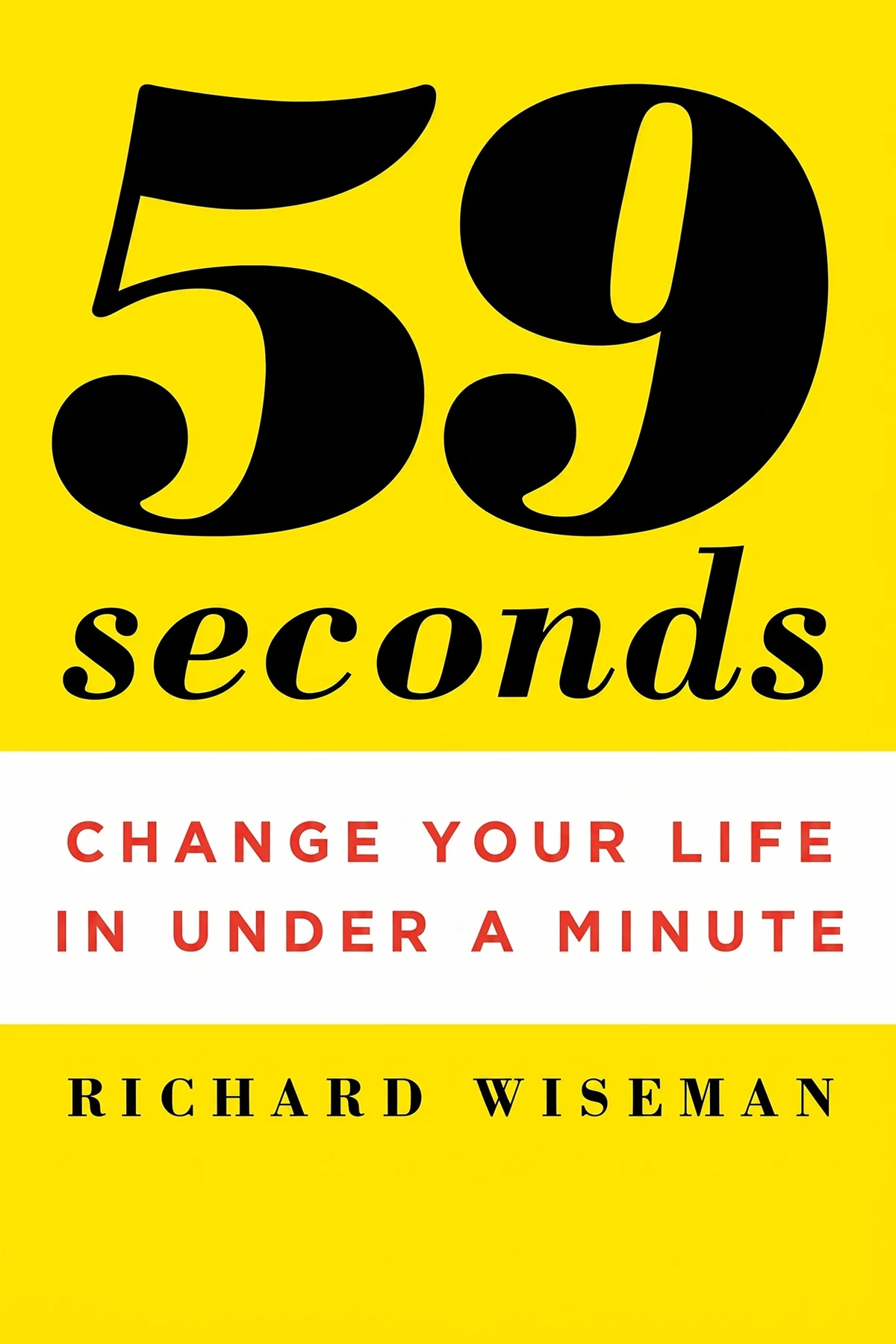
59 Seconds: Change Your Life in Under a Minute
Richard Wiseman
A Guide to the Good Life: The Ancient Art of Stoic Joy
William B. Irvine
A High-Performing Mind: Strengthen Your Mind and Live Your Best Life
Andrew D. Thompson
AUDIO SUMMARY AVAILABLE
Listen to Better Than Before in 15 minutes
Get the key ideas from Better Than Before by Gretchen Rubin, plus 5,000+ more titles in English and Thai.
- 5,000+ titles
- Listen as much as you want
- 7-day free trial
- Cancel anytime







