
15 min 55 sec
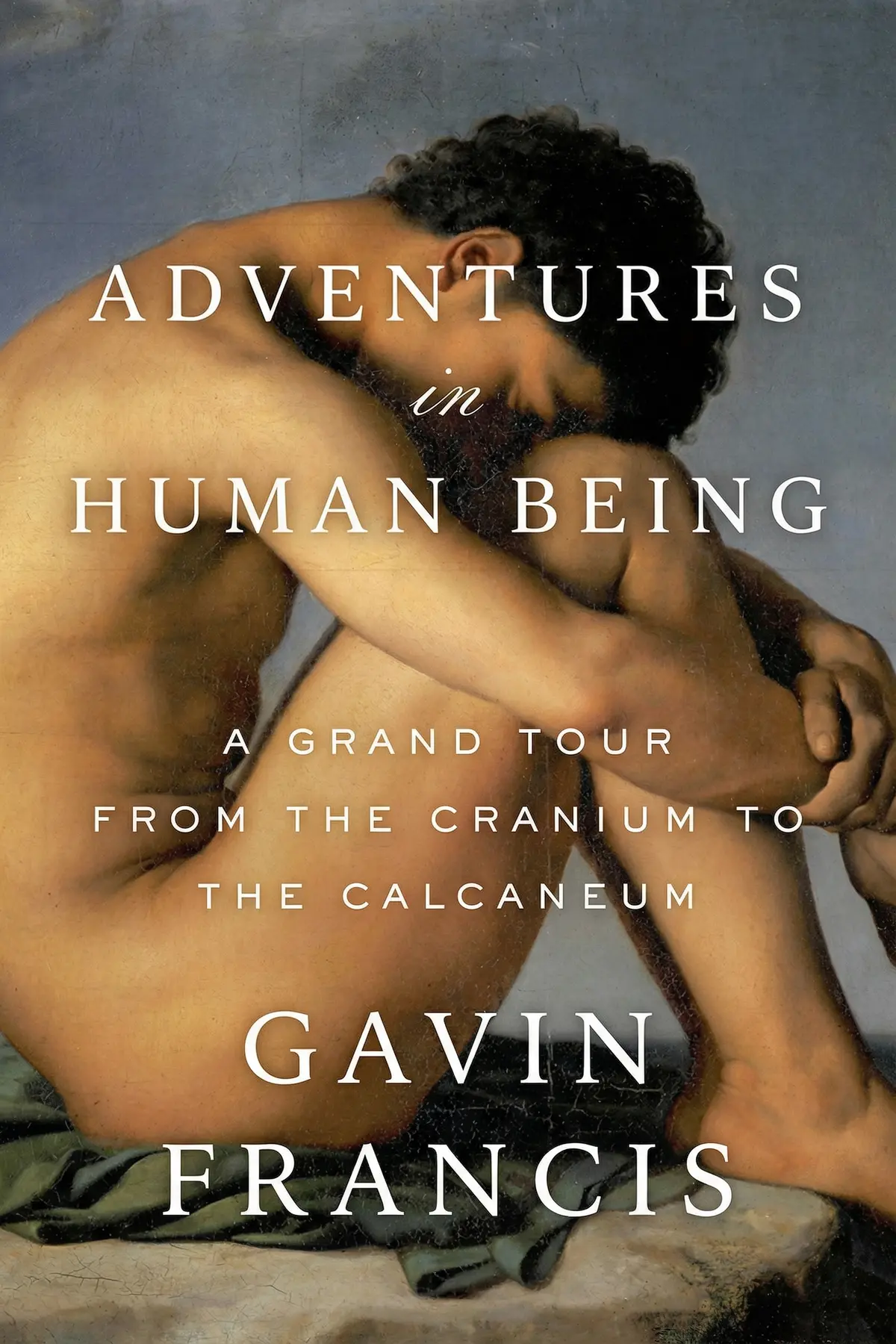
The Headache: The Most Confounding Affliction – And a Search for Relief
Explore the grueling world of chronic headaches and the scientific struggle to treat them. This summary reveals the history, stigma, and emerging research surrounding one of humanity's most misunderstood afflictions.
Table of Content
1. Introduction
2 min 04 sec
Picture a bright, clear afternoon in the mountains of Montana. A man is riding an electric bike up a steep trail, his mind swirling with the effects of a significant dose of hallucinogenic mushrooms. This isn’t a recreational trip, but a desperate act of medical self-experimentation. The man is Tom Zeller Jr., and he is trying to escape the clutches of cluster headaches—attacks so violent they are often referred to as suicide headaches. As the landscape shimmers around him, he feels a fleeting sense of hope, imagining he has finally found the key to silencing the agony. But the very next day, the pain returns with its usual, brutal punctuality. This failed experiment serves as a stark introduction to a world where relief is elusive and the medical community often feels one step behind.
For most people, a headache is a minor inconvenience, something easily fixed with a glass of water or an over-the-counter pill. However, for a significant portion of the global population, these are not mere headaches; they are life-altering neurological events. Despite their prevalence, conditions like migraines and cluster headaches remain shrouded in mystery and stigma. They are invisible disabilities—conditions that leave no outward scars and often fail to show up on standard medical imaging, leaving patients to suffer in a vacuum of disbelief.
In this exploration, we will look at the profound gap between the clinical definition of a headache and the lived reality of those who endure them. We will journey through the strange history of how doctors have tried—and often failed—to understand the brain’s pain pathways. From the halls of prestigious research institutions to the underground networks where patients trade survival tips, we will uncover why these disorders have been sidelined for so long and what the future might hold for those seeking a way out of the dark. This is a story of scientific blind spots, the weight of social stigma, and the tireless search for relief in the face of a confounding affliction.
2. The Invisible Siege
2 min 19 sec
Explore the harrowing reality of cluster headaches and why this specific type of pain defies medical visualization, leaving sufferers in a state of profound social and physical isolation.
3. A History of Missteps
2 min 28 sec
Trace the evolution of headache medicine from ancient skull drilling to eighteenth-century dietary blame, uncovering how early theories shaped the confusing landscape of modern treatment options.
4. The Burden of Proof
2 min 19 sec
Examine the intersection of gender bias and medical skepticism, where patients often find their physical agony dismissed as a psychological flaw or a byproduct of an overachieving personality.
5. The Funding Trap
2 min 35 sec
Discover the systemic reasons why headache research remains a low priority for major institutions, creating a cycle of low prestige and limited progress for millions of patients.
6. Searching for a Unified Theory
2 min 32 sec
Look toward the future of headache science, from genetic breakthroughs to the makeshift solutions found in patient-led communities, as researchers try to piece together the neurological puzzle.
7. Conclusion
1 min 38 sec
The journey through the history and science of headaches reveals a startling truth: we are only just beginning to grasp the magnitude of this affliction. For far too long, the medical world and society have been content to dismiss these conditions as minor or psychological, leaving millions to navigate a world of intense pain in silence. Tom Zeller Jr.’s exploration reminds us that while the pain may be invisible to the eye, its impact is undeniable, affecting everything from personal relationships to global economic productivity.
The throughline of this story is one of resilience and the slow, difficult work of shifting a cultural and scientific paradigm. We have seen how the courage of patients to speak out and the dedication of a few researchers to look beyond the status quo are finally starting to break the cycle of neglect. The future of relief lies in a more empathetic and integrated approach—one that validates the patient’s experience while aggressively pursuing the complex neurological truths behind it.
As we move forward, the most important takeaway is the need for greater awareness and empathy. Whether you are a sufferer, a caregiver, or simply someone looking to understand, recognizing the reality of these disorders is the first step toward change. By continuing to support research and challenging the stigmas that have held the field back, we can help ensure that the next generation doesn’t have to fight this battle in the dark. The search for relief is more than a medical quest; it is a movement to reclaim lives from the shadow of pain.
About this book
What is this book about?
The Headache provides a deep dive into the debilitating world of chronic head pain, specifically focusing on migraines and the even more agonizing cluster headaches. Through the lens of journalist Tom Zeller Jr.’s personal struggle, the narrative explores why these conditions are so often dismissed by the medical establishment and society at large. It moves from the historical oddities of past treatments—ranging from ancient skull-drilling to blaming nineteenth-century diets—to the cutting-edge neurological research of today. The book promises a comprehensive understanding of why the term “headache” is such an inadequate descriptor for the neurological storms many experience. It highlights the systemic issues in research funding and the gender biases that have historically marginalized patients. Ultimately, it offers a look at the resilience of the patient community and the slow but steady progress toward effective treatments that could one day restore normalcy to millions of lives currently lived in the shadow of invisible pain.
Book Information
About the Author
Tom Zeller Jr.
Tom Zeller Jr. is an accomplished American journalist and the editor-in-chief of Undark, a digital publication that examines the intersection of science and society. He previously built a distinguished career as a reporter and columnist for the New York Times and held senior editorial roles at National Geographic. A former Knight Science Journalism Fellow at MIT, Zeller also co-edited A Tactical Guide to Science Journalism. His reporting and commentary have been featured in major outlets including Forbes, Bloomberg View, and Al Jazeera America.
Ratings & Reviews
Ratings at a glance
What people think
Listeners commend the extensive research and outstanding observations regarding head pain conditions, particularly trends involving migraines and cluster headaches. The title earns praise for how readable it is, with one listener remarking that it's nearly a page turner, and listeners are impressed by the high quality of the prose.
Top reviews
Stella
Finally, a writer who captures the sheer desperation of chronic head pain without sounding clinical or detached. This book moves with the pace of a high-stakes thriller, which is an incredible feat given that it’s essentially a work of medical history and neurology. I was particularly fascinated by the breakdown of newer treatments like CGRP and the mystery behind why triptans work for some but not others. Zeller’s interviews with researchers and fellow sufferers provide a comprehensive view of the landscape that feels both professional and deeply personal. Truth is, I’ve read a lot of health books, and this is by far the most up-to-date and thoroughly researched volume on the market. It doesn’t just explain the science; it advocates for a world where headache disorders are taken seriously by the medical establishment. If you’ve ever felt like your pain was being dismissed, pick this up immediately.
Show moreRungtip
After hearing about this book on a podcast, I knew I had to get my hands on a copy. It’s almost a page-turner, which is rare for narrative nonfiction about neurology and chronic pain. Zeller manages to strike a delicate balance between his own harrowing experiences and the broader search for a cure. The way he describes the strobe-like auras and the crushing weight of a cluster attack really resonated with my own history of migraines. I particularly enjoyed the quotes from other sufferers at the start of each chapter; they added a human face to the data. Not gonna lie, some of the medical descriptions are dense, but Zeller’s journalistic background ensures the prose remains accessible to the average reader. This is likely the most thorough and up-to-date resource available right now. It’s an essential read for anyone who wants to understand the complex reality of living with a broken internal barometer.
Show moreNora
Picked this up on a whim and was blown away by the quality of the writing. Tom Zeller Jr. isn't just reporting on a topic; he’s documenting a war zone inside the human head. The book is meticulously researched and offers a deep dive into why headache disorders remain so poorly understood despite being so common. I found the sections on the NIH’s historic neglect of the field to be eye-opening and frankly infuriating. It’s a compelling mix of social commentary and medical investigation that kept me engaged from the first page. Even the more technical parts about CGRP and neurotransmitters were handled with a clarity that I appreciated. This book provides much-needed validation for millions of people who have been told their pain is just 'in their head.' It’s a brilliant, empathetic, and long-overdue look at a global health crisis that has been hidden in plain sight for far too long.
Show moreSavannah
Zeller brings a rare level of empathy to a subject often brushed off as a minor inconvenience by the general public. As a journalist who suffers from cluster headaches himself, he weaves his personal agony into a broader investigative piece that exposes how little we actually know about the brain. The writing is surprisingly poetic at times, especially when he describes the 'suicide headache' and the desperation that comes with invisible pain. I especially appreciated the deep dive into why these conditions are so underfunded, highlighting the systemic sexism that has historically marginalized migraine research. My only real complaint is that the chapters tend to wander aimlessly between memoir and hard science without a clear roadmap. Still, for any fellow 'migraineur,' this book offers a sense of validation that is hard to find in standard medical literature. It’s a dense but necessary read for those in the chronic pain community.
Show moreYuki
As someone who has lived with the 'migraineur' label for years, I found the historical context provided here to be absolutely fascinating. Tom Zeller Jr. does an excellent job of tracing our progress from ancient theories to the cutting-edge innovations of today. He doesn't shy away from the darker side of the history, including the systemic neglect of a condition often dismissed as 'women’s hysterics.' The chapter on the development of rizatriptan was a highlight for me, even if the science remains a bit of a 'black box' mystery. Look, the book isn't perfect; it definitely wanders off into philosophical tangents that don't always land. However, the sheer volume of research and the author's obvious passion for the subject make it a worthwhile addition to any health collection. It’s an empathetic, well-written exploration of a confounding affliction that deserves way more attention than it currently gets from the scientific community.
Show moreOksana
Ever wonder why we still don't truly understand what's happening inside our skulls during an attack? This book attempts to answer that while providing a vivid memoir of the author's own struggle with cluster headaches. The truth is, the medical community has failed headache sufferers for a long time, and Zeller isn't afraid to name names or call out the lack of funding. I loved the poetic musings on pain, but I have to agree with other reviewers that the organization is a bit of a nightmare. The chapters shift unexpectedly from dry scientific data to florid personal anecdotes, making for a somewhat jarring reading experience. However, the insights into the history of the 'migraineur' and the current state of pharmaceutical research are too good to miss. If you can overlook the repetitive nature of the middle sections, there is a wealth of knowledge here. It’s a solid four-star read for its thoroughness and heart.
Show moreRin
Is it a memoir or a medical textbook? The Headache tries to be both and ends up somewhere in the middle, providing great insights while suffering from a confusing lack of organization. I picked this up from the library hoping to understand my new diagnosis, and while I learned about the 'suicide headache' phenomenon, I found the cognitive load of the writing to be quite taxing. Zeller has a habit of introducing a fascinating experiment—like the one where he tries to artificially induce a headache—and then completely forgetting about it for hundreds of pages. The book is full of these loose threads that never quite tie together into a cohesive argument. That said, the interviews with other sufferers were incredibly moving and provided a sense of community. It’s a decent read if you have the patience to navigate the jumbled structure, but it definitely needed a stronger editor to trim the repetitive sections.
Show morePruet
Looking for answers about my own chronic migraines led me to this book, but the experience was more frustrating than enlightening. While Tom Zeller Jr. clearly understands the agony of cluster headaches, the book's structure is a total mess that makes it hard to absorb the actual information. I found myself reading the same points about NIH funding and the history of treatments over and over again in different chapters. It felt like the author didn't know how to organize his research, leading to a repetitive narrative that stalled just when it should have been getting interesting. To be fair, the section on histamine allergies was a brief highlight that gave me something new to consider for my own health journey. However, I ended up putting it down halfway through because the redundancy made it feel like a chore rather than a resource. It's a shame because the subject matter is so vital.
Show moreFilm
While I appreciate Zeller’s personal battle with cluster headaches, the cognitive load of this book was simply too high for someone currently dealing with brain fog. I was excited to see how far the science has come, but the information felt incredibly scattered throughout the chapters. The author constantly jumps between explaining lengthy research theories and immediately debunking them as false, which felt like a waste of my time. Why spend ten pages on a theory from the 1800s if it has no relevance to modern treatment? I also found the audiobook version to be quite repetitive, as if the same three points about funding and stigma were being looped. Personally, I didn't come away with many new insights, and the lack of a structured storyline made it a struggle to finish. It’s a noble effort, but the execution left me feeling like I was trapped in a jumble of words.
Show moreNoah
The subtitle promised a book about science, but the actual text delivered a long-winded polemic against the NIH and the medical community. Frankly, I was looking for objective data and recent breakthroughs, not a repetitive memoir about the author’s personal struggle with cluster headaches. The narrative is scattered and lacks the rigorous fact-checking I expected from a veteran science writer. He spends way too much time on historical theories—like how migraines were once linked to personality traits—only to debunk them a few pages later. This constant flipping back and forth made the central message impossible to follow and left me feeling more confused than when I started. There is very little actual science here, and what is present is buried under layers of florid prose and redundant anecdotes. If you want a medical resource, look elsewhere; this is more of a disorganized vent session than a scientific study.
Show moreReaders also enjoyed

Alien Earths: The New Science of Planet Hunting in the Cosmos
Lisa Kaltenegger
A Life Decoded: My Genome: My Life
J. Craig Venter
AUDIO SUMMARY AVAILABLE
Listen to The Headache in 15 minutes
Get the key ideas from The Headache by Tom Zeller Jr., plus 5,000+ more titles in English and Thai.
- 5,000+ titles
- Listen as much as you want
- 7-day free trial
- Cancel anytime







