
8 min 35 sec
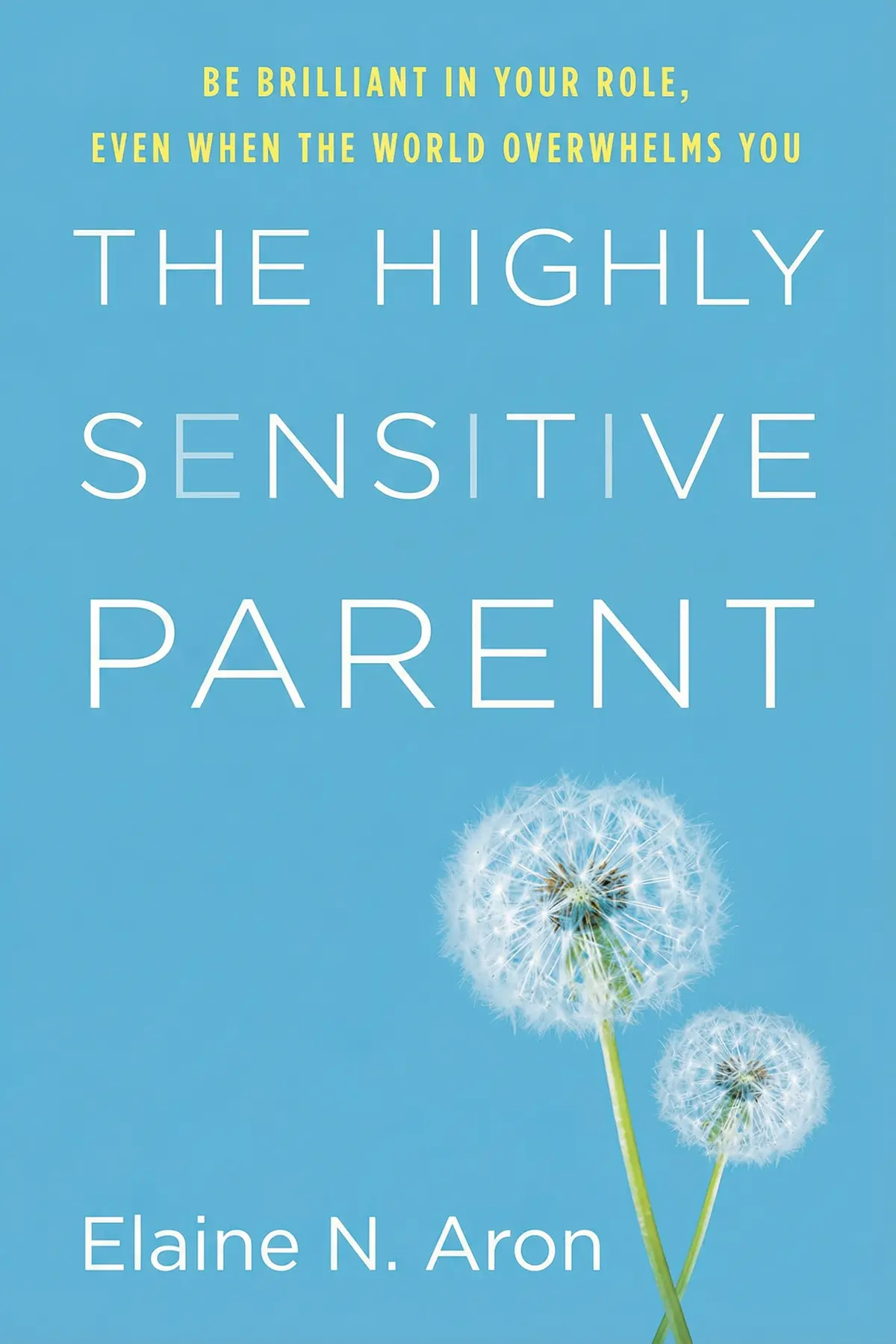
The Highly Sensitive Person: How to Thrive When the World Overwhelms You
Explore the biological trait of high sensitivity. This summary reveals how a keener nervous system impacts your life and provides strategies to turn sensory overwhelm into a powerful, thriving advantage.
Table of Content
1. Introduction
1 min 04 sec
Does it ever feel like you’re picking up on signals that everyone else is missing? Perhaps you walk into a room and immediately sense a tension in the air, or you find that a long day in a busy office leaves you feeling completely drained in a way that your colleagues don’t seem to experience. For a long time, society has labeled people like this as ‘too sensitive’ or ‘shy.’ But what if this isn’t a flaw that needs fixing? What if it’s a specific, biological trait with its own set of remarkable strengths?
In this summary, we are diving into the world of the Highly Sensitive Person, or HSP. We’ll move beyond the misconceptions and look at the actual science behind how your nervous system functions. You’ll discover why you process the world so deeply and how to manage the inevitable overstimulation that comes with it. The goal isn’t just to help you survive a loud and fast-paced world, but to show you how to leverage your sensitivity as a superpower. Let’s explore how you can stop feeling overwhelmed and start thriving by embracing the way you were built.
2. A Biological Blueprint, Not a Personality Flaw
1 min 44 sec
High sensitivity is an inherited neurological trait affecting twenty percent of the population, fundamentally changing how the brain processes every single detail of the environment.
3. Managing the Threshold of Overstimulation
1 min 42 sec
Highly sensitive individuals reach a point of sensory overload much faster than others, making it essential to find a balance between engagement and recovery.
4. Navigating Work and Social Pressure
1 min 32 sec
Success for the highly sensitive person often requires a shift toward autonomy and specific preparation to overcome the challenges of performance anxiety.
5. Reframing Your History and Self-Care
1 min 31 sec
Healing from a lifetime of feeling misunderstood involves looking back at your childhood with new eyes and prioritizing holistic physical and mental health.
6. Conclusion
1 min 02 sec
Being a highly sensitive person in a loud, fast-moving world can certainly feel like a challenge. But as we’ve seen, your sensitivity is not a burden; it is a vital part of who you are. By understanding the biological roots of your trait, you can stop trying to live by the standards of the other eighty percent and start creating a life that honors your unique needs.
Remember the throughline: your nervous system is simply more tuned in. This allows you to experience the world with a depth and richness that is truly a gift. To thrive, you must be the primary advocate for your own well-being. Practice self-kindness, seek out environments where your intuition can shine, and don’t be afraid to set the boundaries that protect your peace. When you learn to manage the stimulation and embrace the nuances, you don’t just cope with the world—you enrich it with your unique perspective. Your sensitivity is your superpower; use it wisely, and let it lead you toward a more meaningful, vibrant life.
About this book
What is this book about?
Have you ever felt like the volume of the world is simply turned up too loud? If you are frequently overwhelmed by bright lights, strong smells, or the subtle moods of those around you, you aren't alone. You may be one of the twenty percent of people born with a highly sensitive nervous system. This book serves as a vital guide for understanding this trait, which is often misunderstood as shyness or social anxiety, but is actually a distinct biological phenomenon. The Highly Sensitive Person provides a roadmap for navigating a world designed for the less sensitive. It explains why you process information so deeply and how this trait can lead to both intense exhaustion and incredible creativity. By the end of this journey, you will learn how to protect your energy, set healthy boundaries, and reframe your past experiences through the lens of your unique biological makeup. It is a promise of self-acceptance and a toolkit for thriving in your personal and professional life.
Book Information
About the Author
Elaine N. Aron
Elaine N. Aron is a distinguished clinical psychologist who has dedicated her career to researching the trait of high sensitivity. Her groundbreaking studies have been featured in prominent journals such as Counseling Today, Brain and Behavior, and Counseling and Human Development. As a highly sensitive person herself, she brings both professional expertise and personal insight to her work. She has authored several influential books on the subject, including The Highly Sensitive Child and The Highly Sensitive Person in Love.
Ratings & Reviews
Ratings at a glance
What people think
Listeners find this book exceptionally readable and clear, highlighting its extensive research and practical questionnaires. They value how it helps them decode their sensitivities and offers techniques for management, while simultaneously validating their lived experiences and fostering self-appreciation. The writing style earns praise, with one listener highlighting that the author is the primary authority on the subject. Although many find the material fascinating, some consider it dull.
Top reviews
Wan
Finally got around to reading this staple of the self-help genre, and I'm glad I did. I was genuinely surprised by how much the initial questionnaire resonated with my daily struggles, especially the bits about being easily overwhelmed by bright lights or loud noises. For years, I assumed I was just 'difficult' or 'thin-skinned,' but Aron’s research provides a much-needed framework for self-acceptance. The strategies for managing overstimulation in the workplace were particularly life-changing for me. It’s accessible, well-organized, and feels like it was written by someone who truly understands the exhaustion of existing in a loud world. While some of the sections on spirituality felt a bit dated, the core message of validating our sensory experiences is incredibly powerful. I finally feel like I have permission to need twelve hours of sleep after a big social event without feeling guilty.
Show moreLuke
As someone who has always felt like a literal sponge for other people's emotions, this book felt like a literal godsend. I never understood why I had such weird reactions to things like hunger, cold, or even certain medications like Benadryl, until I read Aron’s explanation of the HSP nervous system. The book is incredibly readable and the questionnaires are remarkably accurate. It’s not just about being an introvert—since 30% of us are extroverts—it’s about how we process the world at a deeper level. I loved the emphasis on avoiding medication to 'fix' a trait that is actually an evolutionary advantage. Personally, knowing that my sensitivity is an inherited characteristic, much like my father's, has been incredibly liberating. It has changed the way I communicate my needs to my spouse and friends. This isn't just a book; it's a manual for surviving a world that wasn't built for us.
Show moreMaksim
Wow, I didn't realize that my physical reactions to hunger or the way I notice every tiny detail in a room were actually linked to a specific personality trait. This book is a godsend for anyone who has spent their life being told they are 'too sensitive' or 'too thin-skinned.' Aron is clearly the authority, and her tone is both professional and deeply empathetic. I loved the chapters on how to navigate the workplace without burning out, as well as the advice for partners of HSPs. The questionnaire at the beginning was so spot-on it was almost spooky. It’s rare to find a book that validates your entire existence while also giving you a toolkit to thrive in a society that favors the loud and the bold. It has helped me appreciate myself so much better. If you’ve ever felt like a 'delicate flower' in a field of weeds, read this immediately. It’s life-changing.
Show moreSofia
The chapter on sensitive children was a revelation for me. It helped me reframe my own history, moving away from the 'scaredy-kid' label toward a more nuanced understanding of my temperament. Aron is clearly the authority on this topic, and her clinical knowledge shines through in the way she categorizes different types of arousal and stimuli. However, I have to admit that her writing style made me grind my teeth occasionally; she uses the word 'alas' with an alarming frequency that feels out of place in a psychological text. Despite the slightly flowery prose, the practical advice on how to navigate relationships with non-HSPs is worth the price of admission alone. It’s a comprehensive guide that doesn't just pathologize sensitivity but treats it as a legitimate biological trait. To be fair, it’s a must-read for anyone who has ever been told they take things too personally.
Show moreLeila
Ever wonder why you're the only one in the office who can't stand the hum of the fluorescent lights or the smell of a coworker's perfume? This book explains exactly why that happens. Aron provides a wealth of concrete solutions for managing these daily irritants, from setting boundaries at work to advocating for your right to downtime. I found the sections on how sensitivity affects our careers to be the most helpful part of the entire text. Not gonna lie, some of the stuff about dreams as guides was a bit much for me, but the clinical insights are solid. It's a very accessible read that manages to be both validating and practical. It’s helped me realize that my need to retreat into a dark room after a long day isn't a flaw, but a necessary reset for my nervous system. Definitely a foundational text for anyone who feels 'different.'
Show moreChai
After hearing about HSP traits for years, I finally decided to go straight to the source material to see what the fuss was about. Aron’s clinical experience is evident, and she does an amazing job of framing sensitivity as a trait with distinct assets rather than a pathology to be cured. I especially appreciated the nuanced discussion on how upbringing and attachment styles interact with our inborn sensitivity to shape who we become. While I didn't relate to every single scenario—I'm not particularly sensitive to cold, for example—the majority of the book rang true. My only real gripe is that it feels a bit dated in its lack of mention of modern therapies like DBT, which would be so useful for this demographic. Still, it’s a well-researched and insightful look into a personality type that is too often dismissed by an aggressive culture. It’s a solid 4-star read for anyone seeking self-understanding.
Show moreEvelyn
Is it just me, or does the term 'Highly Sensitive Person' feel a bit like calling yourself a 'Delicate Flower'? I picked this up hoping for a scientific breakdown of sensory processing, but I found the tone a bit too 'self-helpy' for my taste. Truth is, while the real-world challenges Aron describes are spot-on, her forays into biology felt a bit shaky and lacked the nuance found in more recent neurological studies. I also couldn't quite get on board with the whole 'society needs us as leaders' narrative, which felt like a forced attempt to build up our collective ego. I’m not trying to nurture society; I’m just trying to figure out how to go to the grocery store without feeling like a vibrating tuning fork. It’s a decent introductory text, but I think I would have preferred something with more hard data and fewer anecdotes about dreams and intuition.
Show moreDavid
Frankly, I think a lot of what Aron describes as 'sensitivity' might actually be undiagnosed neurodivergence, specifically on the autistic spectrum. As I read through the symptoms—hating clothing tags, being confounded by social situations, and cringing at loud noises—it felt like she was describing Asperger’s Syndrome without using the name. For someone like me, who discovered their diagnosis later in life, this book felt a bit like a one-dimensional approach to a far more complex issue. It’s helpful for those who are just 'naturally shy,' but the ambiguity might lead people in the wrong direction if they need more specialized support. The writing is fine, if a bit repetitive, and the questionnaires are a nice touch for self-reflection. However, if you feel like you're living in a completely different sensory world than everyone else, you might need more than just this book. It's a good start, but it lacks depth in certain areas.
Show moreJib
This book is definitely a product of its time, but it still offers some gems for those trying to set healthy boundaries. I found the author’s personal experiences helpful for context, though I wish there had been a bit more hard research to balance out the anecdotes. To be fair, the 'society needs us' theme felt a bit self-congratulatory and ignored the fact that many HSPs are just trying to survive the day, not become world leaders. The middle chapters dragged quite a bit, and I found myself skimming through the more esoteric sections about spirituality and dreams. However, the practical advice on communication with non-sensitive spouses was genuinely useful for my own marriage. It’s a decent book that provides a good starting point for self-discovery, even if it feels a little boring in parts. I’d recommend it with the caveat that you might not agree with all her conclusions.
Show moreSamira
Look, I wanted to like this because I've struggled with anxiety for years, but I found the constant focus on 'spirit guides' and religious metaphors to be incredibly off-putting. It felt less like a psychological study and more like a New Age manifesto at times. I’m an introvert who gets exhausted by crowds, but that doesn't mean I'm a 'nurturer of society' or possess some mystical intuition. The book is quite boring in the middle sections, and I honestly think it confuses being 'highly sensitive' with just having a poorly managed inferiority complex. Furthermore, the advice on how to 'fix' our thinking felt condescending. If you’re looking for a book that helps you understand introversion, I’d suggest reading 'Quiet' by Susan Cain instead. This one just spends too much time trying to make us feel special for having basic human reactions to overstimulation. It simply wasn't for me.
Show moreReaders also enjoyed
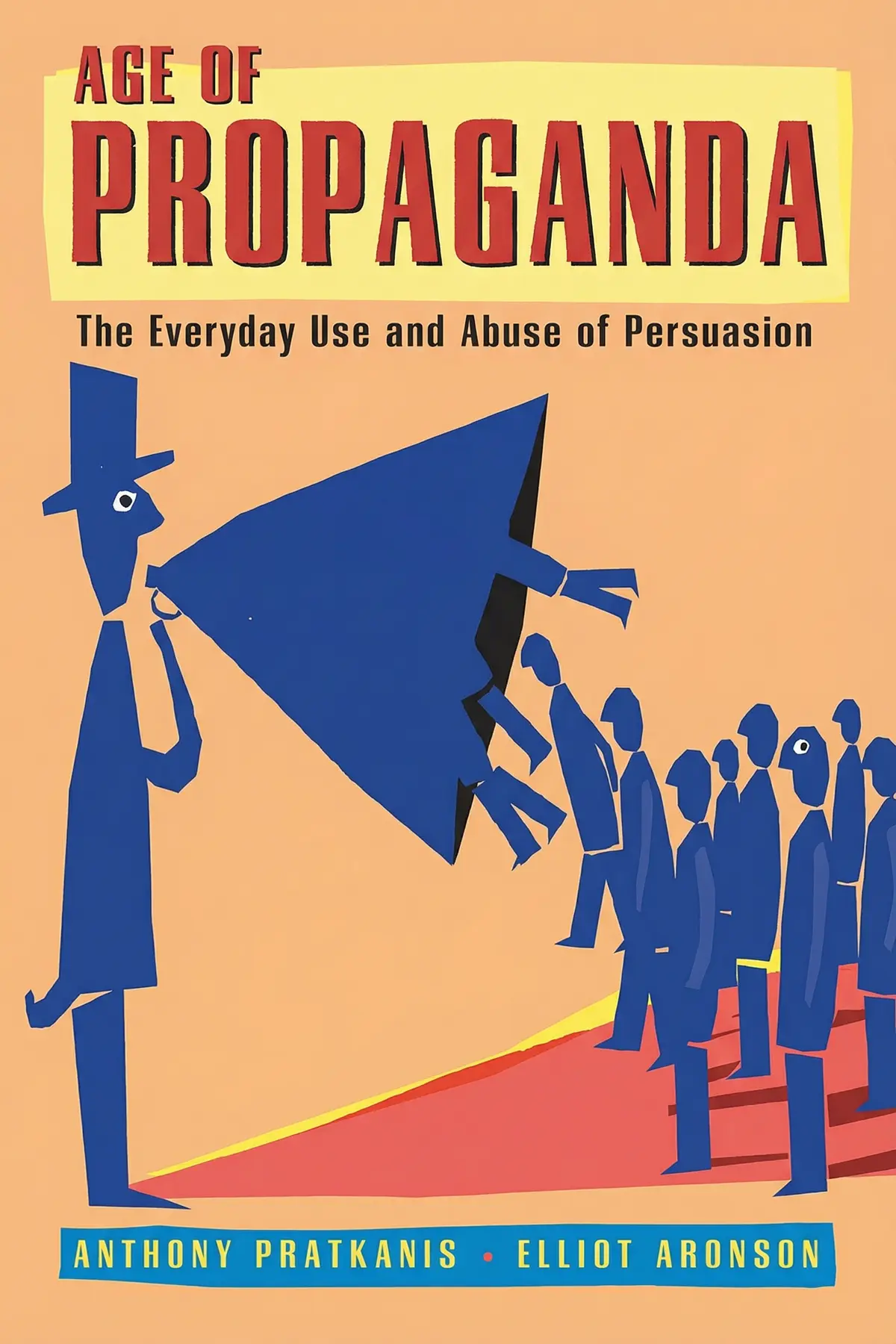
Age of Propaganda: The Everyday Use and Abuse of Persuasion
Anthony Pratkanis
Alcoholics Anonymous
Alcoholics Anonymous World Services
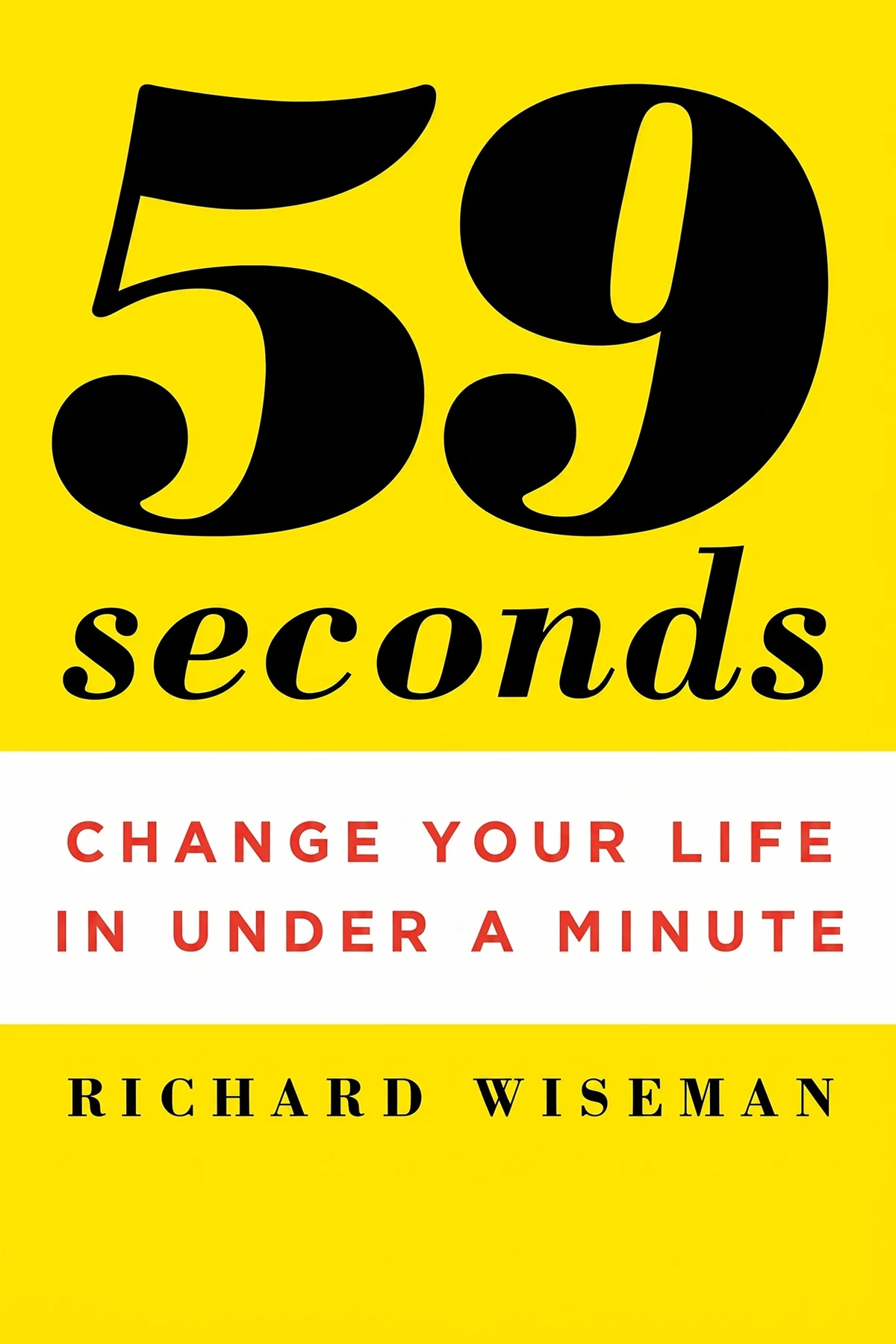
59 Seconds: Change Your Life in Under a Minute
Richard Wiseman
AUDIO SUMMARY AVAILABLE
Listen to The Highly Sensitive Person in 15 minutes
Get the key ideas from The Highly Sensitive Person by Elaine N. Aron, plus 5,000+ more titles in English and Thai.
- 5,000+ titles
- Listen as much as you want
- 7-day free trial
- Cancel anytime







