
14 min 39 sec
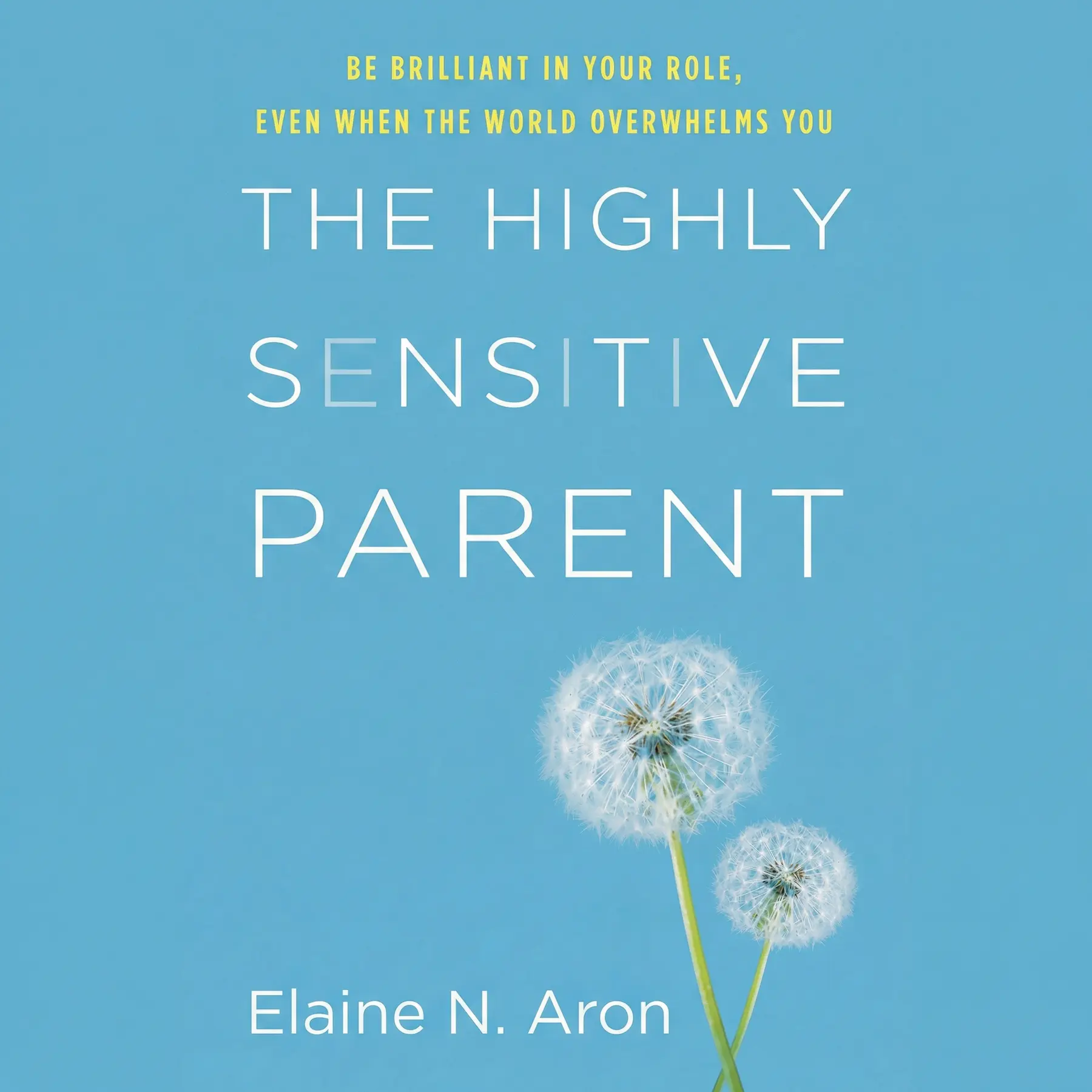
The Highly Sensitive Parent: Be Brilliant in Your Role, Even When the World Overwhelms You
Learn how to transform the challenges of high sensitivity into parenting strengths. This guide offers strategies for managing sensory overwhelm, setting vital boundaries, and fostering a deep, attuned connection with your children.
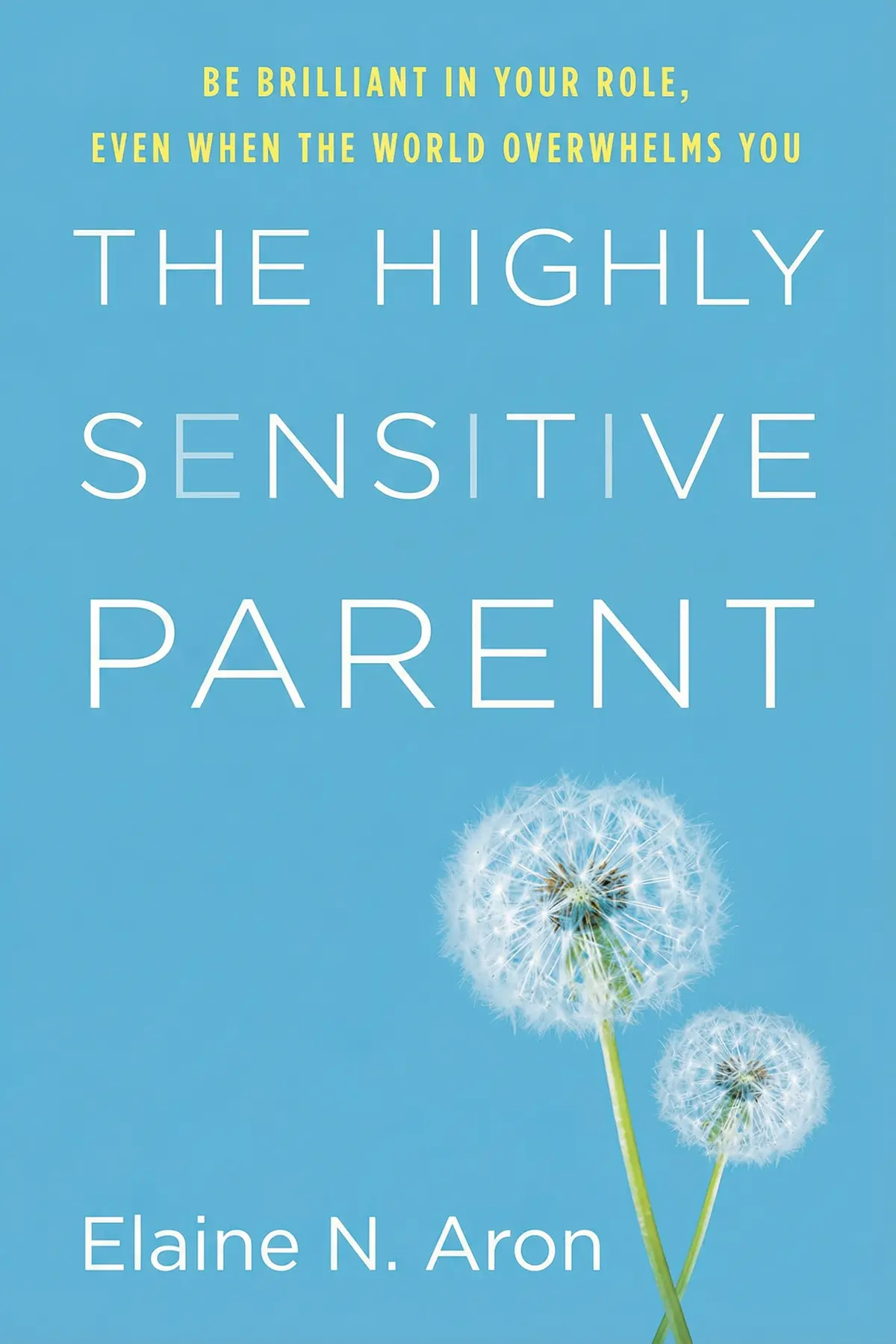
Table of Content
1. Introduction
1 min 31 sec
Have you ever found yourself at a crowded birthday party or a chaotic playground, feeling every loud noise and rapid movement as if it were a physical weight? While other parents seem to navigate the noise and the mess with a sense of casual ease, you might find yourself reaching your limit much faster. If this sounds familiar, you aren’t just tired or stressed in the way every parent is. You likely possess a nervous system that is wired to take in more information and process it with significantly more depth than the average person. This biological trait, known as high sensitivity, affects about one in five people, and it fundamentally changes the experience of raising a family.
In this exploration of how sensitivity shapes the parenting journey, we are going to look at why your home environment can sometimes feel like a sensory minefield and why you might absorb your child’s emotions as if they were your own. More importantly, we’ll move beyond the feeling of being overwhelmed to discover the incredible advantages your temperament provides. You will learn how to build a protective buffer around your energy, how to silence the inner critic that demands perfection, and how to use your natural empathy to create a bond with your child that is exceptionally strong. By the end of this journey, the goal is to shift your perspective from seeing your sensitivity as a hurdle to overcome, and instead, recognizing it as the very thing that makes you an extraordinary parent.
2. The Biology of the Sensitive Mind
2 min 14 sec
Discover why your brain is naturally wired to notice what others miss and how this deep-seated trait influences every interaction you have with your child.
3. Decoding the Overwhelm Equation
2 min 29 sec
Explore the specific factors that lead to sensory and emotional burnout, and why parenting environments can feel uniquely taxing for a sensitive nervous system.
4. The Strategic Art of Self-Preservation
2 min 20 sec
Learn how to build a protective buffer for your energy by mastering the dual skills of setting boundaries and accepting support.
5. Navigating Choice and the Inner Critic
2 min 14 sec
Silence the cycle of worry and indecision by adopting a ‘good enough’ mindset and practicing self-compassion.
6. The Payoff: The Extraordinary Gift of Attunement
2 min 30 sec
When the overwhelm is managed, your sensitivity becomes your greatest asset, allowing for a level of connection that few others can reach.
7. Conclusion
1 min 21 sec
As we conclude this look into the life of the highly sensitive parent, it’s important to remember that your temperament is a biological reality, not a character flaw. The depth with which you process the world, the intensity of your emotions, and your keen awareness of subtlety are the very traits that allow you to be an exceptionally attuned and loving caregiver. While the noise and chaos of family life can easily lead to burnout, you now have the tools to change that equation.
By establishing clear boundaries, reframing the act of asking for help as essential maintenance, and practicing self-compassion in the face of your own high standards, you can protect your energy. This isn’t just about your own comfort; it’s about creating the internal space necessary to use your sensitivity as a strength. When you are not drowning in overstimulation, you are free to provide your child with the profound sense of being seen and understood that only a sensitive parent can offer.
Take this knowledge with you: you don’t need to be louder or tougher to be a successful parent. In fact, your ability to be quiet, to reflect, and to feel deeply is exactly what your child needs most. Embrace your wiring, honor your limits, and trust that your sensitivity is the greatest gift you can give to your family. You are exactly the parent your child was meant to have.
About this book
What is this book about?
Raising children is a demanding journey for anyone, but for the twenty percent of the population born with a highly sensitive nervous system, it presents a unique set of hurdles and opportunities. This summary explores the biological reality of high sensitivity, explaining why common parenting environments often lead to intense exhaustion and sensory overload for certain individuals. Through the insights of Dr. Elaine N. Aron, you will discover that your tendency to process information deeply and feel emotions intensely is not a flaw, but a powerful tool for parenting. The summary provides a roadmap for navigating the 'overwhelm equation' by establishing essential self-care routines, reframing the need for external support, and managing the internal pressure of perfectionism. By learning to regulate your own nervous system, you can move past the cycle of burnout and tap into a profound level of attunement. This allows you to understand your child’s needs with remarkable clarity, creating a nurturing environment where both parent and child can flourish together.
Book Information
About the Author
Elaine N. Aron
Elaine N. Aron, PhD is a clinical and research psychologist credited with pioneering the study of high sensitivity as an innate trait. Her work explores how this temperament affects individuals in various aspects of life. She has also written several related titles, including the international bestsellers The Highly Sensitive Person and The Highly Sensitive Child.
Ratings & Reviews
Ratings at a glance
What people think
Listeners find the book's information quality to be beneficial, and one individual mentions that it supplies every essential tool. The title also earns acclaim for its readability, being viewed by many as a vital resource. Additionally, listeners value the parenting insights offered, with one noting how it aids HSP parents in identifying their specific needs.
Top reviews
Kob
This book feels like the owner's manual I never received when I brought my kids home from the hospital. As someone who has always felt 'too much' as a mother, Aron’s work offered a necessary lifeline. She helps HSP parents understand their unique needs by explaining the physiological reality of our nervous systems. I found the readability to be excellent; it isn't bogged down in dense jargon, yet it provides all the necessary tools to navigate the daily storm of parenting. After years of feeling like a failure for needing silence, I finally have the language to explain my boundaries to my family. It’s a must-read for anyone who feels overwhelmed by the constant noise and touch of young children. Truth is, just knowing I wasn't alone in my overstimulation changed my entire approach to my toddlers.
Show moreMay
Ever wonder why you’re the only parent at the birthday party who needs to hide in the bathroom for ten minutes just to breathe? This book finally gave me the answer. Unlike the original HSP book, this one resonates deeply with the specific, relentless exhaustion of raising kids. I found myself nodding along to every page. Aron explains that our brains are simply processing more data than the average parent, which makes self-care a survival strategy rather than a luxury. Personally, I think every sensitive parent should have this on their shelf. It doesn't just give you permission to take a break; it explains why your brain literally requires it. The sections on emotional regulation are pure gold. I wish I had read this before my first child was born, as it would have saved me years of guilt and confusion regarding my own temperament.
Show moreBee
After hearing so many recommendations from parenting groups, I finally picked this up and I’m so glad I did. This book is actually better than the original 'Highly Sensitive Person' because it focuses so specifically on the triggers of motherhood. The advice about explaining your 'biological advantage' to teachers was a game-changer for me. It transformed my defensiveness into a point of pride. For the first time, I understand that my intense empathy for my children is a tool, not a burden. It provides all the necessary tools to navigate high-stimulation environments like playgroups and school functions. This is absolutely a must-read for anyone who feels like they are constantly on the verge of a sensory meltdown. It decoded the specific biological requirements of my nervous system in a way that felt both scientific and deeply personal.
Show moreNoah
Picked this up during a particularly dark week of parenting, and it felt like someone finally handed me an oxygen mask. The truth is, parenting as an HSP is fundamentally different, and Aron doesn't shy away from that reality. She offers a comprehensive toolkit for those of us drowning in noise and laundry. While some critics say the advice to 'find help' is elitist, I think it’s just honest—we literally cannot do this alone without burning out. The readability is top-notch, and I found the parenting guidance to be both encouraging and practical. I especially loved the reminders to prioritize my own rest so I can be the patient mother I want to be. It is a validating, essential guide that has already improved the atmosphere in my home. If you feel 'thin-skinned' or easily rattled, please read this.
Show moreSomsak
I stayed up late finishng this because, for the first time, I felt like someone understood that my emotions are actual physical labor. Aron explains that jautrieji tėvai (sensitive parents) are like emotional sponges, and that is a exhausting way to live. The book emphasizes that we are the best parents when we are rested, which sounds simple but is revolutionary when you're used to sacrificing everything. I loved the test at the beginning; it really helped me categorize my struggles. While I think it could have been a bit longer and more systematic, the insight into emotional regulation was invaluable. It helped me see my sensitivity not as a flaw, but as a different way of functioning. It’s a solid resource, even if it does occasionally lean into the 'find help' refrain a bit too heavily.
Show moreElena
The concept of the 'highly sensitive parent' is undeniably relevant, but the execution here is a mixed bag of the obvious and the odd. To be fair, I appreciated the section on choosing schools and the specific challenges of homeschooling, even if some parts felt a bit niche. However, a lot of the 'wisdom' is just common sense. Do I really need a PhD to tell me that noise-canceling headphones help with screaming? The chapters on dealing with partners felt a bit tacked on, especially since they assume a very specific two-parent dynamic. If you are a single parent, you’re basically told it’s 'more challenging' and to—you guessed it—find help. It's a decent introductory text if you've never heard of the trait, but if you’re already familiar with Aron’s work, you might find this repetitive and a bit light on actual substance.
Show morePui
Look, I identify as an HSP, but Elaine Aron’s writing style is just so difficult to stay engaged with. It feels very 'tell-me-something-I-don’t-know' for most of the first half. I often feel resentful of parenting books like this because they focus on individual behavior changes instead of the systemic problems that make parenting hard. Why should I have to prepare a script for strangers when the real problem is a culture that doesn't value caregiving labor? That said, the book did offer a few nuggets of wisdom regarding temperament. I liked the idea of viewing my nervous system as a physical organ that needs maintenance. It’s an okay read, but it lacks the depth of her original work. If you’re already well-versed in the 'gifted kid' or neurodivergent world, you’ve probably heard most of this before.
Show moreDiego
I really wanted to love this, but the tone is incredibly elitist and out of touch with average working families. Some of the advice is just bizarre. For instance, Aron suggests telling strangers who critique your parenting that you have a 'biological advantage.' In my experience, saying 'you clearly don’t know about children' to a stranger is just a recipe for an public argument, not a solution. The author cites studies to show how sensitivity is a disadvantage, only to immediately ignore those findings to push her own narrative. While the initial validation of sensory overwhelm was nice, the book quickly devolved into 'just pay for more childcare.' If you don't have a massive budget or a perfectly supportive partner, much of this advice is functionally useless. It's a lot of theory with very little practical application for the heat-of-the-moment struggles.
Show moreNoo
Finally got around to reading this, but the rampant ableism made it a total slog. It’s the same old story where 'high sensitivity' is used as a polite euphemism for what is clearly neurodivergence. You cannot describe autistic shutdowns, sensory meltdowns, and overactive nervous systems word-for-word and then claim it isn't related to the DSM. Frankly, it feels like the author is trying to repackage ADHD or Autism traits as a 'special' biological advantage while ignoring the actual support those communities need. The advice for when things get hard? 'Find help.' That’s it. It’s incredibly frustrating to pick up a niche book looking for strategies only to be told to go buy a different book or hire a nanny. For those of us parenting multiple children without a trust fund, this offers nothing but a pat on the head and a suggestion to wear earplugs.
Show moreChanida
What a massive disappointment for anyone who isn't independently wealthy or living with a village of helpers. The core message of this book is essentially 'get more help,' which is a slap in the face to parents struggling in a society that offers zero systemic support. I found the advice to drop your hobbies and friends just to keep your head above water at work to be incredibly toxic and unhealthy. Why is the burden of change always on the individual parent? We are in a childcare crisis, yet the author acts like finding a high-quality sitter is as easy as picking up milk. Not gonna lie, I felt more stressed after reading this than before. It ignores the reality of the pandemic and the lack of healthcare, focusing instead on precious, idealized versions of parenting that don't exist for most of us.
Show moreReaders also enjoyed
AUDIO SUMMARY AVAILABLE
Listen to The Highly Sensitive Parent in 15 minutes
Get the key ideas from The Highly Sensitive Parent by Elaine N. Aron, plus 5,000+ more titles in English and Thai.
- 5,000+ titles
- Listen as much as you want
- 7-day free trial
- Cancel anytime







