
13 min 29 sec
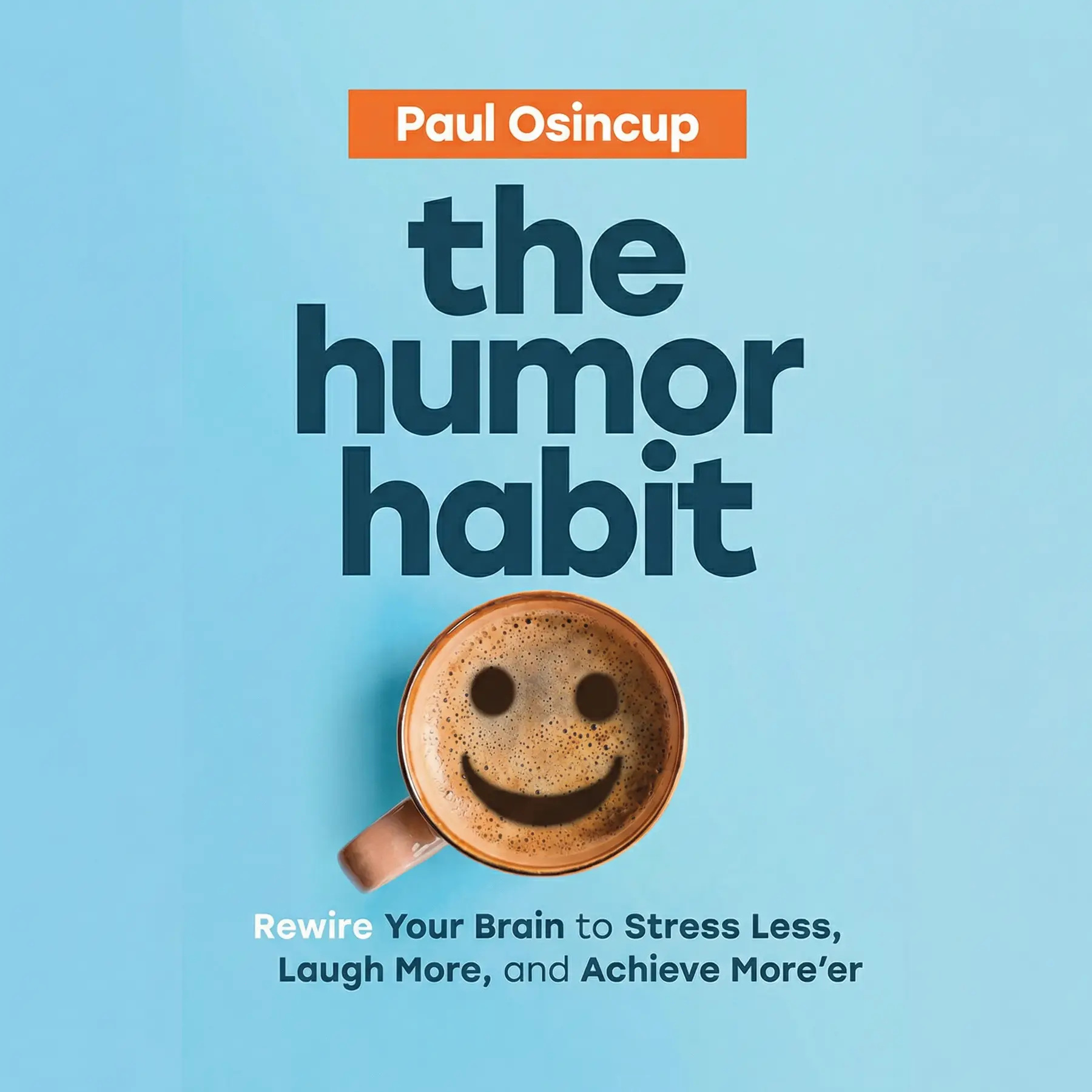
The Humor Habit: Rewire Your Brain to Stress Less, Laugh More, and Achieve More'er
By Paul Osincup
The Humor Habit explores how to intentionally integrate laughter into your daily routine to reduce stress, boost workplace productivity, and build lasting emotional resilience through practical, science-backed comedic techniques.
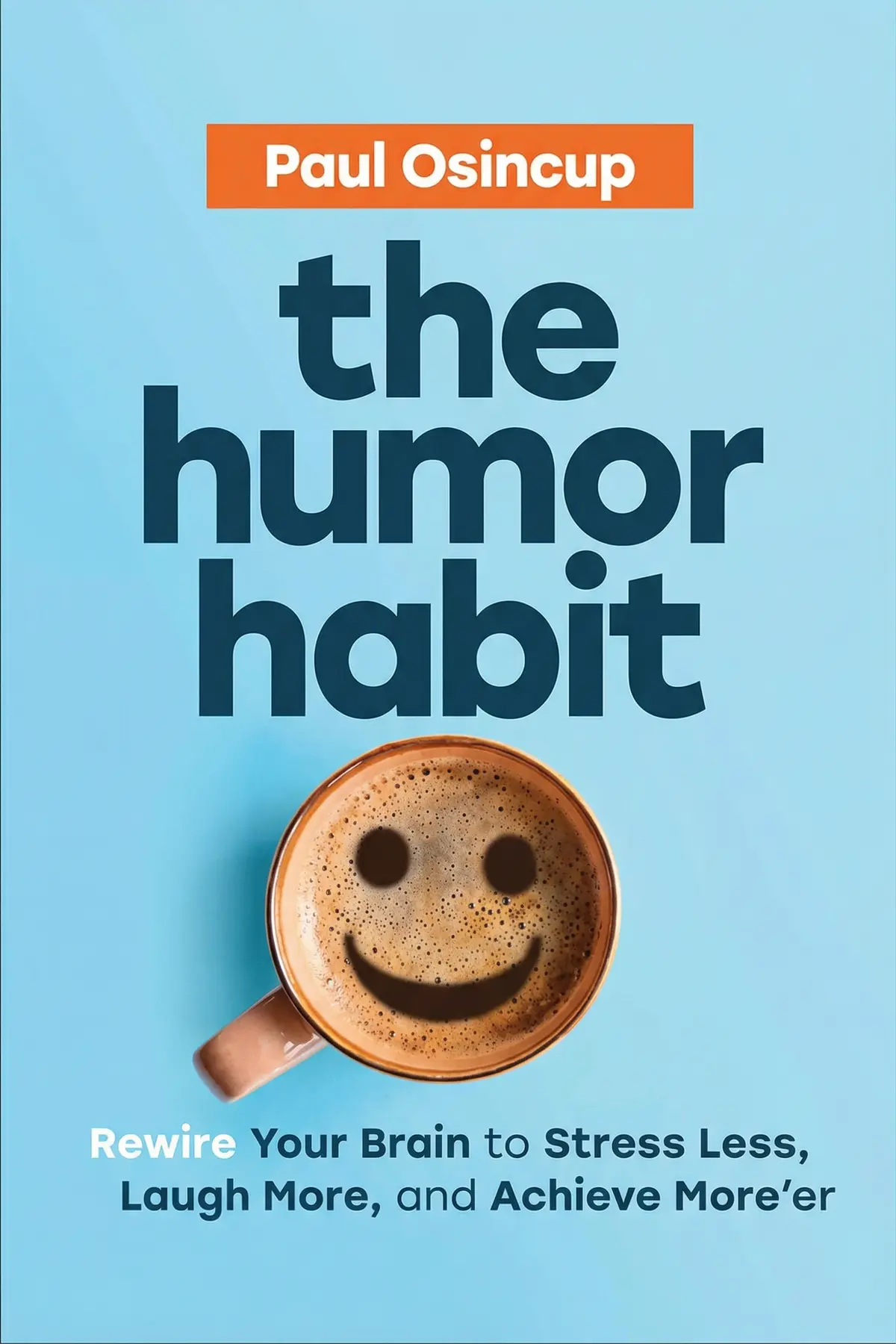
Table of Content
1. Introduction
1 min 22 sec
We often treat humor like a luxury—a pleasant byproduct of a good day or a lucky break. But what if laughter wasn’t just a reaction to happiness, but a catalyst for it? In a world that frequently feels overwhelmed by gravity and gloom, the ability to find a reason to smile is more than just a social asset; it is a vital survival skill. The throughline of this exploration is the idea that humor is a habit, not a personality trait. Just as you might head to the gym to build physical strength or practice a new language to expand your mind, you can actually train your brain to become more attuned to the comedic side of life.
Developing this habit isn’t about becoming a stand-up comedian or a master of the one-liner. Rather, it’s about shifting your fundamental frequency. It’s about learning to look at a stressful morning or a botched presentation and seeing the inherent absurdity rather than just the anxiety. By the time we finish, you’ll see how the simple act of choosing to find the funny can rebuild your resilience, deepen your relationships, and even make you better at your job. We are going to dive into the mechanics of mindset, the importance of what you consume, and the specific games you can play to ensure your brain stays primed for joy. It’s time to stop waiting for life to be funny and start making it that way.
2. Adopting the Improv Mindset
2 min 34 sec
Discover how the foundational rules of improvisational theater can be applied to your daily life to foster presence, better listening, and a more collaborative spirit.
3. The Power of Intentional Consumption
3 min 03 sec
Learn why humor should be treated like a nutritional requirement, requiring you to carefully curate what you watch, listen to, and share with others.
4. Training the Brain to Find the Funny
2 min 32 sec
Discover practical exercises and games that rewire your neural pathways to automatically detect amusement in the mundane details of daily life.
5. Using Humor to Navigate Pain
2 min 32 sec
Explore how comedic techniques like exaggeration and wordplay can provide the cognitive distance necessary to process and overcome life’s hardships.
6. Conclusion
1 min 26 sec
As we wrap up this journey into the humor habit, it’s important to remember that the goal isn’t to be happy every second of every day. That’s impossible. The goal is to build a toolkit that you can reach for when things get difficult. By adopting the ‘Yes, and…’ mindset of an improviser, curating your daily intake of comedy, and training your brain to savor the small, funny moments, you are doing more than just looking for a laugh. You are fundamentally changing your relationship with stress and connection.
Humor is a contagious force. When you choose to find the levity in a situation, you give the people around you permission to do the same. You become a beacon of resilience in your workplace and a source of joy in your home. This ripple effect can transform entire cultures, making them more collaborative, creative, and compassionate. So, as you move forward into your day, I challenge you to look for that one absurd detail, share that one silly thought, and let that one laugh out a little louder. Life is far too important to be taken seriously all the time. By making humor a habit, you ensure that no matter what challenges come your way, you’ll always have the last laugh—not out of spite, but out of a deep, resilient joy.
About this book
What is this book about?
Have you ever felt that life is becoming a bit too heavy, or that your workplace has lost its spark? The Humor Habit suggests that joy is not just a random occurrence but a skill that can be developed through consistent practice. This book provides a roadmap for shifting your perspective by using the principles of improvisational comedy to navigate daily challenges. It argues that by training your brain to seek out the funny moments in everyday life, you can fundamentally rewire your response to stress. The promise of this work is simple yet profound: by adopting specific habits—like conscious humor consumption and reframing negative events through comedic lenses—you can improve your mental health and professional performance. It moves beyond the idea that you are either born funny or you aren't. Instead, it offers actionable strategies to help anyone find more levity, build stronger connections with colleagues, and use laughter as a tool for recovery during difficult times. By the end, the goal is to transform humor from an occasional treat into a reliable, life-enhancing habit.
Book Information
About the Author
Paul Osincup
Paul Osincup is a renowned speaker and workplace culture specialist who focuses on the transformative power of humor and positivity. He has shared his expertise with a wide array of prestigious organizations, ranging from global tech giants like Google and Cisco to the U.S. Air Force. His mission is to help teams improve their dynamics and well-being through strategic levity. A featured voice in Forbes and the New York Times, Osincup has also delivered his insights on the TEDx stage.
Ratings & Reviews
Ratings at a glance
What people think
Listeners find the book funny, noting its ability to lower stress and enhance communication skills. They also value its educational quality; one listener points out the research-based guidance and practical tips, while another mentions the author’s background as a successful corporate trainer. Furthermore, listeners characterize the read as both entertaining and simple to follow.
Top reviews
Nathan
Finally, a self-help book that doesn't feel like a chore to get through! I’m someone who usually avoids productivity titles, but the idea of using humor as a tool for resilience really resonated with my current stress levels. The author’s background as a corporate trainer shines through because the tips are actually practical for a 9-to-5 life. I’ve started a 'humor jar' for my desk, and frankly, just anticipating the funny moments has made my Mondays more bearable. It’s the perfect blend of hard facts and lighthearted encouragement that makes you want to keep reading. Highly recommended if you feel like you've lost your spark lately.
Show moreAndrew
The chapter on improv principles was the highlight for me because it's so rare to see them applied to everyday stress. Paul Osincup has a way of making you feel like you're just chatting with a funny friend who happens to know a lot about neuroscience. I’ve started sharing funny videos with my coworkers during our lunch breaks, and the shift in our office morale has been noticeable. This isn’t just self-help fluff; it’s a practical guide to reclaiming your joy in a world that feels increasingly heavy. If you’re feeling burnt out, do yourself a favor and pick this one up today.
Show moreFelix
Picked this up on a whim after my boss recommended it during a particularly rough quarter. I wasn't expecting much, but the conversational tone and universal examples really pulled me in from page one. The way Osincup breaks down humor into a daily habit makes the idea of 'being funny' feel much less intimidating for us non-comedians. I especially appreciated the 'Unfortunately/Fortunately' game for dealing with minor daily annoyances like traffic or rain. It’s a short, entertaining read that manages to teach you something valuable without being preachy or overly academic. I’ll be gifting this to a few friends.
Show moreLek
After hearing Paul speak at a conference, I knew I had to grab this. The way he bridges the gap between scientific research and actual, actionable advice is quite impressive. Truth is, most business books are dry, but this one uses a conversational tone that keeps you engaged without being overly goofy. I particularly liked the 'Yes, and...' principle application for professional environments where tension usually runs high. My only gripe is that some of the humor exercises felt a bit repetitive by the end of the book. Still, it's a solid 4-star read for anyone looking to lighten up their workplace culture without losing their professional edge.
Show moreKofi
The 'Three Funny Things' challenge changed my morning routine more than any espresso shot ever could. Paul Osincup does a fantastic job explaining how we can rewire our brains to look for the lighthearted side of even the most frustrating situations. His explanation of cognitive distance—how our brains can’t process distress and humor simultaneously—was a total 'aha' moment for me. Some of the jokes in the text are a bit 'dad-humor' adjacent, but that’s kind of the point, right? It’s about not taking yourself so seriously. It’s a fun, quick read that actually leaves you with useful tools for your mental health toolkit.
Show moreIngrid
Look, we all know life is stressful right now, and this book arrives at just the right time. The author makes a compelling case that humor is a skill to be practiced rather than a gift you’re born with. I loved the focus on 'savoring' fun moments because I usually just let them pass without a second thought. The book is easy to digest, with short chapters and plenty of examples from pop culture that keep the energy high. While some of the exaggeration exercises felt a bit silly, the underlying message about resilience is very powerful. It’s definitely improved my communication with my team at work already.
Show moreElan
As someone who struggles with social anxiety, I found the 'Yes, and...' sections particularly helpful for navigating awkward conversations. The book isn't just about telling jokes; it’s about a mindset shift toward positivity and presence. Osincup’s writing is very accessible, and he manages to weave in hard science without making it feel like a textbook. I do wish there were a few more advanced techniques for those of us who have already dabbled in improv, but for a general audience, it hits the mark perfectly. It’s a great reminder that we don’t stop laughing because we get old; we get old because we stop laughing.
Show moreEvelyn
Is humor really a habit you can just build like going to the gym? Osincup argues it is, and while the 'Three Funny Things' exercise is a nice touch, some of the content felt slightly reductionist to me. The book leans heavily on improv principles, which is great if you're into that, but if you're a natural introvert, it might feel a bit daunting. I appreciated the research-backed sections because they added some much-needed weight to the 'just be funny' advice. It’s a quick read, but I’m not entirely sure it’s a 'written book' in the traditional sense; it feels more like a transcript of a really good workshop.
Show moreLena
This book occupies a strange middle ground between a business manual and a comedy sketch, and it doesn't always land. On one hand, the research on how humor boosts productivity is fascinating and well-cited. On the other hand, some of the 'action points' feel a little like homework you’d get at a mandatory HR retreat. I liked the 'What I Could’ve Said' game for reframing past embarrassments, but I found myself skimming some of the more repetitive anecdotes. It’s a decent read if you want to improve your workplace vibe, but don’t expect it to turn you into a stand-up comedian overnight.
Show moreCooper
To be fair, I expected more 'how-to' and less 'why-it-works' from a book titled 'The Humor Habit.' While the author seems like a genuinely good dude with a lot of energy, the writing style felt a bit too casual for my personal taste. Much of the advice boils down to 'notice funny things,' which felt like common sense rather than a revolutionary system. The 'Unfortunately/Fortunately' game was a bright spot, but it wasn't enough to save the rest of the book for me. If you’ve never thought about humor before, this might be a revelation, but for most, it will feel like fluff.
Show moreReaders also enjoyed
A Guide to the Good Life: The Ancient Art of Stoic Joy
William B. Irvine

A Bigger Prize: How We Can Do Better Than the Competition
Margaret Heffernan
A High-Performing Mind: Strengthen Your Mind and Live Your Best Life
Andrew D. Thompson
AUDIO SUMMARY AVAILABLE
Listen to The Humor Habit in 15 minutes
Get the key ideas from The Humor Habit by Paul Osincup, plus 5,000+ more titles in English and Thai.
- 5,000+ titles
- Listen as much as you want
- 7-day free trial
- Cancel anytime







