
Beyond the Pleasure Principle
Sigmund Freud
Explore the foundational text of psychoanalysis to discover how our nightly visions serve as the royal road to the unconscious, revealing repressed desires, hidden childhood memories, and the mechanics of the mind.
1 min 45 sec
Have you ever woken up in the middle of the night, heart racing or mind buzzing, wondering why on earth your brain conjured up such a strange, vivid, or perhaps even disturbing scenario? For most of human history, we looked to the stars or the gods for an answer. We treated our nightly visions as omens or divine messages that predicted the future of kingdoms and battles. But at the turn of the twentieth century, a seismic shift occurred in how we view the theater of the mind. Sigmund Freud, the father of psychoanalysis, proposed something radical: our dreams aren’t about the future at all. Instead, they are the most direct path we have to understanding our hidden past and our current, secret desires.
In this exploration of Freud’s cornerstone work, we are going to pull back the curtain on the unconscious. We will look at why we dream about the things we do, how our minds disguise the truth to keep us from waking up in a panic, and what our recurring nightmares might actually be trying to tell us. This isn’t just about curiosity; it’s about a new way of seeing ourselves. Freud argues that by interpreting these fragments of the night, we can uncover the internal thought processes that drive our behavior during the day.
Whether a dream feels incredibly mundane—like filling out paperwork—or completely fantastical, there is a throughline of meaning waiting to be discovered. We will see how the psyche takes the raw material of our lives and weaves it into a complex tapestry of symbols and stories. By the end of this journey, you’ll understand the mechanics of the dream-work and how these insights formed the basis for treating the human soul through the simple act of talking. Let’s begin by looking at how we moved away from ancient superstitions and toward a systematic, psychic understanding of the dreaming mind.
2 min 15 sec
Explore the historical shift from viewing dreams as divine prophecies to understanding them as reflections of our personal history and psychic memories.
2 min 03 sec
Discover Freud’s provocative claim that every dream is an attempt to satisfy a desire, even when the dream itself seems unpleasant or confusing.
2 min 16 sec
Uncover the three primary places where our dreams find their subject matter, from recent events to deep-seated childhood impressions.
2 min 10 sec
Learn about the internal processes of condensation and displacement that transform our raw thoughts into cryptic dream imagery.
1 min 58 sec
Understand how the mind uses everyday objects and metaphors to represent abstract thoughts and forbidden topics in our sleep.
2 min 05 sec
Discover why people all over the world share similar dreams, like falling, flying, or being naked in public.
1 min 47 sec
Analyze the complex emotional bonds of childhood and how they manifest in our dreams through the lens of the Oedipus complex.
2 min 04 sec
See how decoding the ‘royal road’ to the unconscious can lead to profound breakthroughs in treating mental health and understanding the human psyche.
1 min 38 sec
Sigmund Freud’s exploration of the dream world completely redefined our relationship with our own minds. By moving away from the idea that dreams are external messages from a divine source, he placed the power and the meaning of the dream squarely within the individual. We have seen that dreams are not just random ‘brain noise’ but are purposeful constructions designed to fulfill our most secret wishes while we sleep. Through the clever work of condensation and displacement, our minds allow us to process complex emotions and ancient memories without disrupting our rest.
This journey through the unconscious has shown us that our childhoods are never truly behind us. The rivalries, the exhilaration of play, and the deep bonds with our parents continue to shape our nightly visions and our daily actions. Whether we are dreaming of being naked in a crowd or simply seeing a recurring symbol like a house or a ship, we are engaging with a language that is as old as humanity itself.
The takeaway from Freud’s work is a call to pay closer attention to the stories we tell ourselves in the dark. By learning to decode the symbols and understand the mechanics of our dreams, we gain a valuable tool for self-discovery and emotional clarity. Our dreams are a ‘royal road’—a direct path to the parts of ourselves we often keep hidden. The next time you wake up from a strange dream, instead of brushing it off as nonsense, take a moment to look for the wish, the memory, or the symbol hidden within. You might find that your mind has been trying to tell you something important all along. By bridging the gap between our waking and sleeping selves, we can live more integrated, self-aware lives.
The Interpretation of Dreams is the seminal work by Sigmund Freud that introduced the world to the idea that our dreams are not random noise or divine prophecies, but rather highly structured messages from our unconscious. This guide explores the revolutionary claim that every dream is a form of wish fulfillment, even when the content appears distressing or nonsensical. Through a detailed examination of dream mechanics—such as condensation and displacement—this summary explains how the psyche masks our deepest impulses to protect us from discomfort. It delves into the sources of our dreams, ranging from the trivial events of the previous day to profound, long-buried childhood experiences. You will learn about the universal symbols that appear across human cultures and the controversial psychological complexes that Freud believed shaped our earliest emotional lives. Ultimately, this work offers a promise: by decoding the language of our dreams, we can gain unparalleled access to the inner workings of the human mind and find new ways to treat psychological distress.
Sigmund Freud (1856–1939) was an Austrian neurologist who founded psychoanalysis. This revolutionary practice introduced a new method for treating psychopathologies through structured, revealing conversations between a patient and an analyst, forever changing the landscape of modern psychology and our understanding of the human self.
Sigmund Freud
Sigmund Freud
Listeners find the work both engaging and educational, with one listener highlighting it as mandatory reading for therapy professionals. Furthermore, the content presents a unique outlook on dreaming, and listeners feel the purchase is worthwhile. However, its overall length results in varied feedback, including one listener who felt it was too long to read. Listeners also share conflicting reports regarding the book’s physical state.
Wow. This isn't just a book; it's a foundational pillar of how we look at the self, regardless of whether you agree with every Freudian slip. Freud’s deep dive into the unconscious mind changed the way I look at my own night-terrors and weird imagery, like that recurring dream I have about a fur-covered shark. It provides a completely new perspective on the internal mechanics of the mind that feels both revolutionary and timeless. While it is certainly a massive undertaking, the depth of the information provided makes it absolutely worth the price of admission. You start to see symbols everywhere—in your coffee, in the architecture, even in the way you misplace your keys. It is informative in a way that feels like a key turning in a lock you didn't know existed. I highly recommend it for anyone who wants to understand what makes a human tick.
Show morePicked this up because my professor called it essential reading for anyone pursuing clinical therapy, and she wasn't wrong at all. The Interpretation of Dreams offers a comprehensive look at how the unconscious mind operates through symbols and allusions. I found his discussion on the 'Oedipal Complex' and childhood desires to be particularly gripping, even if they remain highly controversial today. The book is informative and dense, but it rewards the patient reader with a much deeper understanding of psychoanalysis. Personally, I think the way Freud treats every dream as a puzzle to be solved—like a psychological Sherlock Holmes—is what makes this so engaging. It is well worth the price for the sheer volume of insight provided. If you can get past the Victorian-era hang-ups, there is a wealth of knowledge here about how we process our daily lives through imagery.
Show moreLooking back at my own dreams after finishing this, I can't help but see the symbolic shifts Freud describes everywhere. He has this amazing way of making the mundane seem deeply significant. The way he references Aristotle’s ideas about unresolved day-residue provides a great bridge between ancient and modern thought. This book is a masterpiece of observation, even if some of the specific interpretations don't hold up under modern scrutiny. It’s essential reading for anyone who wants to dive deep into the theory of psychoanalysis and the role of the unconscious. I found it to be a very informative and surprisingly emotional read, as Freud shares so much of his own inner life. The price is a steal for a book that literally changes the way you perceive your own mind. It’s a thick, engaging textbook that stays with you long after you close it.
Show moreEver wonder why you're being chased by a giant white badger or find yourself cycling through a gothic forest on a tandem bicycle in your sleep? Freud tries to answer these bizarre scenarios by stripping away the surface level and looking for the hidden wish. Truth is, some of his conclusions about phallic symbols and 'fallen women' feel a bit dated, but his core theory about dreams as wish fulfillment is genuinely fascinating. The book is definitely informative, providing a roadmap for the subconscious that few others have managed to replicate with such confidence. My only real gripe is the length, as it can feel like a slog when he goes into interminable facts about the history of dream interpretation before getting to the meat. However, for those interested in the human condition, it’s a necessary hurdle. It’s a daunting classic that still manages to be strangely entertaining.
Show moreAfter hearing so much about Freud’s weird theories, I finally decided to go straight to the source material to see if it was as wild as everyone says. In my experience, it’s actually much more analytical and grounded in clinical observation than the pop-culture version suggests. The way he breaks down how we censor our own thoughts during sleep is brilliant. He describes how the 'dream-work' condenses multiple ideas into a single image, like a person having the face of a friend but the voice of a mother. It's a new perspective that makes you look at your own nocturnal visions with a lot more curiosity. Yes, it’s a bit of a marathon, and some of the sexual stuff is definitely 'cringe,' but the core ideas about the unconscious are solid. It’s a bucket-list classic that lived up to the hype for me.
Show moreMichael Page’s narration of the unabridged audio version is the only reason I made it through all 600-plus pages of this psychological marathon. His voice perfectly captures the tone of an analytical psychologist, making the dense text feel much more like a personal conversation. Freud’s endless analysis of dream symbols can be mind-boggling, but hearing it read aloud helped me stay in rapt attention. The examples he gives of how reality manifests in dreams—like a siren turning into a train whistle—are particularly interesting and relatable. While some of the theories are pretty wild (the masturbation/beating child pun was a bit much), the book is highly informative. It’s a must-read for anyone who dreams in vivid stories and wants to know why. It definitely makes you more aware of your subconscious thoughts during the day.
Show moreFrankly, I think Freud might have been projecting a little bit too much when he decided every dream about a falling woman or a cucumber was a sexual metaphor. Look, I understand he was a pioneer, and the book is definitely essential reading for therapists, but the constant return to sexual obsession is exhausting. It is a long read—arguably too long for the casual reader—and the physical condition of the copy I received was disappointing with a weak binding. Still, there’s no denying the brilliance in his analysis of how our waking life bleeds into our sleeping state. He explains how a real-world alarm clock can be seamlessly integrated into a dream plot, which is something I’ve experienced often. It’s a noteworthy book for its historical impact, even if I found myself rolling my eyes at the more outlandish phallic theories.
Show moreTo be fair, the writing style is surprisingly engaging for a turn-of-the-century clinical text, but the sheer volume of pages is absolutely daunting. I struggled with the middle sections where Freud interprets his own dreams with an almost obsessive level of detail. Sometimes a badger is just a badger, you know? He seems determined to find a hidden meaning in every single pebble and blade of grass, which can feel a bit like he's imposing his own preconceptions on the data. Not gonna lie, I was skeptical of the idea that all dreams are wish fulfillments, especially when it comes to nightmares. However, the book is worth the price for the historical context alone. It’s an interesting look at the birth of psychoanalysis, even if it feels a little dated in the Indian context or other non-Western cultures.
Show moreThe chapter on dreaming of children was where Freud lost me, especially the part about beating children representing a wish for masturbation. It’s hard to take some of his 'Elementary, my dear Watson' moments seriously when the logic feels so far-fetched. Got-ta say, the book is interesting as a historical curiosity, but it feels more like a collection of stories than a scientific manual. The physical condition of my copy was also quite mediocre, with thin pages that were hard to flip. That being said, his discussion on 'displacement' and how we hide our true feelings from ourselves is quite insightful. It provides a new perspective on why we feel so strange when we wake up from a particularly vivid dream. I'd recommend it for the curious, but don't expect it to be an easy or quick read. It requires a lot of patience.
Show moreNot what I expected given the reputation of this 'masterpiece,' as I found it nearly impossible to finish without falling into a dreamless sleep myself. The book is incredibly long and repetitive, circling back to the same sexual symbols over and over again until the logic feels circular. To be fair, some of the initial chapters on the history of dream theory were interesting, but the bulk of it feels like the cocaine-fueled ramblings of a man obsessed with his own theories. Also, the physical condition of the book was poor; several pages started falling out halfway through my reading. While it’s clearly an important text for the history of psychology, it isn't exactly an accessible or enjoyable read for someone looking for practical advice. There are much better, more modern takes on dream analysis that don't involve beating children as a metaphor for masturbation.
Show more
Richard Wiseman
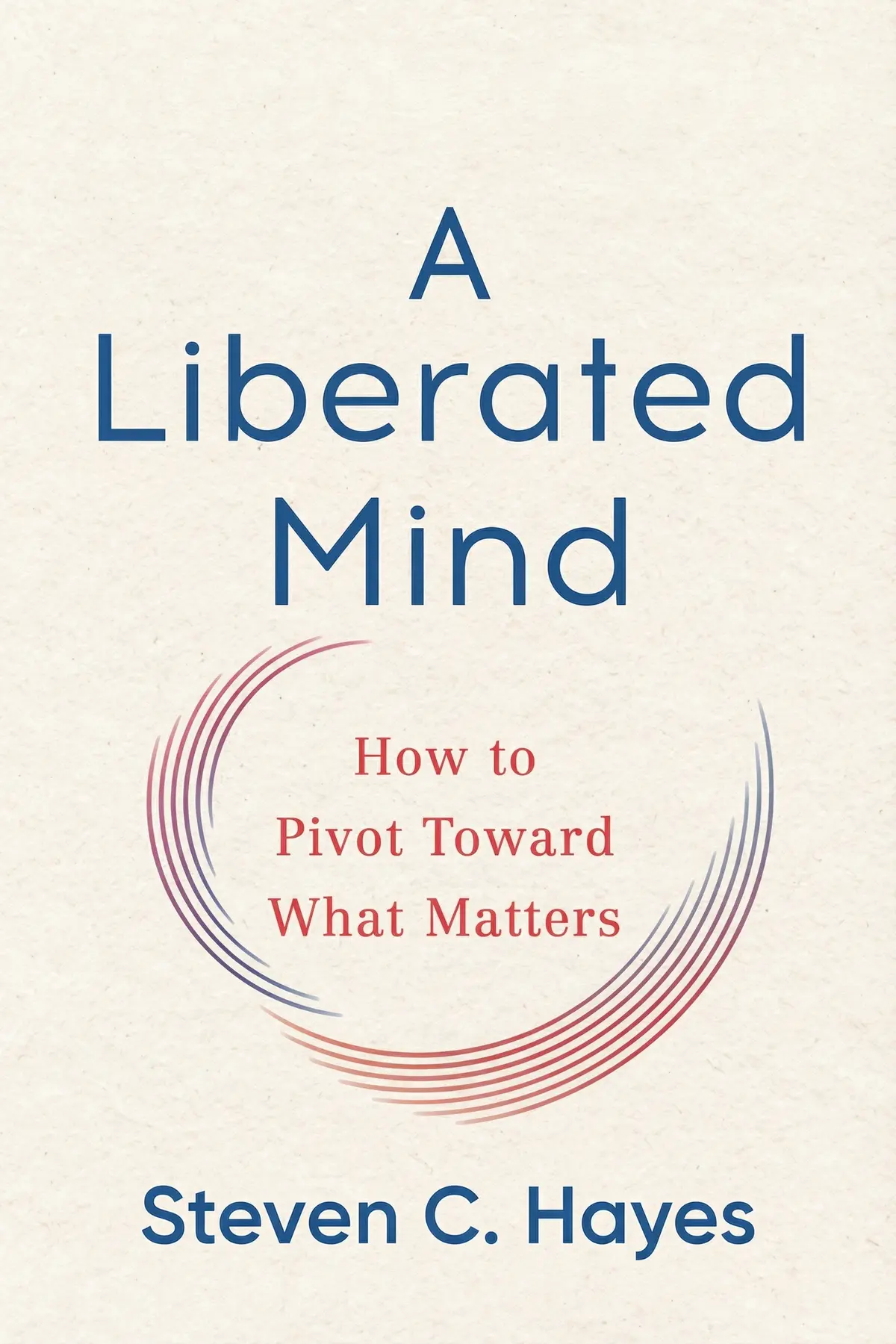
Steven C. Hayes
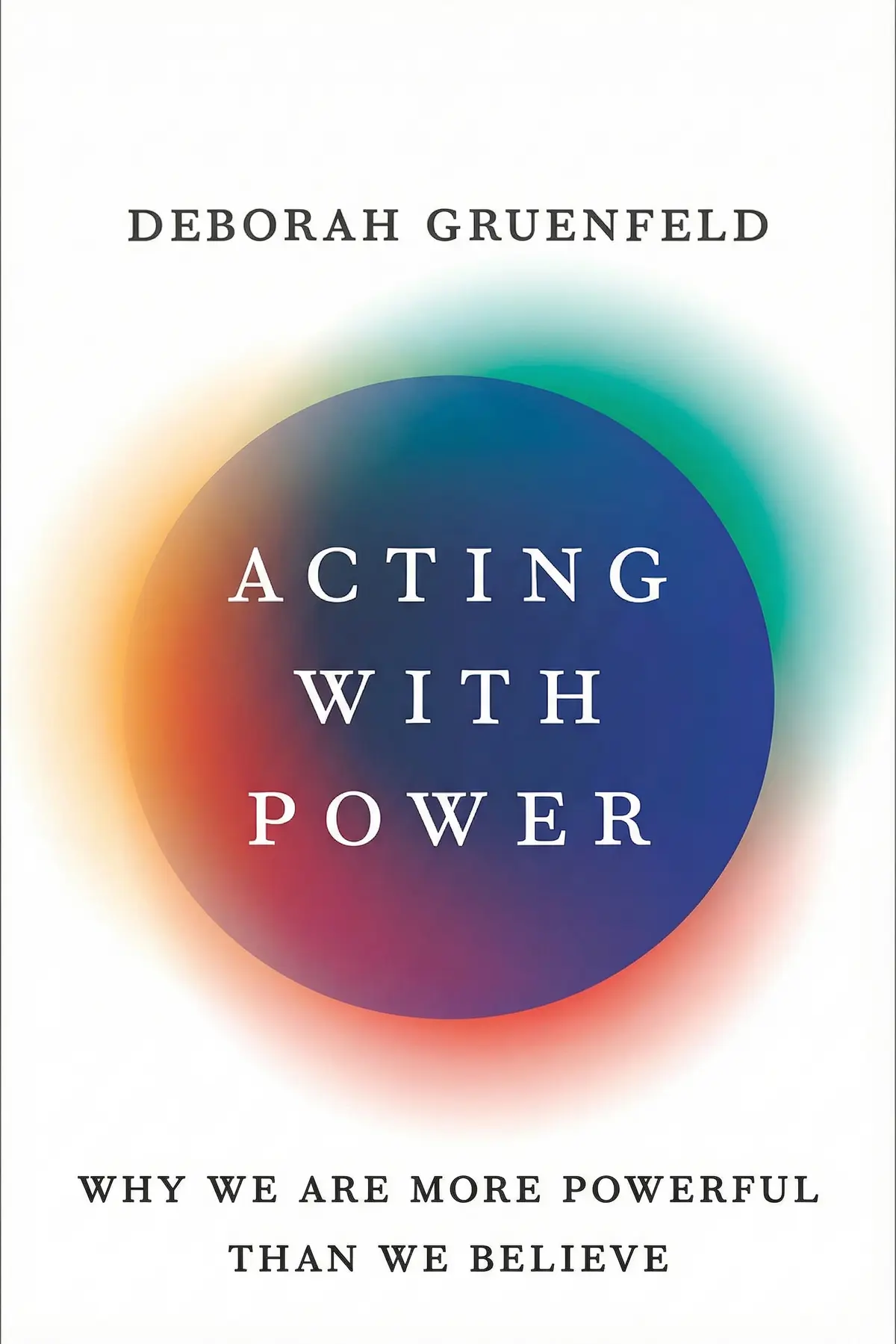
Deborah Gruenfeld
Anthony Pratkanis
AUDIO SUMMARY AVAILABLE
Get the key ideas from The Interpretation of Dreams by Sigmund Freud, plus 5,000+ more titles in English and Thai.







