
15 min 40 sec
The Joy of Saying No: A Simple Plan to Stop People-Pleasing, Reclaim Your Boundaries, and Say Yes to the Life You Want
By Natalie Lue
Natalie Lue explores the hidden costs of people-pleasing and provides a roadmap for setting boundaries. Learn how to stop being good and start being authentic for a more joyful, purposeful life.
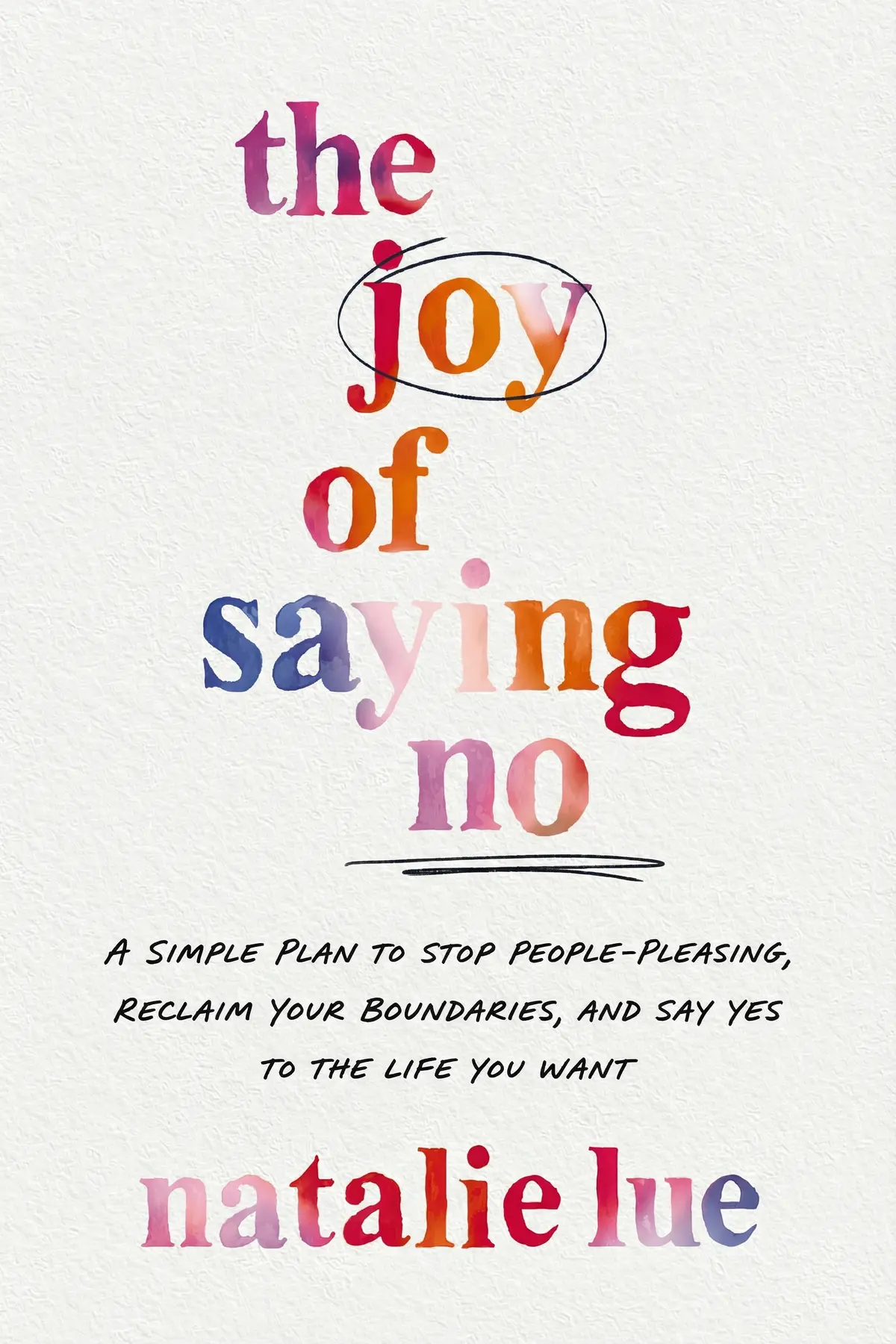
Table of Content
1. Introduction
1 min 56 sec
Imagine receiving a medical diagnosis that suggests you might not live to see your fortieth birthday. For Natalie Lue, this wasn’t a hypothetical scenario; it was a reality she faced at just twenty-eight years old. For eighteen grueling months, she had been caught in a cycle of doctor visits, endless testing, and medical departments that couldn’t provide answers for her immune disease, sarcoidosis. But there was a secondary, quieter affliction at play: Lue was a chronic people-pleaser. Even as her body was failing her, she was hiding her illness from her boss and her family, terrified of becoming an inconvenience or a burden to anyone else.
Throughout her life, Lue had been a straight-A student of the school of compliance. She followed every suggestion from experts and authority figures without a second thought. But in August 2005, something shifted. In a moment that felt entirely out of character, she finally found the strength to say no to a consultant’s latest recommendation. That single ‘no’ was the catalyst for two recoveries: one from her physical illness and one from the exhausting habit of living for everyone else’s approval.
Many of us walk through life with a similar, invisible weight. We might not call ourselves people-pleasers, but we recognize the symptoms. We repress our own desires for the sake of others, we defer to the wisdom of people we don’t even respect, and we find ourselves saying yes to commitments that make our hearts sink. This journey we are about to embark on is about recognizing that this way of living is not your fault, but it is your responsibility to change if you want to find joy.
By exploring the roots of our obedience and identifying the specific ways we try to gain validation, we can begin to set the boundaries that lead to freedom. The goal isn’t just to become someone who says no; it’s to discover the authentic person who has been buried under layers of expectations. If you are tired of stretching yourself thin and sacrificing your own happiness to keep the peace, it’s time to learn how to reclaim your life.
2. The Legacy of the Age of Obedience
2 min 02 sec
Our modern struggle with boundaries is often a hangover from a specific era of parenting and education that prioritized compliance over authenticity.
3. Identifying Your People-Pleasing Flavor
2 min 55 sec
Not all people-pleasers act the same way; understanding your specific style is the key to unlocking your personal liberation.
4. The First Steps of Recovery: Observation and Reflection
2 min 13 sec
The journey to reclaiming your boundaries begins with a simple two-week experiment in self-awareness.
5. Reparenting and Addressing Resentment
1 min 42 sec
To truly shed your people-pleasing persona, you must heal the underlying grievances of your younger self and use resentment as a guide.
6. The Art of Clear Requests and Maintenance
1 min 58 sec
Healthy relationships require clear communication; learning to ask directly is the final hurdle in the people-pleasing recovery.
7. The Transformation Toward Authenticity
1 min 29 sec
Setting boundaries isn’t just about protection; it’s about making space for the life you truly want to live.
8. Conclusion
1 min 25 sec
The journey of moving from a life of people-pleasing to a life of authenticity is one of the most challenging—and rewarding—pathways you can take. We have seen how the ‘Age of Obedience’ shaped us, how our brains wired us for compliance, and how we can categorize our specific pleaser ‘flavors’ to gain awareness. We’ve walked through the six stages of recovery, from the initial two-week observation to the deep work of reparenting and the daily practice of making clear requests.
As Natalie Lue discovered through her own health crisis, you cannot manifest the life of your dreams while you are still playing the role of the perpetual pleaser. It is a binary choice: you can either have the approval of everyone else, or you can have your own joy and health. You cannot have both if they are built on a foundation of self-sacrifice.
The throughline of this entire process is that your needs matter. Your boundaries are not walls to keep people out; they are the gates that allow the right things in. As you begin to practice saying no, remember that the discomfort you feel is simply the sound of your old habits breaking. Stay the course with compassion. Every ‘no’ you utter in service of your truth is a building block for a more authentic, vibrant, and joyful life. Start today by simply observing your yeses, and trust that the person you are meant to be is waiting just on the other side of your next boundary.
About this book
What is this book about?
The Joy of Saying No examines the psychological and physical toll of chronic people-pleasing. Many individuals spend their lives saying yes to others while ignoring their own needs, often due to childhood conditioning from the Age of Obedience. Natalie Lue reveals that this behavior isn't just a personality trait—it's a habit rooted in a desire for safety and validation. By breaking down the five specific flavors of people-pleasing, from the high-achieving Efforter to the conflict-avoidant Avoider, the book helps readers identify their specific patterns and triggers. The promise of the book is a practical, six-stage recovery plan to transition from a life of compliance to one of true authenticity. It’s not just about refusing requests; it’s about rediscovering who you are beneath the layers of societal expectations. Through introspection, boundary-setting, and self-compassion, readers learn that saying no to the wrong things is the only way to say yes to a life of genuine purpose and happiness.
Book Information
About the Author
Natalie Lue
Natalie Lue is a UK-born and Ireland-raised writer, artist, and emotional baggage expert. She gained prominence through her popular blog, Baggage Reclaim, where she helps readers navigate the complexities of relationships and self-worth. Before writing The Joy of Saying No, Lue successfully self-published four books, including titles like Mr Unavailable and the Fallback Girl and The No Contact Rule. Her insights on emotional boundaries and personal growth have been featured in major global publications such as the New York Times, the Washington Post, and Forbes.
Ratings & Reviews
Ratings at a glance
What people think
Listeners value the practical steps provided for setting sound boundaries and escaping the cycle of chronic people-pleasing. While some listeners believe the descriptions of the five types of pleasers are a bit broad, many consider the six-step system a life-changing method for taking back control of their schedules. Furthermore, listeners appreciate the emphasis on uncovering the root motivations behind their actions, with one listener describing the work as "essential reading" for those prone to perfectionism. They also remark that the author’s straightforward style and personal stories make the advice feel highly approachable.
Top reviews
Thida
As someone who has struggled with perfectionism for decades, this book felt like a personal intervention. Natalie Lue doesn't just tell you to 'say no'; she digs deep into the psychological 'why' behind our need to constantly over-extend. The five types of people-pleasers—especially the 'Good' and 'Best' styles—were eye-opening for me. It’s not just about being nice; it’s about a compulsive need for validation that drains your spirit. The six-step framework is incredibly actionable and provides a clear roadmap for reclaiming your time without the crushing weight of guilt. I’ve read a lot of self-help, but this one actually sticks because it addresses the underlying causes rather than just offering surface-level scripts. It’s essential reading for anyone who feels like they’re living their life for everyone else except themselves. I’ve already started 'gathering data' on my own habits, and the clarity I'm gaining is truly life-changing.
Show moreIce
Wow, I didn't realize how much of my energy was being leaked into people-pleasing until I read the 'rescue' type description. Lue hits the nail on the head regarding how we use 'helping' as a way to control our environment or avoid our own problems. This isn't just a book about saying the word 'no'—it’s about rediscovering your authentic self and aligning your actions with your actual values. The anecdotes provided are relatable and help ground the concepts in real-world scenarios. I’ve already recommended this to several friends who struggle with burnout. The six-step framework is the real star here; it’s a transformative tool that moves beyond theory and into actual practice. It’s rare to find a self-help book that feels both compassionate and kick-in-the-pants motivating, but Lue manages to strike that balance perfectly. My boundaries have never felt sturdier.
Show moreLiam
Finally got around to finishing this, and I can say it's easily one of the most practical self-help books on my shelf. I’ve been an ALC listener on Libro.fm and hearing Natalie’s voice really brought the personal anecdotes to life. She has this way of calling you out on your nonsense without making you feel like a bad person. The 'gathering data' section was a game-changer for me; it forced me to see the patterns of when and why I say 'yes' when I really want to say 'no.' This book is essential for anyone who feels like they’re constantly running on empty. It teaches you that 'no' isn't a dirty word—it's a tool for creating a life that actually belongs to you. I’m planning on buying a physical copy just so I can highlight the frameworks and refer back to them when I feel my resolve slipping.
Show moreChamnong
Picking this up felt like a chore at first, but once I hit the section on the five types of pleasers, things really clicked. I’m a 'Good' pleaser through and through—constantly trying to follow every rule to avoid conflict at the expense of my own peace. Natalie Lue’s clear writing and personal stories made the advice feel highly accessible and less like a lecture. While I think some of the categorization is a bit broad, the underlying message about reclaiming your time and power is incredibly powerful. The six-step framework provides actionable guidance for establishing healthy boundaries in a way that feels sustainable and real. I did find the pacing a bit slow in the second half, but the practical 'how-to' sections at the end more than made up for it. It's a solid, life-changing manual for anyone tired of being a 'yes man' and ready to live more authentically.
Show moreCha
After hearing so many people rave about Natalie Lue, I finally dove into her latest work. The Joy of Saying No is a comprehensive guide that treats boundaries as a form of self-care rather than a conflict. I particularly liked the distinction between being a 'rescuer' and actually being helpful. It made me realize how often I jump in to solve problems that aren't mine to fix. The writing style is conversational yet authoritative, making it easy to digest even when the topics get a bit heavy. I did feel that some of the 'this is your style if...' statements were a bit broad, but they served as a good jumping-off point for deeper reflection. The practical advice on how to handle the inevitable pushback from others was the most valuable part for me. It’s a great tool for anyone looking to foster more intimate, honest relationships.
Show moreTeng
Many thanks to NetGalley and the publisher for an early copy of this insightful guide. Having followed Lue’s blog for a while, I had high expectations, and for the most part, she delivered. The structure of the book is its strongest asset, moving logically from identifying the problem to providing a concrete solution. I found the section on the 'Sufferer' pleaser type particularly convicting, as it highlighted how staying silent and resentful is just another form of pleasing. The prose is clear and accessible, though it can get a little repetitive in the middle sections where she applies the six steps to each of the five types. Despite that, the wisdom here is profound. It’s a book that invites you to be honest with yourself about why you’re so afraid of disappointing others. Definitely worth a read if you're feeling overwhelmed by the demands of others.
Show moreRome
The core message here is undeniably important, but the execution felt a bit circular. I appreciate Lue’s vulnerability in sharing her own journey, but I found the categorization of the five pleaser types to be overly generalized at times. It felt like a 'one size fits all' approach that didn't quite account for the complexities of workplace dynamics or cultural expectations where saying 'no' isn't always a safe option. To be fair, the six-step plan is well-structured, but the book could have been about fifty pages shorter without losing much substance. I found myself skimming through the repetitive examples halfway through. It’s a solid introduction for someone who has never thought about boundaries before, but if you’ve already done a fair amount of therapy or self-reflection, you might find it a bit elementary. It's okay, just not the revolutionary text I was expecting based on the hype.
Show moreDek
Truth is, I think I'm already pretty good at setting boundaries, which might be why this didn't land for me. I read it for a book club, and while the discussion it sparked was great, the book itself felt a bit like it was preaching to the choir. It’s very focused on a specific type of personality—the chronic over-giver—and if you don't fit that mold, the advice feels a bit repetitive. Look, the author is clearly knowledgeable and the writing is accessible, but it lacked the 'depth' I was hoping for in terms of the social and cultural nuances of saying no. Some of the scenarios felt a bit simplistic, like they were pulled straight out of a HR training manual. It’s a good starting point for 'recovering' pleasers, but it didn't offer many new insights for someone who has already been working on this for several years.
Show moreSun
In my experience, this wasn't what I expected from the title. I was looking for a punchy, practical guide on time management and saying no to extra work projects, but this is much more of a deep-dive into childhood trauma and 'people-pleasing' as a personality disorder. It felt like I was reading a clinical textbook at points, which made it hard to stay engaged. The tone is very 'therapy-speak,' and while I'm sure that resonates with some, it felt a bit dry and impersonal to me. I also felt like the five categories were a bit forced; I didn't really see myself in any of them, which made the subsequent advice feel irrelevant. If you’re a chronic 'pleaser' who struggles with deep-seated identity issues, this might be your holy grail. However, if you're just a busy person looking for tips on how to turn down a brunch invite, this book is probably overkill.
Show moreMonthon
This was a hard pass for me after the first few chapters. Natalie Lue’s stance on obedience as a negative trait really rubbed me the wrong way, especially since society relies on certain rules for safety and cohesion. If we all just decided to 'say no' to speed limits or basic social etiquette, we’d be living in absolute chaos. I found the tone to be a bit too radical and frankly dangerous in its rejection of common-sense structure. While I understand the author is targeting toxic people-pleasing, the message felt a bit like it was encouraging anarchy rather than healthy boundaries. The writing itself is clear enough, but I couldn't get past the philosophical differences in how we view authority. I ended up DNF-ing around the 10% mark because I just didn't want to hear anymore. It’s definitely not my cup of tea and I wouldn't recommend it.
Show moreFeatured in
Readers also enjoyed
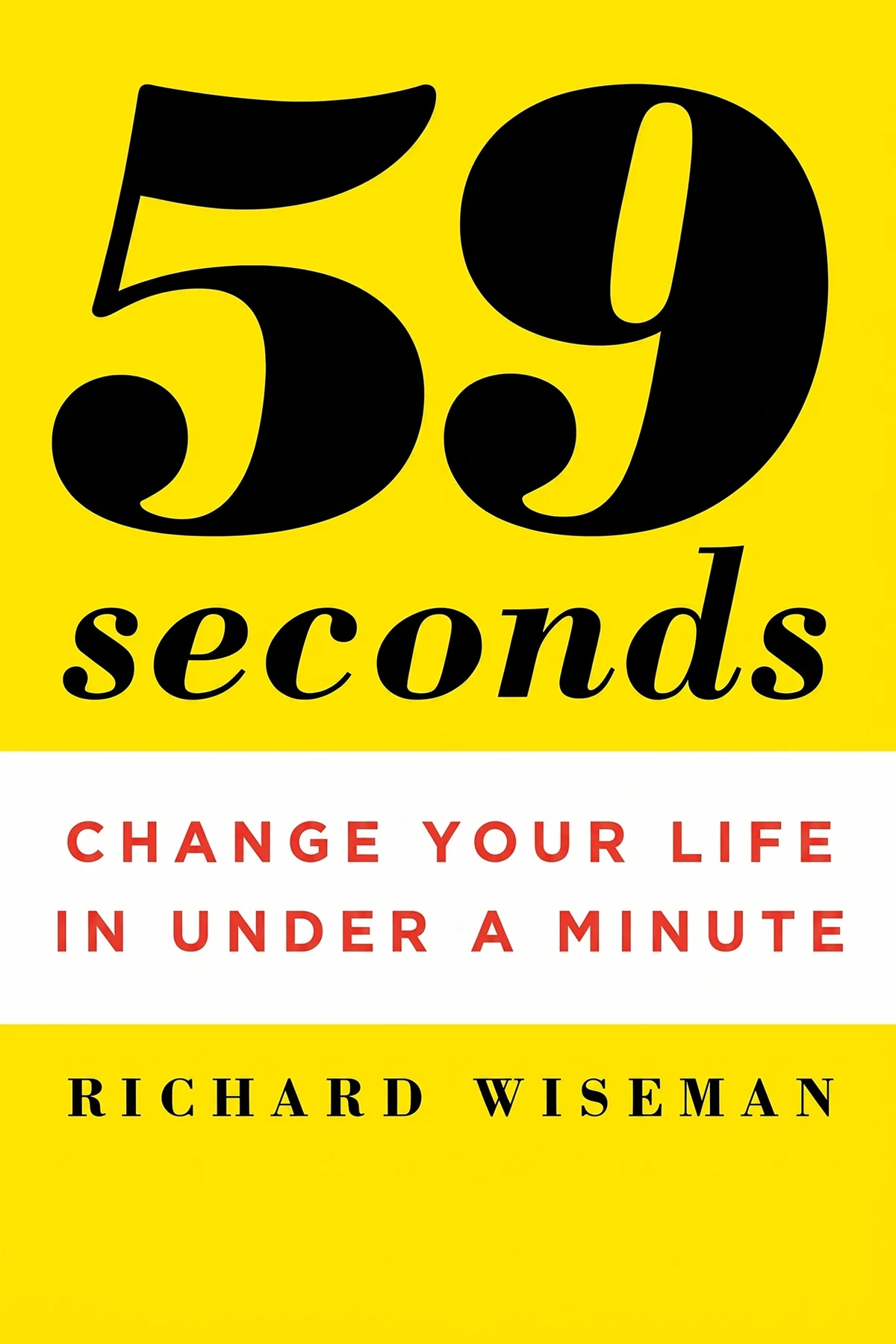
59 Seconds: Change Your Life in Under a Minute
Richard Wiseman
A Guide to the Good Life: The Ancient Art of Stoic Joy
William B. Irvine
AUDIO SUMMARY AVAILABLE
Listen to The Joy of Saying No in 15 minutes
Get the key ideas from The Joy of Saying No by Natalie Lue, plus 5,000+ more titles in English and Thai.
- 5,000+ titles
- Listen as much as you want
- 7-day free trial
- Cancel anytime







