
16 min 16 sec
The Kindness Method: Changing Habits for Good Using Self-Compassion and Understanding
The Kindness Method provides a transformative approach to habit change by replacing self-criticism with self-compassion, helping you build lasting positive routines through personal maps and a deep understanding of your own behavior.
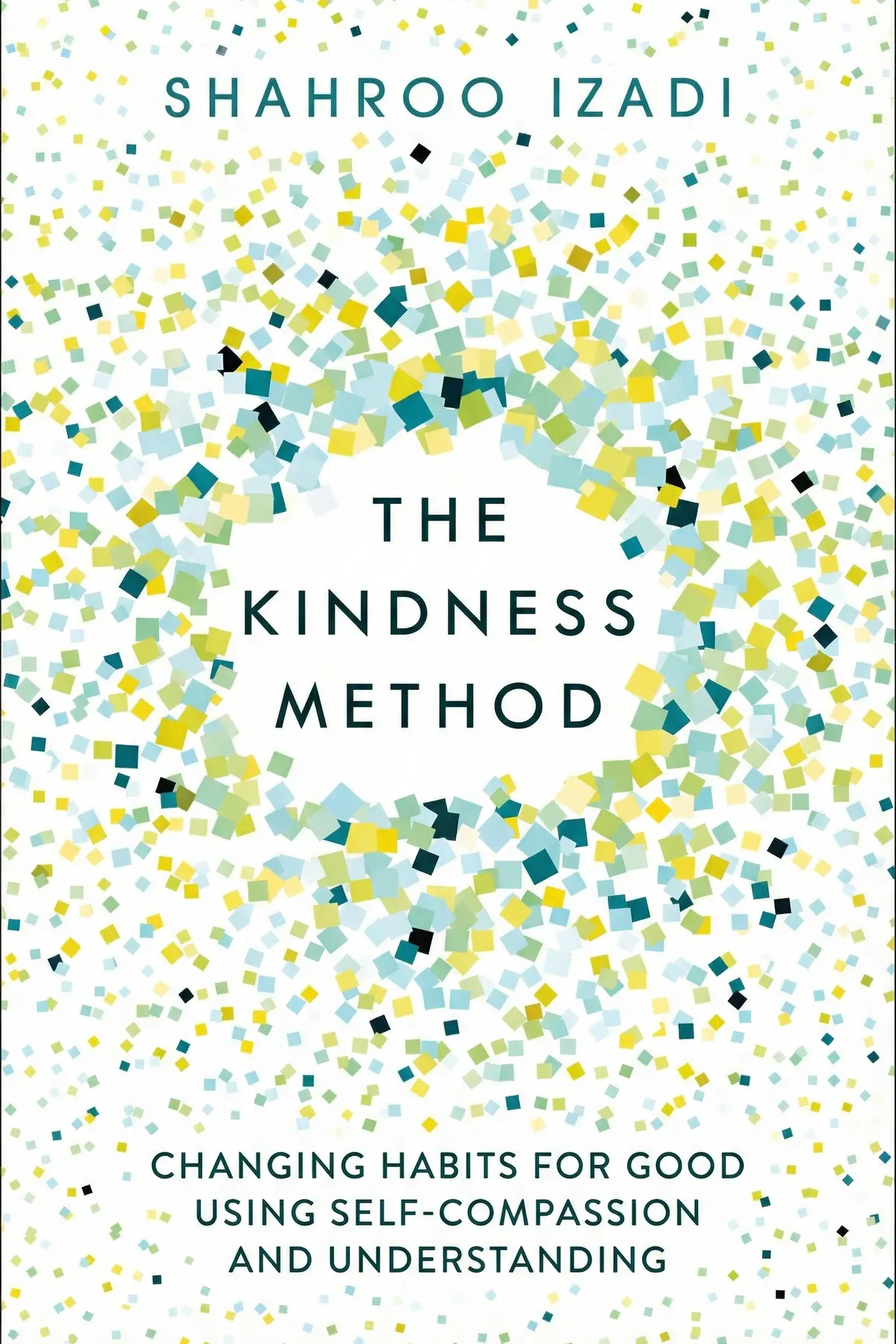
Table of Content
1. Introduction
1 min 35 sec
Have you ever found yourself caught in a loop of starting a new habit with total conviction, only to see it crumble before the month is out? Perhaps you set a New Year’s resolution to get fit, or you promised yourself you’d finally stop procrastinating on that big project, but within a few weeks, the old patterns came roaring back. We live in an era where we have more access than ever to health gurus, productivity apps, and self-help literature. Yet, for many of us, the actual process of making a change stick remains frustratingly out of reach.
What if the problem isn’t your lack of willpower, but the voice you use to motivate yourself? Most traditional approaches to change are rooted in a form of self-correction that looks a lot like self-punishment. We tell ourselves we aren’t good enough, or we feel ashamed of our current state, and we use that negativity as the engine for change. But as behavioral specialist Shahroo Izadi explains, shame is a very poor fuel for long-term transformation.
In this summary of The Kindness Method, we are going to explore a different way. We will look at how treating yourself with the same empathy and understanding you would offer a dear friend can actually be the most powerful tool in your arsenal. This isn’t about being soft or avoiding hard work; it’s about creating a psychological foundation that can actually support a new lifestyle. We will walk through a series of practical exercises—what Izadi calls ‘maps’—designed to help you understand your triggers, acknowledge your strengths, and build a plan that is actually realistic for your life. By the end of this journey, you’ll see how a shift in perspective can turn a grueling uphill battle into a manageable and even rewarding path toward the person you want to become.
2. The Power of Self-Compassion in Behavioral Change
2 min 02 sec
Discover why being your own harshest critic often leads to failure, and how a surprising shift in perspective can accelerate your progress toward goals.
3. Creating a Space for Radical Honesty
1 min 58 sec
Uncover why hiding your true motivations can sabotage your efforts and how a judgment-free environment is essential for recovery and growth.
4. Mapping Your Strengths and Achievements
1 min 52 sec
Learn a visual technique to remind yourself of your existing capabilities, providing the motivation needed when your willpower starts to fade.
5. Meeting Yourself Where You Are
1 min 39 sec
Examine the specific conditions that lead to your successes and setbacks to create a plan that fits your unique personality.
6. The Functionality of Bad Habits
1 min 48 sec
Explore why unwanted habits often serve a hidden purpose and why understanding this ‘benefit’ is the key to letting them go.
7. Navigating Triggers with Preparation
1 min 53 sec
Identify the external and internal pressures that threaten your progress and develop a proactive strategy to stay on track.
8. Setting Realistic and Incremental Goals
2 min 00 sec
Avoid the trap of ‘overnight transformation’ and learn how to build a lasting new lifestyle through small, manageable victories.
9. Conclusion
1 min 29 sec
The core philosophy of The Kindness Method is that the way you treat yourself during the process of change is just as important as the change itself. By shifting your focus from what is ‘wrong’ with you to what is ‘right’ with you, you create a sustainable source of motivation that doesn’t run dry when things get tough. We’ve seen how visual maps can help you inventory your strengths, understand the hidden reasons behind your habits, and identify the triggers that threaten your progress. We’ve also seen the power of setting small, realistic goals that build confidence over time.
As you move forward, remember that lapses are not failures; they are simply pieces of data. If you slip up, don’t use it as an excuse to beat yourself up. Instead, consult your maps. Ask yourself what triggered the lapse and what you can do to prepare for that situation next time. The most important thing you can do right now is to begin the practice of being on your own side.
To put this into immediate action, try writing a letter to yourself. In this letter, explain exactly why you want to make this change and what your life will look like once you’ve achieved it. Be sure to include a reminder of why you are using the Kindness Method and why you’ve chosen to move away from shame-based motivation. Keep this letter in a safe place and read it whenever you feel your resolve wavering. By grounding your goals in self-love and radical honesty, you aren’t just changing a habit—you are changing your relationship with yourself for the better.
About this book
What is this book about?
The Kindness Method is a comprehensive guide to breaking free from the cycle of self-sabotage and failed resolutions. Instead of relying on willpower and shame—tools that often lead to temporary results and eventual burnout—this book introduces a revolutionary framework built on self-compassion and psychological insight. Developed by behavioral specialist Shahroo Izadi, the method is designed to help anyone change any habit, whether it is related to health, work, or personal relationships. The promise of the book is that by changing how you speak to yourself and how you view your own worth, you can unlock a more sustainable way to achieve your goals. It provides a series of practical, visual exercises called maps that allow you to inventory your strengths, identify your unique triggers, and analyze the hidden reasons behind your current behaviors. By the end, you will have a personalized roadmap that respects your limitations while maximizing your inherent capabilities, ensuring that the changes you make are not just intense, but permanent.
Book Information
About the Author
Shahroo Izadi
Shahroo Izadi is a prominent Behavioral Change Specialist whose private practice is rooted in the principles of self-compassion and heightened self-awareness. Her expertise extends to her role as a relapse prevention coach at Amy’s Place, a specialized recovery house dedicated to supporting women. Izadi is widely recognized for her sold-out workshops, which attract individuals eager to transform their habits and lifestyles. Her innovative work has gained significant media attention, featuring in outlets such as BBC Radio 1, The Telegraph, and The Pool.
Ratings & Reviews
Ratings at a glance
What people think
Listeners find this work to be life-altering, noting its high readability and valuing the gentle methodology. One listener highlights that the book grants permission to enjoy the process of habit change.
Top reviews
Ryan
Finally, a self-help book that doesn't feel like a lecture from a perfect person. Shahroo Izadi has created something truly life-changing by giving us permission to actually enjoy the process of changing our habits. I spent years yelling at myself for every minor slip-up, but this book taught me that kindness is actually a more effective fuel for change than shame. The way she explains her transition from a behavioral change specialist in the addiction field to helping the general public is seamless and inspiring. It’s incredibly readable and focuses on treating yourself like a friend rather than a project that needs fixing. The idea that we aren't 'bad' or 'lazy' is a message everyone needs to hear right now. If you're tired of the typical 'tough love' approach, this is the compassionate guide you’ve been looking for. It has genuinely changed how I view my daily routine and my long-term goals.
Show morePisit
This book completely shifted my perspective on how to handle my own failures and setbacks. I used to think that being hard on myself was the only way to stay motivated, but Izadi proves that the opposite is true. The Kindness Method is less of a 'how-to' and more of a 'why-not'—as in, why not treat yourself with compassion while you work toward your goals? The readability is excellent, and I found the step-by-step process of using maps to be incredibly intuitive. It’s not a quick-fix diet or a temporary solution; it’s a lifestyle change that feels sustainable because it’s built on self-understanding. I particularly loved the section on how kindness helps you achieve goals more quickly because you aren't wasting energy on self-loathing. It’s a wonderful resource for anyone struggling with negative moods or any type of habit disorder. I can’t recommend this enough for those who are tired of the constant cycle of self-criticism.
Show morePrae
Shahroo Izadi has a way of making complex psychological tools feel incredibly accessible and even exciting to use. I first heard about her work through a podcast and was eager to see if the book lived up to the hype, and it absolutely did. The Kindness Method isn't just about being 'nice'; it’s a rigorous, evidence-based strategy for changing your life for good. I appreciated how she draws from her professional background in drug and alcohol addiction to provide tools that work for any habit, from overeating to negative self-talk. The book gives you a sense of agency that is often missing from other self-improvement titles. I found the mapping process to be a revelation—it allowed me to see my behaviors without the usual layer of shame. This is the only book that has actually helped me sustain changes past the first two weeks. It is compassionate, professional, and deeply effective.
Show morePannipa
After hearing about this method on the radio, I had to give the book a try, and it’s easily one of the best investments I’ve made. The author rejects the traditional professional-patient dynamic, which makes the advice feel like it’s coming from a very smart, supportive friend. I love that she focuses on the 'big picture' rather than quick fixes or fads. The maps and journals are such a practical way to learn about yourself, and they make the process of habit change feel like a journey of discovery rather than a punishment. It’s a very friendly and understanding book that manages to be evidence-based without being dry. For anyone who feels like they are 'weak' or 'bad' because they can't stick to a change, please read this. It will give you the tools to be brave and open about your weaknesses while finally acknowledging your incredible strengths. This is truly a wonderful guide to a more exciting life.
Show moreBunyarit
As someone who has cycled through every fad diet imaginable, this book was a breath of fresh air. Izadi’s approach is centered on the 'mapping' technique, which helps you visualize your strengths and triggers in a way that feels very personal and grounded. I appreciated her non-judgmental tone; she understands that we often treat ourselves far worse than we would ever treat a stranger. Her background as a drug counselor adds a layer of clinical authority that many other self-help books lack. My only minor complaint is that the writing can be a bit dense in the early chapters, which might turn off readers looking for a quick fix. However, if you are willing to put in the work with the journals and actually reflect on the prompts, the results are worth the effort. It’s a solid guide for anyone wanting to move toward a more fulfilling life without the self-flagellation.
Show morePan
Look, I’ve tried the 'tough love' approach for years and it just doesn't work for me in the long run. Picking up this book felt like finally getting permission to stop the internal shouting match. The author’s laid-back, non-judgmental style is exactly what I needed to actually look at my habits clearly. I found the mapping exercises to be a great way to anchor my sense of who I am, focusing on strengths rather than just weaknesses. It’s a bit wordy in places, and some of the case studies felt a little repetitive, but the overall impact is very positive. The truth is, most of us are too mean to ourselves, and this provides a practical framework to change that. I've already started using the maps to plan my month, and for the first time, I don't feel like I'm setting myself up for a crash. It’s a very grounded, evidence-based approach to behavioral change.
Show moreRoo
The premise is fantastic, but the execution left me a bit cold in the middle sections of the book. I really liked the idea that 'kindness' isn't just about being soft on yourself, but about taking action to create an enjoyable life. However, the book struggles with its identity; it can't quite decide if it's a guide for practitioners or a workbook for the average person. I found myself getting lost in the psychological jargon and the lengthy descriptions of the author's personal journey. While the maps are helpful once you actually get to them, the path to finding them is cluttered with a lot of repetitive text. Look, the core message is great, and there are some truly insightful quotes about acknowledging our weaknesses to find our strengths. It just wasn't as concise or 'enticing' as I had hoped it would be for a general reader.
Show moreNatnicha
Is it a memoir or a manual? That was the question I kept asking myself while reading The Kindness Method. There is no denying that Shahroo Izadi is a talented practitioner with a wealth of experience in recovery and addiction. The principles she shares are sound, and the case histories are genuinely interesting from a psychological perspective. However, as a cohesive self-help book, it felt a bit bloated with medical terminology that might alienate the average reader. I was looking for something more concise and colorful to keep me encouraged through the harder exercises. I did find the advice on treating yourself with the same compassion you’d show a friend to be very moving, but I found myself skimming through large chunks of text to find the actual 'method.' It’s a decent read with good intentions, but it requires a lot of patience to get to the heart of the program.
Show morePruet
Not what I expected based on the title and the glowing blurbs I had seen online. While the premise of using maps to analyze our behavior sounds exciting, the actual execution of the book felt a bit disjointed. I spent far too much time wading through what felt like 'waffle' before getting to any actionable advice. To be fair, the author clearly has a lot of expertise in substance misuse, but that specific focus made it hard for me to relate as someone just looking to fix minor productivity habits. It felt more like a memoir of her professional experiences than a practical self-help workbook for the general public. I was armed with my journals and colored pens, ready to dive in, but I lost all my impetus by the time I hit the 40% mark. It's just a bit too heavy on jargon and specific case histories about alcohol dependency for my liking.
Show moreCherry
Frankly, I found it hard to stay engaged past the first few chapters of this book. While I appreciate the author's expertise as a drug counselor, the focus on substance misuse was so heavy that it felt irrelevant to my own goals. I was expecting a practical, worksheet-heavy guide for general habit improvement, but it felt much more like a clinical analysis of addiction. The text is very dense and full of jargon, making it feel more like a textbook than a motivating self-help guide. I really wanted to like the 'mapping' concept, but there weren't enough clear diagrams or enticing ways to actually start the work. By the time I got through the author’s long-winded explanations of her own history, I had completely lost my momentum. It might work for some, but it certainly wasn't the concise, encouraging manual I was looking for to help with my daily stress management.
Show moreReaders also enjoyed
A Guide to the Good Life: The Ancient Art of Stoic Joy
William B. Irvine
A High-Performing Mind: Strengthen Your Mind and Live Your Best Life
Andrew D. Thompson
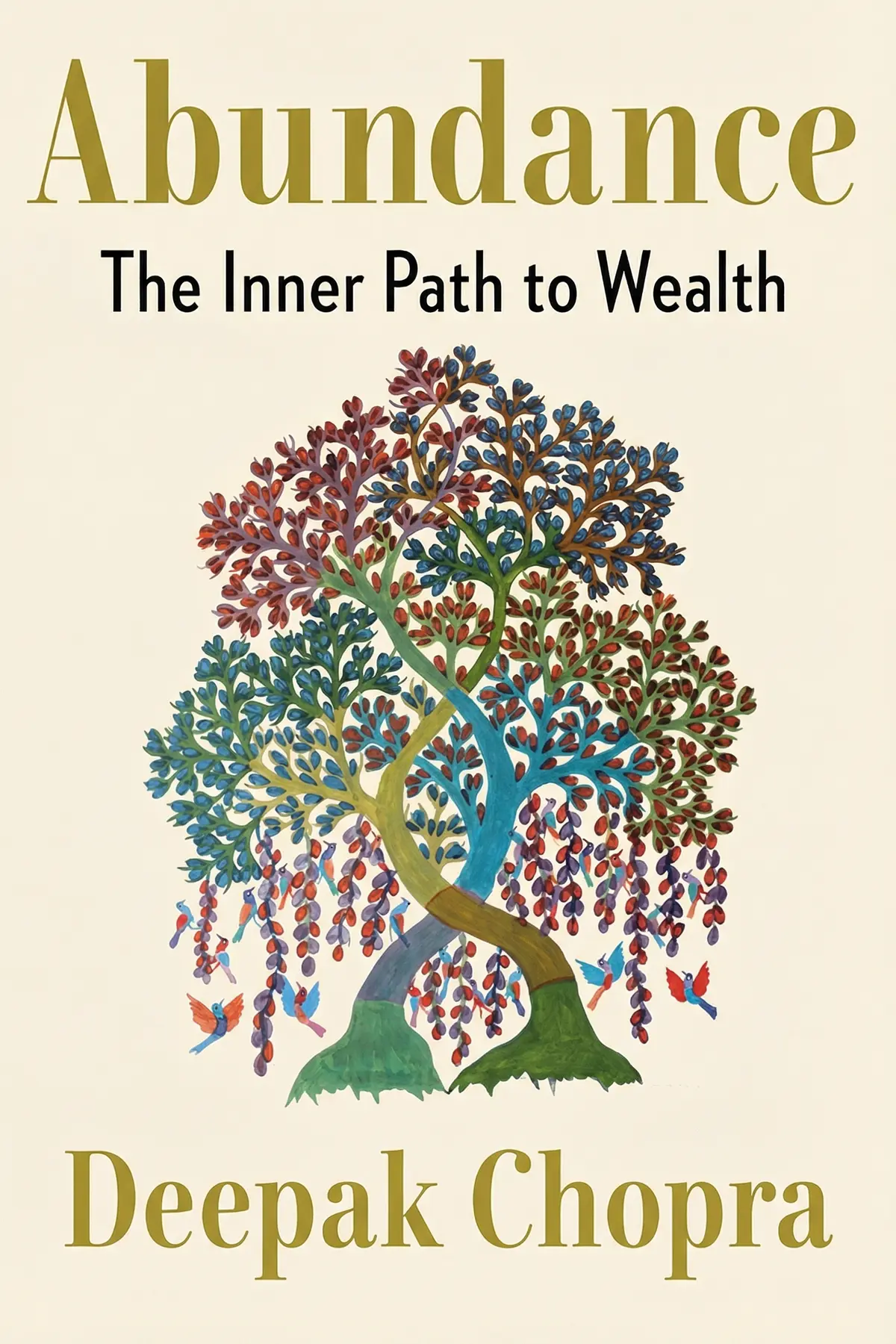
Abundance: The Inner Path to Wealth
Deepak Chopra
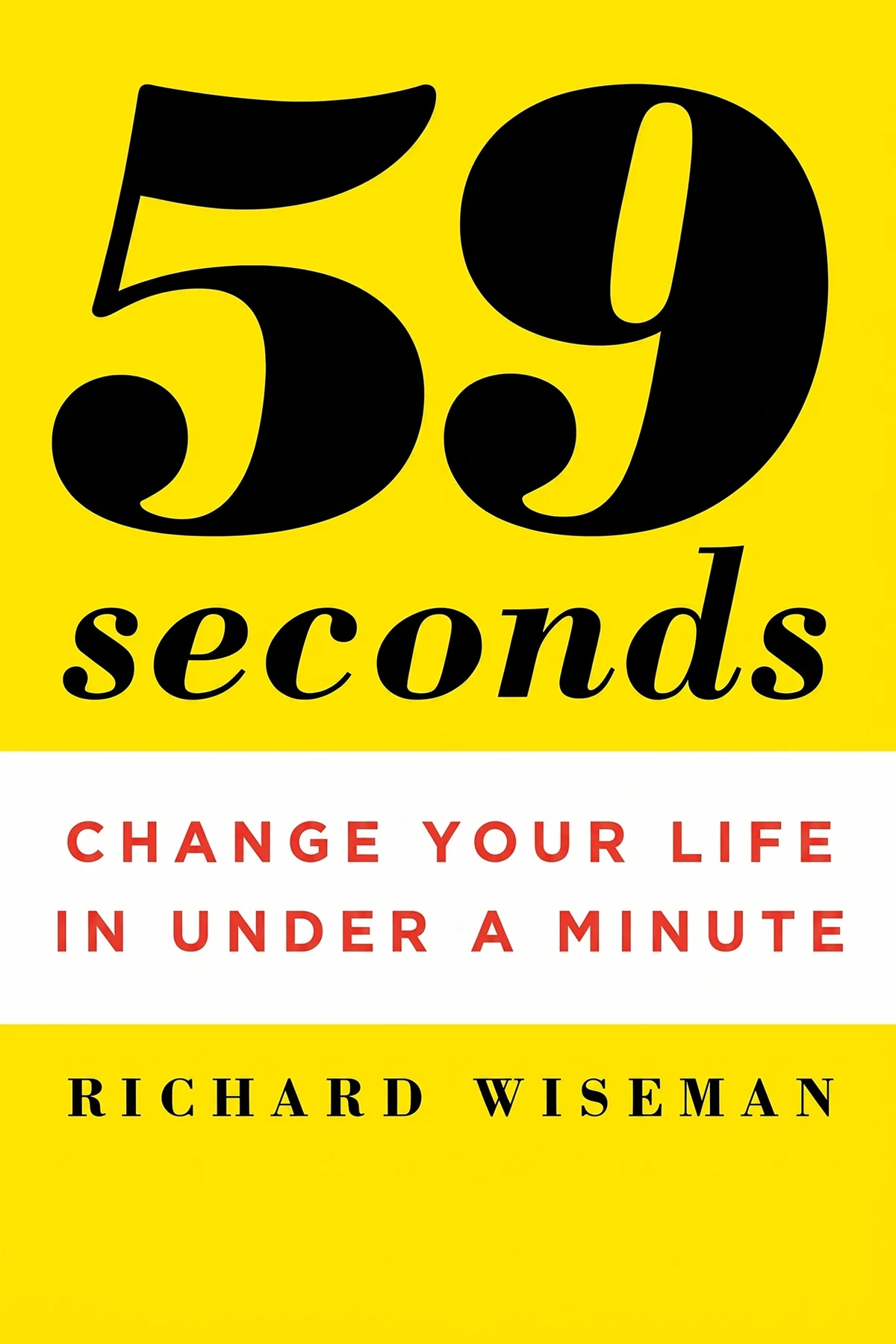
59 Seconds: Change Your Life in Under a Minute
Richard Wiseman
AUDIO SUMMARY AVAILABLE
Listen to The Kindness Method in 15 minutes
Get the key ideas from The Kindness Method by Shahroo Izadi, plus 5,000+ more titles in English and Thai.
- 5,000+ titles
- Listen as much as you want
- 7-day free trial
- Cancel anytime







