
20 min 37 sec
The Leader’s Greatest Return: Attracting, Developing, and Multiplying Leaders
Discover how to transform your organization by shifting from individual performance to the multiplication of talent. This guide explores the identifying, developing, and empowering of new leaders to ensure long-term, sustainable success.
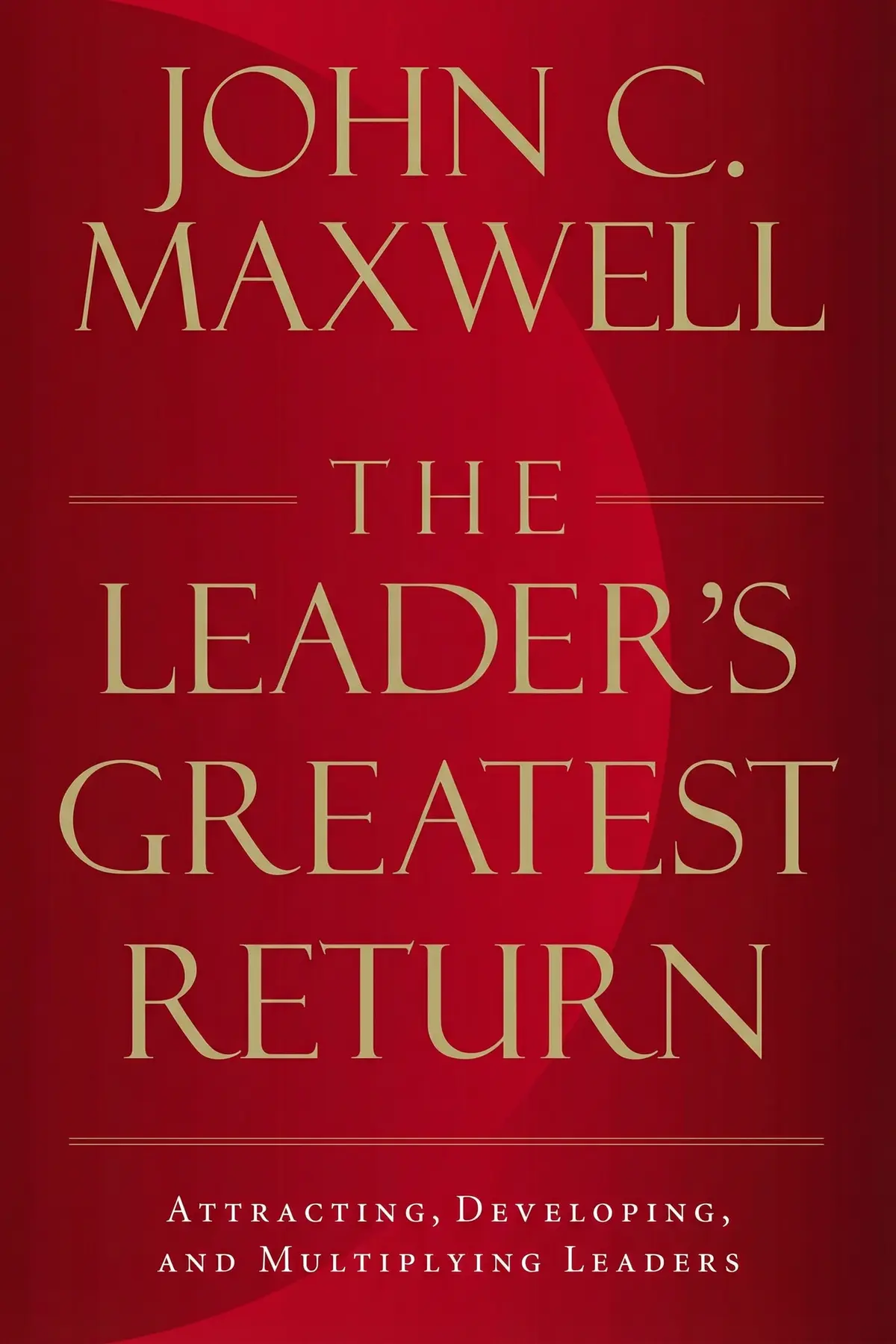
Table of Content
1. Introduction
1 min 32 sec
Every organization wants to be successful, but the bridge between a mediocre company and a dominant market force is often built by leadership. When we look at the data, the impact is undeniable: companies led by exceptional individuals are vastly more likely to outperform their peers in profit, quality, and customer loyalty. Yet, despite this clear advantage, there is a persistent problem in the business world—true leadership is a scarce resource. You can’t simply buy it off the shelf; you have to cultivate it. This is where the concept of the greatest return comes into play.
The philosophy here is a shift in perspective. Instead of focusing solely on your own output or the immediate bottom line, the most effective leaders dedicate themselves to developing other leaders. This isn’t just about being a good manager or a supportive boss; it’s about intentional multiplication. When you invest in the growth of a single employee, you improve one person’s performance. But when you develop that person into a leader, you improve the performance of everyone they eventually influence.
In the following segments, we are going to explore how you can build this culture of multiplication. We’ll look at the specific traits that signal high potential, the habits that sustain long-term growth, and the organizational shifts required to let new leaders truly shine. Whether you are leading a small team or a multinational corporation, the principles remain the same: the health of your future depends on the leaders you are building today. Let’s dive into how you can start reaping the rewards of this high-level investment, moving your organization from a place of simple addition to a state of exponential growth.
2. The Strategic Value of Leadership Multiplication
2 min 18 sec
Relying on a single visionary creates a bottleneck that limits growth. Discover why the secret to scaling success lies in building a vast network of effective leaders.
3. Identifying the Seeds of Potential
2 min 11 sec
Finding the right people to develop is as important as the development itself. Learn to spot the unique combination of track record and raw talent.
4. The Interplay of Motivation and Habit
2 min 23 sec
Talent might get someone started, but it won’t keep them going. Discover how to identify individual drivers and turn them into sustainable routines.
5. The Power of Proximity and the Leadership Table
2 min 09 sec
Growth doesn’t happen in a vacuum. Explore how creating environments of shared learning and close-contact mentoring accelerates development.
6. Practical Experience and the 70-20-10 Rule
2 min 24 sec
Theory is fine, but true leadership is forged in the fire of action. Learn how to balance instruction with hands-on responsibility.
7. The Necessity of Empowerment and Letting Go
2 min 06 sec
Training a leader is pointless if you don’t give them the power to lead. Discover why your own security is the key to their success.
8. Building a Strategic Leadership Team
2 min 04 sec
Individual leaders are great, but a unified team is unstoppable. Learn how to align diverse strengths toward a singular vision.
9. The Ripple Effect of Multiplication
2 min 00 sec
The greatest return on leadership isn’t just one new leader—it’s a self-sustaining cycle of growth. Discover how to create a legacy of mentorship.
10. Conclusion
1 min 30 sec
As we reach the end of our journey through these principles, it’s clear that leadership is not a destination but a continuous cycle of investment and return. The most significant takeaway is that your success as a leader is directly tied to your ability to recognize and cultivate the potential in others. By moving away from a model of individual achievement and toward a model of leadership multiplication, you unlock a level of organizational energy that is simply not possible when you try to do everything yourself. You’ve seen how to identify the ‘squirrels’ in your organization, how to fuel their journey with a mix of motivation and habit, and how to create the environments of proximity and empowerment they need to flourish.
But these ideas only have value if they are put into practice. The true ‘greatest return’ happens in the small, daily interactions you have with your team. It starts with a simple, actionable step: get to know the people who are under your wing. Don’t just look at their output; look at their aspirations, their fears, and their unique drivers. People are far more likely to follow and grow under someone they feel truly understands them. Take the time this week to sit down with a high-potential member of your team and ask them about their long-term goals. Listen more than you speak. By building that connection, you are laying the first stone in a foundation of leadership that could eventually transform your entire organization. Remember, you aren’t just building a career or a company; you are building a legacy of leaders who will, in turn, build the future.
About this book
What is this book about?
Organizations often hit a ceiling when they rely solely on a few key figures at the top. The Leader’s Greatest Return argues that the most valuable investment any manager or executive can make is not in products or strategy, but in the people who will eventually lead those areas. By shifting the focus toward leadership development, you create a ripple effect that strengthens every layer of your company. This summary walks you through the practical steps of recognizing raw potential, fostering a culture of growth, and building a high-performing leadership team. You will learn how to transition from being a producer to a developer of leaders. The book promises to provide a roadmap for creating a self-sustaining leadership pipeline. By understanding the motivations of your team, providing them with the power of proximity to established mentors, and giving them the authority to act, you move beyond simple growth toward exponential multiplication. It is a guide for anyone who wants to ensure their organization thrives long after they have stepped away from the spotlight.
Book Information
About the Author
John C. Maxwell
John C. Maxwell is a renowned speaker, leadership coach, and the founder of multiple leadership training organizations with a global reach. His organizations have trained more than six million people across the world. In 2014, Inc. Magazine recognized him as the most influential leadership expert globally. Maxwell is a prolific author whose books have sold over 31 million copies, with notable titles including The 21 Irrefutable Laws of Leadership and Leadershift.
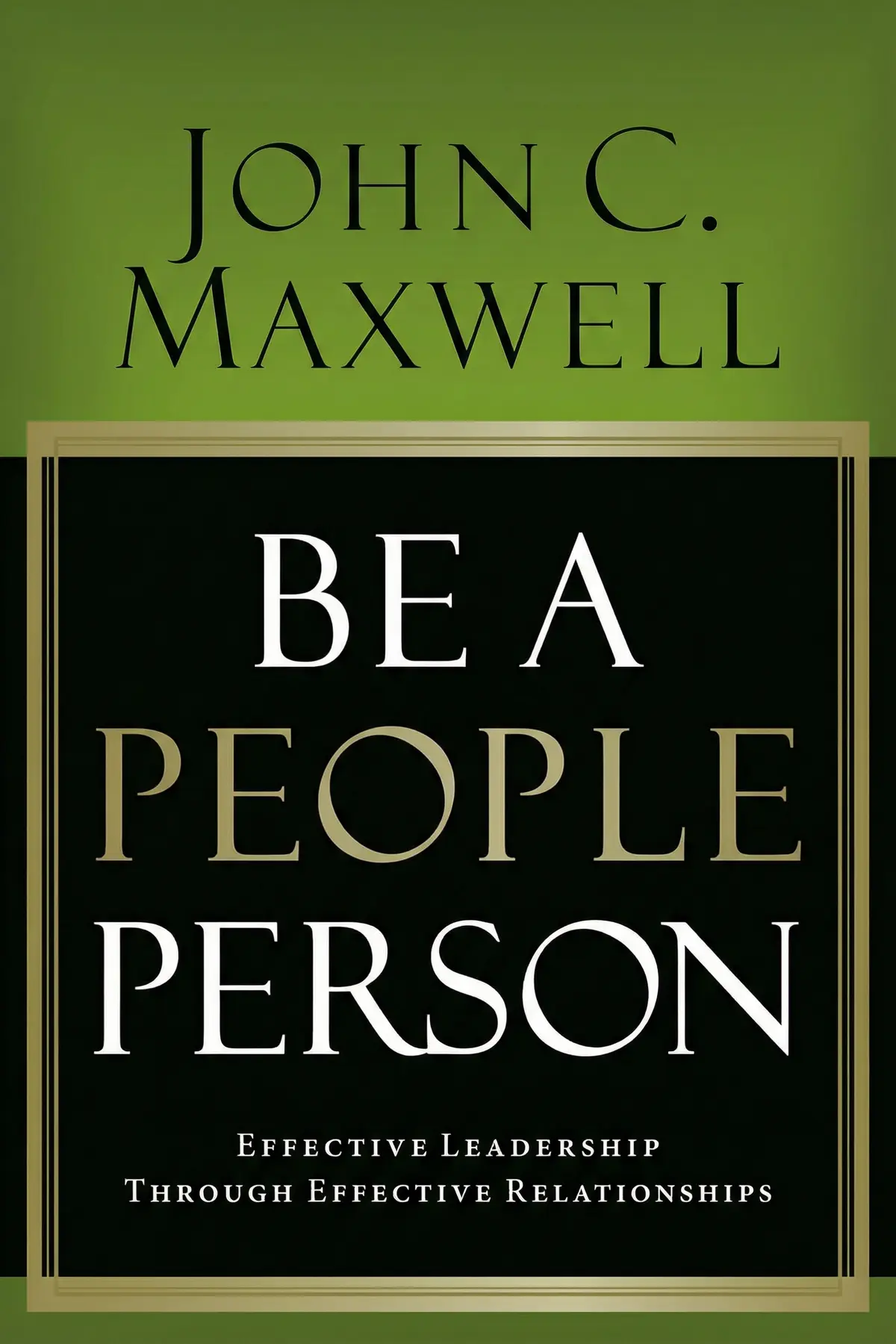
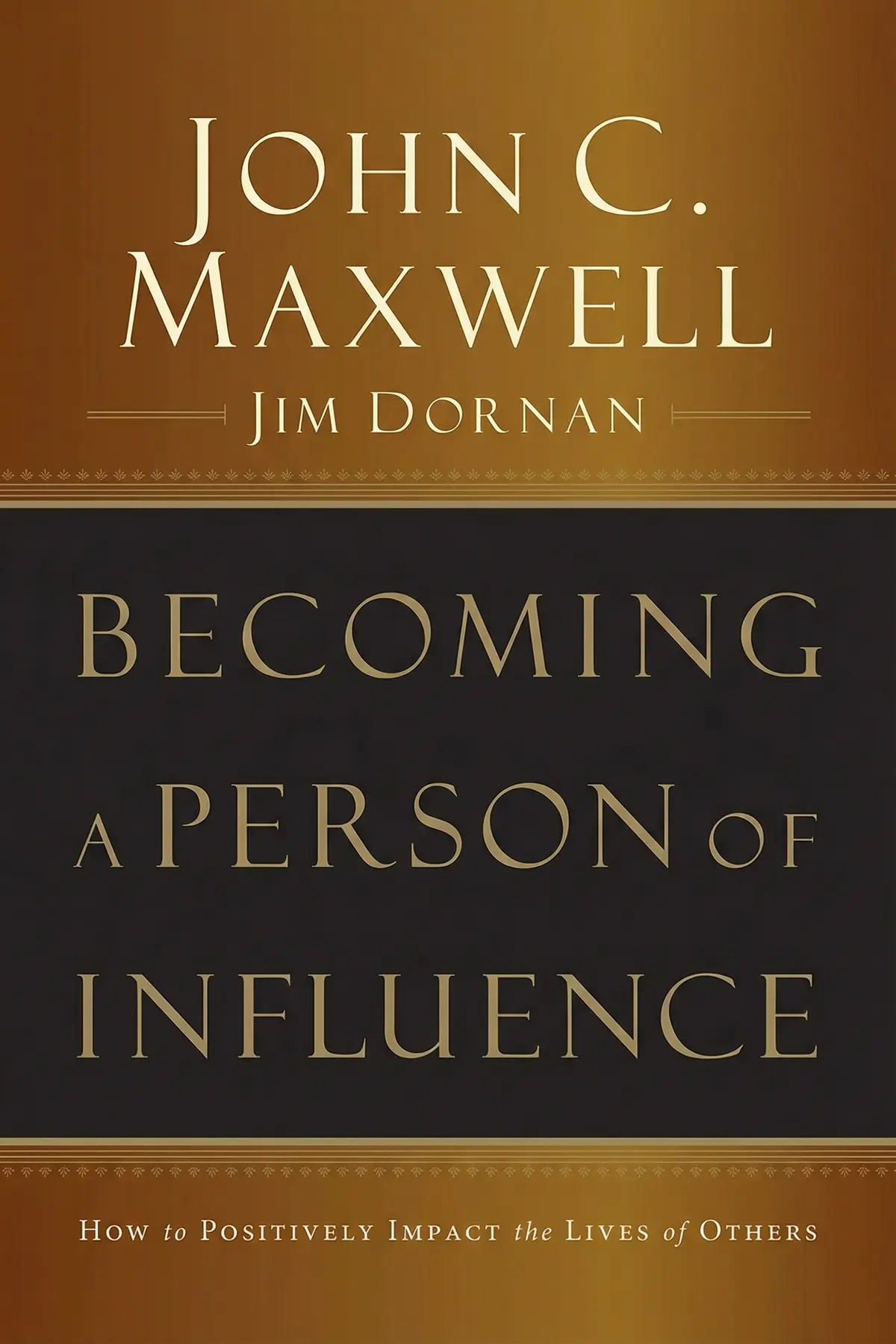
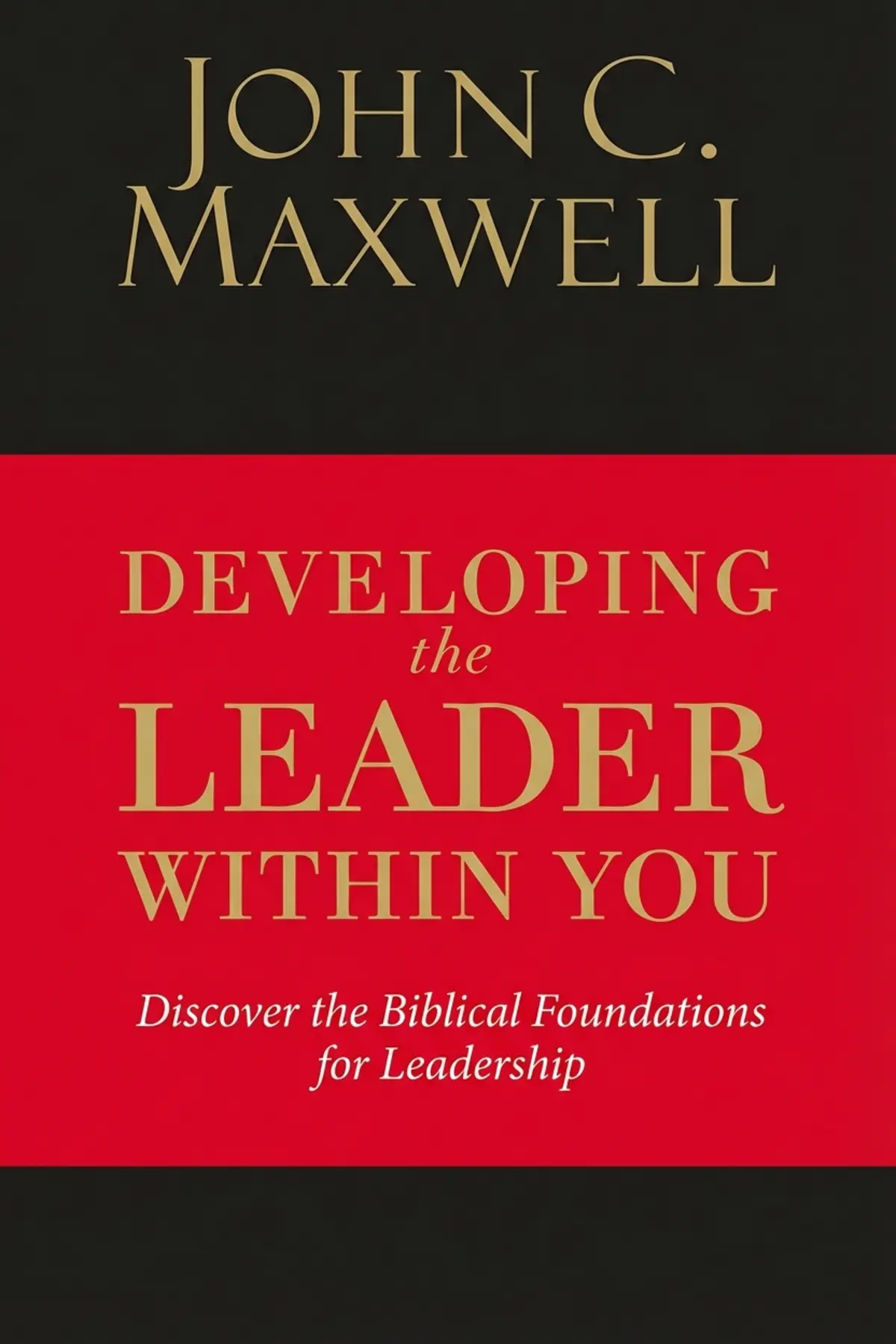
Developing the Leader Within You
John C. Maxwell
Leadership 101: What Every Leader Needs to Know
John C. Maxwell
No Limits: Blow the CAP Off Your Capacity
John C. Maxwell
Ratings & Reviews
Ratings at a glance
What people think
Listeners find the work an exceptional manual for honing leadership talents, with one noting its emphasis on instructing others to lead. They value the high-caliber content, which one listener describes as a detailed step-by-step growth guide, and find the text very straightforward to follow.
Top reviews
Rose
Few books manage to capture the essence of legacy like this one. Maxwell argues that the true measure of a leader isn’t how many followers they have, but how many leaders they successfully develop. I found the section on the "leadership table" to be particularly transformative, as it provides a concrete framework for creating space where others can fail and learn safely. The ROI of multiplying leadership influence is a recurring theme that resonates throughout the chapters. While his tone is undeniably personal—almost as if he's speaking directly to you over coffee—the advice remains grounded in practical organizational growth. To be fair, some might find the heavy reliance on anecdotes from his past books a bit repetitive, but for me, they served as necessary anchors for his points. If you are serious about building an institution that outlasts your own tenure, this is an essential manual for your library.
Show moreYok
Finally got around to finishing Maxwell’s latest, and it’s a masterclass in human capital. The step-by-step growth guide included here isn't just theory; it’s a detailed roadmap for identifying potential in others before they even see it themselves. I was especially struck by the "I do, you watch" equipping plan which simplifies the mentoring process into manageable phases. Truth is, many managers are afraid to work themselves out of a job, but this book flips that fear on its head. It pushes you to realize that your greatest return comes from empowering the next generation of giants. The writing style is classic Maxwell—easy to read, filled with punchy quotes, and deeply rooted in a service-oriented mindset. It’s the kind of book you keep on your desk to reference during team reviews. It actually changed how I approach my one-on-ones this week.
Show moreSomchai
As someone who has navigated corporate ladders for two decades, the focus here on "passing the baton" hit home in a way most management books don't. Maxwell hits the nail on the head: a company cannot grow on the outside until it grows its leaders on the inside. I appreciated the emphasis on character and the "6 C’s" of reproducing a healthy culture. The distinction between coaching and mentoring was also a lightbulb moment for me. In my experience, most people confuse the two, but Maxwell clarifies that mentoring is about life-centered transformation rather than just skill-based transactions. The book is an excellent guide for anyone feeling stuck in the day-to-day grind of
Show moreGioia
What a powerful reminder that our influence shouldn't stop at our own personal achievements! I’ve been struggling with how to scale my department, and this book provided the exact step-by-step growth guide I needed. The concept of the "leadership table" alone is worth the price of the book. It’s about more than just delegating tasks; it’s about sharing the "why" behind every decision and inviting others to weigh in. Maxwell’s storytelling is as engaging as ever, drawing on his decades of experience to show how mentoring is the greatest legacy anyone can leave. I particularly enjoyed the section on John Wooden’s advice. This isn't just a book you read; it’s a philosophy you adopt. It challenges you to stop being a shepherd and start being a rancher. Five stars for the clarity and the heart behind the message.
Show moreViroj
Wow, Maxwell really doubles down on the idea that success is the maximum utilization of the abilities of those around you. This book pushes readers to stop hoarding authority and start teaching others to lead. I loved the section on the "Vision Gap" and how builders are always impatient to close that space between what we are and what we could be. It’s a very detailed guide that feels like a personal mentorship session. Frankly, it’s refreshing to see a leader of his stature admit that his greatest joy isn't his own success, but the success of those he’s mentored. The stories about Mark Cole and Kevin Myers provide real-world proof that his methods work. If you want to multiply your impact, you need to read this and then pass it on to your team.
Show morePracha
This book provides the definitive roadmap for anyone tired of being the only decision-maker in the room. It’s an excellent guide to building a culture where everyone is empowered to take ownership. I was particularly moved by the idea that leadership is more caught than taught—that people do what they see. Maxwell’s emphasis on being an example is a sobering call to integrity for anyone in a position of power. The quality of information is exactly what you’d expect from a legend in the field, but it feels more urgent than his earlier works. It's about building a company of giants rather than a company of dwarfs. After reading this, I’m looking at my staff not just for what they can do for me today, but for who they can become tomorrow. A must-read for any serious builder.
Show moreSarawut
Wait, I didn't expect a leadership book to focus quite so much on the power of listening. Maxwell’s list of ten ways to make connections is incredibly simple, yet most of us fail at them daily. The idea that we should want more *for* our people than *from* them is a perspective shift that every middle manager needs to embrace. My only real complaint is the lack of study questions at the end of the chapters. For a book that encourages group discussion, you’d think those would be included without needing to buy a separate workbook. Still, the quality of the information is top-tier. Not gonna lie, some of the stories felt a little "icky and weird" with how hard he tries to connect with the reader, but the "nuggets" of wisdom are worth the occasional awkwardness.
Show moreAnthony
The chapter on the 80/20 rule alone makes this worth the investment for any busy professional. Maxwell explains how 20% of your people will produce 80% of your results, and he shows you exactly how to invest your time in that top tier. Personally, I found the tone a bit repetitive at times, as if he was trying to hit a certain word count by quoting his previous works. However, the practical application of his "equipping plan" is hard to argue with. He breaks down the process of moving from "I do it" to "You do it and someone else is with you" with remarkable clarity. It’s an easy read that doesn’t hide behind academic jargon. While it leans a bit heavily on a specific worldview, the leadership principles are universal enough to apply to any team.
Show moreDimitri
Is it just me, or does this feel like a remix of every other book he has written over the last twenty years? Don't get me wrong, the core message about passing the baton is vital for any organization, but the delivery feels very dated. Written and spoken like an old-school Christian man, it leans heavily on religious references that might not land for everyone in a secular corporate environment. I’ll admit the chapter on "working yourself out of a job" was a highlight, offering a rare bit of counter-intuitive wisdom. However, I found the constant self-referencing to The 21 Irrefutable Laws a bit much. It’s a decent enough read if you’re new to his work, but long-time fans might feel they’ve heard these stories about John Wooden and Jack Welch types before. It’s fine, just not groundbreaking.
Show moreVimolwan
Look, if you already like Maxwell's style, you will probably enjoy this, but be prepared for a very familiar experience. The truth is, there isn't much here that hasn't been covered in his previous 100+ books. I picked up a few good nuggets on developing leaders that I hope to use in my own career, but I had to sift through a lot of fluff to find them. The focus on Jack Welch-style leaders felt a bit outdated for today's workplace culture. Also, the mentions of Jesus were frequent enough to be distracting if you aren't looking for a faith-based perspective. To be fair, I did appreciate the chapter on "character" as a foundational requirement for leadership. It's a fine book for a long flight, but it didn't exactly blow my mind.
Show more
Readers also enjoyed
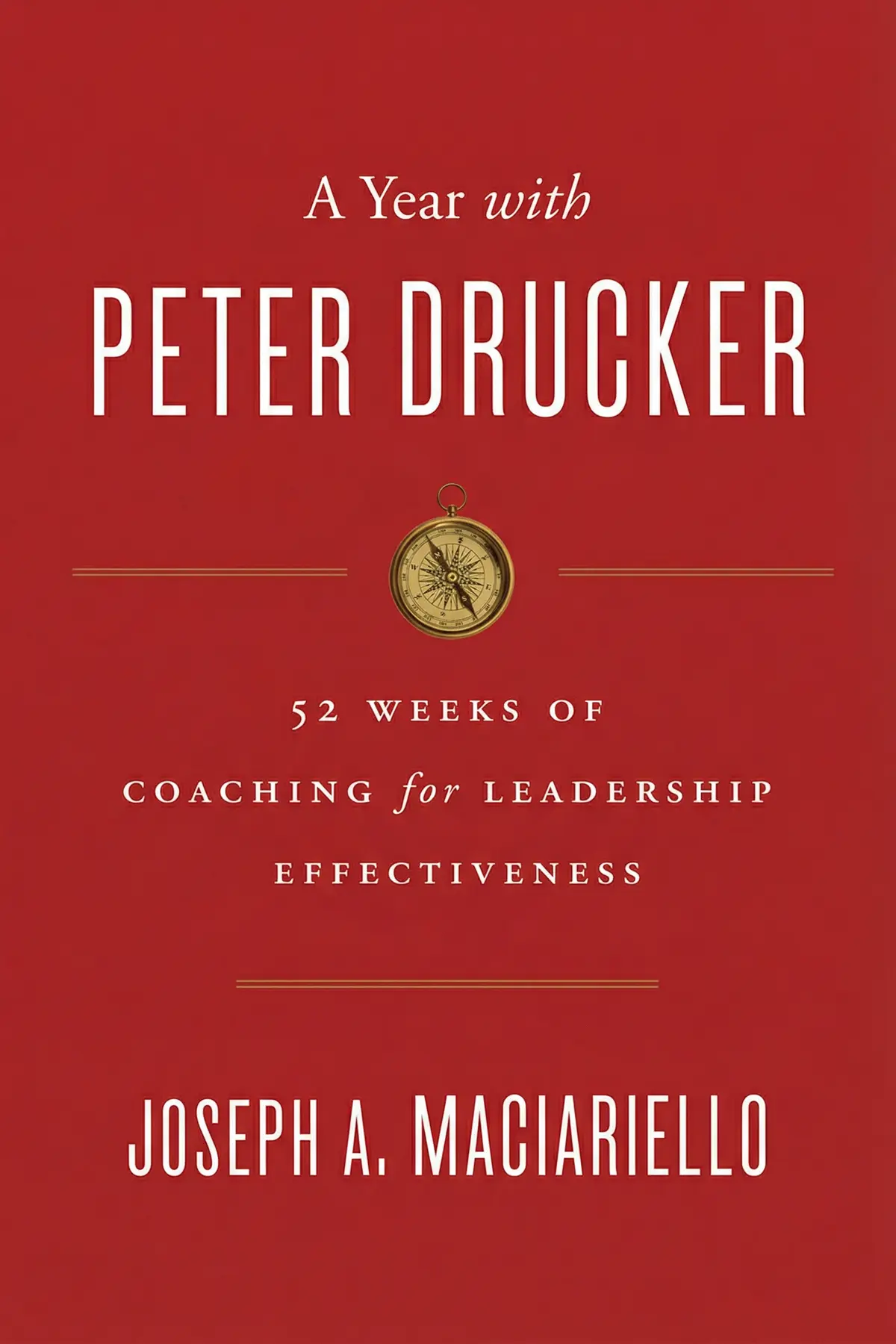
A Year with Peter Drucker: 52 Weeks of Coaching for Leadership Effectiveness
Joseph A. Maciariello
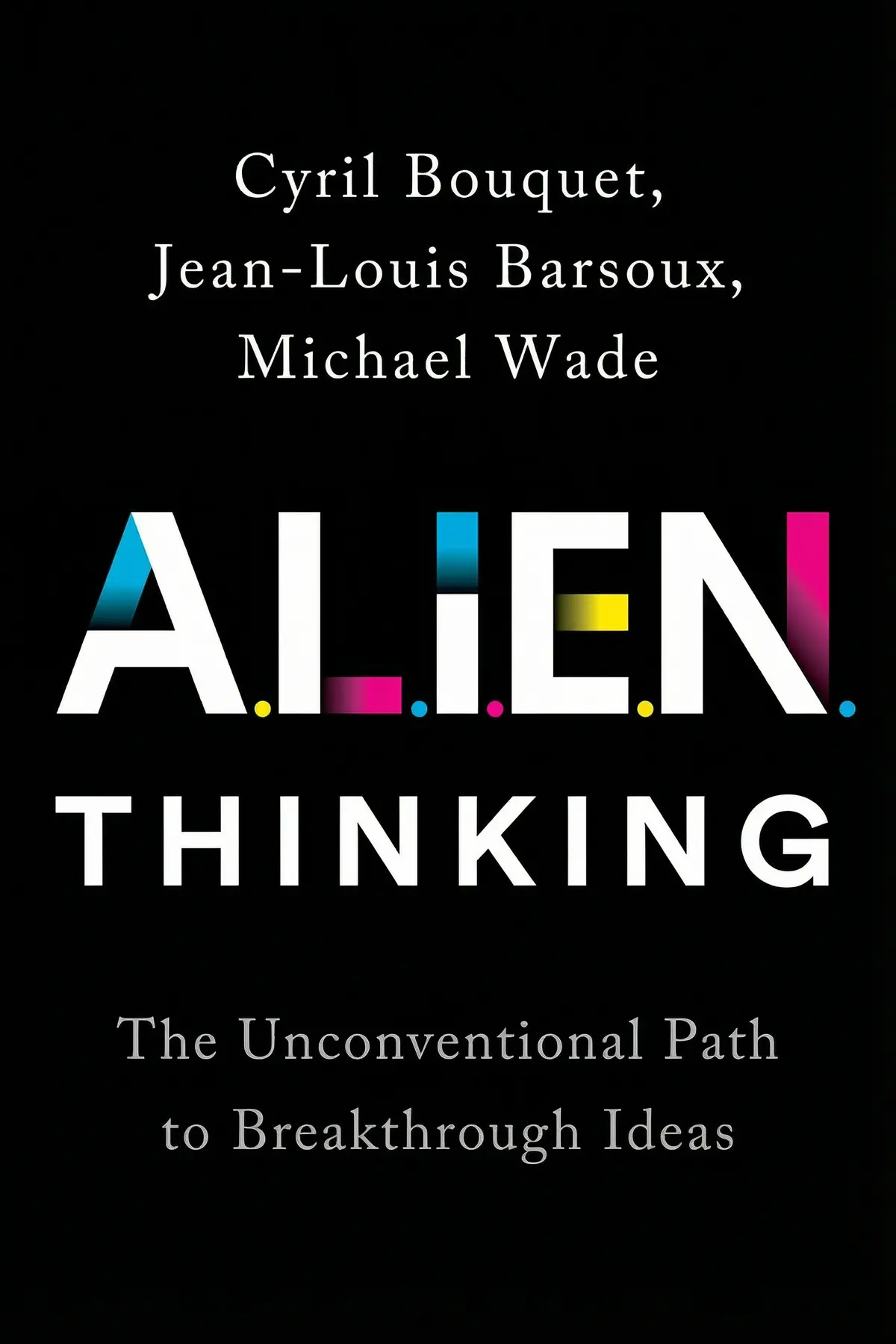
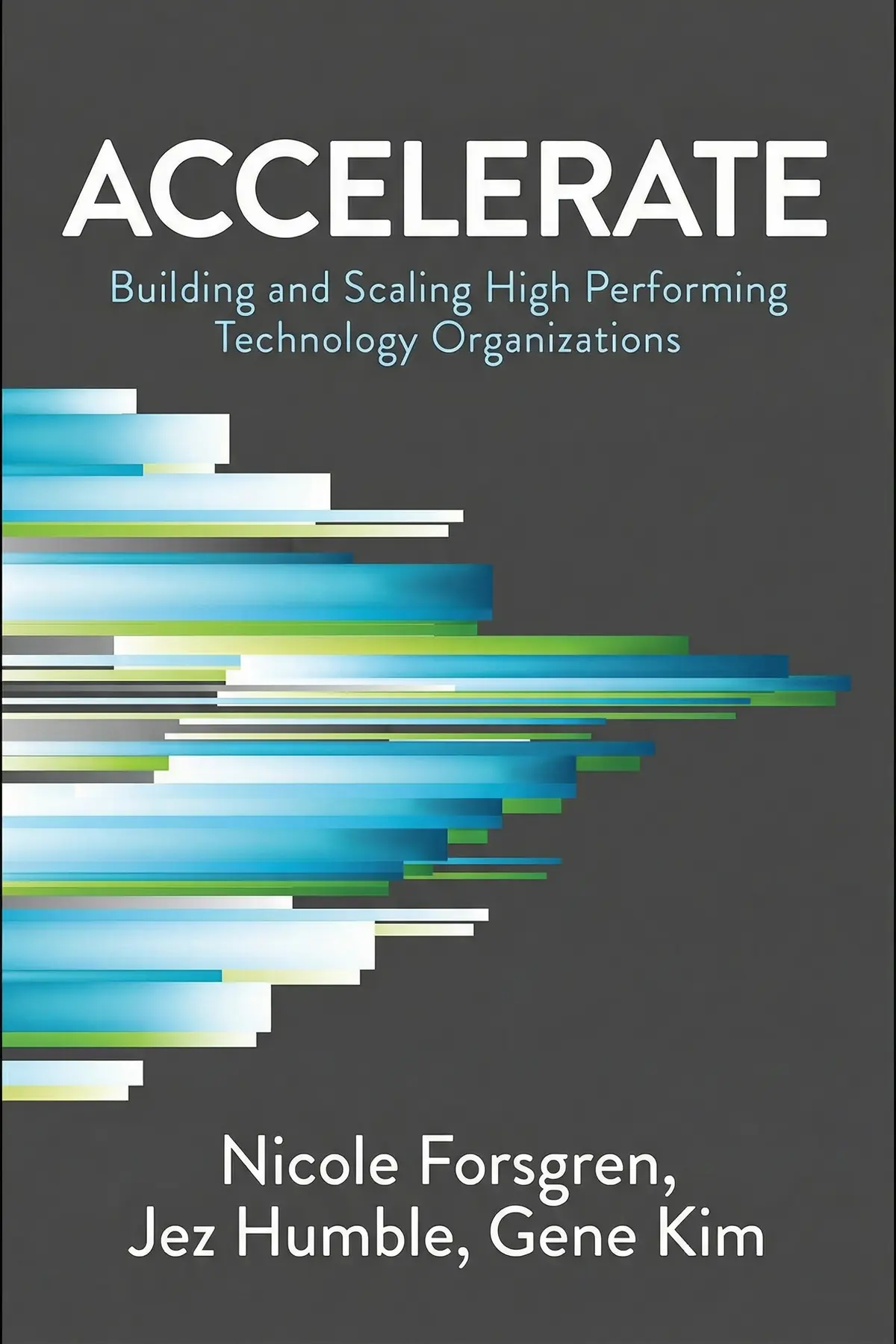
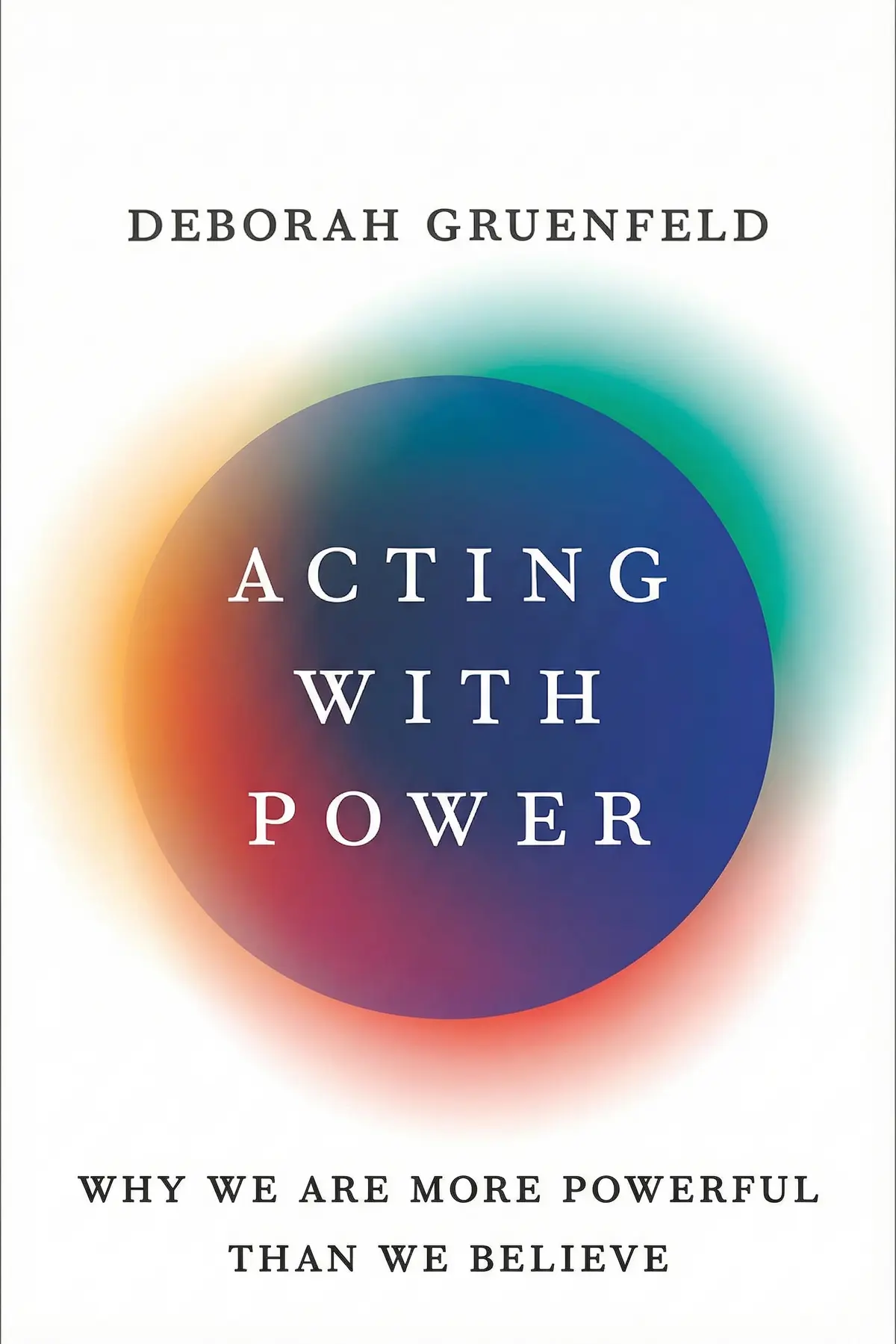
Acting with Power: Why We Are More Powerful Than We Believe
Deborah Gruenfeld
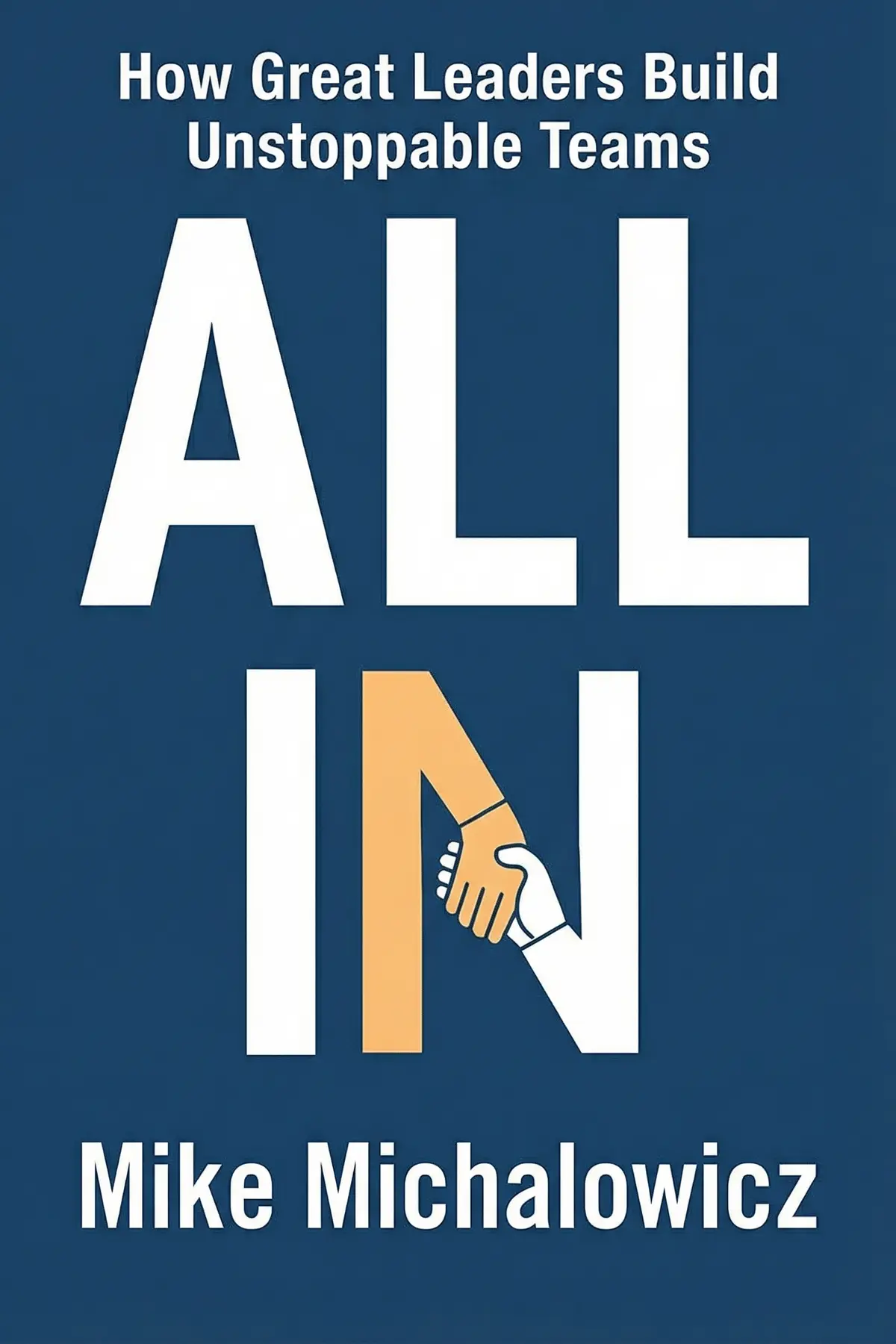
All In: How Great Leaders Build Unstoppable Teams
Mike Michalowicz
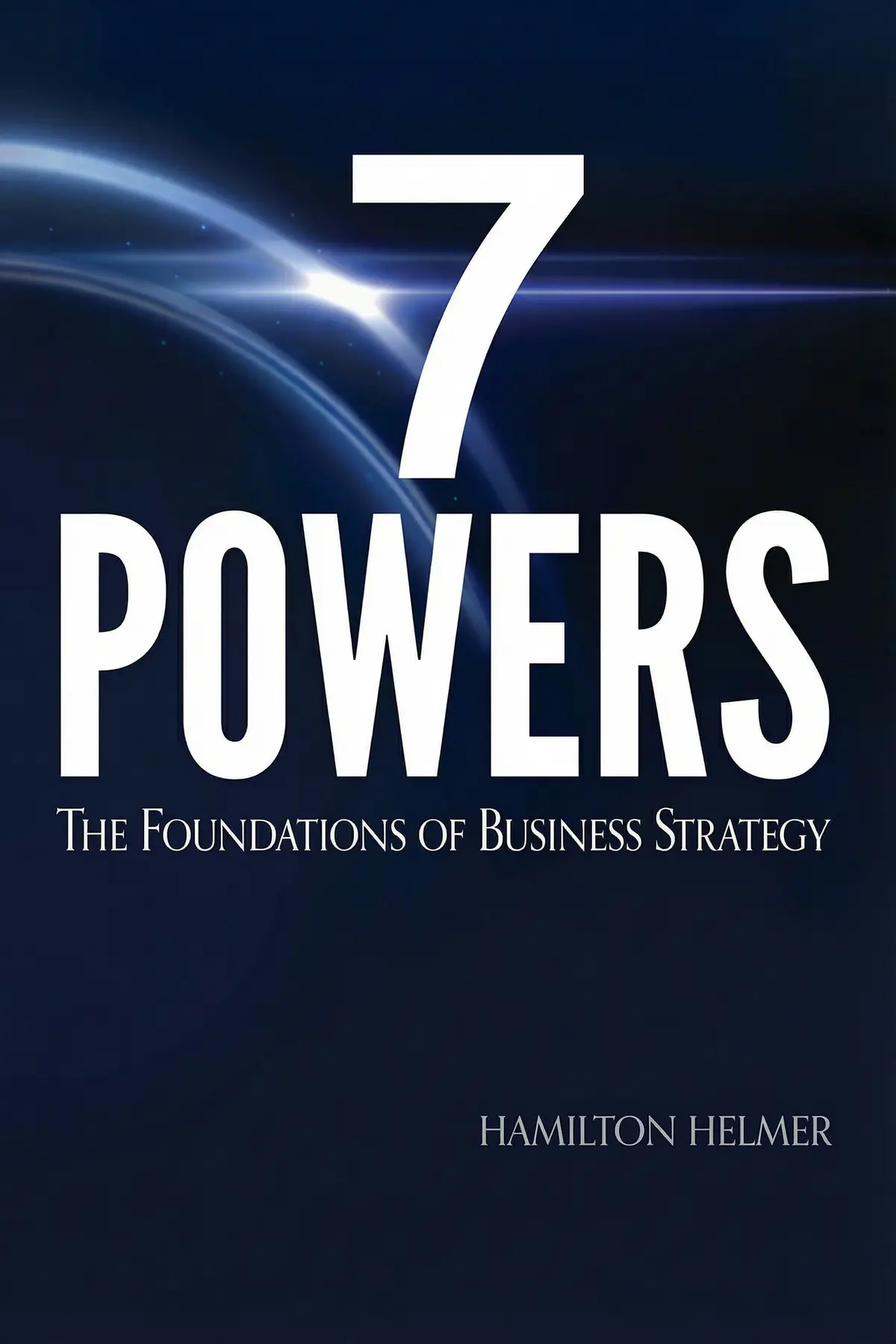
7 Powers: The Foundations of Business Strategy
Hamilton Helmer
AUDIO SUMMARY AVAILABLE
Listen to The Leader’s Greatest Return in 15 minutes
Get the key ideas from The Leader’s Greatest Return by John C. Maxwell, plus 5,000+ more titles in English and Thai.
- 5,000+ titles
- Listen as much as you want
- 7-day free trial
- Cancel anytime







