
16 min 50 sec
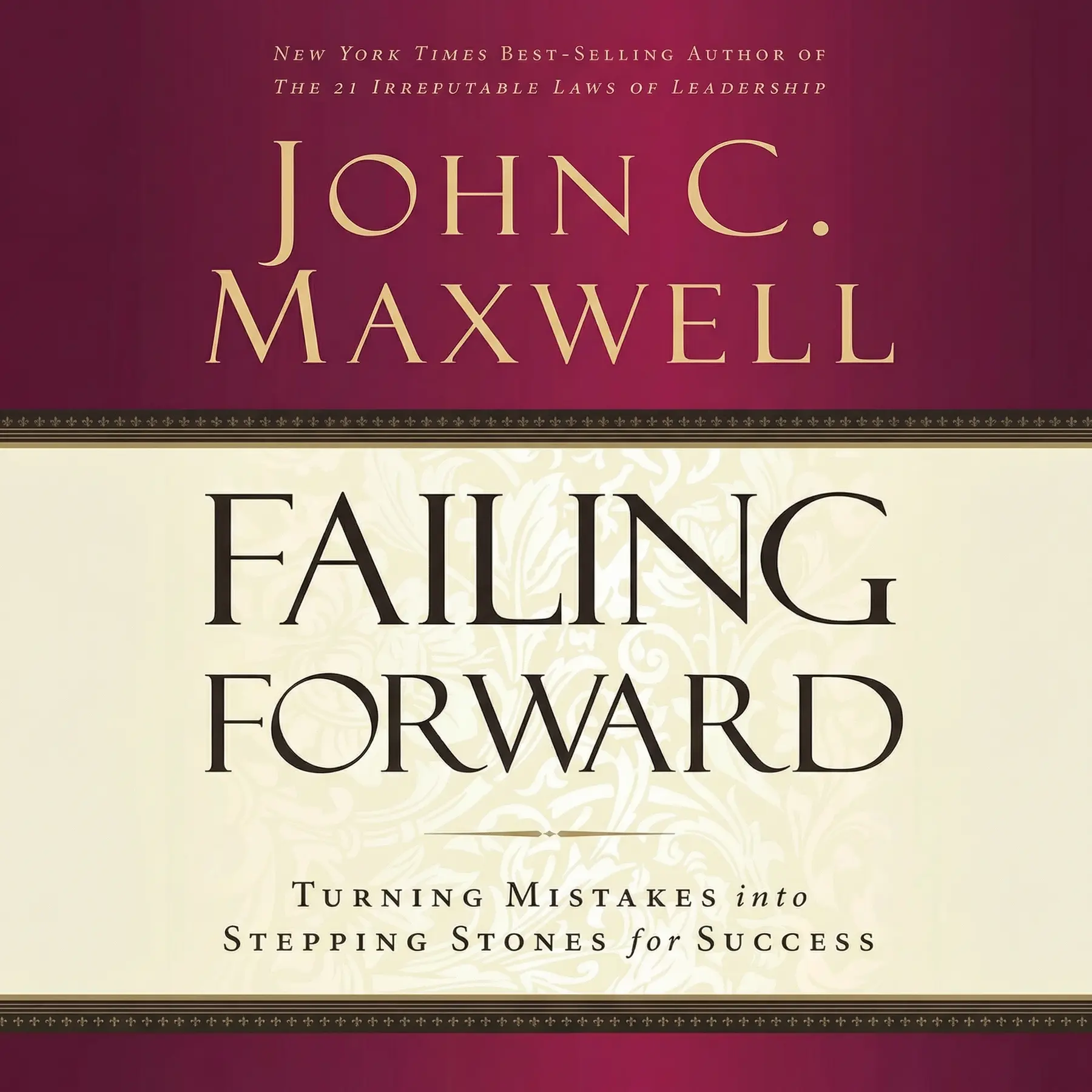
Failing Forward: Turning Mistakes Into Stepping Stones For Success
Failing Forward explores how to redefine your relationship with mistakes. John C. Maxwell demonstrates that progress is built on errors, teaching readers to use setbacks as essential fuel for long-term achievement and growth.
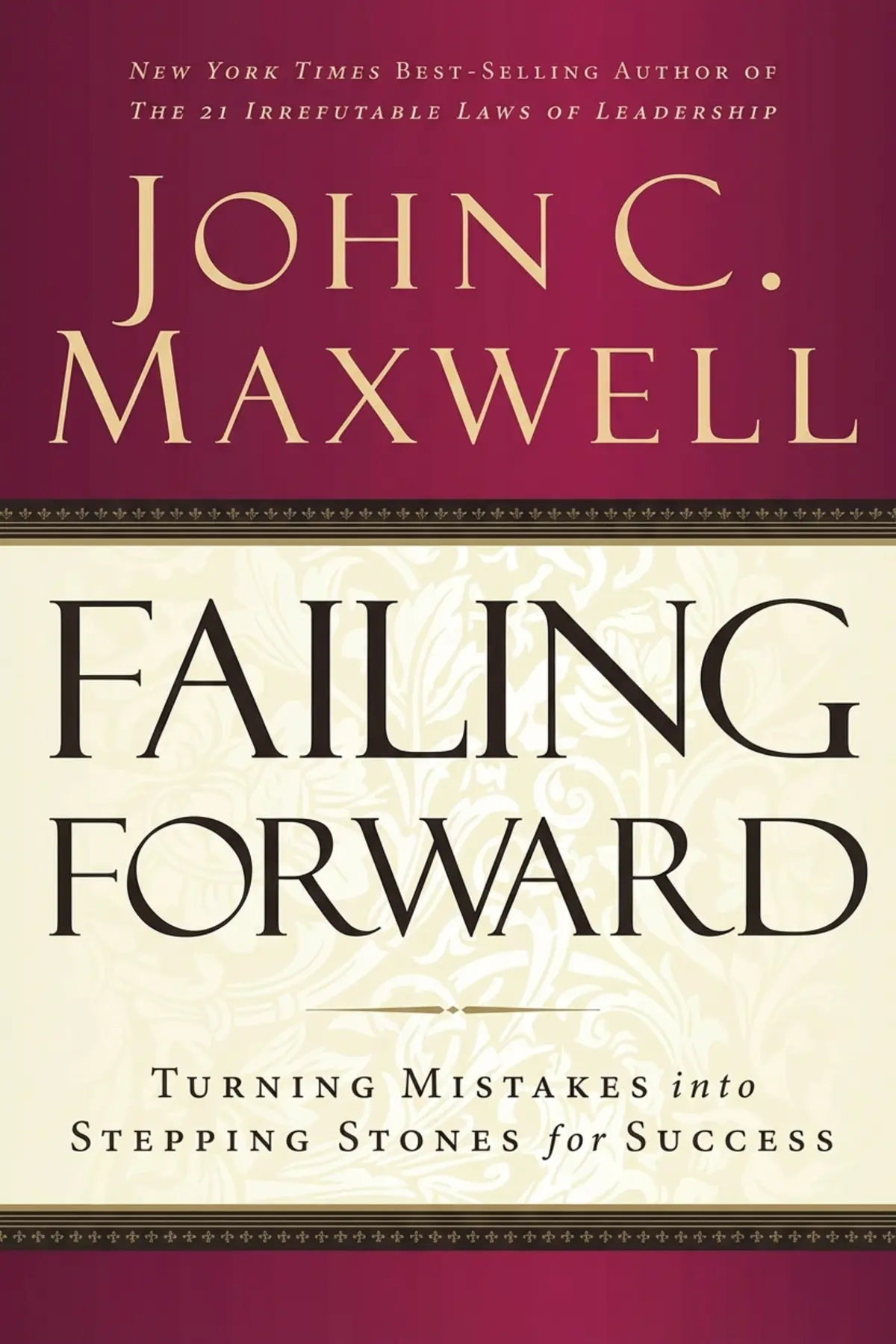
Table of Content
1. Introduction
1 min 35 sec
We live in a world that is obsessed with the highlight reel. Everywhere we look—whether it is in business, sports, or our personal social circles—we are bombarded with images and stories of polished success. Because of this, many of us have developed a deep-seated anxiety regarding failure. We see it as a shameful detour, a sign of incompetence, or a final dead end that suggests we simply aren’t cut out for our goals. But what if that entire perspective is fundamentally flawed? What if the very things we are running away from are actually the things we need to be running toward?
In this summary of Failing Forward, we are going to deconstruct the myth of the ‘overnight success’ and look at the gritty reality behind some of the world’s greatest achievements. The throughline here is simple but transformative: your ability to succeed is directly tied to your ability to fail. We aren’t talking about failing for the sake of failing, but rather a concept called failing forward—the practice of taking a mistake, extracting its wisdom, and using it to propel yourself to the next level.
We will explore how massive corporate blunders led to some of the most iconic products in history and why a person’s physical or situational limitations don’t have to define their trajectory. We’ll look at the psychological barriers that keep us safe but stagnant and learn how to build a new mental framework that welcomes challenges. By the time we finish, you’ll see failure not as an obstacle on the path, but as the path itself. It’s time to stop fearing the fall and start learning how to use the momentum of your mistakes to move forward.
2. A New Definition of Success
2 min 11 sec
Could failing nearly four times be the secret to starting a thriving business? Discover why persistence in the face of collapse is the hallmark of the entrepreneur.
3. Finding Dividends in the Rubble
2 min 17 sec
What if your biggest professional disaster was actually an invitation to invent something revolutionary? Explore how failures often reveal hidden opportunities.
4. Taking Responsibility vs. Taking Blame
2 min 24 sec
Is it possible to be a victim of circumstance without becoming a victim in spirit? Learn how accountability changes your future trajectory.
5. The Laboratory of Mistakes
2 min 14 sec
Why did a group of students aiming for quantity end up producing the best quality? Discover the surprising mechanics of learning through repetition.
6. Confronting the Paralysis of Fear
2 min 15 sec
Are you treating life’s failures like permanent stop signs or temporary red lights? Learn how to navigate the risks of progress without being stalled by fear.
7. The Three Pillars of Moving Forward
2 min 20 sec
What is the difference between looking at mud and looking at stars? Discover the three essential skills that turn a positive attitude into tangible success.
8. Conclusion
1 min 34 sec
As we reach the end of this journey through the principles of Failing Forward, the message should be clear: the only real failure in life is the failure to learn and try again. We have seen that the giants of industry, science, and sports are not people who avoided mistakes, but people who mastery the art of using them. From the marketing offices of Coca-Cola to the tennis courts and the garages where world-changing companies are born, the common thread is a refusal to be defined by a single moment of defeat.
To truly implement these ideas, start by looking at your own life through a different lens. Think of a recent setback you’ve experienced. Instead of trying to forget it or hiding it away, perform a ‘failure autopsy.’ Ask yourself what specific piece of information that failure gave you that you didn’t have before. Did it show you a flaw in your plan? Did it reveal a gap in your skills? Once you have that answer, you have officially failed forward.
Remember, success is a process, not a destination. It is a series of corrections and adjustments. If you can learn to see every ‘red light’ as temporary and every ‘pot’ that breaks in the kiln as a lesson in craftsmanship, you will become unstoppable. Don’t wait for the perfect conditions to start, and don’t let the fear of a mess keep you from the work. Embrace the struggle, take responsibility for your response, and keep looking at the stars. Your future success is waiting for you, and it’s built on the foundation of the lessons you’re learning today.
About this book
What is this book about?
In a culture that prizes perfection, we often view mistakes as a sign of weakness or a reason to quit. Failing Forward flips this script entirely, arguing that the primary difference between high achievers and everyone else is how they perceive and respond to setbacks. This summary outlines why failure is not a destination to be avoided, but a necessary companion on the journey to meaningful success. Through various historical examples and modern business cases, you will discover that the road to achievement is paved with rejected ideas and temporary defeats. You will learn why successful entrepreneurs usually fail several times before striking gold and how a positive mindset allows you to extract value from even the most devastating losses. By the end, you’ll understand that failure is an educational tool that provides the specific knowledge needed to refine your strategy. The promise of this book is a total psychological shift: moving from a fear-based paralysis to a proactive stance where every stumble becomes a stepping stone toward your ultimate goals.
Book Information
About the Author
John C. Maxwell
John C. Maxwell is a professional leadership trainer, author, and speaker who has dedicated his career to the study of organizational development. He is the founder of multiple companies that focus on teaching leadership principles to individuals and corporations alike. Maxwell has written several best-selling books on the subject of leadership and personal growth, establishing himself as a global authority in the field of professional achievement.
Developing the Leader Within You
John C. Maxwell
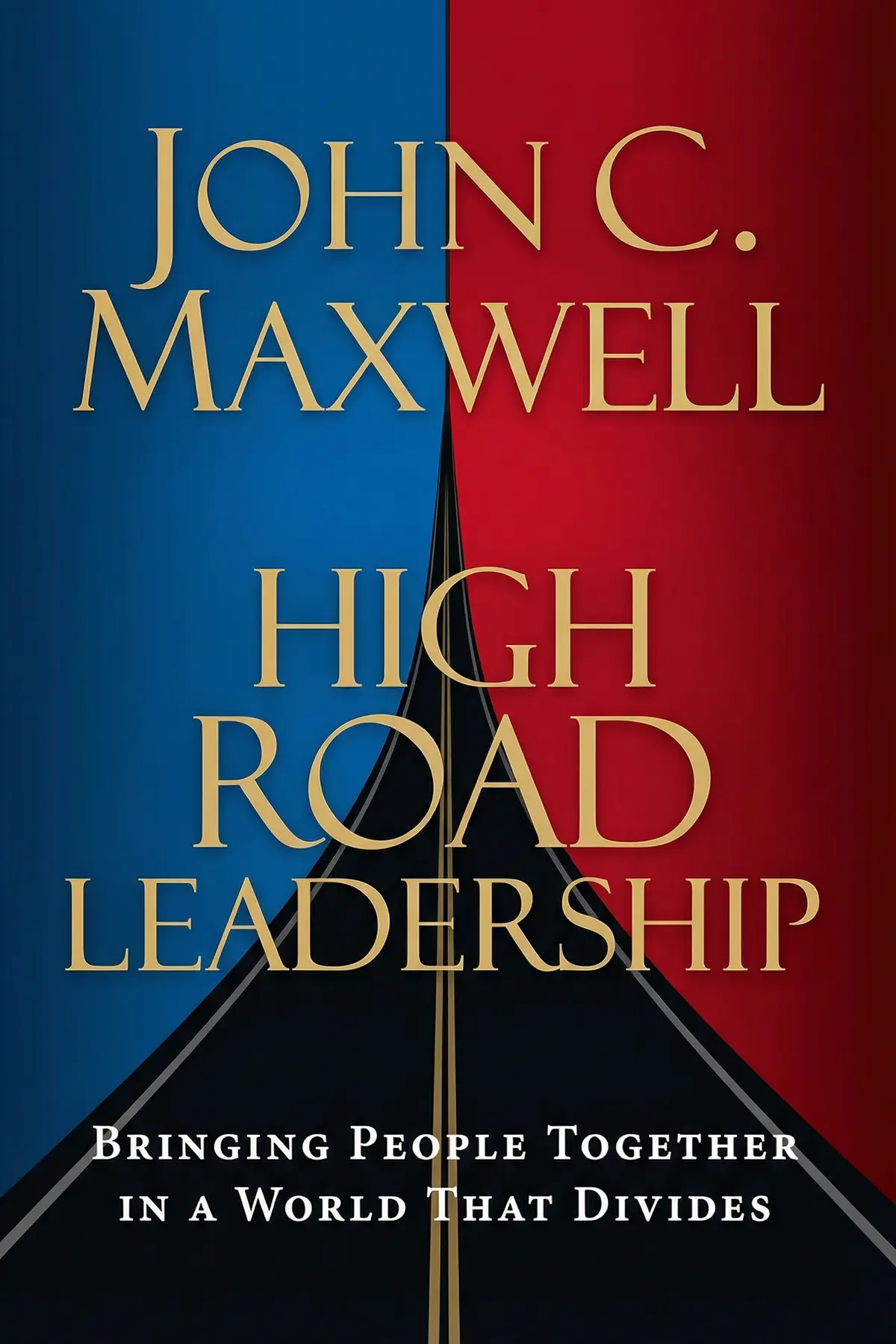
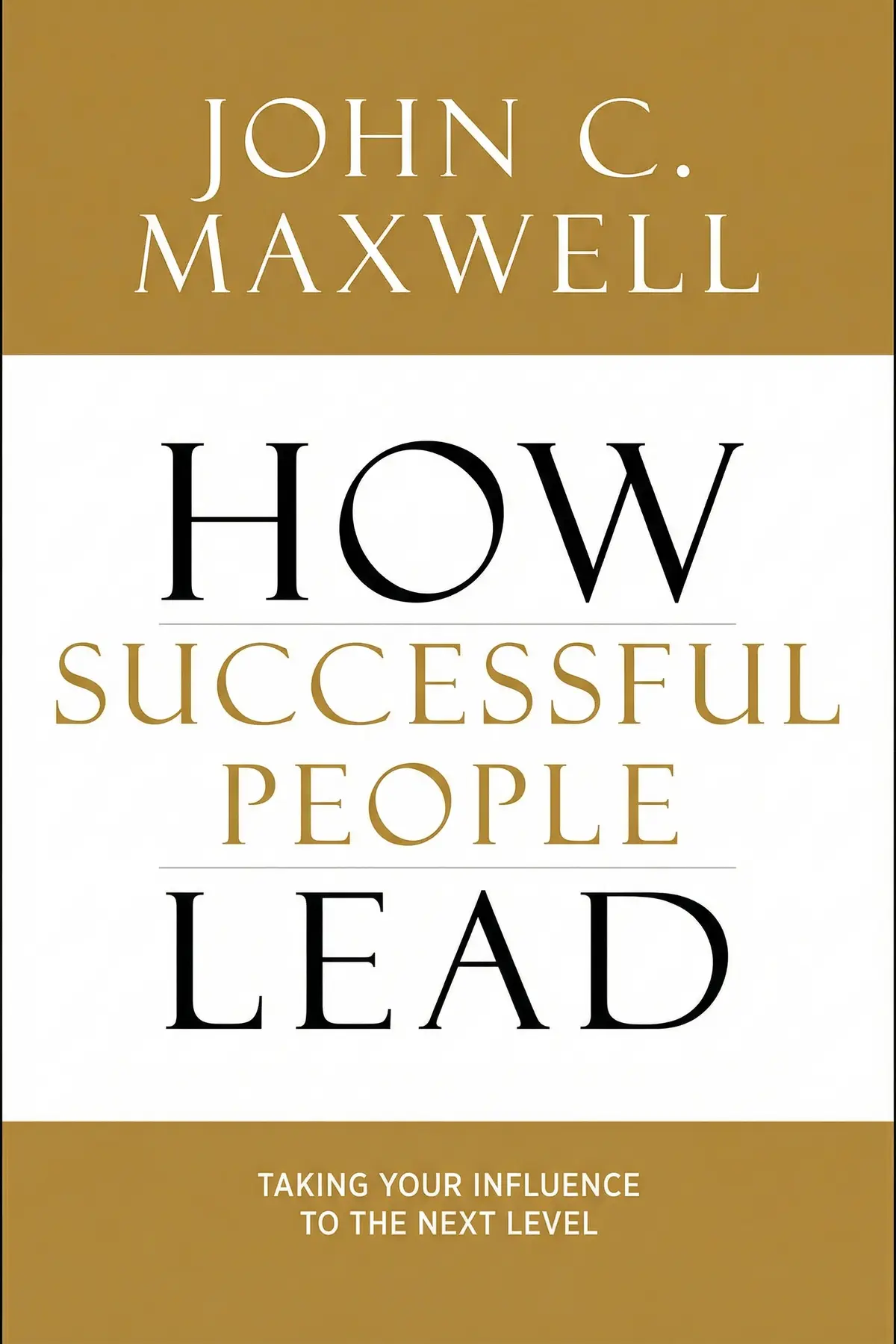
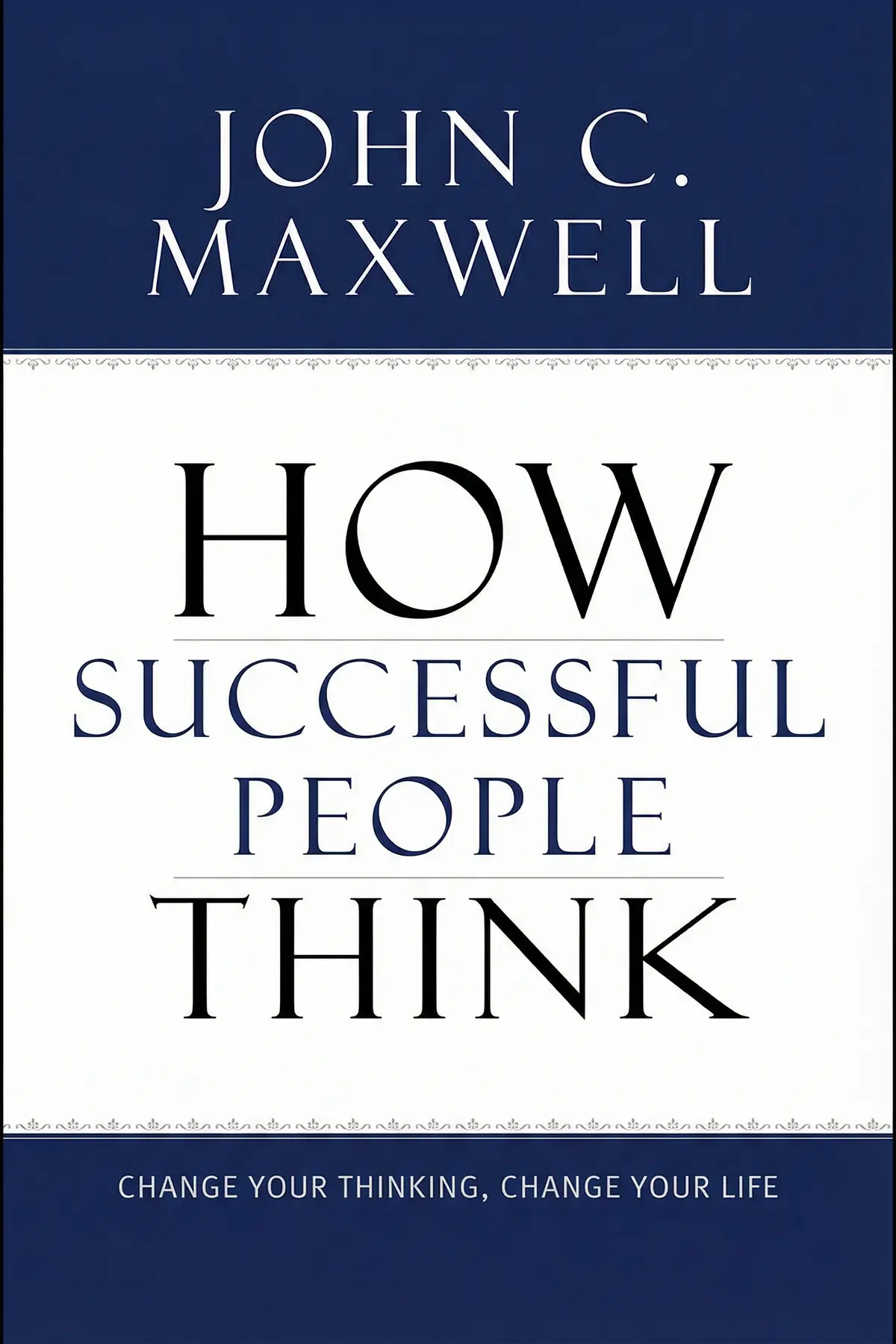
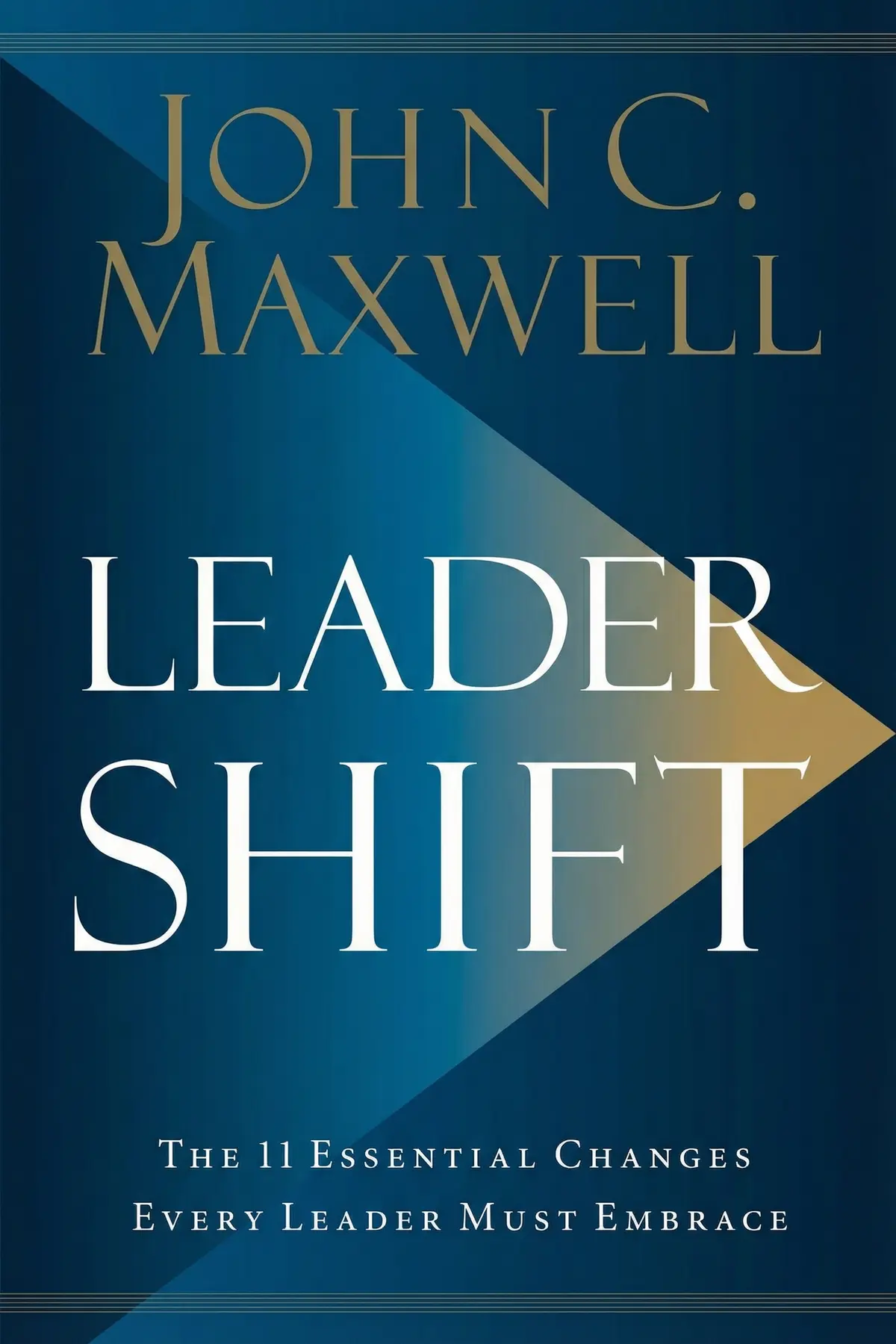
Leadership 101: What Every Leader Needs to Know
John C. Maxwell
No Limits: Blow the CAP Off Your Capacity
John C. Maxwell
Ratings & Reviews
Ratings at a glance
What people think
Listeners consider this title an excellent resource that offers an insightful outlook on transforming errors into building blocks for achievement. They value the real-world illustrations, inspiring material, and guidance on conquering the dread of failing. Listeners characterize the work as straightforward and highly actionable, with one listener highlighting that it acts as a mental game changer for reclaiming power over one’s circumstances and choices.
Top reviews
Seksan
Finally got around to reading Maxwell’s classic, and it’s a total shift in perspective for my professional life. Most people treat error like a terminal illness, but this book rebrands those moments as essential stepping stones for success. I found the practical examples extremely grounding. The truth is, we spend so much time running from mistakes that we never actually learn how to use them as fuel. The author provides a clear action plan that makes the concept of ‘failing forward’ feel achievable rather than just another vague self-help cliche. It’s a simple read, yet it serves as a massive mental game changer for anyone feeling stuck in their current circumstances. I especially appreciated the emphasis on taking full ownership of your path. If you are tired of playing it safe and want to actually achieve something, buy this book immediately.
Show moreLiam
Picked this up during a particularly rough patch in my career, and the timing couldn't have been better. This isn't just a collection of feel-good quotes; it’s a manual for mental toughness. Maxwell has a way of stripping away the shame we associate with falling short. Not gonna lie, I used to spend weeks ruminating over minor errors, but this book taught me to see them as data points rather than character flaws. The focus on 'failing early and failing often' changed how I approach my business strategy. It’s an easy read, but the impact is lasting. I’ve started implementing the action plans mentioned toward the end, and I already feel more in control of my trajectory. It’s a fantastic read for anyone needing a push to get back in the game.
Show moreAria
Ever wonder why some people bounce back while others just crumble? This book answers that question with surgical precision. It’s not just about ‘trying harder,’ it’s about failing intelligently. I love the Henry Ford quote included: ‘Failure is simply the opportunity to begin again, this time more intelligently.’ That really sums up the book’s heart. The author moves beyond simple-minded cliches to give readers a real action plan for growth. I’ve started viewing my recent project setbacks as stepping stones rather than stop signs. This shift in thinking has been a total game changer for my productivity. It’s a must-read for anyone in a leadership role or anyone trying to build something from the ground up. Truly an inspiring piece of work.
Show morePiyanart
Maxwell has a way of making high-level leadership concepts feel accessible to anyone. I’ve read a lot of business books, and many are too academic, but this is simple and easy to apply immediately. It focuses on the internal work required to handle external pressure. Personally, I found the section on accepting responsibility to be the most challenging and rewarding. We live in a culture of blame, and this book demands that you take ownership of your failures to turn them into success. The practical examples of superachievers who were once 'great failures' provided exactly the kind of motivation I needed. It’s a fantastic read that I’ll likely revisit whenever I feel my confidence wavering. Five stars for the clarity and the call to action.
Show moreSophia
Frankly, I think this should be required reading for anyone in a management position. Most of us are terrified of looking bad, but Maxwell proves that the only way to get ahead is to fail early and often. The book provides a great mental framework for overcoming that paralyzing fear of making a mistake. It’s about more than just business; it’s about life as a whole. Since finishing it, I’ve been more willing to take calculated risks and lead my team through setbacks with a more positive outlook. Some might find it a bit ‘woo-woo’ in its optimism, but the reality is that mindset is 90% of the battle. It’s a mental game changer that has helped me take control of my career. Definitely worth the time and money.
Show moreArjun
As someone who struggles with perfectionism, the core message here resonated deeply with my daily anxieties. Maxwell argues that the only difference between an average person and a high achiever is their response to failure. That’s a powerful thought to chew on. To be fair, I did find the writing style a bit redundant at times, and the heavy reliance on numbered lists can feel a bit like reading a very long PowerPoint presentation. However, the motivational content far outweighs the stylistic quirks. The book helped me realize that my fear of failure was actually a fear of growth. It provides a wonderful perspective on turning setbacks into opportunities for intelligent restarts. It isn’t revolutionary, but it is a necessary reminder that disappointment is just a normal part of the arrival process.
Show moreVipawan
After hearing about 'Failing Forward' for years, I expected something more complex, yet the simplicity is actually its greatest strength. It’s straightforward and punchy. Maxwell breaks down the fear of failure into manageable parts, making it much easier to digest and apply to real-world scenarios. I did notice the repetition that other reviewers mentioned—some ideas are hammered home multiple times—but perhaps that’s necessary to break through old habits. The book serves as a great mental game changer for taking control of your actions. It helped me stop blaming external factors for my setbacks. While it’s written in that traditional, slightly formal self-help tone, the wisdom inside is undeniable. It’s a solid resource for building a more resilient mindset, even if some of the anecdotes feel a bit dated.
Show moreConnor
The chapter on the difference between average people and achieving people really hit home for me. It’s all about the mental approach. Frankly, I think we are all trained for success when we should be training for the inevitable disappointments that come with life. Maxwell provides a wonderful perspective on why we shouldn't fear the 'no' or the 'not yet.' My only minor complaint is that it can feel a bit generic in places. Many of the stories are the typical 'famous person failed before they were rich' tropes we’ve all heard. Still, the way he connects these stories to specific steps for moving forward is very effective. It’s a quick read that packs a motivational punch, especially if you’re currently facing a professional hurdle.
Show morePongpan
To be fair, there are some great nuggets of wisdom buried in here, but you have to wade through a lot of fluff to find them. It’s basically a series of numbered lists. Every. Single. Chapter. While I appreciate the attempt at structure, it eventually felt a bit lazy, as if the author didn't want to weave his thoughts into a cohesive narrative. The repetition makes it feel about 50 pages longer than it needs to be. On the positive side, the quotes are fantastic and the core premise is sound. It’s a decent book for someone brand new to personal development, but if you’ve read a lot of Maxwell before, you might find this a bit redundant. It’s helpful, but it didn’t exactly blow my mind.
Show morePim
Look, I really wanted to like this given the high praise from people like James Altucher, but it felt hollow to me. My biggest gripe is the author’s lack of genuine vulnerability throughout the text. He shares an anecdote about being a young preacher and feeling devastated because one person voted ‘no’ on him. Seriously? When you compare that to people facing real, life-altering setbacks like bankruptcy or loss, it feels incredibly tone-deaf and condescending. The book is essentially a book-sized list of quotes and stories about other people’s failures, while the narrator stays on a pedestal. It lacks a clear definition of what constitutes a mistake versus a tragedy. While the overarching message of perseverance is admirable, the execution felt superficial and lacked the grit I expected. I’d recommend Brene Brown instead.
Show more
Readers also enjoyed
59 Seconds: Change Your Life in Under a Minute
Richard Wiseman

A Guide to the Good Life: The Ancient Art of Stoic Joy
William B. Irvine
A High-Performing Mind: Strengthen Your Mind and Live Your Best Life
Andrew D. Thompson
Abundance: The Inner Path to Wealth
Deepak Chopra
AUDIO SUMMARY AVAILABLE
Listen to Failing Forward in 15 minutes
Get the key ideas from Failing Forward by John C. Maxwell, plus 5,000+ more titles in English and Thai.
- 5,000+ titles
- Listen as much as you want
- 7-day free trial
- Cancel anytime







