
23 min 25 sec
The 21 Irrefutable Laws of Leadership: Follow Them and People Will Follow You
Explore the foundational principles of effective leadership through timeless stories of historical figures. This guide reveals how character, influence, and sacrifice transform ordinary individuals into world-changing leaders who command respect and loyalty.
Table of Content
1. Introduction
1 min 41 sec
What defines a great leader? If you were to look at the history books, you’d see leaders of every possible background, temperament, and physical stature. Some are loud and charismatic, while others are quiet and contemplative. This diversity suggests that leadership isn’t about a specific personality type. Instead, it is rooted in a set of universal principles that function like laws. Just as the laws of physics govern the natural world, there are laws of leadership that determine whether a person will succeed or fail in guiding others.
In this exploration of John C. Maxwell’s core concepts, we are going to look at the throughline that connects the most effective leaders in history. Whether you are managing a small team at work, leading a community organization, or aiming to change the course of a nation, these laws remain constant. You don’t have to follow every single one perfectly to be effective—even the greats had their weaknesses—but by understanding and applying these rules, you can significantly increase your ability to influence others and achieve your goals.
Throughout this discussion, we will dive into the lives of iconic figures like Abraham Lincoln, Theodore Roosevelt, and Martin Luther King, Jr. We’ll see how they navigated the challenges of their times by leaning on specific leadership laws. We will also examine how you can apply these same lessons to your own life today. You’ll learn how to build influence from the ground up, why serving others is the fastest way to add value to your own leadership, and what you must be willing to sacrifice if you want to reach the top. Leadership is a journey, not a destination, and it begins with a commitment to growth and an understanding of the mechanics of human connection. Let’s begin by looking at the true foundation of leadership: the power of influence.
2. The Power of Influence and Empowerment
2 min 48 sec
Discover why titles don’t make leaders through the early struggles of Abraham Lincoln and learn why the best leaders give power away rather than hoarding it.
3. Leadership as a Lifelong Process
2 min 37 sec
Explore the physical and mental transformation of Theodore Roosevelt to understand why leadership capacity is built slowly over time through daily discipline.
4. The Law of Magnetism
2 min 30 sec
Learn why you don’t just find the right followers; you attract them based on who you are and the values you embody every day.
5. Earning Respect Through Courage and Service
2 min 41 sec
See how Harriet Tubman overcame insurmountable odds to lead hundreds to freedom by embodying the laws of Respect and Addition.
6. The Heavy Price of Leadership
2 min 20 sec
Explore the life of Martin Luther King, Jr. to understand the Law of Sacrifice and why leadership requires a constant willingness to give up personal comfort.
7. The Law of Buy-In
2 min 21 sec
Learn why the person is more important than the plan, and why your followers must trust you before they will ever embrace your vision.
8. Achieving Victory Through Unity and Diversity
2 min 23 sec
Examine Winston Churchill’s wartime leadership to see how the Law of Victory requires a shared vision and a diverse team working in sync.
9. The Crucial Importance of Timing
2 min 18 sec
Understand why when you lead is just as important as what you do, and learn to analyze your timing to avoid costly leadership mistakes.
10. Conclusion
1 min 46 sec
As we come to the end of our exploration into the laws of leadership, it is important to remember that no one is born a perfect leader. Even the most successful figures in history struggled with some of these principles. The goal isn’t to master all twenty-one laws overnight, but to become a student of leadership and to commit to a lifelong process of growth. Whether you are focusing on increasing your influence, earning respect through service, or perfecting your timing, every small improvement you make will have a ripple effect on your ability to guide others and achieve your vision.
One of the most practical ways to start applying these lessons today is to rethink your priorities. Leadership requires you to be strategic with your time and energy. A helpful rule of thumb is the 80 percent rule: if someone else on your team can do a task at least 80 percent as well as you can, you should delegate it. This frees you up to focus on the things that only you can do—the high-level strategic thinking and relationship building that define true leadership. Don’t fall into the trap of trying to do everything yourself; remember the Law of Empowerment and trust your team.
Finally, make sure that your leadership is aligned with what brings you the greatest reward and satisfaction. You should never have to sacrifice the things that are most important to you—like your health, your values, or your family—in the pursuit of success. In fact, a leader who is well-balanced and fulfilled is far more effective than one who is burnt out and resentful. By living these laws, you are not just building a career; you are building a legacy. Leadership is the ability to inspire others to join you on a journey toward a better future. Now that you have the tools and the framework, it’s time to take that first step. Lead with integrity, serve with heart, and watch as people begin to follow you not because they have to, but because they want to.
About this book
What is this book about?
Leadership is often misunderstood as a byproduct of a title, a rank, or a position of authority. However, true leadership is a complex tapestry of character, strategy, and social dynamics. In this summary of John C. Maxwell’s work, we examine the essential laws that govern how we interact with others and guide them toward a shared vision. From the quiet courage of Harriet Tubman to the strategic brilliance of Winston Churchill, these principles are illustrated through the lives of those who mastered them. You will learn that leadership is not an innate gift but a skill that must be developed over time through the Law of Process. You will discover why people buy into the person before they buy into the mission, and how the Law of Sacrifice requires leaders to give up more as they rise higher. By the end of this journey, you will have a clear framework for evaluating your own leadership potential, identifying your strengths, and understanding the vital importance of timing and empowerment in building a legacy that lasts.
Book Information
About the Author
John C. Maxwell
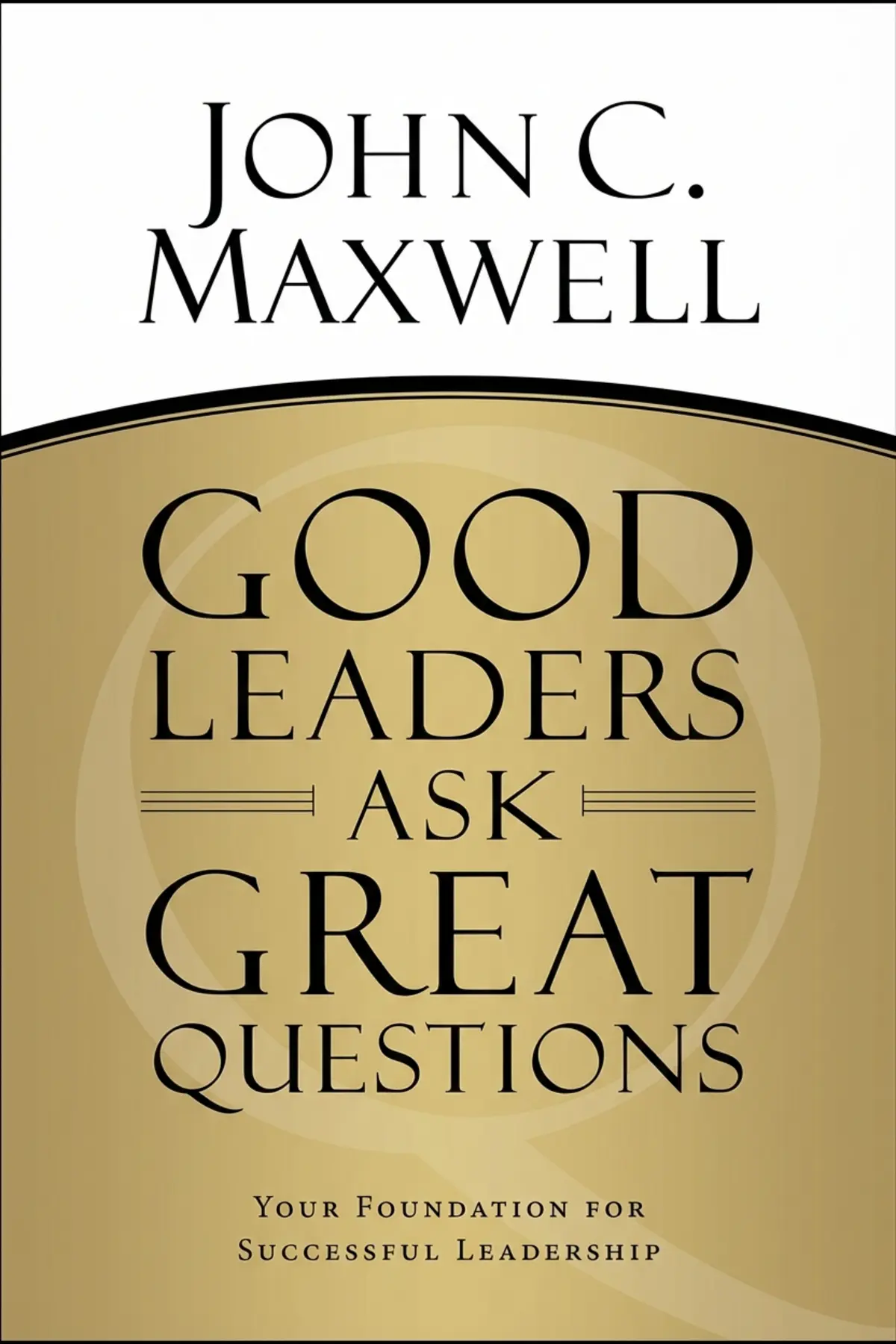
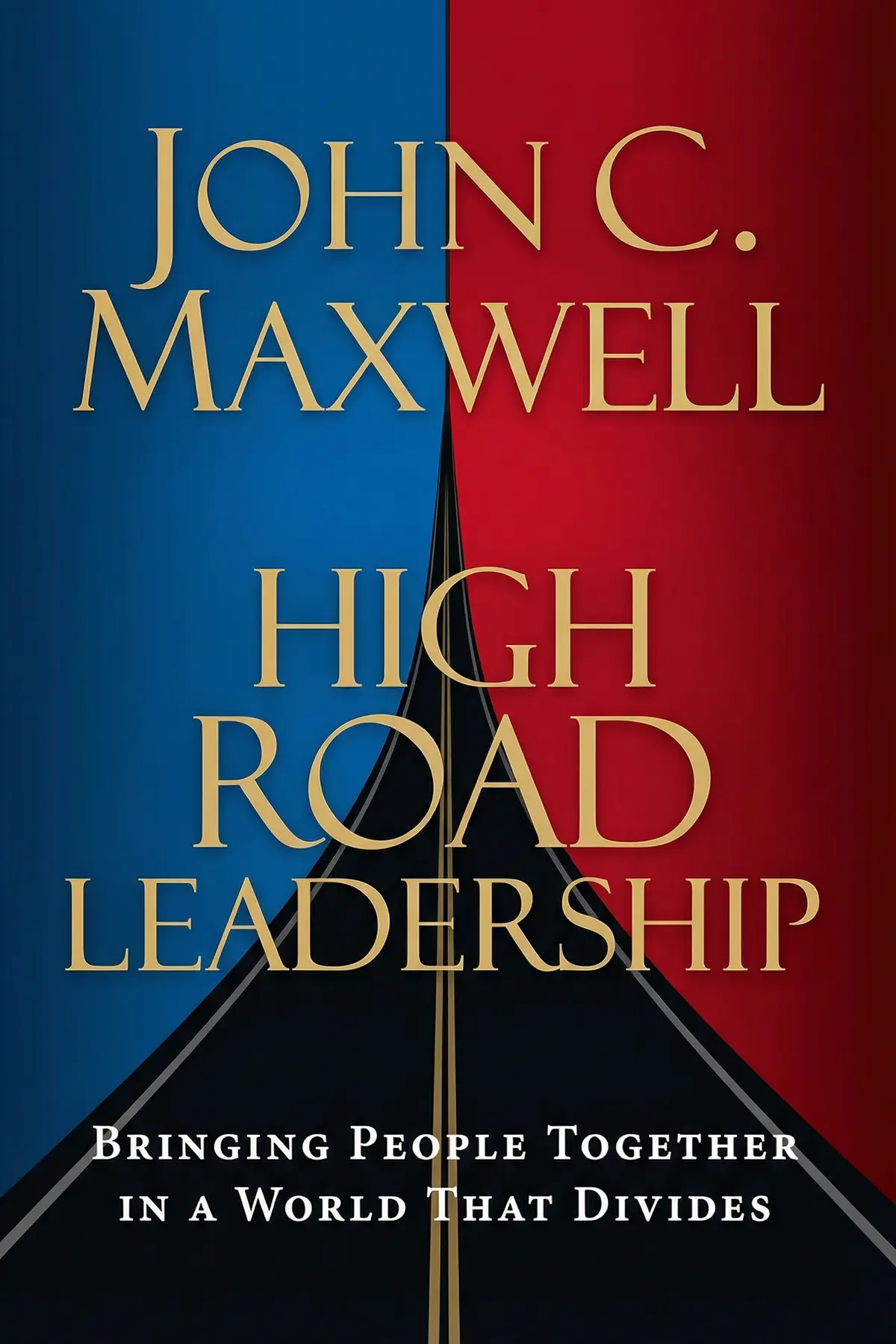
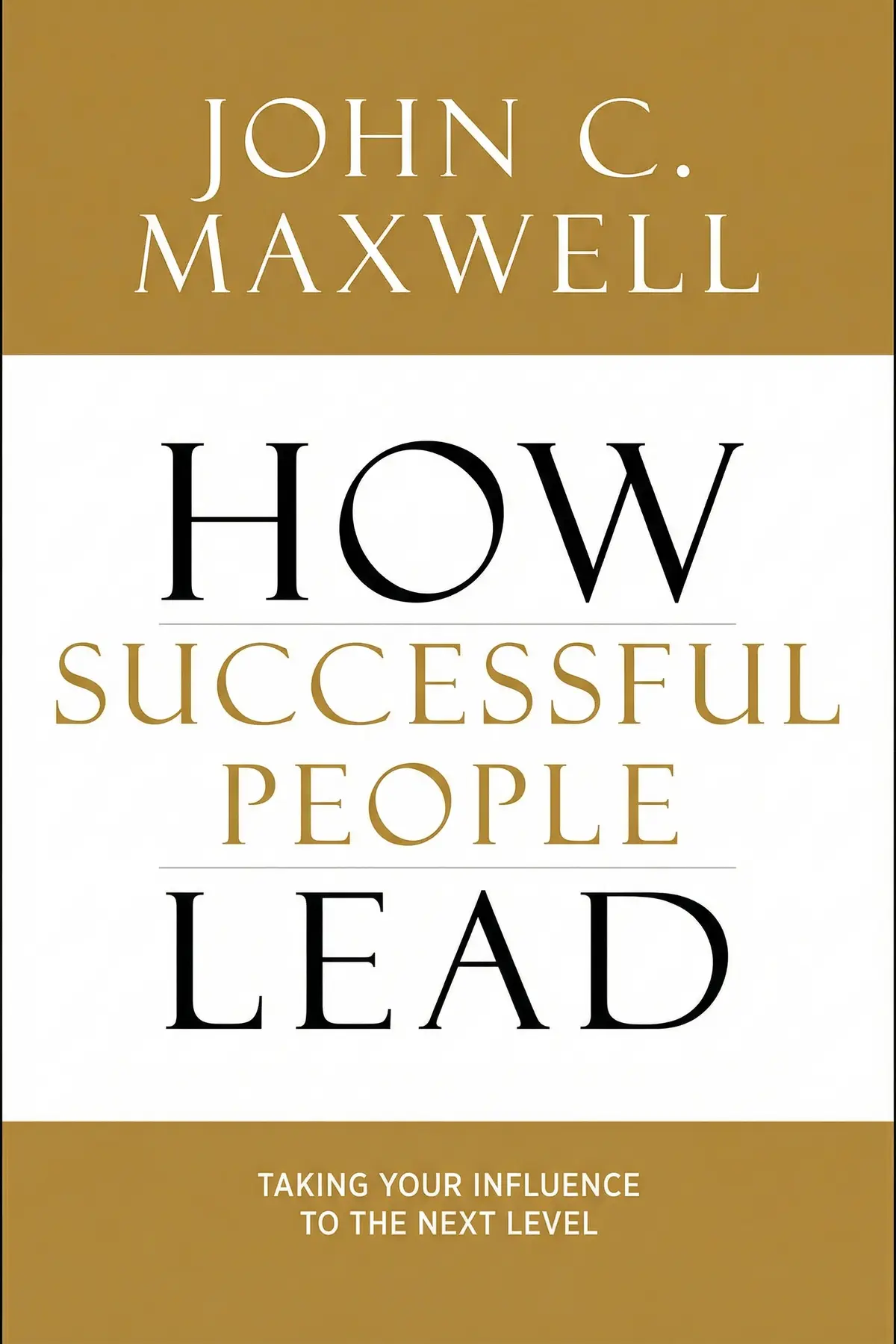
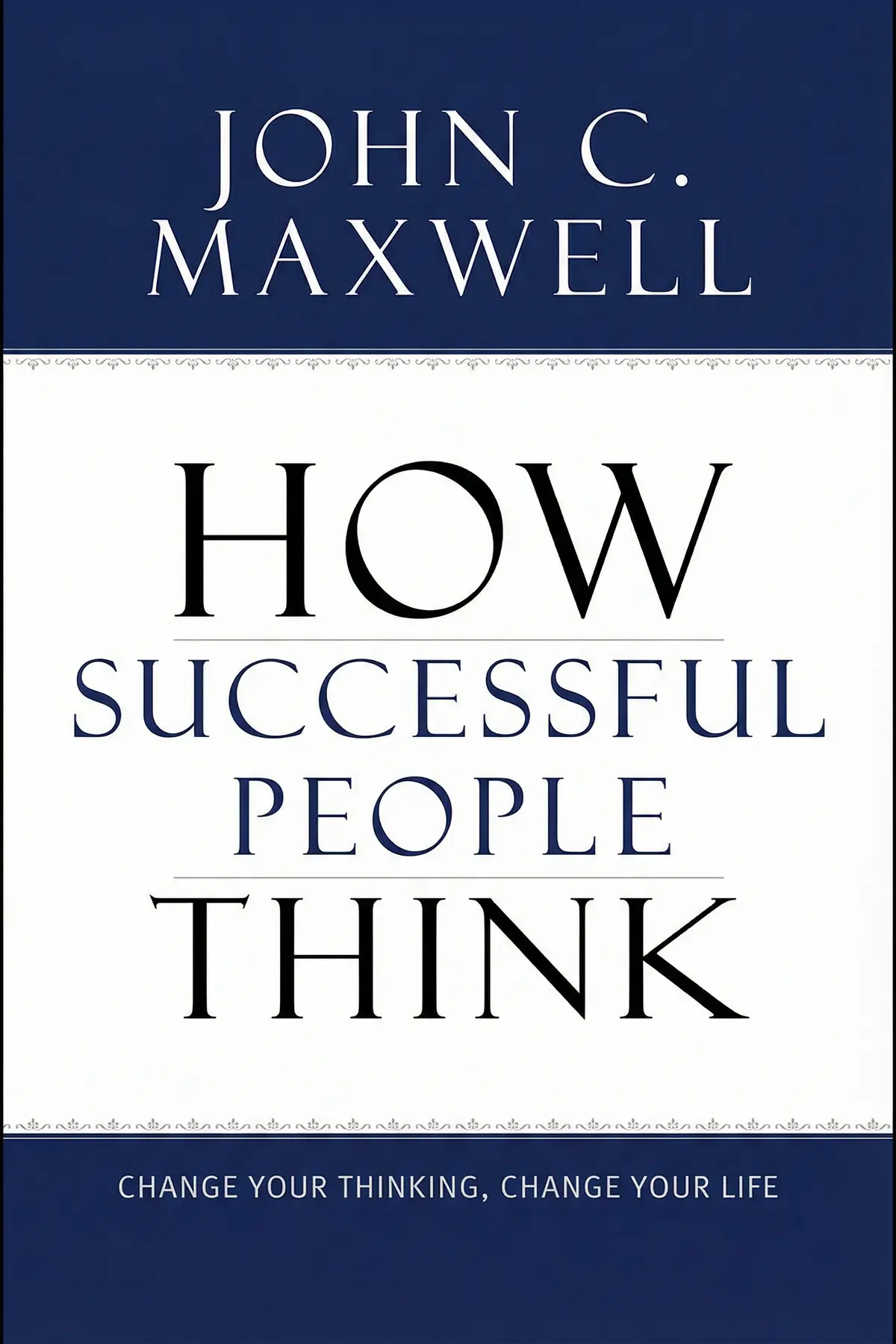
John C. Maxwell is a leadership expert, professional speaker, pastor, and author. He regularly gives talks at Fortune 500 companies, the NFL, and the US Military Academy at West Point. He’s also the founder of EQUIP, an international leadership development organization. His best-selling books include Developing the Leader Within You and 15 Invaluable Laws of Growth.
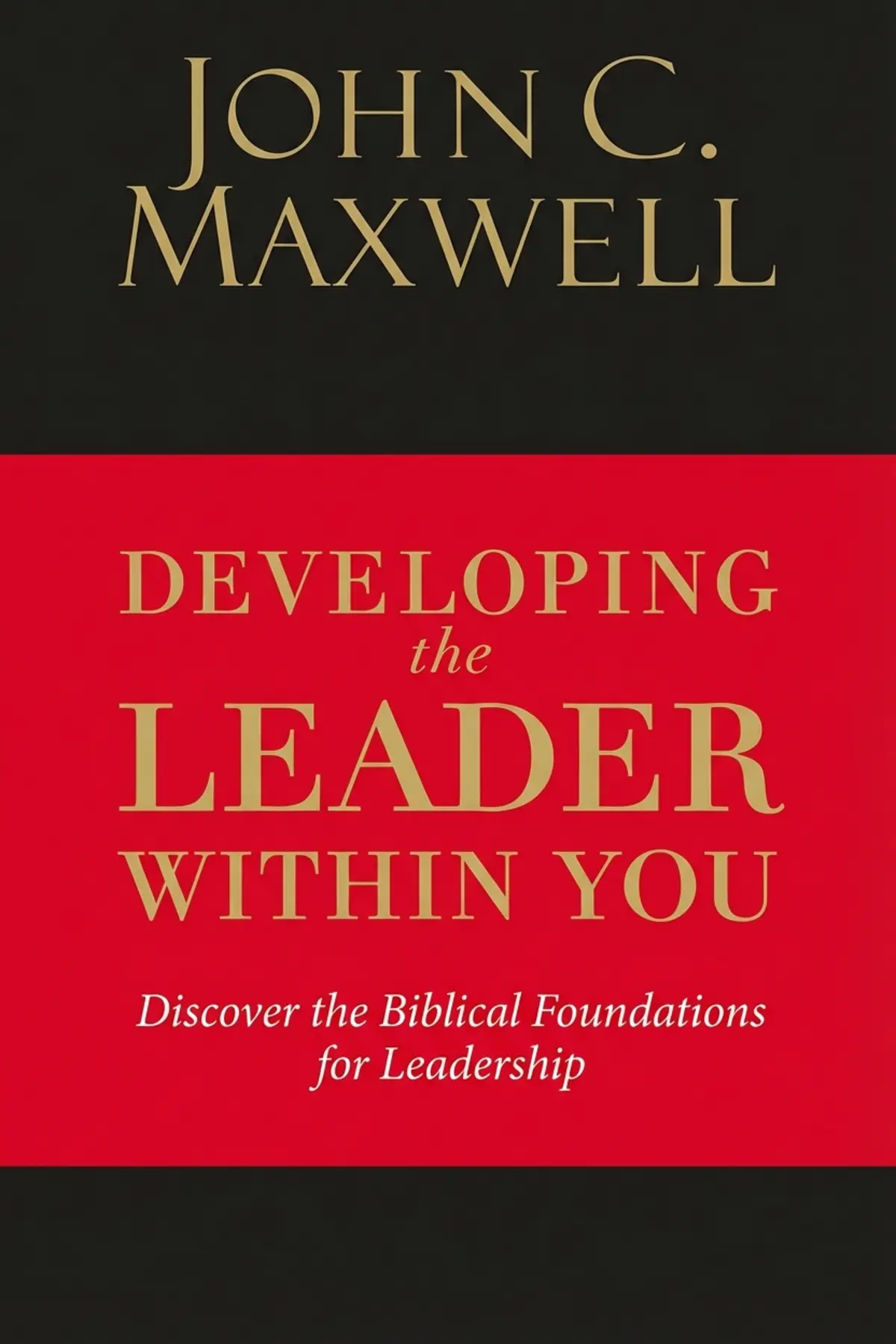
Developing the Leader Within You
John C. Maxwell
Leadership 101: What Every Leader Needs to Know
John C. Maxwell
No Limits: Blow the CAP Off Your Capacity
John C. Maxwell
Ratings & Reviews
Ratings at a glance
What people think
Listeners consider this leadership guide highly beneficial, as it assists them in improving their management skills and offers actionable tips for their careers. Its concise chapters make it simple to digest, packed with insights and fresh viewpoints that make it an essential tool for career growth. Listeners value the uplifting material, mentioning how it encourages reflection on personal talents and fosters beneficial transformations.
Top reviews
Parichat
Picked this up during a career transition and found it remarkably grounding. The "Law of the Lid" completely changed how I view my own effectiveness. Instead of just working harder, Maxwell argues you have to raise your leadership ceiling. The chapters are short enough to read over coffee, making the wisdom feel accessible rather than overwhelming. To be fair, some of the anecdotes feel a bit like he's patting himself on the back, but the core message resonates. If you want a framework for professional development that actually sticks, this is it. It’s helped me identify specific strengths I didn't even know I was missing.
Show moreEvelyn
Wow, Maxwell really knows how to light a fire under you. This isn't just a business manual; it’s an inspirational guide to changing your entire mindset. I was particularly moved by the "Law of Connection," which reminds us that you have to touch a heart before you ask for a hand. It makes you pause and think about how you treat your team on a human level. Some parts feel a little repetitive, and the tone is definitely "old school," but the results speak for themselves. I’ve already started implementing the "Law of Process" by focusing on daily growth rather than overnight success.
Show moreMind
An absolute masterclass in influence. Most books on this topic are either too academic or too vague, but Maxwell hits the sweet spot. He explains how the "Inner Circle" determines your potential, which forced me to re-evaluate who I spend my time with professionally. The writing is punchy and direct. You won't find any fluff here. Every chapter ends with actionable steps that you can apply to your work life immediately. Even if you only implement three or four of these laws, your ability to lead will improve significantly. This is an essential resource for anyone serious about legacy.
Show moreKasemsan
As someone who manages a team of twenty, I found these principles invaluable for daily operations. The "Law of Navigation" really spoke to me because it highlights that anyone can steer, but a leader must chart the course. It provided a new perspective on how I plan my quarterly goals. Maxwell’s style is conversational and easy to follow, which I appreciated. Not gonna lie, some of the historical examples felt a bit cherry-picked to fit his narrative, like the Ray Kroc story. However, the overarching theme of serving others through the "Law of Addition" is a philosophy I’ve fully embraced now.
Show moreEli
Finally got around to finishing this and the hype is justified. The "Law of Magnetism" is such a simple yet profound concept: you attract who you are, not who you want. It forced me to look in the mirror and address my own shortcomings before expecting more from my staff. The book is filled with wisdom that feels timeless, even if the specific anecdotes about Harriet Tubman or Mother Teresa feel a bit repetitive. It’s a quick read that packs a punch. It’s definitely helped me sharpen my focus on what matters most in professional development. A must-read for any aspiring leader.
Show moreDuangjai
Is this book a bit dated? Maybe. Does it still offer incredible value for aspiring managers? Absolutely. I appreciate how Maxwell breaks down complex social dynamics into digestible "laws" like the Law of Navigation. The story about the McDonald's brothers was a real eye-opener regarding the difference between being a good worker and being a true leader. While the heavy emphasis on church leadership might throw some corporate readers off, the underlying logic is universal. Frankly, the advice on building trust—the "Law of Solid Ground"—is worth the price of admission alone. It’s a solid resource for anyone looking to grow.
Show moreLadawan
After hearing about the 'Law of the Lid' for years, I finally dove in. It’s easy to see why this remains a staple on every executive's shelf. The structure is perfect for busy professionals who only have ten minutes to spare between meetings. Maxwell provides a roadmap that is both aspirational and practical, emphasizing that leadership is a skill to be developed, not just a title. My favorite part was the "Law of Sacrifice," which challenges the idea that leadership is all about perks. In my experience, the examples are a bit male-centric, but the principles are gender-neutral and highly effective.
Show moreEleni
Truth is, you have to look past the religious undertones to find the gold here. This book is marketed for business, but it's deeply rooted in Maxwell’s experience as a pastor. If you can get past that, the "Law of Buy-in" is a game-changer. It explains why people follow the person before they ever follow the vision. I’ve recommended this to several colleagues because it promotes positive change without being overly complicated. My only gripe is that it focuses more on the 'what' than the 'how' in certain chapters. Still, it’s a foundational text that offers a lot of clarity.
Show moreBenjamin
Look, I get why this is a classic, but let's be real: many of these "laws" are just common sense packaged in fancy terminology. Do we really need a book to tell us that trust is important? That said, the way Maxwell organizes these concepts makes them easier to audit in your own life. The "Law of the Big Mo" is a great reminder of how momentum can solve problems that talent alone cannot. I found the religious references a bit distracting, as it blurs the line between business strategy and Sunday school. It’s a decent read, but don't expect a revolutionary scientific breakdown of management.
Show moreAnchalee
Not what I expected from a modern leadership guide. While there are a few decent nuggets of wisdom regarding the "Law of Respect," the overall tone felt incredibly dated and occasionally sexist. The way he describes his wife’s "leadership" role as merely coordinating his outfits and decorating their home was truly cringeworthy. It felt like I was reading a book from the 1950s. Furthermore, Maxwell spends a significant amount of time "horn-tooting" about his own accomplishments in the church. If you can ignore the paternalistic vibe and the constant self-promotion, you might find some value, but there are better books out there.
Show moreReaders also enjoyed
A Year with Peter Drucker: 52 Weeks of Coaching for Leadership Effectiveness
Joseph A. Maciariello

Acting with Power: Why We Are More Powerful Than We Believe
Deborah Gruenfeld
All In: How Great Leaders Build Unstoppable Teams
Mike Michalowicz
7 Powers: The Foundations of Business Strategy
Hamilton Helmer

A Bigger Prize: How We Can Do Better Than the Competition
Margaret Heffernan
AUDIO SUMMARY AVAILABLE
Listen to The 21 Irrefutable Laws of Leadership in 15 minutes
Get the key ideas from The 21 Irrefutable Laws of Leadership by John C. Maxwell, plus 5,000+ more titles in English and Thai.
- 5,000+ titles
- Listen as much as you want
- 7-day free trial
- Cancel anytime







