
A Year with Peter Drucker: 52 Weeks of Coaching for Leadership Effectiveness
Joseph A. Maciariello
Discover how to identify hidden prejudices, foster genuine workplace connections, and build high-performing teams by applying a practical four-step model to navigate and overcome the challenges of unconscious bias in leadership.
1 min 55 sec
We all navigate the world with a set of internal filters. These filters dictate our favorite foods, the music we enjoy, and the people we feel most comfortable around. On a surface level, these preferences are a natural part of being human. However, when these personal inclinations translate into the professional sphere, they can transform into something much more significant and potentially damaging: unconscious bias. While we might be aware of some of our prejudices, it is the ones lurking beneath the surface of our awareness that often do the most harm, quietly steering our decisions and impacting the careers of those around us.
Consider the hidden patterns that exist in the modern workplace. Studies show that individuals with distinct accents might earn significantly less than their peers, or that a disproportionate number of high-level executives share specific physical traits, such as being above average height. These aren’t necessarily the results of intentional malice, but rather the cumulative effect of unexamined biases. This discussion isn’t about debating the existence of these biases—science and data have already confirmed they are a reality for everyone. Instead, the focus is on a proactive strategy for change.
In the following sections, we will explore a structured path toward more inclusive leadership. This journey involves looking inward to understand the roots of our own perspectives, learning how to bridge the gap between ourselves and others through genuine connection, and finding the bravery required to intervene when we see bias in action. By the end, we will see how these principles apply to the entire lifecycle of a professional career, from the moment someone applies for a job to the day they are considered for a senior promotion. Whether you are currently managing a large team or are simply looking to improve your interactions with colleagues, understanding the mechanics of bias is a vital step toward creating a more equitable and high-performing environment for everyone.
2 min 23 sec
Explore how your background and identity shape the hidden prejudices you carry into the workplace and why understanding your own origin story is the first step toward change.
2 min 06 sec
Learn how common cognitive shortcuts like confirmation and anchoring bias manifest in high-stress work environments and how they can distort your decision-making processes.
2 min 02 sec
Discover why the popular concept of ‘culture fit’ can be a mask for bias and how practicing curiosity can lead to more inclusive and effective hiring.
1 min 58 sec
Understand the importance of pausing your reactive emotions and learn strategic ways to handle being the target of bias while prioritizing your own well-being.
2 min 02 sec
Explore how to use your own professional privilege to support others and the vital role that resource groups play in building a more equitable culture.
2 min 11 sec
Learn how to apply bias-reduction strategies to every stage of employment, from inclusive job descriptions to fair pay audits and succession planning.
1 min 18 sec
In our exploration of these ideas, we have seen that unconscious bias is not a character flaw, but a fundamental part of the human experience. However, its presence in the workplace can have profound consequences, impacting everything from individual well-being to organizational success. The path forward is not found in denying our prejudices, but in developing the tools to manage them. By committing to the four-step model—identifying our own origin stories, building deep connections through empathy, acting with courage, and applying these filters to the entire talent lifecycle—we can start to change the narrative of our workplaces.
As we conclude, it is worth reflecting on how these concepts can be applied immediately to your own environment. A powerful starting point is to conduct a personal audit of your daily workflow. Think about the routine interactions and decision-making processes that define your workday. Where might hidden biases be influencing who gets heard in a meeting or how tasks are assigned? By brainstorming specific ways to introduce curiosity and courage into these moments, you can begin to shift the culture of your team from the bottom up. Real change happens through these small, consistent actions. When we choose to look closer at ourselves and reach out more intentionally to others, we don’t just become better leaders; we build a more connected and effective world for everyone.
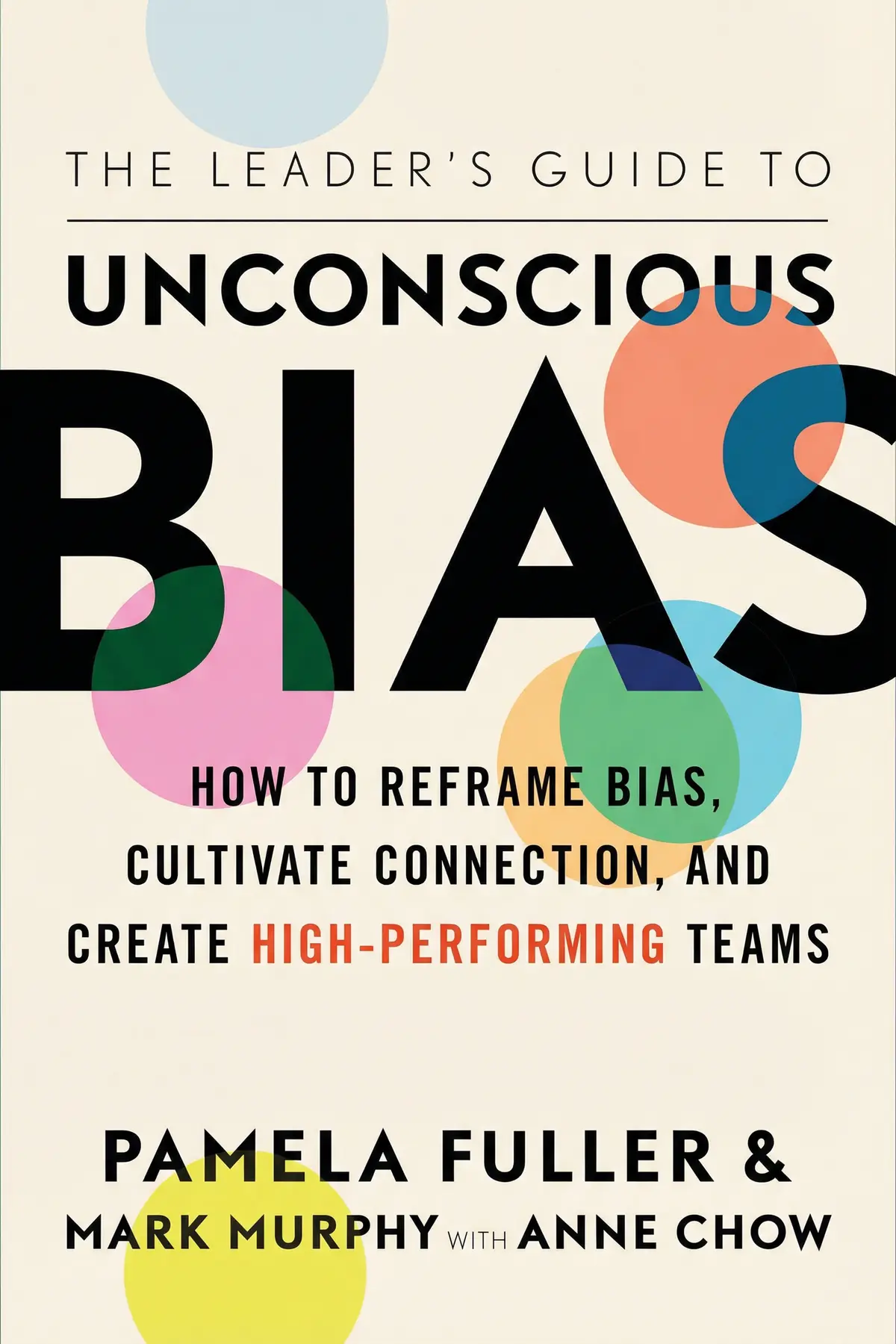
The Leader's Guide to Unconscious Bias provides a comprehensive roadmap for managers and professionals to confront the hidden prejudices that influence decision-making and workplace culture. By moving beyond the simple acknowledgement that bias exists, the book offers a structured approach to making tangible changes. It explores how personal backgrounds and societal influences shape our internal narratives, leading to common cognitive traps like confirmation and attribution bias. The core promise of the work is that through intentional effort—identifying personal origin stories, cultivating empathy, and exercising courage—leaders can transform their organizational environments. It details a four-part framework developed by FranklinCovey experts to dismantle systemic issues across the entire career journey, from inclusive hiring practices to equitable pay and succession planning. Ultimately, it serves as a guide for creating inclusive spaces where every team member feels valued and empowered to contribute.
Pamela Fuller is a leading expert on inclusion and bias at FranklinCovey, where she serves as the chief thought leader on these subjects. Her professional background includes significant experience as a diversity analyst for the US Department of Defense. She is joined by Mark Murphy, a senior consultant at FranklinCovey with deep expertise in leadership development. The third coauthor is Anne Chow, who made history as the CEO of AT&T Business, becoming the first woman of color to hold a CEO position in the company’s history.
Listeners find this guide highly perceptive, as it delivers a thorough exploration of the many facets of bias. The work also provides actionable recommendations, with one listener highlighting its suitability for developing inclusion initiatives in the office. Beyond that, listeners describe the material as both captivating and timely.
Finally got around to reading this, and the focus on the 'Talent Lifecycle' is exactly what my HR department needed to hear. Most leadership books focus on the 'what' of bias, but Pamela Fuller and her co-authors dive deep into the 'how' of fixing it within our systems. I especially appreciated the inclusion of diverse voices, including the perspective of an LGBTQ author, which provided a more well-rounded view of how bias is experienced on the receiving end. The chapters are short and punchy, making it easy to digest during a busy work week. Not gonna lie, I actually used the 'Application for Leaders' section at the end of Chapter 4 during our last team meeting. It sparked a conversation about psychological safety that we’ve been needing to have for years. This is essential reading for anyone serious about fostering a high-performance culture.
Show moreWow, I didn't expect to feel so seen as a professional with a disability in a business book. It is quite rare to find leadership literature that addresses the specific hurdles faced by those with disabilities, but 'The Leader's Guide to Unconscious Bias' does so with genuine compassion. The authors manage to blend neuroscience with human emotion in a way that feels both professional and deeply personal. I found myself nodding along to the sections on cultivating connection and choosing courage. It’s more than just a workplace manual; it’s a call to be a more authentic human being in all your interactions. The 'Aha!' moments came fast and frequent as I recognized my own tendencies toward confirmation bias. If you are leading a team in 2024, you simply cannot afford to ignore the insights presented in these pages. It is easily one of my favorite professional development reads.
Show morePicking this up was a game-changer for my approach to leadership and advocacy within my organization. The authors argue that to be human is to have bias, which takes the shame out of the conversation and allows for real growth. I found the sections on building empathy and curiosity to be the most impactful parts of the entire guide. It provides a vocabulary for discussing difficult topics that usually make people defensive or uncomfortable. The focus on the 'High-Performance Zone' shows that inclusion isn't just a moral imperative, but a business necessity for success. Every chapter ends with reflections that actually make you stop and think about your own behavior. If you are a leader who wants to create a space where everyone feels they belong, start here. It is an insightful, deep dive into the human brain that every executive should read.
Show moreThis guide from the FranklinCovey team offers a surprisingly nuanced look at a topic that often feels overplayed in corporate circles. Instead of just pointing fingers, the authors provide a framework for the entire talent lifecycle that feels actionable for middle management. I found the sections on 'anchoring bias' particularly enlightening because it explained why my first impressions often lead me astray during the hiring process. Truth is, we all have these mental shortcuts, and acknowledging them is the first step toward building a more equitable team. While some of the 'mindfulness' sections felt a bit fluffy for a business text, the overall strategies for workplace inclusion are top-tier. It is a solid read for anyone looking to move beyond simple diversity training and into actual cultural change. The writing is accessible and avoids the heavy academic jargon that usually bogs down these types of books.
Show moreAs someone who has navigated corporate life for twenty years, I appreciated how the authors didn't just lecture but provided actual exercises to work through. The book covers everything from the initial interview process to how we promote talent within an organization. One specific takeaway that stuck with me was the concept of 'sunk cost bias' in project management, showing that bias isn't just about people but also about how we handle resources. To be fair, some of the mindfulness chapters felt a little out of sync with the data-driven approach of the rest of the book. Still, the overall focus on empathy and curiosity as leadership tools is incredibly relevant in today’s polarized environment. It’s the kind of book you keep on your desk to reference before conducting annual performance reviews. It definitely made me rethink how I judge candidates based on their communication styles.
Show moreEver wonder why you click with some candidates immediately while others feel like a 'bad culture fit' for no clear reason? This book dives into those exact scenarios with practical advice that you can apply tomorrow morning. The FranklinCovey team has a way of making complex psychological concepts feel accessible to the average manager. I particularly liked the distinction between identifying bias and actually having the courage to act against it. The writing style is fast-paced and engaging, which is a relief because most business books are incredibly dry. I did feel that the message was a bit repetitive toward the end, but maybe that’s necessary to make the concepts stick. It’s a worthwhile investment if you want to improve your organization's inclusion strategies. I’ve already recommended it to several colleagues in my leadership development circle.
Show moreFranklinCovey delivers a solid, if slightly gentle, introduction to identifying the mental shortcuts that hinder team performance. The collaboration between Fuller, Murphy, and Chow brings a variety of perspectives that you don't always get in single-author texts. I appreciated the specific examples regarding how we judge resumes and phone calls, as it forced me to reflect on my own hiring errors. Gotta say, the 'Bias Progress Model' provides a helpful roadmap for those who feel overwhelmed by the complexity of diversity and inclusion. While it may feel a bit basic for those already well-versed in the subject, the clarity of the writing makes it a great tool for organizational alignment. It’s well-written, short, and sweet enough to finish in a few sittings. Definitely pair it with other more intensive readings for a full picture.
Show moreIs it a groundbreaking masterpiece that reinvents the leadership wheel? Not exactly. If you have spent any significant time in DEI workshops, much of this will feel like a redundant refresher course on surface-level concepts. However, for a manager who is just beginning to realize that their 'gut feeling' might actually be an 'in-group bias,' this book serves as a perfect entry point. Personally, I found the chapters to be a bit repetitive, echoing the structure of Simon Sinek's work where one point is stretched across multiple pages. The perspective is very much rooted in the professional consulting world of FranklinCovey, which might not translate well for educators or non-profit workers. It’s a good starting point, but seasoned leaders might find themselves skimming through the more basic definitions to get to the actual exercises.
Show moreThe chapter on mindfulness felt completely out of place compared to the data-driven research found in the rest of the text. While the authors' intentions are clearly good, the advice can feel a bit like 'gentle hand-holding' for people who are afraid of the topic. In my experience, the book works best when it stays focused on the technical aspects of the talent lifecycle, like hiring and promotions. When it veers into first-person anecdotes, it loses some of its authority and starts to feel a bit like a self-help blog. That said, the breakdown of different types of bias—like anchoring and in-group bias—is handled very well for a general audience. It's a decent resource for a corporate book club, but don't expect it to provide deep, scholarly insights into the sociology of prejudice. It’s very much a 'business-first' approach to a very complex human issue.
Show moreLook, I really wanted to like this, but the repetitive nature of the 'Bias Progress Model' felt like a slog after the first fifty pages. It feels like a 50-page white paper that was expanded into a full-length book to meet a publishing quota. The anecdotes often felt more like personal branding for the authors rather than universal lessons that apply to the average employee. Frankly, the tone is a bit too 'hand-holding' for my taste, almost treating the reader like they’ve never interacted with another human being before. If you are brand new to leadership, you might find some value here, but for everyone else, it’s mostly common sense wrapped in corporate-speak. I found some of the author's own biases creeping into her examples, which made the message feel a bit hypocritical. There are much more rigorous books on neuroscience and bias available today.
Show moreJoseph A. Maciariello
Deborah Gruenfeld
Mike Michalowicz
Hamilton Helmer
AUDIO SUMMARY AVAILABLE
Get the key ideas from The Leader’s Guide to Unconscious Bias by Pamela Fuller, plus 5,000+ more titles in English and Thai.







