
22 min 14 sec
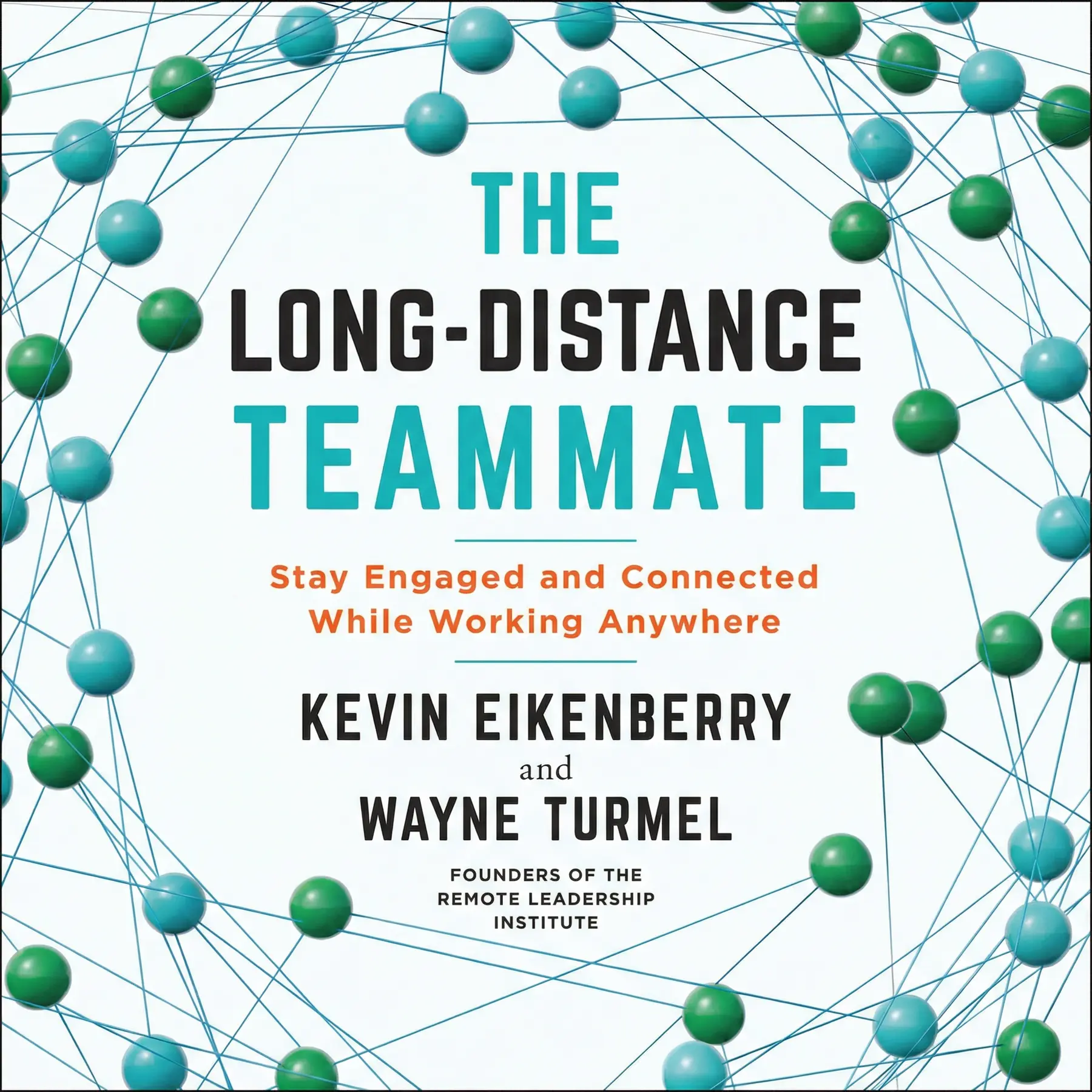
The Long-Distance Teammate: Stay Engaged and Connected While Working Anywhere
Learn to thrive in a remote environment by mastering the 3 Ps, enhancing virtual communication, and practicing ethical visibility to remain a connected and high-performing member of your professional team.
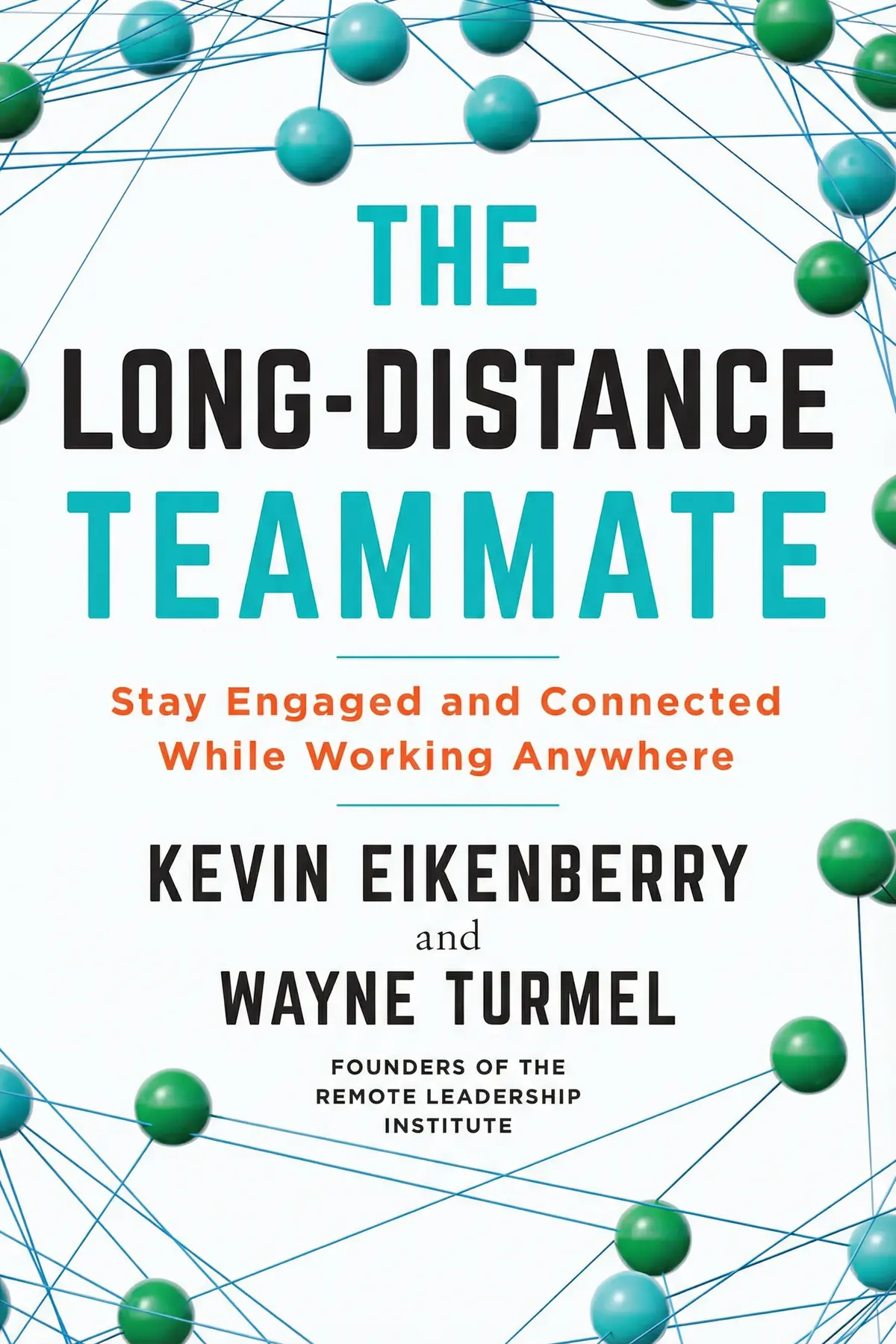
Table of Content
1. Introduction
1 min 33 sec
In the modern era of work, the physical office is no longer the sole anchor of professional life. We have swapped boardrooms for webcams and commutes for short walks to the kitchen table. While many of us have mastered the technical side of this transition—learning which buttons to press to share a screen or how to mute a microphone—the human side of work has often been left behind. The core challenge of working from home isn’t just about managing your own tasks; it is about maintaining the social and professional tissue that connects you to your colleagues. When you are no longer bumping into coworkers in the hallway, how do you ensure you are still seen as a vital part of the team? How do you keep the collective mission in mind when your entire work world is contained within a single monitor?
This is where the concept of the long-distance teammate comes into play. Being a great remote worker requires more than just high output; it requires a proactive shift in mindset. It is about closing the emotional and psychological distance that physical separation naturally creates. Throughout this exploration, we will dive into a comprehensive framework designed to help you flourish in a virtual environment. We will look at how to balance your personal productivity with the needs of the group, how to communicate with intention across various digital platforms, and how to maintain your own well-being so you can show up as your best self every day. The goal is to move beyond simply ‘working remotely’ and toward becoming a deeply integrated, highly valued member of a thriving virtual community. This journey begins with a fundamental re-evaluation of what it means to be part of a team when you are miles apart.
2. The Core Pillars of Remote Excellence
2 min 42 sec
Success in a virtual setting relies on a specific trio of behaviors that balance your current output with your future professional reputation.
3. Adopting a Team-Centric Mindset
2 min 23 sec
Combat the isolation of remote work by intentionally aligning your personal goals with the larger mission of your organization.
4. Navigating Daily Productivity with Pivot Questions
3 min 06 sec
Master your focus and maximize your impact by using four strategic questions to guide your actions throughout the workday.
5. Strategic Communication in a Virtual World
2 min 36 sec
Bridge the digital gap by carefully selecting the right communication tools and tailoring your message to your audience’s needs.
6. The Power of Ethical Visibility
2 min 45 sec
Ensure your contributions are recognized and valued without appearing self-promotional by aligning your visibility with team goals.
7. Cultivating Growth Through Remote Feedback
2 min 40 sec
Master the delicate art of giving and receiving feedback across digital channels to foster a culture of continuous improvement.
8. Prioritizing Well-being and Boundaries
2 min 44 sec
Protect your long-term productivity by establishing clear lines between your personal and professional life while prioritizing physical health.
9. Conclusion
1 min 45 sec
Becoming an effective long-distance teammate is a journey of intentionality. It requires moving beyond the basic mechanics of remote work and embracing a deeper commitment to your colleagues and your organization. By focusing on the 3 Ps—productivity, proactivity, and potential—you establish yourself as a reliable and forward-thinking contributor. By adopting a team-centric mindset and using the pivot questions to guide your daily actions, you ensure that your energy is always directed toward the most meaningful goals.
We have seen that communication in a virtual world must be a deliberate choice, tailored to the message and the audience, and that ethical visibility allows your hard work to be recognized without compromising your humility. Furthermore, by fostering a culture of honest feedback and prioritizing your own physical and mental well-being, you create a sustainable path for long-term success.
The physical walls of the office may have fallen away, but the bonds of a great team are built on trust, clarity, and shared purpose—none of which require a shared zip code. As you move forward, remember that your greatest contribution to the team is your presence, even if that presence is delivered through a screen. Stay proactive, stay connected, and most importantly, stay human. The distance between you and your teammates is only as large as you allow it to be.
To put these ideas into immediate practice, take a moment after your next virtual meeting to send a quick follow-up. Whether it is a clarifying question, a word of thanks to a colleague, or a brief update on your next steps, this simple act of engagement reinforces your visibility and your commitment to the team’s momentum. Remote work is not a solitary endeavor; it is a new way of working together, and by mastering these principles, you will be well on your way to becoming an indispensable long-distance teammate.
About this book
What is this book about?
The shift toward remote work has transformed the professional landscape, providing flexibility but also creating new hurdles for collaboration and personal connection. This summary explores how to bridge the physical gap and maintain a strong sense of belonging within a virtual team. It addresses the common pitfalls of isolation and the 'out of sight, out of mind' phenomenon that many remote workers fear. By following the guidance of remote leadership experts, you will discover a structured approach to virtual success. The promise of this book is that distance does not have to equal disconnection. You will learn practical frameworks for boosting your individual output while simultaneously uplifting your colleagues. From mastering the nuances of digital communication tools to establishing healthy boundaries between your home life and your career, these insights provide a roadmap for becoming a valuable, visible, and deeply engaged teammate from anywhere in the world.
Book Information
About the Author
Kevin Eikenberry
Kevin Eikenberry is the founder of the Kevin Eikenberry Group and a cofounder of the Remote Leadership Institute. He created the Remarkable Leadership Learning System and has written several best sellers, including Remarkable Leadership and The Long-Distance Leader. Wayne Turmel is also a cofounder of the Remote Leadership Institute and the author of multiple nonfiction works. His extensive client list includes major organizations like the American Red Cross, Dell, and various government agencies in the United States and Canada.
Ratings & Reviews
Ratings at a glance
What people think
Listeners consider the guidance in this book to be realistic and focused, with one listener mentioning that it offers concrete methods for improving communication. The subject matter is well-regarded, as one listener calls it an outstanding tool for people in remote positions.
Top reviews
Bun
This book came to me at the exact right moment when I was struggling to find a sustainable routine while working from my kitchen table. I was feeling that specific type of "ennui" the authors describe—that restlessness that comes from lacking a clear purpose and feeling disconnected from the organizational mission. The chapter on "Ethical Visibility" changed my entire perspective on how to share my wins without sounding like I was bragging or being self-centered. It’s about making sure your contributions are seen in the context of the team's goals, which is so hard to do when you aren't in the office. Honestly, the reflection questions at the end of each chapter are worth the price of the book alone. They forced me to stop and actually process how I was showing up for my coworkers every day.
Show moreHom
As someone who has struggled with the isolation of remote work, I found this to be a fantastic resource for recalibrating my mindset. The authors really nail the difference between just being a "team member" on a roster and being a "teammate" who is emotionally invested in the group's success. I’ve started implementing the communication tips, like using multiple channels and making relationship-building a priority rather than just a transaction. It takes a lot of discipline to follow these "habit sets," but I can already feel a difference in how my colleagues respond to me. Taking care of your personal health and sanity is also emphasized, which is a relief because so many business books ignore the human element of WFH. This is essential reading for anyone who wants to thrive long-term while working from a distance.
Show moreHenry
Wow, this was a much-needed guide that helped me establish much better boundaries between my professional and personal life. The "3-P model" of Productivity, Proactivity, and Potential gave me a language to describe the burnout I was feeling and a way to work through it. I particularly enjoyed the section on "Ethical Visibility" because it teaches you how to be seen and valued without being the person who constantly screams for attention. By focusing on organizational success and using "we" and "us," I’ve found it much easier to integrate with my team even though we are spread across three time zones. The reflection questions at the end of each section are perfect for journaling and really help the concepts stick. If you’re feeling disconnected, this book provides the guidance and rules you need to find your way back.
Show moreWachira
Picked this up because my team went fully remote last year and I felt like I was losing my edge. Eikenberry and Turmel do a solid job of breaking down the shift from just being a "team member" to actually being a "teammate." The distinction is subtle but vital if you want to maintain a real emotional connection with colleagues you only see on Zoom. I particularly appreciated the 3-P model—Productivity, Proactivity, and Potential—as it forced me to think about my long-term career growth rather than just clearing my daily task list. While some of the advice feels like common sense, the structured approach makes it much easier to implement when you’re feeling isolated at your home desk. It's a quick, actionable read that provides exactly the kind of framework I needed to start feeling engaged again.
Show moreBoss
Finally got around to reading this, and I have to say the practical tips for building interpersonal connections are quite strong. In my experience, most remote work books focus too much on the tech side, but this one prioritizes the "mindset" and "habit sets" needed for success. I loved the idea that engagement isn’t something your manager does to you, but rather something you choose to do for yourself. The authors offer a great list of ways to bolster relationships, like letting people into your world and assuming positive intent during text-based conversations. It’s easy to get cynical when you’re working in a vacuum, so these reminders were very timely. I did think some of the sections on "productivity" were a little basic, but the overall message about being a "teammate" vs. a "team member" is really powerful.
Show moreTan
Direct and persuasive, this book offers a clear path for anyone feeling lost in the transition to permanent remote work. I really appreciated the focus on "Proactivity," which is often the first thing to slip when you aren't being physically observed by a supervisor. The advice on giving feedback was especially relevant to me, as it’s so much harder to read the room over a webcam or a phone call. Stick to the facts, be specific, and make it a two-way conversation—these are simple rules, but they are incredibly effective when put into practice. My only minor gripe is that the book can feel a bit repetitive at times, as if it’s hammering the same points over and over. Still, the core message about taking personal responsibility for your engagement is something every remote worker needs to hear.
Show moreNatalie
After hearing a lot of hype about "The Long-Distance Teammate," I expected something a bit more revolutionary than what was actually delivered. It is a decent guide for the current WFH era, but it often repeats the same points about "intentionality" and "proactivity" until they lose their impact. The 3-P model is a helpful mental framework, especially the "Potential" aspect which reminds you that your current work habits dictate your future trajectory. However, the tone is a bit too "HR-friendly" for my taste, and I found myself skimming through the parts about basic communication etiquette. It’s not a bad book, and the tips on giving feedback over video calls are certainly practical for the modern workplace. Just don't go into it expecting groundbreaking psychological insights or a manifesto on the future of remote labor.
Show moreNong
The chapter on getting clear expectations was probably the most useful part of this entire book for me. Most of us just assume we know what our boss wants, but Eikenberry and Turmel provide a specific list of questions to ask to ensure you’re actually aligned. While the 3-P model is easy to remember, the rest of the book felt a little bit like it was treading water to hit a specific page count. Look, if you need a structured set of rules to help you navigate the lack of boundaries at home, this is a very safe bet. The writing style is simple and the chapters are short, which makes it an easy read for busy professionals. It’s a solid 3-star book—helpful and functional, even if it isn't particularly exciting or bold in its delivery.
Show moreKofi
Ever wonder if someone just took a handful of LinkedIn articles and stretched them into a 200-page book? To be fair, there are a few decent nuggets regarding ethical visibility and how to communicate more effectively with your boss, but the writing style is incredibly dry. It feels more like sponsored corporate blog content than a deep dive into the psychology of remote collaboration. I was looking for more insight into where the future of work is headed, but instead, I got a basic review of best practices that most professionals have already figured out by now. If you are brand new to the workforce, you might find some value here. For anyone with a few years of experience, you’re better off just skimming a summary of the 3-P model and moving on to something more substantial.
Show moreJackson
Not what I expected at all, and frankly, I’m surprised by all the high praise this one is getting. It reads like a manual for someone who has never worked in an office, let alone a remote environment, and lacks any real depth. The authors spend so much time explaining that you need to be "connected" and "engaged," but they never offer anything beyond surface-level platitudes. I found the "Ethical Visibility" section to be particularly grating because it felt like it was teaching adults how to use "we" instead of "I" as if we’re in grade school. If you have any professional common sense, you won’t find anything new here that hasn't been covered in a thousand free blog posts. Save your money and just focus on your output; you don't need a 200-page book to tell you to be kind to your coworkers.
Show moreReaders also enjoyed
60 Seconds & You’re Hired!
Robin Ryan

A Bigger Prize: How We Can Do Better Than the Competition
Margaret Heffernan
AUDIO SUMMARY AVAILABLE
Listen to The Long-Distance Teammate in 15 minutes
Get the key ideas from The Long-Distance Teammate by Kevin Eikenberry, plus 5,000+ more titles in English and Thai.
- 5,000+ titles
- Listen as much as you want
- 7-day free trial
- Cancel anytime







