
12 min 06 sec
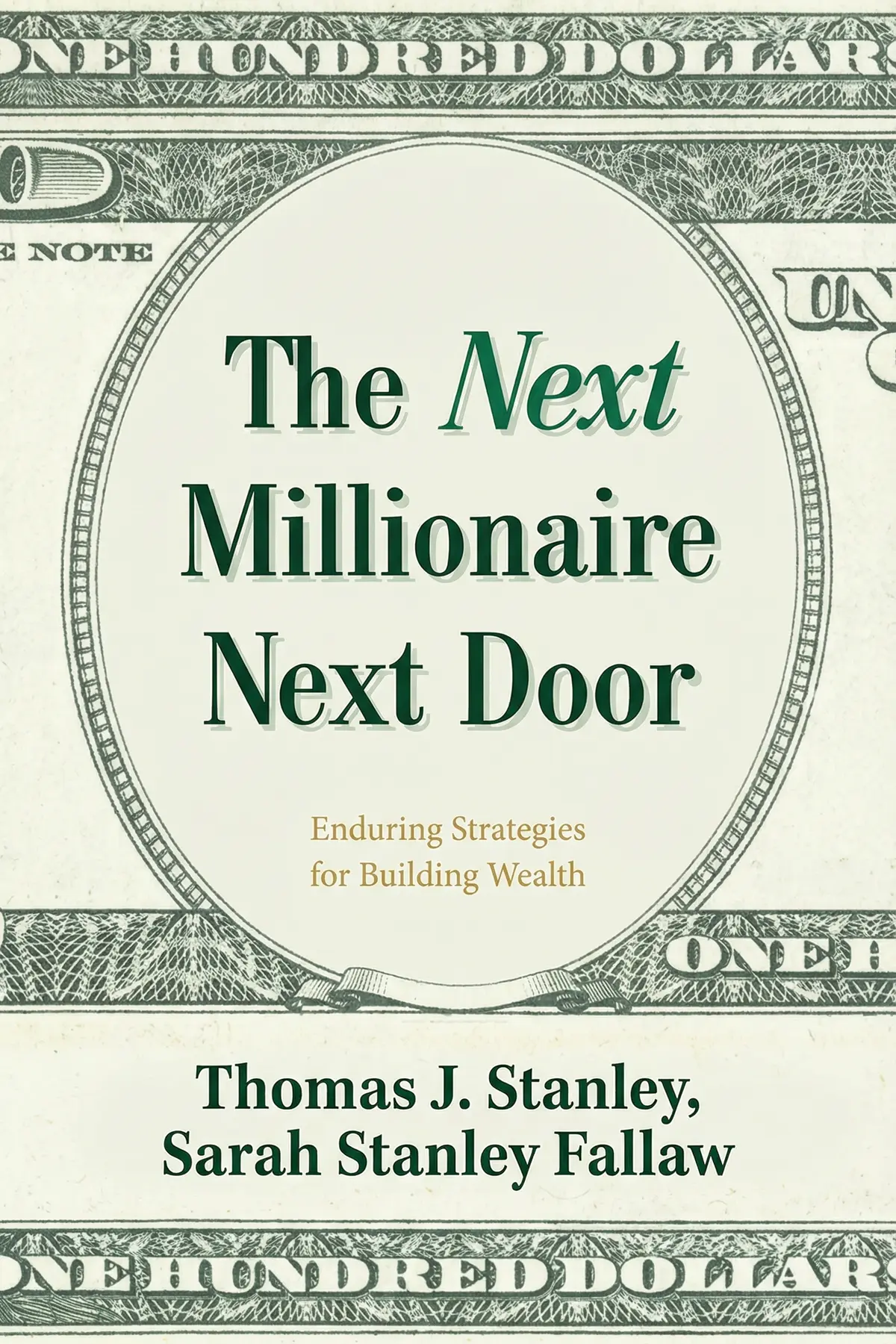
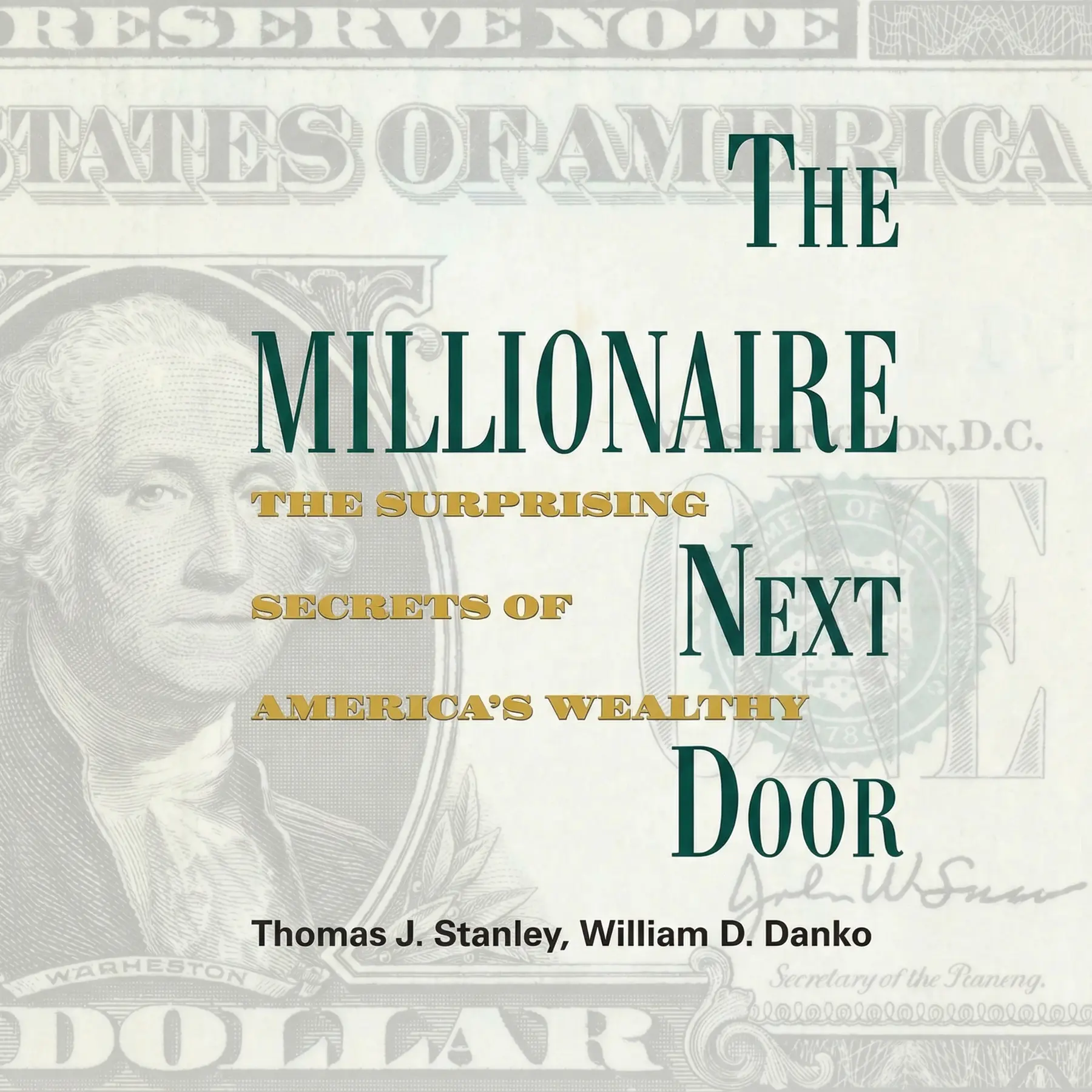
The Millionaire Next Door: The Surprising Secrets of America’s Wealthy
Discover why true wealth is rarely found in flashy luxury. This summary explores the specific habits, budgeting strategies, and parenting choices that differentiate the truly affluent from those who merely look the part.
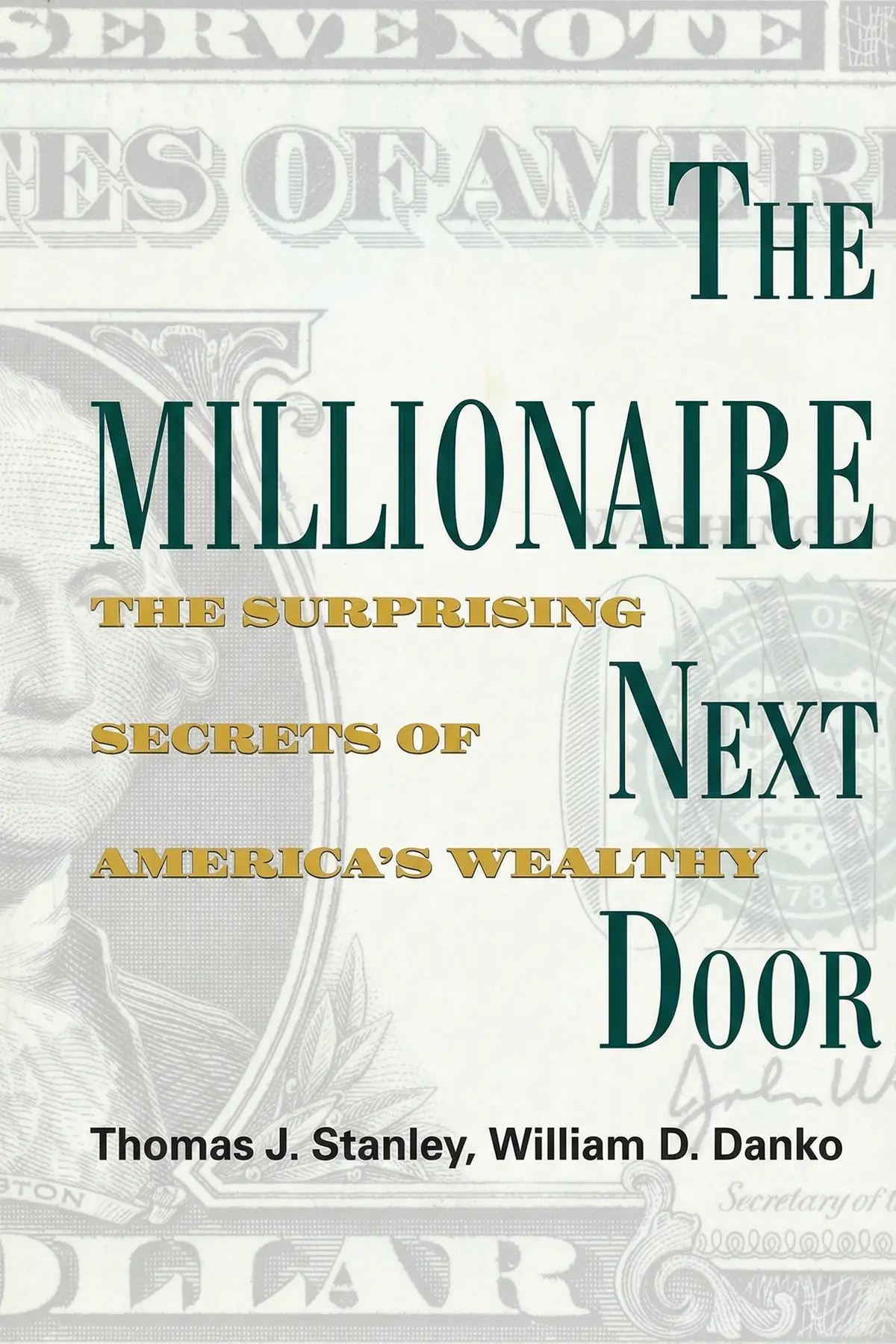
Table of Content
1. Introduction
1 min 41 sec
When you close your eyes and picture a millionaire, what do you see? Most of us are conditioned by media and advertising to imagine a life of pure excess. We see the private jets, the champagne breakfasts, and the five-car garages filled with European luxury vehicles. We imagine the elite living in gated communities, sequestered away from the rest of the world. But what if that entire image is a fabrication? What if the real millionaires in our society are the people we overlook every single day?
The reality is that true wealth is often invisible. It’s not found in the things people buy, but in the assets they accumulate. In fact, many of the people who display the most outward signs of riches are actually living on the edge of financial ruin. They have high incomes, but they also have high expenses, leaving them with very little net worth to show for their hard work. Conversely, the person living next door in a modest ranch-style house, driving a five-year-old sedan and wearing a basic watch, might actually have millions of dollars tucked away in investments.
This isn’t just a collection of anecdotes; it’s a systemic look at how wealth is actually built in the modern world. It’s about the shift from a consumption-based lifestyle to an independence-based one. Over the course of this summary, we are going to break down the specific behaviors that lead to financial success. We will look at why the ability to budget is more important than a high salary, how the wealthy approach their investments, and why the way we support our children can either set them up for success or trap them in a cycle of dependence. If you’ve ever felt that wealth was out of reach, prepare to see how the path to becoming a millionaire is paved with small, deliberate, and surprisingly ordinary choices.
2. Living Below Your Means
1 min 57 sec
True wealth is built by the silent discipline of frugality and the surprising habit of avoiding luxury spending, even when your income suggests you could afford it.
3. Independence Over Status
1 min 51 sec
Learn the vital difference between high income and high net worth, and how the obsession with status often masks a lack of real financial security.
4. Strategic Investment and Expertise
1 min 38 sec
Millionaires don’t gamble on the unknown; they invest their time and money into areas where they have a clear advantage and professional guidance.
5. The Danger of Economic Outpatient Care
1 min 46 sec
Providing too much financial support to adult children can unintentionally destroy their ability to build their own wealth and independence.
6. The Hidden Bias in Inheritance
1 min 50 sec
Family wealth is rarely distributed equally; it often flows toward the least independent members, reinforcing a cycle of financial weakness.
7. Conclusion
1 min 23 sec
In the end, the secret to becoming the millionaire next door isn’t a secret at all—it’s a choice. It is the choice to value your future security more than your current image. It’s the decision to stop caring about what the people in the next car think of you and to start caring about what your bank balance will look like in twenty years. We have seen that wealth is the result of a lifestyle characterized by discipline, hard work, and, above all, the ability to live within your means.
The throughline of everything we’ve discussed is independence. Whether it’s the way you budget your monthly income, the way you choose your investments, or the way you raise your children, the goal should always be to foster self-reliance. If you are an ‘under-accumulator’ today, the path forward is clear: start by tracking every penny. Look at your spending and ask yourself if it is helping you build wealth or if it is just helping you look wealthy. Remember, every dollar you save and invest is a step toward a life where you are no longer dependent on a paycheck or a boss.
Wealth is not a status symbol to be worn; it is a foundation to be built. By adopting the mindset of the truly affluent, you can move away from the stress of the consumption cycle and toward the enduring peace of financial freedom. The journey begins today, not with a million-dollar check, but with the discipline to save the next ten dollars you earn.
About this book
What is this book about?
What does a millionaire actually look like? Most people imagine high-end sports cars, designer suits, and sprawling estates. However, The Millionaire Next Door challenges this archetype, revealing that the majority of America’s wealthy individuals live in modest neighborhoods, drive used cars, and avoid the spotlight. Based on extensive research, this book identifies the common traits of the 'prolific accumulators of wealth'—people who prioritize financial independence over social status. In this exploration, you will learn the practical mechanics of wealth building. It is not about how much you earn, but how much you keep. The promise of this book is to provide a roadmap for the average earner to achieve lasting security. By examining how the wealthy budget, how they invest, and how they raise their children, you will gain a new perspective on money. The transition from being an 'under-accumulator' to a 'wealth-builder' starts with a shift in mindset: seeing every dollar as a seed for future freedom rather than a ticket to immediate consumption.
Book Information
About the Author
Thomas J. Stanley
Thomas J. Stanley was a dedicated researcher and the author of several acclaimed books focusing on the habits of the wealthy, including Millionaire Women Next Door, Marketing to the Affluent, and Selling to the Affluent. His work redefined the public perception of success. William D. Danko is a marketing professor at the School of Business, State University of New York at Albany, bringing academic rigor to the study of financial behavior and wealth accumulation.
Ratings & Reviews
Ratings at a glance
What people think
Listeners find this work highly accessible and articulately crafted, offering useful insights into sensible financial habits and grounded strategies for accumulating assets. They value the thorough investigation and evidence-based methodology, with one listener highlighting that it includes 250 pages of advice on spending less than you earn. The core takeaway is uplifting and acts as a powerful incentive to remain focused on achieving fiscal freedom, even if listeners mention the content feels a bit old-fashioned.
Top reviews
Kung
This groundbreaking study totally flipped my perspective on what it means to be truly wealthy in America today. Most of us think that high-status cars and big houses signify riches, but the data suggests otherwise. The authors explain that most real millionaires are actually extremely frugal people who drive used F-150s and live in modest neighborhoods. While the charts can get a bit tedious, the core message about being a 'Prodigious Accumulator of Wealth' is life-changing. I really appreciated the breakdown of how these families allocate their time and money toward investments rather than consumption. It serves as a great motivator for anyone trying to build a sustainable financial future without the flashy nonsense. Frankly, the distinction between income and net worth is something every young professional needs to grasp early on.
Show morePacharapol
Honestly, the chapter on 'Working for the Tax Man' alone makes this book a mandatory read for any aspiring entrepreneur. It explains how the wealthy minimize their taxable income while maximizing their unrealized gains through smart, long-term investing. I loved the comparison between budgeting and a fitness regimen because it makes financial discipline feel like a healthy habit rather than a chore. The formula for calculating your expected net worth is a wake-up call that everyone should calculate at least once. It really forces you to look at your spending habits and realize where you are falling behind your peers. While it is heavily focused on statistics, the stories of people like Mr. Martin provide a much-needed human element. This is a common-sense approach to money that is sadly missing from our modern consumer culture.
Show moreNuk
The authors really hammer home the point that financial independence is far more important than displaying a high social status. This book isn't about getting rich quick; it is about the slow, steady grind of living below your means for decades. I found the statistics about self-employed professionals particularly interesting, as they make up a huge chunk of the millionaire population. It gave me a lot of motivation to continue building my own business and stay focused on long-term goals. While some people find the repetition annoying, I think it helps drive the main points into your subconscious. You won't find flashy secrets here, just the cold, hard truth about what it takes to accumulate real assets. It is a masterpiece of common sense that everyone should read before they turn thirty.
Show moreNatchaya
After hearing about this book for years on financial blogs, I finally decided to see what the hype was about. To be fair, some of the specific examples feel quite dated since it was written in the nineties. You won’t find advice on crypto or modern tech stocks here, obviously. However, the fundamental principles regarding living well below your means are timeless and incredibly well-researched. I found the section on 'economic outpatient care' particularly enlightening because it shows how subsidizing adult children can actually hinder their wealth. The writing is a bit dry and clinical at times, which makes it a slow read. Despite the repetitive nature of the chapters, the statistical evidence makes the authors' arguments almost impossible to ignore. It is a solid foundation for anyone looking to escape the trap of hyper-consumption.
Show moreManee
Ever wonder why your neighbor who trims his own hedges and drives an old sedan seems so relaxed about money? This book provides the data-driven answer to that mystery by profiling the real wealthy elite in our country. It’s not the doctors in Porsches; it’s the small business owners who prioritize financial independence over displaying high social status. The concept of the 'Go to Hell Fund' was a highlight for me, as it emphasizes the freedom that comes from saving. I did feel that the authors were a bit judgmental toward those they label 'Under Accumulators of Wealth.' Not everyone wants to live a Spartan lifestyle just to see a bigger number in a bank account. Still, the practical advice on budgeting and targeting market opportunities is worth the price of admission.
Show moreSienna
Picked this up on a recommendation from a Dave Ramsey forum and I wasn't disappointed by the core message. The idea that 80% of millionaires are first-generation rich is incredibly empowering for those of us starting from zero. It shatters the myth that you need an inheritance to build a substantial net worth in this country. My only gripe is that the authors seem to suggest that any form of luxury spending is a moral failing. They fawn over blue-collar superstars while acting like spending a small fraction of a high income on a vacation is a tragedy. You have to take some of the extreme frugality with a grain of salt. If you can get past the repetitive tone, there are some truly golden nuggets of wisdom regarding wealth accumulation.
Show moreMalee
Finally finished this after seeing it referenced in almost every personal finance book I’ve ever picked up. The authors do a great job of distinguishing between 'looking rich' and 'being wealthy,' which is a vital lesson today. We are constantly bombarded with images of success that involve private jets and designer clothes, but this book grounds you. It highlights that true millionaires are often the ones buying their cars by the pound and clipping coupons. I found the section on adult children and 'economic outpatient care' to be the most provocative part of the whole study. It really makes you think about how you want to raise your own kids regarding money management. Though some stats are dated, the psychological profiles of the UAW and PAW categories are still spot on.
Show moreAir
Gotta say, the distinction between PAWs and UAWs is the most useful framework I have encountered for understanding wealth. The book proves that high income does not equal high net worth, which is a mistake most Americans make daily. I enjoyed learning about the 'Martin Method' and how the affluent choose their professional money teams. It’s a very practical guide that encourages you to own your intellect and look for niche market opportunities. The writing is a bit dry, and the authors can be quite pedantic about their numbers, but the logic is sound. It’s a great reality check for anyone who thinks they are doing well just because they have a high-paying job. Discipline and planning are the real heroes of this story.
Show moreValentina
It’s rare that you find a book that is simultaneously this important and this boring to actually read. The authors definitely did their homework, but they clearly aren't professional writers, as the prose is clunky and often circular. I appreciated the Seven Factors of Wealth, but I felt like I was reading the same chapter over and over again. They make a great point about how living in expensive neighborhoods forces you to spend more just to keep up. However, the data is from the mid-nineties, and the world has changed significantly since then. The struggle to balance the 'boring' charts with the actual advice made it a chore to finish. It is a classic for a reason, but maybe just read a summary online instead of the whole thing.
Show moreWit
To be fair, the primary thesis of this book could have been effectively communicated in a single blog post. The authors are annoyingly repetitive, hammering the same three points for over two hundred pages until you want to scream. I found the writing to be disorganized and filled with didactic charts that don't add much value after the first few chapters. They spend an absurd amount of time discussing the ancestral backgrounds of millionaires, which felt totally irrelevant to my own financial journey. Also, the definition of a millionaire here is just someone who saved for thirty years and lives like they are poor. It felt less like a guide to success and more like a sanctimonious lecture on why you shouldn't enjoy your money. If you want to be inspired, look elsewhere, because this is a total snooze-fest.
Show moreFeatured in
Readers also enjoyed
AUDIO SUMMARY AVAILABLE
Listen to The Millionaire Next Door in 15 minutes
Get the key ideas from The Millionaire Next Door by Thomas J. Stanley, plus 5,000+ more titles in English and Thai.
- 5,000+ titles
- Listen as much as you want
- 7-day free trial
- Cancel anytime







