
15 min 56 sec
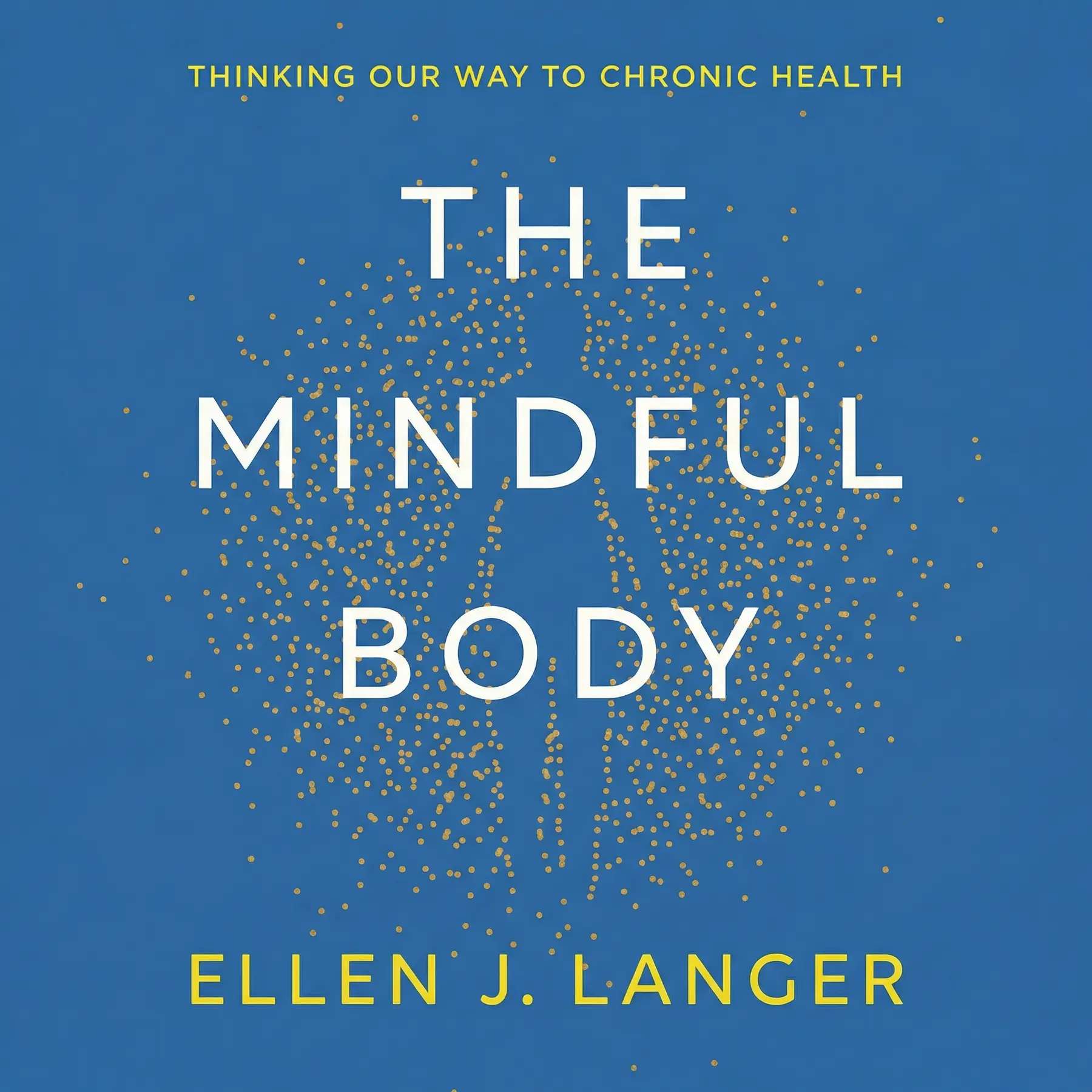
The Mindful Body: Thinking Our Way to Chronic Health
The Mindful Body challenges traditional Western medicine by proving that our thoughts, perceptions, and beliefs are not just mental states, but direct drivers of our physical health and biological healing.
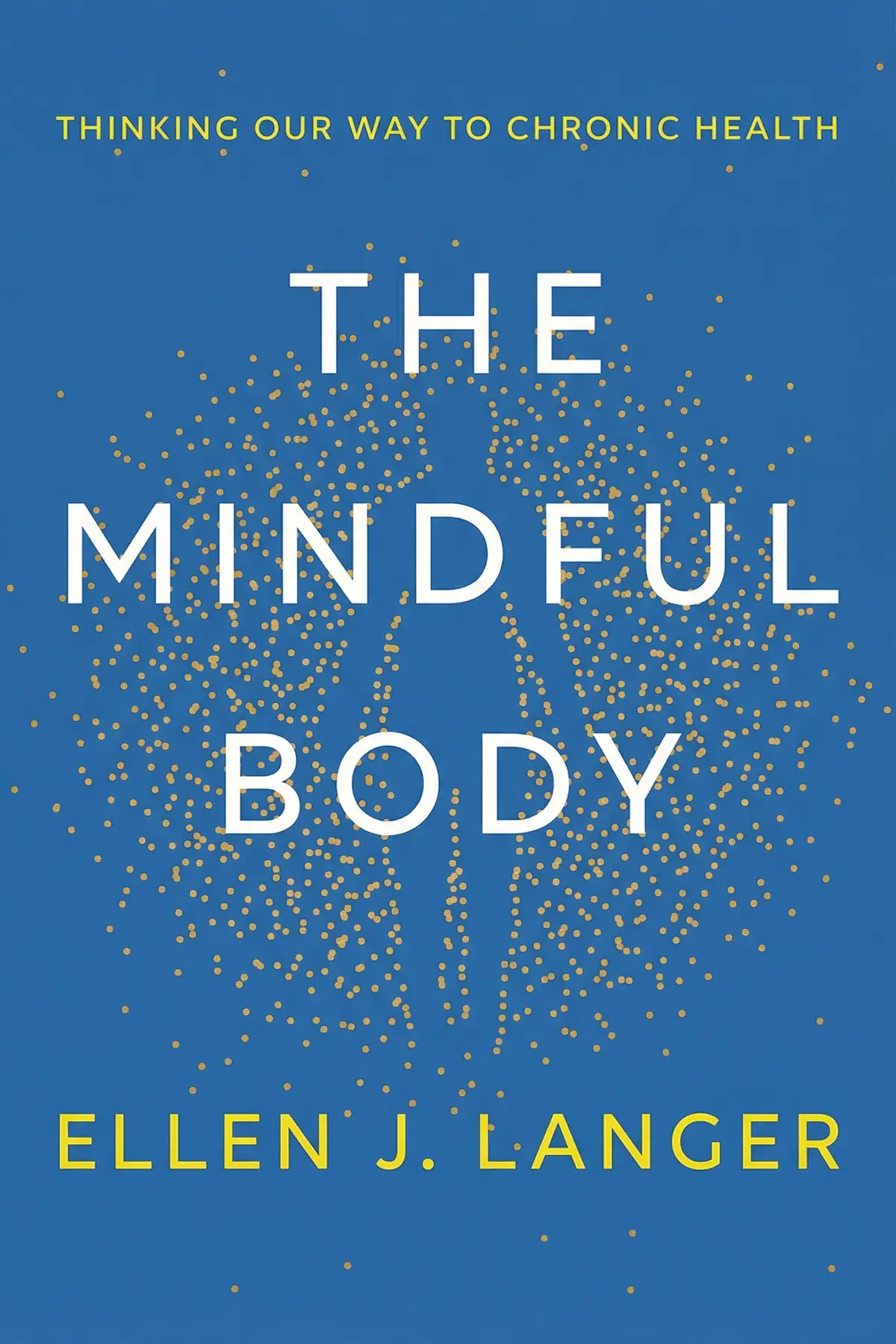
Table of Content
1. Introduction
1 min 45 sec
Have you ever considered that the way you think about your body might be just as important as the medicine you take or the food you eat? For a long time, we have been taught to look at our bodies as complex machines. When a part breaks down, we go to a mechanic—a doctor—to fix the biological gears. But what if the driver of that machine, our mind, had the power to repair the engine just by changing its perspective? This is the core premise of The Mindful Body, a deep dive into the revolutionary science of mind-body unity.
In the pages ahead, we are going to move past the old idea that the brain is a separate entity from the rest of the physical self. Instead, we will explore the perspective of social psychologist Ellen Langer, who suggests that every single thought we have is actually a physiological event. We often think of mindfulness as a way to find peace or reduce stress, but Langer shows us that it is actually a primary tool for physical health. From hotel housekeepers who lost weight by changing their definitions of exercise to elderly men who grew physically younger by changing their environment, the evidence is staggering.
This isn’t just about positive thinking or the power of suggestion; it’s about a fundamental shift in how we understand our biological reality. We will look at how our perceptions of time, genes, and even the price of our medication can change the way our cells behave. By the end of this journey, you’ll see that health isn’t just something that happens to you—it’s something you participate in through the way you choose to perceive your world. Let’s begin by dismantling the old walls between the mental and the physical.
2. The Fallacy of Mind-Body Dualism
2 min 31 sec
Western medicine has long treated the mind and body as separate, but new research suggests they are actually one unified system.
3. The Biological Power of Mental Context
2 min 34 sec
How we perceive our age and our daily activities can have measurable, physical effects on our longevity and fitness.
4. Perception as a Determinant of Physical Health
2 min 38 sec
Our beliefs about stress, sleep, and even our genetic makeup can override our actual biological circumstances.
5. The Internal Pharmacy and the Placebo Effect
2 min 24 sec
The placebo effect is not a trick of the mind; it is a demonstration of the body’s ability to heal itself through belief.
6. The Vital Importance of a Sense of Control
2 min 20 sec
Believing we have agency over our environment and our health is a key factor in psychological and physical resilience.
7. Conclusion
1 min 44 sec
As we wrap up our look into the work of Ellen Langer, the throughline becomes clear: our health is not a solo performance by the body, but a duet between the mind and the physical self. We have seen how the artificial walls between the mental and the physical have limited our understanding of what is possible. From the way our brain directs our immune system to the way our perceptions of age and exercise can change our weight and longevity, the evidence points toward a radical new reality. We are much more than a collection of cells and organs; we are a unified system of thought and biology.
The most important takeaway is that mindfulness is not a passive state, but an active engagement with the world. It’s about noticing the labels we put on ourselves—labels like “old,” “tired,” “stressed,” or “sick”—and realizing that these labels are not fixed truths. They are perceptions that we can change. By shifting our perspective, we can trigger the body’s internal pharmacy, override genetic expectations, and reclaim a sense of agency in our own healing journey.
As you move forward, try to notice the subtle signals you send to your body every day. Are you telling yourself that you’re declining because of your age? Are you viewing your daily movement as a chore rather than an opportunity for health? The simple act of changing that narrative can have profound physical consequences. Health is a process, not a destination, and by bringing a mindful presence to that process, you can transform your well-being from the inside out. Your mind is the most powerful health tool you own—use it with intention.
About this book
What is this book about?
The Mindful Body offers a groundbreaking perspective on the inextricable link between the human mind and the physical body. For centuries, Western thought has treated the mind and body as separate systems, operating under the assumption that physical health is largely a matter of biology and mechanics. Ellen J. Langer, a renowned Harvard psychologist, dismantles this dualism by presenting decades of research that shows how our mental framing—how we perceive exercise, aging, stress, and even sleep—literally reshapes our physiological reality. The book promises a path toward chronic health by shifting our mindset from passive observers of our health to active participants. Through fascinating experiments involving time-travel simulations, placebo effects, and genetic perceptions, Langer demonstrates that mindfulness is not just a meditative practice, but a transformative biological tool. Readers will learn that the limitations we perceive in our bodies are often projections of our minds, and that by reclaiming a sense of control and changing our narrative, we can unlock extraordinary healing powers already latent within us.
Book Information
About the Author
Ellen J. Langer
Ellen J. Langer is a distinguished professor of psychology at Harvard University. Widely recognized as the “mother of mindfulness,” she has spent decades investigating the impact of mental states on human performance and health. Her pioneering work has earned her numerous prestigious honors, including three Distinguished Scientist awards and the Arthur W. Staats Award for Unifying Psychology. Langer is the author of twelve influential books that have fundamentally shaped the field of positive psychology and our modern understanding of the mind-body connection.
Ratings & Reviews
Ratings at a glance
What people think
Listeners find the material accessible and inspiring, with one listener highlighting its ability to provide a more holistic impression on health and wellness. Reviews on the quality of information are varied; while some listeners appreciate the included research, others feel the text lacks sufficient practical advice.
Top reviews
Charles
Wow. This is easily one of the most empowering books I've read in years. Langer completely deconstructs the myth of the 'perfect decision' and replaces it with a way of living that is both intentional and liberating. I found the examples of spontaneous remission and the power of perception to be incredibly moving. It’s not just 'positive thinking'; it’s a radical re-evaluation of how we inhabit our own skins. Her razor-sharp analysis of the medical system's flaws is spot on, even if her solutions feel like a return to an older, slower way of practicing medicine. I finished this feeling like I had more control over my future health than I did when I started. Highly recommended for any seeker.
Show moreYongyut
Langer's work on the 'illusion of control' is legendary for a reason, and this book brings it all together beautifully. She successfully argues that our minds and bodies are not separate entities, but a single system that reacts to every cognitive change. I loved the definition of mindfulness as 'actively noticing' because it removes the barrier for people who can't sit still to meditate. This isn't just a self-help book; it's a challenge to the way we view aging and chronic illness. The truth is, we have so much more potential for healing than we realize. I’ve already started applying her mantra of making the decision right. It’s a total paradigm shift for a mindful life.
Show moreMai
Picked this up after hearing Langer's interview on the Jordan Peterson podcast and was immediately struck by her 'straight shooter' energy. The book really challenges how we view chronic conditions and the arbitrary rules we set for our own bodies. I loved the section on symptom variability because it offers a sense of agency that the traditional medical model often ignores. It’s empowering to think that our mindsets might be the most important determinant of our physical health. However, some of her conclusions—like the idea that we are 'healthy' as long as we are symptom-free—seem a bit risky for certain diseases. Overall, it’s a thought-provoking read that encourages you to live more intentionally.
Show moreMaksim
After hearing the author speak about mind-body unity on a nutrition podcast, I wanted to see the research myself. The data presented here is genuinely stunning, especially the studies from her lab involving aging and visual perception. It’s a very different approach to mindfulness than the usual 'sit and breathe' advice we see everywhere. She defines it as the simple process of noticing new things, which makes the practice feel much more accessible. I did feel like the 'mindful utopia' healthcare system described at the end was a bit idealistic and ignored current systemic issues. Still, the core message about the power of a mindful body is very compelling. It makes you realize how much of our health is a social construction.
Show moreDuangjai
Finally got around to this one, and it's a fascinating, if sometimes far-fetched, look at health and wellness. I really resonated with the idea that our psychology might be the primary driver of our physical well-being. The way Langer explains the connection between our senses and our healing processes is eye-opening. Not gonna lie, some of the scientific claims felt a bit like a reach for someone with a clinical background, but the spirit of the book is undeniably positive. It encourages a level of self-efficacy that is rare in modern medicine. I wish there was a bit more on how to actually cultivate this 'active noticing' in a daily routine. Regardless, it’s a solid addition to the library for anyone interested in mind-body unity.
Show moreEthan
The chapter on decision-making was the standout for me, specifically the idea that there is no 'right' choice. Langer argues that we should focus on making the decision we've already made work for us, which is a huge relief for someone prone to overthinking. The book is easy to read and flows well, though it definitely leans more toward academic theory than practical application. I found the research on the placebo and nocebo effects to be the most compelling evidence for her hypothesis. It’s a paradigm shift for anyone stuck in a cycle of 'I’ll be happy when' thinking. While the lack of concrete 'how-to' guides is a minor letdown, the perspective shift alone makes it a worthwhile read.
Show moreNang
As someone who appreciates the academic side of psychology, I found this research to be a breath of fresh air. Langer’s experiments on how our thoughts impact our healing are genuinely thought-provoking and well-evidenced. The writing is accessible, which is a feat given the complexity of the theories being discussed at Harvard. I especially liked the discussion on 'mindful contagion'—the idea that being near mindful people can actually improve our own well-being. My only small gripe is that it’s a bit memoir-heavy in parts, but the message of mind-body unity is too powerful to ignore. It’s an essential read for anyone who wants to take charge of their own health and healing journey.
Show moreKaen
To be fair, the core concept of 'actively noticing' is a great way to reframe your day without needing to meditate. I appreciated the holistic look at health, but the book itself is incredibly repetitive and could have been a long pamphlet. It feels like the same three studies are emulsified over and over again to fill the pages. I was specifically looking for practical steps to implement these ideas, but that section was frustratingly thin. While the idea that we can 'make a decision right' instead of making the right decision is a powerful takeaway, the rest of the narrative felt a bit all over the place. It’s an interesting read for fans of her older work, just don't expect a step-by-step manual.
Show moreSuthinee
Ever wonder if a psychology book can be both brilliant and incredibly frustrating at the same time? That was my experience with The Mindful Body. Langer is a pioneer in the field, but this narrative felt like a rambling lecture that needed a much tighter editor to be effective. She drops some absolute gems about how our expectations shape our healing, but then she follows them up with anecdotes that feel slightly out of touch. I struggled with the claim that people aren't to blame for their health while simultaneously suggesting our minds control everything; it’s a bit of cognitive dissonance. It’s a fine book for a rainy afternoon, but it didn't quite live up to the high-science hype I was expecting.
Show moreAnna
This book was a massive disappointment for someone looking for actual science. While I respect Dr. Langer’s history at Harvard, this felt like what would happen if you told an AI to write a bad satire of a mindfulness book. The author’s privilege was breathtaking, with constant name-dropping and anecdotes that felt completely disconnected from reality. More concerning is her turn toward a sort of clinical nihilism, arguing that since nothing has inherent meaning, we can just 'choose' to be healthy. It’s a dangerously simplistic view that borders on toxic positivity. The book lacks any real practical advice on how to implement these far-fetched ideas. If you’re looking for a serious look at the mind-body connection, look elsewhere. Frankly, it’s just a rambling memoir masquerading as a scientific text.
Show moreReaders also enjoyed
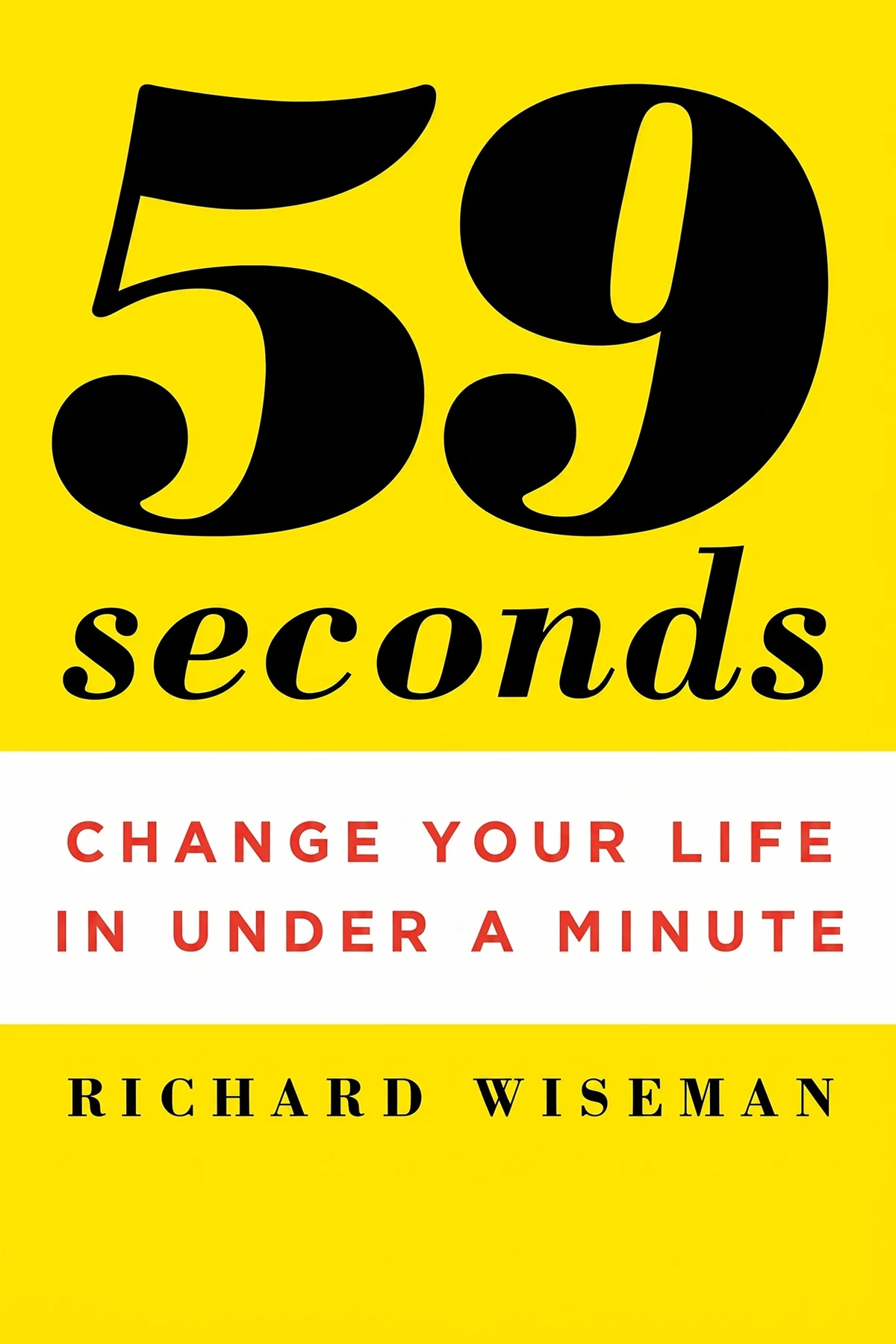
59 Seconds: Change Your Life in Under a Minute
Richard Wiseman


A Liberated Mind: How to Pivot Toward What Matters
Steven C. Hayes
AUDIO SUMMARY AVAILABLE
Listen to The Mindful Body in 15 minutes
Get the key ideas from The Mindful Body by Ellen J. Langer, plus 5,000+ more titles in English and Thai.
- 5,000+ titles
- Listen as much as you want
- 7-day free trial
- Cancel anytime







