
15 min 40 sec
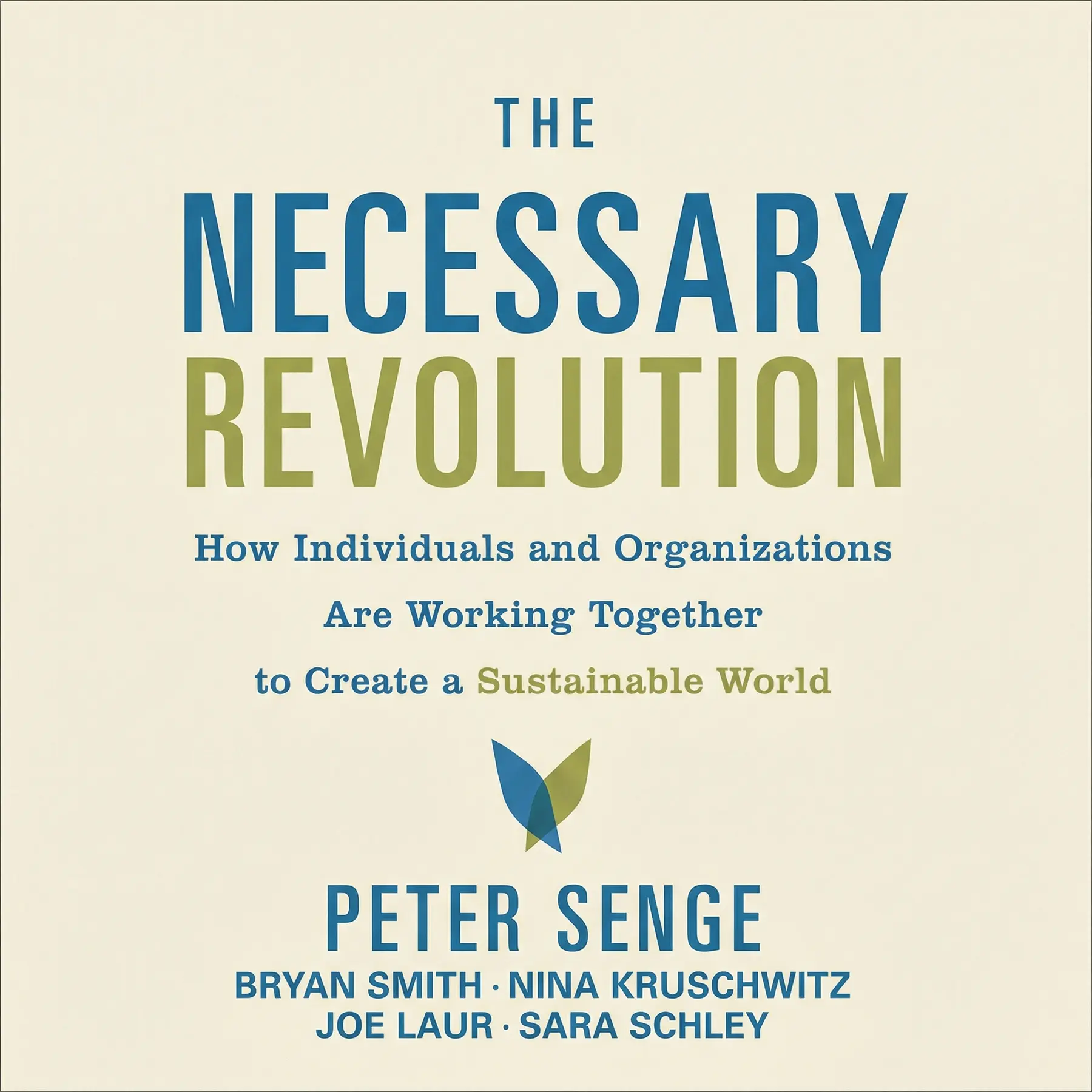
The Necessary Revolution: How Individuals and Organizations Are Working Together to Create a Sustainable World
The Necessary Revolution explores how individuals and organizations can pivot toward sustainability, highlighting systems thinking, cross-sector collaboration, and the mindset shift required to protect our planet’s finite resources and future.
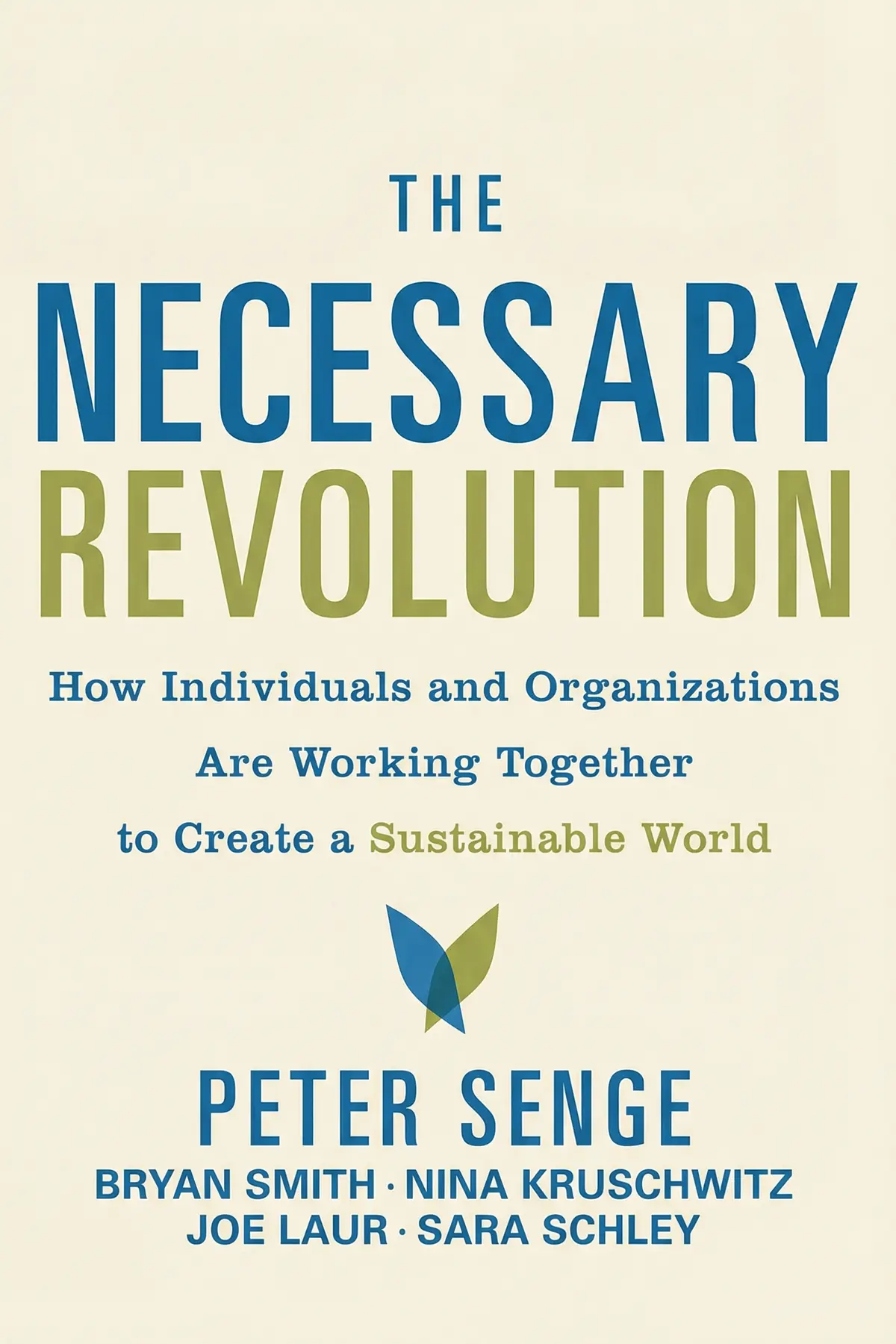
Table of Content
1. Introduction
1 min 48 sec
In late 2015, the world watched as the Paris Agreement was signed, signaling a historic, legally binding commitment to address climate change. People filled the streets in celebration, feeling that a major turning point had finally been reached. For many, it seemed like the signal that the era of ignoring environmental costs was over. However, despite the cheers and the high-level signatures, the reality is that the core drivers of ecological damage—our deeply ingrained habits of consumption and our pursuit of unchecked growth—remain largely intact. Signing a document is a start, but it is far from a complete solution. The truth is that the mechanisms behind global warming are either static or evolving far too slowly to match the urgency of the crisis.
This gap between our current trajectory and where we need to be is why we require something far more profound than a policy shift. We need what is called a necessary revolution. This isn’t about a violent upheaval, but rather a fundamental transformation in the way we think, produce, and live together on this planet. It is a transition from a mindset of exploitation to one of stewardship. In this summary, we will explore why the old model of endless expansion is fundamentally broken and how we can foster an empowered mentality to build a sustainable future. We’ll look at real-world examples of people and organizations already making these shifts, and uncover the immense power that individuals hold as consumers and citizens to reshape the global system from the inside out. This journey requires moving beyond despair and embracing a new way of collaborating across all levels of society.
2. A Vital Shift in Economic Logic
2 min 40 sec
Traditional models of unlimited growth are failing both the planet and our economies, necessitating a new paradigm that prioritizes environmental stability and resource management.
3. The Power of an Empowered Mindset
2 min 40 sec
Overcoming the paralysis of climate despair is possible through focused, long-term action initiated by individuals and forward-thinking corporate leaders.
4. Choosing Creative Action Over Constant Protest
2 min 17 sec
Shifting focus from what we oppose to what we want to build allows for the creation of innovative, sustainable solutions that generate positive momentum.
5. Redefining Corporate Success and Metrics
2 min 26 sec
Modern business requires a shift from short-term financial metrics to a holistic view that considers employee well-being and environmental impact as central to success.
6. The Power of the Proactive Consumer
2 min 12 sec
Everyday consumption choices and lifestyle changes represent a significant lever for systemic change, allowing us to influence global industries from the inside out.
7. Conclusion
1 min 37 sec
The necessary revolution is not a distant possibility; it is an ongoing process that requires our immediate and focused participation. We have seen that the old paradigms of unlimited growth and short-term profit are no longer compatible with a flourishing planet. Instead, we must embrace a world of systems thinking, where the actions of a single car dealer in Sweden or a package-free grocery store in Germany can set off ripples of change across an entire industry. The transition to sustainability is a massive undertaking, but it is fueled by something simple: the realization that we are not helpless. Our power lies in our mindset, our ability to focus on constructive solutions, and the choices we make every single day as consumers and leaders.
To bring these ideas into your daily life, you can start small by playing what we might call the ‘sustainability game’ in your own circles. Whether it’s in your office, your apartment building, or a local community group, try teaming up with others to audit your shared environment. Assign roles—someone for research, someone for logistics, someone for financing. Look at your energy use, your waste systems, or even the supplies you buy. By breaking the large problem of global sustainability down into local, manageable projects, you build the muscles for collaboration and innovation. The revolution starts with the belief that a better way is possible, and it gains momentum with every positive action we take together. Now is the time to join in and help create a future that can sustain us all.
About this book
What is this book about?
The Necessary Revolution addresses the urgent need for a fundamental shift in how we approach economic growth and environmental stewardship. For decades, the global economy has operated on the assumption of unlimited resources and endless expansion, a model that recent financial and ecological crises have proven to be unsustainable. This book serves as both a wake-up call and a practical guide for those looking to foster a more resilient and responsible world. The promise of the text is to provide a roadmap for this transformation, showing that change is not only possible but already underway. By examining success stories from forward-thinking companies and determined individuals, the authors illustrate how systems thinking and collaborative action can solve complex problems. It moves beyond mere theory, offering tools for leaders and citizens to create long-term value that respects the boundaries of our natural environment.
Book Information
About the Author
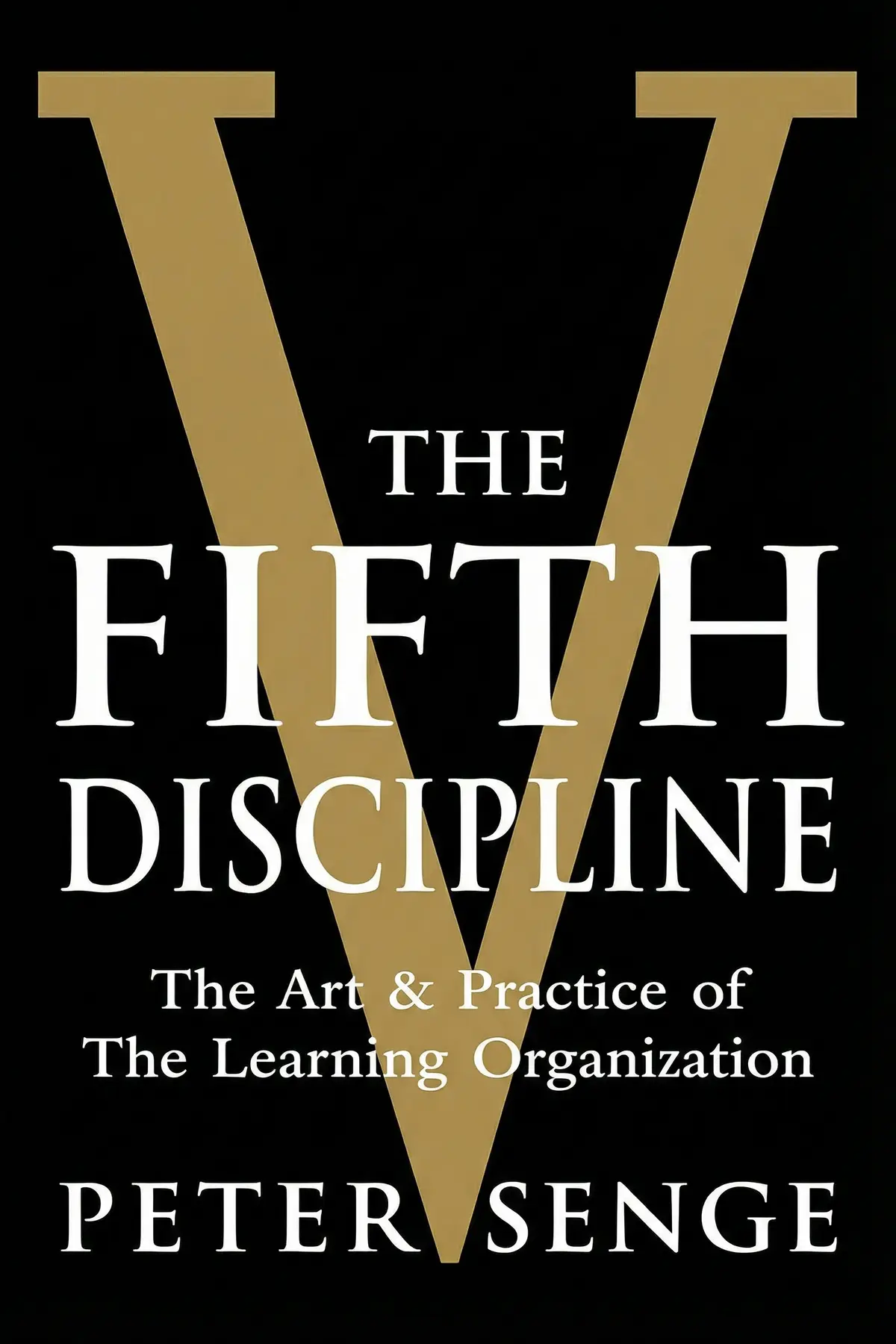
Peter Senge
Peter Senge is a renowned pioneer in organizational learning and a Senior Lecturer of Behavioral and Policy Sciences at MIT. He gained global recognition for his 1990 book, The Fifth Discipline, which sold over a million copies and has been translated into more than 20 languages. His co-authors, Bryan Smith, Nina Kruschwitz, Joe Laur, and Sara Schley, bring a wealth of expertise in sustainability and leadership to this collaborative work.
Ratings & Reviews
Ratings at a glance
What people think
Listeners find that this work acts as a hands-on manual for organizational evolution, providing useful "toolbox" segments and detailed instructions for applying systems thinking. Although perspectives differ on the book's tempo and if the material is as revolutionary as its title suggests, listeners enjoy the motivating case studies of large companies implementing sustainable methods. Furthermore, they highlight the importance of teamwork and interconnectedness as critical factors for the long-term viability of a business. Additionally, they discuss the book’s power to transform mindsets, with one listener remarking that it helps individuals move from mere problem-solving to actively creating a desirable future.
Top reviews
Andrew
This book completely shifted how I view the 'Industrial Age bubble' we're currently living in and how it's destroying our planet. It’s an incredibly inspiring read that focuses on what we can achieve when we stop acting as isolated units and start working together. The authors demonstrate that ecological problems are part of an interconnected dilemma that affects every single one of us. What I loved most was the transition from merely fixing problems to creating a desirable future. It’s a positive, aspirational step that provides actual motivation rather than just doom and gloom. The chapters on how people do imaginative things to influence their organizations were particularly moving. If you want to understand how a business can survive and thrive while being mindful of future generations, this is a must-read. It’s powerful, imaginative, and honestly, it gave me a lot of hope for the future of business.
Show moreAmelia
Wow, what an enlightened prescription for the global dilemmas we face today. I’ve read a lot of sustainability books, but this one stands out because it focuses on the internal mechanics of change. It’s not just about what needs to change, but specifically *how* to make it happen within a complex organization. The authors, including Peter Senge, bring so much expertise to the table. They show that businesses can actually earn more money through environmentally sound policies, which is the only way we’ll get wide-scale adoption in a capitalist system. The emphasis on the symbiotic relationship between people and their organizations is a strong message. It really sends home the point that to survive these times, we must work together. It’s a beautiful, imaginative book that I would recommend to anyone who feels stuck in a bureaucratic system and wants to make a real difference. Simply amazing.
Show morePetch
Finally got around to reading this, and the 'toolbox' sections are worth the price of admission alone. Senge and his co-authors provide a practical primer for anyone looking to foster a more just and equitable world through their professional life. I particularly appreciated the step-by-step instructions on how to move from simple problem-solving to active creation. The focus on 'systems thinking'—seeing the whole rather than just the parts—is essential for long-term survival in the modern business landscape. While some critics say it’s too corporate, I think that’s the point. We need the people running the largest companies to understand these concepts if we want to see real movement. It’s not a perfect read, and some parts drag, but the framework for collaboration across traditional boundaries is incredibly useful for anyone trying to navigate today’s interconnected global dilemmas. It’s a grounded, helpful resource for change-makers.
Show moreMind
The story about Xerox employees taking a photocopier into the middle of the woods really stuck with me. Seeing that machine sitting in the forest helped them realize how out of place their product was in the natural world, leading to a total redesign with recyclable parts. That kind of systems thinking is exactly what the authors are advocating for throughout this book. It’s designed for executives, but I think environmental activists would benefit from reading it too. It shows that sustainability and profitability can actually go hand-in-hand when a company is willing to shift its entire perspective. I loved the case studies on Nike and Unilever, which proved that major shifts in business practices aren't just 'feel-good' projects—they're competitive advantages. The book is a bit long-winded in places, but the message of collaboration across boundaries is vital. It’s an inspiring look at how we can work together to sustain life.
Show moreSoontorn
Truth is, I didn't expect a business book to be this focused on the actual survival of life on our planet. It sets out a clear prescription for sustainability by using three basic rules: implement systems thinking, collaborate across boundaries, and move from problem-solving to creating. These concepts sounds simple, but the book explores them with a level of depth that makes them feel attainable. I found the sections on 'aiming for zero' particularly thought-provoking, even if I questioned whether some companies just have better cultures rather than better goals. The authors urge united action before solutions become impossible, which creates a necessary sense of urgency. Some of the corporate success stories felt a little too 'polished' for my taste, but the overall message is sound. It’s an enlightened look at the grave problems we face and provides a roadmap for organizations that want to be part of the solution.
Show moreHugo
Pick this up if you're tired of hearing that sustainability is just a PR stunt. While I agree with other reviewers that it can be a bit repetitive, the core message about systems thinking is vital. The book helps you see the 'whole' rather than just isolated incidents. This perspective shift is crucial for anyone trying to navigate the complexities of a global supply chain. I appreciated the specific examples from companies like Alcoa and BMW, even if the tone was a bit overly positive at times. The real value is in the 'toolbox' sections that provide a step-by-step guide for implementation. It’s a practical primer that moves beyond theory and into action. Personally, I found the focus on collaboration across boundaries to be the most relevant part for my own work. It’s a solid 4-star read that offers a lot of 'peace' of knowledge, even if you have to skim a few corporate anecdotes.
Show moreMethinee
After hearing several colleagues mention the 'symbiotic relationship' between people and organizations, I decided to finally dive into this. It's a powerful look at how we can influence the places where we choose to work. The book explores how natural resources and human talent can be cultivated with mindfulness, ensuring that future generations can also thrive. I found the section on the 'bullshit meter' particularly grounding; it reminds the reader that a vision is just words if it doesn't influence action. While some of the writing felt a bit bloated with too many MNC examples early on, the overall framework is incredibly solid. It helps you move from the Industrial Age mindset into something much more sustainable. It’s a bit of a dense read, and the pace fluctuates, but the focus on creating a just and equitable world makes it a very worthwhile investment of your time.
Show moreZoe
Is this book titled incorrectly, or did the authors just try to do too much at once? On one hand, it’s a solid guide for organizing change in the workplace with great schematics and reframing techniques. On the other hand, the actual prose is substantially weaker than the ideas themselves. I didn't need the massive block of case studies about companies like Coke right at the start; they felt like unnecessary bloating that should have been woven into the later chapters more organically. My bullshit meter went off during some of the more flowery 'corporate speak' sections, like the quote about making brownies just to hire people. It feels oddly positive, almost to a fault. They highlight successes but gloss over why certain efforts fail. Are we looking at real strategy or just companies that got lucky? I’d suggest skipping the first fifth of the book and going straight to the participatory tools.
Show morePia
As someone who has followed Senge’s work on organizational learning for years, I had high hopes for this one. The philosophy of stewardship and cultivation aligns perfectly with the regenerative spirit we need right now. However, I found the writing style a bit too complimentary toward the featured corporations. The book praises CEOs for renaming themselves 'Chief Environment Officers,' but it doesn't dive deep enough into the messy failures that inevitably happen during such transitions. Look, the ideas about symbiotic relationships in organizations are powerful, but the execution of the book itself feels a bit dry. The anecdote about the guy pushing for ethanol cars in Europe was interesting, but it didn't feel tied to the later chapters in a meaningful way. It’s a good book with a noble heart, but it lacks the critical edge I was looking for. Useful, yes, but proceed with your own bullshit meter calibrated.
Show moreNit
For a book with such a provocative title, I walked away feeling underwhelmed by the lack of radical proposals. I expected a manifesto for systemic overhaul, but instead, it felt more like a training manual for mid-level managers in a large corporation. The content is quite repetitive, hitting the same notes about efficiency until the message loses its edge. To be fair, there are useful bits of knowledge hidden in the text, but you have to dig through a lot of corporate fluff to find them. If you’re an environmental enthusiast looking for deep ecological philosophy, this isn't it. It’s definitely aimed at the suit-and-tie crowd trying to make their supply chains slightly less damaging. I found the pacing sluggish, and the examples felt dated even for a book on sustainability. It’s okay as a primer, but it certainly doesn't feel like a revolution.
Show moreReaders also enjoyed

A Bigger Prize: How We Can Do Better Than the Competition
Margaret Heffernan
A Year with Peter Drucker: 52 Weeks of Coaching for Leadership Effectiveness
Joseph A. Maciariello

Acting with Power: Why We Are More Powerful Than We Believe
Deborah Gruenfeld
AUDIO SUMMARY AVAILABLE
Listen to The Necessary Revolution in 15 minutes
Get the key ideas from The Necessary Revolution by Peter Senge, plus 5,000+ more titles in English and Thai.
- 5,000+ titles
- Listen as much as you want
- 7-day free trial
- Cancel anytime







