
Abolish Rent: How Tenants Can End the Housing Crisis
Tracy Rosenthal
Explore the shifting geopolitical landscape of the next ten years. George Friedman analyzes how the United States must balance its role as an unintended global empire with its foundational republican values.
2 min 10 sec
The sweep of world history is often defined by the rise and fall of great powers. When we look back at the chronicles of dominant civilizations—whether it is the sprawling reach of ancient Rome, the dynastic continuity of China, the maritime dominance of Spain, or the global network of the British Empire—we see how their decisions shifted the very axis of human development. These empires were not just local actors; they were the architects of the world order in their respective eras. Since the collapse of the Soviet Union at the end of the twentieth century, a new era has dawned, dominated by a singular superpower: the United States.
However, the American experience is unique among the great empires of history. Unlike the British or the Romans, the United States did not set out with an explicit mission of territorial colonization. It did not intentionally seek to govern distant lands for the sake of imperial glory. Instead, it has become what many call an unintended empire—a nation whose economic and military footprint has expanded so dramatically that it exerts imperial-level influence whether it wants to or not. This creates a profound tension. On one hand, the United States remains a republic, committed to democratic ideals and domestic governance. On the other, it is a global hegemon that must manage a complex web of international relationships, security threats, and economic dependencies.
To understand where the world is headed in the next ten years, we have to look through the lens of this unintended empire. We must examine how the U.S. will manage its security and broader interests in an increasingly volatile landscape. Over the next decade, the decisions made by the American presidency will ripple across the globe, affecting the fate of nations from the Middle East to the plains of Eurasia. In this summary, we will explore the pivotal shifts that are coming, from the changing role of Iran and the rise of Turkey to the internal pressures threatening the European Union and the strategic maneuvers required to balance a resurgent Russia. This is a journey into the heart of geopolitics, where pragmatism often outweighs ideology and where the survival of the republic depends on the successful management of the empire.
2 min 05 sec
The American President must navigate a dual identity, wielding immense global power while preserving democratic values. This requires a shift from idealism to a more pragmatic, calculated leadership style.
1 min 55 sec
Economic crises are often solved through political will rather than purely financial policy. Future stability depends on the government’s ability to manage public perception and shift power.
1 min 57 sec
The ‘War on Terror’ has proven to be a strategic distraction. The United States must return to a balance-of-power approach to maintain regional stability and secure energy resources.
1 min 52 sec
Iran’s geographic and demographic advantages make it a force that cannot be ignored. Despite past hostility, shared interests against common enemies may lead to a necessary truce.
1 min 38 sec
Turkey is positioned to become the primary counterweight to Iranian influence. With a strong military and growing economy, it will likely become a key American ally in the region.
1 min 49 sec
The real danger in South Asia lies in the balance of power between nuclear-armed Pakistan and India. The U.S. must prioritize Pakistan’s stability over the conflict in Afghanistan.
1 min 44 sec
Russia is using its energy resources to rebuild its global influence. To prevent a dominant European-Russian alliance, the U.S. will likely turn to Poland as a key strategic proxy.
1 min 57 sec
The European Union faces internal divisions and a lack of military unity. The coming decade will likely see a weakening of the bloc as national interests take precedence over integration.
1 min 28 sec
As we look ahead to the next ten years, the picture that emerges is one of a world in transition. The United States, whether by design or by accident, remains the central actor in this global drama. It is a nation that must find a way to inhabit two identities at once: the democratic republic that values the rule of law and the unintended empire that must sometimes make hard, pragmatic choices to maintain order. The coming decade will demand a president who understands this duality—someone who can manage the rise of Turkey, the complexities of Iran, and the resurgence of Russia without losing sight of the foundational principles that make the American republic worth preserving.
The global landscape will be defined by shifts in regional power rather than the broad, ideological struggles of the past century. Success will not be measured by the total defeat of an enemy or the spread of a specific political system, but by the successful maintenance of a balance of power that prevents any single region from descending into chaos or falling under the control of a hostile hegemon. From the mountains of Iran to the plains of Poland, the strategic maneuvers of the next decade will determine the stability of the international system for years to come. Ultimately, the lesson of ‘The Next Decade’ is that power must be wielded with both caution and a clear sense of purpose. By understanding the underlying forces of geography and history, we can better navigate the challenges of a changing world, ensuring that even as the empire faces its trials, the republic remains secure.
The Next Decade provides a strategic roadmap for the coming years, focusing on the complex challenges facing the United States as it navigates its role as the world's preeminent power. The book moves beyond current headlines to examine the deep-seated geographic, economic, and political forces that dictate how nations behave. George Friedman argues that the U.S. has become an unintended empire, a status that requires its leaders to adopt a more pragmatic and often unsentimental approach to foreign policy to maintain global stability. Listeners will gain a deeper understanding of regional dynamics, including why Iran is becoming the center of gravity in the Middle East, the rise of Turkey as a regional challenger, and the underlying fragility of the European Union. Friedman also explores the resurgence of Russia and the strategic importance of nations like Poland and Pakistan. By looking through the lens of power politics, the book offers a forecast of how the American president must manage competing interests to protect the nation's security while preserving its democratic identity.
George Friedman is a renowned political scientist and a leading expert in the field of geostrategy and forecasting. He is the author of several best-selling books, including The Next 100 Years and America's Secret War. Beyond his work as an author, Friedman has played a pivotal role in the private intelligence sector as the founder, CEO, and Chief Intelligence Officer of STRATFOR, a private corporation dedicated to providing global intelligence and analysis.
Listeners find the material captivating and accessible, featuring grounded insights and a thoroughly investigated analysis of international geopolitical history. The prose is expertly written, and listeners value its exceptional mastery of geopolitical themes and its execution as a political tour de force. The work is intellectually stimulating, presenting intriguing outlooks on global affairs, though listeners hold divided perspectives on the book's pacing and accuracy.
Friedman has a marvelous grasp of geopolitical history that makes this more than just a book of predictions. It feels like a genuine masterclass in the cold world of realpolitik. The way he frames the American President as a modern Machiavellian prince is both terrifying and deeply insightful. Truth is, the book treats the United States as an accidental empire, whether we like it or not. I found the analysis of the relationship between Russia and Germany particularly fascinating given current events. The writing is punchy, keeping a complex subject from becoming dry or academic. While some might find the U.S.-centric perspective a bit narrow, it is essential for understanding the specific strategic moves Friedman advocates for. It’s a thought-provoking tour de force that challenges how you view global power dynamics. If you enjoy strategy games like Civilization, you will likely find his approach to "shuffling armies" absolutely engrossing.
Show moreEver wonder how world leaders actually think behind closed doors? This book is a fascinating exploration of the pressures and moral compromises required to run a global superpower. Friedman doesn’t sugarcoat anything, presenting the U.S. as an empire that must act with cunning to survive. Personally, I found the "Machiavellian presidency" concept to be the most compelling part of the entire narrative. He looks at figures like Lincoln and Reagan to show how great leaders often have to lie to the public to achieve a greater good. The writing style is solid and easy to follow, even when he dives into complex economic shifts or military strategies. Some of the predictions feel a bit dated now that we are past the 2010s, but the logic remains sound. It’s a deeply researched survey of world geopolitical history that provides a marvelous grasp of why nations behave the way they do.
Show morePicked this up after enjoying 'The Next 100 Years' and found it far more grounded, though still quite provocative in its conclusions. Friedman has this way of making the chess board of the world seem so clear and logical. He focuses heavily on the rise of Poland and Turkey as essential players in the near future. While some of the predictions are hit-or-miss, the overall geopolitical tour de force is worth the price of admission. Gotta say, I appreciated the focus on the immediate decade rather than the distant future because it feels more relevant to our current struggles. The book is well-crafted and provides interesting views about global situations that you won't find in mainstream news. My only gripe is that it can be a bit repetitive when discussing the U.S. role in maintaining global stability. Still, it’s a marvelous read for strategy enthusiasts.
Show moreTo be fair, calling the US an empire is a bold claim that Friedman defends with surprising rigor throughout these pages. He argues that the presidency is the only office capable of managing the vast entanglements that come with such massive economic power. In my experience, most books on foreign policy are either too dry or too idealistic, but this one hits a sweet spot. The prose is clear and concise, making it an easy read despite the heavy subject matter. I was especially intrigued by his take on the Iraq war being a show of strength rather than a search for weapons. It’s a cynical view, but it aligns with the realpolitik tone he maintains throughout the book. There are some mixed opinions on the accuracy of his predictions, but the historical context he provides is top-notch. It’s a thought-provoking piece that really makes you question global leadership.
Show moreThe chapter on the Middle East and Iran is arguably the strongest part of the whole book for several reasons. Friedman advocates for a settlement with Iran that seems much more realistic than the constant threat of intervention we often hear about. Not gonna lie, his suggestion that the U.S. should stay out of Africa entirely was a bit shocking at first glance. However, his reasoning—that the U.S. has no core interests there—fits perfectly with his hardheaded, Machiavellian approach. The writing is well-crafted and provides a marvelous grasp of how power actually operates on a global scale. Some sections felt a bit like a historical survey, which slowed the pacing down for me during the middle chapters. Despite that, the insights into how the U.S. balances its idealist and realist tendencies are truly fascinating. It’s a solid addition to his body of work.
Show moreAs someone who follows international relations, I appreciated how Friedman strips away the usual idealism to look at raw power. He presents a world where every nation is essentially at war with every other nation in a competition for resources. This book is a deeply researched survey of how the U.S. must navigate these waters to maintain its dominance. I found his analysis of the European Union’s internal fractures to be particularly prescient and well-argued. Look, he might be a bit too U.S.-centric for some readers, but that is the stated perspective of the work. The style is an absolute delight for those who like to think about strategy in terms of geography and history. While he misses the mark on things like the Syrian civil war, his broader trends are worth considering. It is a thought-provoking read that stays with you long after you finish.
Show moreWhile the writing is undeniably well-crafted, I found some of the assertions to be a bit hit-or-miss in hindsight. It’s a fascinating read because Friedman is so confident in his predictions about the 2010s. However, reading this now makes the gaps in his logic much more apparent than they probably were in 2011. For instance, the total oversight regarding the Arab Spring and subsequent civil wars really dates the material. To be fair, the historical summaries of various regions are still concise and authoritative. He has a marvelous grasp of geopolitical issues even if his crystal ball is a little cloudy at times. The "Machiavellian presidency" framework feels a bit forced in certain chapters, but it provides a unique lens for viewing executive power. It’s an interesting book that offers solid insights into the mindset of a professional geopolitical tactician.
Show moreNot what I expected given the sensationalist title, as it’s much more of a historical survey than a crystal ball. Friedman spends a lot of time explaining how we got to the current global situation before making his moves. The truth is, the book is at its best when it analyzes past failures and successes of the presidency. I found the sections on the U.S. relationship with Israel and Iran to be quite insightful and surprisingly balanced. On the other hand, the pacing can be a bit uneven, with some chapters feeling much more researched than others. The writing is generally easy to read, which helps when dealing with the dense geopolitical history he covers. Some of the statements about using aid as a cynical image-burnishing tool were hard to swallow. It’s a thought-provoking read, but it lacks the excitement of his previous book.
Show moreLook, Friedman is clearly a master of selling a specific type of geopolitical "truth" that feels both dangerous and alluring. He writes with a sense of authority that makes even his most "batshit crazy" ideas sound plausible on first read. His core argument is that the U.S. must divide and rule to stay on top, which is a pretty cynical worldview. Personally, I found the discussion about the U.S. needing to keep India and Pakistan at odds to be particularly cold-blooded. The book is well-crafted and provides a marvelous grasp of why certain regions are perpetually in conflict. It’s an absolute delight for those who enjoy strategy games, but it might leave you feeling a bit uneasy about real-world politics. While some of the trends didn't pan out, the analysis of the Russian-German relationship remains a highlight.
Show moreFinally got around to this one, and it's definitely a mixed bag of brilliant strategy and weirdly specific guesses. Friedman is a master at the "geopolitical sell," making his assertions sound inevitable even when they come out of nowhere. Frankly, the book is less bonkers than his 100-year forecast, but it still has some cringe-worthy moments regarding the continent of Africa. He basically argues for using aid as a cynical tool to burnish America's image rather than helping people. That ruthlessness is a consistent theme throughout the text, which some will find fascinating and others will find repulsive. The pacing drags in the middle when he gets repetitive about regional balances and the Machiavellian prince. To be fair, his historical summaries of how we reached the 2010s are authoritative and concise. It’s just hard to ignore the major oversights regarding the international interventions that actually defined the last decade.
Show moreTracy Rosenthal
Jessica Valenti
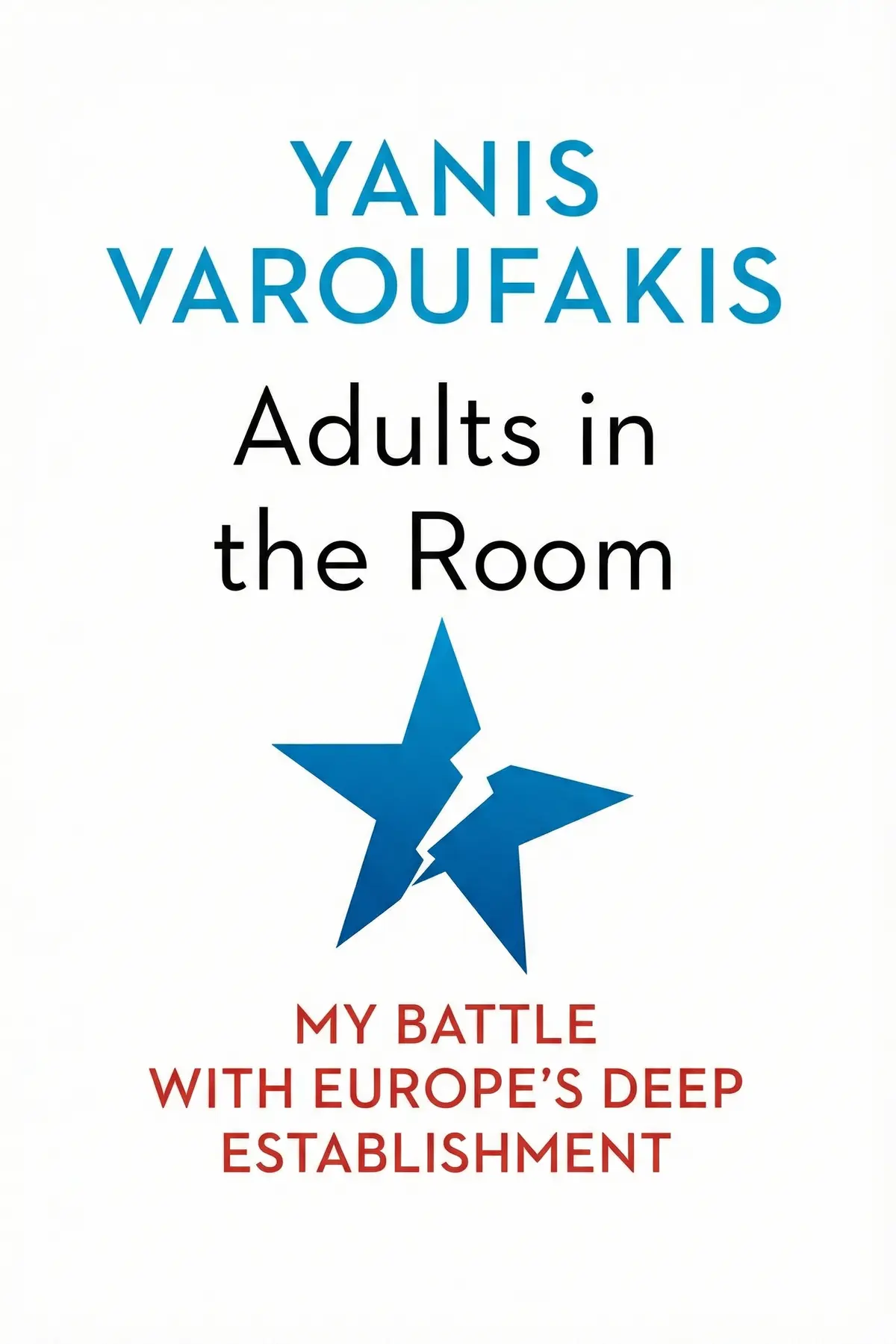
Yanis Varoufakis
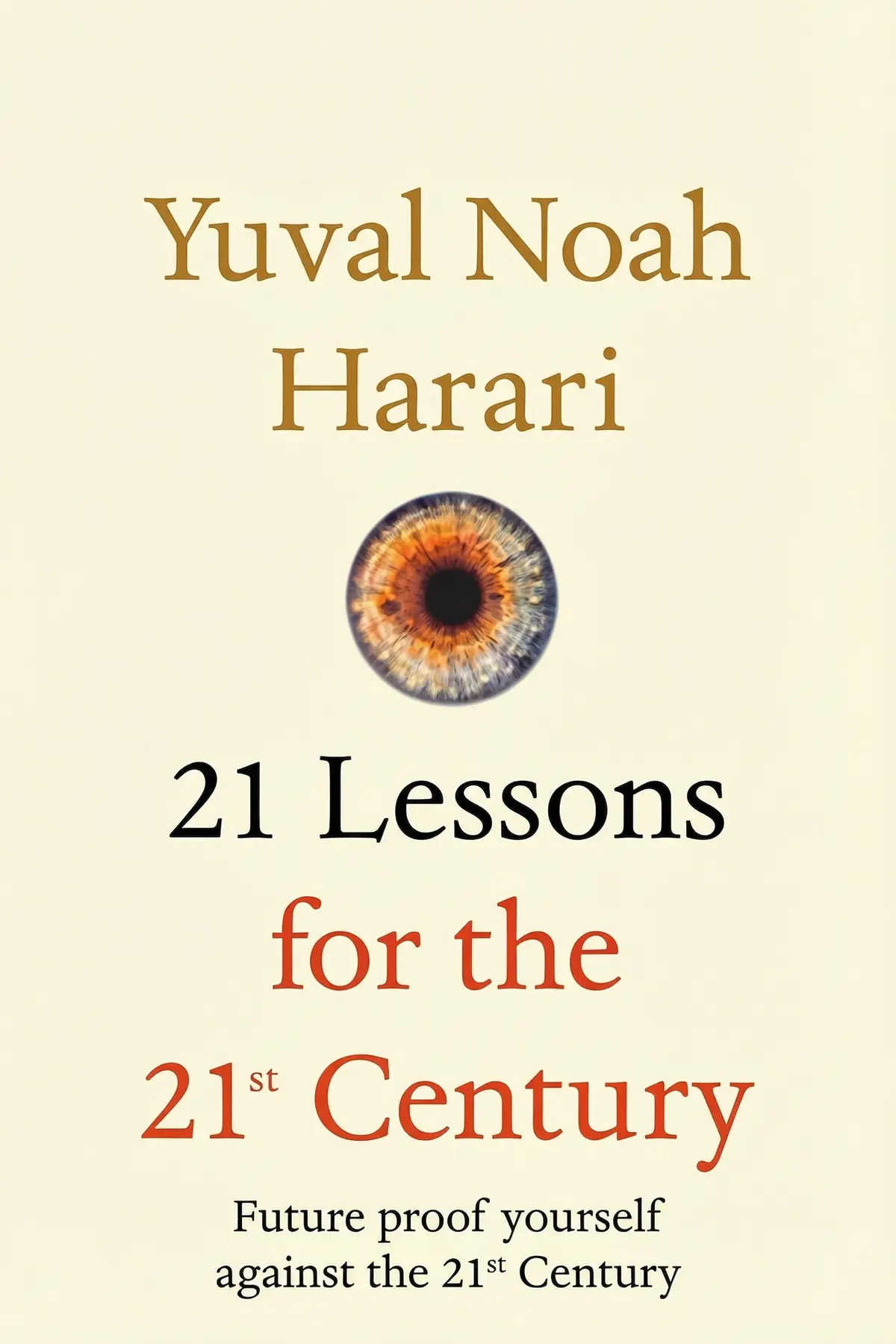
Yuval Noah Harari
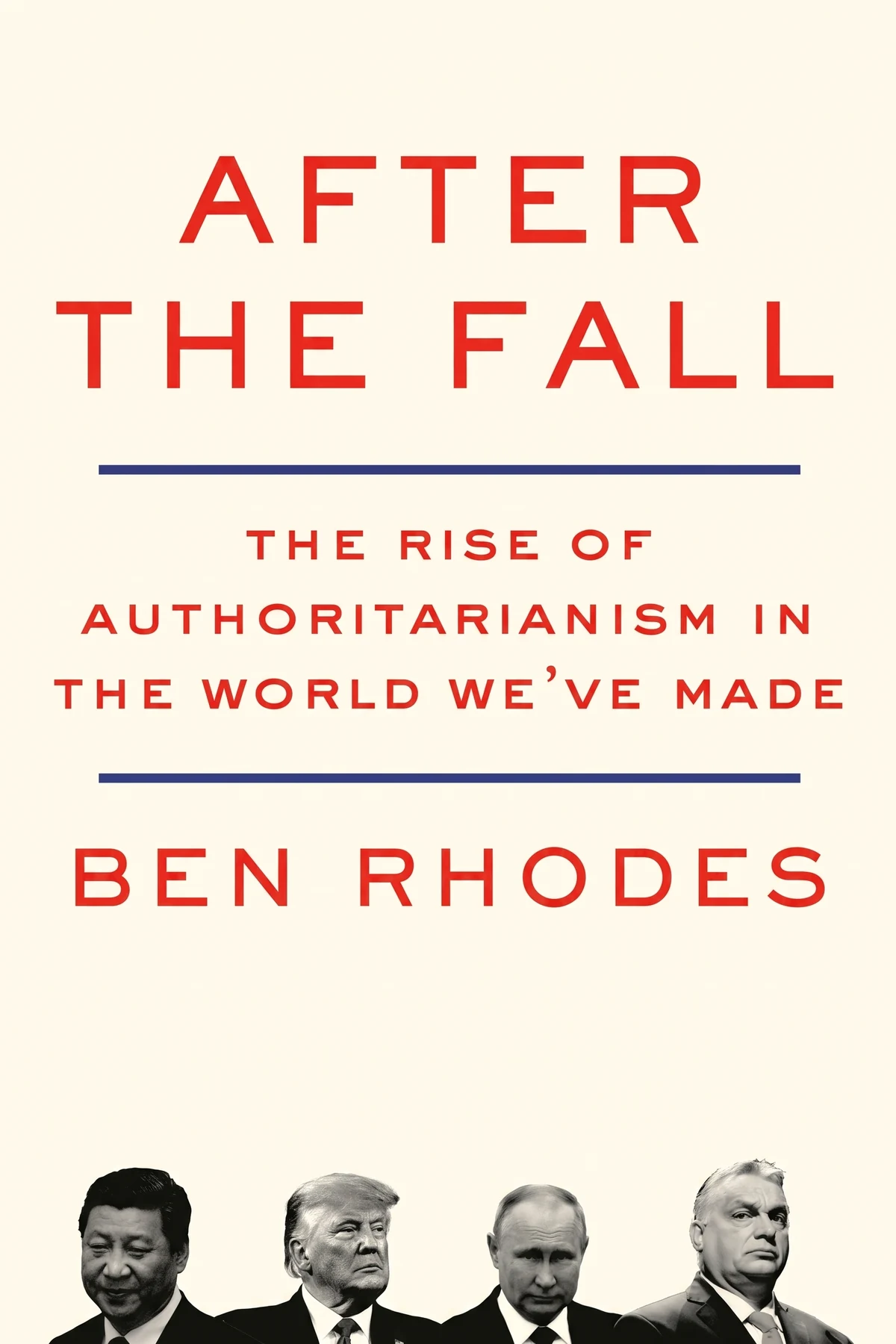
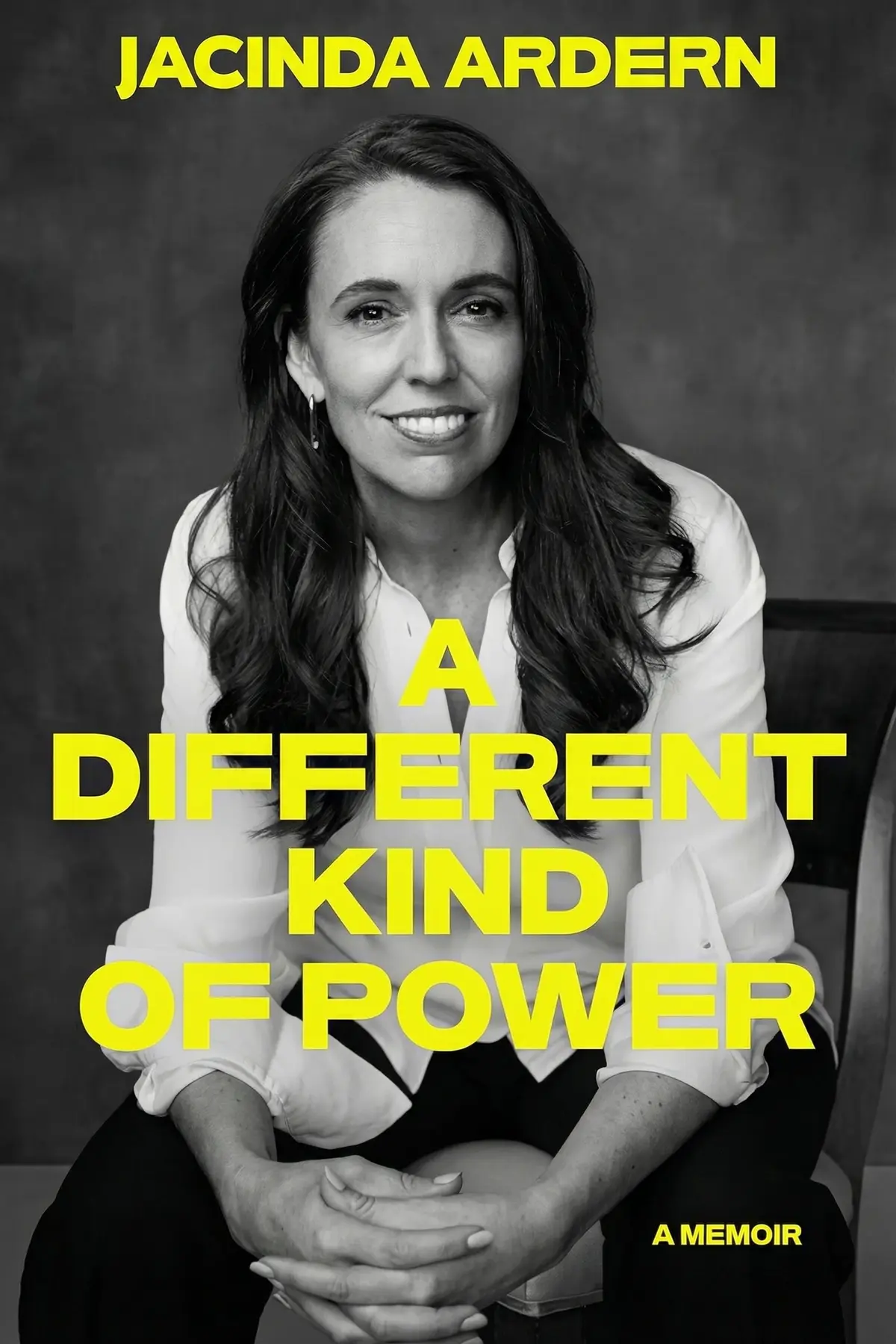
Jacinda Ardern
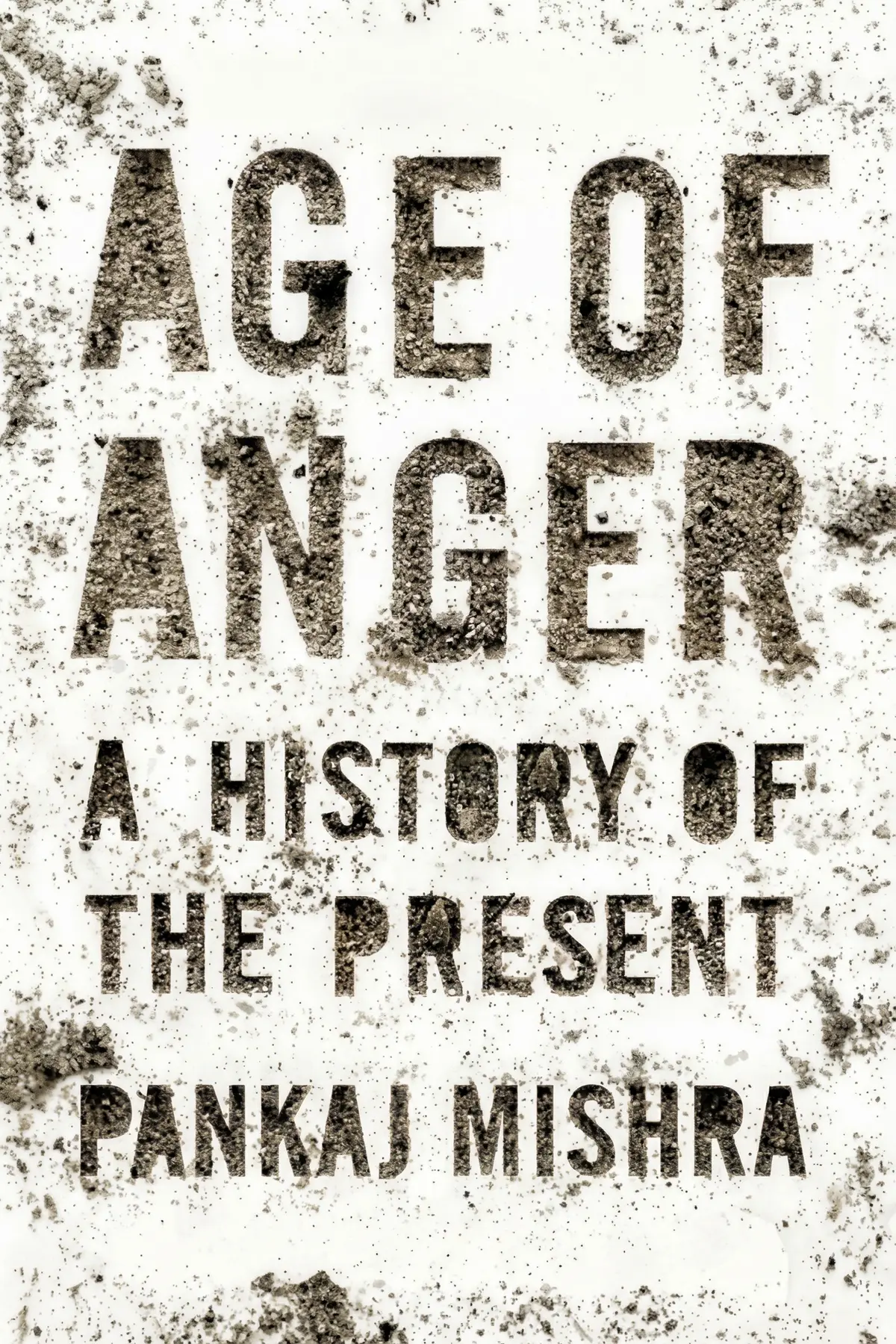
Pankaj Mishra
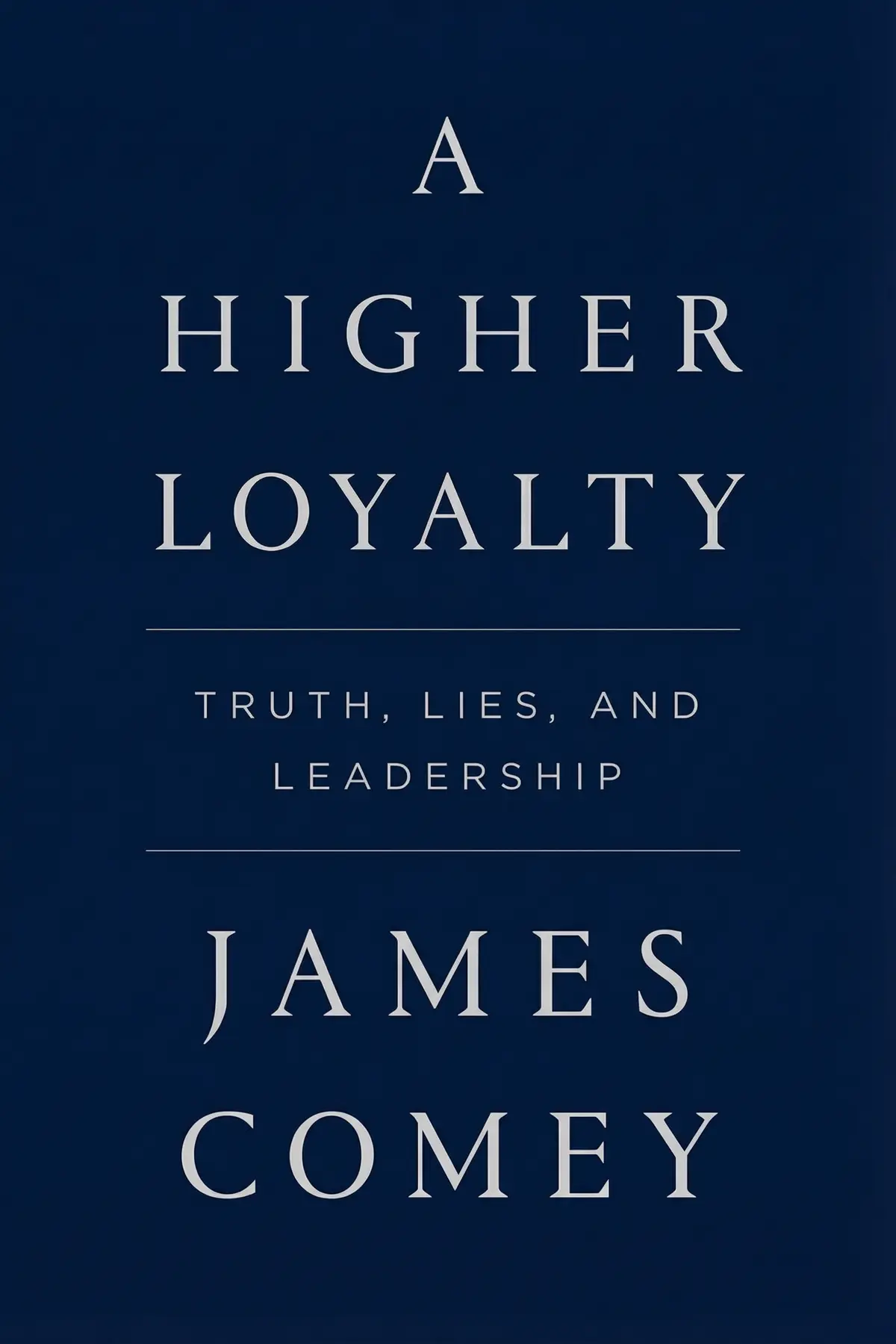
James Comey
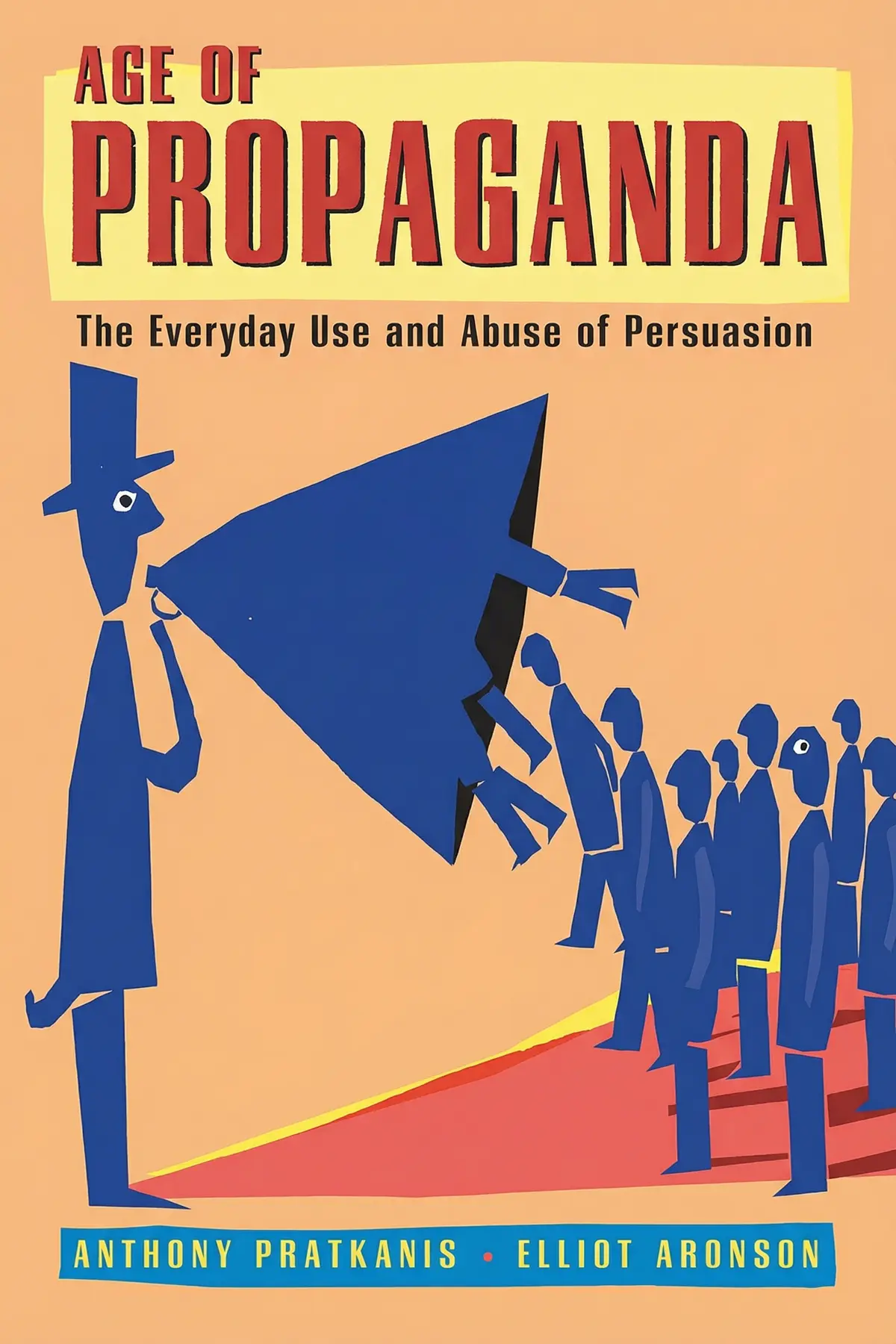
Anthony Pratkanis
AUDIO SUMMARY AVAILABLE
Get the key ideas from The Next Decade by George Friedman, plus 5,000+ more titles in English and Thai.







