
18 min 04 sec
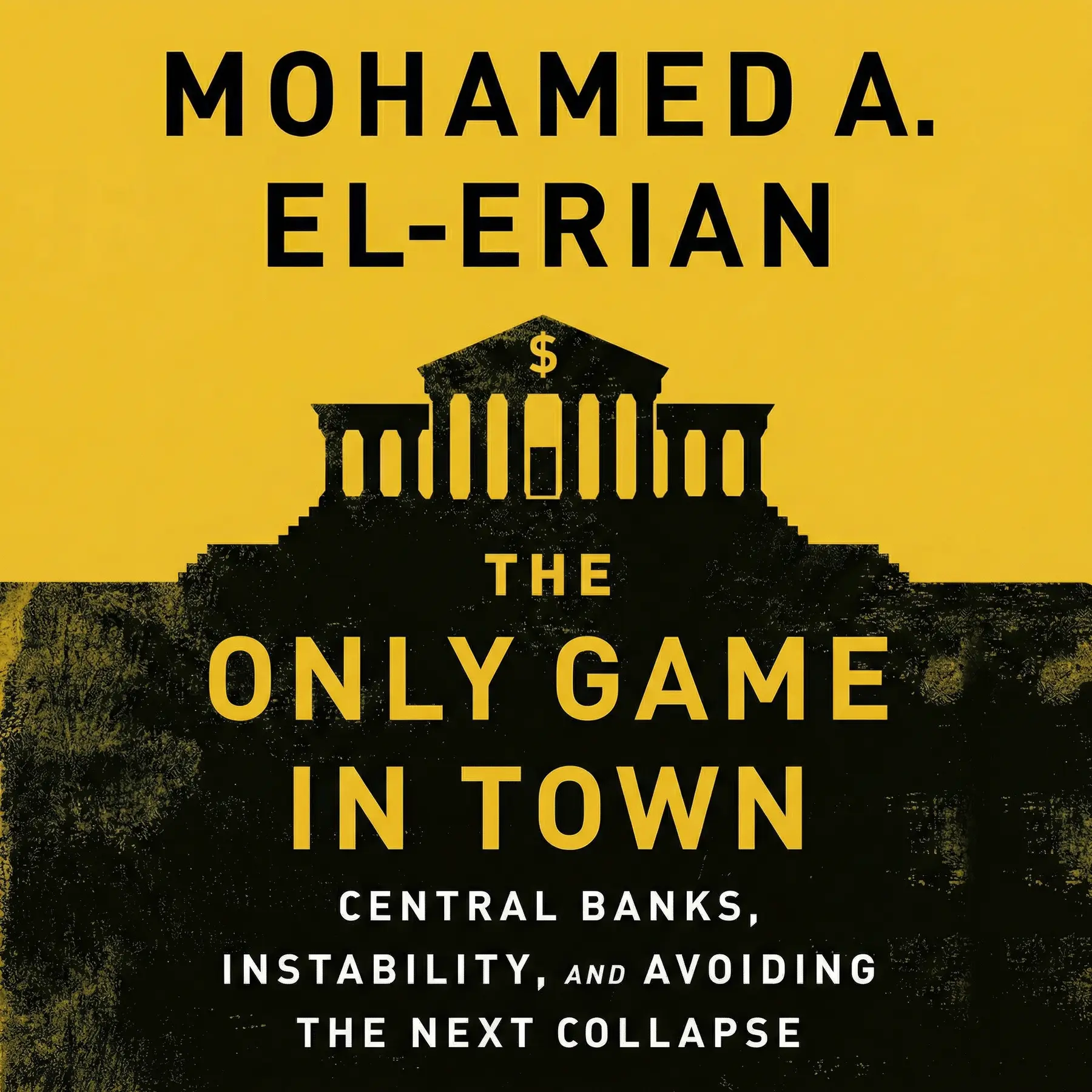
The Only Game In Town: Central Banks, Instability, And Avoiding The Next Collapse
Mohamed A. El-Erian examines why central banks have become the primary drivers of the global economy and explores the risks of relying on monetary policy alone to prevent financial collapse.
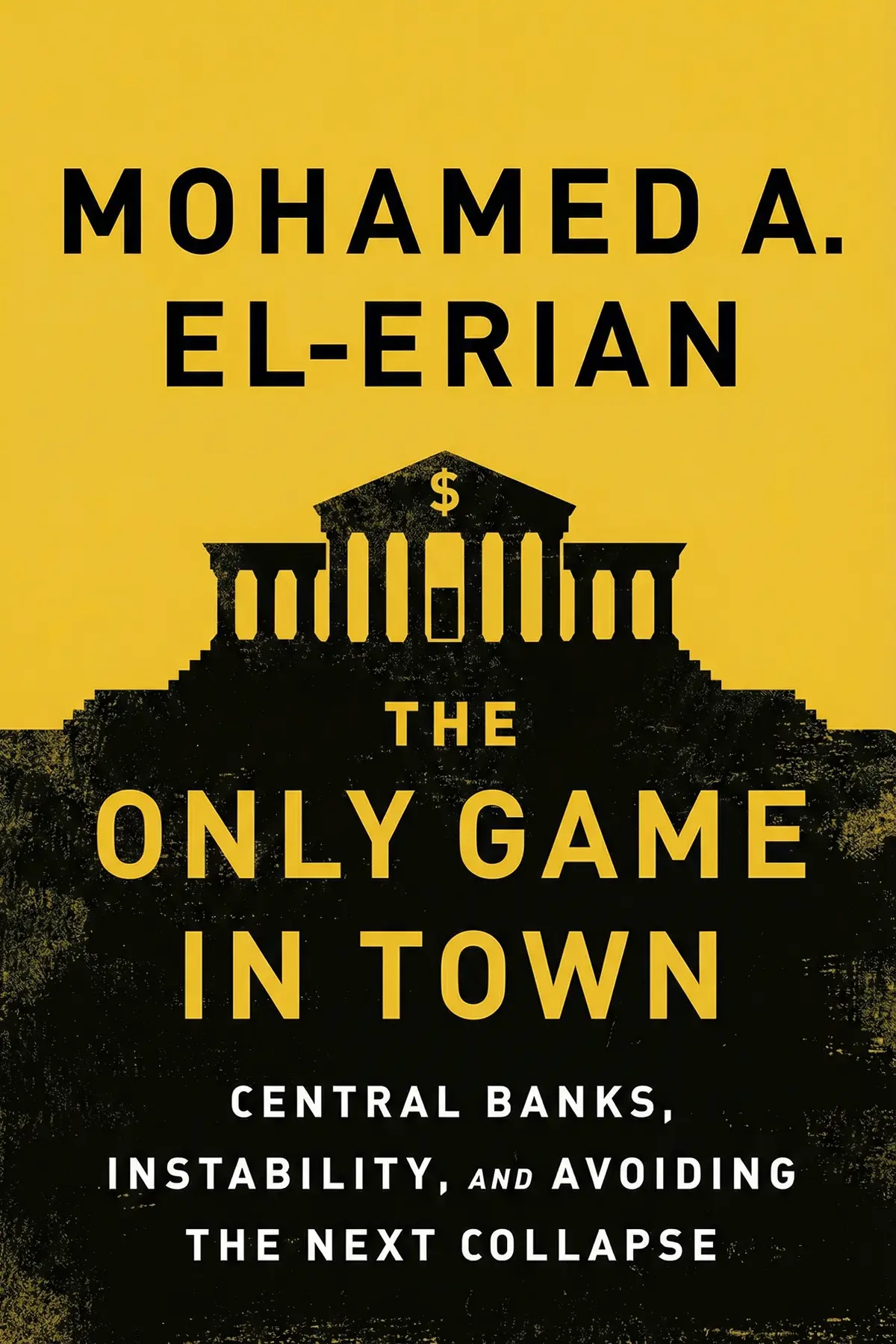
Table of Content
1. Introduction
1 min 42 sec
In the wake of the 2008 financial crisis, the world entered a strange new era. If you look at the landscape of global policy, you’ll notice a striking absence. For years, the politicians and lawmakers who are supposed to steer our nations toward prosperity have been largely paralyzed by gridlock and disagreement. Into this leadership vacuum stepped a group of institutions that were once considered the quiet, boring technocrats of the financial world: the central banks.
Today, central banks like the Federal Reserve in the United States or the European Central Bank have become what economist Mohamed A. El-Erian calls the only game in town. They are no longer just managing the money supply; they have become the primary engines of economic growth and the ultimate backstops against collapse. But this transition from background players to leading actors has come with significant risks and heavy costs.
In this exploration, we will look at how central banks have ventured into uncharted territory, using experimental tools that were never meant to be permanent. We will examine the human and social consequences of this shift, from rising inequality to a breakdown in public trust. Most importantly, we will look at the crossroads we currently face. The path we’ve been on—relying solely on central banks to keep the world afloat—is reaching its limit. To avoid the next crisis, we must understand the forces at play and the structural changes required to return to a balanced and stable economy. This is a journey through the mechanics of our modern financial system and a warning about what happens when the safety net becomes the only foundation we have left.
2. The Unprecedented Transformation of Central Banking
2 min 07 sec
Discover how once-obscure institutions became the most powerful actors in the global economy, moving far beyond their traditional roles into experimental territory.
3. The Illusion of Recovery and the Growth Deficit
2 min 11 sec
Learn why the efforts of central banks have failed to produce genuine, sustainable growth in the West and how nations are competing for a shrinking pie.
4. The Widening Gap and the Erosion of Trust
2 min 05 sec
Examine the unintended social consequences of central bank policies, from increased income inequality to a breakdown in institutional credibility.
5. Rising Geopolitical Tensions and the Shift in Power
2 min 08 sec
Understand how the instability of Western financial systems is prompting a global reshuffling of power and the rise of new economic alliances.
6. The Mismatch Between Financial and Economic Risk
2 min 05 sec
Explore the dangerous disconnect between high-stakes market speculation and the lack of investment in the real-world economy.
7. Four Pillars for a Sustainable Recovery
2 min 15 sec
Discover the four essential strategies Mohamed A. El-Erian proposes to move beyond the current reliance on central banks and build a stable future.
8. The Four Paths of Future Prosperity
2 min 04 sec
Explore a projection of the global economic landscape, categorizing nations into four distinct groups based on their potential for success or stagnation.
9. Conclusion
1 min 27 sec
The central message of our journey through Mohamed A. El-Erian’s analysis is one of urgent caution. We have reached a point where the ’emergency’ measures of the 2008 crisis have become the new normal, and that is a precarious foundation for the future. Central banks have done an admirable job of keeping the global economy from falling into the abyss, but they cannot build the bridge to the other side alone.
We are currently at a fork in the road. On one path, we continue to rely on monetary gymnastics, which will only lead to greater inequality, more political division, and an eventual, more painful collapse. On the other path, we take the difficult but necessary steps of structural reform. This means investing in our people, our infrastructure, and our global relationships.
The ‘only game in town’ cannot be the only game forever. It is time for politicians, business leaders, and citizens to get back in the game and take responsibility for the long-term health of our societies. By understanding these complex economic forces, we are better equipped to demand the changes that will lead to a more stable, inclusive, and prosperous world for everyone. The era of central bank omnipotence must give way to an era of collective action and real-world investment.
About this book
What is this book about?
The Only Game In Town explores the precarious state of the global economy in the wake of the 2008 financial crisis. Mohamed A. El-Erian argues that since the meltdown, political leaders have largely failed to implement the structural reforms necessary for long-term growth. This failure has forced central banks—the institutions responsible for a nation's money supply—to step into the vacuum. They have become the primary tools for managing economic health, moving far beyond their original mandates into experimental and potentially dangerous territory. The book promises a deep dive into why this over-reliance on central banks is unsustainable. It details how unconventional monetary policies have led to unintended consequences, such as widening wealth gaps, market instability, and political dysfunction. El-Erian provides a roadmap for how the world can shift toward a more stable and inclusive economic future by prioritizing infrastructure, education, and global cooperation. Readers will gain a clearer understanding of the current financial landscape and learn which countries are likely to thrive and which may face long-term stagnation.
Book Information
About the Author
Mohamed A. El-Erian
Mohamed A. El-Erian is the chair of President Obama’s Global Development Council and serves as the chief economic advisor at Allianz, the corporate parent of PIMCO. He has previously held the position of deputy director at the International Monetary Fund. A prominent voice in finance, El-Erian is a contributing editor for the Financial Times and a columnist for Bloomberg. His insights regularly appear in major publications like the Wall Street Journal, Fortune, and the Washington Post.
Ratings & Reviews
Ratings at a glance
What people think
Listeners consider this work a must-read, packed with insights and concepts regarding the Federal Reserve, and one listener points out that it offers strategies for steering clear of economic difficulties. Reactions to the narrative style are varied; although many think it is expertly crafted, some feel the language is occasionally dense. Listeners value the volume's sophisticated evaluations and straightforward delivery, while one review emphasizes its superb overview of global affairs.
Top reviews
Kavya
As someone who follows macro trends closely, I consider this essential reading for anyone trying to navigate the current financial landscape. El-Erian expertly deconstructs how we’ve arrived at a point where central banks are the only entities keeping the global economy afloat. The book is filled with deep knowledge about the Federal Reserve's toolkit and the unintended consequences of unconventional policies. While some critics complain about the complexity of the prose, I found the presentation to be quite clear for the subject matter. He tackles massive issues like productivity growth and social discontent with the nuance they deserve. The chapter on PIMCO’s response to the Lehman failure was worth the price of the book alone. It shows the importance of scenario planning in an age of total unpredictability. This is a five-star masterclass in economic reality.
Show moreJune
The truth is, very few people understand the plumbing of the global financial system as well as El-Erian. This book isn't just a critique; it’s a necessary roadmap for avoiding future financial complications. He breaks down the 'liquidity trap' and the dangers of negative interest rates in a way that feels both urgent and authoritative. I particularly loved his focus on the 'unemployed becoming the unemployable'—a human element that many economists ignore. It’s refreshing to read an insider who is willing to call out the banking industry for its short-term motivations. The writing is sophisticated, yes, but it needs to be to address these complex themes. If you want to understand why the post-2008 recovery has felt so hollow for so many people, read this. It is an intelligent, comprehensive look at our precarious economic situation.
Show moreSiriporn
Wow, this provides such a clear-eyed look at the dangerous reliance we have on monetary policy. El-Erian’s perspective as a former PIMCO executive gives him a level of credibility that many academic economists lack. He understands how markets actually react to the Fed, not just how they are 'supposed' to react in a textbook. The book is essential for understanding how the 'new normal' of low growth and high inequality was created. He offers solutions that involve political consensus and international cooperation, which might seem optimistic, but they are clearly necessary. I found the book well-written and full of ideas that I haven't seen elsewhere. It’s a broad, exploratory work that doesn't shy away from the hard questions about our economic future. If you want to know what comes after the era of central bank dominance, this is the book to get.
Show moreTang
Ever wonder why central banks have become the main engines of the global economy since the 2008 crash? El-Erian offers a fascinating, insider look at how institutions like the Fed and the ECB were forced to become the 'only game in town' because of political gridlock in our legislatures. The book effectively highlights the danger of relying solely on monetary policy—like low interest rates and QE—while ignoring the need for structural reforms. To be fair, some sections are a bit dense and wordy, but the core analysis is incredibly sharp. He doesn't just complain about the current state; he provides a framework for understanding the divergence between financial markets and the real economy. It’s a sobering read that clarifies why our current path might be unsustainable in the long run.
Show moreSarocha
Picked this up to better understand the 'new normal' label that El-Erian is so famous for coining. The book provides an excellent summary of the world situation and how we’ve become addicted to 'easy money' from central banks. He argues convincingly that the current model is broken because politicians have abandoned their responsibility for fiscal policy. I really enjoyed the sections on divergence—how different regions are moving at different speeds, creating massive exchange rate volatility. My only real gripe is that the narrator for the audiobook version was a bit mediocre, which made some of the more technical sections harder to follow. Still, the written content is top-tier. It's a wake-up call that we can't keep asking the Fed to solve problems like labor participation or crumbling infrastructure. Definitely worth your time if you care about the future of capitalism.
Show moreRung
Finally got around to this 2016 release, and it’s striking how much of the analysis still resonates today. El-Erian’s ability to see the limitations of current policies is almost spooky. He predicted the rise of political volatility and the breakdown of global trade consensus long before they hit the front pages. The book isn't exactly a beach read; it's dense and requires focus, but the intellectual payoff is there. He explains how the transition from 'financial services' to just 'finance' damaged the real economy. I appreciated the humble tone regarding his own predictions, emphasizing that being right is often about preparing for different outcomes rather than having a crystal ball. A solid four-star read for anyone who wants to go beyond the soundbites on CNBC and actually understand the structural flaws in our global system.
Show moreYuwadee
Personally, I find Mohamed El-Erian’s television appearances far more digestible than his long-form writing. This book starts with a promising premise about the 'new normal' but eventually narrows into a repetitive discussion about central bank messaging. I appreciate his expertise, and there are flashes of brilliance regarding the 2008 recovery, yet the prose is often too verbose for its own good. It feels like the book was written for other economists rather than the general public. If you can get past the academic tone, the insights regarding wealth inequality and the limitations of the Federal Reserve are valuable. However, I found myself skimming several chapters that seemed to repeat the same warnings about uncertainty without offering fresh solutions. It’s a decent overview, but it could have been half the length.
Show moreRania
Honestly, the content is five stars, but the delivery is closer to two. El-Erian has a lot of important things to say about the failure of global governments to step up and support the work of central banks. However, he says it in the most verbose way imaginable. I found myself re-reading sentences three or four times just to cut through the central bank speak. It’s a shame because his points about wealth inequality and the 'lost decade' are incredibly important. He correctly identifies that we are giving blood transfusions to a patient who needs surgery. But why use fifty words when ten would do? This is a great book for students of finance who are used to turgid academic texts, but for the average reader, it might be a bit of a slog. It's informative but exhausting.
Show moreRatchada
Not what I expected from a figure who practically defined the post-2008 era with his 'new normal' concept. I was seeking a detailed post-mortem of the bold moves made by central bankers, but the book is frustratingly vague. El-Erian seems trapped in a world of high-level abstractions, leaving the reader wondering where the actual evidence is for some of his broader claims. The writing style is incredibly turgid, making it feel like a struggle to reach the end of every chapter. He concludes that the future is uncertain—which we already knew—without providing a concrete path forward beyond general calls for 'cooperation.' It’s more like a long-form essay stretched into a book. If you want a clear understanding of the global economy, there are better, more engaging resources out there that don't rely so heavily on jargon.
Show moreSomkid
Trying to slog through this was a chore that I wouldn't wish on anyone looking for clear economic insight. While El-Erian is clearly a brilliant mind, this book is buried under a mountain of turgid jargon and 'central bank speak' that obscures the actual points he is trying to make. He spends so much time discussing the significance of specific words used by the Fed that he misses the bigger picture of how these policies actually impact real people. I was hoping for a deep dive into the 2008 crisis response, but instead, I got 200+ pages of verbal diarrhea that says very little. There is no 'beef' here, just a lot of expensive-sounding words masquerading as revolutionary theory. Avoid this if you value your time.
Show moreReaders also enjoyed
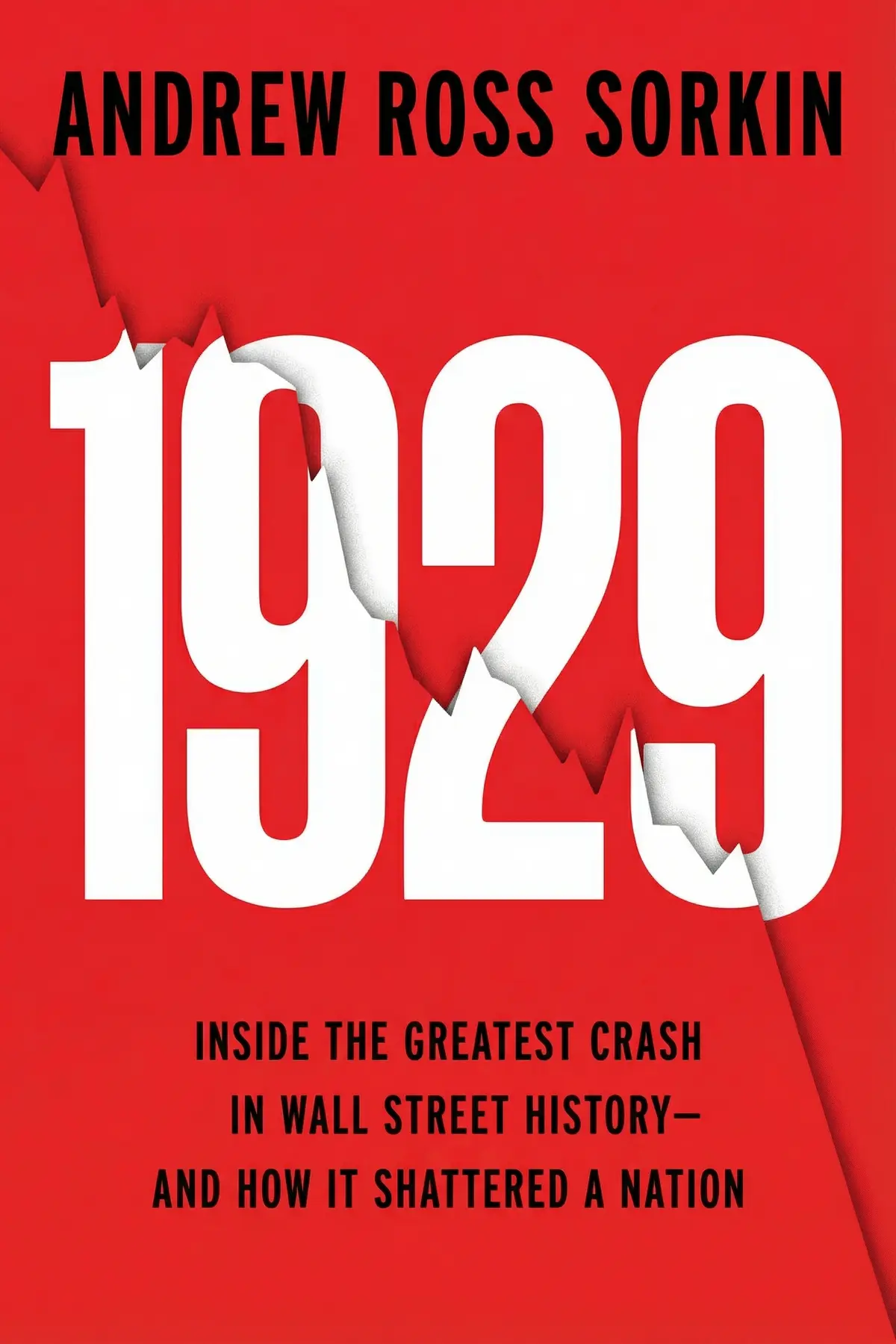
1929: Inside the Greatest Crash in Wall Street History--and How It
Andrew Ross Sorkin
23 Things They Don’t Tell You About Capitalism
Ha-Joon Chang
A Little History of Economics
Niall Kishtainy
A Splendid Exchange: How Trade Shaped the World
William J. Bernstein
AUDIO SUMMARY AVAILABLE
Listen to The Only Game In Town in 15 minutes
Get the key ideas from The Only Game In Town by Mohamed A. El-Erian, plus 5,000+ more titles in English and Thai.
- 5,000+ titles
- Listen as much as you want
- 7-day free trial
- Cancel anytime







