
12 min 28 sec
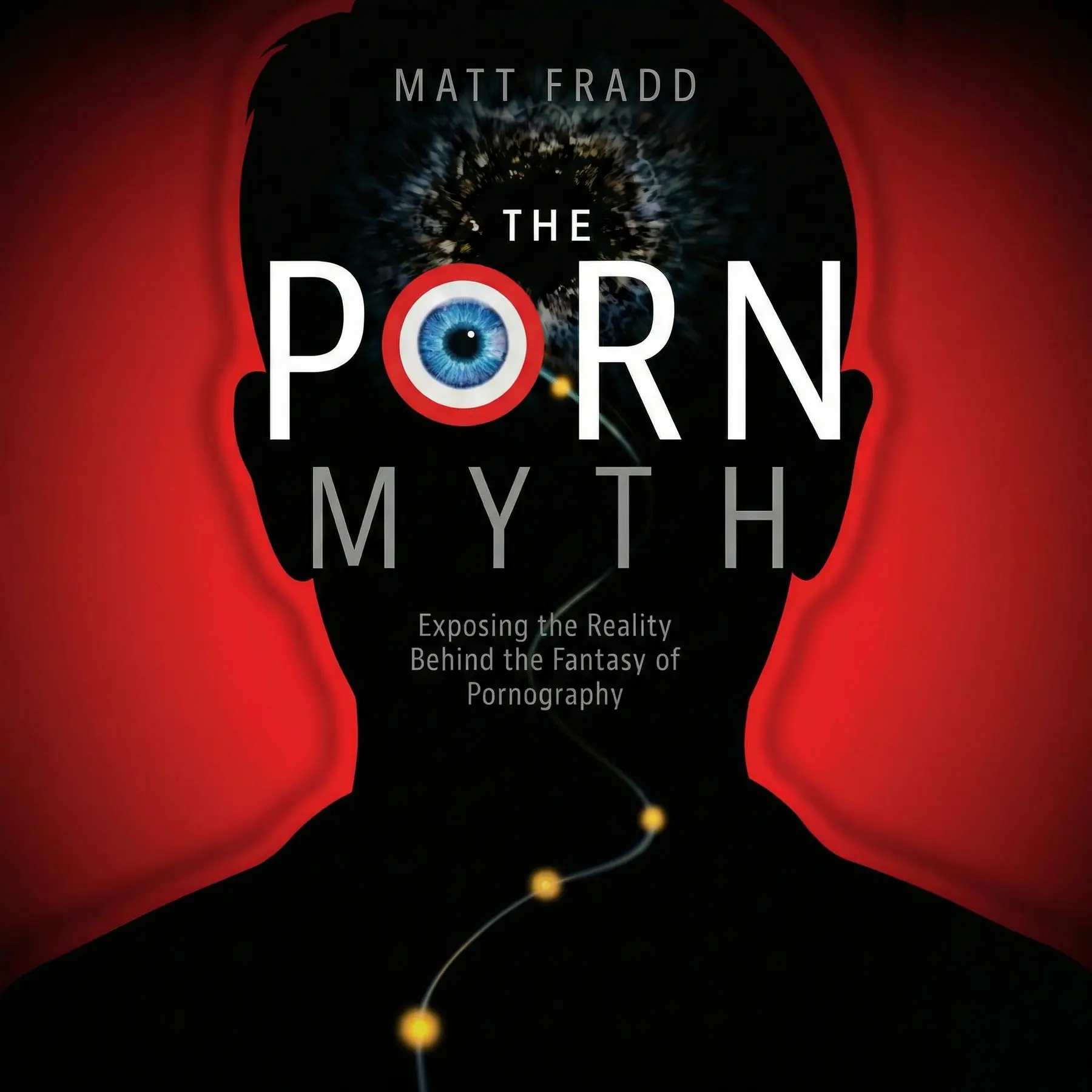
The Porn Myth: Exposing the Reality Behind the Fantasy of Pornography
By Matt Fradd
Examine the psychological and neurological impact of pornography. This guide provides evidence-based insights into how digital consumption affects relationships and the brain, offering practical steps for reclaiming personal freedom and healthy intimacy.
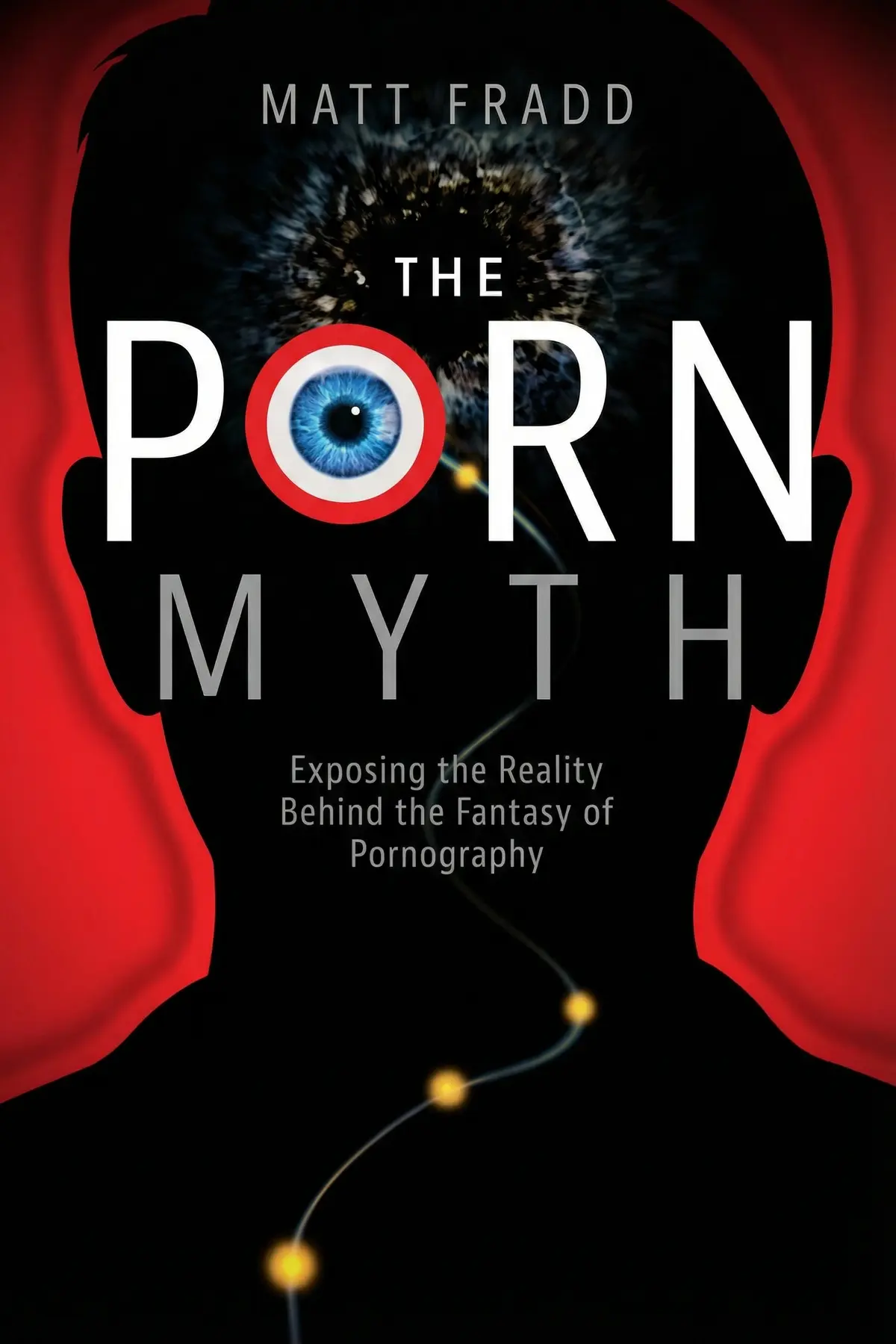
Table of Content
1. Introduction
1 min 34 sec
We live in an era where high-speed digital content is accessible at the swipe of a thumb, and among the most pervasive forms of this content is pornography. For many, it has become a background hum of daily life—something seen as a private, recreational, and ultimately victimless habit. But what if this digital revolution is having a profound, invisible impact on our internal architecture? What if the very tools designed for pleasure are actually rewriting our brains and distancing us from the people we love most?
This exploration isn’t about casting stones or assigning shame. Instead, it’s an invitation to look behind the curtain of the digital fantasy. By drawing on the latest findings in neuroscience and psychology, we can begin to see how constant exposure to hyper-stimulating imagery affects our biology and our social interactions. We will examine the ways in which porn can morph from an occasional diversion into a powerful, life-altering compulsion that hijacks our natural instincts.
Our throughline today is the concept of reclamation. We are looking at how to understand the gravity of this influence so that we can make truly informed choices. For anyone who has felt that their digital habits are taking up too much space in their mind or their relationships, this is a roadmap for unplugging. We will see how the brain functions, why addiction-like patterns emerge, and most importantly, how to navigate the road back to a more authentic and fulfilling version of human sexuality. Let’s begin by looking at how our environment shapes our inner world.
2. The Power of Visual Conditioning
3 min 04 sec
Explore how the principles of modern advertising apply to the consumption of digital imagery and why our brains are susceptible to being subtly rewired by what we watch.
3. The Mechanics of Behavioral Compulsion
3 min 03 sec
Delve into the debate surrounding sex and porn addiction, and discover how the brain’s reward systems can be hijacked by digital stimulation in ways that mirror substance abuse.
4. Strategies for Lasting Freedom
3 min 15 sec
Learn about the ‘Pica’ of the digital age and discover practical, neuroscientific methods to interrupt compulsive cycles and rebuild a healthy perspective on intimacy.
5. Conclusion
1 min 32 sec
In our journey through the landscape of modern media, we’ve seen that what we watch truly matters. Pornography is not a neutral or harmless pastime; it is a powerful force that can reshape our neurological pathways, distort our expectations of intimacy, and even impact our physical well-being. By understanding the mechanics of how our brains are wired for reward and how digital content can hijack that system, we move from being passive consumers to informed individuals who can take back the reins of our lives.
The throughline of our discussion has been reclamation. Reclaiming your focus from the screen, reclaiming your body from dysfunction, and reclaiming your heart for real, human connection. The path to freedom is not about punishing yourself or repressing your natural desires. Instead, it is about healing those desires so they can be directed toward something that actually satisfies. We’ve explored practical strategies like interrupting the activation sequence, engaging the prefrontal cortex, and restructuring your environment to support your goals.
As you move forward, remember that the emptiness promised by digital fantasies is no match for the fulfillment found in authentic relationships and a clear mind. The road to recovery may be long, and it requires daily commitment, but the reward is a life lived with greater integrity, deeper connection, and true freedom. You have the tools, the understanding, and the biological capacity to change. Choose the real over the digital, and begin the journey of living a larger, more colorful life today.
About this book
What is this book about?
The Porn Myth challenges the modern assumption that pornography is a harmless, private pastime. By synthesizing research from neuroscience and psychology, the book explores how regular exposure to graphic sexual media can reshape an individual’s desires, dampen relationship satisfaction, and even lead to physical dysfunction. It moves beyond moral arguments to look at the tangible consequences of high-speed digital content on the human reward system. Listeners will learn about the mechanisms of behavioral addiction, the way the brain’s pleasure centers are hijacked by constant novelty, and the specific sequence of triggers that lead to compulsive use. The book provides a clear path forward for those looking to break the cycle, emphasizing that recovery is not about sexual repression but about restoring the capacity for real, human connection. It offers a hopeful perspective on neuroplasticity, suggesting that with the right tools and environmental changes, the brain can heal and individuals can regain command over their sexuality.
Book Information
About the Author
Matt Fradd
Matt Fradd is an author and the creator of the popular Pints With Aquinas podcast. He has written several books, including Does God Exist?, which explores the philosophical arguments of Thomas Aquinas. Fradd holds degrees in philosophy and was awarded an honorary doctorate from Holy Apostles College & Seminary. He currently resides in Steubenville, Ohio, with his wife and four children.
Ratings & Reviews
Ratings at a glance
What people think
Listeners describe the book as well-documented and accessible, with one listener remarking that it is full of statistics and studies. The text offers deep insight into the pornography issue and how it handles addiction struggles, presented in a clear, conversational manner. Listeners respect the caliber of the writing and find the content credible, with one listener emphasizing the inclusion of testimonies from the legal and medical realms. They also prize the book's humanizing perspective, with one noting its effectiveness in helping to improve relationships.
Top reviews
Daranee
Matt Fradd delivers a punchy, science-backed case against the modern pornography industry that feels more like a wake-up call than a Sunday sermon. I was particularly impressed by how he avoids constant "God-talk" to focus on the neurobiological fallout of high-speed streaming. The data on gray matter shrinkage and the hijacking of the dopamine system is genuinely terrifying, especially for someone who grew up with unrestricted internet access. It’s written in a clear, conversational style that makes dense medical studies digestible for the average person. While the author's personal convictions occasionally peek through, the sheer volume of statistics and legal testimonies provides a solid foundation for his arguments. Frankly, you don’t need to be religious to see the logic here; the evidence of damaged relationships and distorted intimacy speaks for itself. It’s a legit, humanizing approach to a topic that is too often dismissed as a harmless pastime.
Show moreBunyarit
Finally, a resource that doesn't just shame you but actually explains the 'why' behind the struggle with compulsive sexual behaviors. For years, I felt like I was failing a moral test, but this book shifts the perspective from character flaws to neurological hijacking. Fradd uses a conversational tone to explain how porn functions like a drug, creating an endless cycle of anticipation and disappointment. The focus on the "gambler's fallacy" and the dopamine-driven chase for the next novel image was a total lightbulb moment for me. Not gonna lie, some of the advice on software like Covenant Eyes feels a bit extreme for my lifestyle, but the goal is clearly about regaining freedom and self-confidence. This isn't just a parenting book; it’s a manual for anyone looking to repair their gray matter and reclaim their capacity for real-world intimacy. The approach is deeply humanizing and focuses on growth.
Show moreJong
The legal and medical testimonies included in these pages were truly eye-opening and added a layer of credibility I wasn't expecting. Matt Fradd doesn't just give his opinion; he builds a case like a prosecutor, using a massive array of peer-reviewed studies to show how porn creates an environment of disrespect. I appreciated the chapter on how the industry exploits performers, which echoed a lot of the feminist arguments I’ve read elsewhere. The book is well-researched and avoids being overly dense, maintaining an accessible pace throughout. In my experience, most books on this topic are either too "churchy" or too academic, but this hits the sweet spot of being informative without being boring. It’s an excellent start for those who claim porn has no effect on real life. The appendix at the end is a great addition, providing practical resources for those actually struggling with addiction.
Show moreGame
Wow, Fradd really strips away the excuses we’ve all used to justify the porn industry for the last few decades. He doesn't just say "porn is bad" because a book told him so; he shows the actual wreckage in the brain and in the legal system. The statistics on how porn consumption correlates with a higher acceptance of rape myths and violent sexual behavior are haunting. This isn't just a "NoFap" manual; it’s a comprehensive look at how digital commodification ruins our ability to connect with real people. The writing is easy to read and packed with insights that will make you rethink your "mouse clicks." Frankly, it's one of the few books on this topic that feels like it has actual intellectual teeth. Whether you’re a parent, a spouse, or just someone curious about the effects of the internet on the psyche, this is a must-read.
Show moreNora
As a secular reader, I was skeptical about picking up a book by a Catholic apologist, but the "myth" aspect of the title intrigued me enough to give it a shot. The book is remarkably well-researched, pulling from a variety of secular studies on addiction and feminist critiques of the industry. Fradd makes a compelling case that porn isn't just a private choice but a public health crisis that fuels misogyny and unrealistic expectations. To be fair, there are moments where his "man up" rhetoric feels a bit dated and paternalistic, and his focus remains strictly on traditional monogamy. However, the insights into how digital stimulation rewires the brain are too important to ignore. It’s an easy read, packed with testimonies from medical professionals that ground the theory in reality. Even if you don't agree with every moral conclusion, the core argument about the commodification of human beings is hard to refute.
Show moreWin
Ever wonder why people are suddenly so vocal about the harms of a 'harmless' click? This book dives deep into that question, dismantling the idea that pornography is a victimless hobby with surgical precision. The writing quality is top-notch—Fradd has a way of taking complex data from the legal and medical realms and making it feel like a chat over coffee. I found the sections on how porn affects marital satisfaction particularly jarring, especially the statistics about how it changes a person's taste in sex toward more extreme content. It’s not just "moral bitching"; it's a serious look at how we’ve been sold a lie by a billion-dollar industry. My only minor gripe is that it can feel a bit heterocentric at times, but the core message about protecting our children and our own minds is universal. It’s a legitimizing read for anyone who has felt that "ick" factor.
Show morePlernpiriya
Picked this up after a recommendation from a friend who said it changed their relationship dynamic, and I’m glad I did. The book provides great insight into how pornography takes away the innocence of adolescents and ruins the "self-gift" aspect of sex. Fradd writes with a clear, conversational style that avoids being condescending while still being challenging. He highlights how the industry is built on money and sex, not trust or intimacy, which is a message our "pornified" culture desperately needs to hear. The focus on how porn use contributes to anhedonia and a lack of self-confidence was particularly relatable. It’s a legit resource that humanizes the user while condemning the industry, which is a difficult balance to strike. My only real criticism is that it occasionally feels like it’s only addressing men. Overall, it’s a solid 4-star guide for improving your life and relationships.
Show moreRosa
Fradd’s writing style is surprisingly accessible, making complex neurobiology feel like a kitchen-table conversation rather than a college lecture. I’ve read a few books on this topic and this serves as a great companion piece that adds more of a social and feminist dimension. It’s packed with statistics and studies that help define the nature of the "ick" we all feel but can't always explain. Personally, I liked how he tackled the idea that porn is just "erotic art," clearly showing how the industry’s goal of industrialised stimulation is the polar opposite of true art. While the author is an openly devout Catholic, he mostly succeeds in mounting a case based on reason and social justice. Some parts do feel a bit "Ned Flanders" in their over-scrupulousness regarding any minor sexual thought, which might be a turn-off for some. Still, for a well-documented look at the porn epidemic, this is one of the better options out there.
Show moreManop
To be fair, the first half of this book is significantly stronger than the second half. The deep dive into addiction science and the "rewiring" of the adolescent brain is fascinating and well-documented with plenty of stats. However, as the book progressed, it felt a bit unfocused, veering into parenting advice and specific lifestyle changes that might not apply to everyone. I also found the author's occasional insistence on his own religious background unnecessary since he promised a secular argument. Truth is, the middle sections feel a bit like he's trying to write five different books at once: a psychology text, a self-help guide, and a social critique. Despite the scattered structure, the "myth-busting" elements are effective and based on compelling arguments about human dignity. It’s a decent read for the data, even if the delivery gets a little preachy toward the end.
Show moreRohan
This was a massive disappointment for anyone looking for an objective, academic study on the sociological impacts of sexual media. While Fradd claims to offer a non-religious perspective, the entire book is dripping with bias and a very specific, narrow view of what a "healthy" relationship looks like. He consistently alienates anyone who isn't a heterosexual, cisgender person in a traditional marriage, making the tone feel incredibly preachy and exclusionary. The research feels cherry-picked to support his personal ideology, often ignoring studies that don't fit his specific narrative. Look, I agree that the industry has massive flaws, but his "paternalistic" lecturing makes it feel like he’s talking down to the reader. It’s unfocused, jumping from brain science to parenting advice to religious justifications without a clear through-line. If you aren't already part of his specific faith tradition, you'll likely find this more nauseating than enlightening.
Show moreReaders also enjoyed
All About Love: New Visions
bell hooks
Alcoholics Anonymous
Alcoholics Anonymous World Services
A Liberated Mind: How to Pivot Toward What Matters
Steven C. Hayes
AUDIO SUMMARY AVAILABLE
Listen to The Porn Myth in 15 minutes
Get the key ideas from The Porn Myth by Matt Fradd, plus 5,000+ more titles in English and Thai.
- 5,000+ titles
- Listen as much as you want
- 7-day free trial
- Cancel anytime







