
15 min 49 sec
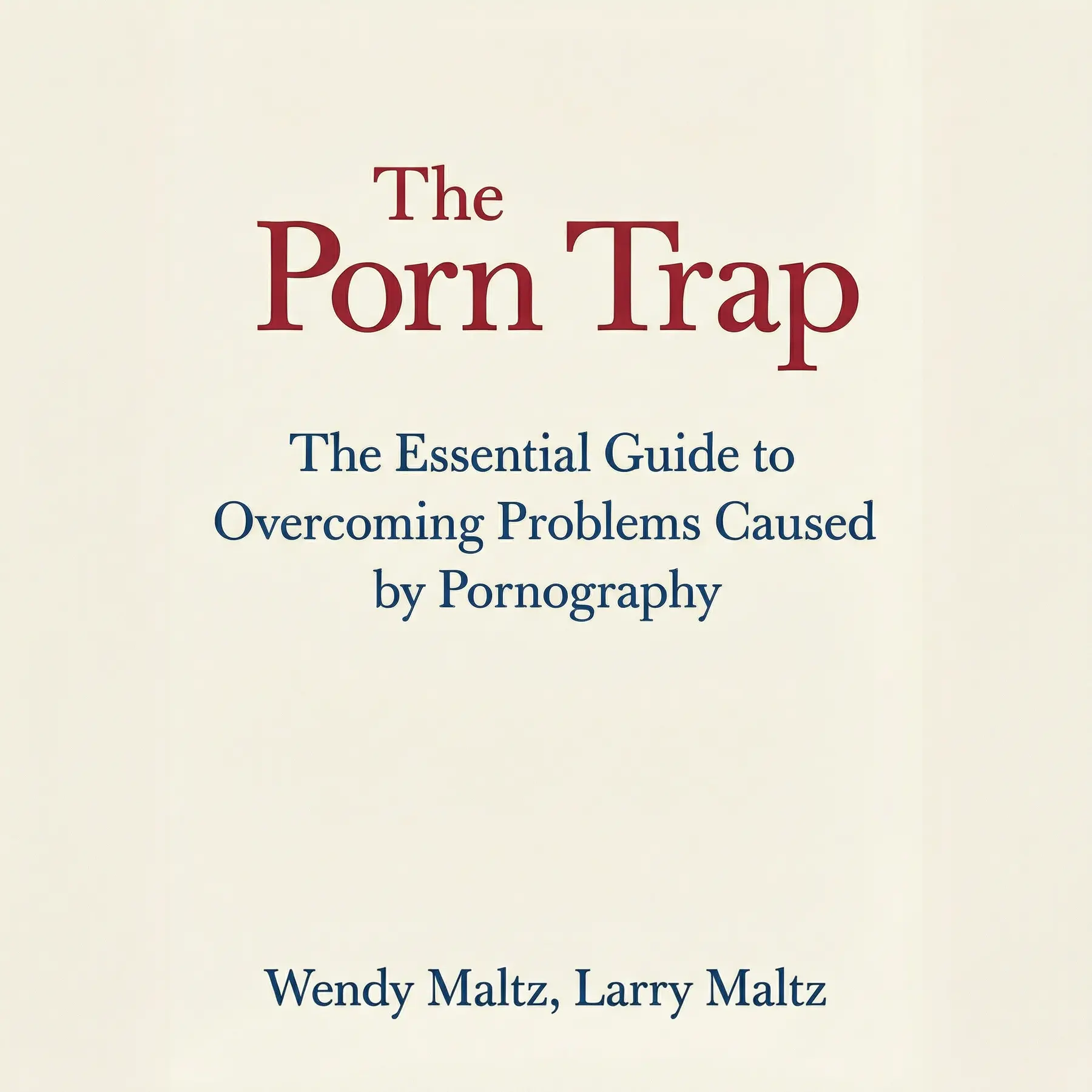
The Porn Trap: The Essential Guide to Overcoming Problems Caused by Pornography
Discover a compassionate and practical guide to understanding the cycle of pornography addiction. This summary explores the neurological hooks of digital media and provides a structured six-step roadmap for reclaiming personal intimacy and control.
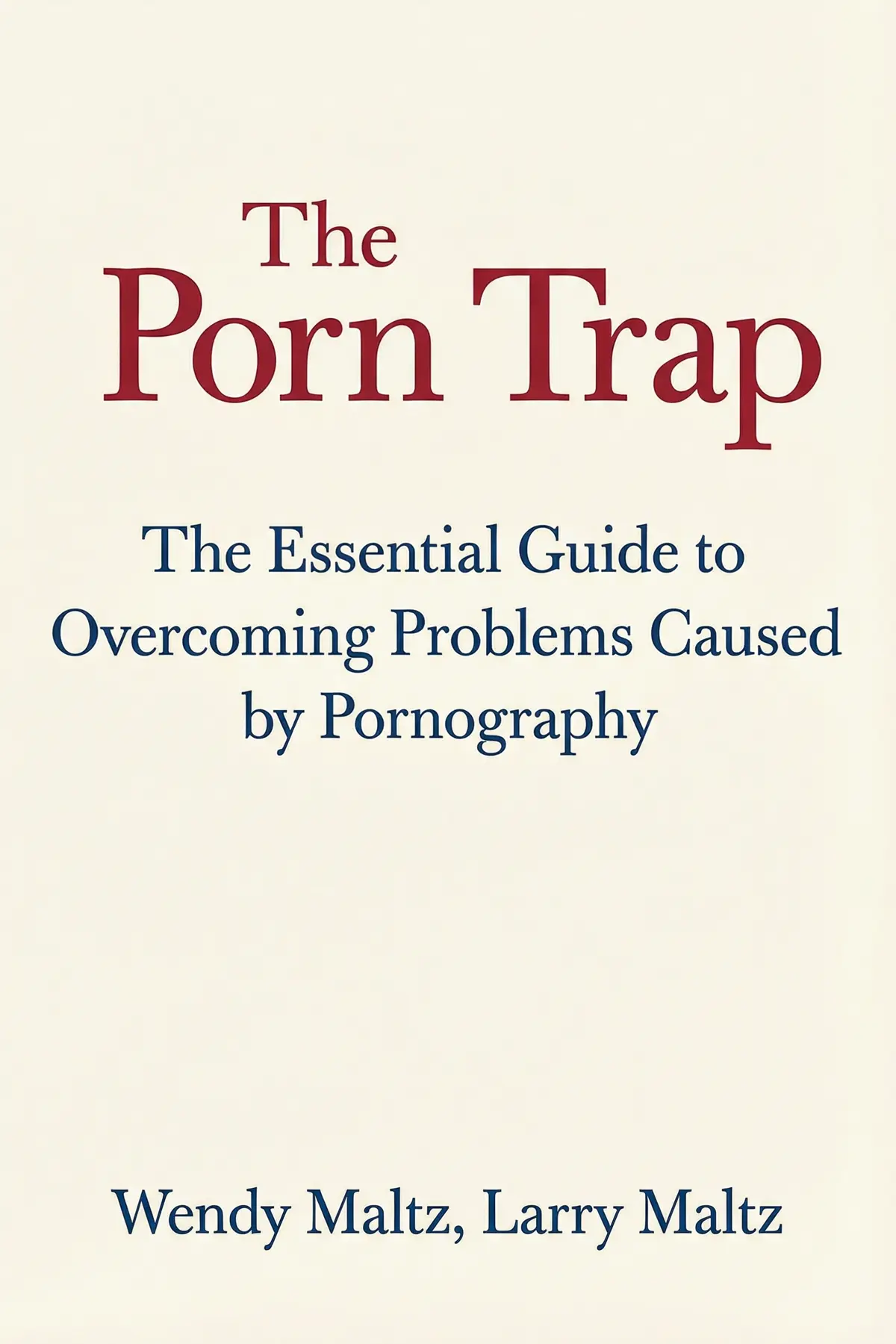
Table of Content
1. Introduction
1 min 58 sec
In the mid-1960s, a United States Supreme Court Justice famously struggled to define obscenity, eventually concluding that while a formal definition escaped him, he simply knew it when he saw it. This historical anecdote highlights a fundamental truth about our relationship with sexually explicit material: it is deeply personal and often subjective. When we talk about the ‘porn trap,’ we aren’t just looking at a specific type of media; we are looking at a specific type of relationship with that media. It is an experience defined not by the images on a screen, but by the internal response they trigger and the compulsive behaviors they can foster.
For many years, the conversation around pornography was limited by social taboos. However, as the digital age dawned, therapists began to see a significant shift. What used to be a niche or hidden activity became instantly accessible in the privacy of our homes. This ease of access transformed the landscape of sexual health, leading many individuals to cross the line from occasional curiosity to a debilitating compulsion. This shift isn’t just about morality or taste; it’s about how the human brain and our social structures react to a constant stream of high-intensity stimulation.
In this exploration of The Porn Trap, we are going to look at the mechanics of this modern struggle. We will examine why pornography can be so uniquely addictive from a neurological perspective and how it begins to cast a shadow over an individual’s career, family life, and mental well-being. More importantly, we will outline a clear, actionable path toward recovery. By understanding the biological hooks and the psychological patterns at play, we can begin to see a way out of the secrecy and shame that often accompany this issue. This is a journey toward reclaiming your time, your focus, and your capacity for real, human connection. We’ll look at real-world accounts and the clinical steps necessary to build a healthier, more authentic sexual identity.
2. The Subjective Nature and Internal Impact of Pornography
2 min 01 sec
Explore why a universal definition of pornography is less important than understanding the specific physiological and psychological reactions it triggers within an individual.
3. The Neurological Hook and Brain Chemistry
1 min 58 sec
Understand how explicit media hijacks the brain’s reward system, creating a chemical dependency similar to those found in substance abuse.
4. The High Cost of Isolation and Secrecy
1 min 51 sec
Examine how a private habit can lead to profound social consequences, eroding relationships and professional integrity through a cycle of deception.
5. Distorted Perceptions and the Pornification of Reality
2 min 02 sec
Discover how habitual use can warp your view of the world, leading to the sexualization of everyday interactions and the desensitization of real-world intimacy.
6. The Six-Step Path to Reclaiming Control
2 min 16 sec
Follow a structured roadmap for recovery that emphasizes honesty, environmental changes, and professional support to break the cycle for good.
7. Sustaining Motivation and Inner Change
1 min 51 sec
Learn why lasting recovery must come from within and how to use self-reflection to maintain your commitment during the difficult phases of growth.
8. Conclusion
1 min 52 sec
Escaping the porn trap is one of the most challenging but rewarding journeys a person can undertake in the modern age. We have explored the way this habit hijacks the brain’s chemistry, creating a cycle of dopamine-driven compulsion that mirrors substance addiction. We’ve seen how it thrives in the shadows of secrecy, slowly isolating individuals from their loved ones and distorting their very perception of reality. Most importantly, we have looked at the practical, six-step framework that provides a way out—from the initial bravery of disclosure to the long-term work of healing one’s physical and emotional health.
What this all boils down to is a choice about the kind of life you want to lead. The digital world offers a constant stream of easy, high-intensity rewards, but those rewards come at a steep price. They cost us our presence, our intimacy, and our self-respect. However, by understanding the mechanics of the trap, you are no longer a passive victim of your biology or your environment. You have the tools to recognize your triggers, rebuild your support systems, and redefine your relationship with sexuality.
As you move forward, remember that recovery is not just about what you are giving up; it is about what you are gaining. You are gaining the ability to be fully present with the people you love. You are gaining hours of time and mental energy to pursue the goals that truly matter. And you are gaining the profound peace of mind that comes from living an honest, transparent life. The path isn’t always easy, and it requires constant vigilance, but the destination—a life of authentic connection and personal freedom—is well worth the effort. You have the power to step out of the trap and into a healthier, more fulfilling future starting today.
About this book
What is this book about?
The Porn Trap offers a deep dive into the modern challenges posed by the accessibility and addictive potential of pornography. It moves beyond moral judgments to examine the physiological and psychological reasons why individuals find themselves trapped in compulsive behaviors. By exploring how explicit media alters brain chemistry and distorts real-world perceptions, the book provides a clear-eyed view of a problem that many struggle with in silence. More than just an analysis, the book serves as a hopeful manual for recovery. It outlines the specific ways that chronic use can erode relationships, career goals, and self-esteem, while providing a tested six-step framework for breaking the cycle. Through illustrative stories and clinical insights, the authors demonstrate how anyone can transition from a life of secrecy to one of healthy, authentic sexual expression and connection.
Book Information
About the Author
Wendy Maltz
Wendy and Larry Maltz are internationally recognized therapists and a married couple who specialize in helping people foster healthy sexual relationships. Wendy is a renowned educator and the author of several books, including The Sexual Healing Journey. Larry serves as the executive director of the Maltz Counseling Association. Together, they advocate for the belief that everyone has a right to achieve a fulfilling and healthy sexual life.
Ratings & Reviews
Ratings at a glance
What people think
Listeners find this book educational and clearly composed, providing useful perspectives on pornography addiction and actionable methods for recovery. They value its readability and view it as a necessary resource, with one listener mentioning it should be mandatory for parents. Feedback on the prose and subject matter is varied, and some listeners find the material triggering.
Top reviews
Ubolrat
Parents really need to wake up to what's happening online, and this book serves as the perfect alarm clock. The statistics regarding the average age of first exposure are absolutely terrifying and highlight why this isn't just an "adult" problem anymore. Wendy and Larry Maltz write with a sense of urgency that is balanced by professional compassion and deep clinical insight. They don't just lecture; they provide actionable steps for families to discuss these difficult topics without shame or judgment. I found the section on how porn creates a "gap" between fantasy and reality particularly enlightening for understanding modern relationships. Not gonna lie, this should be required reading for anyone raising kids in the digital age.
Show moreLek
This book saved my marriage by helping me understand that my partner's struggle wasn't a personal attack on my beauty or worth. For years, I felt like I was competing with a screen, but the Maltzes explained the neurobiology in a way that finally made sense to me. The healing section is gold, offering specific techniques for couples to rebuild trust and rediscover real-world intimacy without the interference of digital ghosts. It’s not an easy journey, and the authors are very honest about the reality of relapses and the hard work required for long-term change. Truth is, we needed a professional perspective that didn't judge, and this book delivered exactly that. It's a lifesaver for the partners of addicts as much as the users themselves.
Show moreKatya
Picked this up on a recommendation and was blown away by how it breaks down complex sexual behaviors into manageable concepts. The authors avoid the typical "shame" approach, instead focusing on how we can reclaim a healthy, connected sexual life. I found the concept of the "porn trap" to be a perfect metaphor for how easily someone can slide from curiosity into a full-blown compulsion. The writing is clear, professional, and compassionate, making it very readable despite the heavy subject matter. Personally, some of the recovery steps were challenging, but they feel grounded in actual clinical practice rather than just wishful thinking. This is easily the best book I've found on the subject so far.
Show moreSiriphen
Wow, I didn't realize how much of our modern dating culture is shaped by the "trap" described here. This book offers a deep dive into how constant exposure to artificial intimacy makes it harder to form real-world connections. The authors explain that we are essentially training our brains to prefer pixels over people, which has massive consequences for how we view our partners. I appreciated the specific strategies for overcoming the "deadness" many people feel after years of usage. It’s a brave book that tackles a taboo subject with grace and scientific curiosity. Whether you think you have a "problem" or not, it’s worth reading just to understand the environment we are all living in now.
Show moreViolet
After hearing a podcast about brain chemistry, I felt compelled to dive deeper into the science behind our digital habits. The authors do a fantastic job explaining the neurobiological "hook" that keeps people coming back to high-speed imagery even when they want to stop. It isn't just a moral failing; it’s a physical rewiring of the pleasure centers that requires a dedicated plan to fix. To be fair, some of the case studies felt repetitive after a while, but the overall message about escalation is chillingly accurate. I appreciated how it didn't just point out the problem but offered a two-part solution for both realization and active healing. It’s a necessary read for anyone trying to reclaim their focus and intimacy in a world that is increasingly sexualized.
Show moreBank
The Maltz duo provides a surprisingly clear roadmap for anyone feeling stuck in a digital cycle they can't quite break. In my experience, most books on this topic are either too religious or too scientific, but this one finds a middle ground that feels accessible. They focus heavily on the idea of "unlearning" the distorted views of sex that the internet forces upon us. I specifically liked the distinction between being "sex-positive" and recognizing that porn is often the worst version of what sex can be. One minor gripe is that the layout is a bit dated, and the 2008 context misses some of the newer social media nuances. Still, the core principles of recovery and managing withdrawal remain incredibly relevant today.
Show moreSawit
Finally, a resource that treats this issue like the physiological dependency it actually is. I was impressed by the detailed breakdown of how neuropathways are formed and why "just stopping" isn't as easy as it sounds for many. The authors pull no punches when discussing how porn usage leads to the sexualization of every person you see in real life. My only real complaint is that some of the sections felt a bit repetitive, especially when they kept hammering the same points through multiple long stories. You could probably skim the first 100 pages and get the gist, but the second half is where the real value lies. It’s a solid, well-organized guide for anyone looking to understand the mechanics of desire and habit.
Show moreMethinee
Ever wonder why some people get so "hooked" while others can walk away without a second thought? This book attempts to answer that, though I remain somewhat skeptical about the "physical addiction" label for a behavioral habit. The authors argue that it's a physiological dependency similar to drugs, which is a bold claim that isn't always backed by the most current peer-reviewed data. Look, the book is informative and definitely highlights the strain these habits put on romantic partnerships and intimacy. But the tone can be quite preachy, and the constant "slippery slope" warnings feel a bit dramatic for the average reader. It’s a decent resource if you already believe you have a problem, but it might not convince the skeptics.
Show morePichaya
While the advice in the second half is solid, getting through the first half was a bit of a slog for me personally. There are so many anecdotes from "Rob" and "Brian" and other users that I started to lose track of the actual points being made. It feels like the authors are trying to shock the reader into change, which might work for some but felt a bit heavy-handed to me. To be fair, the information on how the internet has changed the "accessibility" of this content is spot on and very concerning. It’s a well-written book with a lot of heart, but it could have been about fifty pages shorter without losing much impact. Good for those who need a lot of examples to relate to.
Show moreMats
I wanted to like this, but the sheer volume of graphic anecdotes felt unnecessary and frankly triggering at times. While the authors are clearly experts, the book spends more than half its length recounting stories of people’s "slippery slopes" into more hardcore material. I'm not convinced that every casual user is on a path to dangerous behavior as the authors seem to suggest, which felt a bit like old-school scare tactics. The writing is occasionally dry and clinical, making it a difficult read for someone looking for inspiration rather than a textbook. If you can get past the repetitive stories, there are some decent recovery techniques in the second half. However, it felt more like an outdated 12-step manual than a modern psychological study.
Show moreReaders also enjoyed
AUDIO SUMMARY AVAILABLE
Listen to The Porn Trap in 15 minutes
Get the key ideas from The Porn Trap by Wendy Maltz, plus 5,000+ more titles in English and Thai.
- 5,000+ titles
- Listen as much as you want
- 7-day free trial
- Cancel anytime







