
18 min 14 sec
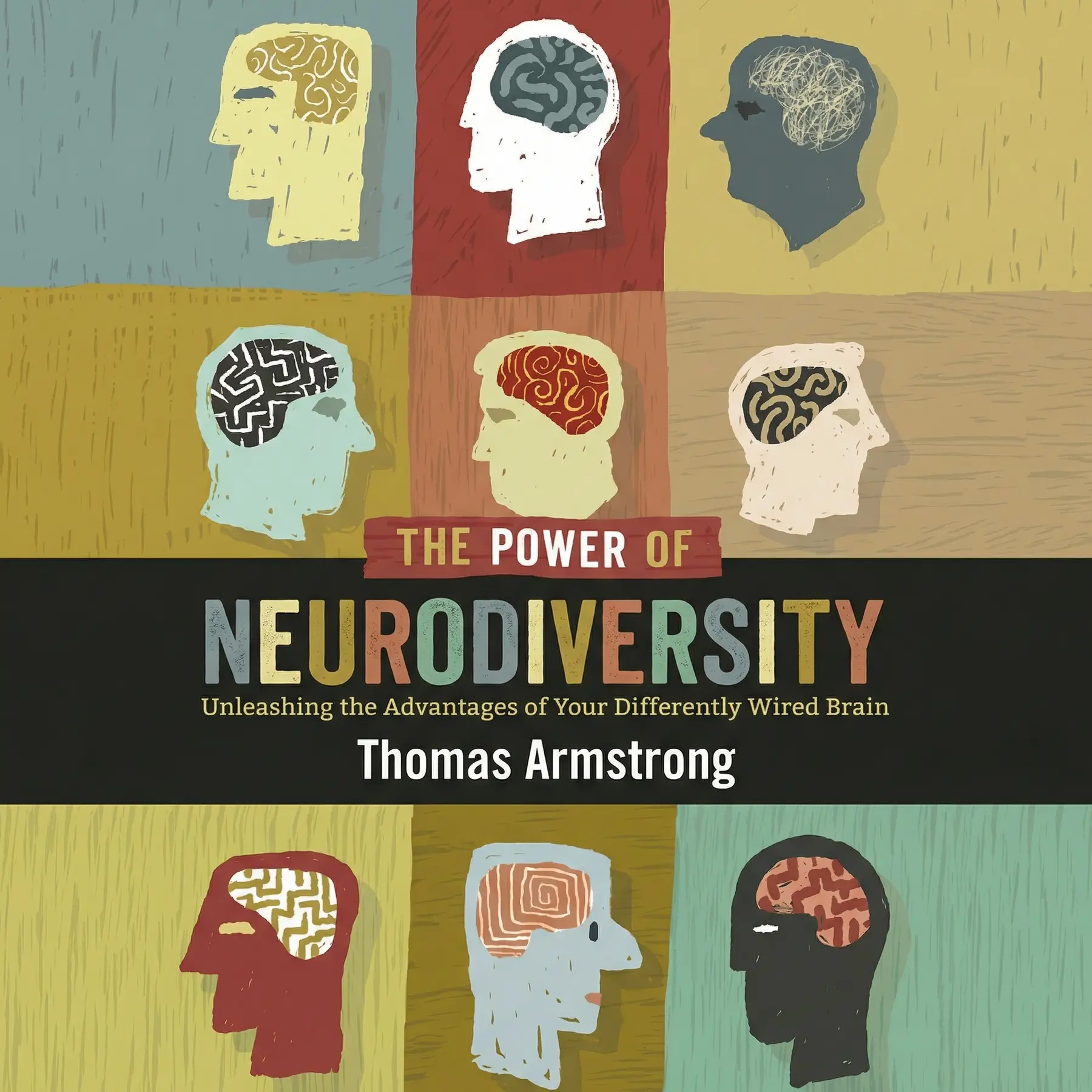
The Power of Neurodiversity: Unleashing the Advantages of Your Differently Wired Brain
Explore a revolutionary perspective that views neurological differences like ADHD and autism not as disorders to be cured, but as valuable human variations with unique strengths that can enrich our entire society.
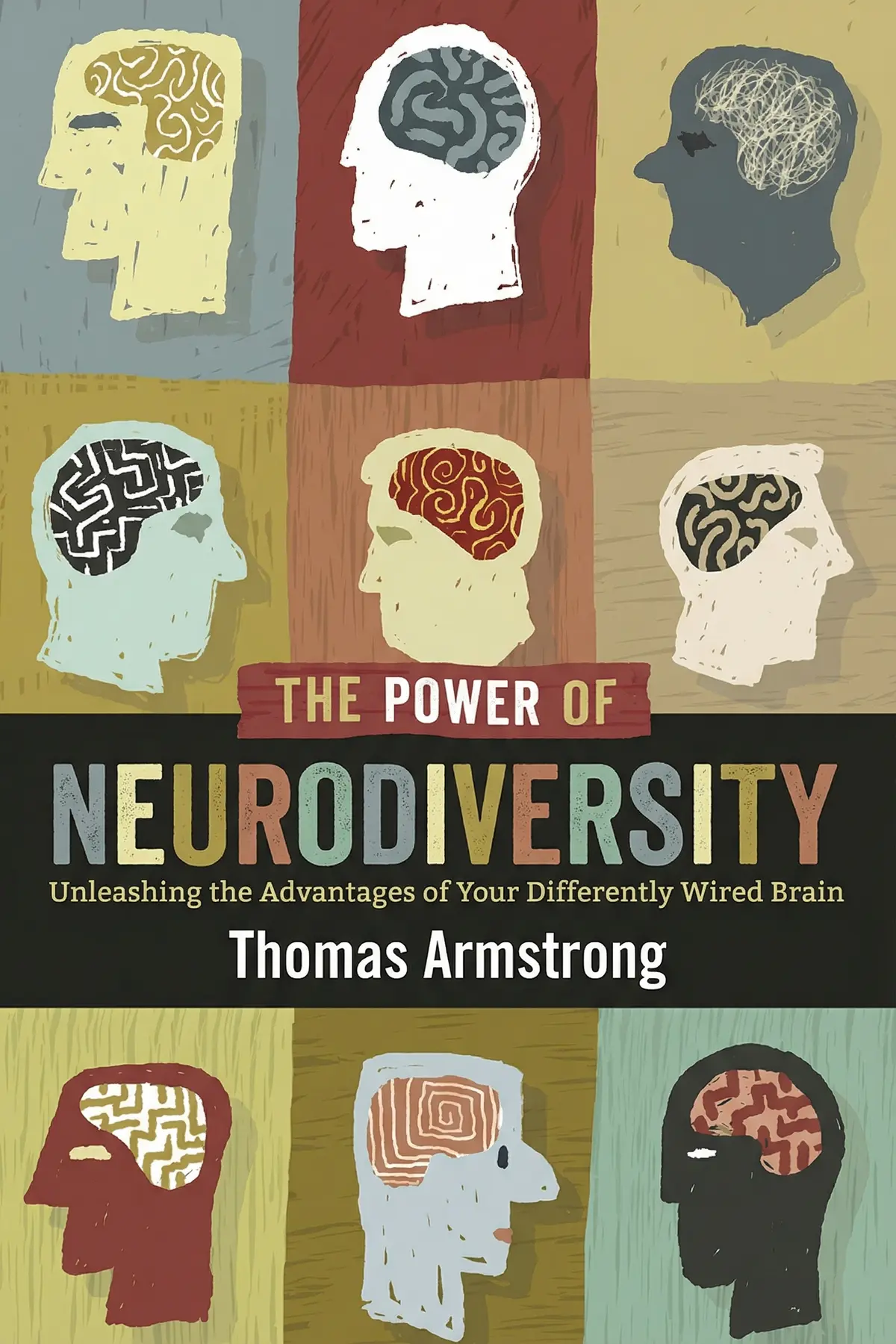
Table of Content
1. Introduction
1 min 49 sec
Imagine, for a moment, a hidden laboratory where scientists have pinpointed the exact definition of a perfectly average human being. This individual possesses a medium height, a standard IQ, and an entirely predictable range of emotional responses. Every medical textbook and school curriculum is designed specifically for this one prototype. But as we look around the real world, we see that this ‘average’ person is a myth—a statistical ghost that doesn’t actually exist. Humanity is defined by its vast, messy, and beautiful variety. We celebrate diversity in culture, appearance, and talent, yet when it comes to the most complex organ in the known universe—the human brain—we suddenly become obsessed with a narrow standard of normalcy.
This is where the concept of neurodiversity enters the conversation. Coined by activists like Judy Singer, the term suggests that we should view neurological differences not as broken pieces of a machine, but as essential variations in the human experience. If we wouldn’t call a rose ‘wrong’ for not being a sunflower, why do we call a brain ‘disordered’ simply because it processes information differently?
In this exploration of Thomas Armstrong’s work, we are going to dive deep into why we need to move past the medical model of diagnosis and toward a model of empowerment. We will look at how society’s current structures often create the very ‘disabilities’ they try to treat, and how we can instead build ‘niches’ that allow every type of mind to thrive. From the classroom to the boardroom, shifting our perspective on neurodiversity isn’t just about being kind; it’s about unlocking a massive reservoir of human potential that has been sidelined for far too long. By the end of this journey, you’ll see that being ‘differently wired’ isn’t a deficit to be overcome—it’s a powerful way of being that the world desperately needs.
2. Redefining Competence and the Spectrum of Ability
2 min 39 sec
What if the very traits we label as disabilities are actually specialized skills that society hasn’t learned to value yet? Explore how context defines what we consider a gift or a deficit.
3. The Transformative Power of a Strength-Based Lens
2 min 21 sec
Discover how a simple shift from focusing on what’s ‘wrong’ to what’s ‘right’ can change the trajectory of a child’s life and the perspective of everyone around them.
4. Cultural Context and the Relativity of 'Disorders'
2 min 35 sec
Is a disorder always a disorder, or is it just a mismatch with our modern culture? See how different societies throughout history have viewed neurological variation.
5. Niche Construction: Finding Your Place in the Ecosystem
2 min 27 sec
Nature doesn’t try to change the animal; it finds the right habitat. Learn how individuals with Down syndrome and autism have built successful lives by finding their unique niches.
6. Positive Adaptation and the Role of Technology
2 min 23 sec
Being neurodivergent in a standard world is hard, but we have more tools than ever to bridge the gap. Explore how to use adaptation as a bridge to empowerment.
7. Designing a Future for Every Mind
2 min 34 sec
What would the world look like if it were built for everyone? From flexible classrooms to inclusive workplaces, see how neurodiversity is the key to the next step in human evolution.
8. Conclusion
1 min 26 sec
As we reach the end of this journey into the world of neurodiversity, the most important takeaway is that our brains were never meant to be identical. Just as a healthy forest depends on the presence of countless different species, human society depends on the presence of countless different minds. When we pathologize those who think differently, we aren’t just hurting individuals; we are depriving our culture of the very creativity and problem-solving skills we need to tackle our biggest challenges.
Thomas Armstrong’s work reminds us that the power of neurodiversity lies in our ability to look past the diagnostic labels and see the human being underneath. It calls on us to become ‘niche builders’—architects of environments where everyone, regardless of their neurological makeup, can contribute their unique gifts. Whether you are neurodivergent yourself or an ally to those who are, the path forward is clear: start with strengths, value variety, and never stop looking for the brilliance that resides in every brain.
In a world that often demands conformity, choosing to embrace neurodiversity is a radical act of acceptance. It is a commitment to a future where we no longer try to fix people, but instead fix the environments that hold them back. Because in the end, a mind that is differently wired is not a mind that is broken. It is a mind that is ready to offer the world something it has never seen before. Let’s make sure we’re ready to receive it.
About this book
What is this book about?
The Power of Neurodiversity challenges the traditional medical model that labels neurological differences as deficits or disabilities. Instead, it introduces a paradigm shift where conditions such as autism, ADHD, dyslexia, and mood disorders are seen as natural variations in the human genome—much like biodiversity is essential to a healthy ecosystem. This summary explores how society’s narrow definition of normalcy often overlooks the profound gifts these individuals possess, from exceptional spatial reasoning and creative problem-solving to deep emotional intelligence. By moving away from a diagnosis-first approach, the book offers a roadmap for finding and creating "niches" where differently wired brains can flourish. It provides practical strategies for parents, educators, and employers to foster environments that celebrate cognitive variability. You will learn how the right context can transform a supposed disability into a competitive advantage and how a more inclusive future benefits everyone, regardless of where they fall on the neurological spectrum. The promise is a more compassionate and effective world that stops trying to fix people and starts valuing their inherent brilliance.
Book Information
About the Author
Thomas Armstrong
Thomas Armstrong is a dedicated psychologist and educator who has spent his career advocating for the recognition of cognitive variability and neurodiversity. He has authored several influential books, including Neurodiversity in the Classroom, The Myth of the ADHD Child, and The Human Odyssey. Armstrong is a leading voice in the movement to rethink learning differences, focusing his research and writing on creating positive, strength-based change within families, educational institutions, and the broader social fabric.
Ratings & Reviews
Ratings at a glance
What people think
Listeners find this book deeply insightful, with one listener describing how it aids in understanding the diverse perspectives of those with neurodiversity. Beyond that, the material is accessible to everyone, especially parents and teachers, and shares a vital message regarding the neurodiversity movement. They view the text as fascinating, and one listener highlights how it inspires readers to focus on the particular strengths of people with neurological differences.
Top reviews
Wit
Ever wonder why we are so obsessed with 'fixing' people instead of understanding how their minds actually work? This book completely changed how I look at my own ADHD and my daughter's dyslexia. Armstrong explains how traits we now call 'disabilities' might have been major advantages for our ancestors, which makes so much sense when you think about 'roaming' versus 'homing' attention. The research feels thorough, yet the text remains incredibly readable for a general audience. I was fascinated by the discussion on visual-spatial strengths in dyslexic individuals; it explains so much about how my daughter interacts with the world. It’s a rare book that manages to be both scientifically interesting and deeply emotional. Frankly, it should be required reading for anyone in the medical or educational fields. It’s about time we stopped looking at neurodiversity as a list of problems to be solved and started seeing the inherent value in different ways of being.
Show moreBua
Wow, this was exactly the perspective shift I needed. After years of feeling like my brain was just a collection of symptoms, reading about the 'gifts' associated with different neurological types was life-changing. Armstrong doesn't just offer empty platitudes; he backs up his ideas with fascinating insights into how different cultures value different traits. I loved learning about 'neoteny' and how retaining childlike qualities like curiosity and playfulness is actually a sign of higher evolution. This book is a must-read for anyone who feels like they don't fit into the traditional 9-to-5 mold. It encourages you to stop trying to change yourself and start changing your environment. The way he describes 'niche construction' through career choices and assistive tech is practical and empowering. I've already recommended it to three friends. Truly an excellent and important work for our times!
Show morePor
After hearing so many negative things about my son's 'deficits' at school, finding this book felt like finding a map in the dark. Armstrong explains how we can help kids by focusing on their strengths rather than just remediating their weaknesses. The research on multiple intelligences is integrated perfectly here, making it clear that a low score on a standard IQ test doesn't mean a person lacks value or capability. I was especially moved by the author's own experiences in special education. He clearly cares deeply about these children and wants to see them succeed on their own terms. The book is fascinating, easy to digest, and provides a much-needed counter-narrative to the medicalization of childhood. If you are a parent of a neurodivergent child, please read this. It will help you see your child's potential in a whole new light. It’s been a game-changer for our family meetings.
Show moreSuthinee
As an educator who spends my days navigating the complexities of the modern school system, I found this book to be a breath of fresh air. Armstrong’s concept of 'niche construction' is a powerful tool for anyone working with students who don't fit the standard mold. Instead of forcing a square peg into a round hole, he suggests we modify the environment to suit the unique brain. I particularly loved the section on how he used to highlight positive traits in a student's file before IEP meetings to shift the narrative from deficit to strength. To be fair, some of the career suggestions felt a bit dated, and I'm not entirely convinced that every neurological condition is a 'gift' in the traditional sense. However, the overall message of viewing the brain as an ecosystem rather than a machine is something every parent and teacher needs to hear. It’s an easy, insightful read that encourages a much-needed perspective shift.
Show moreSupaporn
Finally got around to reading this, and I love the idea of the brain as an ecosystem rather than a machine. It’s a much more organic way to think about human variation. The chapters on depression and anxiety were particularly eye-opening for me, as they reframed these struggles as alternate ways of processing the world rather than just 'broken' chemistry. Armstrong’s writing is super readable and accessible, which is great for parents who are already overwhelmed with jargon-heavy medical reports. I did feel that his 'inclusive classroom' idea was a bit utopian, though. As someone who has worked in schools, the idea of teaching students with severe intellectual disabilities, gifted students, and non-verbal students all in one room sounds like a recipe for burnout without massive funding. Still, the core message about positive niche construction is incredibly valuable. It’s an important book that challenges the deficit-based medical model that dominates our society.
Show moreFatou
This book does a fantastic job of reframing what we usually call 'disabilities' into 'differences,' though it’s not without its flaws. Armstrong’s focus on the strengths of ADHD and dyslexia is particularly strong. He moves away from the 'broken brain' narrative and toward a model of human competence that is defined by the values of our culture. I found the section on 'niche construction' to be the most useful part of the book—it’s about finding the right environment where your specific brain can thrive. However, I agree with other reviewers that his take on 'male' and 'female' brains feels a bit stereotypical and ignores societal conditioning. Despite that, the book is incredibly important for its attempt to de-stigmatize mental health. It’s a very readable guide that offers a lot of hope to those who have been marginalized by the DSM. It’s a solid 4 stars for the message alone.
Show moreDream
Looking at human competence through a cultural lens changes everything about how we view 'disorders.' This book argues that what we consider a disability today might have been a survival skill in a different time or place, which is a powerful way to reclaim one's identity. Armstrong covers a wide range of conditions—from autism to anxiety—and manages to find the 'hidden' strengths in each. I appreciated the practical advice on modifying your workspace and using assistive technology to create a personal niche. My only gripe is that he occasionally makes broad generalizations that feel a bit like 'toxic positivity.' Not every struggle is a secret superpower, and sometimes a disability is just difficult. Still, the shift away from the medical model is vital. This book is a great starting point for anyone looking to understand the neurodiversity movement and how it applies to real life. It’s highly readable and very thought-provoking.
Show moreMoon
The central premise—that we should value every brain’s unique structure—is hard to argue with, yet the execution feels significantly dated in parts. Armstrong talks a lot about 'Asperger’s' without ever acknowledging the problematic history of Hans Asperger as a Nazi doctor or the fact that it's no longer a formal diagnosis. This lack of updated research makes the book feel a bit out of touch with the actual autistic community. Some of the job recommendations were also pretty bizarre; suggesting that someone with ADHD should become a UPS driver because it's 'active' seems to ignore how tedious and detail-oriented that job actually is! To be fair, the discussion on Howard Gardner’s multiple intelligences was excellent and helped me understand my own strengths better. It’s a decent introductory text, but it definitely needs a more modern, inclusive lens that accounts for the lived experiences of neurodivergent people today.
Show moreArjun
While I applaud Armstrong's desire for radical inclusivity, his vision for the future of education feels more like a utopian dream than a practical reality. He advocates for 'mainstreaming' every single child into one classroom, but he ignores the success of specialized communities, like those for the Deaf. Sometimes, being surrounded by people who share your 'language'—whether literal or neurological—is more empowering than being forced into a 'normal' environment that will never truly accommodate you. The book is definitely insightful and provides a great overview of conditions like OCD and schizophrenia from a non-pathological lens, but it lacks nuance in the implementation. Some of his 'gifts' felt a bit like he was reaching to find a silver lining where none might exist for the person suffering. It’s a nice sentiment, but the world is more complicated than this book suggests. Worth a read for the theory, but take the practical advice with a grain of salt.
Show moreTan
Frankly, I found the scientific foundation here to be incredibly shaky, which ruined what could have been a great book. While the author's heart is clearly in the right place, his heavy reliance on evolutionary psychology feels like a lot of guesswork. You can’t just invent a story about why a trait was useful in the Stone Age and call it 'science' without any real evidence. Even more concerning is the uncritical use of fMRI studies. If you know anything about the 'dead fish' experiment, you know that brain scans can be notoriously unreliable and often show 'activity' that isn't really there. The author resorts to sweeping generalizations and tired stereotypes to make his points, which feels counterproductive to his goal of inclusivity. I want to support the neurodiversity movement, but we need better arguments than these. It’s a well-meaning attempt that unfortunately misses the mark due to poor analytical thinking. I wouldn't recommend this if you're looking for rigorous data.
Show moreReaders also enjoyed
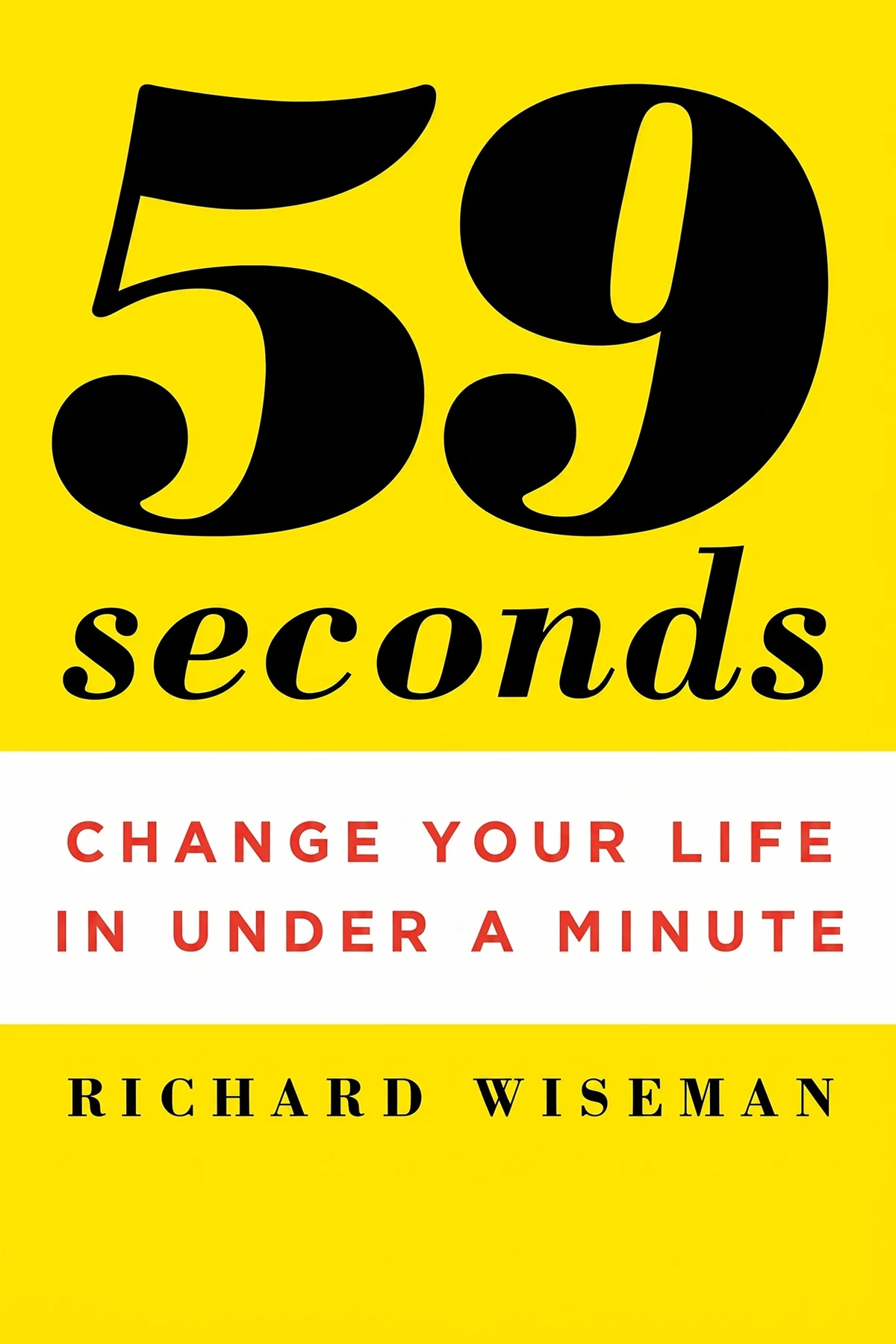
59 Seconds: Change Your Life in Under a Minute
Richard Wiseman

ADHD an A-Z: Figuring It Out Step by Step
Leanne Maskell
AUDIO SUMMARY AVAILABLE
Listen to The Power of Neurodiversity in 15 minutes
Get the key ideas from The Power of Neurodiversity by Thomas Armstrong, plus 5,000+ more titles in English and Thai.
- 5,000+ titles
- Listen as much as you want
- 7-day free trial
- Cancel anytime







