
13 min 38 sec
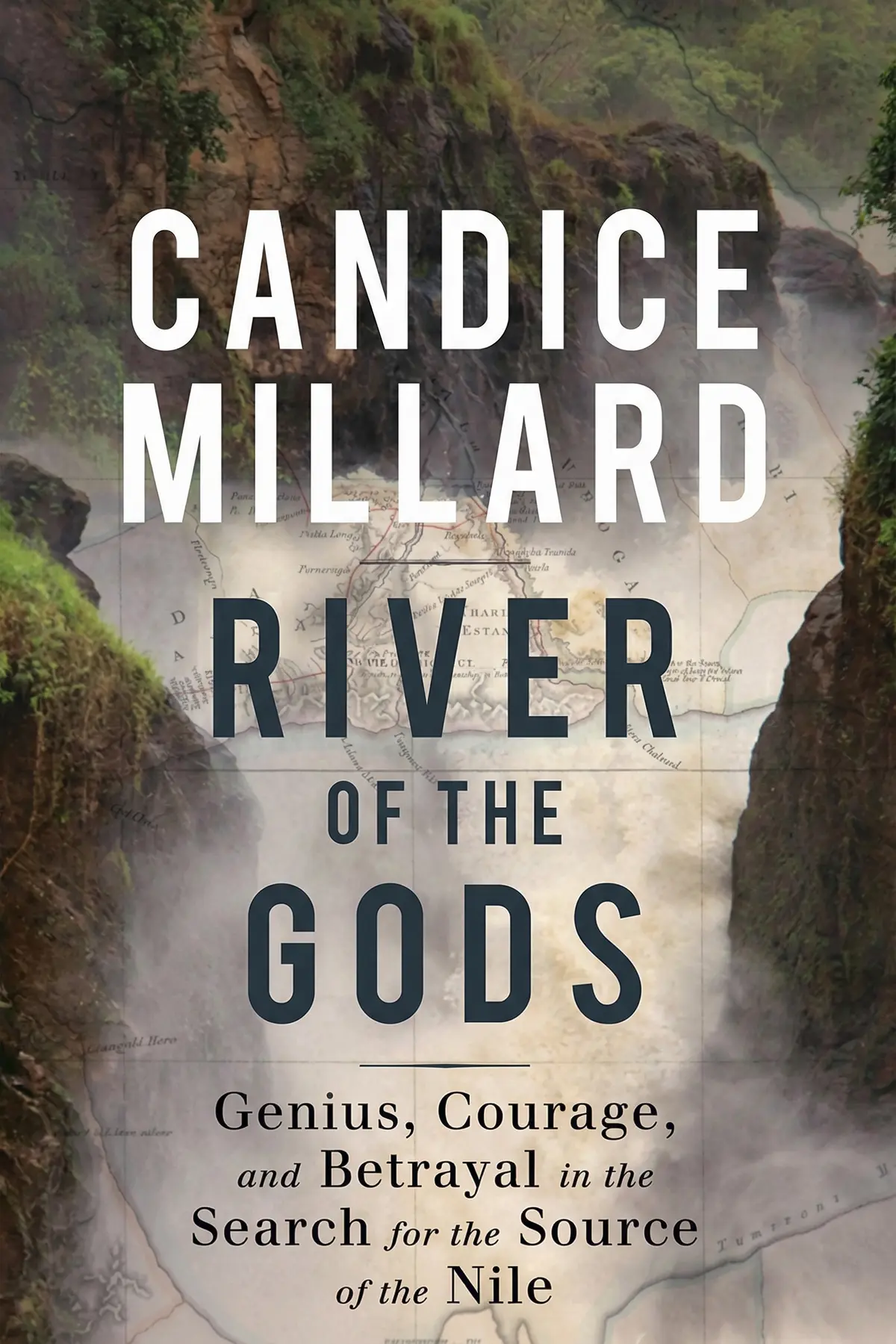
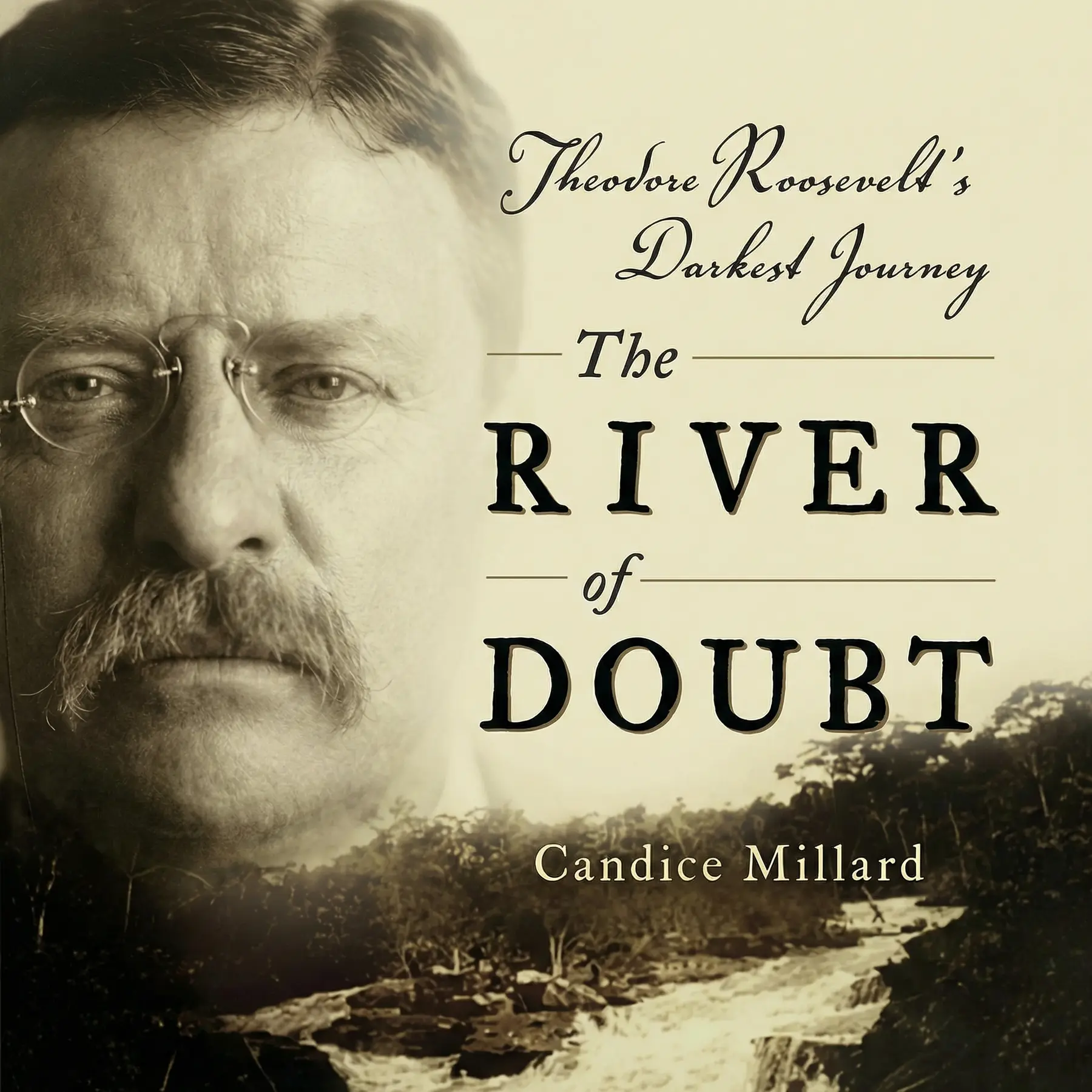
The River of Doubt: Theodore Roosevelt's Darkest Journey
Follow Theodore Roosevelt’s harrowing 1913 expedition into the unmapped Amazon rainforest. This summary explores the physical and mental trials of the River of Doubt, where leadership, survival, and family bonds were tested to their limits.
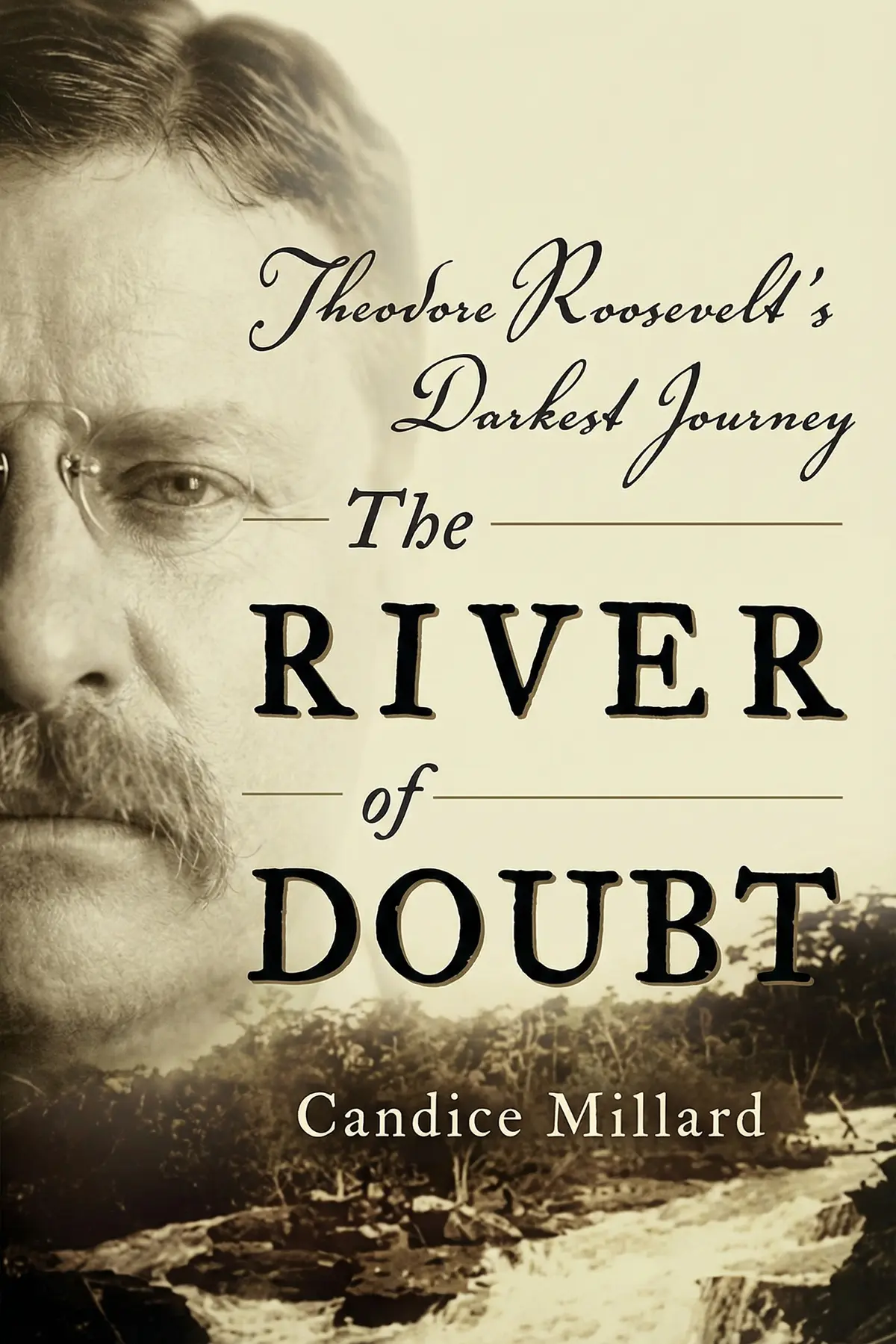
Table of Content
1. Introduction
1 min 34 sec
The Amazon rainforest is a place of myths, a vast green labyrinth that has swallowed explorers for centuries. For most, it is a destination to be feared, but for Theodore Roosevelt in 1913, it was a sanctuary—or so he hoped. We often remember Roosevelt as the robust, mountain-carving figure of American history, the man of the ‘strenuous life.’ But when he turned his gaze toward South America, he was a man in search of a new identity. He had just suffered a crushing political defeat, a blow that didn’t just end a campaign, but seemed to threaten his very sense of purpose. He needed something to conquer, something that would demand every ounce of his legendary vitality.
This is the starting point for a journey that would become known as one of the most dangerous explorations in history. Roosevelt wasn’t just taking a vacation; he was attempting to map the River of Doubt, a waterway so mysterious that many doubted it even existed. Along the way, he would be joined by his son Kermit and a team of experts, each bringing their own philosophies and flaws into the humid, unforgiving depths of the jungle.
As we walk through this account, notice the throughline of human resilience. This isn’t just a story about trees and water; it’s a story about the boundaries of the human spirit. It asks what happens to a leader when he is stripped of his power, his health, and his supplies, and left with nothing but his will to survive. Over the next several chapters, we will witness a struggle against nature, against internal discord, and against the shadows of mortality that followed the expedition every mile down the river. Let’s step into the wild and see what Roosevelt found in the dark heart of the Amazon.
2. The Catalyst of Defeat
1 min 57 sec
Discover how a stinging political loss drove a former president to seek solace in one of the world’s most dangerous environments.
3. A Clashing of Philosophies
2 min 08 sec
Examine the ideological friction between a former world leader and a Brazilian humanitarian amidst a failing logistical setup.
4. The Brutality of the Amazonian Wild
2 min 06 sec
Step into the ‘Green Hell’ and witness the physical and psychological toll of a landscape that views humans as intruders.
5. Shadows in the Trees
1 min 59 sec
Experience the mounting tension as the expedition realizes they are being tracked by a tribe that has never known the outside world.
6. The Breaking Point of a President
2 min 08 sec
Witness the moment when the ‘Bull Moose’ nearly gave up, and the murder that threatened to destroy the team’s remaining unity.
7. Conclusion
1 min 46 sec
The return of the expedition to civilization was not the triumphant parade Roosevelt might have once imagined, but it was a victory nonetheless. When he finally emerged from the rainforest, he was a different man—physically broken, significantly lighter in weight, and marked by the scars of his ordeal. Yet, his spirit remained defiant. He had mapped the River of Doubt, proving its existence and its course, a feat that would later be recognized by the scientific community. The river was even renamed the Rio Roosevelt in his honor, a lasting monument to his endurance.
The journey through the Amazon serves as a powerful metaphor for the human condition. It reminds us that no matter how much power or status we achieve in the world of men, we are still subject to the raw forces of nature and the vulnerabilities of our own bodies. Roosevelt’s darkest journey was a crucible. It stripped him of his political persona and forced him to face himself in the mirror of the wild. He learned that leadership isn’t just about giving orders; it’s about sharing the last of your rations and being willing to sacrifice everything for those you love.
As we close this chapter on Roosevelt’s life, take with you the lesson of resilience. The River of Doubt teaches us that even when we feel defeated by the circumstances of our lives—whether they be political, professional, or personal—there is always a new frontier to face. It shows us that the bonds we forge with others, like the unbreakable link between Theodore and Kermit, are often the only things that pull us back from the brink. Roosevelt went into the jungle seeking redemption and he found it, though the cost was nearly more than he could pay. His journey remains a testament to the idea that the ‘strenuous life’ is not just about physical strength, but about the indomitable will to keep moving forward, even when the current is against us and the path ahead is shrouded in doubt.
About this book
What is this book about?
The River of Doubt tells the gripping story of Theodore Roosevelt’s darkest journey, a scientific expedition that nearly cost him his life. After a devastating political defeat in the 1912 presidential election, the former president sought redemption and renewal in the heart of the Amazon. What began as a lecture tour evolved into a perilous mission to map a mysterious, uncharted river. This summary delves into the logistical failures, the brutal environment of the rainforest, and the complex personalities involved, including Roosevelt’s son, Kermit, and the legendary Brazilian explorer Cândido Rondon. You’ll experience the team’s struggle against starvation, disease, and the constant threat of indigenous tribes who had never before seen outsiders. This account is more than a travelogue; it is a study of human endurance under extreme pressure. It highlights how the "Bull Moose" president’s indomitable will was both his greatest strength and a potential liability for his team. Through heart-wrenching loss and narrow escapes, the narrative promises a profound look at what happens when a man of immense ambition meets a landscape that refuses to be conquered.
Book Information
About the Author
Candice Millard
Candice Millard is a highly regarded American author and journalist known for her meticulously researched and narrative-driven historical works. She has a talent for finding the human heart within sprawling historical events, making past figures feel vibrant and immediate. Her bibliography includes acclaimed titles such as Destiny of the Republic, which examines the tragic assassination of President James A. Garfield, and Hero of the Empire, a detailed account of Winston Churchill’s formative adventures during the Boer War. Millard’s work is characterized by its deep focus on the personal character and resilience of iconic historical leaders.
Ratings & Reviews
Ratings at a glance
What people think
Listeners find this work to be a captivating page-turner that feels like an adventure novel, featuring a gripping historical narrative that maintains engagement from start to finish. Furthermore, they note the book is meticulously researched and elegantly composed, presenting a compelling slice of history rooted in factual events. In addition, listeners value the profound look into Roosevelt's personality and temperament, considering it essential reading for anyone with a spirit of adventure.
Top reviews
Orawan
I did not expect a history book to keep me up until midnight, but Millard writes with the pacing of a high-octane thriller. Most people know Theodore Roosevelt as the 'Bull Moose,' yet this account shows him as a broken man following the 1912 election. The Amazon is a sentient, hungry antagonist here. Between the piranhas and the horrifying candiru fish, the brutality of the environment is breathtakingly described. It is a miracle anyone survived such a poorly planned excursion into the unknown. This is essential reading for those who appreciate true grit and historical fact. Millard has crafted an amazing page-turner that feels like an adventure novel but remains grounded in reality.
Show moreKevin
Picked this up on a whim and was immediately sucked into the life-or-death stakes of the 1913 expedition. This is not just a dry retelling of dates; it is a visceral, bloody saga of survival against impossible odds. Millard’s prose is elegant and sharp, perfectly capturing the transition from Roosevelt’s initial optimism to his eventual contemplation of suicide. The way she describes the river as a black ribbon of candy in a green expanse is just beautiful writing. I have read many presidential biographies, but none managed to humanize their subject as effectively as this one does. It makes you realize that even the strongest men are ultimately at the mercy of nature's indifference. This historical tale held my interest from beginning to end.
Show moreNiphon
"The Strenuous Life" was more than just a slogan for Teddy; it was a curse he nearly died fulfilling. I found myself getting quite emotional reading about Kermit's refusal to abandon his father, even when the Colonel was feverish. It is a haunting image: a former leader of the free world, broken and bleeding, lost in a 'sunless sea' of jungle. Millard balances the macro-history of the 1912 election with the micro-struggles of the portages around deadly rapids perfectly. You really get a sense of the physical toll this journey took, which arguably led to Roosevelt’s early death later. It is a tragic, beautiful, and ultimately inspiring look at the bond between a father and son. This book is an amazing achievement in storytelling.
Show moreBee
Comparing this to other adventure classics, Millard’s work stands out because of its incredible historical grounding and thorough research. She takes an obscure footnote in Theodore Roosevelt’s life and turns it into a definitive statement on his character. The way she weaves together the biology of the Amazon with the politics of the early 20th century is brilliant. You come away from the book understanding the scientific and cultural context of why the journey was so dangerous. It is a thick, meaty book that manages to feel light because the storytelling is so masterful and engaging. If you have any interest in history or the outdoors, this needs to be on your shelf immediately. It is an exciting historical tale.
Show moreEmma
After hearing so much praise for Millard’s research, I finally dove into this harrowing account of Roosevelt's South American expedition. The level of detail regarding the symbiotic relationships within the rainforest ecosystem added a layer of depth I was not expecting. Roosevelt’s insistence on the 'strenuous life' is put to the ultimate test when a simple leg wound turns into a life-threatening infection. I particularly appreciated the focus on Kermit Roosevelt’s devotion to his father, which provided a more intimate look at the family dynamic. While some of the natural history tangents felt a bit long, they successfully built a sense of claustrophobic dread. It is a fascinating study of what happens when an unstoppable ego meets an immovable wilderness.
Show moreGift
The chapter on the 'Living Jungle' remains the most memorable part of this entire book for me. Candice Millard has this incredible gift for making historical facts feel like immediate, lived experiences. You can practically feel the humid air and the sting of the biting insects as the party navigates the unmapped River of Doubt. It is not just a story about a former president; it is a vivid exploration of a landscape where everything is actively trying to kill you. Colonel Rondon is such a compelling figure, standing as a stoic counterpoint to Roosevelt’s often reckless enthusiasm. My only minor gripe is that the ending felt a bit rushed after the grueling tension of the middle chapters. This is still a must-read for adventurers.
Show moreBond
This book is a masterclass in narrative non-fiction that gives significant weight to Colonel Rondon and the camaradas. The logistical failures of the trip make the eventual survival of the group feel like a literal miracle. I was genuinely horrified by the descriptions of the parasites and the constant threat of starvation that loomed over every mile. Truth is, Roosevelt probably should not have been there at his age, but his stubbornness is exactly what makes the story so gripping. A few of the side stories about the local wildlife felt like filler, but they did help establish the lethal atmosphere. It is a fascinating piece of history that provides deep insights into Roosevelt’s nature and character. I would highly recommend this to any history buff.
Show moreRung
Finally got around to reading this and I am just glad I am sitting on my couch and not in a canoe. The descriptions of the candiru fish and the piranhas are enough to make anyone swear off river swimming forever. It is a wild ride that starts with political drama and ends with men eating monkeys just to survive another day. Millard’s writing style is very accessible, never getting bogged down in academic jargon, which keeps the story moving along. I would have liked a bit more information on the aftermath of the trip for the Brazilian members of the party. However, for a glimpse into the sheer grit of the Roosevelt family, you really cannot beat this well-written book.
Show moreMethinee
Ever wonder why a former U.S. President would risk his life in the Amazon just for a bit of exploration? Millard argues it was a desperate attempt to hit the 'reset button' after his political career hit a wall. To be fair, the book sometimes leans a bit too heavily into the 'great man' narrative, making Roosevelt out to be almost superhuman. The pacing drags slightly during the initial sections where they are choosing supplies, though the tension certainly ramps up once they hit the water. I found the descriptions of the piranha attacks and the indigenous Cinta Larga tribe to be the most engaging sections. It is a solid read, primarily because I wanted more focus on the Brazilian perspective of the trip.
Show moreChloe
Look, I think I am in the minority here, but the relentless descriptions of gore and suffering became a bit much. There is only so many times I can read about infected wounds and starvation before I start losing interest. The book feels a bit repetitive in the middle, with one rapid after another blurring together into a cycle of misery. I also felt that the river itself was personified to a degree that felt more like fiction than objective history. While the research is clearly top-notch, the tone was just a bit too sensationalist for my personal taste in non-fiction. It is a decent adventure story, but it did not quite live up to the massive hype for me.
Show moreReaders also enjoyed
Agent Sonya: The Spy Next Door
Ben Macintyre
A History of Iran: Empire of the Mind
Michael Axworthy
A History of the World in 6 Glasses
Tom Standage

A Different Kind of Power: A Memoir
Jacinda Ardern
Alexander Hamilton
Ron Chernow
A Higher Loyalty: Truth, Lies and Leadership
James Comey
AUDIO SUMMARY AVAILABLE
Listen to The River of Doubt in 15 minutes
Get the key ideas from The River of Doubt by Candice Millard, plus 5,000+ more titles in English and Thai.
- 5,000+ titles
- Listen as much as you want
- 7-day free trial
- Cancel anytime







