
14 min 23 sec
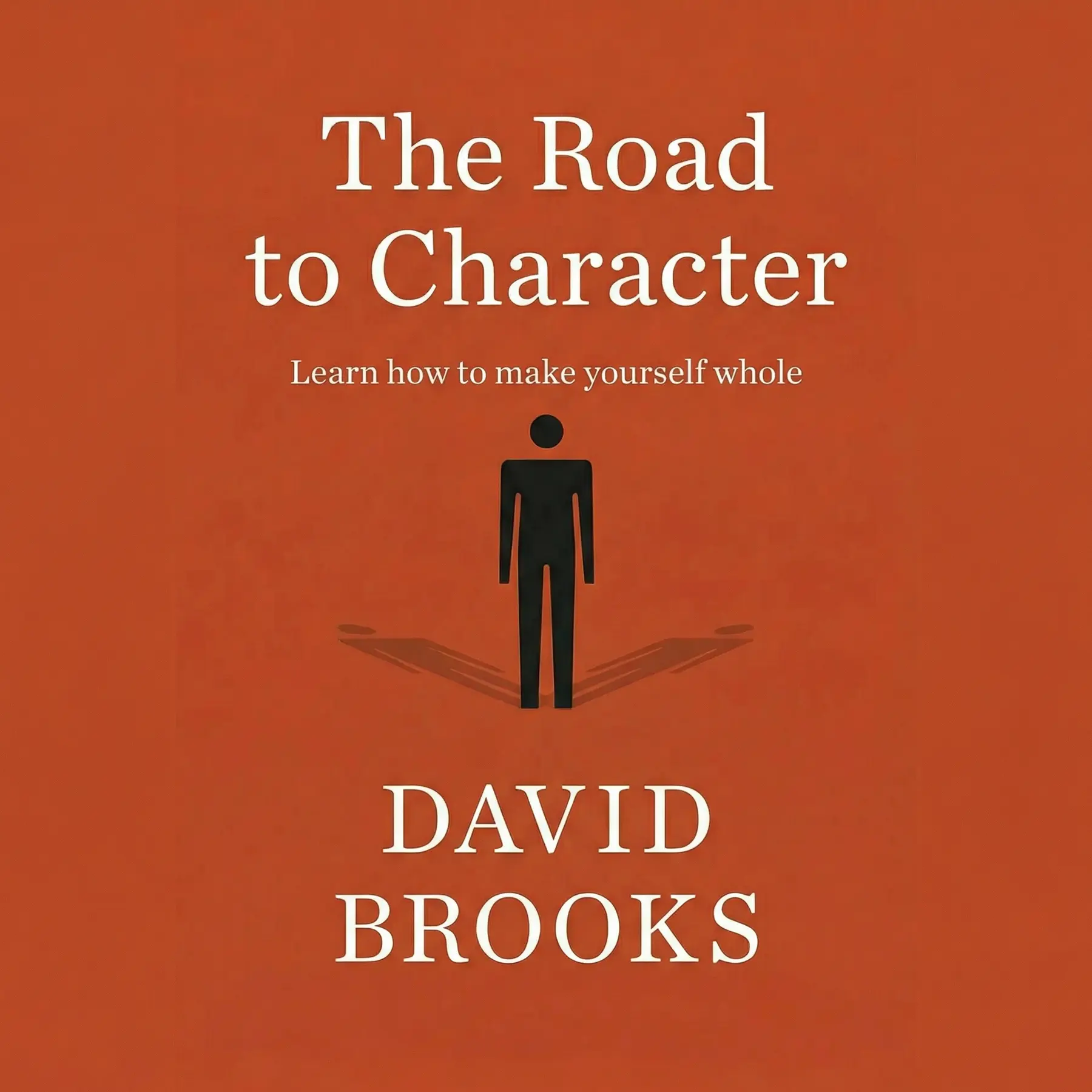
The Road to Character
By David Brooks
A profound exploration of how modern society has traded internal moral depth for external achievement, offering a guide to reclaiming humility and building a life of lasting character and purpose.
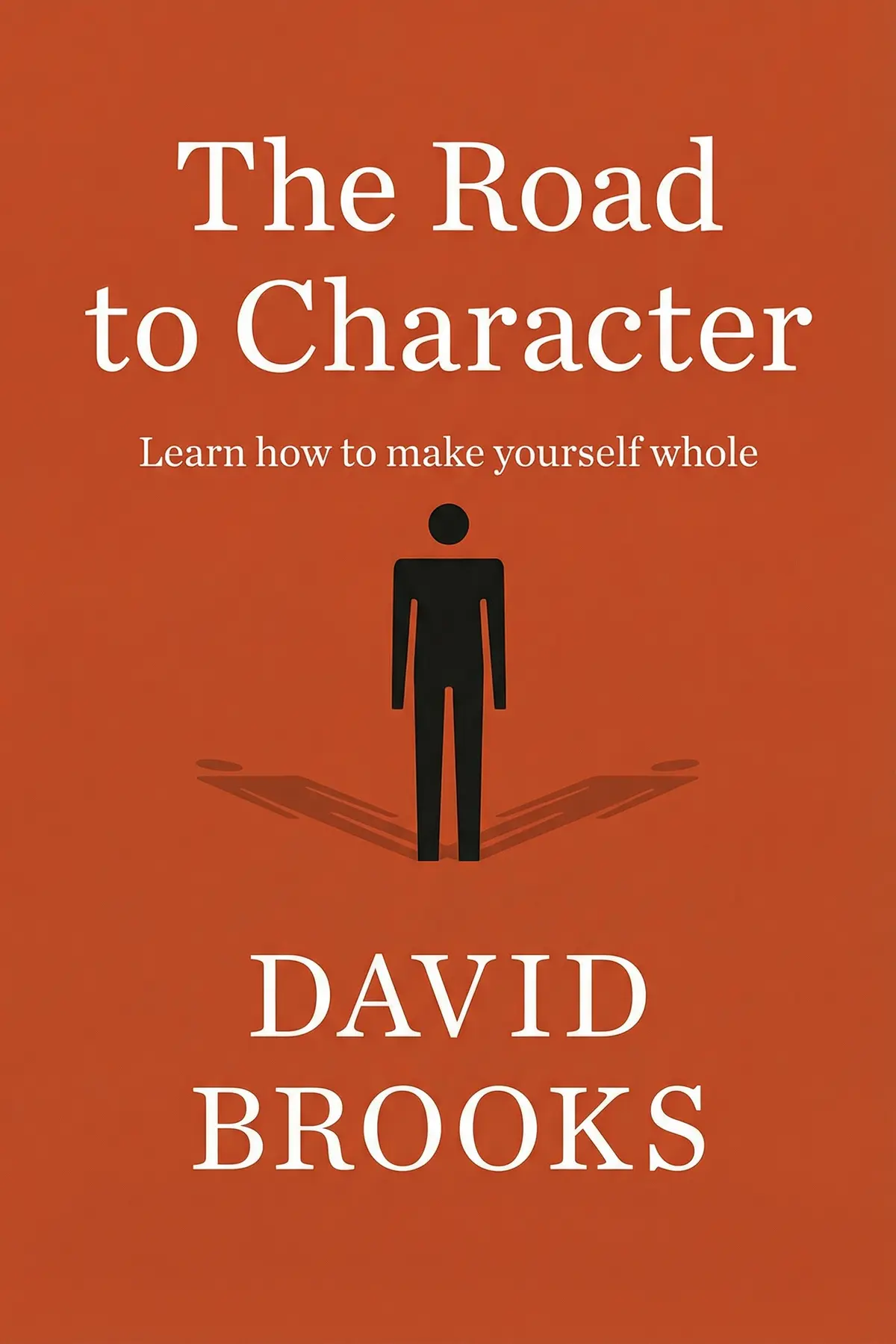
Table of Content
1. Introduction
1 min 48 sec
In the modern age, we are surrounded by a relentless stream of self-expression. You only need to glance at a smartphone screen to see it. Our digital lives are saturated with curated images, self-assured status updates, and a constant broadcast of our personal highlights. It seems as though society has collectively entered into a pact to celebrate the individual above all else. We are encouraged to believe that we are the center of our own universes, and that our primary goal should be to project a version of ourselves that is successful, happy, and limitlessly capable.
But if you feel like something is missing in this culture of self-promotion, you aren’t alone. This prevailing focus on the “me” is a relatively new phenomenon. Not long ago, society operated on a different set of values—ones that prioritized modesty, self-restraint, and the quiet building of an inner moral compass. People were more concerned with who they were on the inside than how they appeared on the outside.
This summary explores that cultural transition and asks a vital question: how did we lose our way, and more importantly, how can we find our way back? We will look at the internal conflict that defines every human being and see how the balance between our external ambitions and our internal virtues has tipped dangerously in one direction. Through the stories of figures who struggled with their own imperfections and found greatness through service, we will learn that the path to a truly whole life isn’t found in a dream job or a list of accomplishments. Instead, it is found on the difficult, rewarding journey toward building character. Let’s look at how we can shift our focus from our personal desires to a more meaningful connection with the world around us.
2. The Dueling Personalities of the Two Adams
2 min 19 sec
Discover the internal tug-of-war between our desire for worldly success and our need for moral depth, and why balancing these two sides is essential for a whole life.
3. The Cultural Shift from Humility to Self-Promotion
2 min 21 sec
Explore how American culture moved from an era of quiet modesty and self-restraint to a modern obsession with individualism and public recognition.
4. How the Pursuit of Success Has Hollowed Out Our Values
2 min 12 sec
Analyze the impact of an achievement-only mindset on everything from our life goals to the way we raise our children in a competitive world.
5. Character is Built Through the Acceptance of Flaws
1 min 53 sec
Learn how embracing our imperfections and experiencing suffering can actually lead to a deeper sense of gratitude and a life of service.
6. The Necessity of External Support and the Fight Against Pride
2 min 12 sec
Understand why we cannot build character alone and why shedding our pride is the only way to find lasting fulfillment and connection.
7. Conclusion
1 min 38 sec
As we reach the end of this journey, the message is clear: the modern world has tilted the scales too far toward the pursuit of external success and self-promotion. We have become experts at building resumes but novices at building character. However, the path back to a meaningful life is always open to us. It requires us to stop focusing so much on how we are perceived and start focusing on who we actually are. True joy isn’t found in the next promotion or the next social media highlight; it is found in the quiet, daily struggle to be a more humble, loving, and faithful person.
To put these ideas into practice, start with a simple exercise in self-reflection. We can call it “checking your chatter.” The next time you feel a strong urge to share a thought, a photo, or an achievement on social media, take a moment to pause. Ask yourself honestly: why am I doing this? Am I looking for a hit of dopamine from a “like”? Am I trying to prove my intelligence or status to my peers? If you find that your motive is purely self-aggrandizement, try to resist the impulse. Choose modesty over the spotlight. By intentionally practicing this kind of self-restraint, you can begin to strengthen your internal Adam II and find a deeper, more lasting satisfaction than any digital applause could ever offer. The road to character is a long one, but it is the only one that leads to a life that is truly whole.
About this book
What is this book about?
The Road to Character addresses a fundamental shift in our cultural values. We live in an era that celebrates self-promotion, personal branding, and the relentless pursuit of external success. However, this focus on the “selfie” culture often leaves us feeling hollow. The book argues that true fulfillment doesn’t come from a high-status career or a padded resume, but from the development of inner virtue and moral strength. By examining the lives of historical figures and analyzing the transition from a modesty-based society to an individualistic one, the narrative provides a roadmap for balancing our desire for success with our need for character. It promises to show readers how to navigate their own internal struggles, admit their flaws, and ultimately find joy in service and humility rather than just achievement. It is a call to return to a more grounded, virtuous way of living in a world that often demands the opposite.
Book Information
About the Author
David Brooks
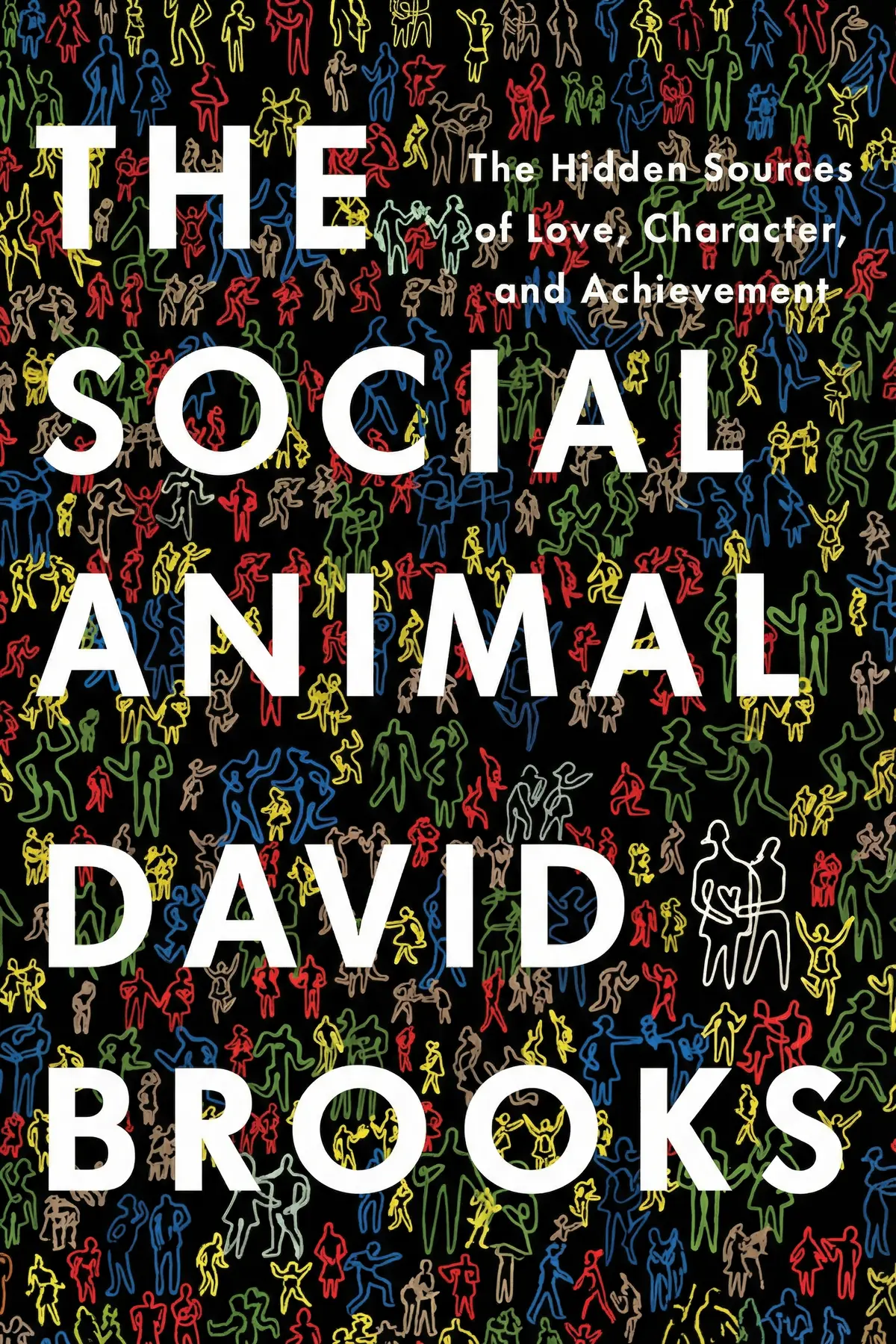
David Brooks is a prominent author and cultural commentator. He serves as a columnist for the New York Times and is a frequent contributor to major news programs, including the PBS NewsHour and NBC’s Meet the Press. Brooks has authored several national bestsellers, including The Social Animal: The Hidden Sources of Love, Character and Achievement.
Ratings & Reviews
Ratings at a glance
What people think
Listeners find this work highly engaging and extensively researched, including one individual who felt unable to put it down. Additionally, the text offers significant life lessons and stimulating perspectives on building character by profiling fascinating people from history. Listeners value the prose, as one listener points out it is written with empathy and depth. On the other hand, the flow of the narrative gets a varied response, with some calling it a masterpiece while others consider it disjointed.
Top reviews
Gift
Wow. This book arrived exactly when I needed a reminder that life is about more than just checking off boxes on a career path. Brooks writes with an empathy that is rare in modern social commentary, focusing on the internal struggle between our ambitious 'Adam 1' and our soulful 'Adam 2.' I found the chapter on Dorothy Day particularly moving because it reframes suffering not as something to be avoided at all costs, but as a path to true depth. Some critics say it's disjointed, but I think the varied profiles of historical figures are exactly what give the book its weight. You can see the evolution of character in real-time through the lives of people like George Eliot and Augustine. It’s a beautifully researched piece that challenges you to look inward and ask what kind of legacy you are actually building. This isn't just a book you read; it’s one you sit with and reflect on for months.
Show moreKofi
This book feels like the longest and most profound commencement speech you'll ever receive, and I mean that in the best way possible. Brooks isn't just giving advice; he’s presenting a map for the soul that prioritizes 'eulogy virtues' over the superficial 'resume virtues' our society craves. I was particularly struck by the discussion on how institutions structure the soul and help us become better versions of ourselves. It’s a perspective that feels almost counter-cultural in an age of radical individualism and self-promotion. The writing is incredibly polished and exhibits a depth of thought that you just don't find in typical self-help books. While some might find the historical examples exhaustive, I found them to be essential anchors that prove character isn't built in a vacuum. It’s a masterpiece of moral philosophy that I’ll likely revisit whenever I feel I’ve lost my way.
Show moreRin
Picked this up on a whim and was blown away by the depth of research and the empathy in Brooks' writing. He has this incredible ability to make old stories feel immediate and relevant to the struggles we face today. I’ve always been a fan of his New York Times columns, but this book allows him to go much deeper into the 'why' of our current cultural moment. The way he describes the rise of merit-based love and the pressure it puts on children was a real eye-opener for me as a parent. It’s a thought-provoking look at how we’ve lost the language of morality and replaced it with the language of achievement. Yes, it’s a long book, and yes, it requires some effort to get through the denser historical parts, but the payoff is a much clearer understanding of what it means to live a good life. Truly inspiring.
Show moreDream
To be perfectly blunt: this is one of the most important books I’ve read in years. Brooks challenges the modern obsession with self-promotion and reminds us that true joy comes from self-forgetfulness and service to something larger than ourselves. I found his analysis of 'depressive realism' and the way suffering can shatter our superficial narratives to be particularly profound. The profiles aren't just biographies; they are case studies in how to navigate the complexities of the human soul. I’ve read a lot of stoic philosophy lately, and Brooks manages to capture that same spirit while making it accessible for a modern audience. Even the more critical reviews about the pacing don't detract from the fact that this is a deeply needed counter-weight to our 'look at me' culture. If you’re willing to put in the work, this book offers a profound road map for developing a character that is built to last.
Show moreOlivia
After hearing David Brooks speak on a podcast, I decided to dive into his exploration of moral fiber and the 'road to character.' The truth is, the book is incredibly thought-provoking even if it does feel a bit long-winded in the biographical sections. I loved the core premise that our current culture overemphasizes external achievements at the expense of our inner lives. The profiles of people like Frances Perkins and A. Philip Randolph are well-researched and provide great lessons on how to live with purpose. My only real gripe is that Brooks can be a bit selective with his facts to make a point, which occasionally undermines his authority. However, his writing style is accessible and deep, making complex philosophical ideas feel relevant to everyday life. It’s a solid 4-star read for anyone feeling burnt out by the relentless pursuit of 'success' and looking for a more meaningful path forward.
Show moreNina
The chapter on George Eliot alone made this book worth the purchase for me. David Brooks does a fantastic job of taking historical figures we think we know and stripping them down to their moral core. I appreciate that he doesn't present these people as perfect; instead, he shows how their struggles and failures were the very things that forged their character. The concept of the 'crooked timber' of humanity is a recurring theme that resonates deeply in a world that often demands perfection. While the book can feel a bit disjointed as it jumps between centuries and personalities, the underlying message remains strong. We need to focus more on our internal compass than our LinkedIn profiles. It’s a dense read that requires a lot of mental energy, but the insights into restraint and humility are incredibly valuable. I’d recommend it to anyone looking for a more substantive take on personal growth.
Show morePakpoom
As someone who usually enjoys political and social commentary, I had high hopes for this one, but the pacing was a major hurdle. There are moments of absolute brilliance where Brooks hits on a universal truth about the human condition, yet those moments are buried under mountains of dry historical data. He attempts to use historical figures as templates for virtue, but it often feels like he’s forcing them into boxes that don't quite fit their real lives. I found myself skimming the middle chapters just to get back to the more analytical parts about modern narcissism and the loss of 'sin' as a concept. Frankly, the introduction and the conclusion are the best parts of the book because they offer a condensed version of his philosophy without the fluff. It’s a decent read for a book club, but be prepared for some serious slogging through the biographical sketches.
Show morePraepimon
Ever wonder why we feel so hollow despite achieving all the things we were told would make us happy? That’s the central question Brooks tries to answer, and while his philosophy is sound, the delivery is hit-or-miss. I loved the opening sections about Adam 1 and Adam 2, which provide a really useful framework for understanding the tension between our public and private selves. However, the biographies that make up the bulk of the book are a mixed bag. Some, like the profile of Dwight Eisenhower, were fascinating, while others felt like they were just taking up space to hit a page count. The pacing is a bit of a rollercoaster—moving from insightful social critique to dry, academic history without much warning. It’s a well-researched book with plenty of life lessons, but it could have been much tighter. Good, but definitely not a 'can't put it down' kind of read for me.
Show moreTak
Finally got around to this after seeing it on so many 'must-read' lists, but I ended up feeling more lectured than inspired. David Brooks has a clear vision for what moral character should look like, yet his execution feels incredibly dry and even a bit condescending. He leans heavily on the idea that the 'greats' of the past were fundamentally better than us, ignoring the complexities of their lives. For instance, the way he glosses over Eisenhower's personal failings while praising his 'self-conquest' felt like a massive contradiction. I appreciate the distinction between resume virtues and eulogy virtues, but the middle of the book is a slog of biographical filler. It’s hard to take a moral philosopher seriously when he seems to be cherry-picking history to fit a specific 'kids these days' narrative. If you’re looking for a quick self-help guide, this isn't it; it’s more of a long-winded sermon that demands far too much patience for very little payoff.
Show moreNing
Not what I expected at all, and look, I’m disappointed by the level of sermonizing here. David Brooks seems to have a very narrow view of morality that is heavily rooted in a 'golden age' fallacy where everyone in the past was a saint and everyone today is a narcissist. His analysis of historical figures is incredibly selective; he ignores glaring character flaws to maintain his narrative of self-conquest. For example, he treats suffering as some noble pursuit, which felt incredibly tone-deaf and even perverse in certain sections. The prose is dry, the arguments are often contradictory, and the overall tone is smug and judgmental. I struggled to finish this because it felt like a 300-page lecture from someone who is convinced the world is going to hell in a handbasket. Save yourself the headache and read the original works of Marcus Aurelius or Seneca instead; they offer far more wisdom without the modern-day condescension.
Show moreReaders also enjoyed
A Little History of Philosophy
Nigel Warburton
A Theory of Justice
John Rawls
59 Seconds: Change Your Life in Under a Minute
Richard Wiseman
AUDIO SUMMARY AVAILABLE
Listen to The Road to Character in 15 minutes
Get the key ideas from The Road to Character by David Brooks, plus 5,000+ more titles in English and Thai.
- 5,000+ titles
- Listen as much as you want
- 7-day free trial
- Cancel anytime







