
23 min 09 sec
The Salt Path: A Memoir
By Raynor Winn
Experience the moving true story of Raynor Winn and her husband, who, after losing their home and facing a terminal diagnosis, embarked on a 630-mile trek along England’s rugged South West Coast Path.
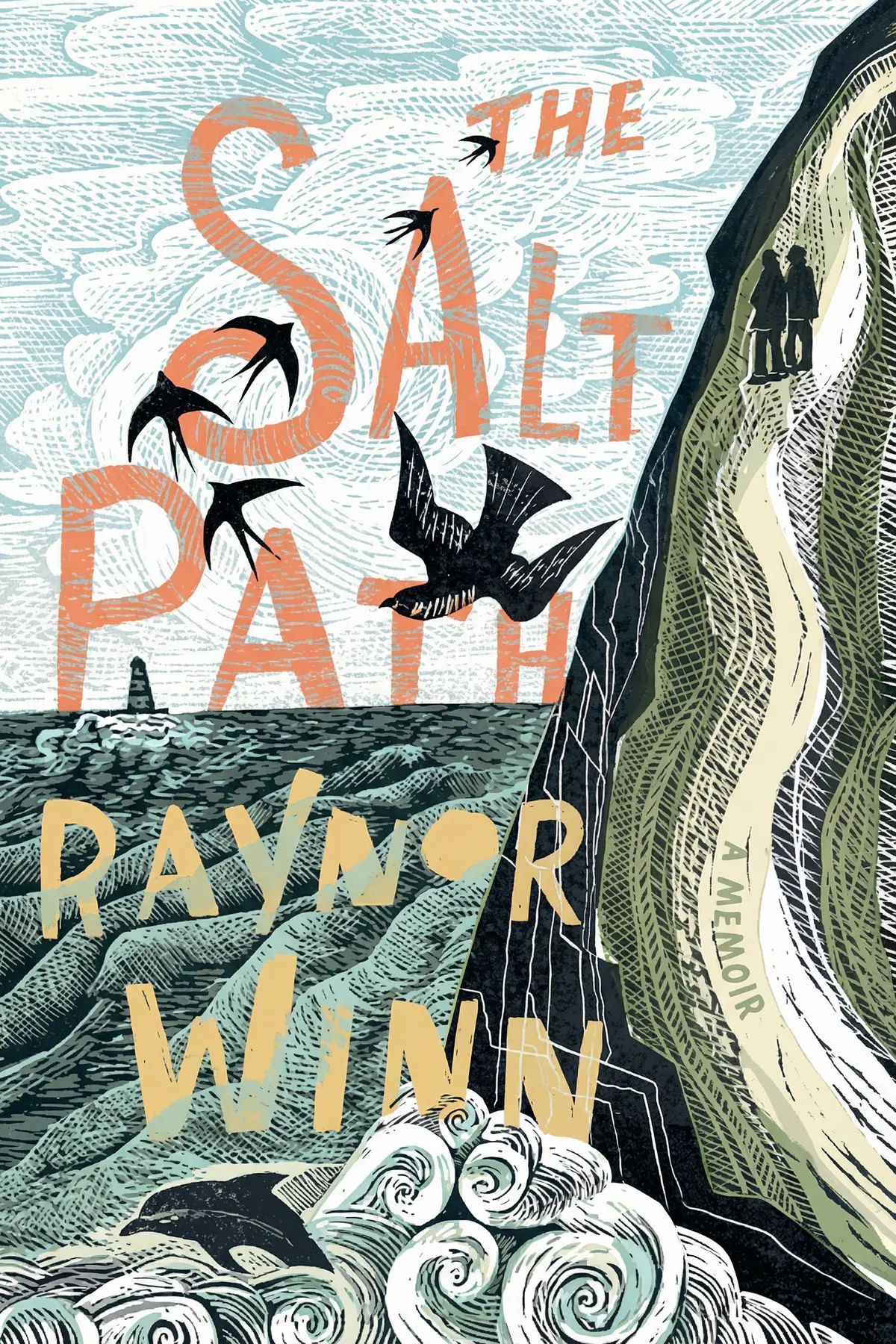
Table of Content
1. Introduction
1 min 59 sec
Imagine for a moment that every pillar of your existence has been pulled out from under you in the span of just a few days. For Raynor Winn and her husband, Moth, this wasn’t a hypothetical nightmare; it was their lived reality. They were in their fifties, a time when most people are looking toward the stability of retirement. Instead, they found themselves standing on the precipice of total loss. A long-standing legal battle over a bad investment had reached its bitter end, stripping them of their home and their income. Then, as if that weren’t enough, a doctor delivered a diagnosis that felt like a final sentence: Moth was suffering from a terminal, degenerative brain disease.
With no roof over their heads and a future that seemed to be shrinking by the hour, they faced a choice that would baffle most: they decided to walk. Not just a short stroll to clear their heads, but a grueling, six-hundred-and-thirty-mile trek along the South West Coast Path of England. They would live out of a tent, survive on a pittance, and face the elements head-on.
This story is about more than just a very long walk. It is an exploration of what remains when everything else is gone. It is a look at how the natural world can mend what medicine cannot, and how the bonds of a long-term partnership can provide a home when walls and ceilings are taken away. As we follow their footsteps from the cliffs of Somerset to the beaches of Dorset, we see a transformation that is as much internal as it is physical. Through their eyes, we will discover the harsh realities of being unhoused in a society that values property, the unexpected kindness found in the most remote corners of the coast, and the profound resilience that emerges when you have nothing left to lose but the path beneath your feet. This is a journey through grief, across the salt-sprayed edges of Britain, and ultimately, toward a new way of being.
2. The Total Collapse of a Life's Foundation
2 min 07 sec
Two life-altering events occur simultaneously, leaving a couple in their fifties without a home, a livelihood, or a healthy future to look forward to.
3. The Decision to Embrace the Wild
1 min 52 sec
Faced with the choice between a slow decline in a shelter or a radical adventure, the couple chooses the challenging South West Coast Path.
4. Survival on a Shoestring Budget
1 min 46 sec
Navigating a world that requires money with almost none, the couple learns the art of extreme frugality and the weight of basic needs.
5. The Social Stigma of Being Unhoused
1 min 47 sec
The couple discovers that the label of ‘homeless’ changes how the world sees them, leading to a shift in how they present their story.
6. The Power of Unexpected Generosity
1 min 38 sec
Despite the stigma they often face, the couple encounters moments of profound kindness that provide both physical and emotional sustenance.
7. Physical Agony as a Path to Healing
1 min 50 sec
Contrary to all medical expectations, the grueling physical demands of the trail begin to have a miraculous effect on Moth’s terminal condition.
8. The Comedy of Mistaken Identity
1 min 36 sec
A recurring case of mistaken identity provides a lighthearted mystery throughout their trek along the English coast.
9. The False Sanctuary of the Winter Months
1 min 38 sec
As the seasons turn, the couple finds a temporary home in a friend’s shed, but the comforts of a roof bring unexpected setbacks.
10. A New Strategy for a Sustainable Future
1 min 49 sec
Instead of merely surviving, the couple begins to plan for a future that includes education and a new career path.
11. The Harsh Reality of Urban Homelessness
1 min 43 sec
A missed ferry in Plymouth forces the couple to experience the darker, more dangerous side of being unhoused in a city.
12. The Full Circle at Talland Bay
1 min 33 sec
At the very end of their journey, a chance meeting with a stranger provides the final piece of their new life’s puzzle.
13. Conclusion
1 min 51 sec
The story of Raynor and Moth Winn is a powerful testament to the idea that when you lose everything, you are left with the only things that truly matter: your will to keep moving and the person standing beside you. Their 630-mile journey along the South West Coast Path was never just about the miles. It was a physical manifestation of their grief, their defiance, and their ultimate healing. They began the walk as victims of a legal system and a terminal diagnosis, but they ended it as something entirely different. They were no longer defined by what they lacked, but by what they had proven they could survive.
There is a deep irony in the fact that the very thing that should have killed Moth—the extreme physical exertion and lack of specialized care—is what seemed to save him. The ‘Salt Path’ became a kind of medicine, a place where the rhythmic demands of the trail allowed his body and mind to find a new equilibrium. And while their homelessness was a source of great suffering and social stigma, it also stripped away the distractions of modern life, leaving them with a profound connection to the natural world. They learned to live in the present, because the past was gone and the future was too terrifying to contemplate.
As they settled into their new apartment in Polruan, the challenges didn’t disappear. Moth still had a terminal illness, and they were still living on the edge of poverty. However, the fear that had paralyzed them in their Welsh farmhouse was gone. They had faced the wind, the rain, the hunger, and the judgment of others, and they were still standing. The lesson of their journey is that resilience isn’t about bouncing back to where you were; it’s about finding the strength to walk into a completely new life, even when you can’t see the destination. They proved that home isn’t a place you lose; it’s something you carry within yourself, step by grueling step.
About this book
What is this book about?
The Salt Path tells the extraordinary story of Raynor and Moth Winn, a couple in their fifties who lost everything they owned in a single week. Following a disastrous investment that resulted in the loss of their home and livelihood, Moth was diagnosed with a rare, terminal brain condition. With no resources and little hope, they made the radical decision to start walking the 630-mile South West Coast Path, carrying only the bare essentials on their backs. This summary explores their year-long journey through the wild English landscape. It chronicles their struggles with extreme poverty, the stigma of homelessness, and the physical toll of long-distance hiking. More importantly, it highlights the surprising healing power of nature and the resilience of the human spirit. The book promises a story of transformation, showing how a journey born of desperation can lead to a newfound sense of peace and a deeper connection to the world and each other.
Book Information
About the Author
Raynor Winn
Raynor Winn is an author and an experienced long-distance hiker. Her literary work frequently explores the natural world, the state of homelessness, and the realities of camping in the wild. This memoir, which chronicles her personal journey, marks her first publication as a writer.
Ratings & Reviews
Ratings at a glance
What people think
Listeners find this memoir to be an entrancing experience filled with lyrical prose and profound, contemplative reflections. They view it as an uplifting account of hardship that offers encouragement during unpredictable periods, including one listener who shared how the book assisted them in investigating their heritage. The tempo is stirring, as one review emphasizes the cadence of trekking against the coastal breeze, and listeners value the sincere narrative that stirs various feelings. They treasure the element of adventure, with one review characterizing it as an incredible voyage defined by resilience and courage.
Top reviews
Suthee
Rarely does a book strike such a profound chord with the reality of sudden loss. I was captivated by Raynor and Moth’s resilience as they navigated the South West Coast Path with nothing but their rucksacks and a terminal diagnosis. The prose is almost lyrical, capturing the salt spray and the physical toll of 630 miles with startling clarity. While the pacing mirrors the slow, rhythmic nature of walking—which might frustrate some—I found it hypnotic. It’s a story about finding home within a person when four walls are stripped away. Their strength in the face of absolute poverty is staggering. I finished it feeling a renewed sense of hope about the human spirit and the healing power of the natural world.
Show moreSarawut
What an incredible testament to the power of simply putting one foot in front of the other. Raynor Winn writes with a grit and grace that is rare in modern memoirs. The way she describes Moth’s physical transformation throughout the hike—despite his degenerative disease—felt like a small miracle. It isn't always a 'comfortable' read; the scenes where they are counting pennies for a bag of fudge are heart-wrenching. Yet, there is an underlying sense of peace that comes from their connection to the land. It forced me to reevaluate my own relationship with 'things' and what actually constitutes a life well-lived. Truly a mesmerizing piece of work that stays with you long after the final page.
Show moreSomrutai
Wow. This wasn't just a book; it was an experience. I’ve rarely read anything that captures the 'rhythm of the walk' so effectively. You feel the wind, the rain, and the blisters alongside them. It’s a devastatingly beautiful portrait of a marriage tested by the most extreme circumstances imaginable. Raynor and Moth’s bond is the true heart of the story, and their refusal to give up in the face of a terminal diagnosis is nothing short of inspirational. This memoir gives a voice to the invisible homeless and challenges the reader to look closer at the people we usually walk past on the street. I’ll be thinking about their journey for a long time. Pure fortitude on every page.
Show moreKofi
Not what I expected at all, in the best possible way. I thought this would be a simple outdoor adventure, but it turned out to be a profound exploration of identity and roots. The way Winn weaves the history of the landscape into their personal struggle is masterful. It’s a mesmerizing read that manages to be both heart-breaking and life-affirming without ever feeling overly sentimental. Watching Moth gain strength through the sheer act of movement was incredibly moving. It’s a raw, honest, and ultimately triumphant story that proves that even when you lose your house, you haven't necessarily lost your home. Absolutely worth the read for the stunning prose alone.
Show moreFrida
Finally got around to this after hearing so much buzz, and it mostly lived up to the hype. The descriptions of the British coastline are so vivid you can almost smell the sea air and feel the grit under your boots. It’s more than just a travelogue; it’s a deep dive into what happens when the rug is pulled out from under you. I did find some of the interactions with other hikers a bit strange, and the author's occasional judgment of other homeless people felt slightly off-putting. However, the overarching theme of nature as a restorative force is handled with such sincerity that I couldn't help but be moved. It’s a slow burn, but definitely worth the investment for the atmosphere alone.
Show moreTee
As a seasoned hiker who has tackled parts of the South West Coast Path, I found the descriptions of the terrain spot-on. Winn captures the brutal beauty of the cliffs and the sheer exhaustion of wild camping brilliantly. The book shines when it focuses on the internal shift that occurs when you are stripped of your social status and left with only your body and the elements. It’s a thought-provoking look at how we treat the displaced in society. My only real gripe is that some of the dialogue felt a bit staged and unrealistic at times. Still, it’s a powerful memoir that offers a unique perspective on resilience. It’s a heartfelt tale that touches many emotions without being too sappy.
Show moreNoppadol
Ever wonder what it’s like to lose everything at fifty? This book answers that with a stark, salt-crusted reality. It’s often compared to Cheryl Strayed's Wild, but I found this much more grounded and perhaps more desperate. The stakes feel incredibly high because of Moth’s health, which adds a layer of urgency to every mile they cover. The pacing is deliberate—it moves at the speed of a walk—which might be a deterrent for some readers. Personally, I enjoyed the immersion into their world. It’s a meditative reflection on loss, and while it’s occasionally repetitive, the emotional payoff at the end is significant. A very solid four-star read for anyone who enjoys nature writing with depth.
Show moreCholada
To be fair, the premise of The Salt Path is much more engaging than the actual execution. I appreciate the raw honesty regarding homelessness and the stigma they faced, but the narrative often felt bogged down by repetition. How many times can we read about eating noodles or struggling with a tent before it loses its impact? The writing is undoubtedly beautiful at times, yet I found the middle section a real slog to get through. It’s a brave account, for sure, and Moth’s journey with his illness is touching, but it needed a tighter edit. I’m glad I read it for the perspective on UK poverty, but I wouldn't call it a page-turner. It just felt overlong.
Show moreGrace
The chapter on their first few nights in the tent really set the tone for a journey that was as much about survival as it was about discovery. Truth is, the level of poverty they experienced made me so anxious that it was hard to enjoy the 'travel' aspect of the book. While Winn’s observations about nature are poetic, I felt there was a missing emotional core regarding their family life. It felt like they were in a vacuum. The ending was a bit abrupt for my liking, though I appreciate the message of hope it leaves you with. It’s a decent book with some beautiful passages, just not the life-changing experience I was expecting based on the glowing reviews.
Show morePick
Look, I wanted to love this because I adore hiking memoirs, but I found the tone incredibly grating. There is a pervasive sense of 'we aren't like those other homeless people' that felt judgmental and elitist throughout their journey. The story itself is tragic, yes, but the writing was so monotonous that I struggled to stay engaged with their plight. It felt like the same cycle of walking, complaining about the terrain, and eating rice over and over for 300 pages. I also couldn't wrap my head around the lack of communication with their children during such a crisis. For a book that's supposed to be 'uplifting,' I just found it tedious and strangely cold.
Show moreReaders also enjoyed

A Different Kind of Power: A Memoir
Jacinda Ardern

Alexander Hamilton
Ron Chernow
A Higher Loyalty: Truth, Lies and Leadership
James Comey
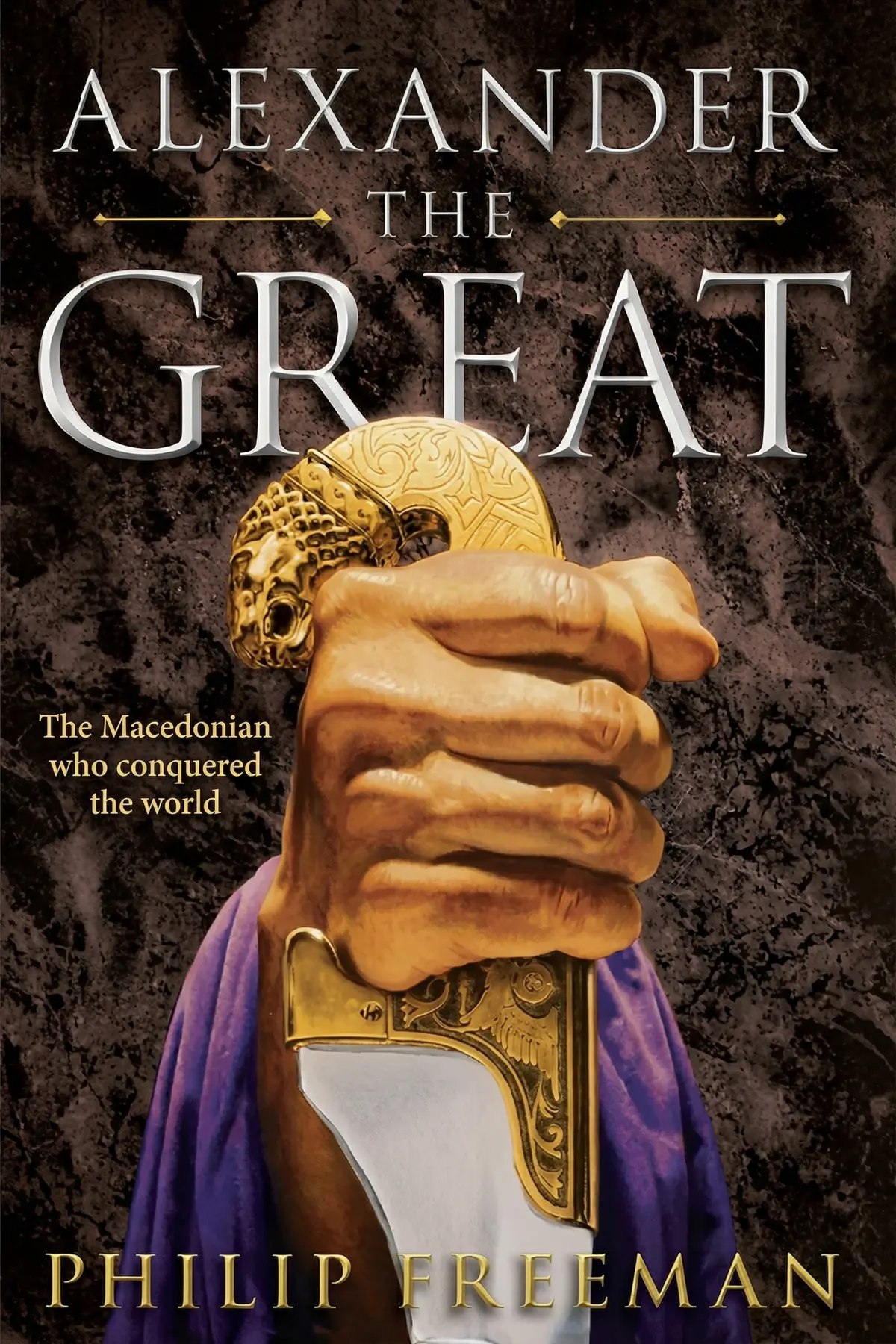
Alexander the Great
Philip Freeman

Ali: A Life
Jonathan Eig
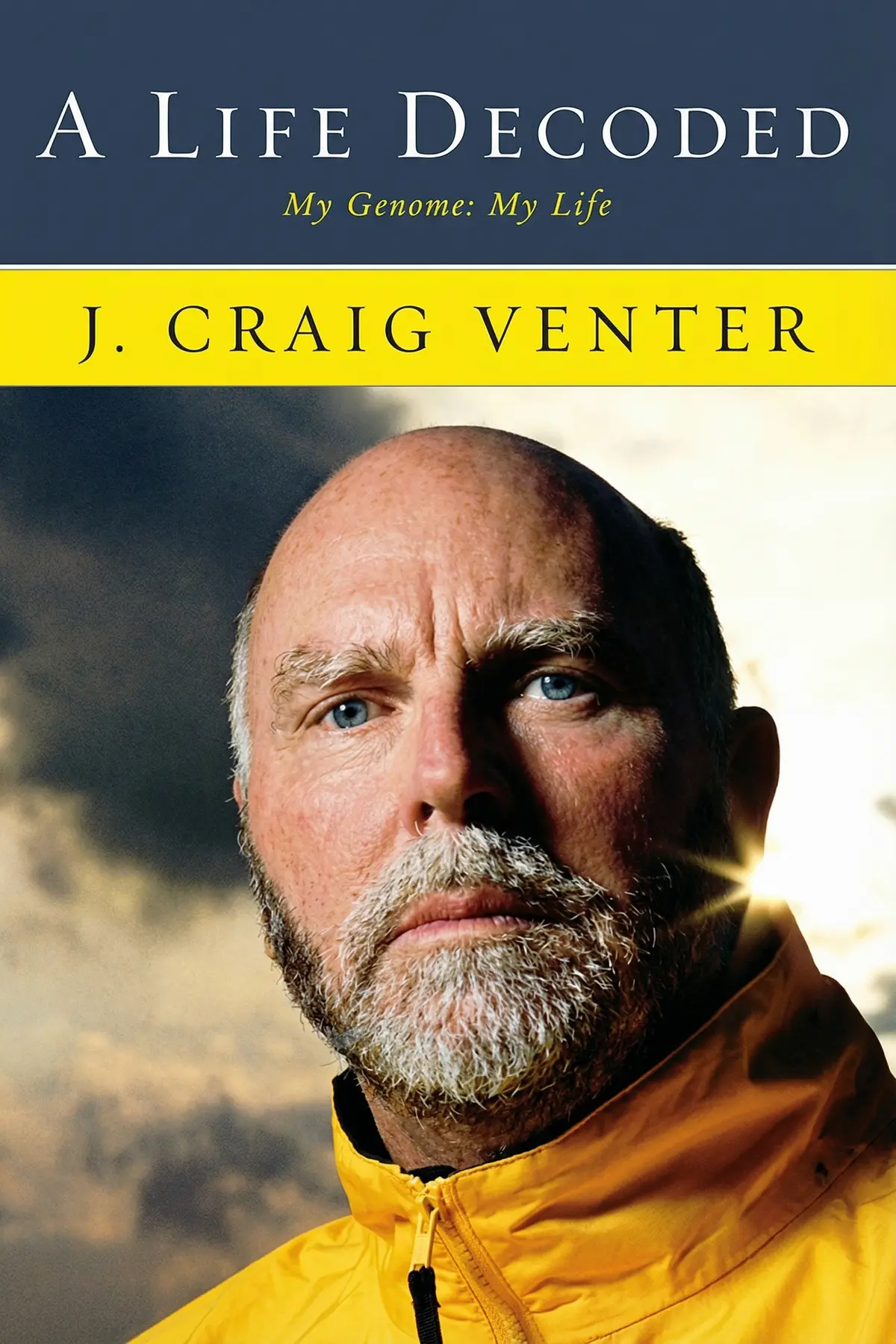
A Life Decoded: My Genome: My Life
J. Craig Venter

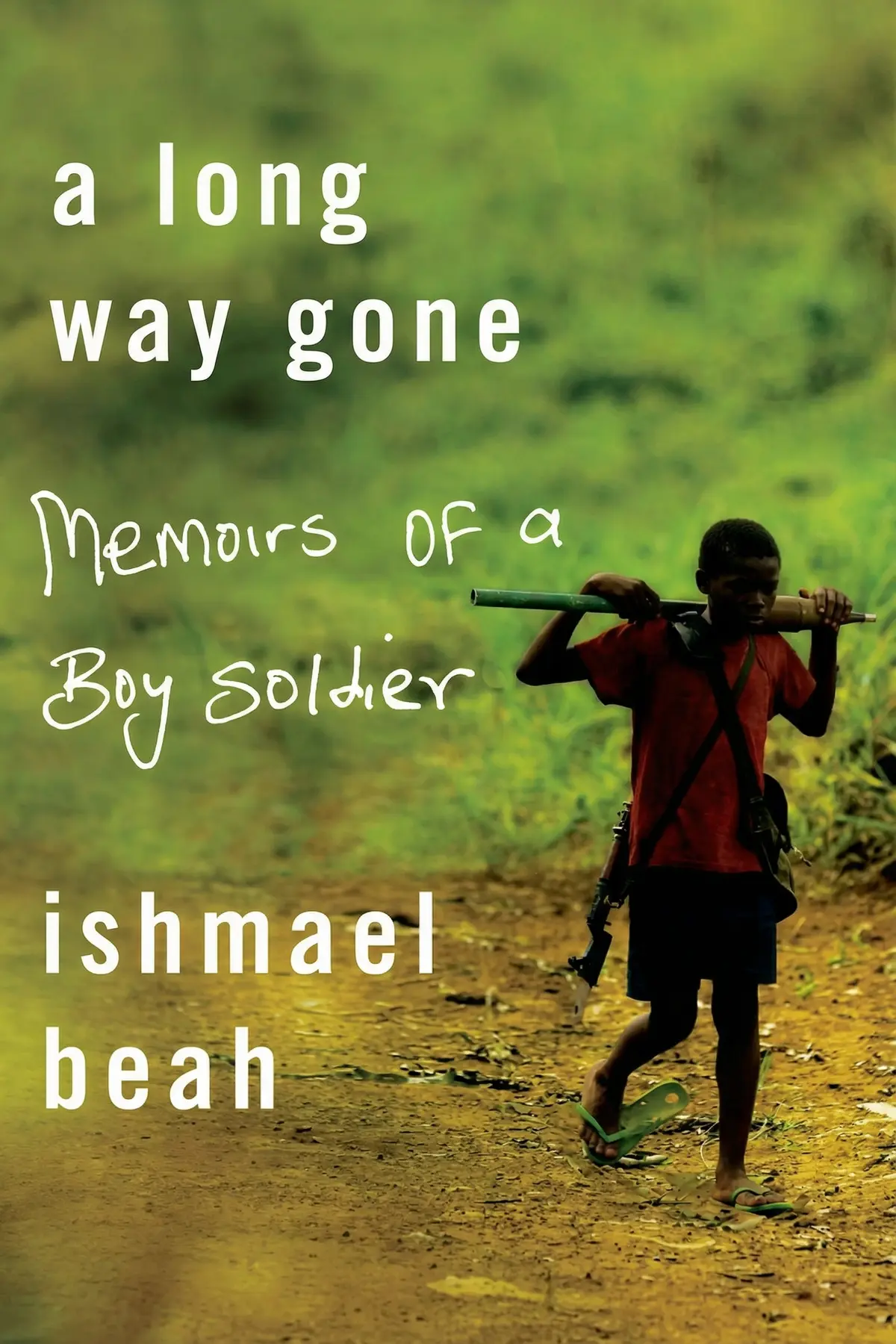
A Long Way Gone: Memoirs of a Boy Soldier
Ishmael Beah
AUDIO SUMMARY AVAILABLE
Listen to The Salt Path in 15 minutes
Get the key ideas from The Salt Path by Raynor Winn, plus 5,000+ more titles in English and Thai.
- 5,000+ titles
- Listen as much as you want
- 7-day free trial
- Cancel anytime







