
22 min
The Sirens’ Call: How Attention Became the World's Most Endangered Resource
By Chris Hayes
Explore how the digital age transformed human attention into a commodity. This summary reveals the psychological mechanisms behind screen addiction and offers strategies for reclaiming focus and mental sovereignty.
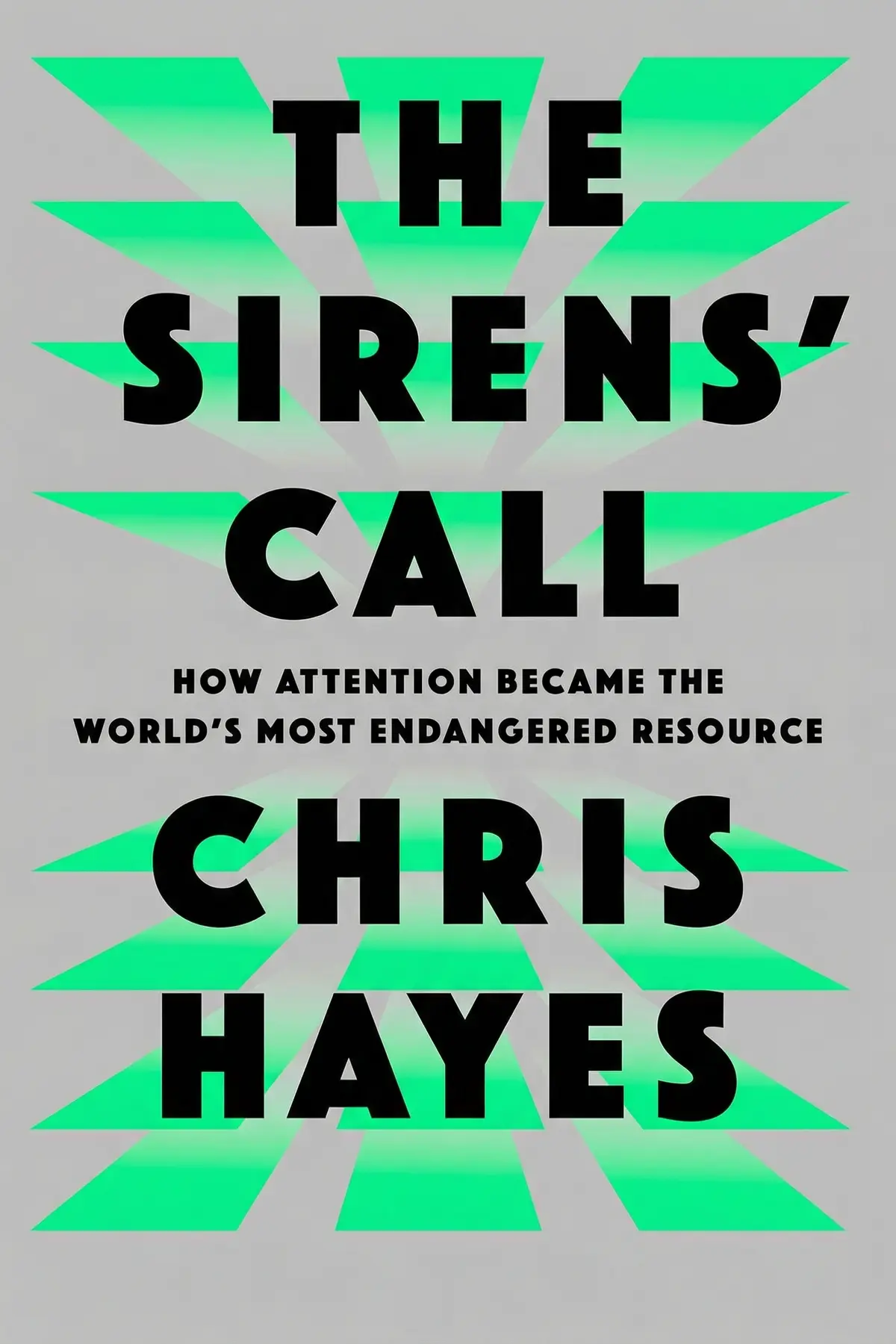
Table of Content
1. Introduction
1 min 49 sec
Think about the very first thing you do when you open your eyes in the morning. For the vast majority of us, the hand instinctively reaches for the bedside table, searching for the smooth glass surface of a smartphone. Before your feet have even touched the floor, you’ve likely processed dozens of headlines, seen a handful of social updates, and perhaps felt a twinge of anxiety about an email that arrived while you slept. Within minutes, your attention has been scattered across the globe, pulled in a hundred different directions by a device that fits in your palm.
This isn’t just a personal habit; it’s a global phenomenon that is reshaping what it means to be human. We often frame this as a lack of willpower, a personal failure to stay disciplined. We tell ourselves we’ll just check one thing, and then forty minutes vanish into a digital void. But here’s the unsettling truth: that loss of time isn’t an accident. It is the intended result of some of the most sophisticated engineering in human history. Your devices and the apps on them are designed with a single, relentless goal: to keep you looking, scrolling, and clicking for as long as possible.
In this exploration of our modern landscape, we’re going to look at how our focus became the most valuable commodity on the planet. We will see how the tech giants of Silicon Valley have turned our natural biological drives against us, creating a world where silence and deep thought are becoming increasingly rare. But this isn’t just a story of loss. It’s also a guide for reclamation. By understanding the mechanics of the attention economy—how it mirrors ancient myths and exploits our deepest social needs—we can begin to build a new relationship with technology. We can learn to set our own boundaries and decide for ourselves where our most precious resource—our awareness—actually belongs. Let’s look at how we can navigate the Sirens’ call of the digital age and find our way back to a more intentional, meaningful life.
2. The Mythic Roots of Modern Distraction
2 min 16 sec
Ancient stories often hold mirrors to our current struggles. Discover how the legend of Odysseus and the Sirens provides a perfect metaphor for the digital traps we face today.
3. The Three Layers of Human Awareness
2 min 31 sec
Attention is more than just looking at something. Explore the biological mechanics of how we filter the world and how tech companies exploit these specific channels.
4. The Deep Discomfort of Quiet Reflection
2 min 12 sec
Why is sitting alone with our thoughts so difficult? Examine the history of boredom and why we often choose digital noise over mental silence.
5. The Digital Echo of Willy Loman
2 min 06 sec
Social media promises connection but often delivers a hollow form of fame. See how our quest for digital validation mirrors a classic American tragedy.
6. The Alienation of the Attention Economy
2 min 15 sec
As our focus is harvested for profit, we experience a new kind of modern malaise. Explore how the commodification of our minds leads to a sense of isolation.
7. The Decline of Quality in a World of Overabundance
2 min 15 sec
More information doesn’t always lead to better understanding. Discover how the race for engagement is degrading the very tools we use to navigate the world.
8. The Erosion of Public Discourse and Democracy
2 min 22 sec
Deep thinking requires time and focus. Explore how the shift toward attention-grabbing tactics is undermining our ability to solve complex social problems.
9. Lashing Ourselves to the Mast
2 min 36 sec
Reclaiming our focus is possible through intentional change. Discover the commitment mechanisms and analog shifts that can help us take back control.
10. Conclusion
1 min 38 sec
The central challenge of the twenty-first century isn’t just about managing our time; it’s about protecting the very essence of our conscious experience. As we have seen, the attention economy has transformed our most precious internal resource into a commodity to be traded on a global market. This system exploits our biological reflexes, our social insecurities, and our natural aversion to boredom, leaving us in a state of perpetual distraction and alienation. It has degraded the quality of our information, damaged our ability to connect with one another, and undermined the foundations of democratic discourse.
But the story doesn’t have to end with us drifting onto the rocks. The myth of Odysseus reminds us that while we are vulnerable to temptation, we are also capable of great foresight and strategy. We can choose to recognize the design of the digital world for what it is—a set of traps meant to capture our focus—and we can take active steps to resist. This means embracing friction, seeking out analog depth, and prioritizing real-world connection over digital validation.
Reclaiming your attention is perhaps the most important form of self-care available in the modern world. It is the prerequisite for all other forms of growth, creativity, and relationship-building. When you take back control of your focus, you aren’t just getting more work done; you are reclaiming your life. You are deciding that your thoughts, your feelings, and your presence in the world belong to you, not to an algorithm. It starts with the small choice to put the phone down, to sit with the silence, and to look at the world with your own eyes. The Sirens will always be singing, but you have the power to stay on course.
About this book
What is this book about?
The Sirens' Call examines the modern crisis of attention, arguing that our focus has become the world's most endangered and exploited resource. In a landscape dominated by tech giants, every second of our awareness is harvested and sold, leading to a profound sense of alienation and a decline in public discourse. By weaving together ancient mythology, political history, and contemporary psychology, the book explains how digital platforms are intentionally designed to exploit our biological vulnerabilities. Beyond just diagnosing the problem, it offers a path toward recovery. You will learn about the different types of human attention, why we find silence so uncomfortable, and how the pursuit of social recognition through screens mirrors the tragic path of characters like Willy Loman. This summary provides the framework for understanding the attention economy and offers practical commitment mechanisms—like the mast Odysseus bound himself to—to help you navigate the digital age with intention and reclaim your emotional well-being.
Book Information
About the Author
Chris Hayes
Chris Hayes is the Emmy Award–winning host of All In with Chris Hayes on MSNBC. He is also a New York Times bestselling author whose works include Twilight of the Elites (2012) and A Colony in a Nation (2017), both of which explore themes of power, inequality, and justice.
Ratings & Reviews
Ratings at a glance
What people think
Listeners view this work as crucial and evocative, highlighting its strong analysis and polished writing. They find it to be a smooth read filled with valuable perspectives, and one listener points out it is essential for grasping the nuances of the information and misinformation age. Even though the exploration of attention draws varied reactions, listeners value the book’s relevant and punctual commentary.
Top reviews
Suda
Hayes delivers a punchy, urgent dissection of the forces currently shredding our collective focus. While the 'social media is bad' trope feels exhausted, he elevates the conversation by linking our digital malaise to broader economic structures and historical precedents like the Industrial Revolution. I found his analysis of 'attentional warlordism' particularly chilling yet accurate in describing our current political slurry. It isn't just a self-help guide to putting your phone down; it’s a systemic critique that asks us to value our internal lives as something more than a commodity for a tech giant to harvest. The writing is incredibly fluid, making complex sociological theories accessible without feeling like he's talking down to the reader. Truth be told, I haven't looked at my notifications the same way since finishing the final chapter. It's an essential read for anyone feeling the 'enshittification' of their daily digital experience.
Show moreKoi
Finally got around to reading this and it’s easily one of the most thought-provoking books on my shelf this year. Hayes manages to take a topic that feels 'done'—the way the internet ruins our brains—and makes it feel fresh by framing attention as our very essence. The way he discusses the commodification of our focus through the lens of Marx was a total 'lightbulb' moment for me. It’s not just about being distracted; it’s about being alienated from our own lives. The prose is sharp, fast-paced, and filled with the kind of intellectual curiosity that makes you want to go out and buy every book he references. In my experience, most tech-critique books are either too dry or too 'doomer,' but this hits the perfect middle ground. It’s an essential manual for surviving the information and misinformation age without losing your mind.
Show moreTantipat
Chris Hayes has written a masterpiece that perfectly captures the anxiety of living in the 2020s. He argues convincingly that our attention isn't just a commodity to be sold, but the actual substance of our lives—the very thing that makes us who we are. This perspective shift is profound. When we let apps steal our focus, we are literally losing ourselves. Not gonna lie, some of the descriptions of how AI is going to flood our world with 'crap' made me want to throw my phone in the ocean. But the book isn't just a rant; it's a deeply researched, brilliantly written exploration of what it means to be human in a digital world. It’s easily one of the most important books I've read in years, and I’ve already bought copies for my entire family.
Show moreErn
If you feel like your brain has been turned into a 'simple, monotonous productive force' by your screen, you need to read this immediately. Hayes bridges the gap between high-level theory and the everyday reality of being a parent and a worker in a world that never stops screaming for your attention. I loved the section where he invokes the old labor slogan: 'eight hours for what we will.' It’s a powerful reminder that our leisure time belongs to us, not to the tech giants. The analysis is sharp, the tone is urgent, and the message is one we desperately need to hear before we completely lose the ability to think deeply. This is an essential guide for anyone trying to navigate the madness of the current media landscape.
Show moreDiego
Why are we so perpetually distracted even when we know exactly how the apps are manipulating us? The Sirens' Call attempts to answer this by digging into the history of media, drawing lines from Neil Postman’s critiques of TV to the modern algorithmic nightmare. Hayes is a gifted communicator, and he handles the transition from personal anecdote to heavy psychological research with surprising grace. Personally, I appreciated the focus on how attention isn't just a personal resource, but the very substance of a human life. However, I’ll admit the section on Donald Trump and Elon Musk felt a bit repetitive if you already follow Hayes’ work elsewhere. Even with that slight political detour, the book serves as a fantastic wake-up call. It’s a thoughtful, well-written examination of why our brains feel so broken in 2025 and what collective action might actually look like.
Show moreManika
The chapter on the 'enshittification' of search engines and social feeds really hit home for me. Hayes captures that specific frustration of watching a once-useful tool like Google or Facebook turn into a cluttered mess of ads and AI-generated pablum. I think he’s at his best when he’s explaining how the battle for our attention has evolved from 24/7 cable news into the current 'attentional warlordism.' My only real gripe is that he spends quite a bit of time on Donald Trump, which felt a little bit like he was falling into the same trap he’s warning us about. Still, the core argument is incredibly compelling and well-articulated. It’s an easy read that doesn't sacrifice intellectual depth. I’d recommend it to anyone who feels like they’re losing the ability to lose themselves in a good book or a deep thought.
Show moreRania
Look, we all know our phones are making us twitchy, but Hayes digs into the why in a way that feels genuinely urgent. He avoids the typical 'tech doomerism' by providing a nuanced look at how we got here, moving from the Industrial Revolution to the rise of the smartphone. The writing style is conversational yet deeply analytical, which kept me engaged through some of the denser sociological sections. Gotta say, I really appreciated his honesty about his own struggles with focus, especially as someone who works in the heart of the media machine. While the solutions section felt a little brief and optimistic, the diagnosis of the problem is spot on. It’s a welcome wake-up call that reminds us that our time is finite and our attention is the most valuable thing we own.
Show moreKru
As an MSNBC viewer, I was excited for this, but I have mixed feelings now that I’ve finished it. The book is definitely well-written and Hayes’ passion for the topic is obvious on every page. He makes some brilliant points about the alienation we feel when our attention is turned into a simple, monotonous productive force for advertisers. But, to be fair, a lot of this territory has been covered more deeply by authors like Cal Newport or Jenny Odell. At times, the narrative felt a bit disorganized, jumping from labor history to his kids' iPad habits without a clear bridge. It's a decent primer for someone who hasn't thought much about the attention economy, but seasoned readers of this genre might find it a bit redundant. I was hoping for more concrete solutions rather than the brief, somewhat farfetched systemic suggestions offered at the very end.
Show moreAkosua
To be fair, I went into this with very high expectations because I usually enjoy Hayes' commentary. Parts of the book are brilliant—especially his comparison of the modern internet to a failed state where various 'warlords' are fighting for our focus. However, the book often feels like it's trying to do too much at once. Is it a history of media? A political manifesto? A parenting guide? It meanders quite a bit, and some of the examples felt like he just pulled them from his own Twitter feed. I also felt like the ending was a bit of a letdown; telling us to 'screw capitalism' is a bit of a vague solution to such a massive, ingrained technological problem. It’s a good read, but perhaps not the groundbreaking masterpiece some are claiming it to be.
Show moreSomsak
This book is basically a collection of 'vibes' and anecdotes masquerading as a rigorous study of technology. If you have used a smartphone at any point in the last decade, you already intuitively understand 90% of what is being argued here. Frankly, the author relies way too much on cherry-picked stats and his own 'reporter's intuition' rather than providing novel insights into the digital age. I found the unrelenting focus on his own political bugbears to be exhausting and somewhat hypocritical, given he’s warning us about the traps of the attention economy while leaning into them. It felt less like a book and more like a series of interconnected op-eds that desperately needed a more aggressive editor. If you want a real deep dive into this topic, stick to Neil Postman or Johann Hari. This version is just 'attention economy for beginners' with a heavy dose of cable news bias.
Show moreReaders also enjoyed
Age of Anger: A History of the Present
Pankaj Mishra
A Different Kind of Power: A Memoir
Jacinda Ardern
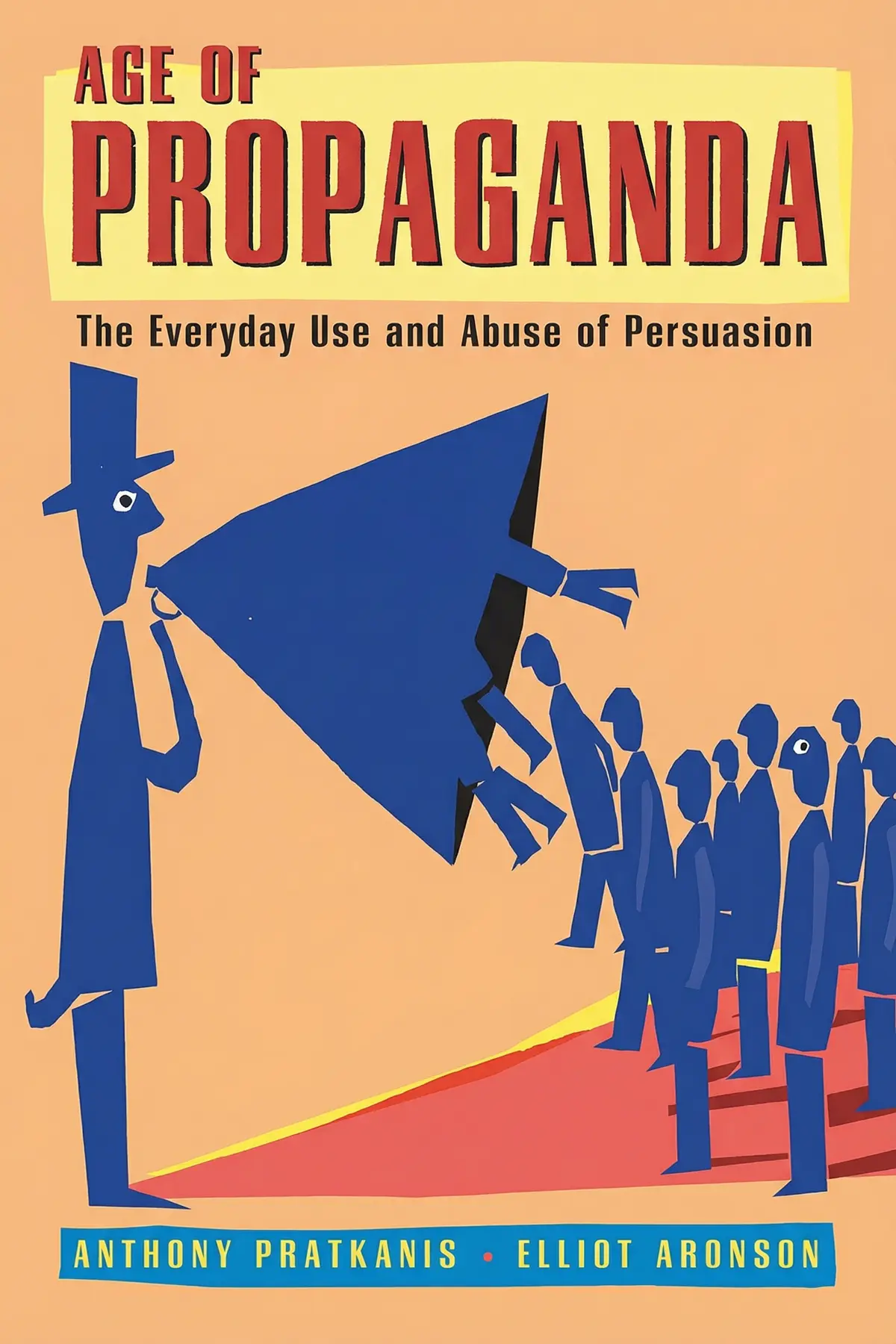
Age of Propaganda: The Everyday Use and Abuse of Persuasion
Anthony Pratkanis
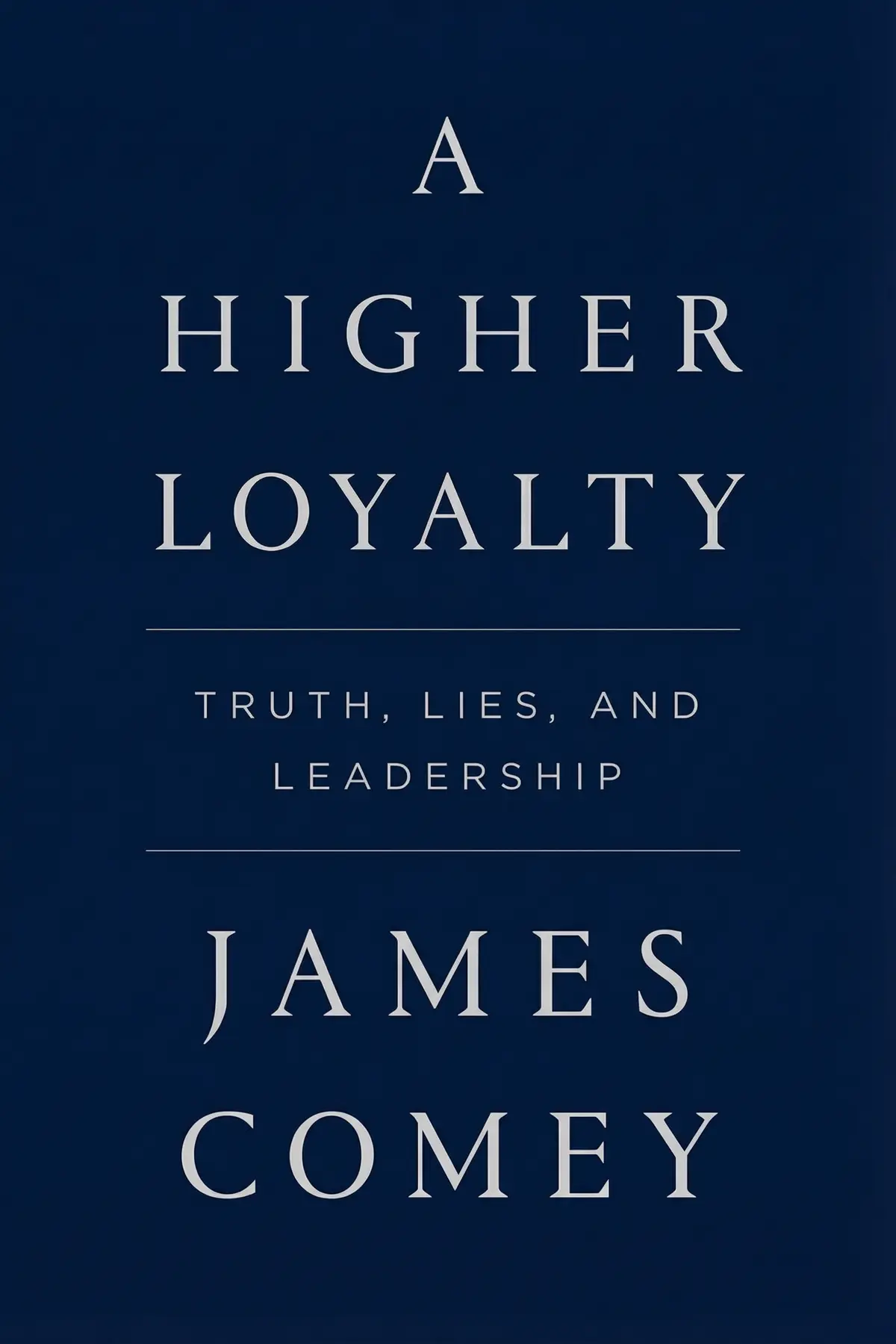
A Higher Loyalty: Truth, Lies and Leadership
James Comey
AUDIO SUMMARY AVAILABLE
Listen to The Sirens’ Call in 15 minutes
Get the key ideas from The Sirens’ Call by Chris Hayes, plus 5,000+ more titles in English and Thai.
- 5,000+ titles
- Listen as much as you want
- 7-day free trial
- Cancel anytime







