
24 min 54 sec
The Smartest Guys in the Room: The Amazing Rise and Scandalous Fall of Enron
Explore the dramatic rise and catastrophic bankruptcy of Enron. This summary details the culture of greed, fraudulent accounting, and executive hubris that led to one of the most infamous corporate scandals in history.
Table of Content
1. Introduction
2 min 12 sec
The name Enron was once spoken with reverence in the halls of American business. It was a symbol of innovation, a titan of the energy industry, and a darling of Wall Street. Yet, within a remarkably short period, that name transformed into a permanent synonym for corporate fraud, systemic corruption, and catastrophic financial failure. This is the story of how a group of highly intelligent, ambitious individuals built a house of cards so large and complex that its eventual collapse shook the global economy and led to the largest bankruptcy filing the United States had ever seen at that time.
In this summary, we are going to pull back the curtain on the internal workings of Enron. We will explore how the company transitioned from a traditional utility provider into a fast-paced trading entity that seemingly defied the laws of economics. We will examine the specific figures—the so-called ‘smartest guys in the room’—who believed they were too clever to be caught by the rules that governed everyone else. From the introduction of aggressive accounting practices to the creation of secretive offshore entities designed to hide massive debts, we will see the step-by-step process of a corporate giant being consumed by its own hubris.
But this isn’t just a story about numbers on a balance sheet. It’s a psychological study of a toxic culture. You’ll learn how Enron’s leadership encouraged a workspace filled with backstabbing and extreme risk-taking, where the only thing that mattered was the appearance of success. We will follow the timeline from the company’s optimistic beginnings through the first cracks in the facade, the desperate attempts to keep the stock price inflated, and the final, frantic weeks before the truth finally came out. By the end of this narrative, you will understand not just what happened to Enron, but why it was allowed to happen for so long, and the devastating consequences for the thousands of employees and investors who were left in the wake of its destruction. This is a journey through the heart of corporate darkness, illustrating the high cost of greed and the fragility of a system built on deception.
2. A Legacy of Hidden Fragility
2 min 23 sec
Long before the final collapse, the seeds of Enron’s destruction were sown by a culture that prioritized appearances over reality and turned a blind eye to ethical red flags.
3. The Skilling Transformation and Mark-to-Market
2 min 28 sec
Explore how the arrival of a visionary consultant completely redefined the company’s business model and introduced a revolutionary, yet dangerous, way of keeping score.
4. The Illusion of International Success
2 min 25 sec
While one executive became the glamorous face of the company’s global expansion, the reality of her deals told a story of wasted capital and ignored risks.
5. The Trading Powerhouse and the Fiction of Control
2 min 30 sec
When trading became the core of the business, the company abandoned its roots for a volatile model that required constant deception to meet Wall Street’s expectations.
6. The Financial Alchemy of Andrew Fastow
2 min 35 sec
Discover how the Chief Financial Officer used a web of complex partnerships to perform the ultimate disappearing act: making billions in debt vanish from the books.
7. Chasing the Next Big Thing
2 min 33 sec
In a desperate attempt to justify its massive valuation, Enron entered the worlds of retail electricity and broadband, only to find that technology and regulation wouldn’t bend to its will.
8. The Silence of the Watchdogs
2 min 31 sec
Learn why the very people paid to protect investors—analysts and auditors—failed to blow the whistle even as the evidence of fraud became increasingly obvious.
9. The Final Implosion and the Path to Justice
3 min 00 sec
Follow the frantic final months as investigative reporting and internal whistleblowing finally brought down the house of cards, leading to a wave of legal consequences.
10. Conclusion
2 min 17 sec
The story of Enron is more than a mere historical footnote about a failed business; it is a profound cautionary tale about the intersection of intelligence, ego, and ethics. At its core, the company failed not because its leaders were incompetent, but because they were convinced that their brilliance exempted them from the fundamental principles of honesty and transparency. They created a culture where the appearance of success was the only metric that mattered, and where the complexity of their lies was mistaken for the sophistication of their strategy. The ‘smartest guys in the room’ were ultimately undone by their own arrogance, believing they could indefinitely manipulate reality to fit their balance sheets.
As we reflect on the rise and fall of this energy giant, the most important takeaway is the necessity of healthy skepticism and robust oversight. For investors, the lesson is clear: if a business model seems too complex to understand, it probably is. No amount of charismatic leadership or technological hype can replace real cash flow and sustainable growth. For those within the corporate world, Enron serves as a reminder that the culture of an organization—what is rewarded and what is ignored—will always dictate its eventual fate. When risk-taking is untethered from responsibility and when dissent is silenced, disaster is inevitable.
In the end, the thousands of people who lost their livelihoods and life savings were the victims of a system that allowed greed to masquerade as innovation. The Enron scandal led to significant reforms in corporate governance and accounting, but the underlying human impulses that drove the fraud remain. By understanding the mechanics of this collapse, we are better equipped to recognize the red flags of the next great corporate delusion. True business success is built on a foundation of integrity and value, not on the cleverness of those who think they can outsmart the world. Let the name Enron stand as a permanent warning: when wisdom is sacrificed for wealth, the cost is eventually higher than anyone can afford to pay.
About this book
What is this book about?
The Smartest Guys in the Room offers a comprehensive look at the internal rot and external deception that fueled the Enron Corporation’s meteoric success and eventual ruin. It traces the company’s history from its origins as a pipeline merger to its reinvention as a high-tech trading powerhouse that, behind the scenes, was built on a foundation of lies. Listeners will learn how the company’s leadership—including Ken Lay, Jeffrey Skilling, and Andrew Fastow—cultivated a cutthroat environment where financial engineering was valued over actual profits. The book promises to explain the complex mechanisms used to hide debt and the systemic failure of analysts and regulators to see through the smoke and mirrors before the company finally imploded under the weight of its own corruption.
Book Information
About the Author
Bethany McLean
Bethany McLean is an accomplished journalist who gained fame for her 2001 article in Fortune magazine titled Is Enron Overpriced?, which was the first national publication to challenge the company's financial narrative. She is currently a contributing editor for Vanity Fair and a columnist at Reuters. Peter Elkind is a highly regarded investigative reporter and the author of The Death Shift and Client 9. His work has appeared in prominent outlets such as The New York Times and The Washington Post, and he currently serves as an editor-at-large for Fortune.
Ratings & Reviews
Ratings at a glance
What people think
Listeners describe this book as an intriguing listen that delivers a highly comprehensive history of Enron’s success and failure, including deep dives that help them grasp business and accounting principles. Additionally, the prose is highly regarded, and listeners feel it is a valuable purchase. However, the speed of the narrative gets a varied reception, as some find the tempo appropriate while others believe it drags in spots. Furthermore, views on the ethical aspects are split, with some identifying corporate greed as a central problem.
Top reviews
Lucas
Few business books manage to be as gripping as a high-stakes thriller, but McLean and Elkind absolutely pulled it off here. The level of research is simply staggering, providing a microscopic look at the hubris that fueled Enron’s rise and inevitable destruction. I was particularly struck by how they explained mark-to-market accounting—a concept that could easily be boring but here feels like a smoking gun. It is a terrifying exploration of how greed can rot a corporate culture from the top down. While it is a substantial read, the narrative arc of Jeff Skilling and Ken Lay is masterfully constructed. Truly, this is the definitive account of corporate sociopathy. Every page made me more outraged at how the 'smartest guys' were really just the best at hiding their tracks.
Show moreHunter
To be fair, I expected a dry business history, but what I got was a fascinating autopsy of a corporate corpse. The detail regarding Andrew Fastow’s creative accounting techniques is worth the price of the book alone. It really highlights the systemic failure of analysts and auditors who were far too enamored with the stock price to ask any difficult questions. While the pacing slows down significantly in the technical sections, the authors' ability to weave multiple threads into a cohesive narrative is impressive. It is a sobering look at the dark side of American capitalism and the fragility of the markets. The book serves as a perfect precursor to understanding the 2008 financial crisis. This is a must-read for anyone interested in how perception can completely override reality in the business world.
Show moreBee
As someone who works in the financial sector, this book should be mandatory reading for every MBA student in the country. It is a chilling indictment of a culture that prioritized short-term stock gains over long-term stability or basic ethics. The details on the California energy crisis and how Enron manipulated the markets were particularly eye-opening and, quite honestly, disgusting to revisit. It is a thick volume, and the pacing varies as the scandal deepens, but the sheer audacity of the leadership keeps you turning the pages. The authors don't pull any punches when describing the moral bankruptcy of the C-suite. It really shows how a company can build its entire house on sand while the world cheers them on. A masterpiece of investigative journalism.
Show moreYuki
Wow, just wow—the level of hubris described in these pages is genuinely hard to wrap your head around even years later. I felt a physical sense of dread reading about how regular employees lost their entire life savings while the top brass cashed out millions in bonuses. The authors balance the technical aspects with the human cost perfectly, ensuring it never feels like just a list of numbers. It is not just a book about finance; it is a book about the total abandonment of common sense for the sake of a high stock price. Every time I thought the executives couldn't get more brazen, a new chapter proved me wrong. It’s a long journey through a lot of data, but it is a story that absolutely needs to be told.
Show moreUraiwan
Picked this up after watching the documentary and I’m glad I did, though it is definitely a denser, more demanding experience. The authors do a commendable job weaving together the technical financial maneuvers with the personal drama of the executives involved. Frankly, some of the accounting jargon feels like hitting a brick wall, and I found myself re-reading sections just to grasp how the shell companies functioned. However, the portraits of the leadership are incredibly vivid and well-drawn. It is a bit of a slog in the middle sections when the legal structures get heavy, but the payoff is a total understanding of a massive systemic failure. If you have the patience for the 'accountancy blah blah,' the insights into corporate greed are well worth the effort.
Show moreSuda
Ever wonder how a 70-billion-dollar company just vanishes into thin air almost overnight? This book explains the mechanics of that disappearance perfectly, though you might need a drink halfway through to deal with the blatant dishonesty. I wasn't expecting to learn quite so much about 'special purpose entities' during my commute, but the authors make it surprisingly accessible. The writing is sharp and authoritative throughout the entire narrative. My only minor gripe is that it drags during the later chapters once the legal battles start piling up and the outcome is already clear. Still, it is a solid 4-star read for the incredible amount of effort put into the reporting. It’s a tragic tale of ambition run amok that still feels relevant today.
Show moreAlice
The chapter on the culture of 'rank and yank' performance reviews was the most disturbing part of the entire book for me. It perfectly illustrates how Enron created a backstabbing environment where ethics were viewed as a secondary concern to hitting quarterly numbers. McLean and Elkind have produced a meticulous account of a disaster that was years in the making. The way they trace the evolution from a simple gas pipeline company to a 'logistics' juggernaut that actually produced nothing of value is brilliant. I did struggle with some of the more esoteric trading concepts toward the end, which made the pacing feel uneven at times. Regardless, the authors' ability to humanize the victims while holding the perpetrators accountable is very well-balanced. It’s an essential, if occasionally difficult, piece of history.
Show moreKatya
After hearing so much about recent crypto collapses, I wanted to go back and read about the original 'house of cards'—Enron. It is amazing how much the patterns repeat themselves over the decades. The same cult of personality, the same opaque accounting, and the same 'if you don't get it, you aren't smart enough' attitude toward outsiders are all present here. This book is a massive undertaking, but it provides so much necessary context for how these systemic failures occur. It is quite dense, and I did struggle with the complexity of the offshore partnerships, but the overall message is loud and clear. Personally, I think it’s an essential piece of financial history for any modern reader. Just be prepared for a long, slow-burn narrative.
Show moreBenjamin
Finally got around to reading this classic and the quality of the journalism is truly top-tier throughout. You can tell McLean and Elkind spent years unearthing these specific details from hundreds of different sources. The prose is clean and authoritative, which helps immensely when you're trying to navigate the convoluted web of Enron’s various partnerships. It doesn't read like a boring corporate report; instead, it reads like a Shakespearean tragedy set in Houston. My only minor complaint is that the sheer number of characters and names can get confusing, making it hard to stay engaged during the middle transition. Regardless, if you want to understand the 2001 crash and the culture of that era, this is the book you have to start with.
Show moreJun
Not what I expected based on the glowing reviews; the truth is, it’s far too repetitive and could have been a hundred pages shorter. I understand that Enron was a complex beast, but do we really need to hear about every single failed project in such painstaking, minute detail? The authors seem to circle the same themes of greed and arrogance over and over without adding much new insight after the first third of the book. It becomes a repetitive cycle of management lying and the stock price miraculously going up. I found myself skimming large sections just to get to the actual collapse at the end. There is a good story buried here, but it is unfortunately hidden under a mountain of financial fluff and unnecessary filler.
Show moreReaders also enjoyed
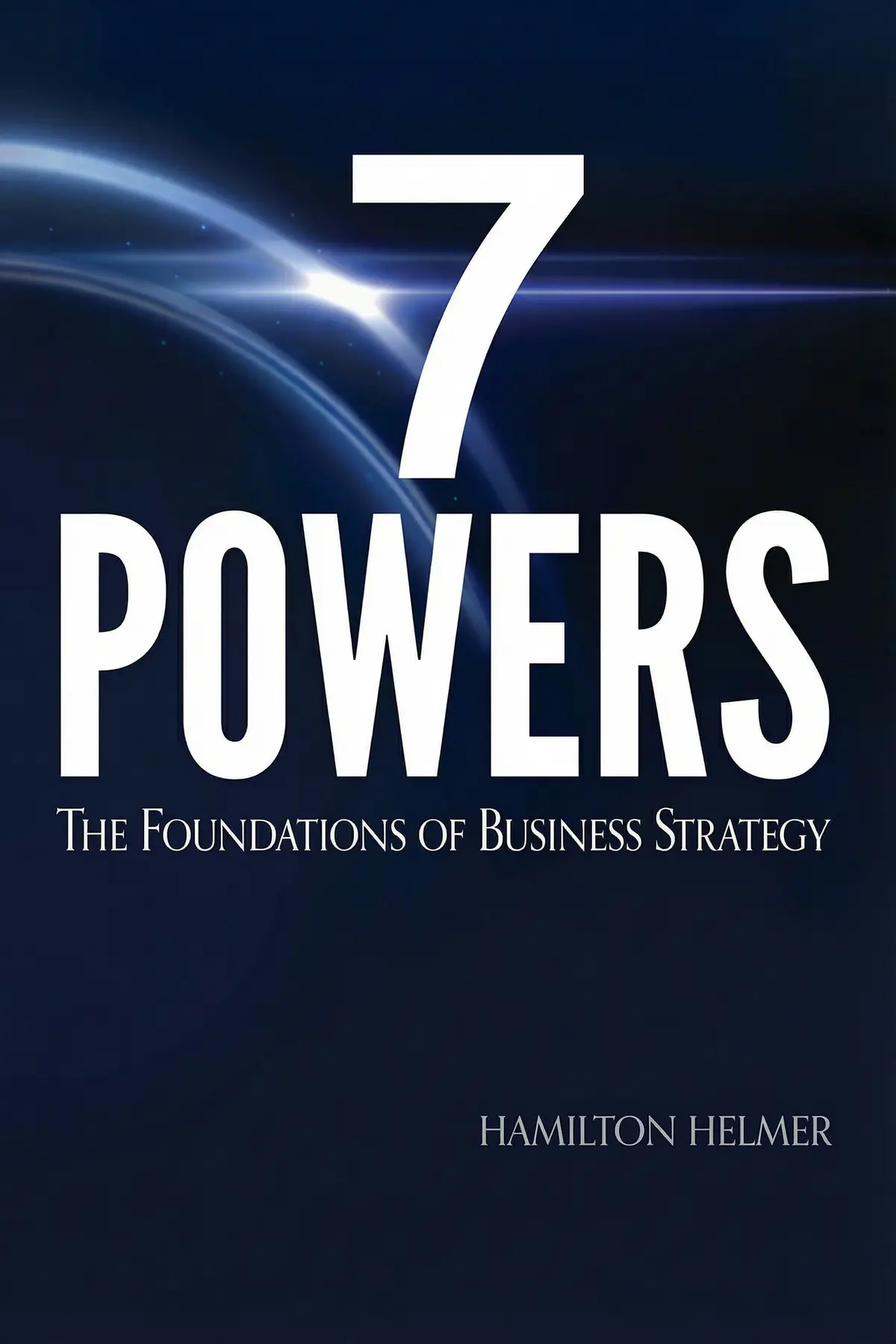
7 Powers: The Foundations of Business Strategy
Hamilton Helmer
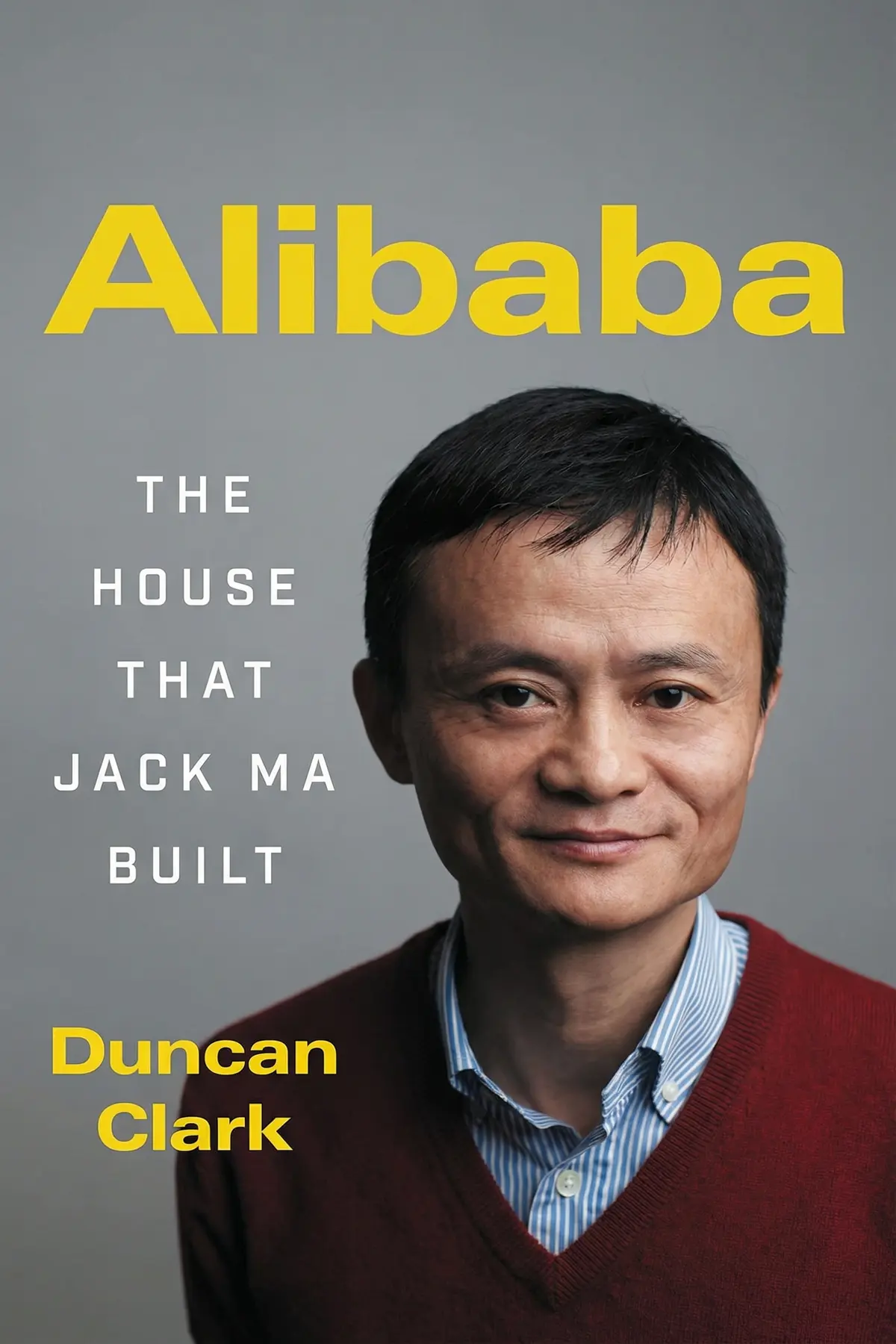
Alibaba: The House That Jack Ma Built
Duncan Clark
Bad Blood: Secrets and Lies in a Silicon Valley Startup
John Carreyrou
AUDIO SUMMARY AVAILABLE
Listen to The Smartest Guys in the Room in 15 minutes
Get the key ideas from The Smartest Guys in the Room by Bethany McLean, plus 5,000+ more titles in English and Thai.
- 5,000+ titles
- Listen as much as you want
- 7-day free trial
- Cancel anytime







