
How to be a Conservative
Roger Scruton
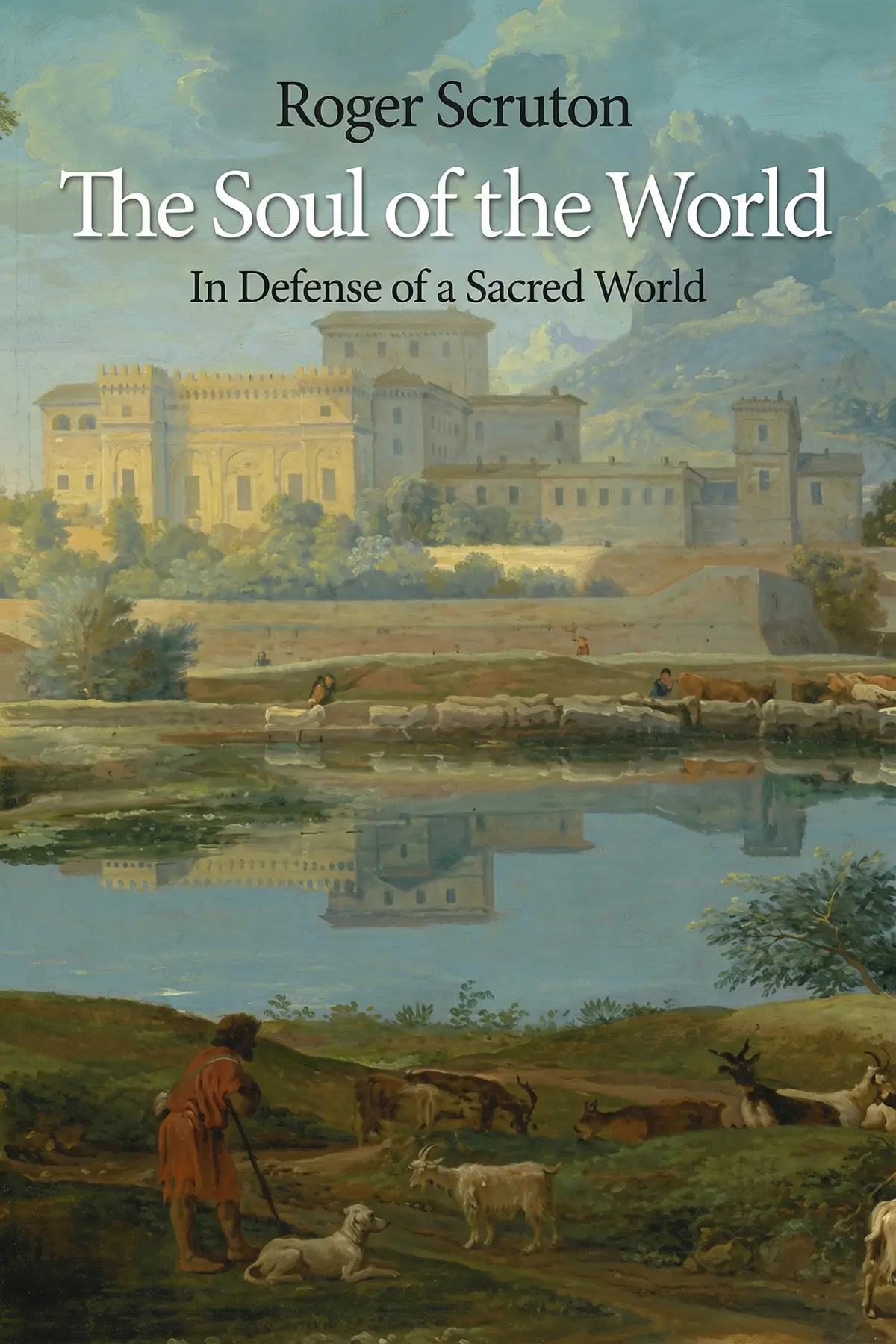
An examination of the human impulse toward the sacred, arguing that scientific explanations of life fail to capture the depth of beauty, morality, and our need for transcendental connection.
1 min 59 sec
Imagine you are sitting in a concert hall, waiting for the first notes of a symphony to fill the air. As the conductor raises the baton and the orchestra begins, your brain is technically receiving a series of vibrations. If we looked at this from a purely scientific perspective, what you are hearing is a sequence of individual sounds, each defined by a specific frequency and pitch. But is that what you actually experience? Of course not. You hear a melody. You hear tension, resolution, movement, and emotion. You aren’t just hearing sounds; you are hearing music.
This simple distinction is the gateway to understanding a profound philosophical problem. We live in an age where the scientific method is seen as the ultimate authority on truth. We are told that we are biological organisms, that our thoughts are chemical reactions, and that our feelings are evolutionary adaptations designed to help us survive. But as Roger Scruton explores in The Soul of the World, this language of science—as powerful as it is—often feels strangely hollow when it comes to describing the way we actually live and feel. It explains the ‘how’ of our existence, but it frequently fails to capture the ‘why’ or the ‘what.’
In the following sections, we are going to dive into a defense of the sacred. We will explore why the human heart continues to yearn for something transcendental, even in a secular world. We will look at how we perceive other people, why we find meaning in art, and why our modern architecture often leaves us feeling cold. Through a concept known as ‘cognitive dualism,’ we’ll see how it’s possible to respect the truths of science while still holding onto the truths of the soul. This isn’t just a religious argument; it’s an exploration of what it means to be a person in a world that often tries to treat us like objects. Let’s begin this journey by looking at the limits of the scientific lens.
2 min 17 sec
Science can explain the mechanisms of our behavior, but it often misses the actual substance and meaning of our deepest human convictions.
2 min 12 sec
Religious faith is less about proving a set of facts and more about seeking a personal connection with a transcendental subject.
2 min 26 sec
Cognitive dualism allows us to accept the physical truths of science while still recognizing the interpersonal truths of human experience.
2 min 05 sec
Despite what neurological studies might suggest about the brain, our human interactions depend on the belief in a unified, free self.
2 min 09 sec
Human society flourishes when we honor bonds that are deeper than mere agreements or negotiated deals.
1 min 55 sec
The buildings we design are not just functional shells; they are expressions of how we view ourselves and our place in the world.
1 min 57 sec
Art and music offer a form of emotional education that science cannot provide, allowing us to connect with a deeper subjectivity.
2 min 23 sec
Religion and ritual provide the necessary framework for confronting the weight of our existence and the mystery of death.
1 min 50 sec
As we have seen through these reflections, the world we inhabit is far more complex than a list of scientific facts might suggest. Roger Scruton’s *The Soul of the World* serves as a powerful reminder that while we should respect the insights of biology and physics, we must not let them overwrite the ‘Lebenswelt’—the world of life, meaning, and interpersonal connection.
Cognitive dualism offers us a way to navigate the modern age. It allows us to acknowledge that we are biological organisms while insisting that we are also free subjects with responsibilities and souls. We’ve explored how this plays out in our relationships, where the ‘vow’ offers a depth that a ‘contract’ can never reach. We’ve seen it in our surroundings, where sacred architecture can lift our spirits, and in our art, which provides an essential education for our emotions.
Ultimately, the ‘soul of the world’ is found in our willingness to see life as a gift and to treat one another as subjects rather than objects. Religion, with its rituals and its focus on the transcendental, provides the language we need to speak about these mysteries. In a world that often feels fragmented and materialist, the pursuit of the sacred is not a retreat into the past. It is a necessary path forward if we wish to remain truly human. The throughline of this journey is simple but profound: there is more to this world than meets the eye, and it is in the pursuit of beauty, the sacred, and the interpersonal that we find our true home. As you go back into your daily life, consider looking for the ‘subject’ in the objects around you—the melody in the noise, the face in the building, and the soul in the person standing next to you.
The Soul of the World explores the tension between a purely scientific view of the universe and the deeply felt human experience of the sacred. Roger Scruton argues that while science can explain the physical mechanisms of the world, it often misses the meaning behind human beliefs, art, and relationships. By examining everything from the way we listen to music to the way we build our cities, the book highlights how we seek out 'subjectivity'—the sense of a person or a presence—in the world around us. Ultimately, the book offers a defense of the sacred. It suggests that through rituals, the appreciation of beauty, and the recognition of life as a gift rather than an accident, we find a pathway to transcendence. Scruton provides a philosophical framework for understanding why we yearn for God and how our modern, materialist society might be losing touch with the very things that make us human.
Roger Scruton was a distinguished philosopher and writer known for his significant contributions to modern conservatism. His intellectual life was marked by both academic rigor and real-world impact; in 1998, he received the Czech Republic’s Medal of Merit for his brave work opposing academic oppression during the Soviet era. He was later knighted in 2016 for his services to philosophy and education. Over a prolific career ending with his death in 2020, Scruton authored more than 50 books, including seminal works such as The Meaning of Conservatism, The Aesthetics of Music, and How to Be a Conservative.
Roger Scruton
Listeners find the writing skillful and value its deep insights, with one person highlighting the chapter-length critiques of opposing secular viewpoints. The work is praised for the caliber of its message, as one listener describes it as thought-provoking. Regarding the level of readability, listeners have divided opinions.
Roger Scruton has a way of making you feel both deeply seen and slightly undereducated. His exploration of the 'Lebenswelt,' or life-world, provides a necessary counterweight to the cold, pixelated view of modern neuroscience. I was particularly struck by how he defends the sacred through the lens of interpersonal relationships and the structure of music. It is a dense read, and you might need a dictionary by your side, but the payoff is immense. He successfully argues that human beings are more than just biological machines driven by genetic survival. While his tone can be a bit lofty, his defense of the soul is remarkably cogent and necessary in our secular age.
Show moreAfter finishing this, I felt a strange sense of peace that I haven't found in other contemporary philosophy books. Scruton does not just argue for the soul; he invites you to experience it through art, community, and sacrifice. The way he links the fall of Adam and Eve to the objectification of the human person was a stroke of genius. It is a short book, but do not let the page count fool you into thinking it is a light lift. Every paragraph demands reflection. I did find some of his swipes at evolutionary psychology a bit repetitive toward the end, but the overall message is one of hope and dignity.
Show moreBreathtakingly profound. Roger Scruton manages to bridge the gap between rigid analytical philosophy and the soaring heights of religious experience. He tackles the unanswerable questions of the modern era with a grace that makes the difficult subject matter feel accessible, even if the prose is dense. The distinction between 'what' we are and 'why' we are is handled with such precision that it is hard not to be convinced by his logic. I have never read a better defense of the idea that we are agents, not just 'gene machines.' It is an essential read for anyone grappling with the loss of the sacred in a scientific world.
Show moreIt is rare to encounter a mind as expansive as Scruton’s, and this volume is a testament to his legacy as a philosopher of the spirit. He takes the difficult concepts of the 'Lebenswelt' and makes them feel like something we encounter every time we look into another person's eyes. The book feels massive despite its short length because it deals with the very core of what it means to be human. Though I was occasionally frustrated by his tendency to label biblical truths as 'myths' to appease a wider audience, the underlying theism is robust and challenging. This is the kind of work that stays with you long after the final page is turned.
Show moreThe beauty of this text lies in its refusal to settle for easy answers regarding our place in the universe. Scruton’s chapters on architecture and music are easily the highlights, showing how aesthetics point to a reality beyond mere material function. He masterfully articulates the 'I-You' relationship, suggesting that our personhood is forged in the gaze of the other. My only gripe is that he occasionally sets up 'materialist' strawmen that feel a bit dated in the current philosophical landscape. Nevertheless, his writing is elegant and his passion for the sacred is infectious. It is a profound look at how we inhabit a world of meaning rather than just a world of objects.
Show moreCan we really reduce the human experience to neurons firing and chemical reactions in the brain? Scruton says no, and he does so with a level of erudition that is rare in modern publishing. His concept of cognitive dualism allows for the validity of science while insisting on the necessity of a humanistic 'understanding.' I loved the discussion on how music is not just sound waves but a structured experience of movement and tension. To be fair, he does get a bit bogged down in technicalities when discussing Husserl and Sartre. However, for anyone tired of the reductive 'nothing-but-ism' of the New Atheists, this provides a sophisticated and much-needed alternative perspective.
Show moreIn an age of digital distraction, Scruton calls us back to the importance of faces and the sacred nature of our interactions. This collection of lectures is remarkably consistent, building a case for a 'grounding God' through the very way we perceive the world. I found the final essay on death and the transition from subject to object to be particularly moving. It is true that he can be a bit dismissive of secular thinkers, which might alienate some readers. Yet, his prose is so luminous that even when I disagreed, I was happy to follow his train of thought. This is a book that requires multiple readings to fully grasp its many layers.
Show moreFrankly, I found myself struggling to stay afloat in the deep end of Scruton’s philosophical pool. The concepts of cognitive dualism are fascinating, but the author assumes a level of academic background that I simply don't possess as a lay reader. I appreciated his desire to bridge the gap between scientific description and humanistic understanding, yet the 'hand-holding' was non-existent. There were moments where the prose became so thick with Kantian references that I lost the thread of the actual argument. It is definitely not a book for a casual weekend read. If you are willing to put in the work, there is gold here, but for me, it was just too much effort for the payoff.
Show moreWhile Scruton’s prose is undeniably beautiful, I walked away from this book feeling like he missed the mark on several contemporary scientific debates. He critiques evolutionary psychology and neuroscience as if they are inherently nihilistic, which is a bit of a stretch in my experience. The 'cognitive dualism' he proposes feels like a clever way to reintroduce old-fashioned metaphysics under a new name. That said, his insights into how we experience music and architecture are genuinely startling and worth the price of admission alone. It is an uneven work that is brilliant in its aesthetic analysis but slightly shaky in its polemical sections against the naturalists.
Show moreI wanted to like this book based on the synopsis, but I found the author’s tone incredibly off-putting and preachy. Once I learned more about Scruton’s political leanings as a 'father of the New Right,' the subtext of the book became much clearer and more distracting. It felt less like an open philosophical inquiry and more like a defense of traditionalist dogmas masquerading as phenomenology. I slogged through the first few chapters about the 'life-world,' but eventually, the dense, academic jargon became too much to bear. It is clearly written for a very specific type of intellectual who already agrees with his worldview. Not my cup of tea at all.
Show more
Nigel Warburton
John Rawls
Eckhart Tolle
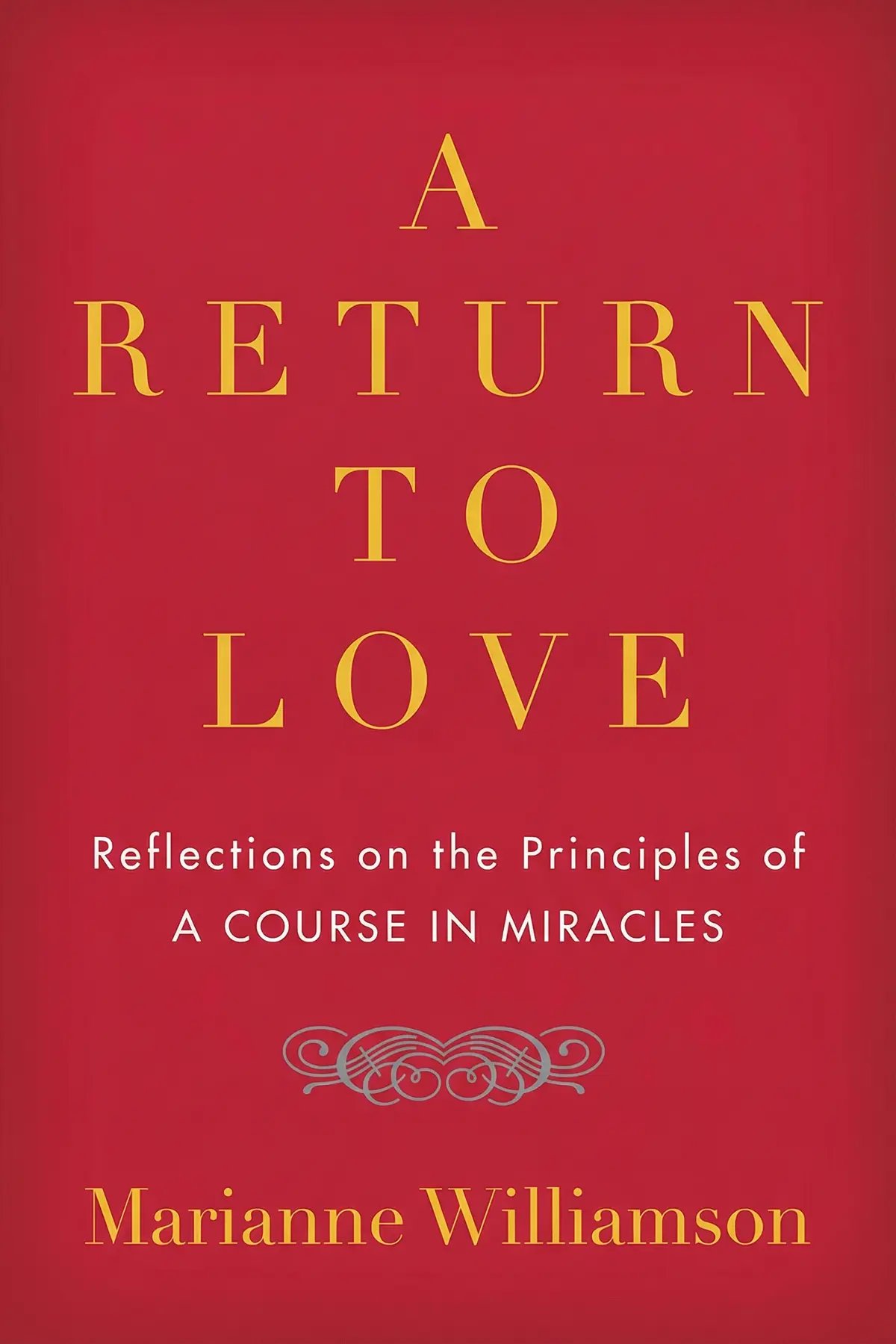
Marianne Williamson
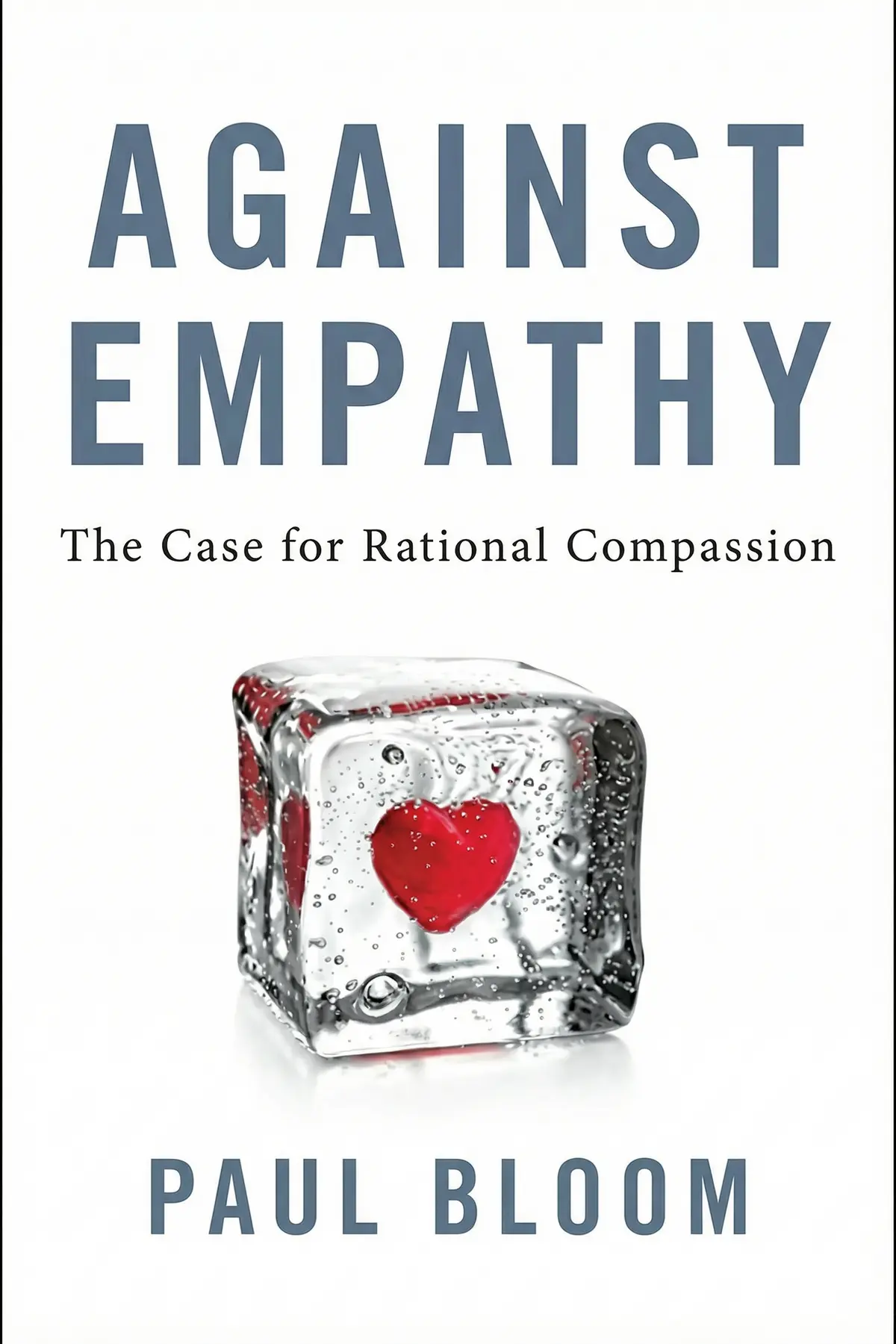
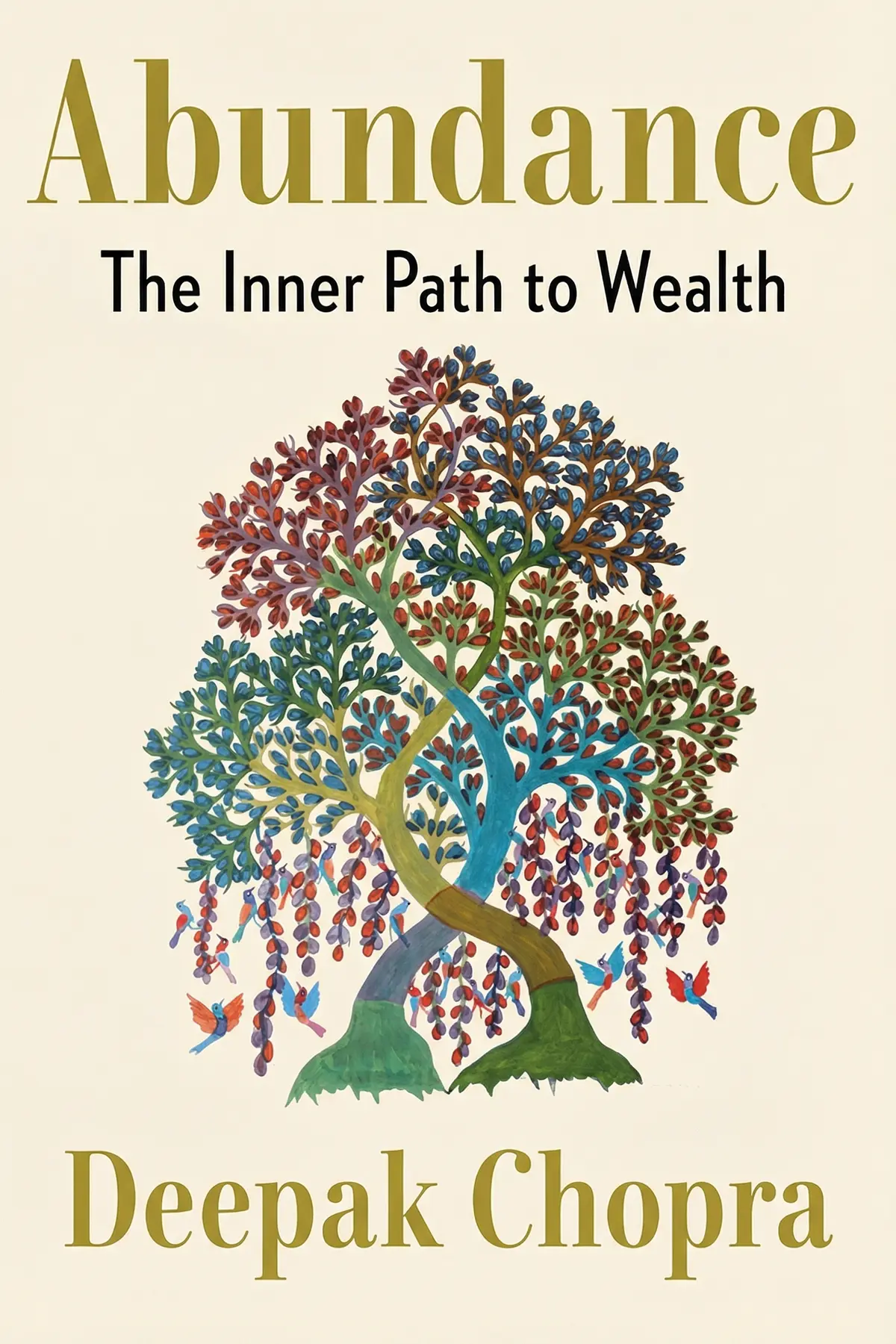
Deepak Chopra
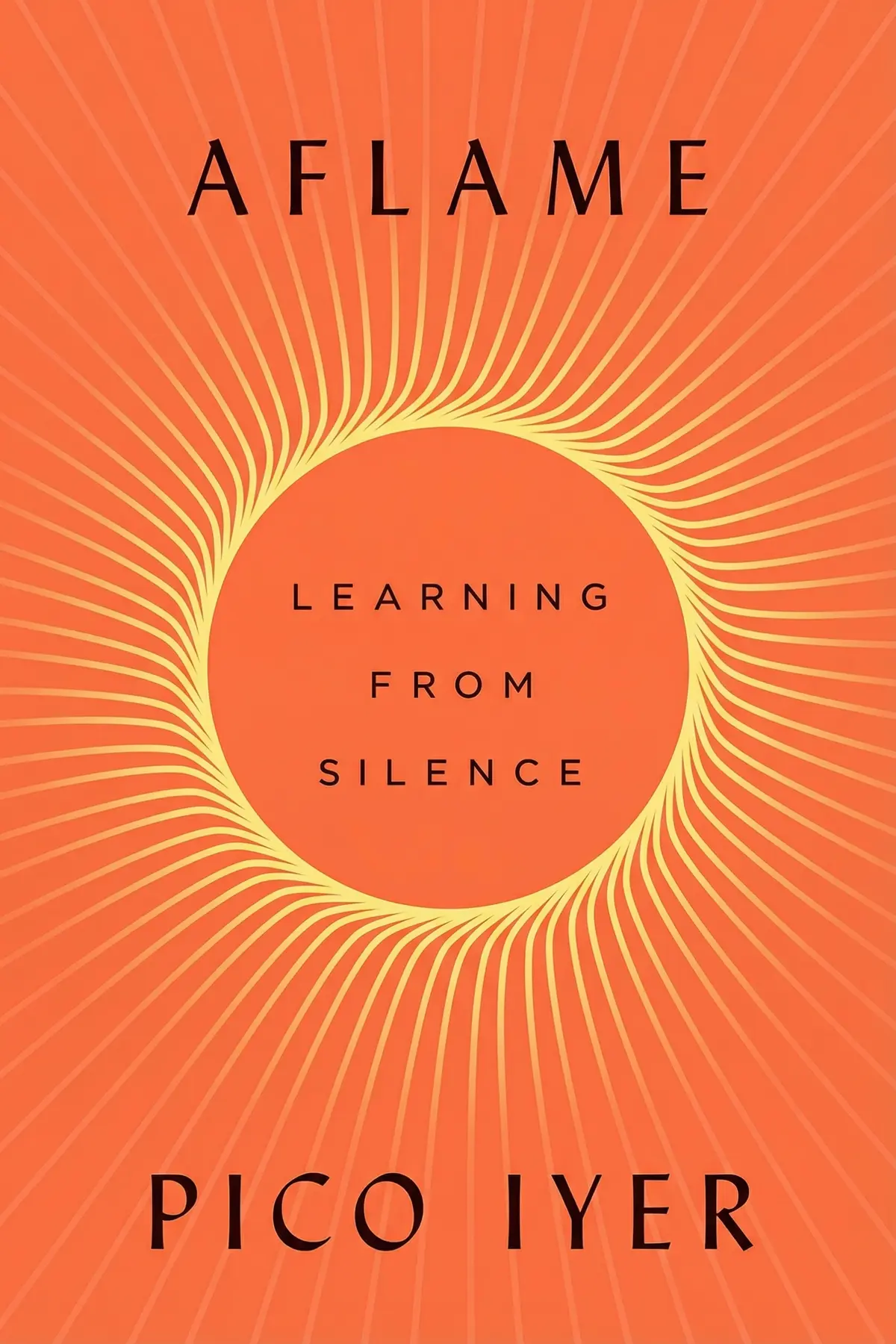
Pico Iyer
Alcoholics Anonymous World Services
AUDIO SUMMARY AVAILABLE
Get the key ideas from The Soul of the World by Roger Scruton, plus 5,000+ more titles in English and Thai.







