
15 min 35 sec
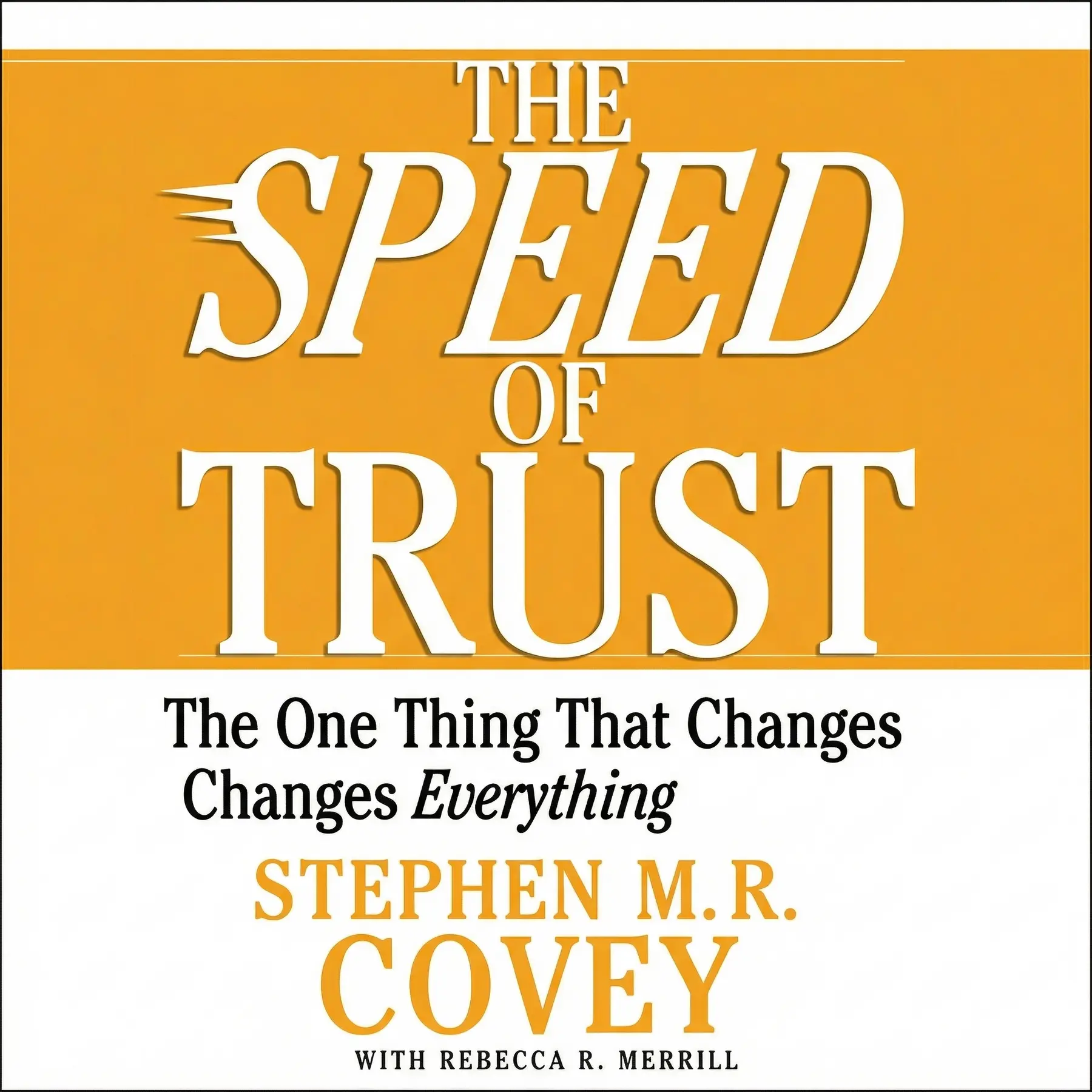
The Speed of Trust: The One Thing That Changes Everything
Discover how trust serves as a measurable economic driver rather than a soft virtue. Learn practical frameworks to enhance credibility, accelerate business cycles, and repair damaged relationships for lasting personal and professional success.
Table of Content
1. Introduction
1 min 25 sec
When we talk about trust, we often treat it as something ethereal—a soft, warm feeling that is nice to have but difficult to quantify. We group it with concepts like love or friendship, viewing it as a social lubricant rather than a hard business asset. But what if that perspective is actually holding you back? What if trust is the single most important variable in your financial success, your professional reputation, and your personal happiness?
In this exploration of the ideas presented by Stephen M. R. Covey and Rebecca R. Merrill, we shift the narrative. Trust is not an abstract virtue; it is a concrete, measurable factor that dictates the pace and the expense of everything we do. Whether you are leading a multinational corporation, managing a small team, or simply trying to strengthen the bonds within your own family, the speed at which you operate is directly tied to the level of trust you have established.
Throughout this summary, we will examine the ‘Economics of Trust,’ showing how a lack of confidence in others acts as a hidden tax, while high trust acts as a powerful dividend. We will break down how to build credibility from the inside out, starting with yourself and moving toward your relationships and your broader community. By the end, you will see that trust is a skill that can be learned, practiced, and mastered. It is the one thing that changes everything, and it starts with a fundamental shift in how you behave and how you view those around you.
2. The Economic Reality of Trust
2 min 34 sec
Explore why trust is far more than a social virtue, acting instead as a tangible force that dictates the speed and cost of every transaction.
3. Establishing the Four Cores of Credibility
2 min 46 sec
Learn the internal framework required to build self-trust, focusing on integrity, intent, capabilities, and a track record of results.
4. The Trust Account and Relationship Dynamics
2 min 23 sec
Discover how specific behaviors act as deposits or withdrawals in your interpersonal trust accounts, and why straight talk is essential.
5. Scaling Trust to Organizations and Markets
2 min 34 sec
Understand how trust extends beyond individuals to affect organizational alignment, market reputation, and your overall social impact.
6. The Art of Restoring and Extending Smart Trust
2 min 19 sec
Learn the balance between naive gullibility and excessive suspicion, and how to rebuild trust even after it has been broken.
7. Conclusion
1 min 34 sec
As we wrap up our journey through the mechanics of trust, it is vital to remember the central throughline: trust is the hidden variable that changes everything. It is the difference between a team that flourishes and one that fractures. It is the difference between a brand that commands loyalty and one that is viewed with skepticism. Most importantly, it is the foundation of a life lived with integrity and purpose.
We have seen that trust is not a soft sentiment but an economic powerhouse. By applying the Four Cores of Credibility—Integrity, Intent, Capabilities, and Results—you build a foundation of self-trust that makes you an attractive partner and leader. By managing your ‘trust account’ through consistent, respectful, and candid behaviors, you strengthen your interpersonal bonds. And by scaling these principles to your organization and society, you create an environment where speed increases and costs decrease.
Your actionable takeaway is this: the little things count. You don’t need a grand gesture to start building trust today. A simple phone call to check in, a moment of public praise for a colleague’s hard work, or a commitment kept—no matter how small—serves as a deposit in the trust account. Start with yourself. Be the person you would want to trust. As you improve your own credibility and begin to extend smart trust to those around you, you will see the ‘trust dividend’ manifest in every area of your life. Trust is the one thing that changes everything; make it your most valued asset.
About this book
What is this book about?
The Speed of Trust challenges the common perception that trust is merely a social grace or an abstract emotional concept. Instead, it presents trust as a hard-edged economic necessity that directly impacts the speed and cost of every interaction. By viewing trust through a pragmatic lens, the book provides a roadmap for individuals and leaders to transform their influence and effectiveness. The core promise is that by mastering the principles of trust, you can unlock a 'trust dividend'—a tangible boost in productivity and profit. Through the exploration of the four cores of credibility and the thirteen behaviors of high-trust leaders, the summary reveals how to build, extend, and even restore trust when it has been compromised. It moves from self-trust to societal impact, offering a comprehensive guide for anyone looking to improve their results through better relationships.
Book Information
About the Author
Stephen R. Covey
Stephen M. R. Covey is a renowned author, advisor, and speaker who focuses on the critical role of trust in leadership. As the former CEO of CoveyLink Worldwide, he has dedicated his career to teaching organizations how to leverage trust as a strategic advantage. He is the son of Stephen R. Covey, the acclaimed author of The 7 Habits of Highly Effective People. Rebecca R. Merrill is a collaborative writer who has worked on several influential projects, including Life Matters and the bestselling classics produced by the Covey family.
Primary Greatness: The 12 Levers of Success
Stephen R. Covey
The 7 Habits of Highly Effective Families
Stephen R. Covey
The 8th Habit: From Effectiveness to Greatness
Stephen R. Covey
Ratings & Reviews
Ratings at a glance
What people think
Listeners find this book to be an essential resource that delivers hands-on methods for mending fractured trust and fostering significant connections. It remains educational from beginning to end, providing useful advice and exercises that listeners consider well worth the investment. Furthermore, they value the thought-provoking insights and the way the material helps them empower the people in their lives.
Top reviews
Somkid
Picked this up after a recommendation from a colleague, and it really shifted my perspective on workplace dynamics. The core idea that trust isn't just a soft skill but a measurable economic driver is absolutely game-changing. It’s not just about being nice to people; it’s about the tangible speed at which a high-trust team can move. I appreciated the practical tools provided for restoring relationships that have been damaged by poor communication or past mistakes. While some might find the Covey vocabulary a bit much at times, the underlying message is incredibly empowering for anyone in a leadership position. It's well worth the price if you’re looking to improve your organizational culture. Truth is, I started applying the 'listen first' behavior immediately and saw results within a week.
Show moreSuda
Finally finished the book and I have to say, it’s even better than the elder Covey’s 7 Habits. While his father focused on the individual, this book takes those principles and applies them to the speed of the modern world. The idea that low trust is a literal tax on your business is a brilliant way to frame the conversation. I especially liked the chapter on Smart Trust, which balances being trusting with being savvy so you don't get taken advantage of. It’s a practical guide that empowers those around you by creating an environment where people feel safe to take risks. Truly essential reading for anyone who wants to lead with integrity in the 21st century. It's informative and worth every penny.
Show moreSuthida
Not what I expected at all, but in the best way possible. I thought this would be another dry business text, but Covey’s writing style is actually very engaging and clear. The way he articulates the role of competency in trust was a huge aha moment for me. You can be the nicest person in the world, but if you aren't competent at your job, people won't trust you to deliver results. This book gives you the tools to bridge that gap. It’s full of helpful tips and practices that you can start using at home or in the office right away. My relationships have already seen a noticeable improvement since I started focusing on extending trust to others more intentionally. It's a phenomenal read.
Show moreNadia
Wow, Covey really nailed it with this one. This isn't just about business; it’s a moral philosophy for how to live a better life. The book provides a practical toolkit for restoring trust where it's been lost, which is something we all need at some point. It’s incredibly thought-provoking and challenges you to align your actions with your values. I’ve read a lot of self-help books, but this one feels particularly grounded in reality. The focus on results as a pillar of trust is a necessary reminder that intentions only go so far. If you're looking for a way to empower your team and build lasting relationships, this is worth every penny. He’s definitely doing a good job following in his father's footsteps.
Show moreLook
As a veteran teacher, I found myself viewing these concepts through the lens of education reform rather than corporate profits. The section on organizational trust was particularly eye-opening because it explains exactly why so many school districts are currently mired in dysfunction. We simply don’t trust each other, and that lack of trust acts as a hidden tax on everything we try to achieve for our students. I loved the distinction between real trust and the counterfeit versions where someone acts supportive while secretly plotting their own advantage. It's a thought-provoking read, even if the business-heavy examples—like the acquisition of a $20 billion company—don't always translate perfectly to the classroom environment. Still, the message of personal integrity is universal and helpful for any educator.
Show moreJoseph
Ever wonder why some projects move at a snail’s pace while others seem to fly? Covey argues it’s all down to trust, and he provides a very clear roadmap for how to build it from the ground up. I found the 4 Cores of Credibility to be a helpful framework for self-evaluation. It’s easy to blame others for a lack of trust, but this book forces you to look at your own competency and intentions first. Some of the 13 behaviors seem like common sense—like being honest or showing loyalty—yet we see them ignored in the professional world every single day. The book is definitely informative from start to finish. I gave it four stars because it can be quite wordy, but the lessons on restoring broken trust are essential for long-term success.
Show moreSing
After hearing about the Warren Buffett anecdote mentioned in the first chapter, I knew I had to finish the rest of the book. The concept of trust tax vs. trust dividends is a powerful way to explain the hidden costs of a toxic workplace culture. It really makes you think about all the time wasted on unnecessary meetings and bureaucracy because management doesn't trust their employees. The writing can be a bit redundant—nothing is faster than the speed of trust, we get it—but the content remains valuable throughout. I found the section on listening first to be particularly relevant to my current role. It’s a great resource for anyone looking to increase efficiency and lower stress. This book provides the practical tools needed to actually fix things.
Show moreNarumon
The breakdown of the 13 behaviors and 5 waves provides a decent structure, but the book suffers from a serious case of padding. It’s a bit over-familiar if you’ve read any other business-improvement books lately. You get the magic quadrants, the supportive personal anecdotes, and the buzzphrases that are clearly meant to be turned into a PowerPoint presentation. Having said that, the core philosophy isn't wrong; it’s actually quite laudable. I appreciated the specific examples, like the Warren Buffett Walmart deal, even if they felt a bit cherry-picked to support the author’s formula. It's a solid 3-star read: worthwhile for the general advice on being a decent person, but it didn't exactly blow my mind or reveal anything revolutionary. I'd recommend looking for a summary first.
Show moreNoah
To be fair, the central premise that trust affects efficiency makes sense, but the execution here is painfully redundant. I felt like I was reading the same five pages over and over again for the entire duration of the book. Covey tries to pass off vague generalizations as quantifiable evidence by using terms like trust tax, but the science behind it feels incredibly thin. If I had turned in a report this repetitive back in middle school, my teacher would have sent it back with red ink everywhere. It's clearly following a specific corporate-guru formula with its 5 waves and 13 behaviors. Unless you're a business student desperate for a case study, you could probably get the same value from a ten-minute summary online. The writing competency just isn't there.
Show moreSaovapa
Frankly, this feels like a 300-page tea party opus designed to justify why corporations shouldn't have to follow regulations. The author makes some truly baffling claims, like suggesting Sarbanes-Oxley is just a waste of time that wouldn't be necessary if we all just trusted each other more. Tell that to the people who lost their life savings at Enron. It completely ignores structural biases and systemic unfairness in favor of a magical world where working hard and having integrity solves everything. The writing is formulaic, filled with strained acronyms and pseudo-scientific equations that don't actually mean anything. It’s the kind of patronizing business-guru fluff that companies hand out for free to employees instead of giving them actual raises. Absolutely the lamest thing I've read this year.
Show moreFeatured in
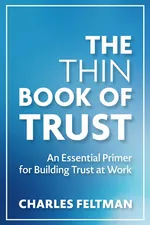
Readers also enjoyed
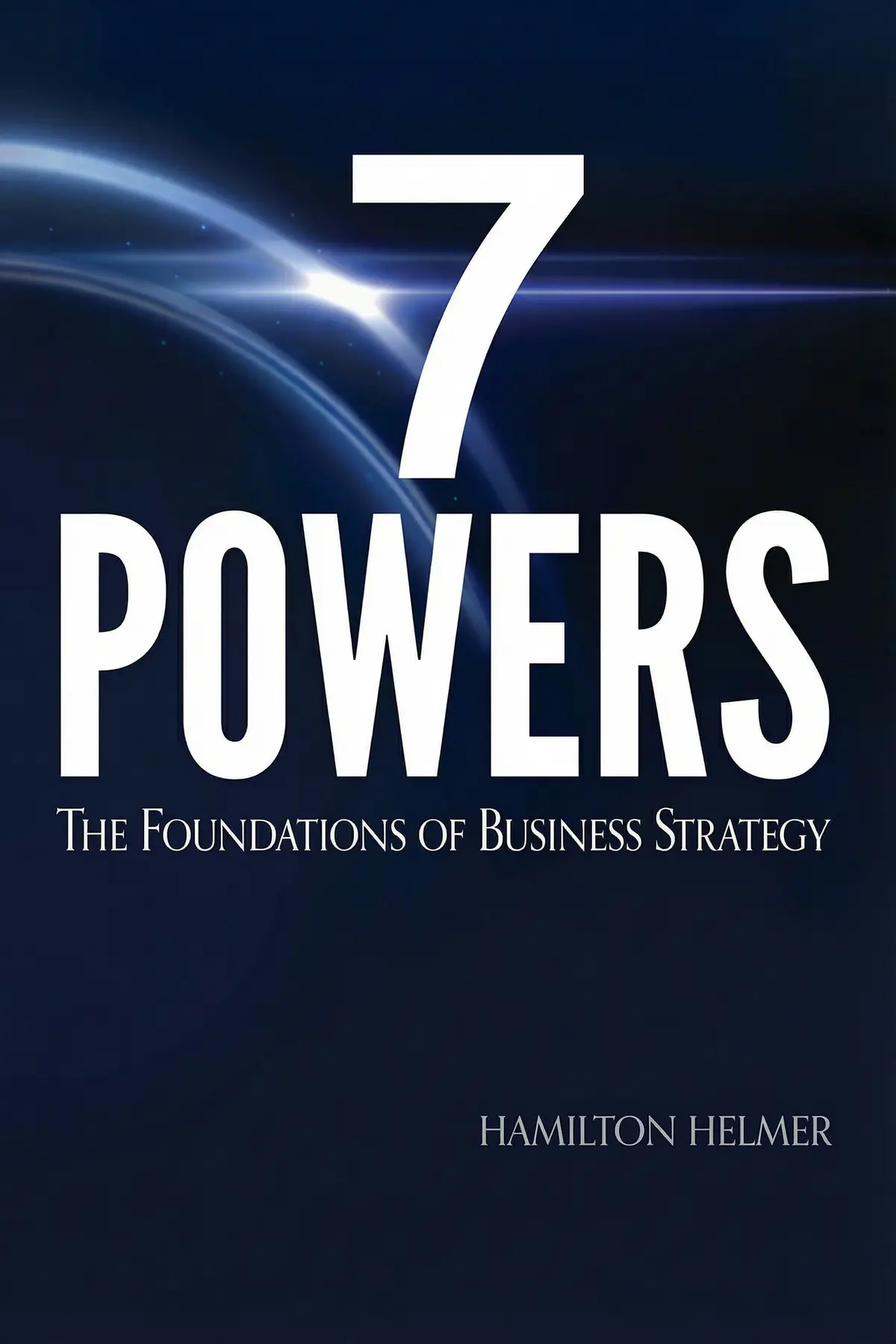
7 Powers: The Foundations of Business Strategy
Hamilton Helmer
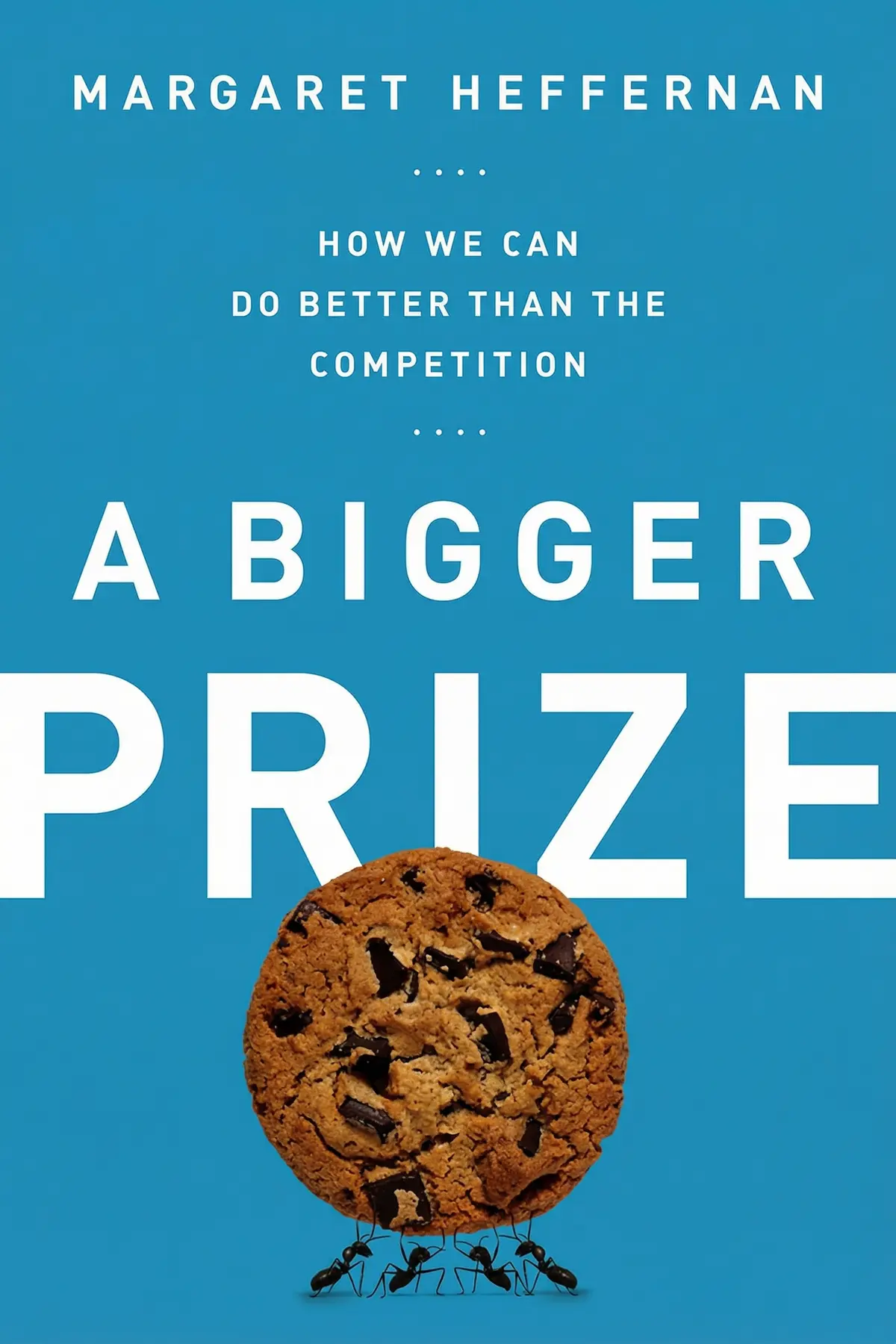
A Bigger Prize: How We Can Do Better Than the Competition
Margaret Heffernan
A Year with Peter Drucker: 52 Weeks of Coaching for Leadership Effectiveness
Joseph A. Maciariello
AUDIO SUMMARY AVAILABLE
Listen to The Speed of Trust in 15 minutes
Get the key ideas from The Speed of Trust by Stephen R. Covey, plus 5,000+ more titles in English and Thai.
- 5,000+ titles
- Listen as much as you want
- 7-day free trial
- Cancel anytime







