
22 min 49 sec
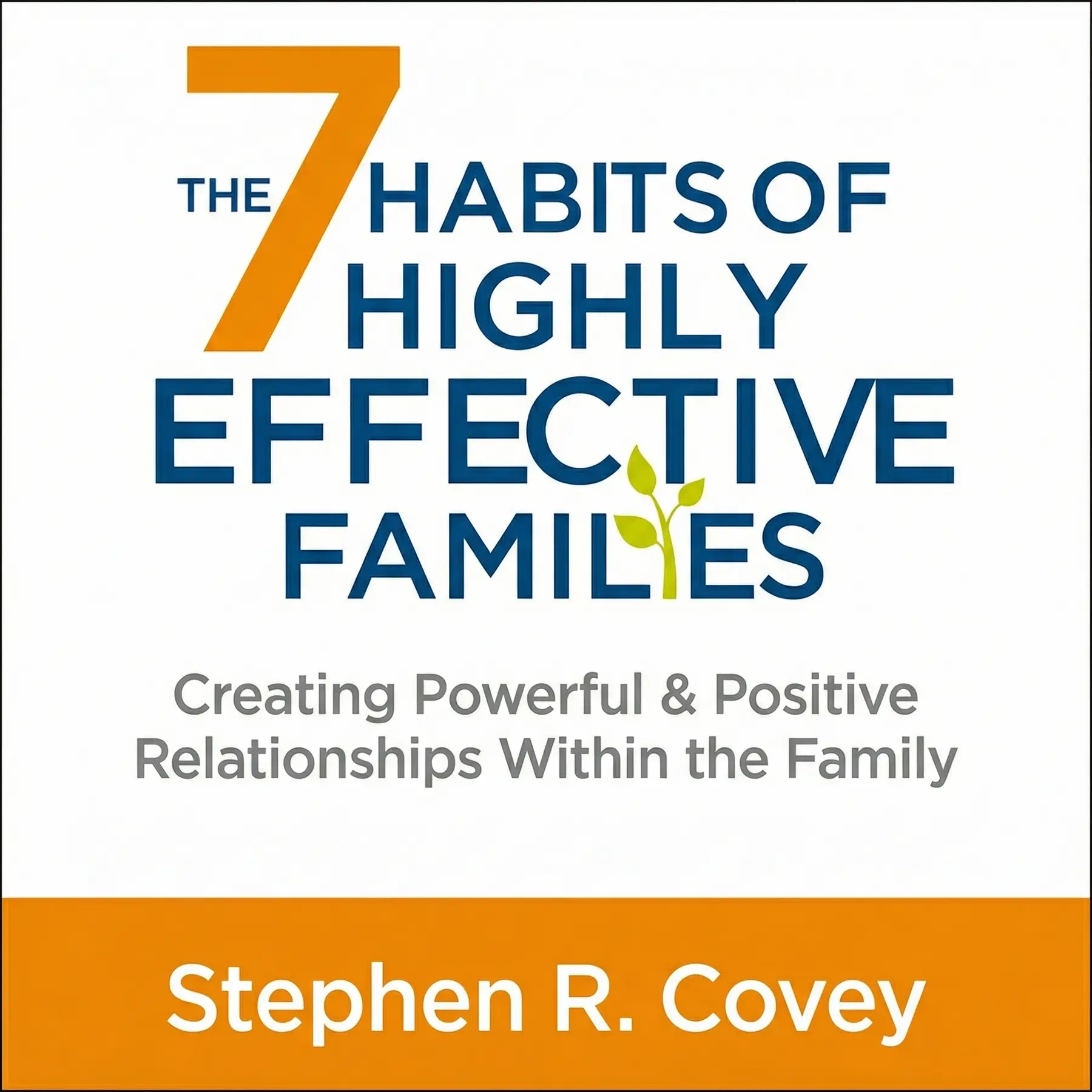
The 7 Habits of Highly Effective Families
Stephen R. Covey adapts his world-renowned principles to the domestic sphere, offering a practical framework for building a loving, proactive family culture through shared values, deep listening, and intentional leadership.
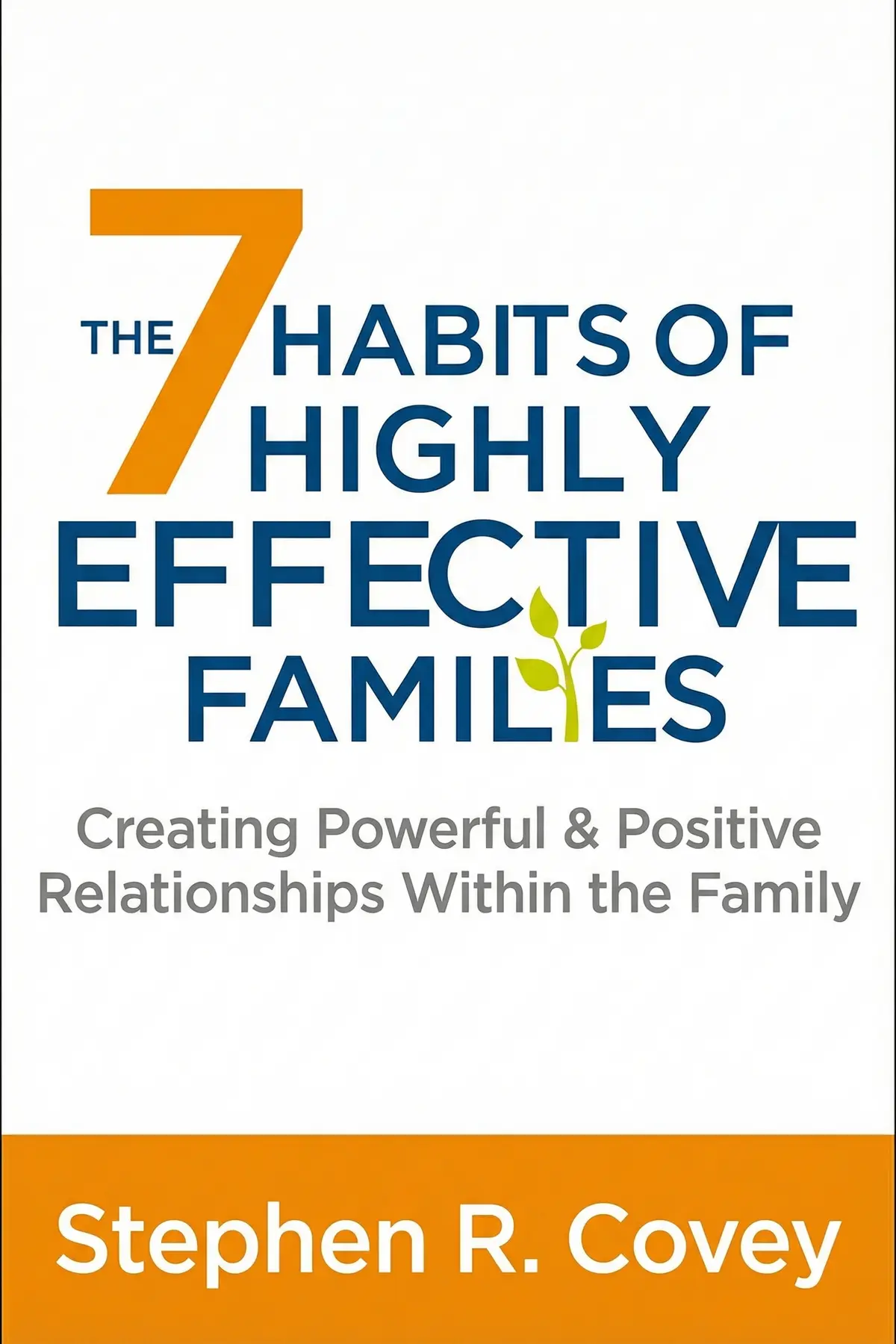
Table of Content
1. Introduction
2 min 17 sec
Imagine you are standing on the tarmac of a busy airport, watching a massive jet prepare for takeoff. You have the chance to chat with the pilot before the cabin doors close, and you ask a simple question: Where are we headed today? Now, imagine the pilot shrugs and tells you that there is no specific destination in mind. He explains that the crew plans to just take off, see which way the wind is blowing, and land whenever they feel like it.
Most of us would find that prospect terrifying. We certainly wouldn’t trust our safety to such a flight. Yet, if we are being honest, many of us run our families in exactly this way. We react to the immediate crises of the day, we follow the ‘wind’ of social pressure or busy schedules, and we hope that we’ll somehow end up in a good place. We lack a flight plan, and we lack a clear sense of where we are going.
In this summary of Stephen R. Covey’s The 7 Habits of Highly Effective Families, we are going to explore how to change that. Dr. Covey, who was not only a world-renowned leadership expert but also a father of nine and grandfather to dozens, realized that the same principles that make a business successful are even more vital in the home. The family is the most fundamental unit of society, yet it is often the area where we are the least intentional.
Over the course of this exploration, we will look at how to move from a reactive state to a proactive one. We’ll learn how to draft a ‘blueprint’ for your family’s future through a mission statement, and we’ll discuss the ‘Big Rocks’—those non-negotiable priorities that must come first if the family is to survive and thrive. We will also dive into the ‘Emotional Bank Account,’ a metaphor that explains why some relationships feel wealthy and resilient while others feel bankrupt.
By the end of this journey, you will have a comprehensive toolkit for building a family culture that is not just functional, but deeply effective. You will see how simple shifts in communication and perspective can turn a chaotic household into a supportive, synergistic team. It’s about more than just getting through the week; it’s about creating a legacy of love and effectiveness that lasts for generations.
2. Choosing Your Response
3 min 02 sec
Discover the hidden freedom that exists between a stimulus and your reaction, and learn how to use four unique human gifts to break generational cycles.
3. The Family Blueprint
2 min 43 sec
Learn why a written mission statement is the ultimate guide for family life and how to create one that every member supports.
4. Prioritizing the Big Rocks
2 min 38 sec
Examine the practical systems that ensure your most important relationships don’t get squeezed out by the trivialities of daily life.
5. The Wealth of Mutual Benefit
2 min 40 sec
Explore the concept of the Emotional Bank Account and learn how to move from a competitive ‘me’ mindset to a collaborative ‘we’ mindset.
6. The Art of Empathic Listening
2 min 27 sec
Discover why most communication fails and how shifting your focus from being heard to understanding others can heal even the deepest rifts.
7. The Power of Creative Cooperation
2 min 16 sec
Uncover the ‘third way’ that emerges when families embrace their differences and work together to create something better than individual ideas.
8. Investing in Renewal
2 min 28 sec
Understand why constant production leads to burnout and how taking time to ‘sharpen the saw’ preserves the most valuable asset you have.
9. Conclusion
2 min 18 sec
As we conclude our journey through the seven habits for families, it is important to remember that these principles are not a quick fix. You cannot simply read them once and expect your family culture to transform overnight. Instead, think of these habits as a spiral staircase. You start at the bottom with habit one, being proactive, and you work your way through to habit seven, renewal. But when you reach the top, you don’t stop. You start again, but this time you are at a higher level. You have more experience, more trust, and a deeper understanding.
Success in family life is not about perfection. Dr. Covey often said that even the best families are ‘off course’ 90% of the time. The difference between a highly effective family and a struggling one isn’t that the effective family never has problems; it’s that they have a flight plan and a destination. They know how to recognize when they’ve drifted, and they have the tools to correct their course. They have a shared language and a shared commitment to each other.
So, where do you go from here? The most powerful advice is to start with yourself. You are the center of the circle. You cannot force your spouse or your children to be proactive, but you can choose to be proactive yourself. You can choose to be a light, not a judge. You can choose to be a model, not a critic. When you start changing your own behavior, it creates a ripple effect. As you make deposits into the Emotional Bank Accounts of those around you, you will find that the climate of your home begins to shift.
Try a thirty-day challenge. Pick one relationship in your family that feels strained and commit to being a ‘transition person’ for that person for the next month. Press the pause button before you react to them. Listen to them with the intent to understand. Look for win-win solutions. Don’t wait for them to change first. As you apply these habits with consistency and sincerity, you will discover the truth that Stephen Covey spent his life teaching: that the greatest joy and the most significant work you will ever do will be within the four walls of your own home. By building a highly effective family, you aren’t just improving your own life; you are changing the world, one generation at a time.
About this book
What is this book about?
The 7 Habits of Highly Effective Families explores how the principles of personal and interpersonal effectiveness can be applied to the most important organization in the world: the family. Stephen R. Covey argues that just as successful businesses and individuals require a clear vision and disciplined habits, families must also operate with intentionality to withstand the pressures of modern life. This guide provides a step-by-step roadmap for shifting from a reactive, crisis-driven home environment to one rooted in mutual respect and shared goals. By introducing concepts like the family mission statement and the emotional bank account, Covey demonstrates how to foster deep trust, improve communication, and ensure that family relationships remain the top priority amidst the chaos of daily schedules.
Book Information
About the Author
Stephen R. Covey
Dr. Stephen R. Covey was a respected leadership authority, teacher, organizational consultant, and a respected authority on family life. He authored the internationally best-selling The 7 Habits of Highly Effective People, which has sold over 50 million copies worldwide and has been published in over 40 languages. He was also a father to nine and grandfather to 55.
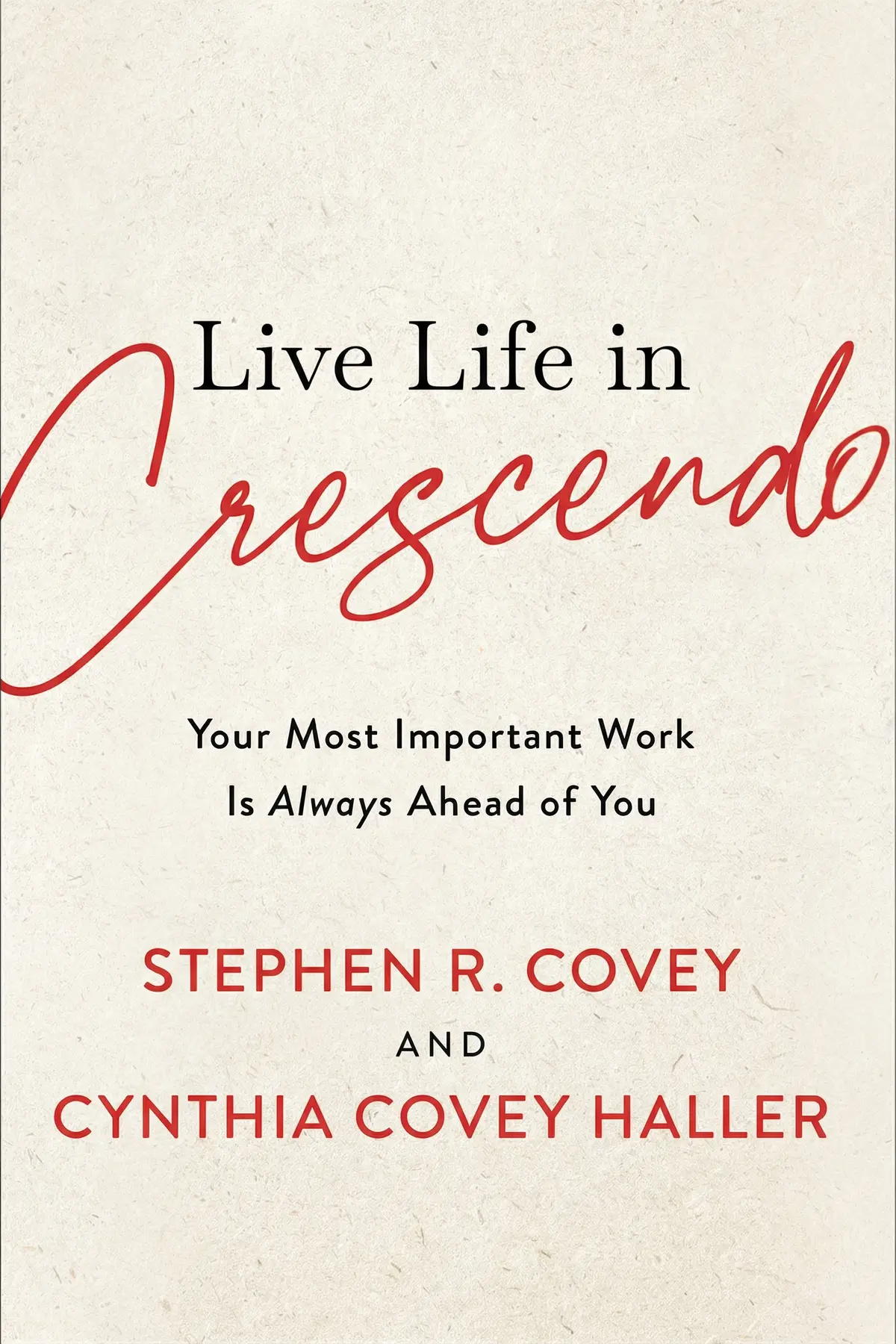
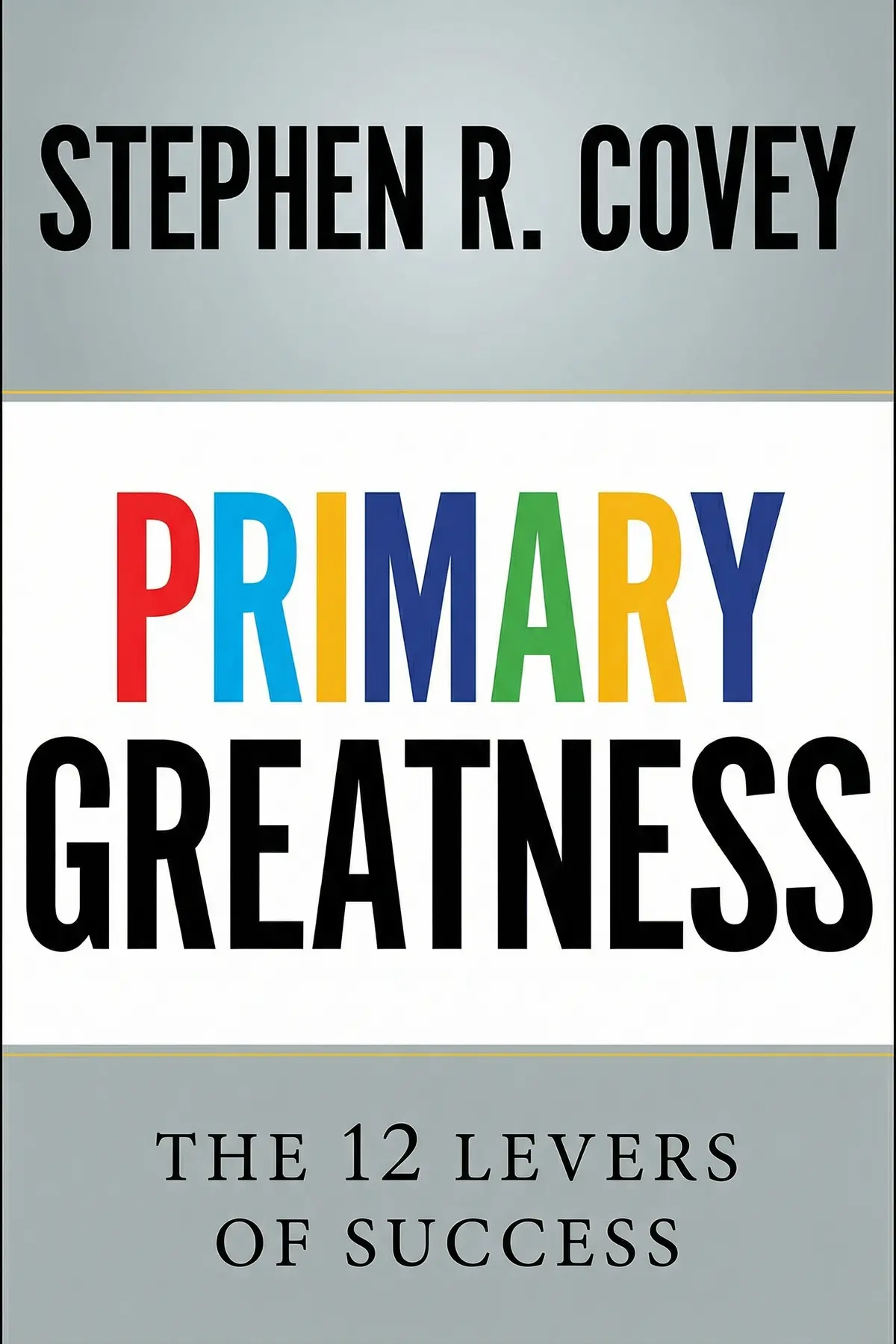
Primary Greatness: The 12 Levers of Success
Stephen R. Covey
The 8th Habit: From Effectiveness to Greatness
Stephen R. Covey
The Speed of Trust: The One Thing That Changes Everything
Stephen R. Covey
Ratings & Reviews
Ratings at a glance
What people think
Listeners find the work insightful and helpful, with one individual noting that it provides doable examples. Furthermore, they value its accessibility, with one person highlighting its suitability for families with children of any age. The title also receives praise for its capacity to foster strong family relationships.
Top reviews
Pornthip
Ever wonder why family life feels like a constant scramble to catch up? Covey nails the feeling of being "off course" 90% of the time, which was a huge relief for me to hear. This isn't about being a perfect parent; it's about having a flight plan to get back on track when things inevitably get messy. I loved the emphasis on building an emotional bank account with your kids and the practical, doable examples provided for families with children of any age. Truth is, I actually highlighted sections on "choosing your own weather" because my personal mood often dictates the entire household vibe. It's a long read and some stories feel a bit dated, but the core principles for building stronger bonds are truly timeless. It really shifts the focus from discipline to genuine connection.
Show moreNim
Picked this up because I wanted more than just a surface-level parenting guide, and Covey delivered something much deeper. He focuses on the "end in mind," asking us to think about what kind of adults we want our children to become. I especially appreciated the 2022 update which addresses modern struggles like screen time and toxic relatives. The writing style is very readable, though you have to ignore the occasional outdated assumption about traditional gender roles. Look, the specific story about the miscarriage was jarring and felt poorly handled by the mother in the anecdote, but the overarching message about empathy and love is vital. It’s a great reference book for those who want to cultivate a proactive rather than reactive family life.
Show morePrim
The section on the "Emotional Bank Account" changed how I look at my relationship with my spouse and my kids. It’s such a simple metaphor, but it makes so much sense when you’re dealing with daily friction. Gotta say, I enjoyed the 2022 version because it feels more relevant to our current world of constant digital distraction. The book is easy to read, and while it's long, you can easily dip in and out of chapters as needed. I’ve started implementing the "family meeting" and even though it was awkward at first, it's helping us stay on track. It’s a must-read if you want to move beyond just "getting through the day" and actually build a legacy of love.
Show moreSienna
If you are tired of parenting books that only offer "band-aid" solutions, this is the deep dive you need. It focuses on the roots of behavior rather than just the symptoms. I love how it treats the family as a team with a shared vision. The examples are doable and didn't make me feel like a failure, even when the authors shared their own "grumpy" moments. It’s remarkably readable for such a thick book. I’ve already noticed a shift in how we handle conflict; we’re actually looking for "Third Alternatives" instead of just compromising. It’s an essential read for anyone who wants a more harmonious and effective home life.
Show moreManee
This book takes the classic corporate habits and translates them into the messy world of chores, tantrums, and teenagers. I found the chapter on family mission statements particularly useful, even if the process felt a bit formal for our casual household. To be fair, Covey’s tone can lean toward the "kumbaya" side, and the religious undertones are definitely there if you’re looking for them. However, the advice on listening first and talking second is something every parent needs to hear on repeat. Not gonna lie, I skipped some of the longer anecdotes that felt repetitive and bloated. Despite the length, it’s a solid resource for anyone wanting to be more deliberate about their home culture and build a sense of unity.
Show moreWittaya
As a parent of three, I’m always looking for ways to reduce the chaos and this provided a great framework. The idea that "home and work have switched places" as venues for adult relaxation really hit home for me. I’ve been using the "win-win" approach for chores, and it’s actually working without the usual yelling matches. In my experience, the book is a bit too long and could have been condensed by at least half. Covey repeats himself to ensure the message sticks, but it can feel like he's trying to take credit for basic common sense at times. Still, the results speak for themselves. Our family culture feels more intentional and less like we're just surviving the day.
Show moreAhmed
After hearing about the 7 Habits for years, I finally dove into the family version and found it surprisingly insightful. It’s not just for church-goers, despite what some critics say; the principles of being proactive and seeking first to understand are universal. I liked how it addresses families at every stage, from toddlers to grown children. One minor gripe is that the anecdotes sometimes feel too perfect, like no one in the Covey family ever truly loses their cool. But then he'll mention a personal failure, and the book feels human again. This is a high-quality guide for building a "positive note" in your home. I’ll definitely be keeping this on the shelf for future reference and re-reading.
Show moreGiulia
While I appreciate the depth of research, this book could have been a 50-page pamphlet and been just as effective. Covey is clearly a brilliant thinker, but the sheer volume of stories can be overwhelming and sometimes distracting from the actual habits. That said, the "Begin with the End in Mind" principle is a total game-changer for discipline. It stops me from overreacting to small messes and helps me focus on the long-term character of my children. Personally, I found the "Choose Your Weather" concept to be the most helpful tool for my own mental health as a busy mom. It’s a high-quality guide, even if it feels a bit dated and traditional in its worldview.
Show moreLucia
Frankly, the concept of applying business habits to a family unit felt a bit cold at first, and the execution didn't entirely change my mind. I struggled with the faith-based, almost smarmy tone that permeates many of the personal stories. Some of the data feels like it belongs in the 1990s, especially regarding the traditional model where mothers are expected to be the primary emotional anchors. I did find the bit about yard maintenance and teaching kids responsibility through a "contract" to be a practical win, though. It’s a bit of a hand-holding fest that might irritate the cynics among us. If you can get past the fluff, there are some nuggets of wisdom buried in there for strengthening relationships.
Show moreChanon
I was skeptical going in, and unfortunately, this just wasn't for me. The advice felt banal and primitive, disguised as some revolutionary discovery by a corporate guru. "Listen more than you talk" isn't a breakthrough; it's basic human decency. The book is incredibly repetitive, saying the same thing three different ways in every single chapter to the point of frustration. I was also deeply disturbed by the anecdote regarding the mother who subverted her feelings during a miscarriage for the sake of her daughter's "positive experience." That felt incredibly unhealthy and out of touch with modern psychological understanding. If you want a book that prioritizes empathy without the smarmy corporate-speak, I’d look elsewhere. This felt more like a lecture than a guide.
Show moreReaders also enjoyed


AUDIO SUMMARY AVAILABLE
Listen to The 7 Habits of Highly Effective Families in 15 minutes
Get the key ideas from The 7 Habits of Highly Effective Families by Stephen R. Covey, plus 5,000+ more titles in English and Thai.
- 5,000+ titles
- Listen as much as you want
- 7-day free trial
- Cancel anytime







